-
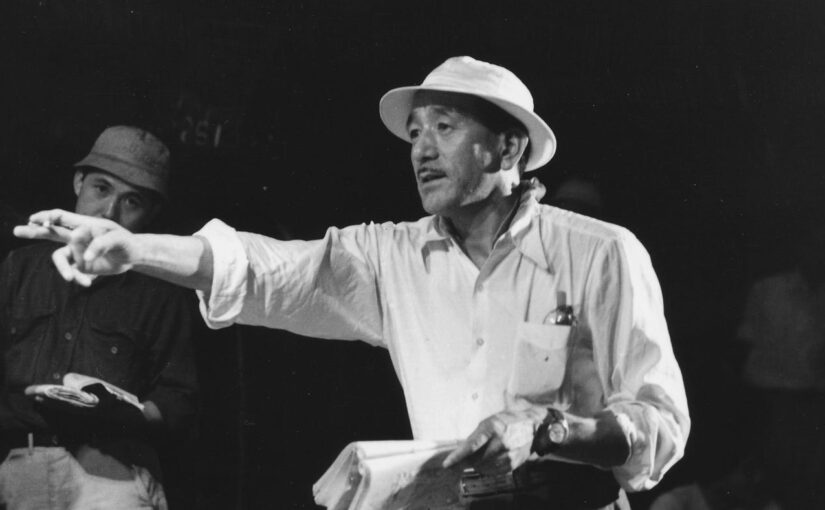
Yasujirō Ozu: Family in the Frame
Earning the mantle of one of cinema’s great formalists, Yasujiro Ozu develops a distinctive visual language rooted in meditative pacing and meticulously composed interiors, evoking a Zen-like tranquility through which the subtle, unspoken tensions of domestic life quietly unfold.
-

No Other Choice (2025)
Never has Park Chan-wook wielded his fatalistic irony with such a darkly comedic edge as he does in No Other Choice, sending one unemployed paper specialist on a murderous trail against rival job candidates, and sharply exposing the bureaucratic nihilism of modern capitalism.
-
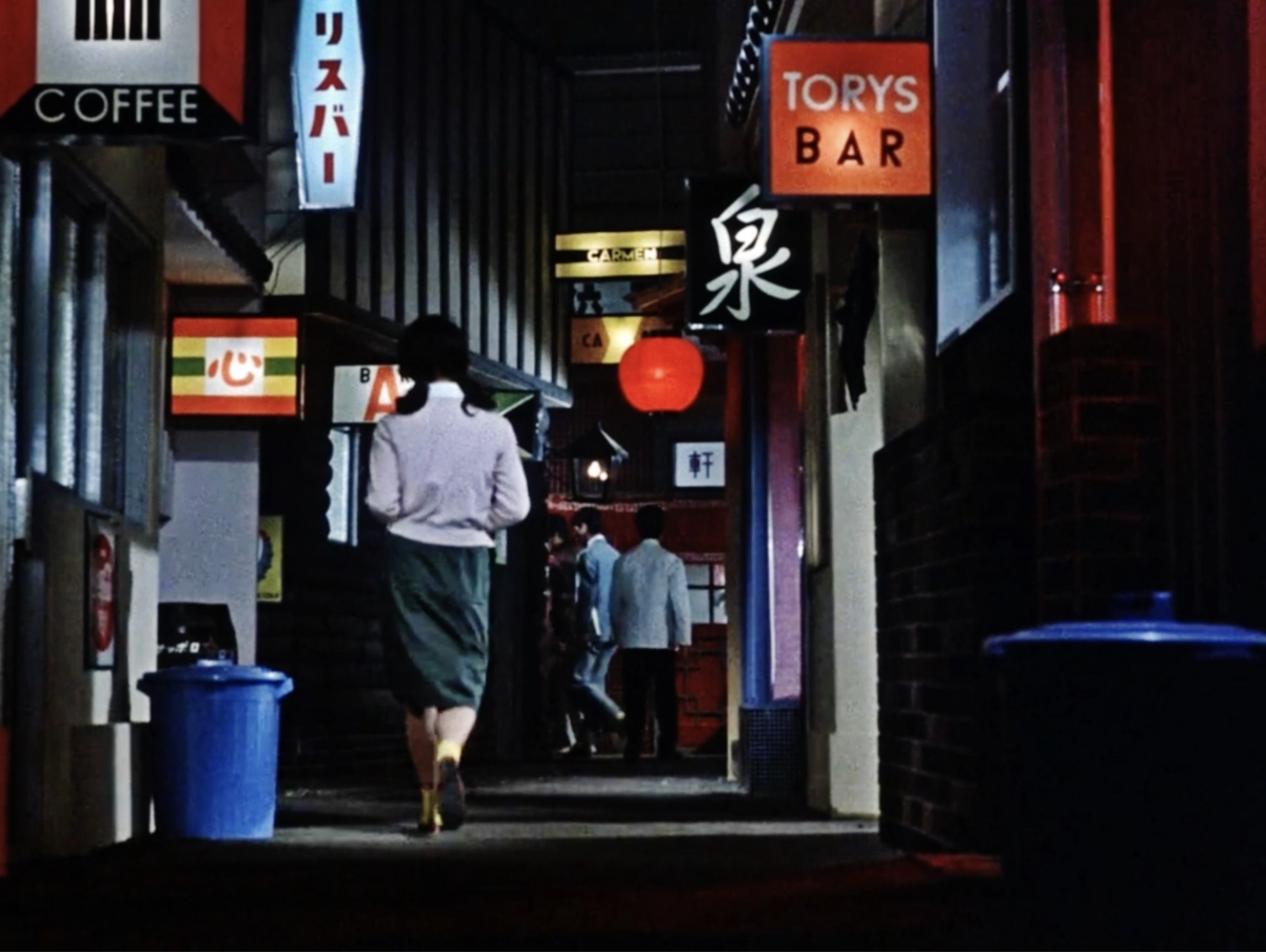
An Autumn Afternoon (1962)
If Yasujirō Ozu’s filmography is a cinematic suite charting the tension between tradition and progress, then An Autumn Afternoon stands as a tender final movement, tracing a widowed father’s reluctant push to marry off his daughter amid Japan’s mid-century commercialism.
-
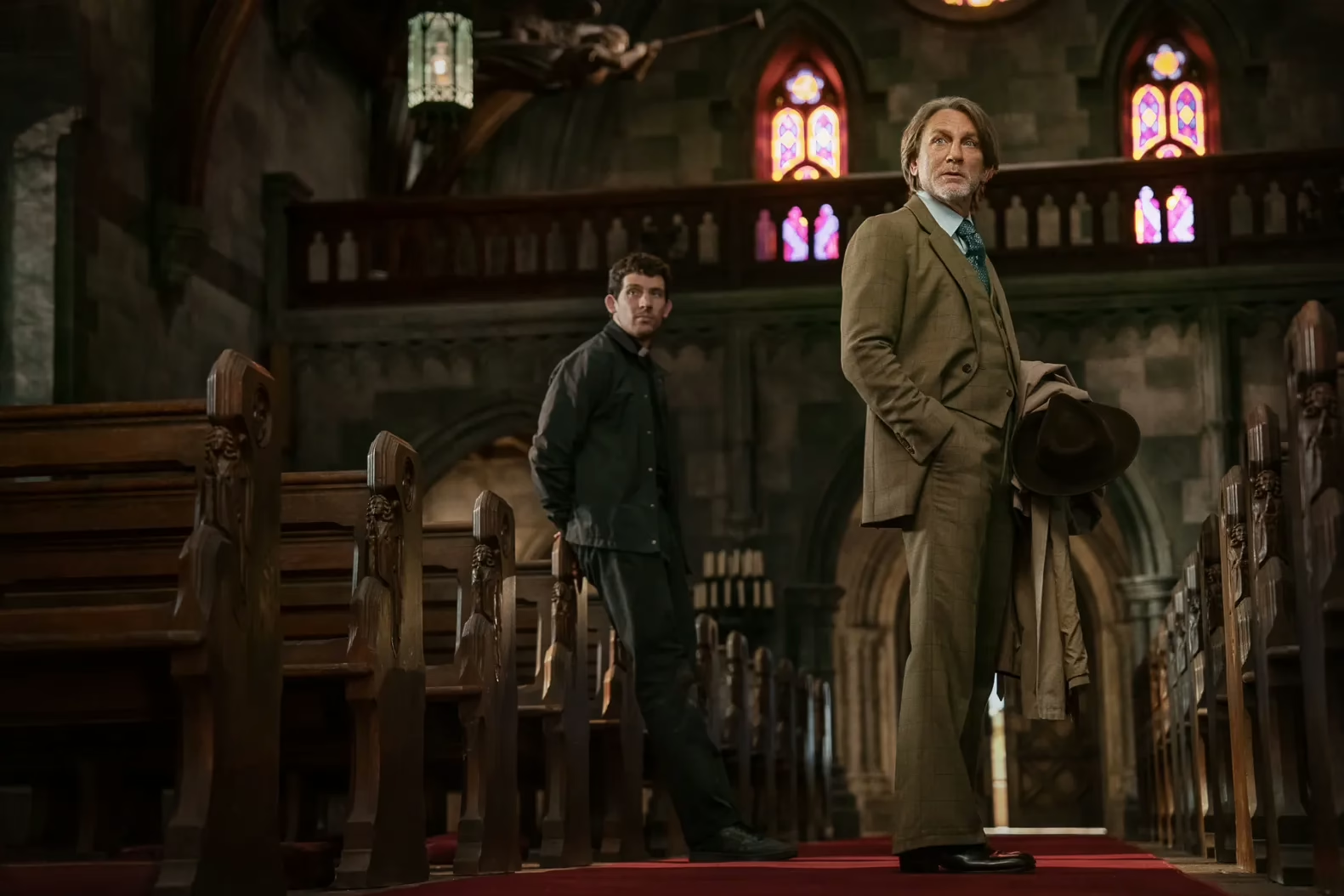
Wake Up Dead Man (2025)
The cerebral pleasures of Wake Up Dead Man’s painstakingly plotted mystery may captivate the mind, yet Rian Johnson’s careful attention to the spiritual stakes within a guilty church congregation resonates with haunting ambiguity, unravelling the impossible, locked-room murder of a vindictive priest.
-
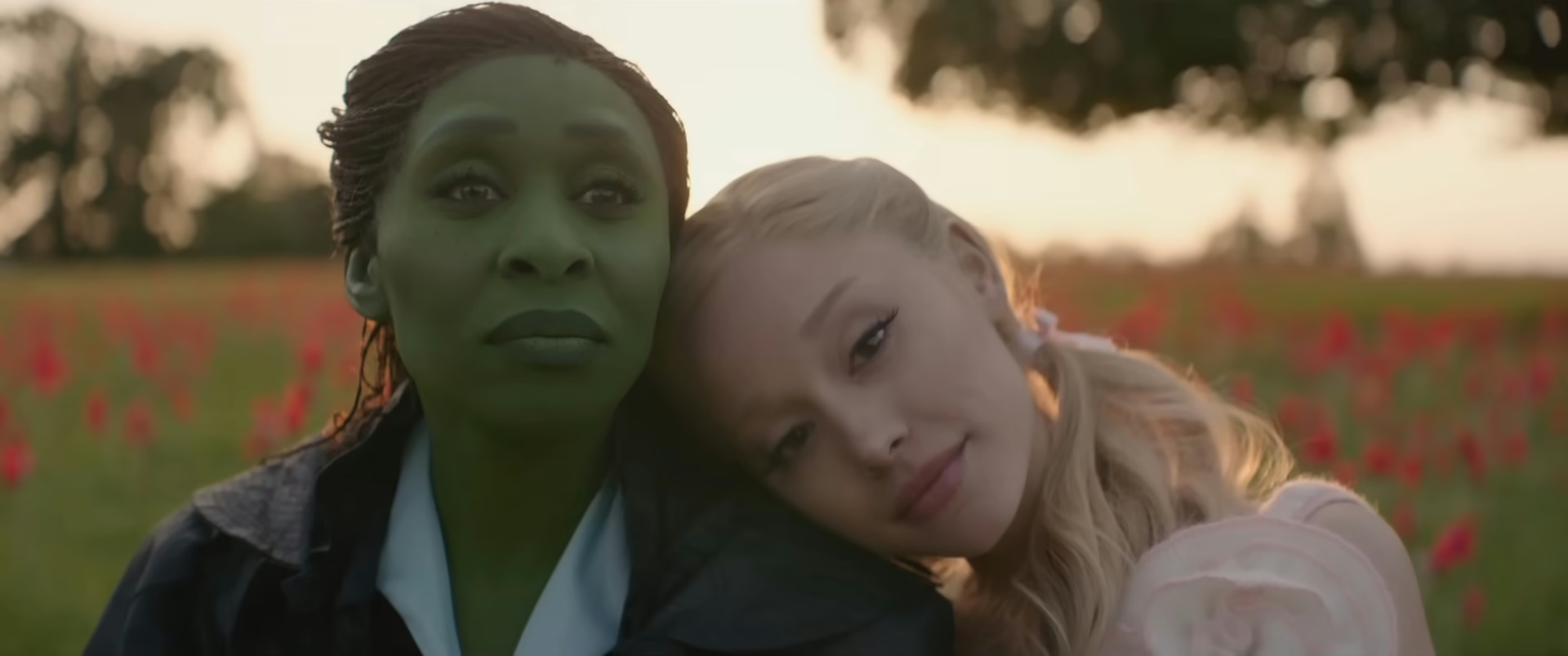
Wicked: For Good (2025)
Although the uneven pacing of Wicked: For Good blunts its dramatic urgency, Jon M. Chu delivers a finale steeped in fantastical, kaleidoscopic ambition, subverting cinematic canon with lavish worldbuilding, impossible designs, and freshly layered characterisations.