Top 10 of the Year
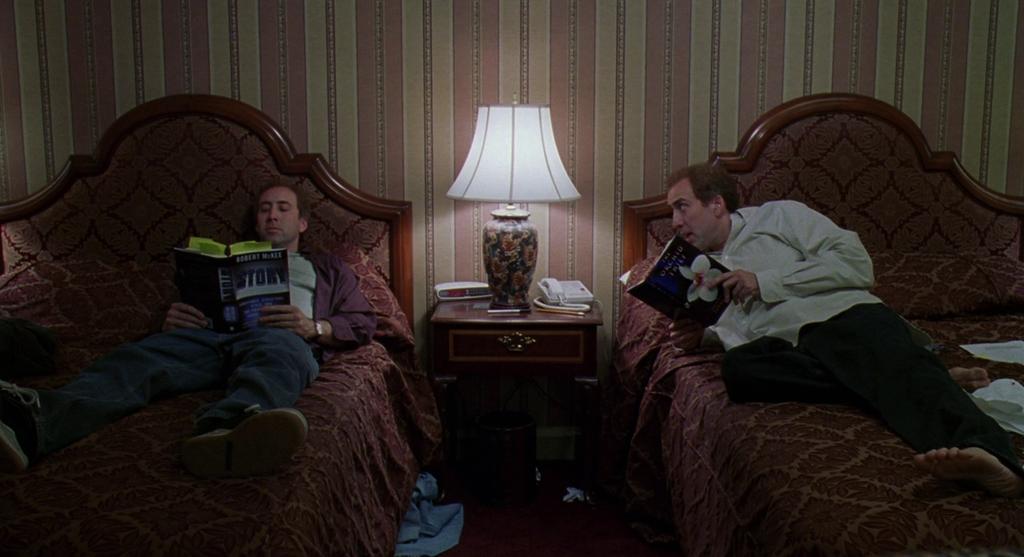
| 1. Hero | Zhang Yimou |
| 2. Punch-Drunk Love | Paul Thomas Anderson |
| 3. Sympathy for Mr. Vengeance | Park Chan-wook |
| 4. The Lord of the Rings: The Two Towers | Peter Jackson |
| 5. Irreversible | Gaspar Noé |
| 6. 25th Hour | Spike Lee |
| 7. City of God | Fernando Meirelles, Kátia Lund |
| 8. Talk to Her | Pedro Almódovar |
| 9. Road to Perdition | Sam Mendes |
| 10. Far From Heaven | Todd Haynes |

Best Film – Hero
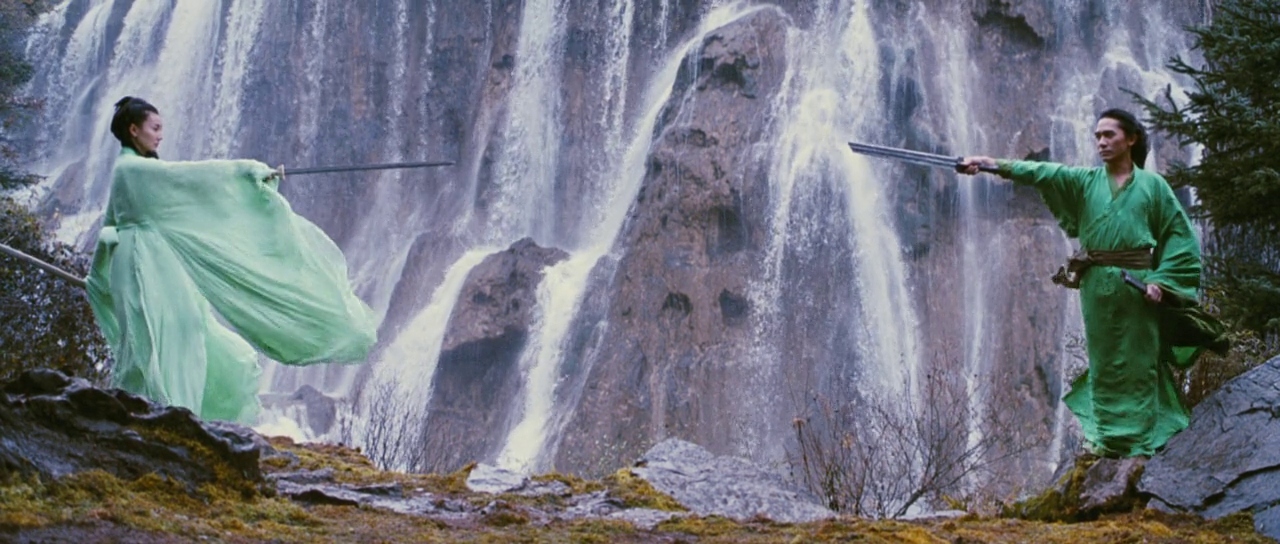
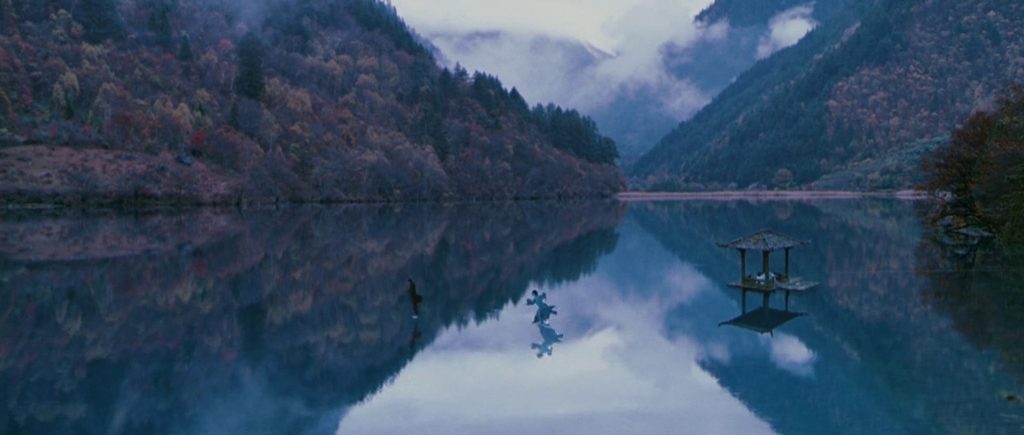
Zhang Yimou had previously framed leaders, concubines, and labourers as modern folk heroes, each impacted by the turbulent 20th century, though Hero marks his formal entry into mythmaking of a more ancient, elemental kind. Martial arts are elevated to a mystical philosophy in the wuxia genre, gifting mortals the abilities of flight, agility, and lethal precision that surpass ordinary physical limits, and here Zhang even compares this swordsmanship to music and calligraphy in its creative discipline. Sworn enemies glide freely between trees, as weightless as the wind, and feet skim lightly across the surface of tranquil, blue lakes, leaving little more than a ripple behind.
Hero is also one of cinema’s most visually sumptuous exhibitions of colour, tying its varied palettes to the shifting accounts of one nameless swordsman’s confrontations with three legendary assassins. Its Rashomon-like structure of distinct perspectives keeps us questioning the true nature of Nameless as he presents himself before the King, and Zhang’s scope continues to expand as his story traverses deserts, lakes, and kingdoms. Through its interlocking visual and martial arts sequences, Hero continuously reframes our concept of heroic virtue, pondering whether greatness truly lies in individual triumph or self-sacrifice.
Most Underrated – Hero
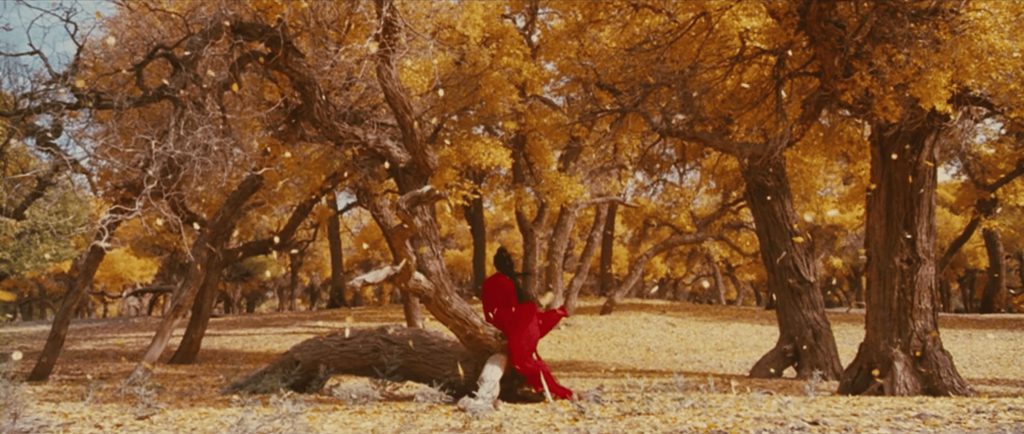
Yimou Zhang’s masterpiece is sitting way outside TSPDT’s Top 1000 list at #1239. This is especially baffling seeing how his other films have hardly been overlooked, and tough to reckon with given its rightful place inside the top 100. Hero is the pinnacle of wuxia cinema, but there are evidently many who simply haven’t caught up yet.
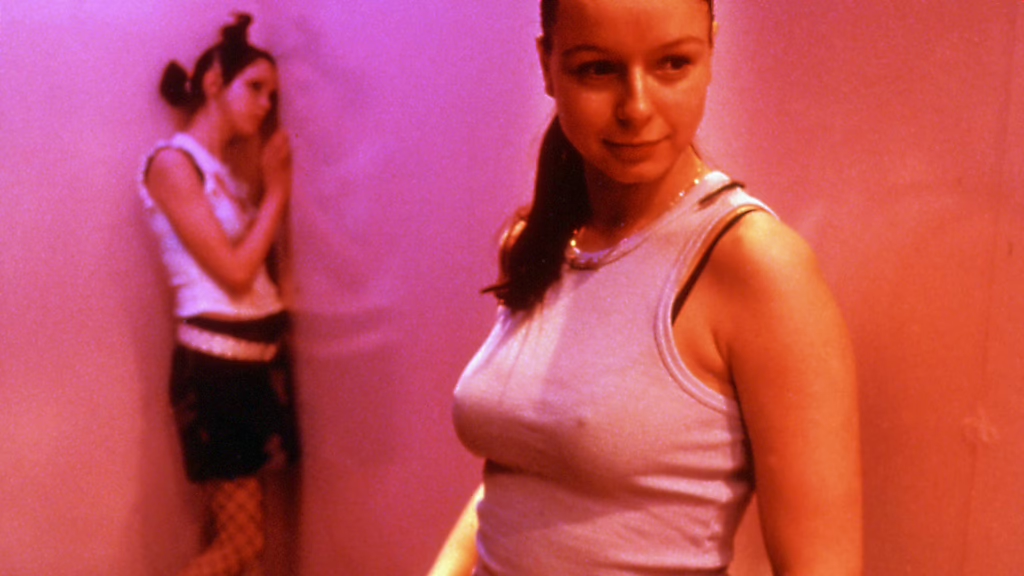
Most Overrated –Morvern Callar
Sitting at #543 on the TSPDT top 1000 and therefore the 4th best film of 2002, Morvern Callar is a little overrated, though I would hesitate to criticise it too much. Lynne Ramsay’s harrowing study of grief unfolds through the alienating subjectivity of its title character, who awakens on Christmas morning to find that her boyfriend has taken his own life. Her questionable decisions in the aftermath feel consistent within her numbed psychological state, and as we drift through Ramsay’s dreamy, elliptical editing, they become disturbingly conherent to us as well. Through its dynamic lighting, minimalist dialogue, and languid pacing, Morvern Callar very gradually unfolds as a bleakly absorbing mood piece, offering an unsettling portrait of a disoriented, detached trauma.
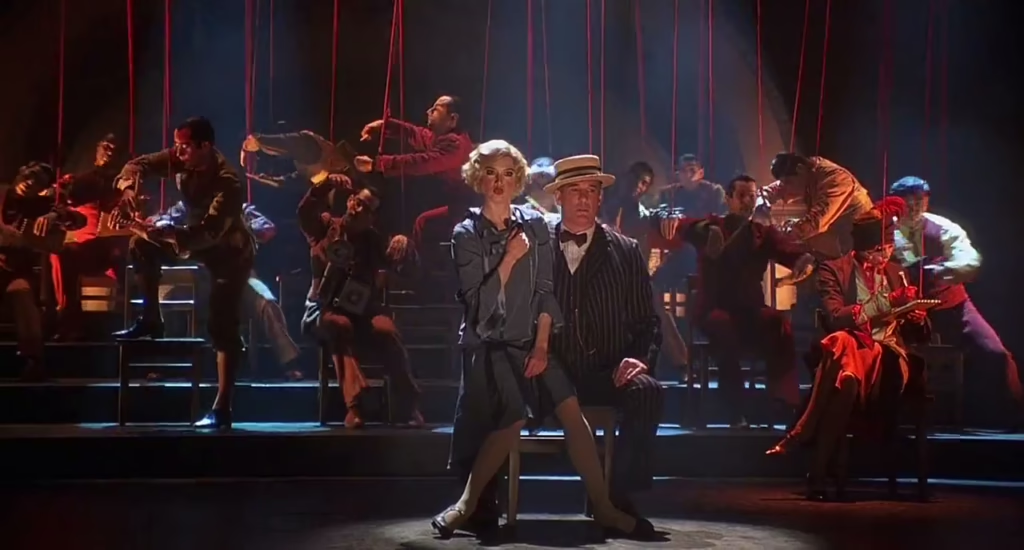
Best Directorial Debut – Chicago
Rob Marshall’s career is patchy at best, but he gets a decent start here with the Best Picture-winning Chicago, demonstrating an admirable command of rhythm, tone, and spectacle. Coming from a background in theatre and choreography, Marshall confidently translates stage musicality into cinematic language, using sharp editing rhythms to blur performance and reality while giving vivid expression to his characters’ twisted psychology.
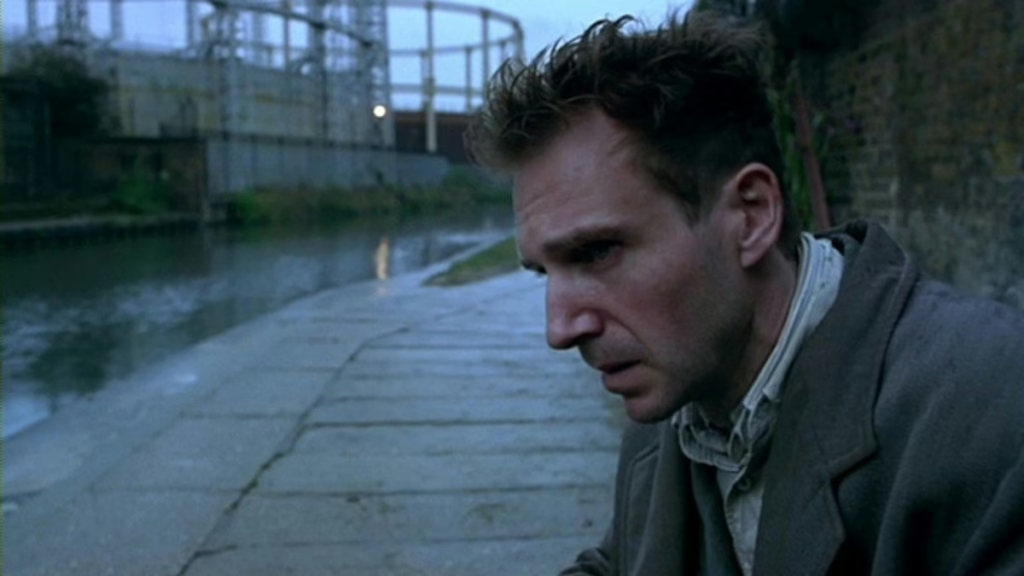
Gem to Spotlight – Spider
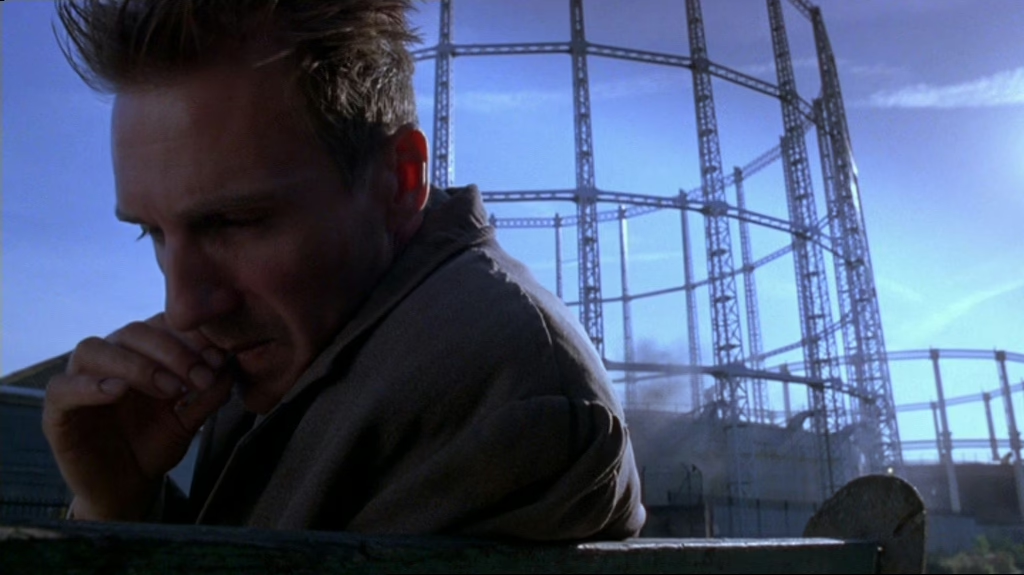
David Cronenberg veers sharply away from body horror and into psychological thriller with Spider, sinking a deeply haunted man into childhood flashbacks that blend the identities of two women in his life – his warm, caring mother, and his father’s cruel, sexually intimidating mistress. The result is a Freudian character study largely carried by Ralph Fiennes’ internalised performance, hunching over as he plays passive witness to his own past. This almost feels like a Lynne Ramsay film in its formal rhythms and emotional detachment, but with hulking, industrial structures dominating the mise-en-scène, Cronenberg is evoking something visually closer to Michelangelo Antonioni .
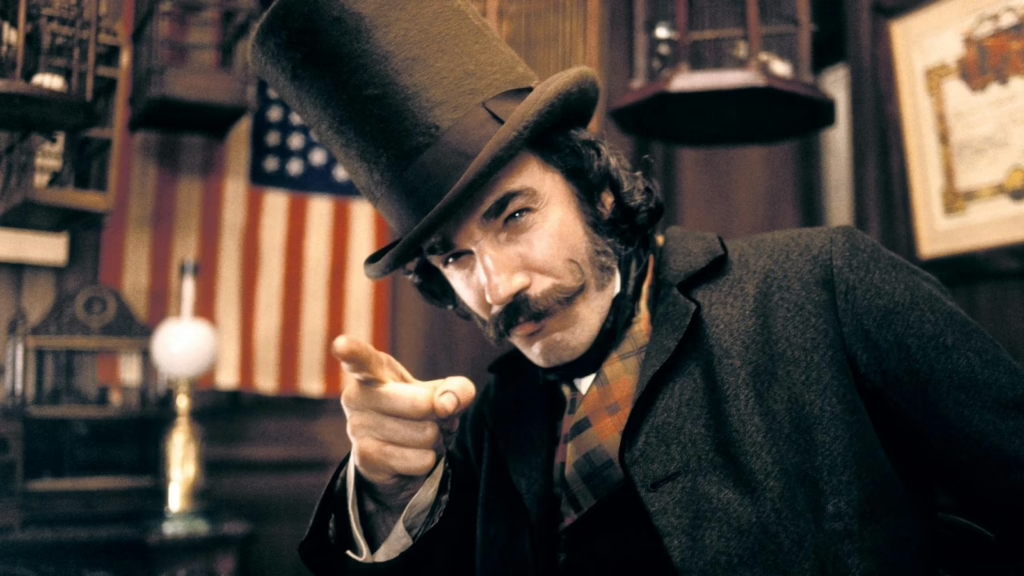
Best Male Performance – Daniel Day-Lewis in Gangs of New York
Daniel Day-Lewis dominates Gangs of New York with a ferociously theatrical performance as Bill the Butcher, embodying the old-world tribalism of America’s past. His monologues carry a Shakespearean authority, and his mere presence transforms gangland conflicts into blood-soaked splendour, commanding the frame in his ridiculously large top hat.
Adam Sandler also delivers a career-redefining performance in Punch-Drunk Love, with Paul Thomas Anderson shrewdly harnessing his comic instincts and the cultural persona he came to represent in the 90s. Sandler recontextualises his buffoonish awkwardness here, balancing Barry Egan’s arrested emotional development with a dramatic vulnerability, and revealing a gentle sincerity beneath the rage.
| Actor | Film |
| 1. Daniel Day-Lewis | Gangs of New York |
| 2. Adam Sandler | Punch-Drunk Love |
| 3. Edward Norton | 25th Hour |
| 4. Andy Serkis | The Lord of the Rings: The Two Towers |
| 5. Song Kang-ho | Sympathy for Mr. Vengeance |
| 6. Shin Ha-kyun | Sympathy for Mr. Vengeance |
| 7. Robin Williams | One Hour Photo |
| 8. Ralph Fiennes | Spider |
| 9. Nicolas Cage | Adaptation |

Best Female Performance – Julianne Moore in Far From Heaven
Julianne Moore’s housewife in Far From Heaven is caught between social expectation and forbidden desire, and through her performance we witness an almost imperceptible erosion of composure as she navigates her unacknowledged emotions and husband’s secret life. She stoically bears the suffocating pressures of 1950s suburbia, faithfully serving Todd Haynes’ emulation of a Sirkian melodrama, and beautifully complementing the setting’s societal repression with a heightened sentimentality.
| Actress | Film |
| 1. Julianne Moore | Far From Heaven |
| 2. Emily Watson | Punch-Drunk Love |
| 3. Samantha Morton | Morvern Callar |
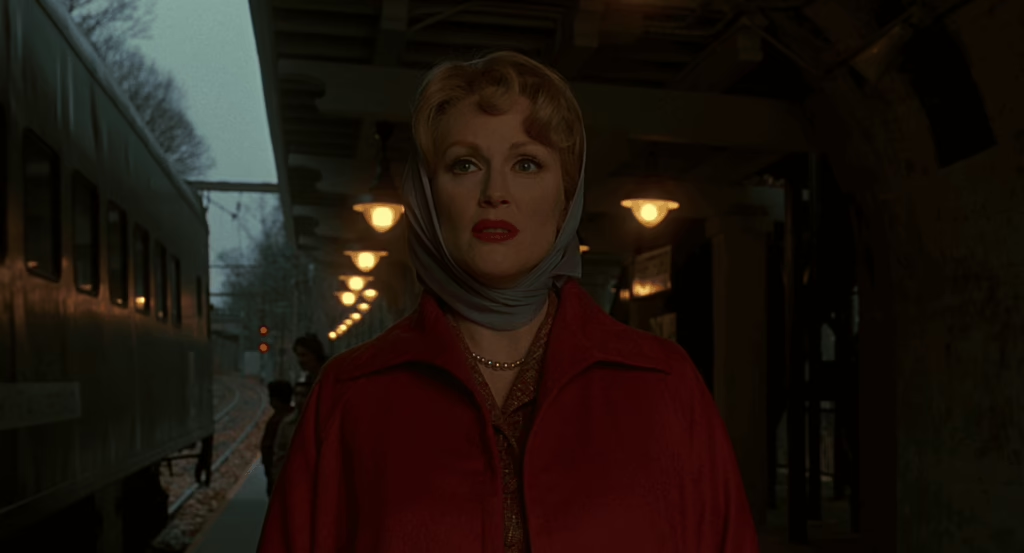
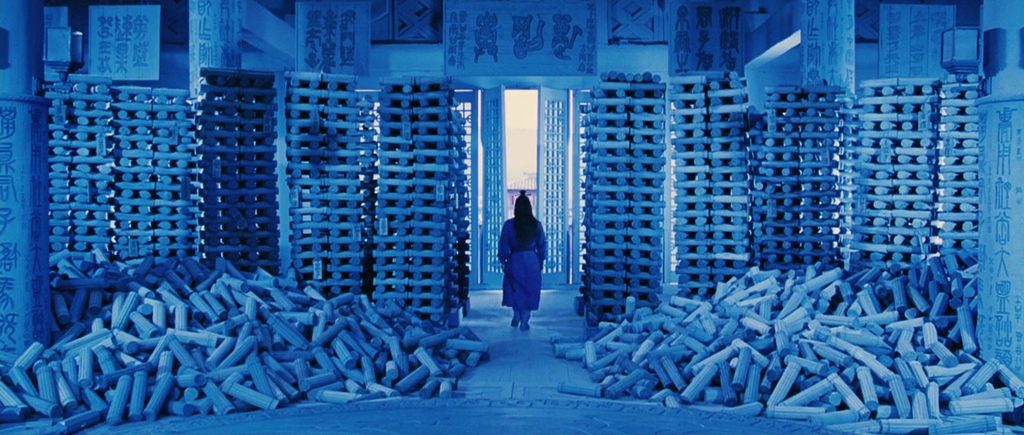
Best Cinematography – Hero
Christopher Doyle’s cinematography in Hero achieves a stunning fusion of the epic and intimate, magnifying the political stakes of the narrative while preserving the psychological subjectivity of its characters. His camera glides through combat with a dancer’s sensitivity, lingering on precise swordplay, rippling water, and the interplay of fabric and body in motion, while grand battle formations turn massed soldiers into geometric tableaux. It is specifically the use of colour as a narrative device though which stands as its most impressive formal achievement, representing various perspectives through vibrant palettes – fiery reds for passion and betrayal, tranquil blues for sorrow and harmony, monochrome blacks and whites for truth, and verdant greens for the quiet pursuit of peace.
| Film | Cinematographer |
| 1. Hero | Christopher Doyle |
| 2. Punch-Drunk Love | Robert Elswit |
| 3. Irreversible | Benoît Debie, Gaspar Noé |
| 4. Sympathy for Mr. Vengeance | Kim Byung-il |
| 5. Road to Perdition | Conrad Hall |
| 6. The Lord of the Rings: The Two Towers | Andrew Lesnie |
| 7. Russian Ark | Tilman Büttner |
| 8. Far From Heaven | Edward Lachman |
| 9. City of God | César Charlone |
| 10. Talk to Her | Javier Aguirresarobe |
| 11. Minority Report | Janusz Kamiński |
| 12. Gangs of New York | Michael Ballhaus |
| 13. Star Wars: Episode II – Attack of the Clones | David Tattersall |
| 14. Panic Room | Conrad W. Hall, Darius Khondji |
| 15. Spider | Peter Suschitzky |
| 16. One Hour Photo | Jeff Cronenweth |
| 17. Morvern Caller | Alwin H. Küchler |
| 18. 25th Hour | Rodrigo Prieto |
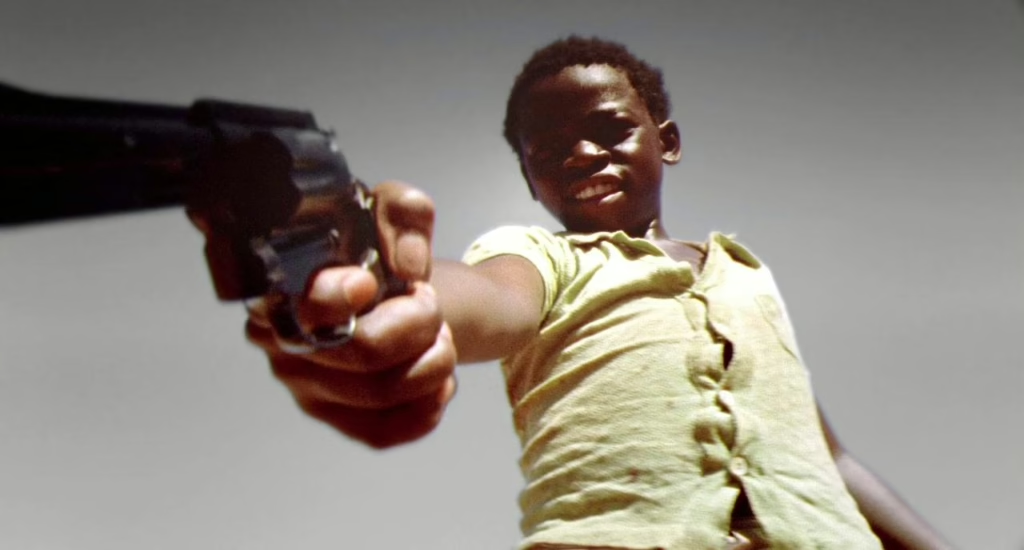
Best Editing – City of God
The editing in City of God is a relentless, energetic onslaught, reflecting the chaos of Rio’s gang-ridden favelas. There is undoubtedly a touch of Quentin Tarantino and Danny Boyle’s influences here, pulling out split screens, jump cuts, montages, freeze frames, and slow-motion to propel the story across decades, and giving the film its kinetic momentum. Tension continues to escalate to greater heights, yet still it maintains a pervasive naturalism, grounding its bold stylistic flourishes in an immediate reality.
| Film | Editor |
| 1. City of God | Daniel Rezende |
| 2. Hero | Angie Lam |
| 3. 24 Hour Party People | Trevor Waite |
| 4. The Lord of the Rings: The Two Towers | Michael J. Horton |
| 5. 25th Hour | Barry Alexander Brown |
| 6. Sympathy for Mr. Vengeance | Kim Sang-bum |
| 7. The Hours | Peter Boyle |
| 8. Morvern Caller | Lucia Zucchetti |
| 9. Star Wars: Episode II – Attack of the Clones | Ben Burtt |
| 10. Spider | Ronald Sanders |
| 11. One Hour Photo | Jeffrey Ford |
| 12. Punch-Drunk Love | Leslie Jones |
| 13. Minority Report | Michael Kahn |
| 14. Gangs of New York | Thelma Schoonmaker |
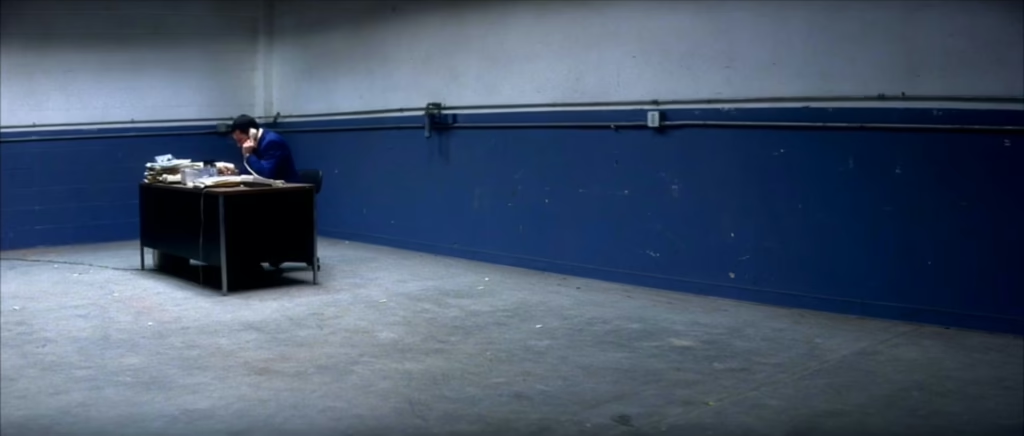
Best Screenplay – Punch-Drunk Love
Paul Thomas Anderson’s screenplay for Punch-Drunk Love delicately balances dissonant chaos and harmony, structuring Barry Egan’s turbulent existence around a series of escalating tensions that resist resolution. Everyday absurdities collide in ways that feel both arbitrary and meticulously orchestrated, reflecting Barry’s psychological disarray while carefully revealing buried patterns in this unstable cosmos. Anderson’s dialogue is equally exacting too, abruptly shifting conversations, ricocheting between topics, and revealing both the suppressed rage and sensitivity within this character of contradictions.
| Film | Screenwriter |
| 1. Punch-Drunk Love | Paul Thomas Anderson |
| 2. 25th Hour | David Benioff |
| 3. Adaptation | Charlie Kaufman |
| 4. The Hours | David Hare |
| 5. Gangs of New York | Jay Cocks, Steven Zaillian, Kenneth Lonergan |
| 6. Talk to Her | Pedro Almodovar |
| 7. The Lord of the Rings: The Two Towers | Fran Walsh, Philippa Boyens, Peter Jackson, Stephen Sinclair |
| 8. Hero | Feng Li, Bin Wang, Zhang Yimou |
| 9. 24 Hour Party People | Frank Cottrell Boyce |
| 10. Minority Report | Scott Frank, Jon Cohen |
| 11. City of God | Bráulio Mantovani |
| 12. One Hour Photo | Mark Romanek |
Best Original Music Score – The Lord of the Rings: The Two Towers
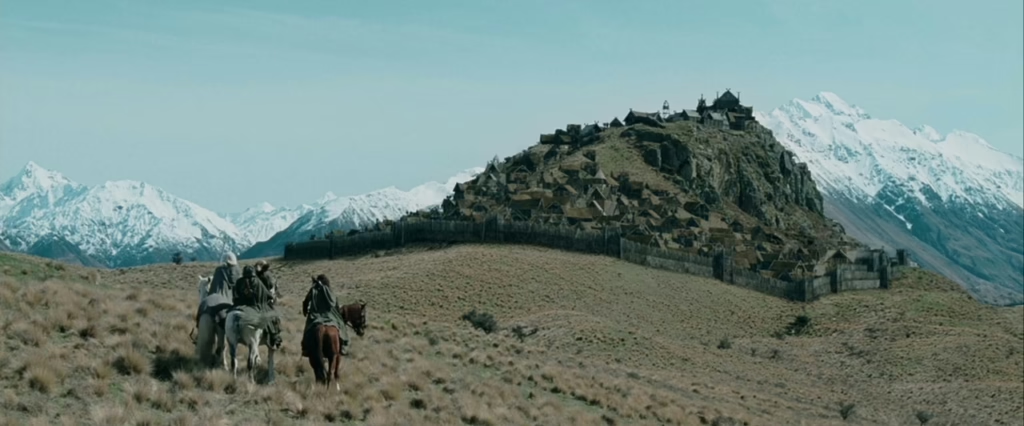
Howard Shore’s score forThe Lord of the Rings: The Two Towers breaks apart the musical unity of Fellowship, reflecting a world splintered by war, corruption, and diverging paths. Where the first film’s themes emphasise fellowship and shared purpose, Shore now subjects those motifs to variation and distortion, mirroring the characters’ physical separation. This is evident in the emergence of the Rohan material, where a Hardanger fiddle introduces a raw, earthbound melancholy that distinguishes its culture from the ancient gravitas of Middle-earth’s older realms. Elsewhere, the score mutates Gollum’s theme alongside his internal struggle, while the choral writing grows more percussive as Saruman’s industrial evil encroaches upon the natural world from his base in Isengard.
| Film | Composer |
| 1. The Lord of the Rings: The Two Towers | Howard Shore |
| 2. Punch-Drunk Love | Jon Brion |
| 3. Hero | Tan Dun |
| 4. 25th Hour | Terence Blanchard |
| 5. Far From Heaven | Elmer Bernstein |
| 6. Talk to Her | Alberto Iglesias |
| 7. Irreversible | Thomas Bangalter |
| 8. Sympathy for Mr. Vengeance | Baik Hyun-jhin, Jang Young-gyu |
| 9. The Hours | Philip Glass |
| 10. Star Wars: Episode II – Attack of the Clones | John Williams |
| 11. Road to Perdition | Thomas Newman |
| 12. Minority Report | John Williams |
| 13. City of God | Antônio Pinto Ed Cortês |
| 14. One Hour Photo | Reinhold Heil, Johnny Klimek |
| 15. Panic Room | Howard Shore |
Year Breakdown
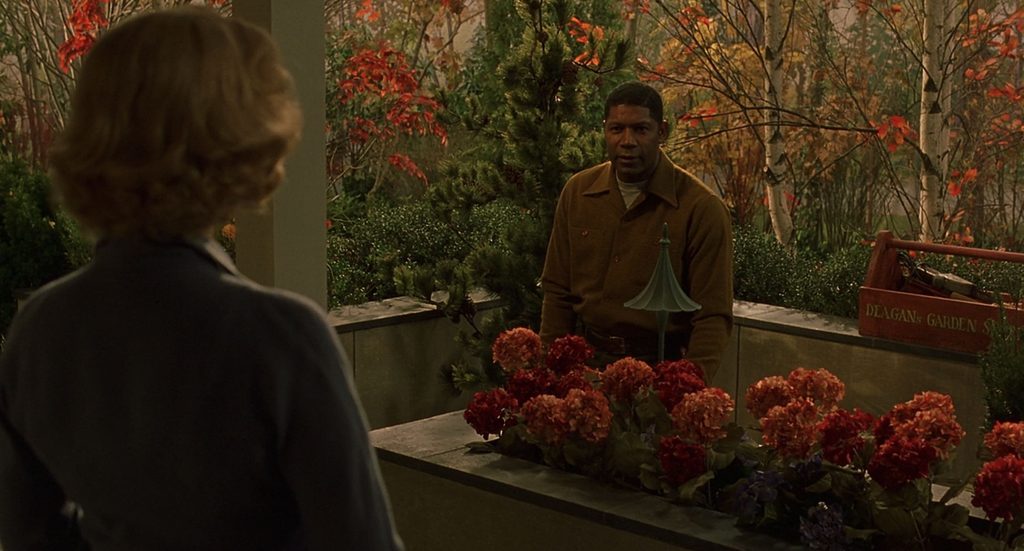
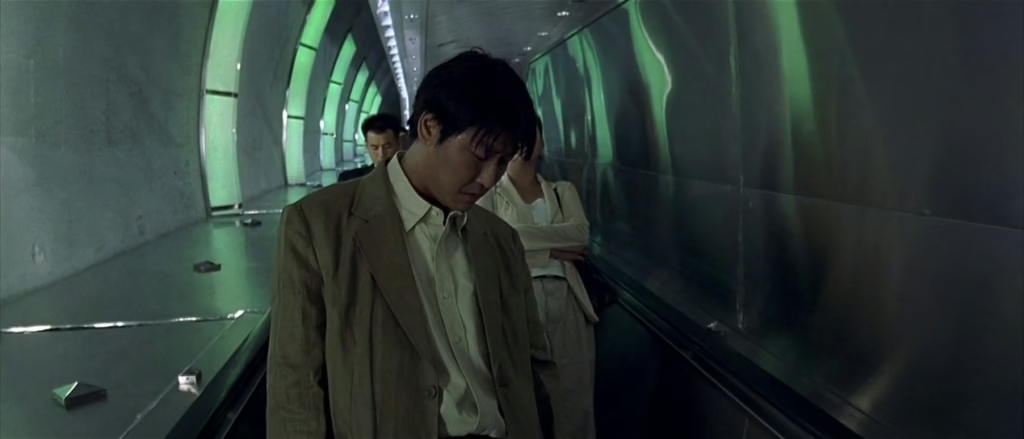
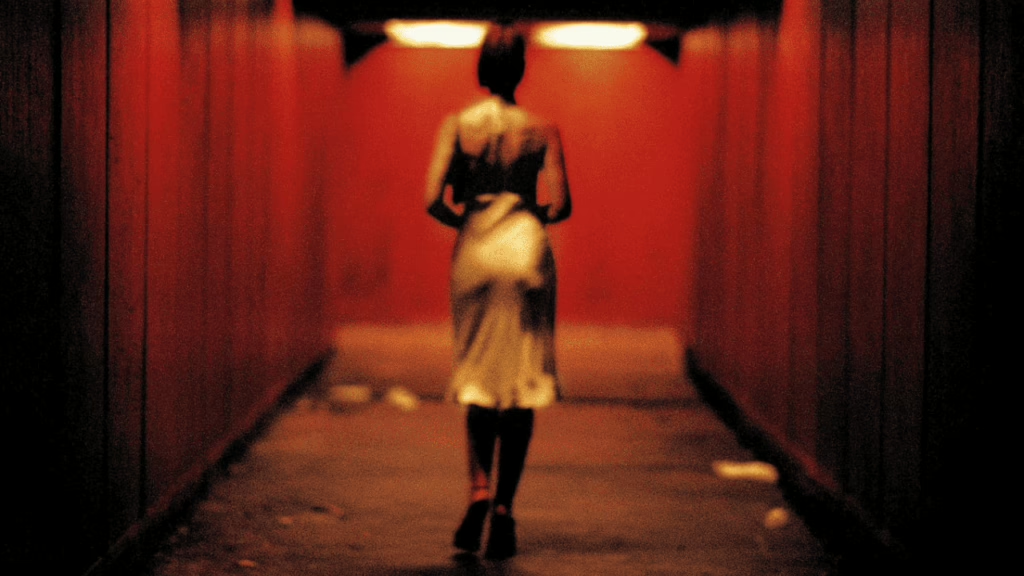
The years 1999 to 2001 are often celebrated as among the greatest three-year stretches of cinema, delivering classics like In the Mood for Love and Mulholland Drive, but it would be foolish to underestimate 2002. There is a large handful of films this year which didn’t make the top 10, but easily could have, including some by Martin Scorsese, Steven Spielberg, and David Fincher. As it is though, we have five full masterpieces at the top, with Zhang Yimou’s vibrant wuxia epic Hero leading the way. Also striking are the echoes of its colour sensibility in several other great films this year – the interplay of blues and pinks in Punch-Drunk Love, the murky green palette of Sympathy for Mr. Vengeance, the aggressive red lighting of Irreversible, the autumnal saturation of Far From Heaven, and of course the bold, primary hues of Talk to Her.

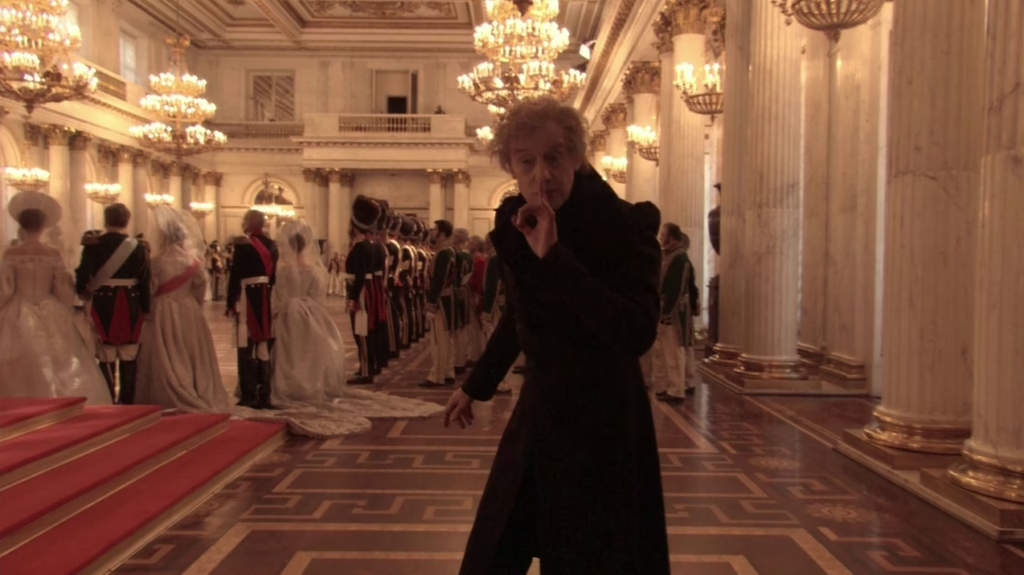
This is also the year of experimental, one-take films, observing scenes of history as we wander through Saint Petersburg’s Winter Palace in Russian Ark, and violently spinning like a gyroscope in Gaspar Noe’s harrowing archivable debut, Irreversible. The latter is not a film for the faint of heart – shocking in style, content, and structure, it unfolds in reverse chronological order, purposefully disorientating us just as Memento had done two years earlier.
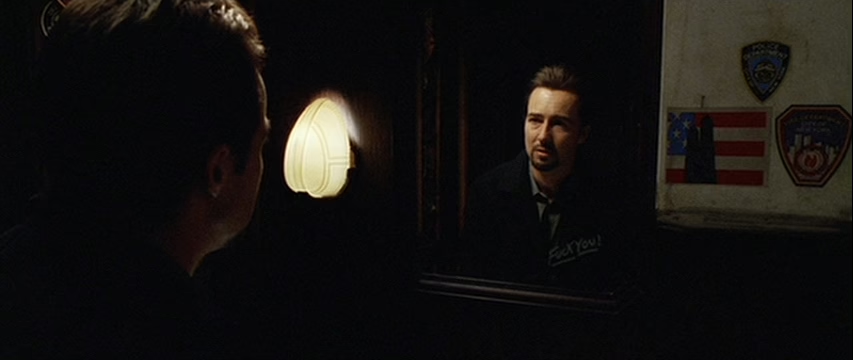
Culturally, we also start noticing the impact of the September 11 attacks on cinema, as Spike Lee takes channels the devastating imprint of ground zero into 25th Hour‘s indictment of a wounded city. Though anchored more in history than the present day, we also see further critiques of America in Gangs of New York, interrogating the violence and corruption at the heart of the nation’s founding, and pairing Leonardo DiCaprio with Scorsese for the first time. Striking a far more melodramatic tone, Far From Heaven delicately undermines the illusion of 1950s suburban bliss, exposing the racial prejudice, homophobia, and repression that threatens one sheltered housewife’s sense of identity.
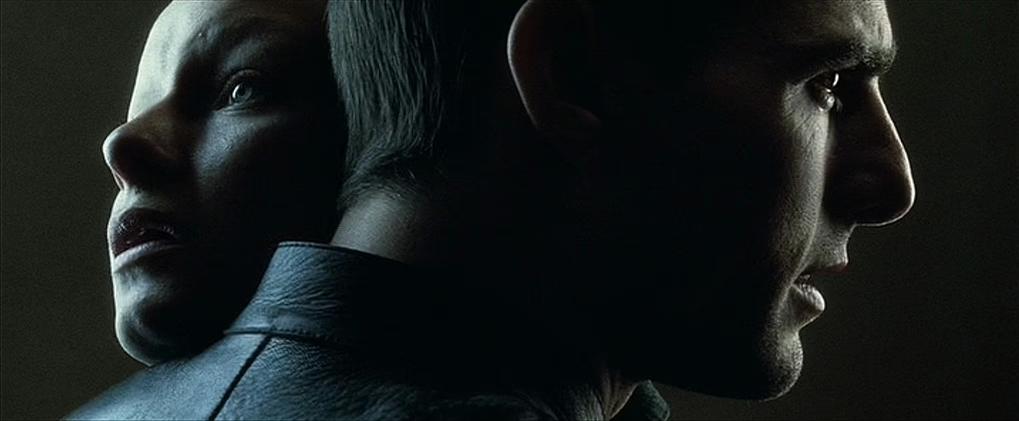
Anxiety continues to thrum beneath the surface of other 2002 films too, beginning Park Chan-wook’s Vengeance trilogy with Sympathy for Mr. Vengeance’s slow-burning descent into despair, while David Cronenberg shifts away from body horror and towards psychological thriller in Spider, and City of God restlessly barrels through cycles of violence with an adrenalised urgency. Perhaps most profoundly optimistic though is Punch-Drunk Love’s romantic comedy, building a precariously balanced world around one man’s nervous, emotional fragility. Paul Thomas Anderson is three films deep into his uninterrupted run of masterpieces here, and shows no signs of slowing down.
We have a collection of admirable blockbusters in 2002 as well. Star Wars: Episode II – Attack of the Clones isn’t one to sleep on, representing Lucas’ most confident directorial work since the original Star Wars in 1977, as well as an ambitious leap forward in digital filmmaking. Sam Raimi also begins hisSpider-Man trilogy this year, and although Harry Potter beat out The Lord of the Rings at the box office last year, this time it comes second to Peter Jackson’s continuation of his monumental fantasy saga. His time to sweep would the Oscars would come soon enough, but not quite yet, losing Best Picture to Chicago. Meanwhile over at Cannes Film Festival, Roman Polanski takes home the Palme d’Or for The Pianist – not the strongest competitor this year, but certainly among the most moving.

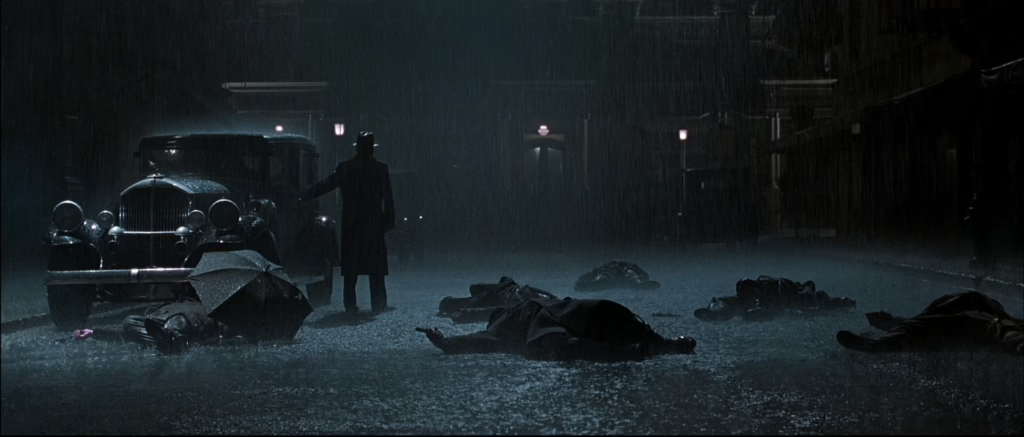
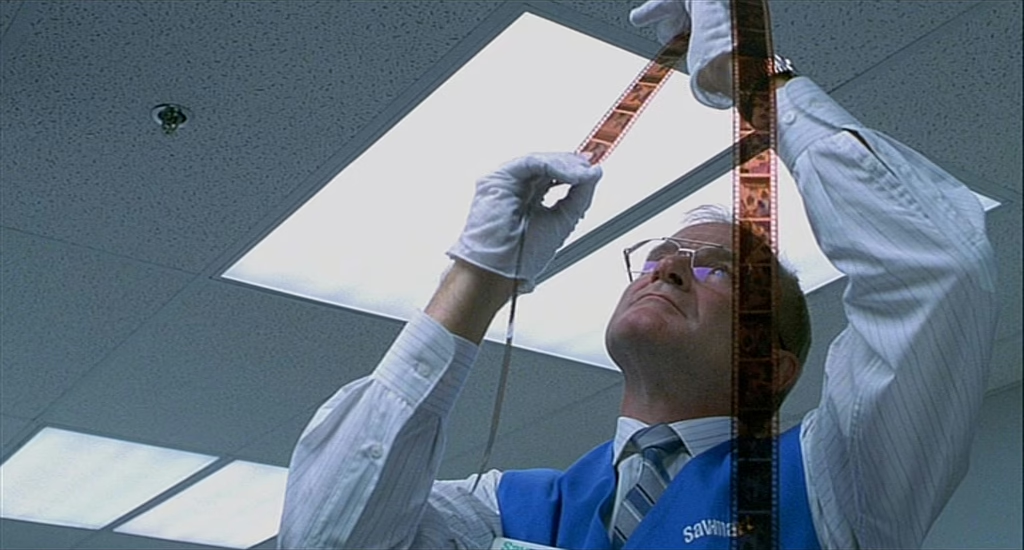
Sadly, 2002 marks the last archivable films for two great Hollywood actors. Road to Perdition may have solidified Sam Mendes as a rising director in Hollywood for its rich, stylised atmosphere, but for Paul Newman it signalled a grand career winding to a close, portraying Irish mob boss John Rooney with a mix of old-world honour and ruthlessness. Although Robin Williams would continue working for over a decade until his tragic passing, this year also marks his last archivable films in Insomnia and One Hour Photo, before he turned more towards broad comedies and family fare.
Still, 2002 also sees plenty of young actors enter the archives, giving reason for a bright future heading further into the new millennium. While 11-year-old Kristen Stewart pairs up with Jodie Foster in Panic Room, we see Amy Adams plays DiCaprio’s romantic interest in Catch Me If You Can. Danny Boyle also puts Cillian Murphy on the map with 28 Days Later, and Steven Spielberg last of all identifies great talent in Colin Farrell, giving him his breakthrough in Minority Report.

Film Archives
| Film | Director | Grade |
| 24 Hour Party People | Michael Winterbottom | HR |
| 25th Hour | Spike Lee | MS/MP |
| 28 Days Later | Danny Boyle | R |
| Adaptation | Spike Jonze | HR |
| Bright Future | Kiyoshi Kurosawa | R |
| Catch Me If You Can | Steven Spielberg | R |
| Chicago | Rob Marshall | R |
| City of God | Fernando Meirelles, Kátia Lund | MS |
| Far From Heaven | Todd Haynes | MS |
| Gangs of New York | Martin Scorsese | HR |
| Harry Potter and the Chamber of Secrets | Chris Columbus | R |
| Hero | Zhang Yimou | MP |
| Insomnia | Christopher Nolan | R |
| Irreversible | Gaspar Noé | MP |
| Ju-On: The Grudge | Takashi Shimizu | R |
| Morvern Caller | Lynne Ramsay | HR |
| Oasis | Lee Chang-dong | R |
| One Hour Photo | Mark Romanek | HR |
| Panic Room | David Fincher | HR |
| Punch-Drunk Love | Paul Thomas Anderson | MP |
| Rabbit-Proof Fence | Phillip Noyce | R |
| Ripley’s Game | Liliana Cavani | R |
| Road to Perdition | Sam Mendes | MS |
| Russian Ark | Alexander Sokurov | HR |
| Spider | David Cronenberg | HR/MS |
| Star Wars: Episode II – Attack of the Clones | George Lucas | HR |
| Sympathy for Mr. Vengeance | Park Chan-wook | MP |
| Talk to Her | Pedro Almódovar | MS |
| Ten | Abbas Kiarostami, Mania Akbari | R |
| The Hours | Stephen Daldry | HR |
| The Lord of the Rings: The Two Towers | Peter Jackson | MP |
| The Pianist | Roman Polanski | R |
| Treasure Planet | John Musker, Ron Clements | R |
| Unknown Pleasures | Jia Zhangke | R |