
-
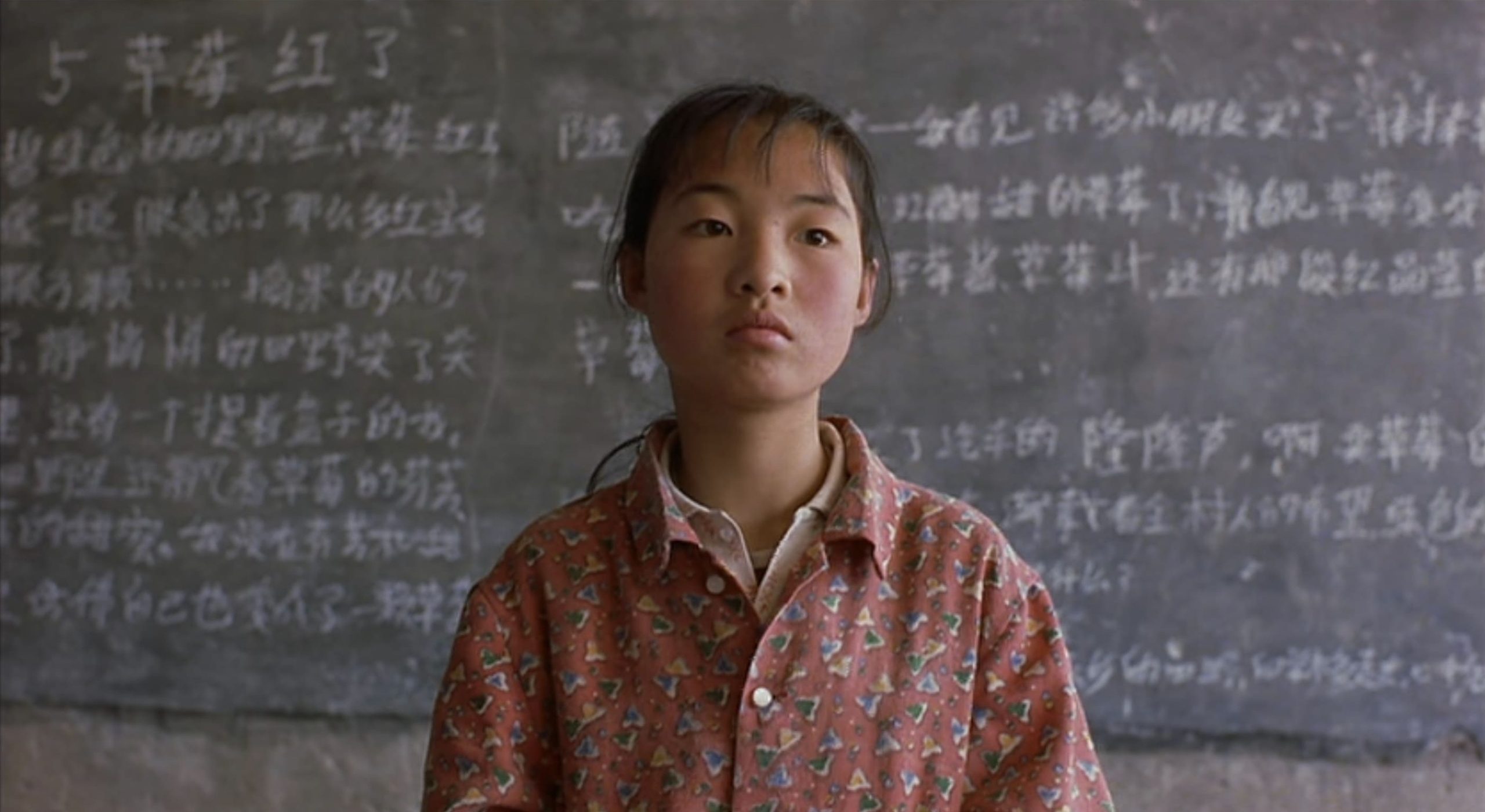
Not One Less (1999)
As Zhang Yimou tells the tale of a young, rural teacher searching for a runaway student in the city, he retains a disarming sincerity, dedicating Not One Less to the everyday labour of education and its responsibility to safeguard children’s futures.
-
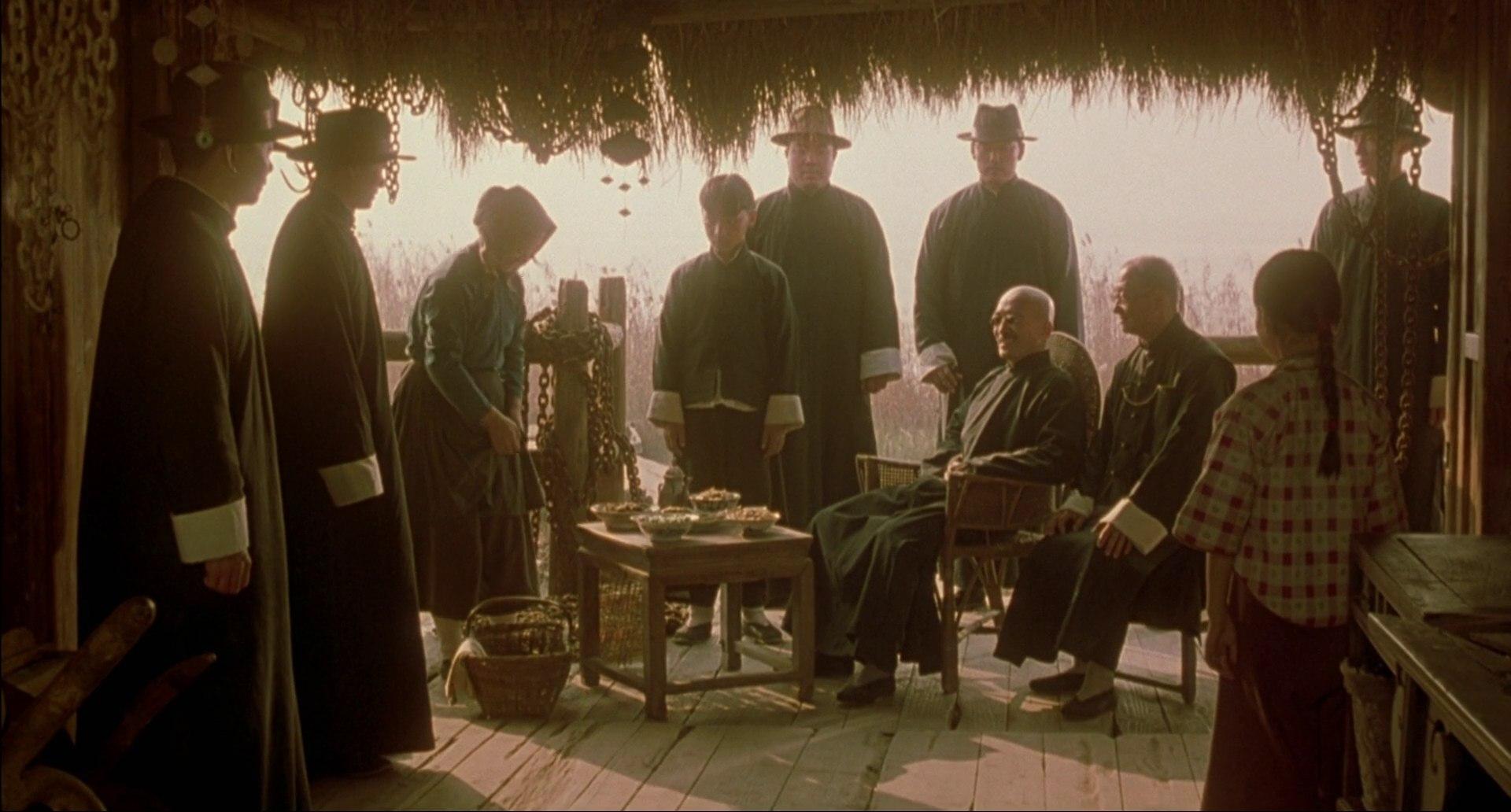
Shanghai Triad (1995)
After adolescent Shuisheng is initiated into Shanghai Triad’s crime syndicate, it only takes seven days for him to recognise how readily control is sustained through the exploitation of the vulnerable, as Zhang Yimou frames his initiation through a restricted yet intimate perspective.
-

La Bola Negra (2026)
As La Bola Negra resurrects the ghosts of a lost manuscript, Javier Calvo and Javier Ambrossi entwine three tales of queer survival across Spain’s turbulent past and present, sensitively forging an epic, intergenerational triptych of erasure and remembrance.
-
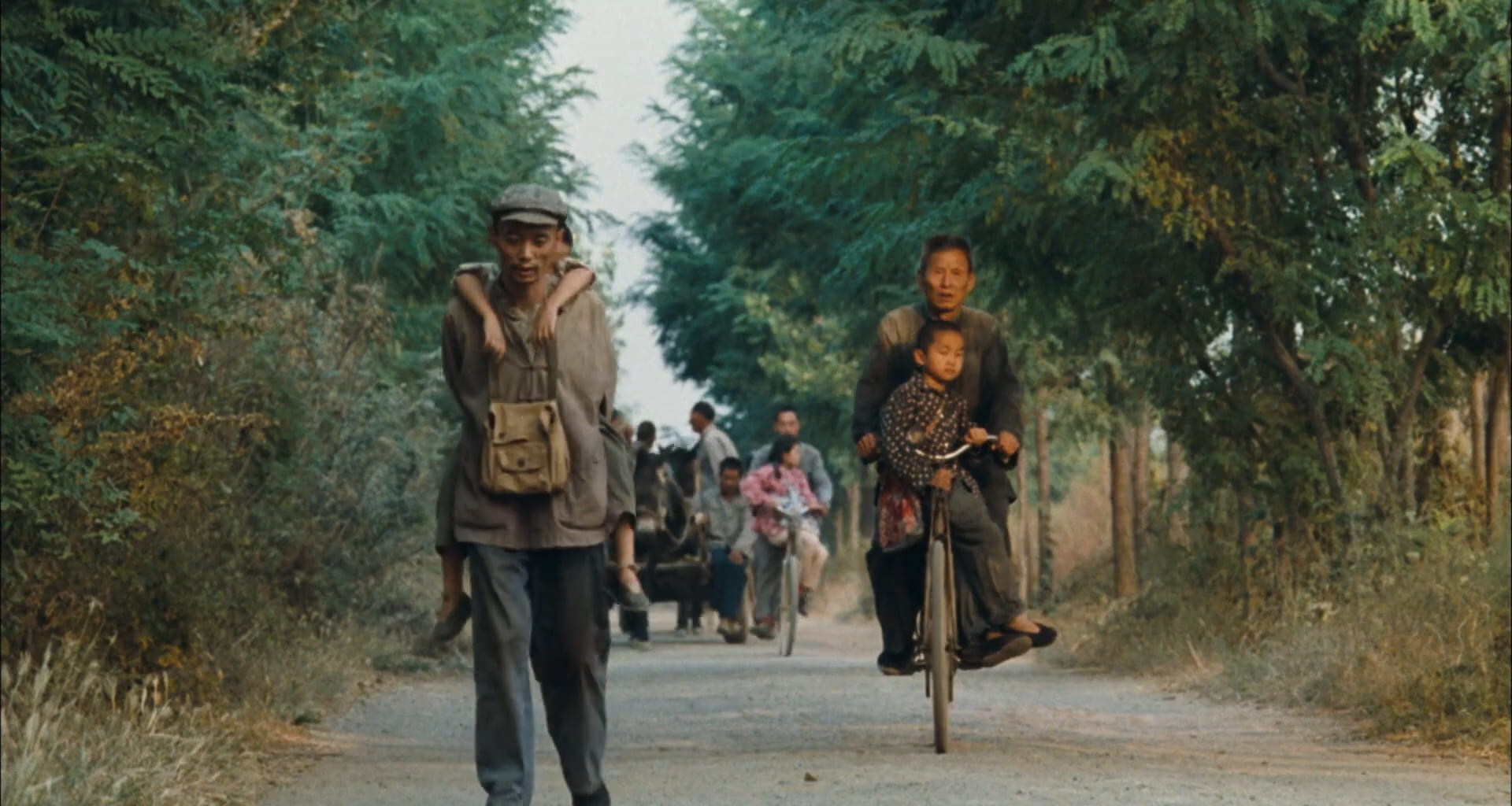
To Live (1994)
It is not ideology which builds legacy in To Live, but the endurance of those who bear its weight, as Zhang Yimou tracks decades of one man’s life through the tumultuous political upheavals of mid-century China.
-

Digger (2026)
The world may be doomed through the reckless actions of a single billionaire in Digger, yet Alejandro G. Iñárritu keeps a satirical, Brechtian distance from the apocalyptic reality at hand, irreverently wrapping the catastrophe in immaculate artifice and layers of irony that implicate us all.
-

Resident Evil (2026)
It takes a horror craftsman unburdened by convention to recognise Resident Evil’s appeal beyond the game controller, and in the lean construction of Zach Cregger’s adaptation, the barest essentials of survival are enough to sustain such a gruelling, propulsive narrative.
-

The Story of Qiu Ju (1992)
The China that once seemed governed by community is swallowed up by sprawling bureaucracy in The Story of Qiu Ju, and as one peasant woman seeks legal justice against her village chief, Yimou Zhang laments the loss of its simple, unsullied dignity.
-

Raise the Red Lantern (1991)
Within Zhang Yimou’s political fable of four rival mistresses competing for their Master’s favour, Raise the Red Lantern conceals an insidious, patriarchal terror, casting its manor in the smouldering crimson glow of privilege and peril.
-

Paisan (1946)
Paisan not only offers Roberto Rossellini’s broadest consideration of Italy’s fractured wartime identity, but through its anthological structure, also examines those tragedies, sacrifices, and cross-cultural connections inevitably swallowed by the indifferent sweep of history.
-
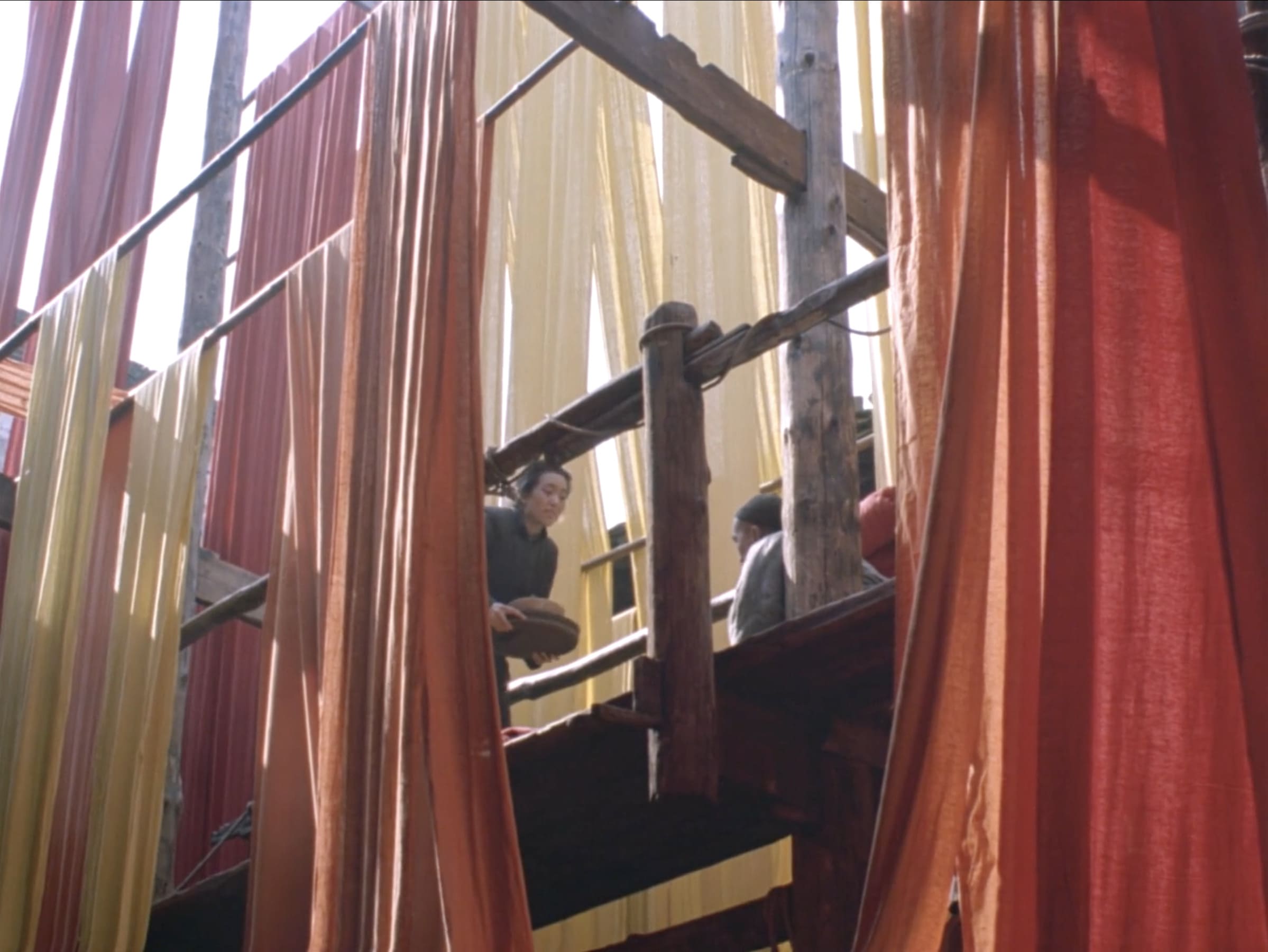
Ju Dou (1990)
Cycles of trauma are never fully broken in Ju Dou’s family dynamics of abusive marriages, affairs, and resentful children, each generation echoing the violence of the last, while Zhang Yimou’s visual poetry heightens such tragic, historic resonance.
-

Obsession (2025)
Love stripped of consent warps into a demonic force in Obsession, and through one man’s reckless wish for absolute devotion, Curry Barker exposes the insidious, consuming violence of its coercive fulfilment.
-
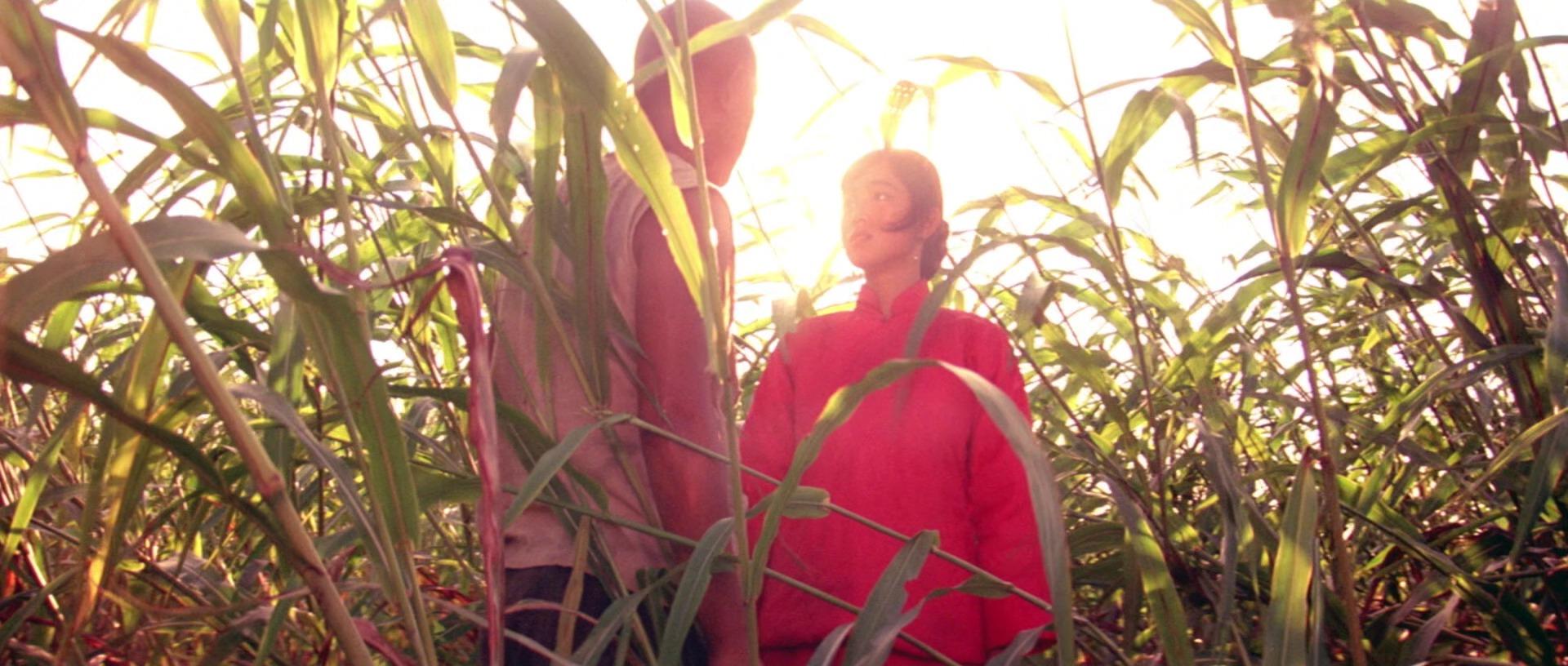
Red Sorghum (1988)
Red Sorghum’s step back into modern Chinese history deserves the poetic treatment of a folk epic for Yimou Zhang, as this ancestral fable intimately bridges the distance between generations, and paints rural vitality and resistance in lush, expressive brushstrokes.
