Zhang Yimou | 1hr 42min

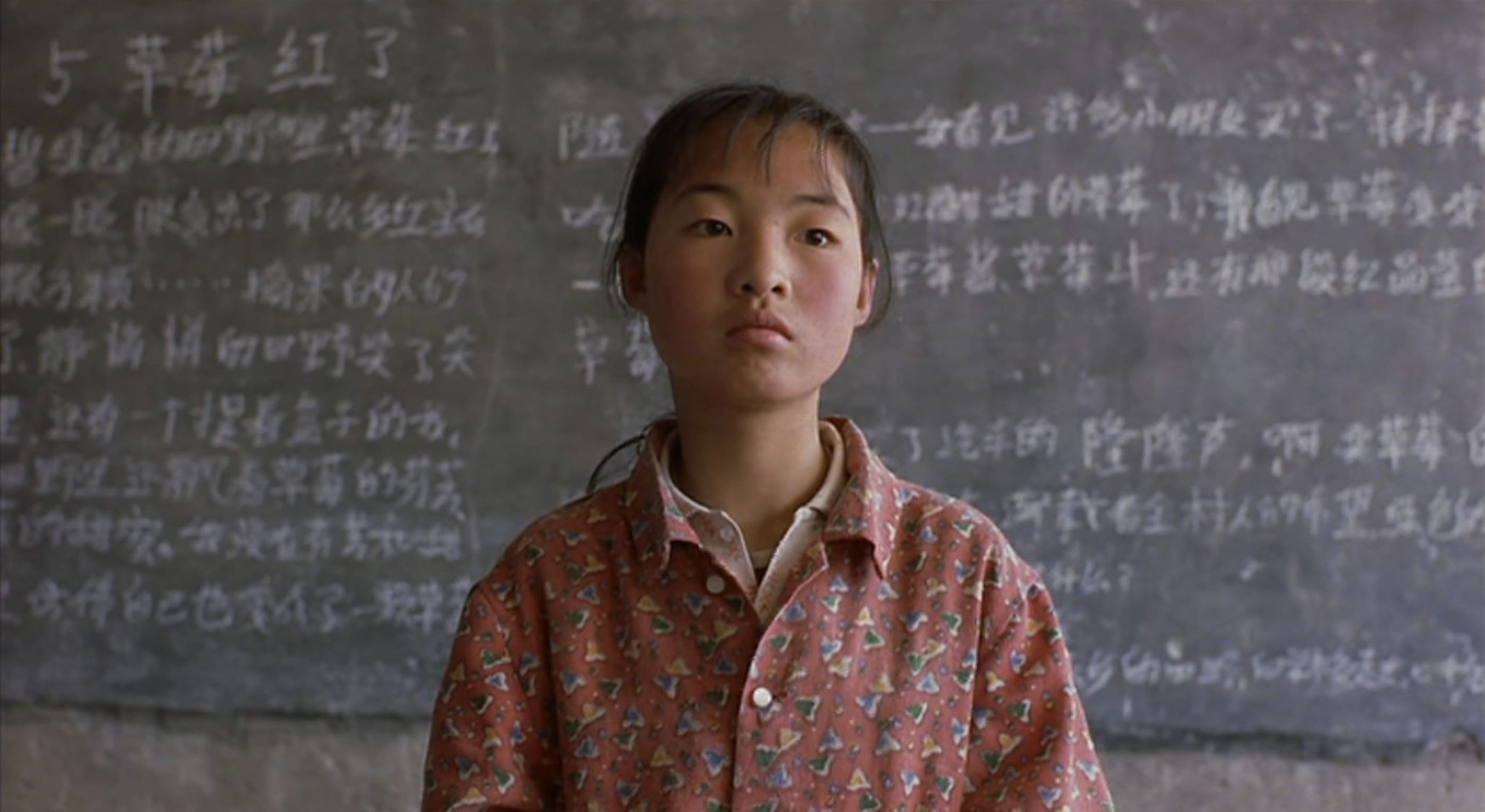
The stakes are not particularly high for thirteen-year-old Wei Minzhi when she is called to substitute for a teacher in Shuiqan village. If all the students are still there when he returns in a month’s time, he will give her a 10 yuan bonus – certainly an appealing incentive given the pervasive poverty they endure, though not exactly life-changing. Still, money is a money in rural China, and Wei takes her responsibility seriously as she vigilantly guards the classroom door during each lesson. Even when one girl is accepted into a special sports school, Wei tries to hide her student, and then hopelessly chases after the car as it whisks her away. There is no room for nuance in this task – if just one child disappears, then she fails the assignment.
Nevertheless, the loss of a student does not shake her resolve going forward. At a certain point, the 10 yuan becomes entirely irrelevant in Not One Less, and Zhang Yimou’s focus instead turns towards the principle of this mandate. For these underprivileged children who can barely sit still in class, education is a tenuous lifeline, offering perhaps their only chance to one day transcend the cycle of poverty. As such, teaching itself becomes a struggle in a school so under-resourced it is limited to a single piece of a chalk per day, and which forces Wei to sleep in the cramped teacher’s room with several boarding students. For Zhang however, this is all simply part of his raw, naturalistic portrait, grounded in the material scarcity of 1990s China and its widening urban-rural divide.
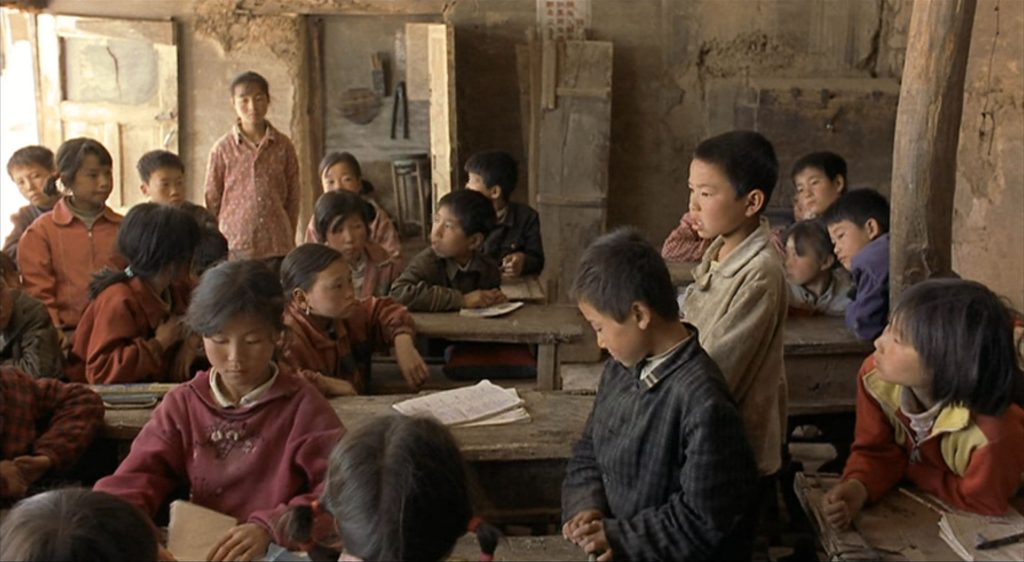
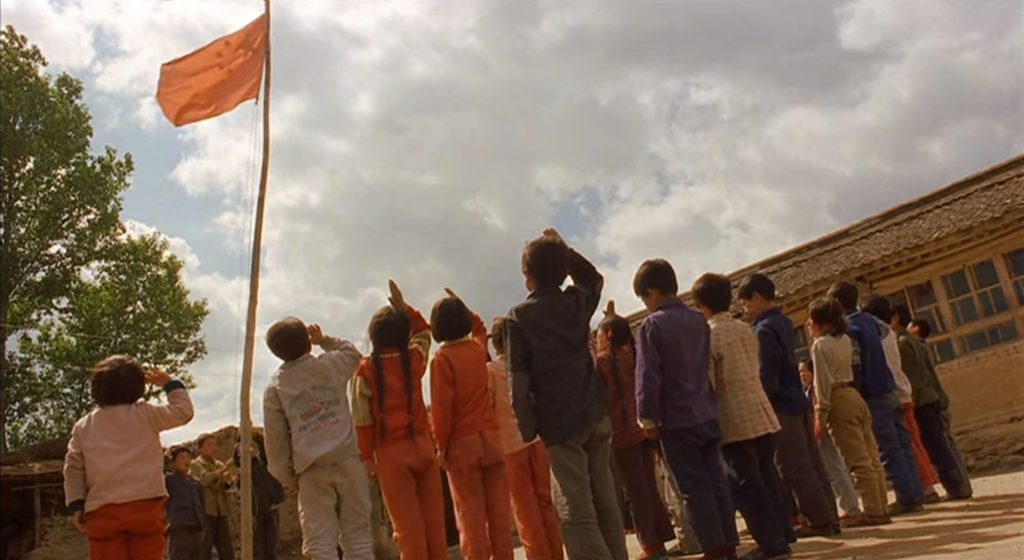
In true neorealist fashion too, Zhang solely casts non-professional actors here, stripping back all affect to unveil an authentic reality. It takes little staging to capture a real class of children playing around, fighting, and ignoring the teacher’s instruction after all, before abruptly falling into line to sing the national anthem. This innocent world of deprivation is all they have ever known, and when Zhang’s camera moves beyond the dusty classroom walls, he expands it into barren landscapes broken up by distant green hills. Perhaps there is indeed hope just over the horizon, but when Wei’s most troubled student Zhang Huike disappears one day to find work in the city, Not One Less reveals an entirely different form of hardship altogether.
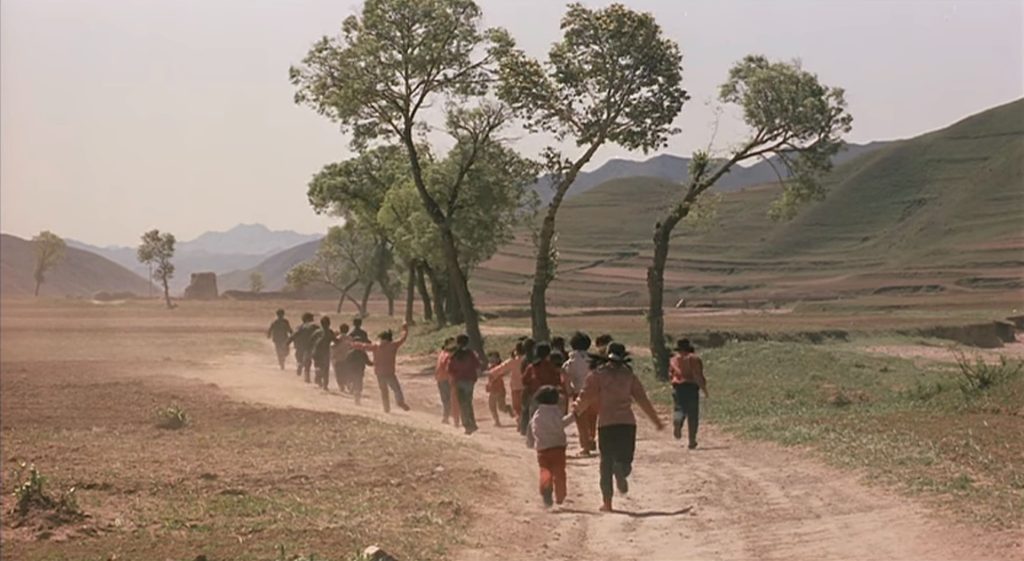
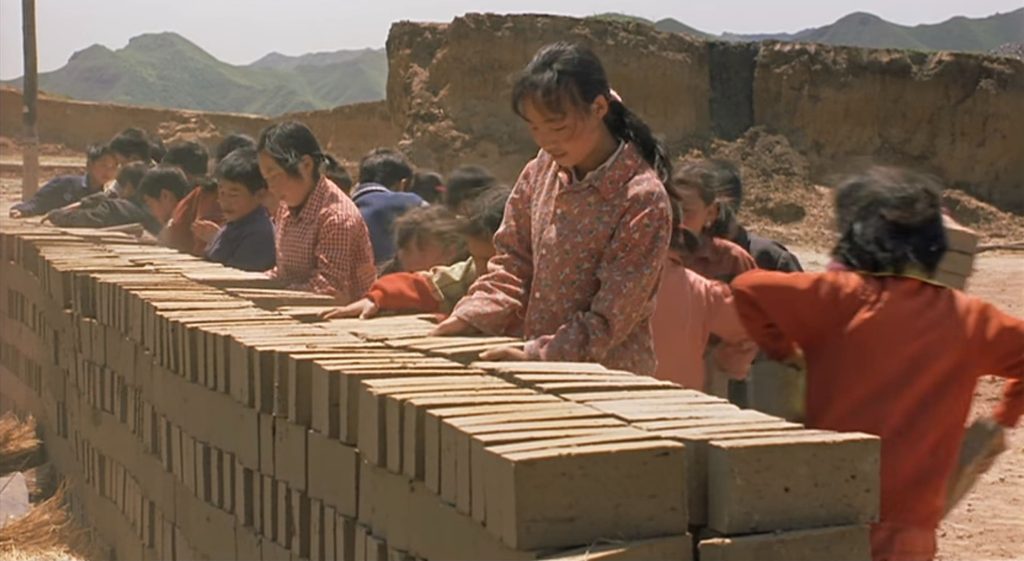
This boy has thus far knocked over desks, crushed precious chalk, and tried to run away, so it is no wonder that Wei’s patience has run thin. Still, there is a sweet naïveté in his desire to earn money as compensation for his recklessness. Like a shepherd following the trail of a lost sheep, Wei thus turns the search into a class project, enlisting the students to calculate the cost of the journey before putting them to work at the local brickyard to raise funds. It is fortunate indeed that the foreman is sympathetic to their cause, given how many bricks they break in the process. His payment may not cover the full fare, yet it is nonetheless a meaningful concession, uniting them together under a common purpose to bring Zhang Huike home.
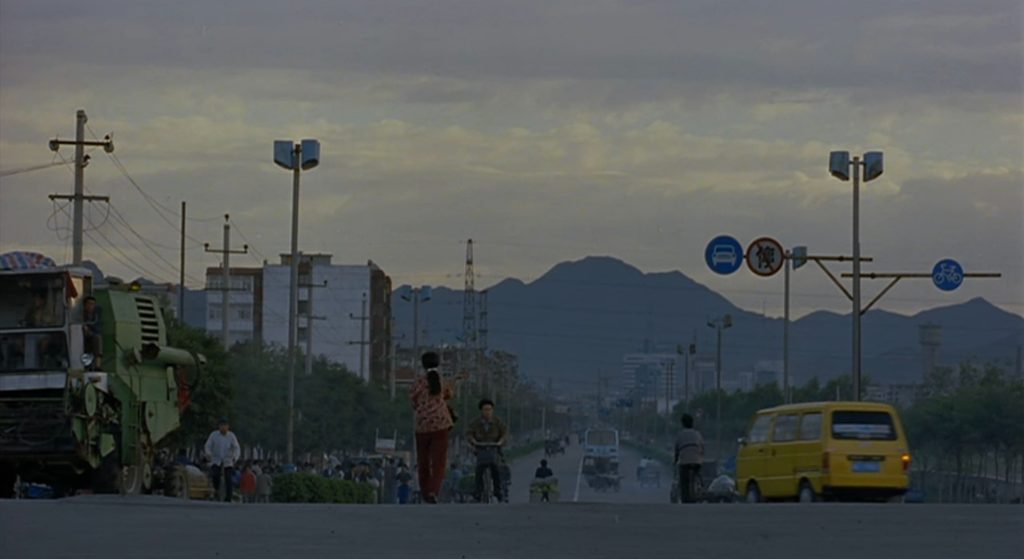
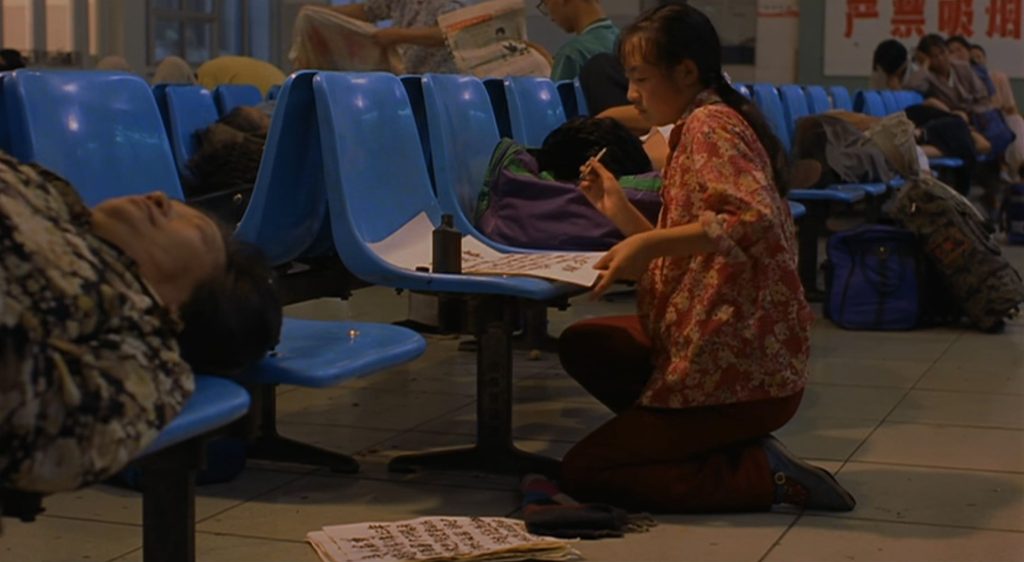
Left without any other means of transport, it is ultimately Wei’s conviction alone which takes her to the city on foot, recalling Zhang’s previous film The Story of Qiu Ju as she moves from rural marginality to urban indifference. The environmental shift is drastic, dissolving her into crowds that remain collectively apathetic towards the young, confused girl in their midst. The woman meant to collect Zhang Huike from the station offers only token assistance too, helping Wei retrace her steps and issue a public announcement before cynically abandoning the search, leaving Wei to make missing posters all by herself.
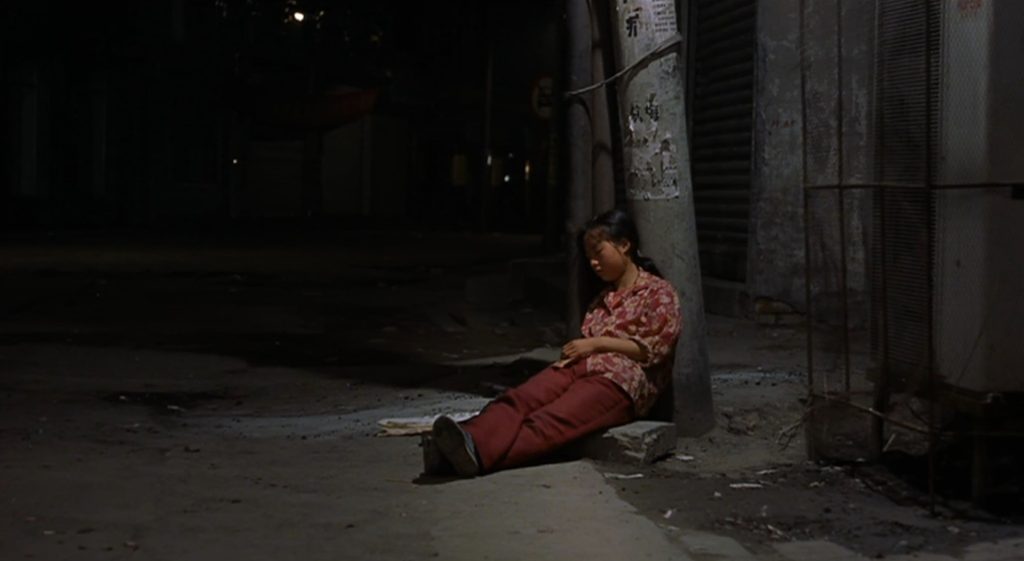
Without money, credentials, or connections, Wei has nothing to fall back on but a desperate long shot, leading her to the gates of a television station. Perhaps if she waits for a man without glasses to exit, she will be able to talk the station manager directly, the receptionist deceptively assures her. After spending a day and a half accosting everyone who fits that description though, this proves to be a cruel misdirection, as a sympathetic, bespectacled man eventually learns of her presence and introduces himself as the man she is looking for. It is not bureaucratic procedure, but rather one individual’s kindness which ultimately grants her a spot on the station’s highest rated program, where she fights back nerves to emotionally call for Zhang Huike’s return home.
Homeless, hungry, and lost in the city, this boy is similarly brought to tears by his teacher’s message, only now grasping how deeply someone in this harsh world cares for him. The television station couldn’t be more thrilled to facilitate this reunion too, capitalising on a story that has struck a chord across the country, and even returning both teacher and student back to the village.
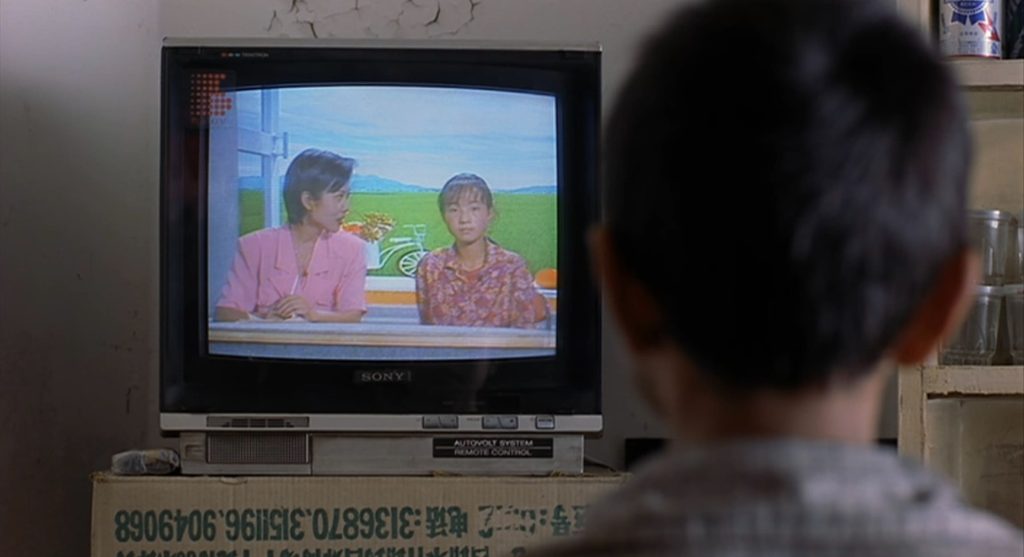
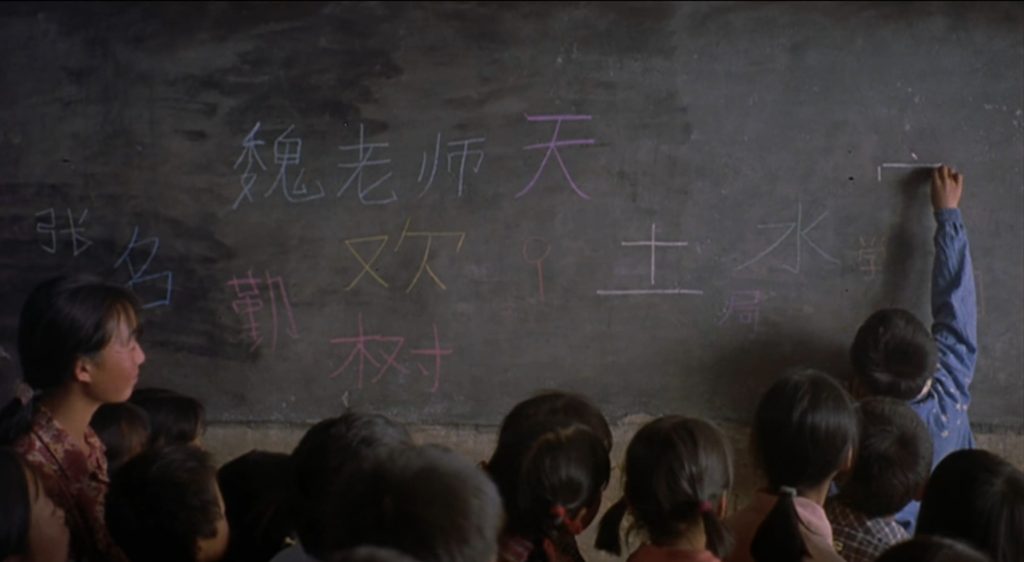
So abundant are the donations flooding the school from viewers that the class now even has chalk in a range of colours, though there is no ignoring how far this optimistic, openly didactic conclusion departs from the restrained ambiguity of the film’s neorealist form. Zhang’s onscreen text about rural school attendance and retention weighs heavy over the final image of children writing on the blackboard, leaning too much on its explicit messaging rather than trusting the image to speak for itself. As a portrait of impoverished, under-resourced schools however, Not One Less still retains a disarming sincerity in its naturalism, honouring the everyday labour of teaching and its fundamental responsibility to safeguard future generations.
Not One Less is currently available to rent or buy on the Apple TV Store, YouTube, and Amazon Video.