

-

The Best Films of the 1960s
The greatest films of the 1960s, from the French New Wave to its subversive Spaghetti Westerns.
-
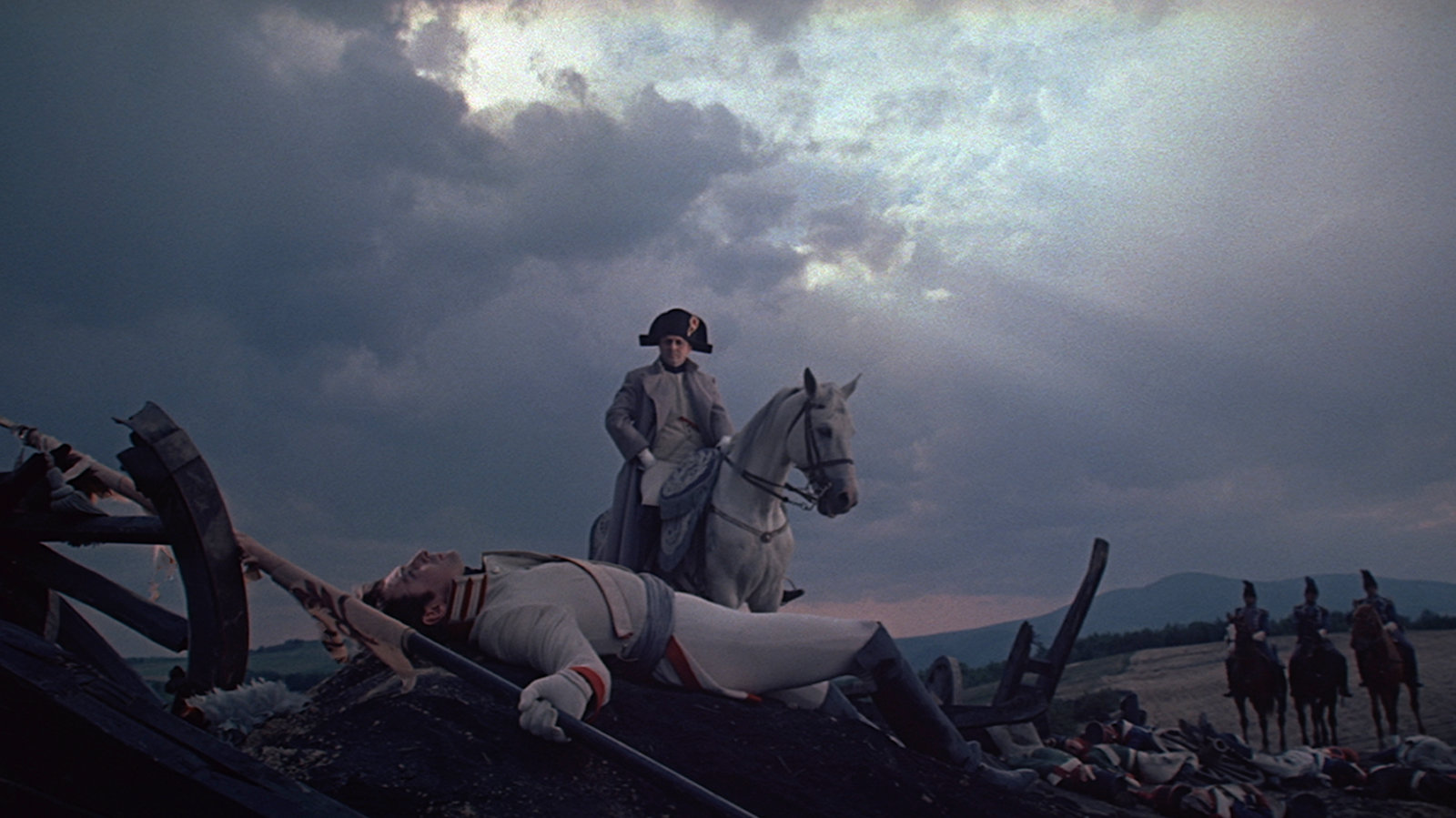
War and Peace (1965-67)
Committing a nation’s full resources, unprecedented technical ambition, and avant-garde flair to Russia’s greatest literary treasure, Sergei Bondarchuk crafts an astonishing cinematic translation of War and Peace, making the vast sweep of history answer to Leo Tolstoy’s humanist philosophy.
-
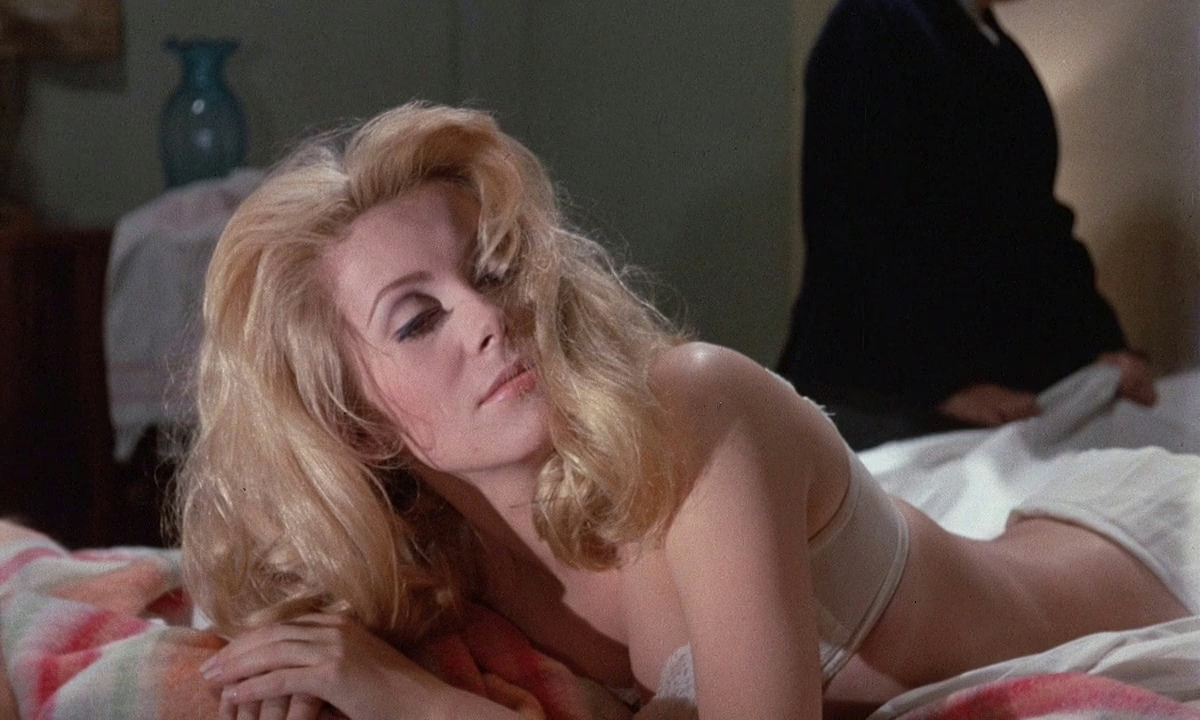
Belle de Jour (1967)
Luis Buñuel’s incisive interrogation of psychosexual repression takes surreal, elegant form in Belle de Jour, indulging one housewife’s erotic fantasies through her transgressive sex work, and playfully exposing the hypocrisies of bourgeois morality.
-
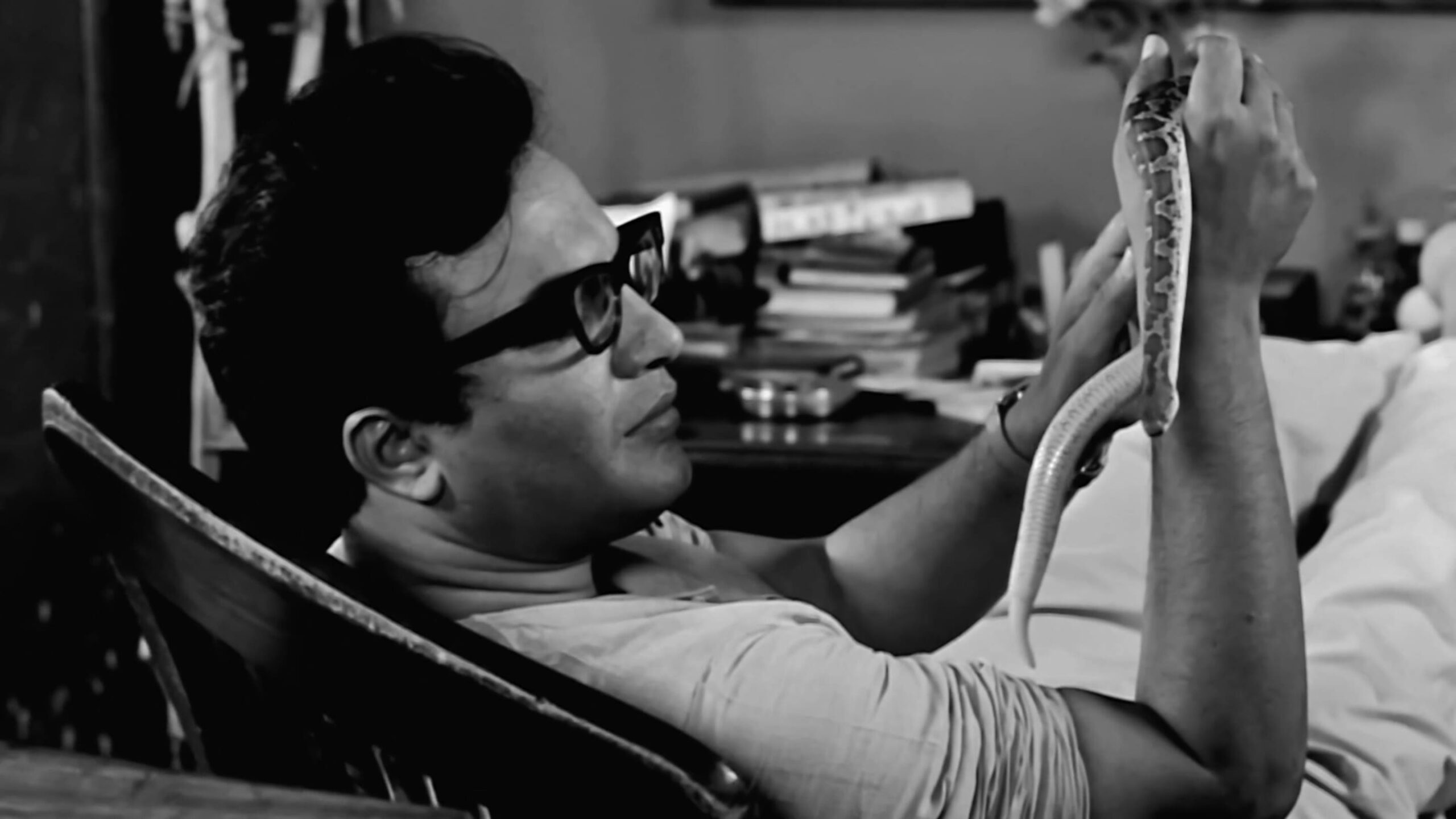
The Zoo (1967)
Secrets may lurk beneath the fragile civility of community in The Zoo, though it is the impossibility of knowing one’s neighbour which Satyajit Ray suspensefully foregrounds even more, unravelling a web of betrayals, mysteries, and multiple murders within a colony of social outcasts.
-

The Hero (1966)
The earthly and metaphysical odysseys that one disillusioned movie star navigates in The Hero fluidly collapses memory and dreams, preserving intimate truths that the public gaze overlooks, and safeguarding a dignity which may only survive through sincere, affirming connection.
-
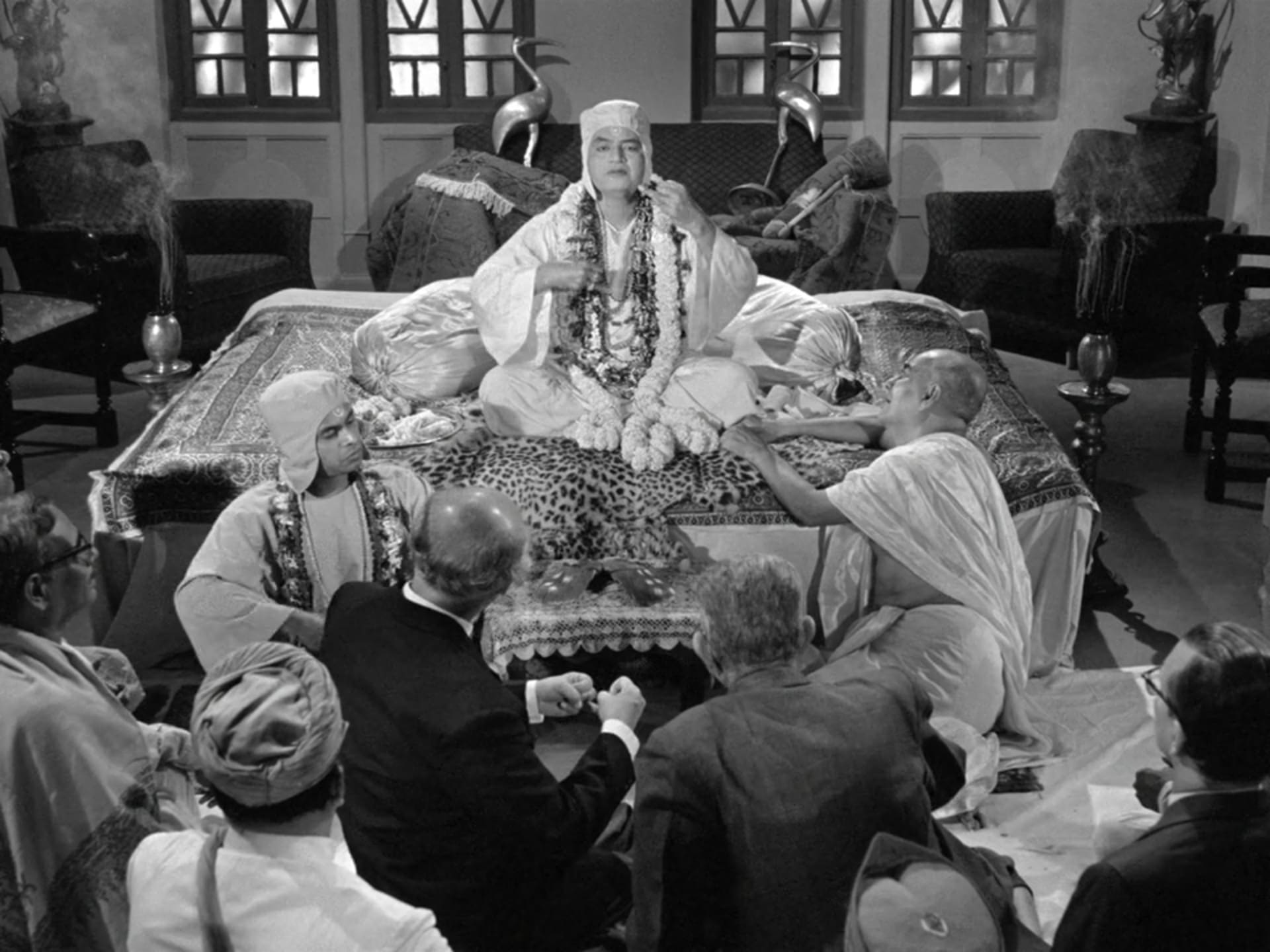
The Holy Man (1965)
When a religious conman preys on a grieving family in The Holy Man, Satyajit Ray sets the stage for a battle of reason and delusion, threatening to unravel a young couple’s hopes of romance with a wry, comical edge.
-

The Coward (1965)
Time instantly dissipates when one young scriptwriter runs into his former lover in The Coward, yet Satyajit Ray keeps emotional closure at a tentative distance as this old flame resists rekindling, choreographing a dance of glances and hesitations that ambiguously withholds the truth.