
Satyajit Ray | 2hr 5min

The mystery that private detective Byomkesh Bakshi is initially assigned in The Zoo is an intriguing one, though not particularly high stakes. Having sentenced 22 people to death during his career as a judge, Mr. Nishanath Sen has established a colony of social outcasts inside his vast nursery as atonement, and now seeks information on the actress Sunaina who vanished several years ago. Finding himself captivated by her most iconic movie song, he suspects she has adopted a fake identity and now hides among his residents. The sharp-minded Byomkesh may be the only man who can uncover the truth, though before his genteel investigation makes much progress at all, he soon finds himself dealing with a far more brutal, urgent crime.
Satyajit Ray had dabbled in simmering thrillers before, though The Zoo marks his first true immersion into the murder mystery genre, interrogating an ensemble of suspects who may be responsible for killing their noble benefactor. As such, it is also his most complex plot yet, teetering on the edge of convolution as Byomkesh navigates a labyrinth of lies. Were these hardboiled archetypes encased in a more expressionistic aesthetic, it might as well be considered a film noir, though this is not exactly a showcase of cinematic style for Ray. Despite its visual flourishes of long, observant takes and deep focus compositions, The Zoo is very much a minor entry in his filmography, drawing us in through its taut narrative intrigue rather than formal innovation.
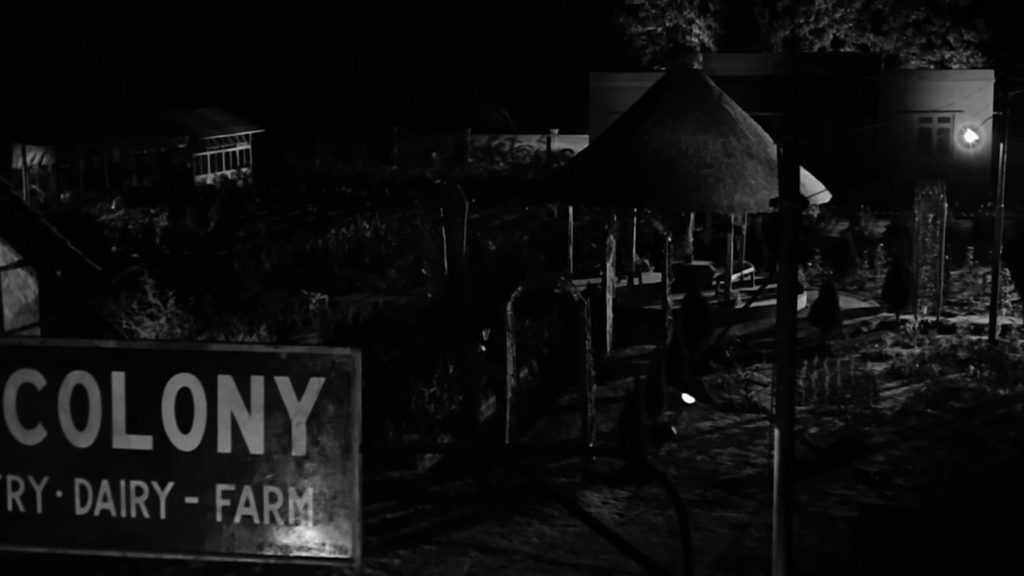
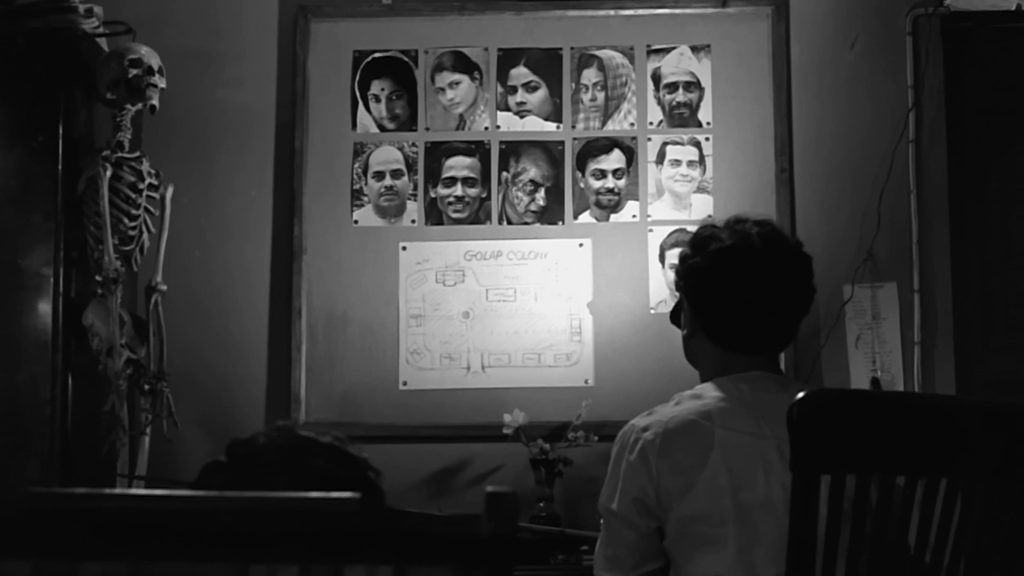
Fortunately, Ray is assured in his slow-burn pacing of the opening act, establishing the facts of Sunaina’s disappearance alongside some strange recent disturbances in the colony. Disguised as a Japanese horticulturalist, Byomkesh visits the nursery to meet and photograph the residents without raising suspicion, and learns that an unknown assailant has been regularly hurling motor parts through Sen’s window. Not only that, but a Bengali film expert divulges Sunaina’s shady past, involving an illicit affair, her lover’s suspicious death, and 20,000 stolen rupees. As such, the stage is set for the first major twist when Sen calls Byomkesh in a nervous state one night, only for a gloved figure to bludgeon him to death mid-conversation.
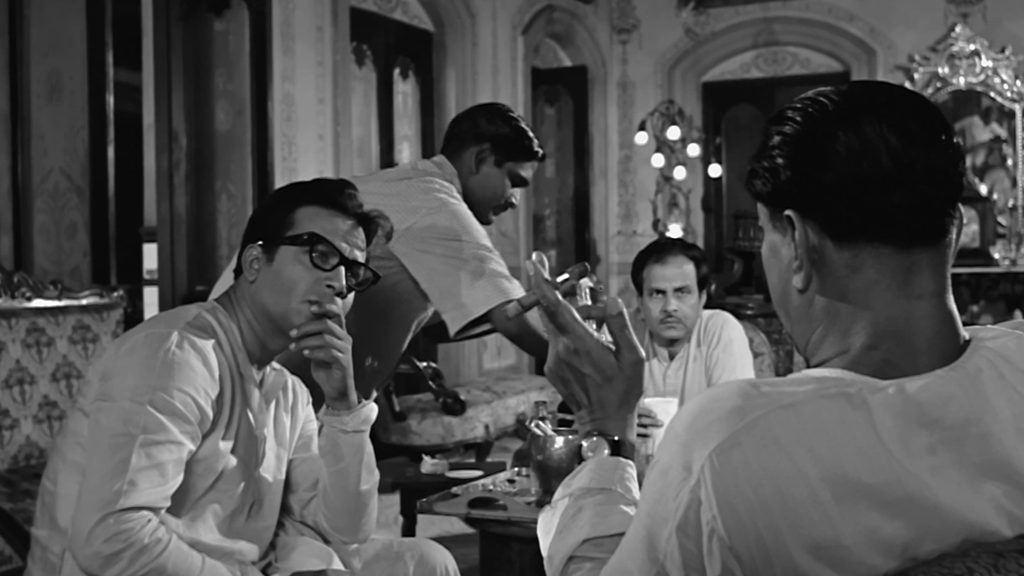
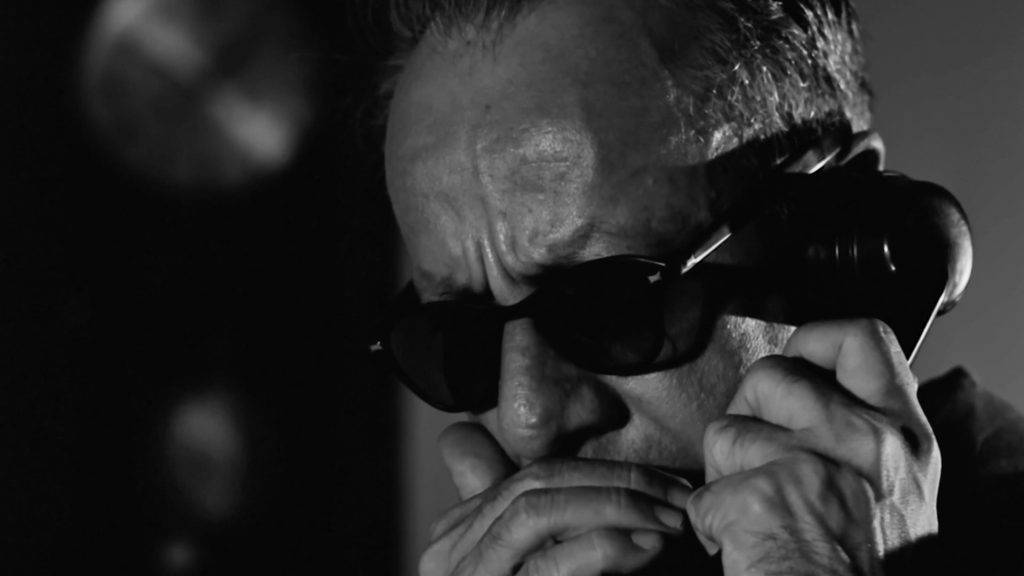
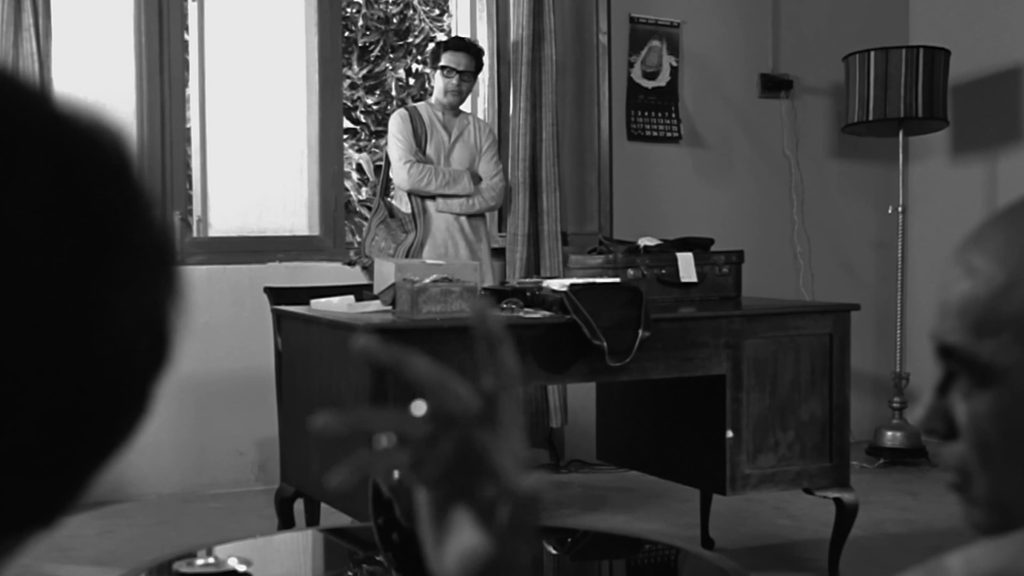
Unaware of Byomkesh’s prior connection to the victim, the police request his help, so deeper he travels into this twisted conspiracy with his loyal assistant Ajit. Ray’s blocking excels when the detective first enters the crime scene, his camera adopting a high angle as he approaches the desk where Sen was killed, before a low angle foregrounds the telephone dangling by its cord. Outside, a cigarette butt catches his eye, and Ray channels our attention with a shot staggering three faces deep into the frame, each gaze locked onto this tiny clue.
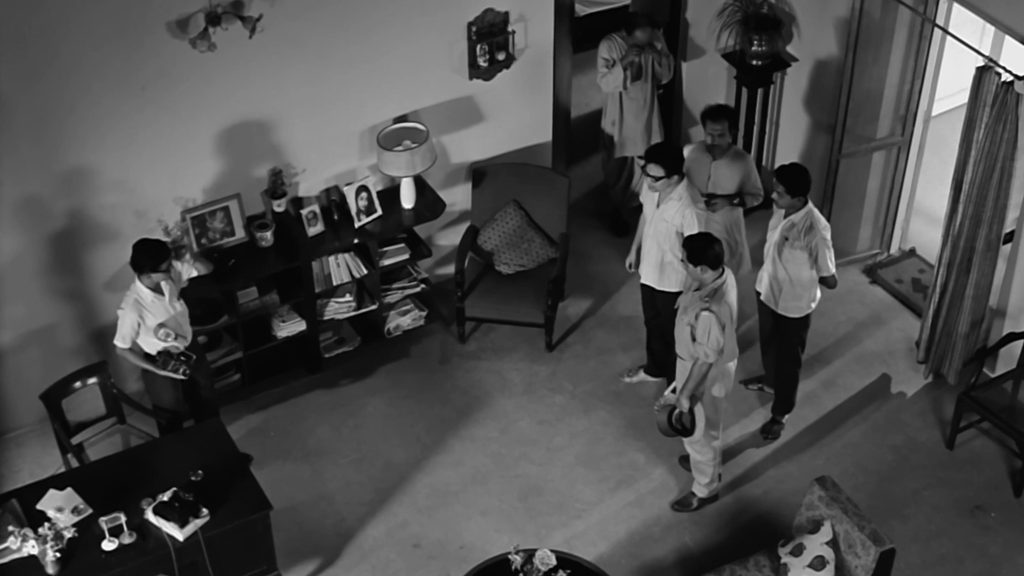
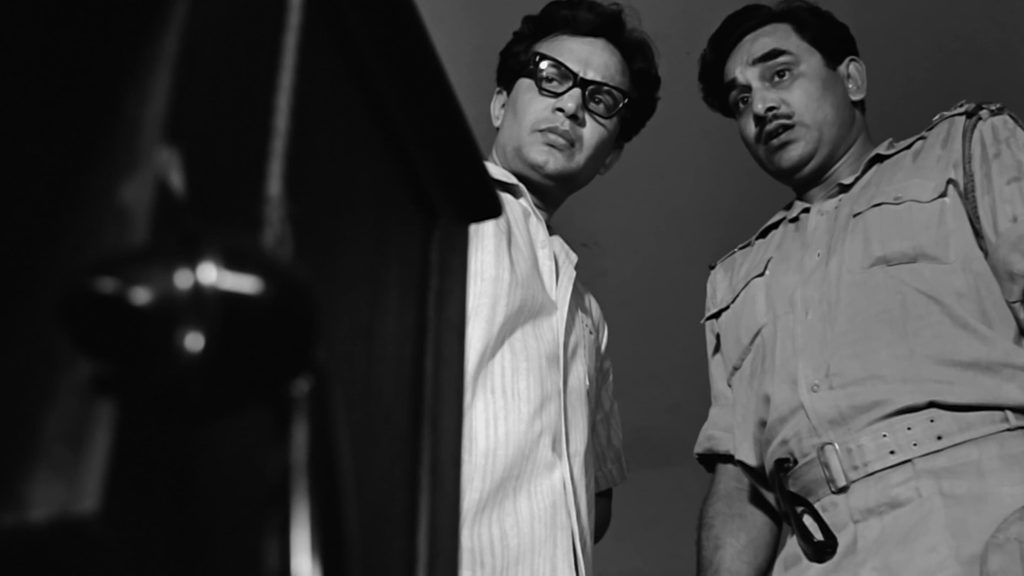
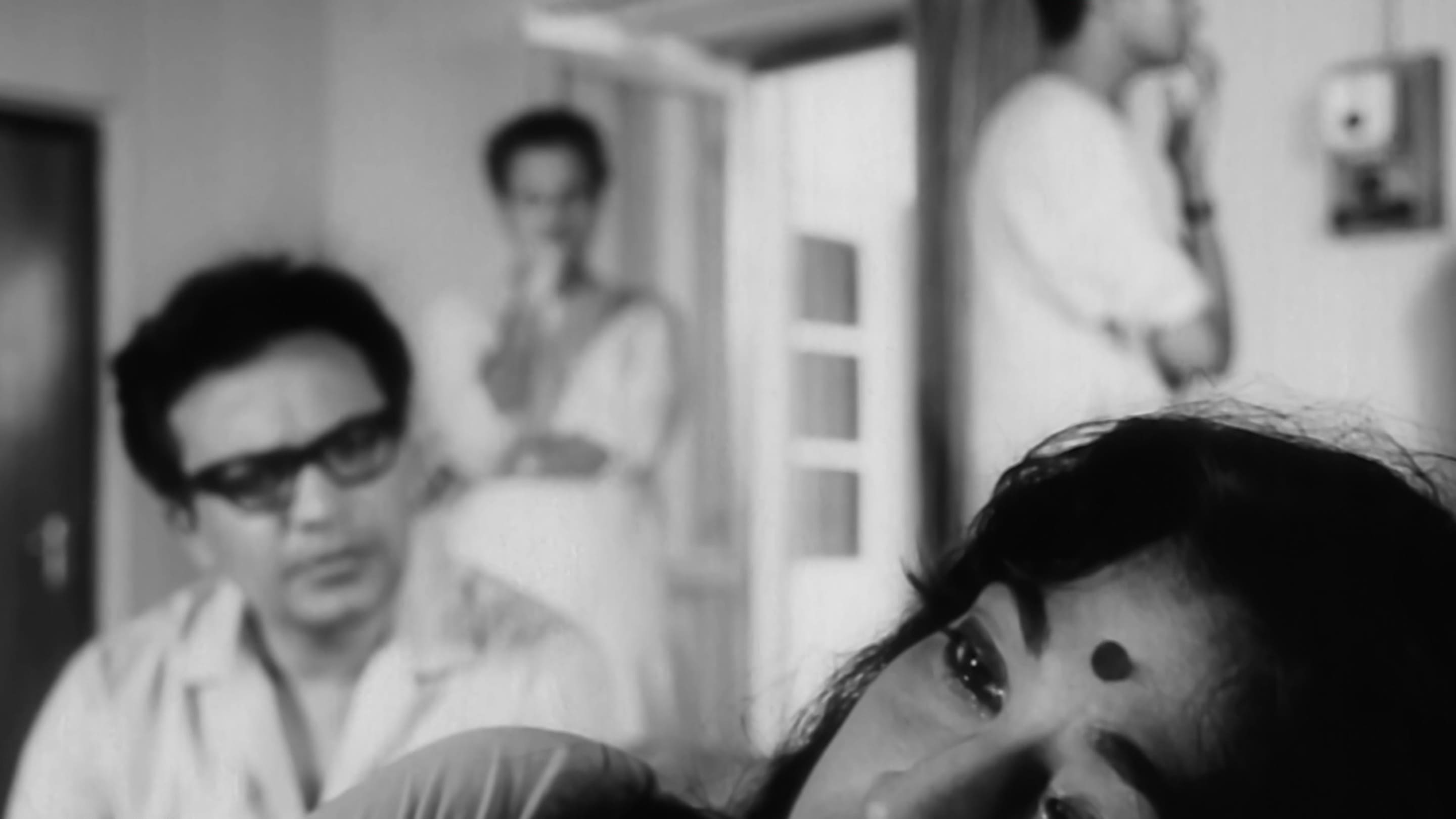
“It’s not an easy job to unravel the truth of this zoo,” former professor Gupta warns Byomkesh, and indeed the more he probes this web of deceit, the more tangled it becomes. Motives are plentiful among these residents – where Gupta covets control of the colony, Sen’s own nephew Bijoy has been chasing his inheritance, while even Sen and his widow Damanyati have concealed dark secrets, having effectively faked their marriage. When the detective takes his investigation to her, Ray frames her grief in an exquisite close-up, highlighting her teary eyes by cropping her face while Byomkesh recedes into the background’s soft focus.
At the centre of The Zoo’s mystery, Damanyati joins three other women who Byomkesh believes may be Sunaina. Bijoy’s romantic connection to two of them is no doubt suspicious, especially given that he turned down Mukul for Banalakshmi, whom Sen disapproved of. That Mukul is also Gupta’s daughter while the fourth woman, Najar, is married to Sen’s driver only further complicates these knotted relationships, but not so much that Ray loses control of his storytelling. Although Dr. Das is one of the few suspects with a solid alibi, he too carries scandals of his own as a back-alley abortionist, and offers rich foreshadowing in his meditation on law, social norms, and personal morality as conflicting frameworks.
“If a girl becomes pregnant out of wedlock, society will stigmatise her if she gives birth. If a doctor wishes to save that girl, what’s his fault?”
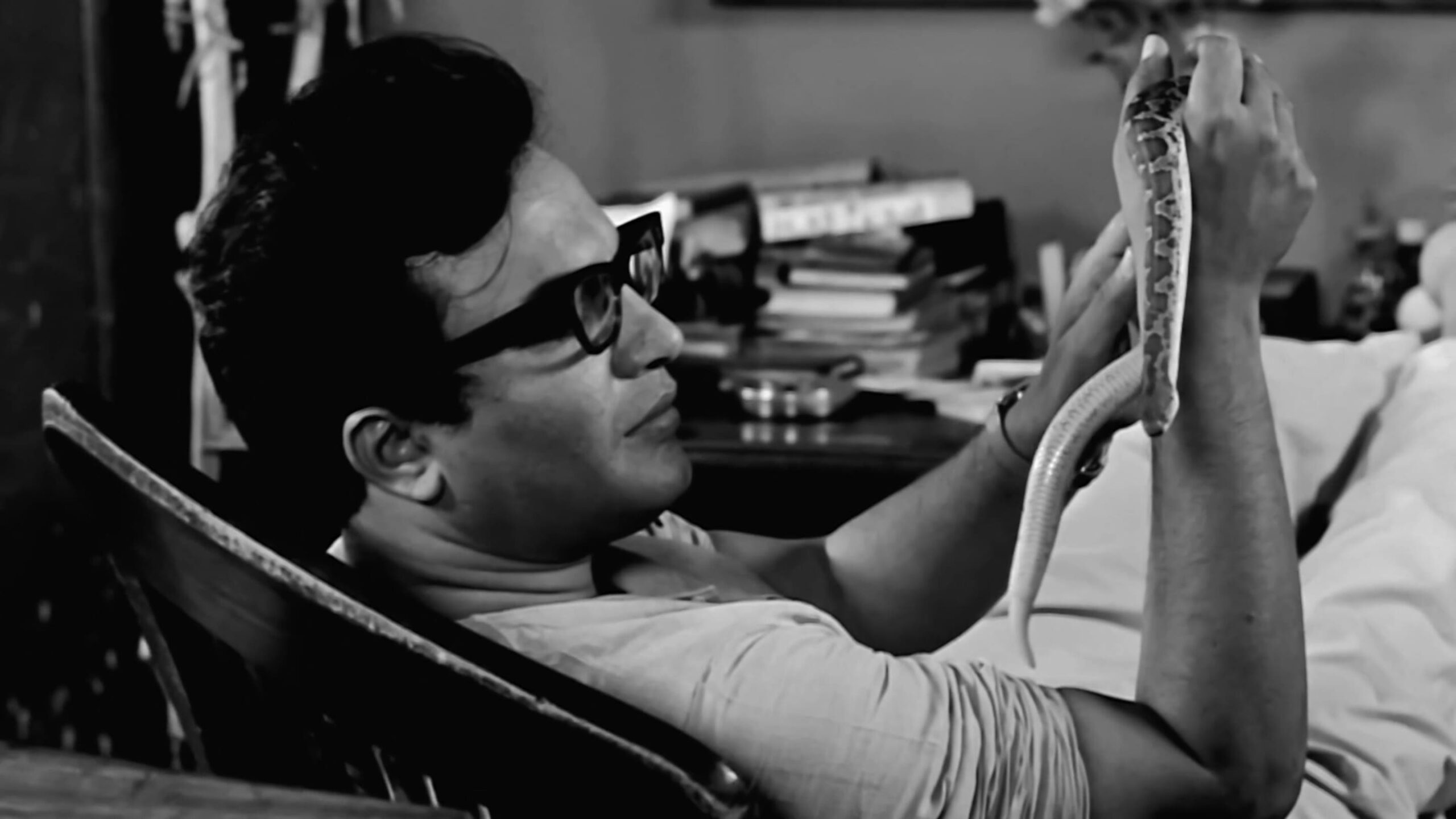
Even as Byomkesh teases out secrets from his cagey suspects though, Ray reminds us that the danger has not subsided. When deaf-mute resident Panu is killed for potentially witnessing the initial murder, Byomkesh is deeply disturbed, lamenting that he didn’t act sooner on the man’s anxious demeanour. He bears the burden of these crimes as if they were his own, yet his compassion is outdone by his intellectual rigour, revealed through incisive deductions and a proud emulation of Sherlock Holmes. His idiosyncratic quirks are introduced from the film’s opening shot too, drifting past a skeleton, tribal sculpture, and scattered files in his office, though it is his pet python which most frequently appears as a curious emblem of his calm, cerebral nature.
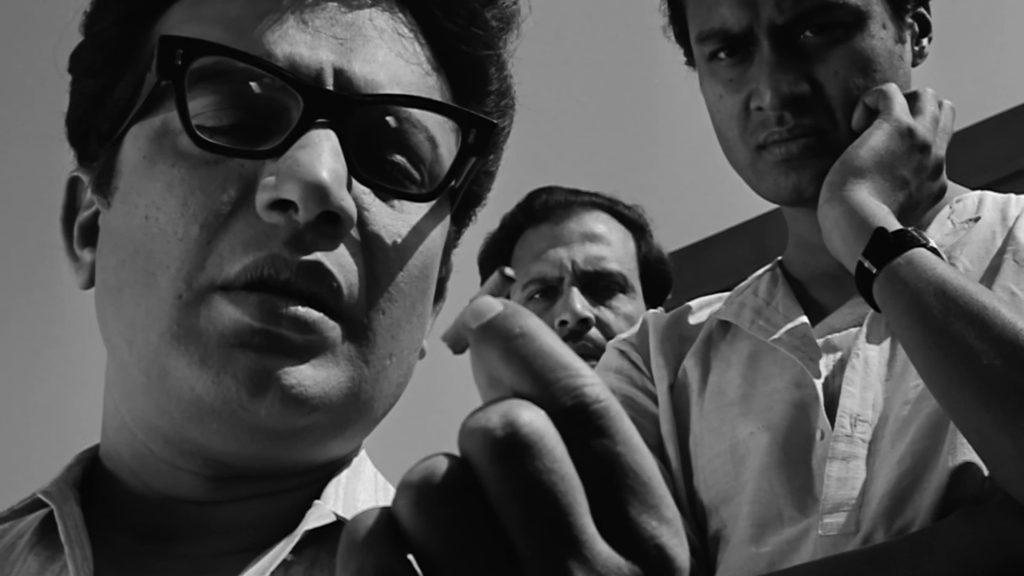
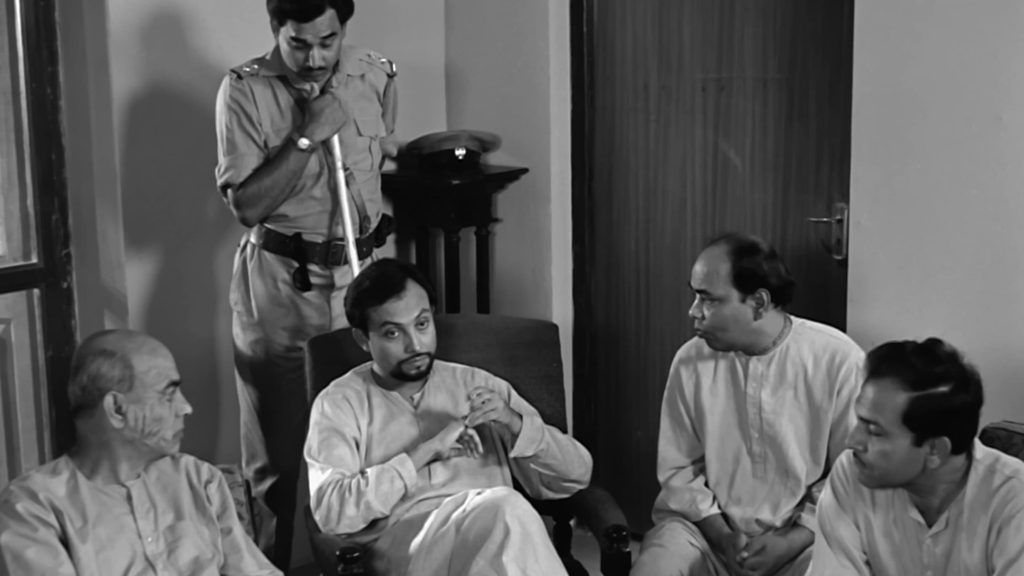
It ultimately takes a mind as sharp as his to solve The Zoo’s many-layered mysteries, each woven together in a monologue that Ray stages in an unbroken tracking shot. Sweeping past suspects and clues as Byomkesh’s reasoning unfolds, the camera draws visual suspense from exposition, while the exploitation at the heart of the killer’s devious plot comes to light. Indeed, Sunaina does hide within this colony, yet her role complicates every assumption that has been made about her troubled past. Secrets may lurk beneath the fragile civility ofThe Zoo, though it is the impossibility of truly knowing one’s neighbour which unsettles even more, puncturing those comforting illusions of intimacy that outcasts grasp at in their search for community.
The Zoo (Chiriyakhana) is currently streaming on Prime Video.