
Roberto Rossellini | 1hr 47min

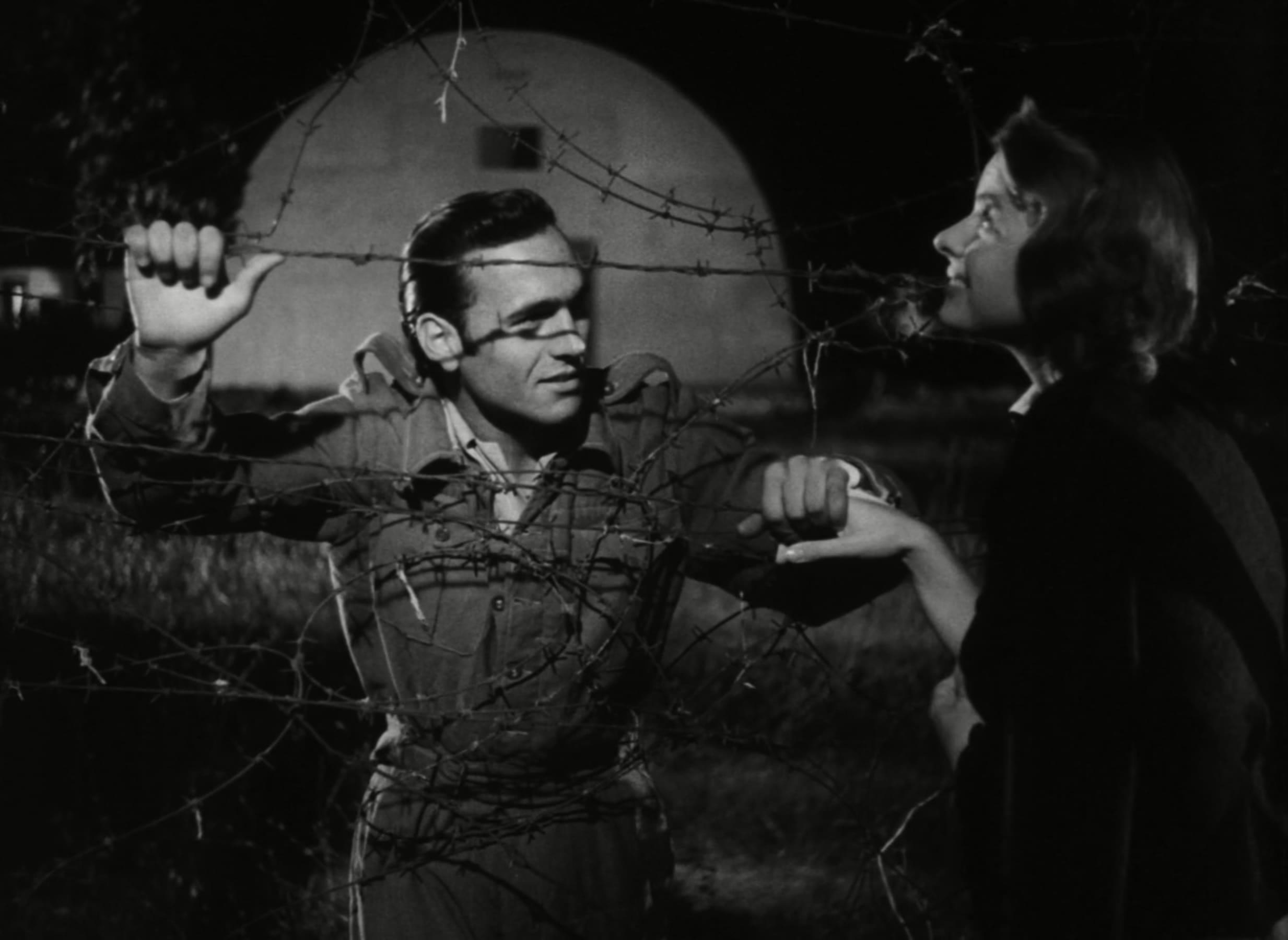
Cutting across the grey skies of southern Italy, Mount Stromboli’s harsh, rugged outline sits in patient menace, threatening to consume the thousands of lives that live in its shadow. Saint Bartolo is believed to watch over the island’s people, having once physically held back the volcano’s lava with his bare hands, though he is nowhere to be found when it begins raining ash and rock. For Lithuanian refugee Karin, its jagged topography and unyielding mass appear especially hostile, warning her away from her husband Antonio’s hometown as she sails towards the shore. Until recently, their entire relationship was defined by the internment camp fence separating their two worlds, and only as she steps onto the island does this dislocated bride begin to consider the reality of her new life.
With World War II fading into recent history, Roberto Rossellini’s own preoccupations turn to its survivors’ struggles to rebuild in Stromboli. Millions of people displaced by German occupation are stranded across Europe, and Baltic refugees in particular are unable to return to countries that have since been absorbed in the USSR. For Karin, the possibility of escape in Antonio’s proposal of marriage is compelling, and she doesn’t pause to question whether she is conflating genuine love with her desire for stability. Not only does the rundown fishing village where he lives prove to be materially and socially inhospitable, forcing her to reassess conventional notions of freedom, but that giant, volatile landmass looming above it all threatens whatever stability she hopes to find.
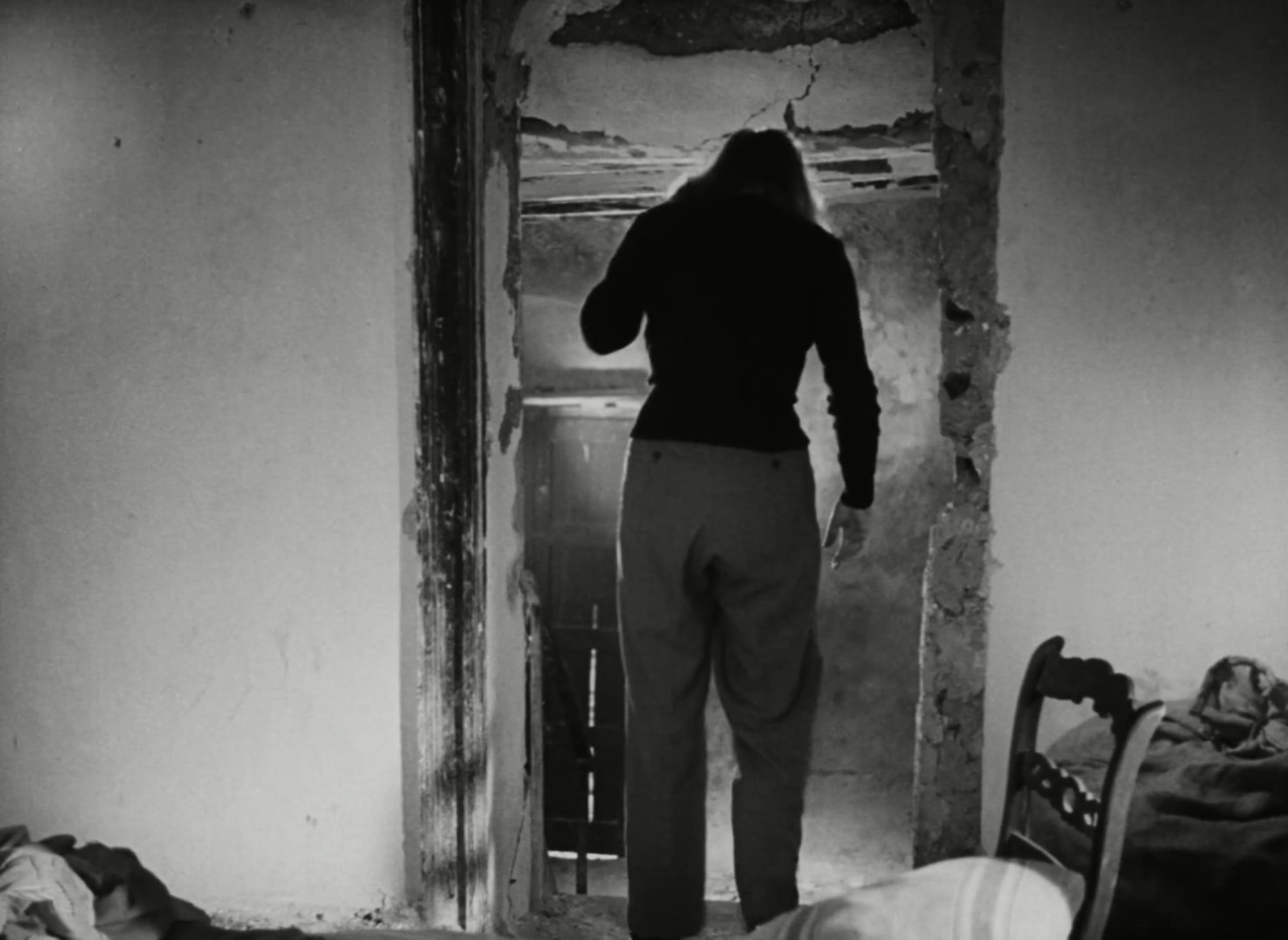
As a work of Italian neorealism, Stromboli deeply inhabits the island’s rough, earthy textures, using the authentic location and its villagers to flesh out this sombre environment. From a distance, the uneven skyline sets Karin’s arrival against a foreboding backdrop, while up close its weathered infrastructure and rustic surfaces reveal a town eroded by the elements. Nothing can hide her disappointment when she first enters Antonio’s shack of cracked stone walls and rotting wood, and as she runs outside through narrow streets of crumbling structures, Rossellini’s high angle reveals the claustrophobic labyrinth she is forced to accept as home. Finding no one but a young boy to speak with, she attempts some broken Italian, yet the language barrier between these strangers renders their exchange unintelligible.
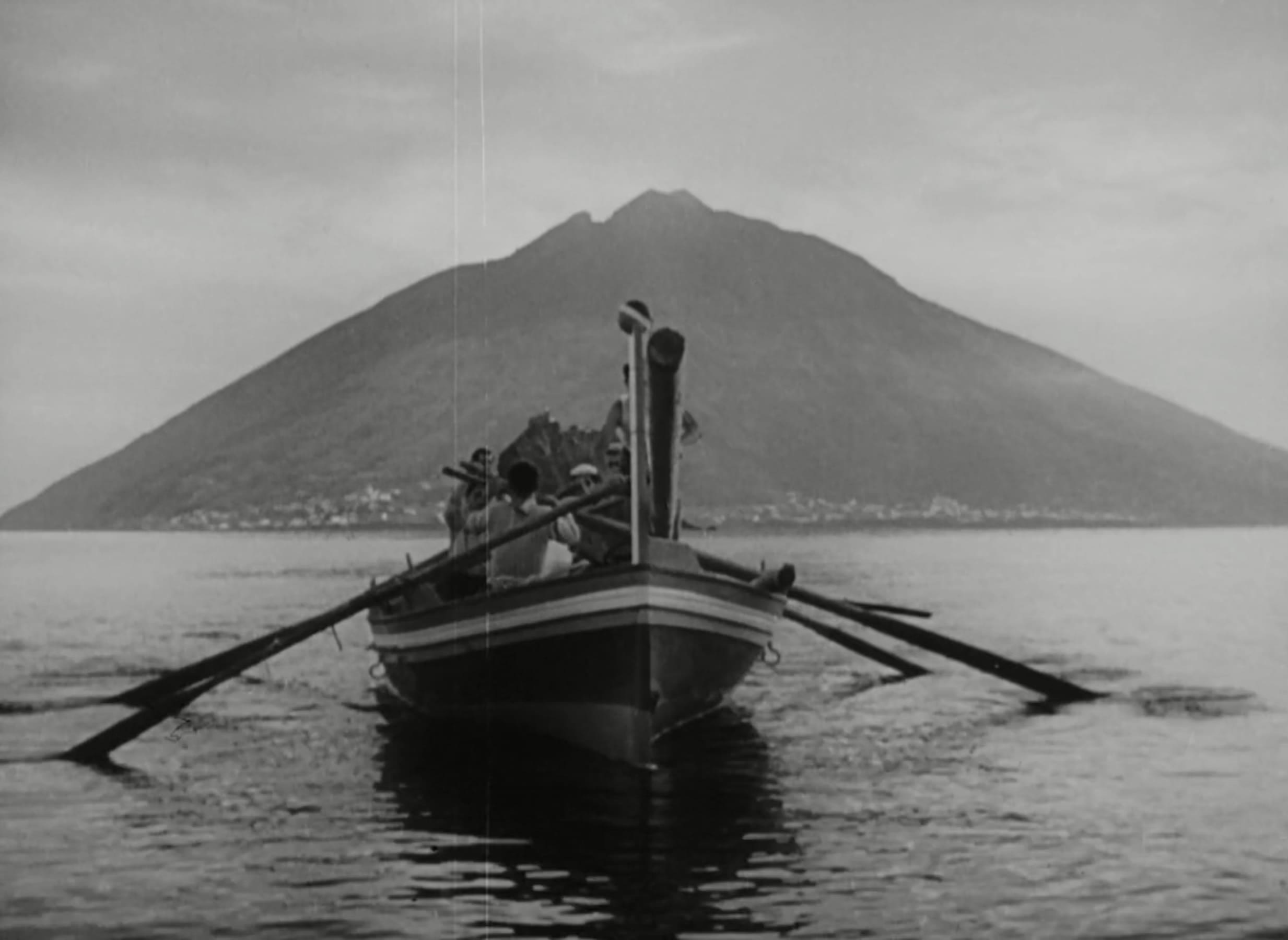
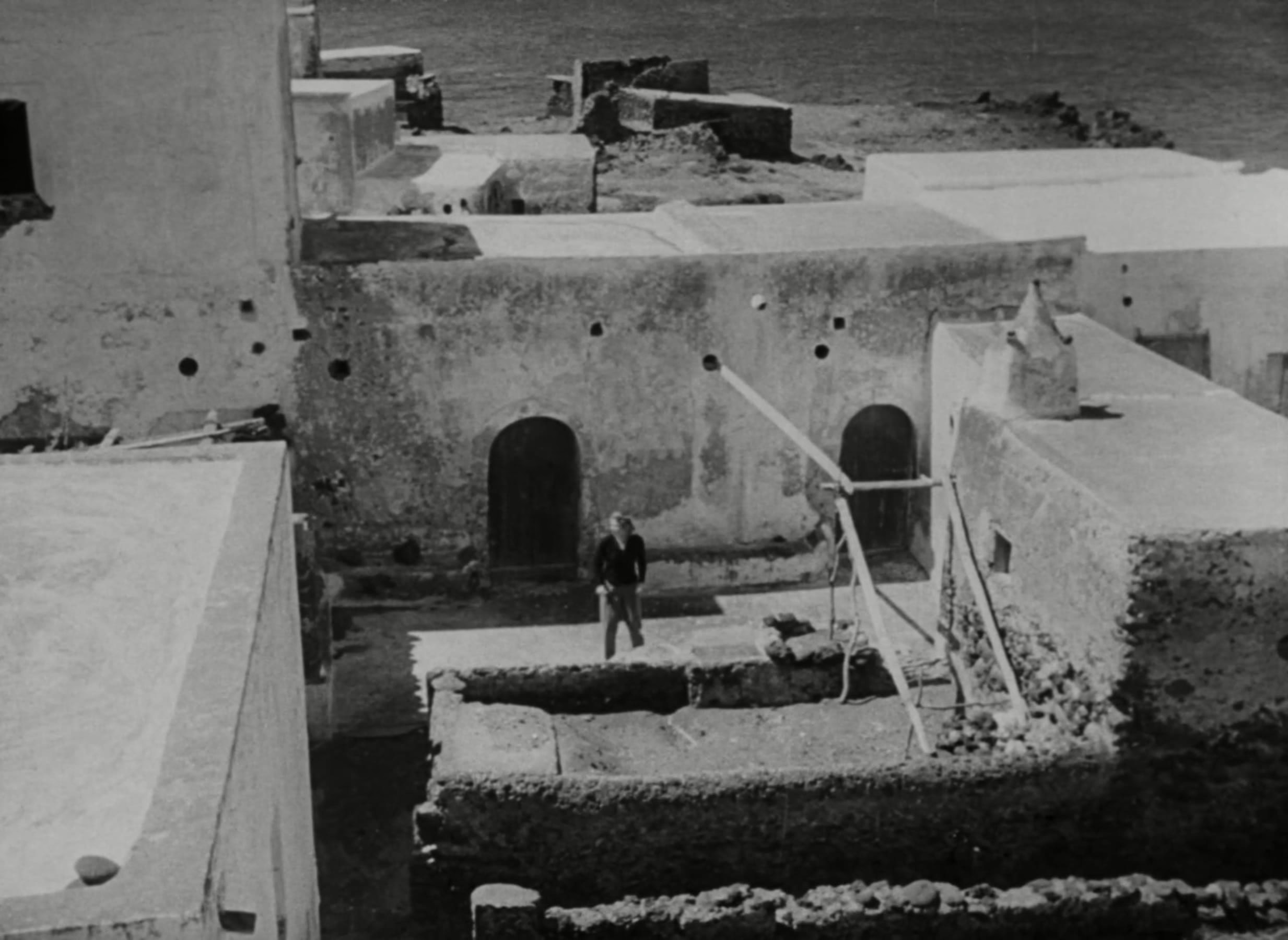
Cut off from the world and living in poverty, the villagers of Stromboli have evidently not survived by strength, but rather stubborn, wilful endurance. Their economy rests solely on the town’s fishing industry, drawing parallels to Luchino Visconti’s neorealist docufiction La Terra Trema, which similarly traces an isolated island community dependent on the sea for survival. Where Visconti uses his epic scope to build out expansive social hierarchies among fishermen, wholesalers, and families though, Rossellini instead narrows in on an outsider entering this space, unable to assimilate into its cultural fabric.
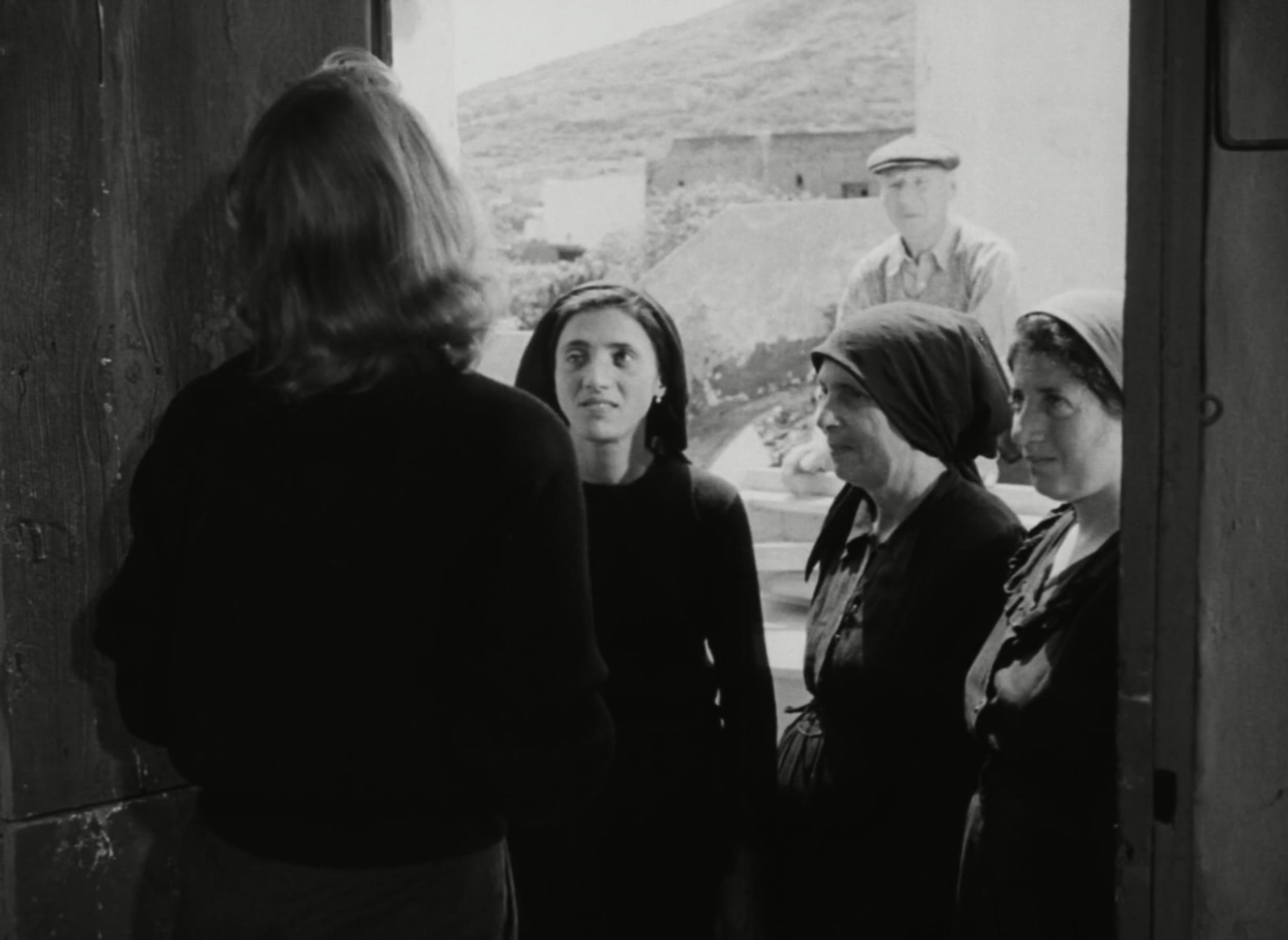
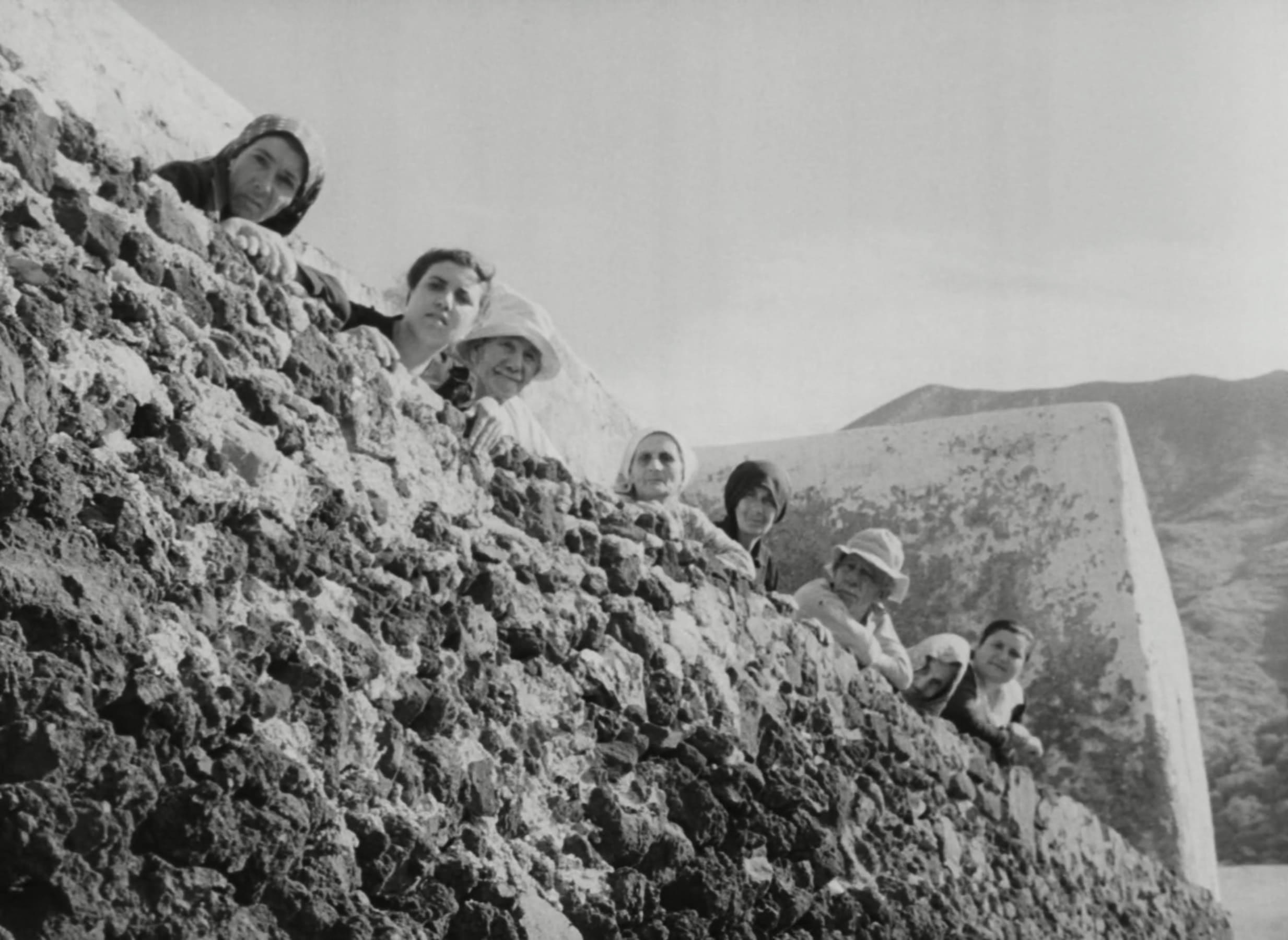
In casting Hollywood icon Ingrid Bergman as Karin too, Rossellini shrewdly emphasises the stark tension between her cinematic glamour and these harsh, natural surroundings, especially setting her apart from the other women in town. While she dresses in sweaters and pants, they wear conservative black dresses and head scarves, defined by their roles as wives and mothers. Resigned to her meagre circumstances, she thus begins to assume the role of homemaker too, trying to domesticate the austerity of the hovel with window drapes, plants, and paint – yet this does little to ingratiate her with the neighbours. Gathering by the front door to observe her work, they merely stare in silent judgement, rejecting her invitation inside before delivering a scathing condemnation.
“You have no modesty.”
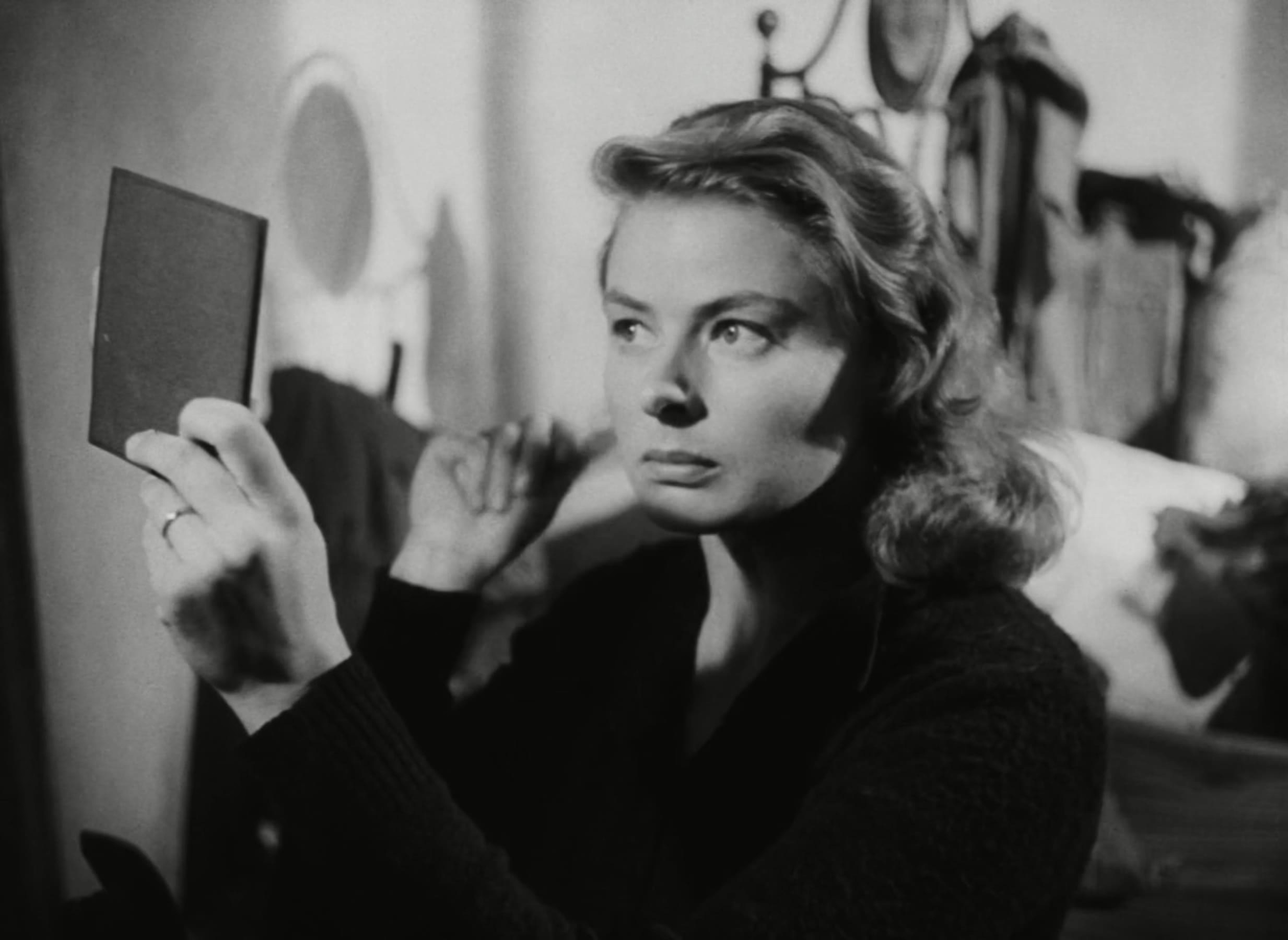
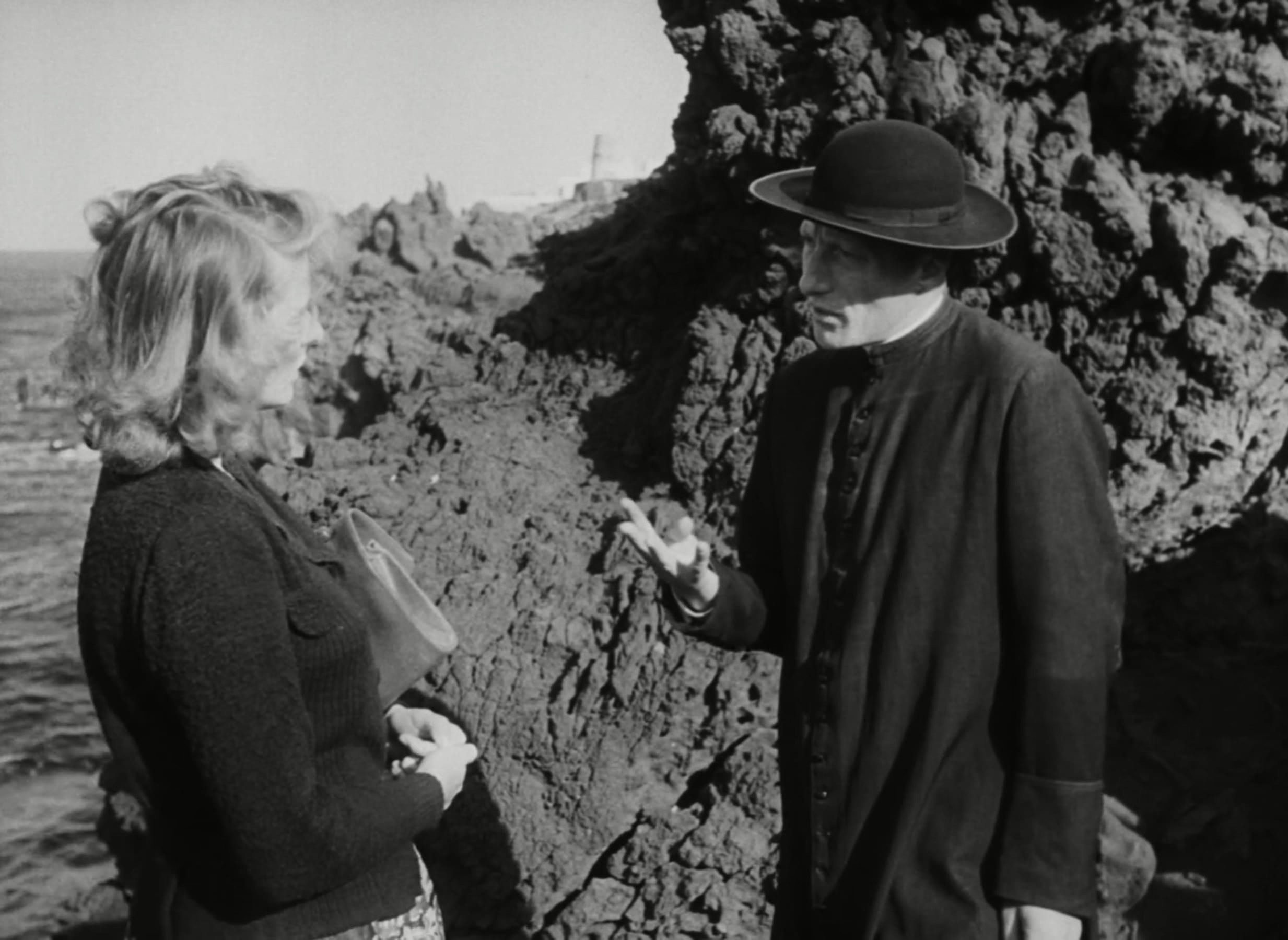
It certainly doesn’t help that she briefly associates with a local woman of ill repute, earning further disapproval from her neighbours, though it would be simplistic to suggest there is not pride on both sides. While the townsfolk assert a moral superiority rooted in religious doctrine, Karin still clings to inherited notions of class separation, haughtily proclaiming that “This is no life for civilised people” while brushing her hair in the mirror. Antonio behaves like a boy, she laments to the local priest, who in turn encourages her to recognise her husband’s sacrifices and meet them with patience. Interpreting his sympathy as affection, she flirtatiously tests the boundaries of the priest’s compassion, yet his rejection only redirects her attention toward another misguided affair.
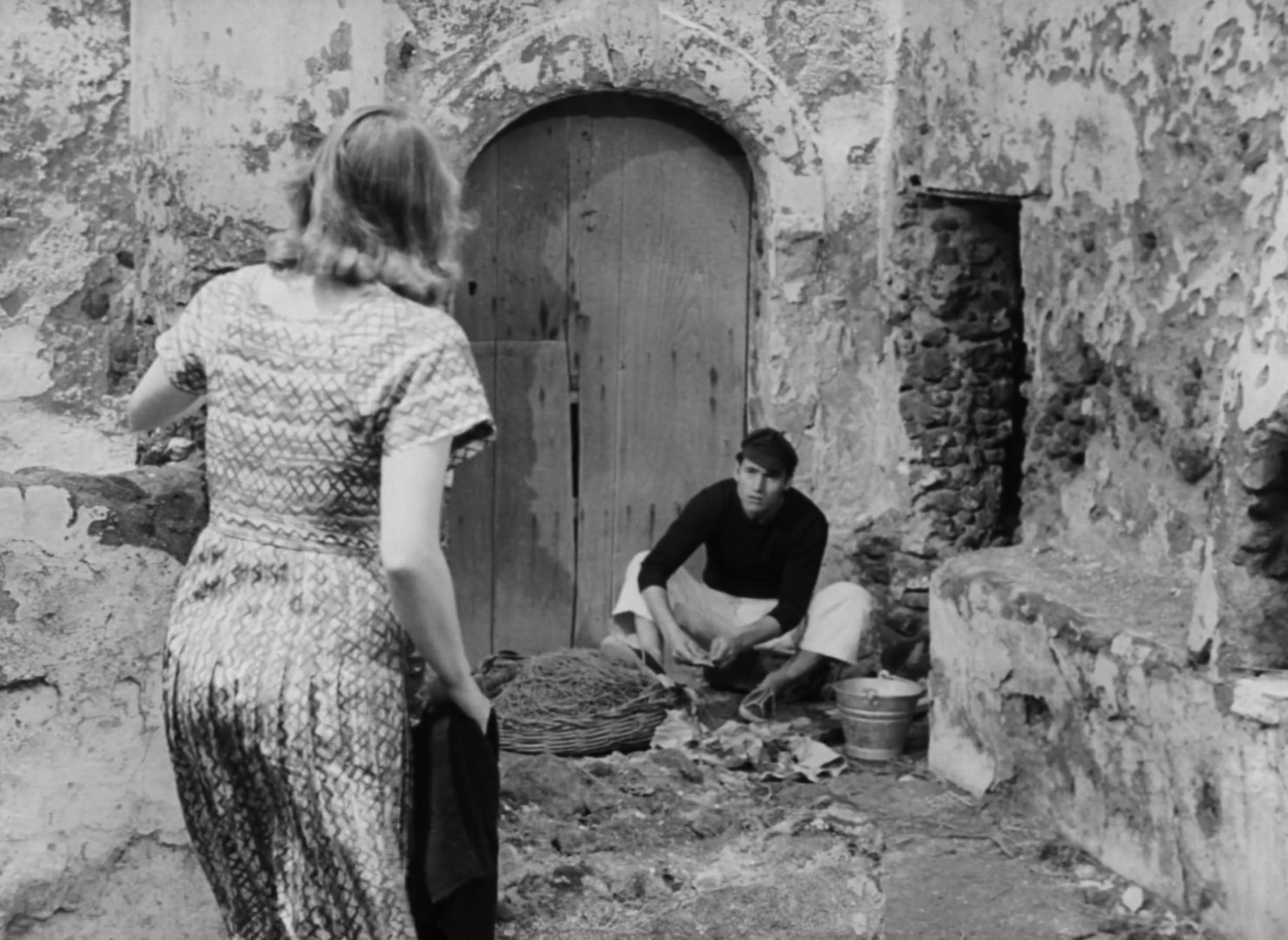
The man who works in the lighthouse offers Karin far greater comfort than anyone else in town, and while Antonio is out fishing during the day, Rossellini develops her relationship with this new temptation. He is not as brutish as her husband, possessing a far more playful temperament as they laugh and catch octopus in the shallows, though even this bond does not extend beyond the surface promise of escape. Still the watchful women pierce her moments of freedom with accusing gazes, and in their silent, ominous presence, Rossellini positions them as extensions of the volcano’s sinister threat.
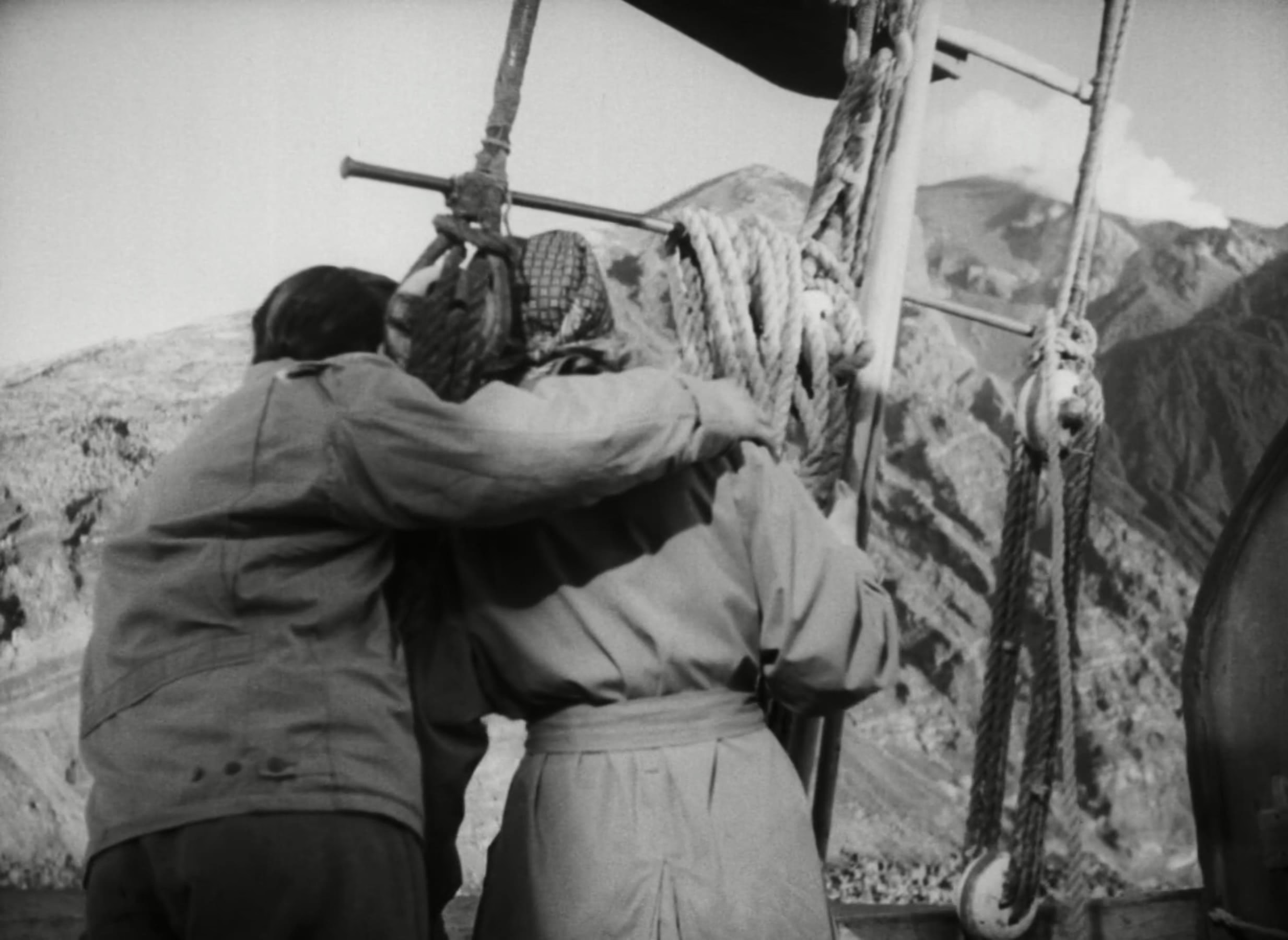
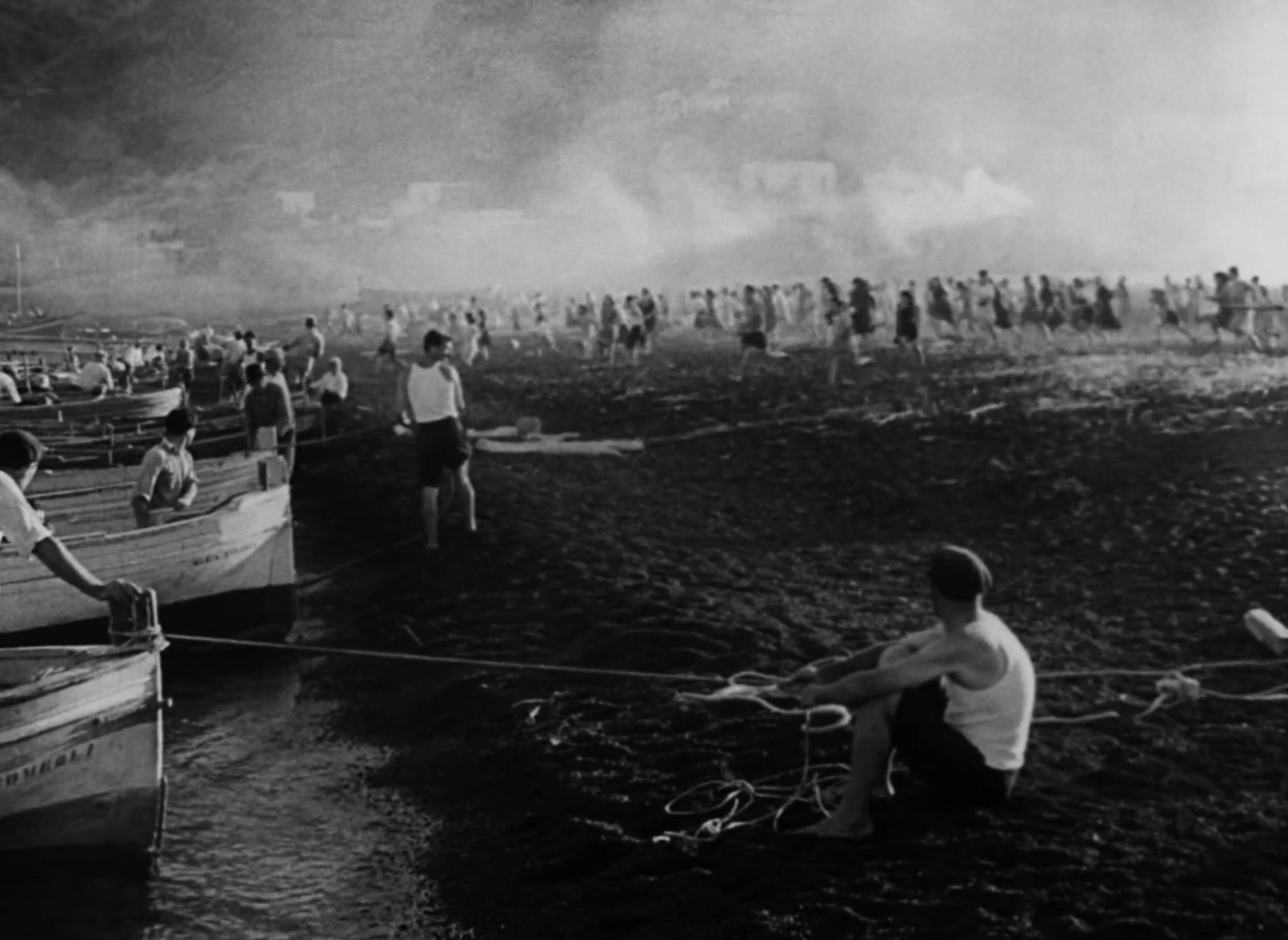
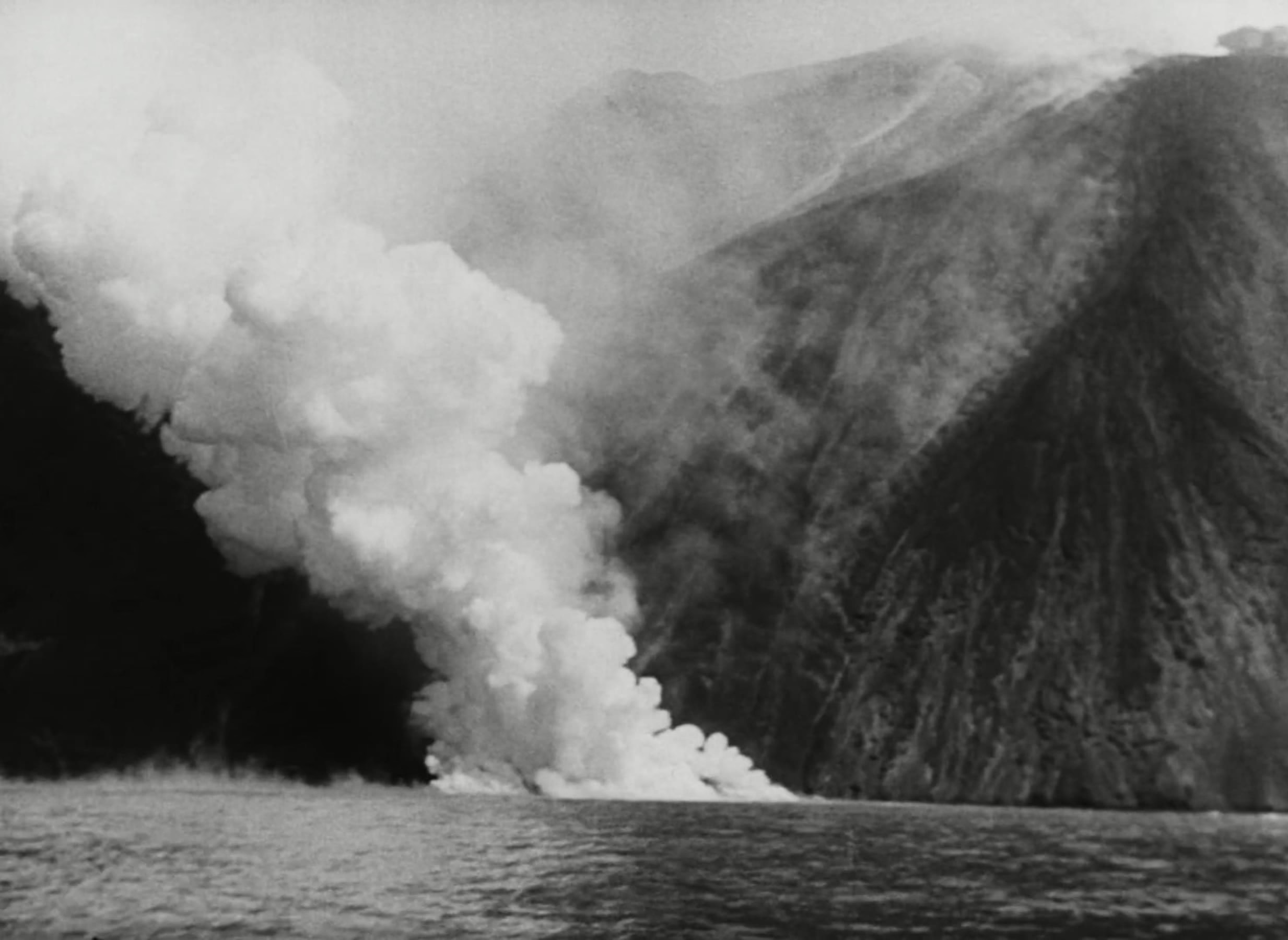
Indeed, whatever domestic stability that Karin dreamed of building on Stromboli proves vulnerable beneath the constant possibility of eruption, so it is fitting that disaster should strike as life begins to steady and she falls pregnant. Rossellini was remarkably fortunate that the real volcano happened to erupt during production, though it is his resourcefulness that enabled him to capture it with such primal terror, observing lava cascade down slopes, steam billow from the crater, and birds take panicked flight. Down in the village too, rocks tear through Karin’s ceiling and scatter flaming fragments through the streets, while locals scurry to the water for safety. There, as the community sings in unison aboard fishing boats, she finally encounters the closest thing to peace she has known – not in security, but rather a humbled surrender to forces beyond the self.
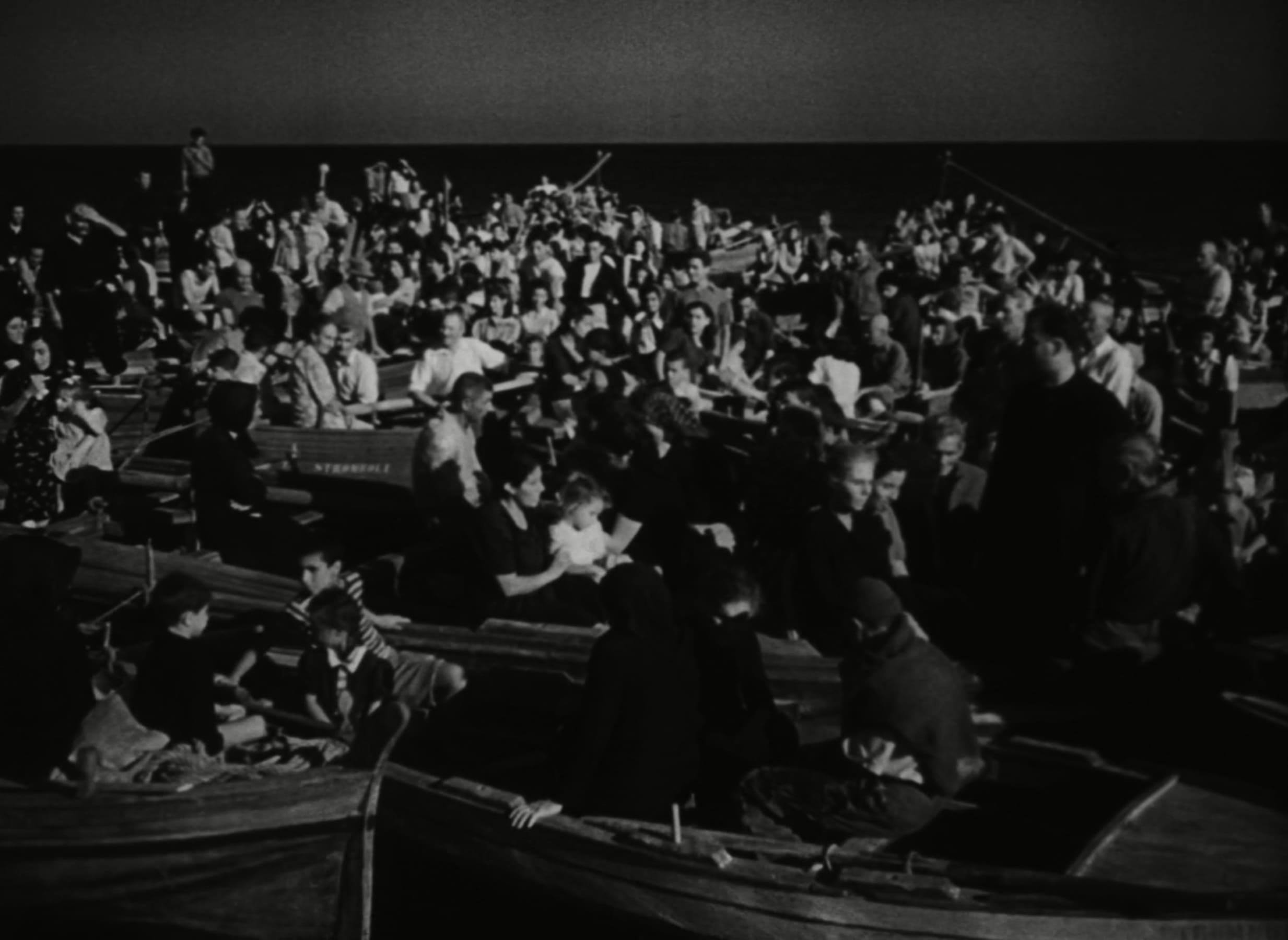
Perhaps there is a certain harmony to be found in this town’s adversity, Karin considers, nourishing its people with a chastened humility. She evidently has much to learn from their resilience, yet at the same time, she recognises that she cannot truly be happy beneath their moral scrutiny. That much is clear at least when Antonio, upon learning of her infidelity, nails the door shut in a fit of jealousy. The handsome man from the lighthouse may free her in this instance, but he is not her saviour, Karin realises. Having learnt that there is another town on the far side of the island, she thus sets out on a lonely, treacherous journey across the volcano, seeking freedom from domestic and social obligations.
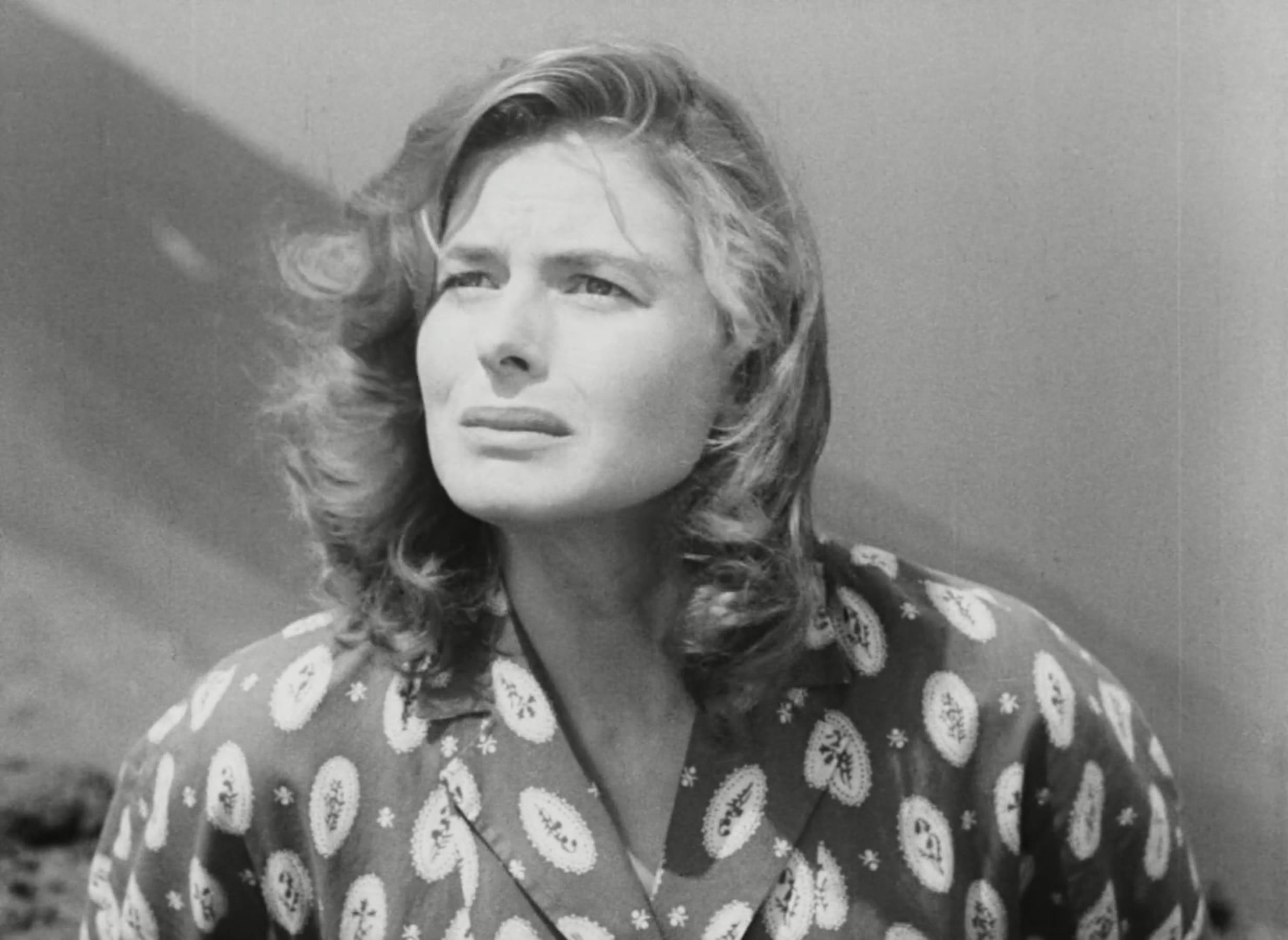
As Karin is pushed to her limit and stripped of her former certainties, so too does Stromboli begin to enter a far more spiritual realm, marked by severe trials of mind and spirit. Rossellini’s location shooting excels in capturing the volcano’s barren surfaces and sweeping views, while the landscape turns increasingly hostile the higher she climbs, choking her with ash and smothering her in the darkness of night. Bergman’s composure breaks into weary despair, and as if mirroring her emotional turmoil, the volcano once again erupts in plumes of black smoke.
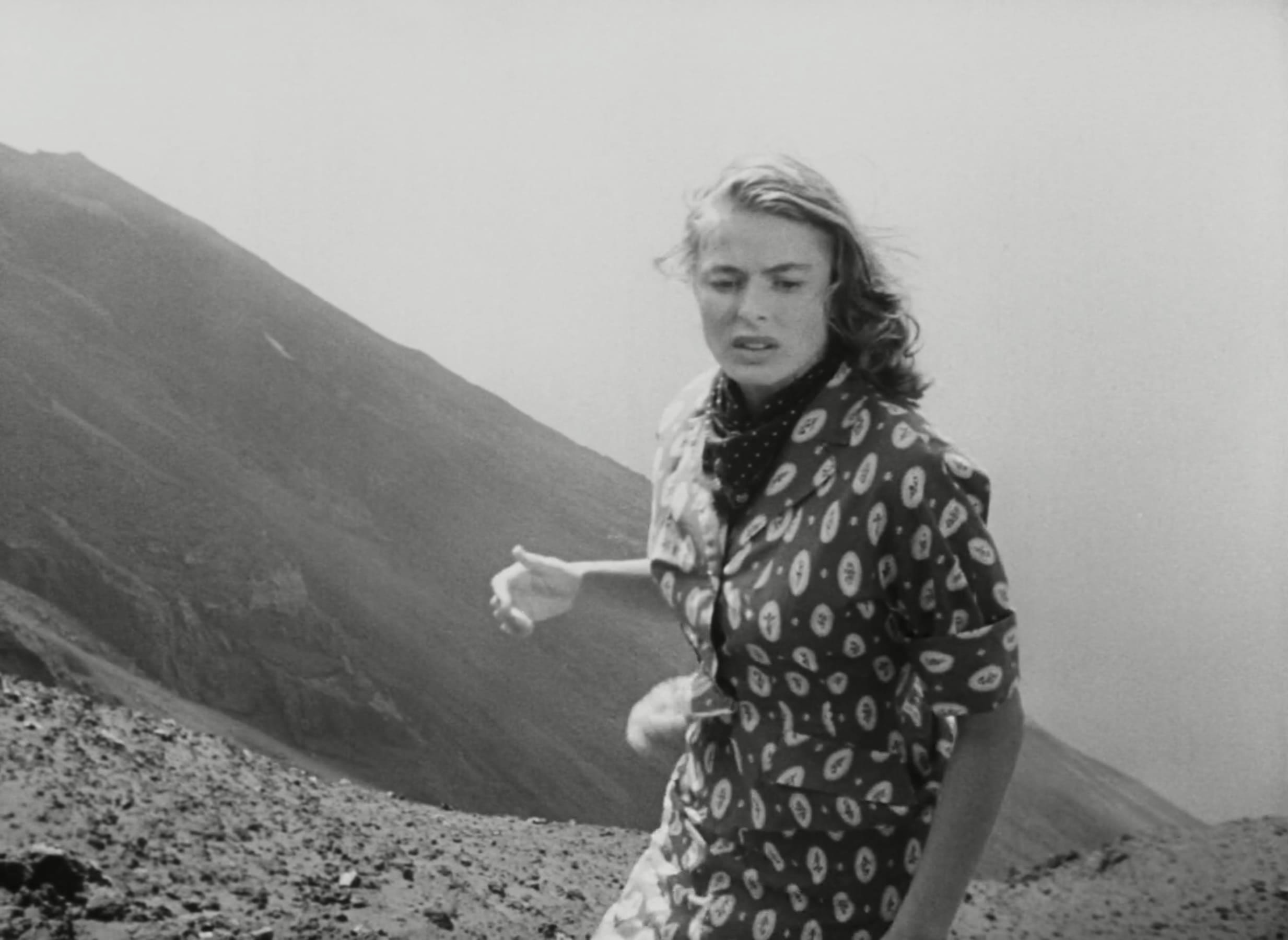
Just as Christ wandered the wilderness for forty days and forty nights though, so too does this total isolation awaken a profound, purgative reckoning in Karin, gradually dissolving her ego into a humbled accord with nature. Stromboli’s opening epigraph quoting Isaiah 65:1 resonates powerfully here, as in this surrender to an order beyond human desire, revelation is at last given without expectation.
“I gave to those who were asking nothing of me. I let myself be found by those who were not looking for me.”
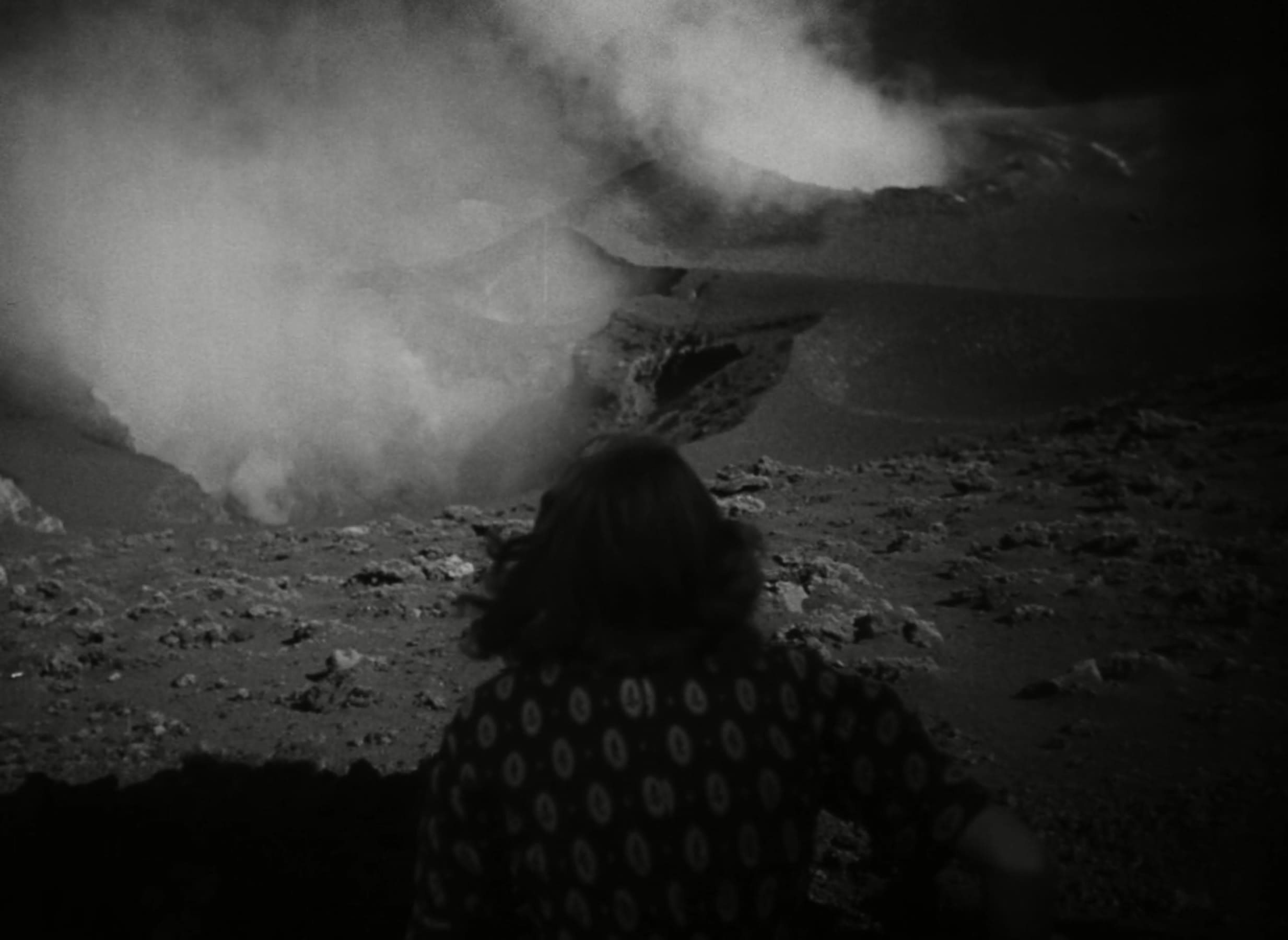
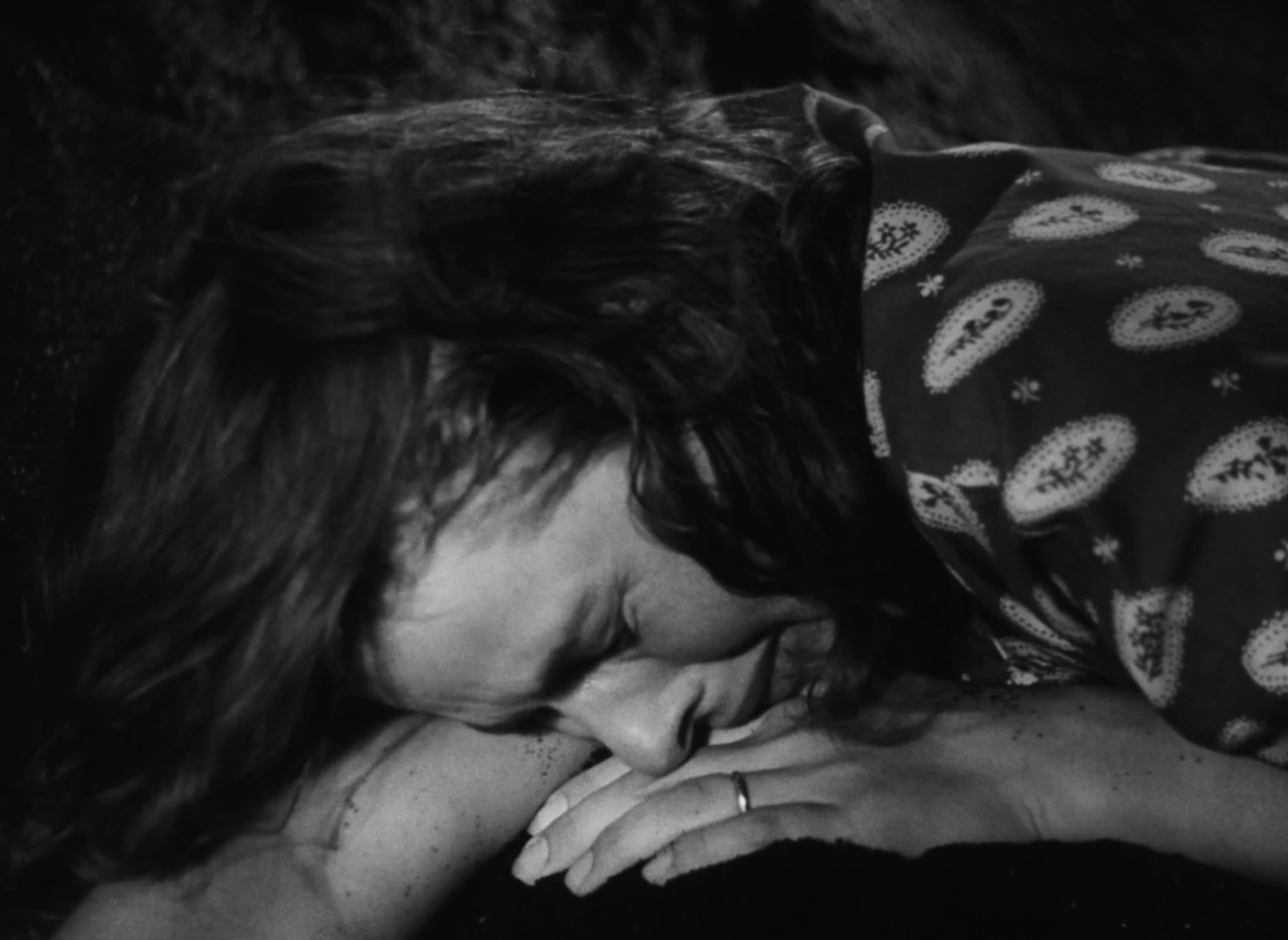
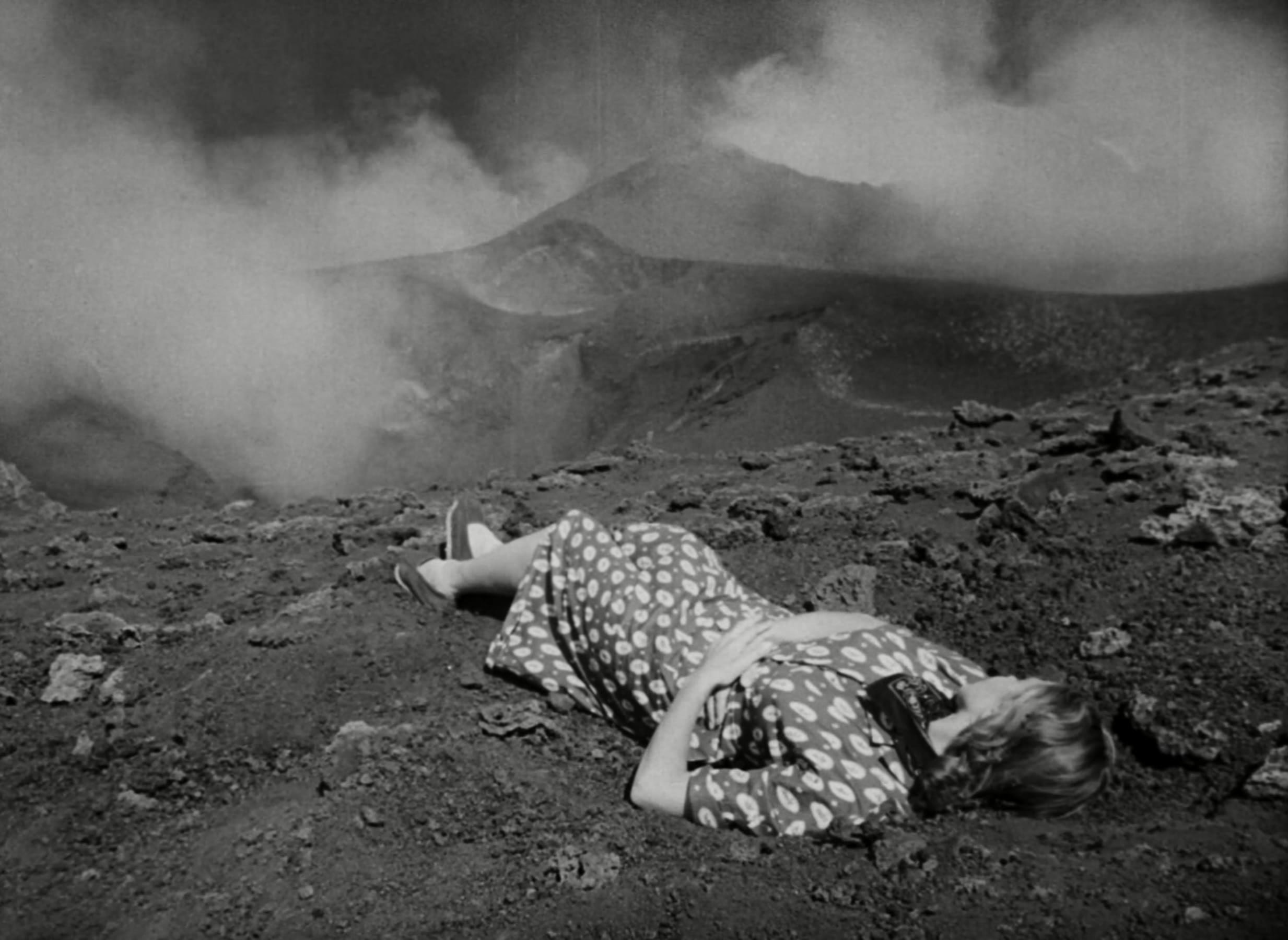
Indeed, as the volcano calms and the sun rises the next morning, Karin’s still, resting body almost seems to merge with its contours. It is certainly no coincidence either that her dialogue directly recalls Christ’s final words on the cross, declaring that those unforgiving villagers far below “don’t know what they’re doing” and announcing that she is finished. Most revealing of all though is her desperate prayer, pleading for God to “Give me the strength, the understanding, and the courage!” right before Rossellini draws her story to a solemn close.
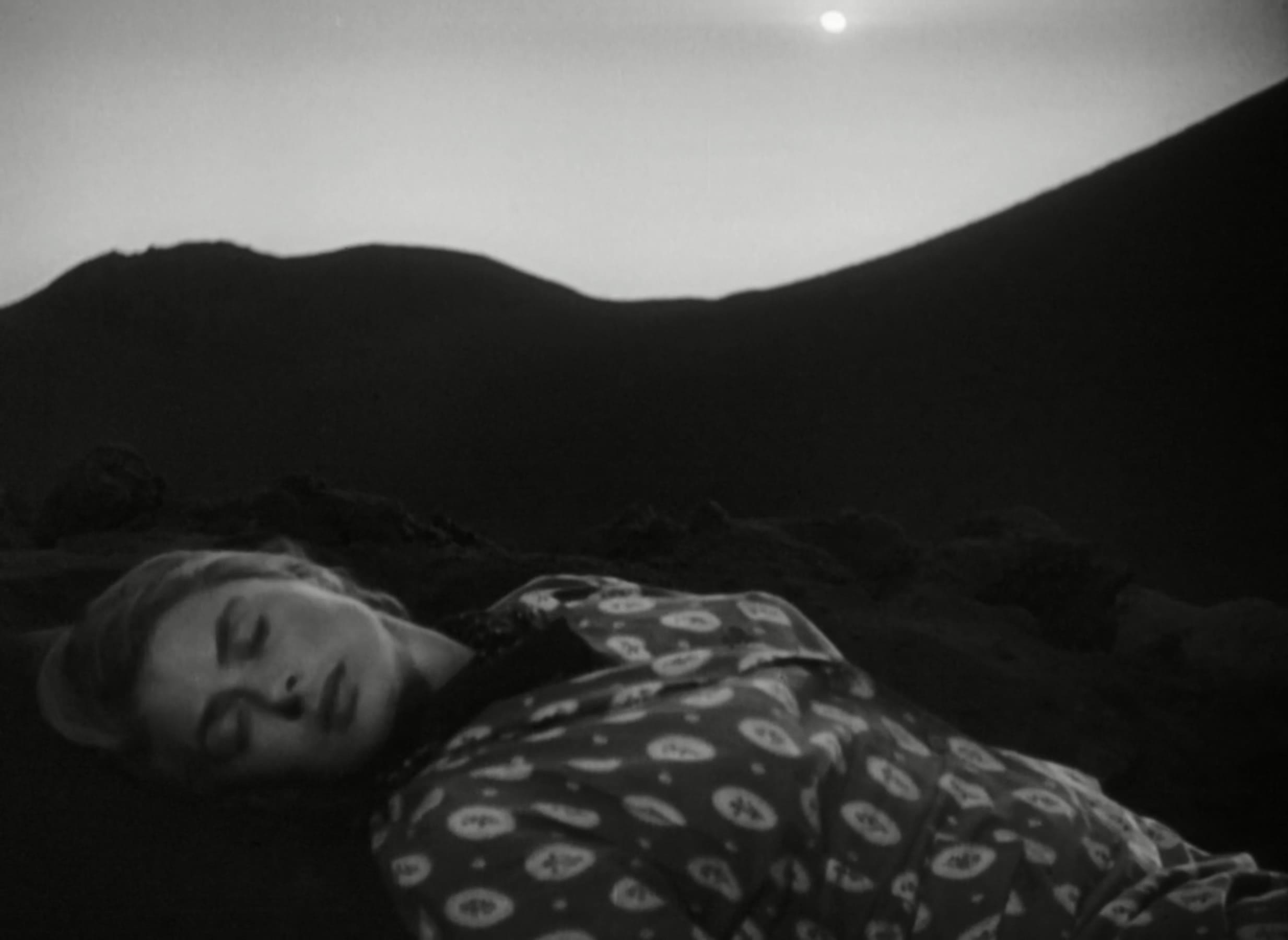
It may be a little abrupt in its finality, though in ending Stromboli here, we recognise Karin’s spiritual enlightenment as the true culmination of her journey. Perhaps she will forge on, return to the village, or even perish upon this mountain, but regardless of what lies ahead, the journey has already fulfilled its purpose. This is a dangerous world scarred by natural and manmade violence, and only through such a radical dissolution of the self may humbled peace be made with the earth, its people, and the ineffable divine.
Stromboli is currently streaming on The Criterion Channel.