

-

The Best Films of the 1970s
The greatest films of the 1970s, from the American New Wave to Europe’s existential surrealism.
-
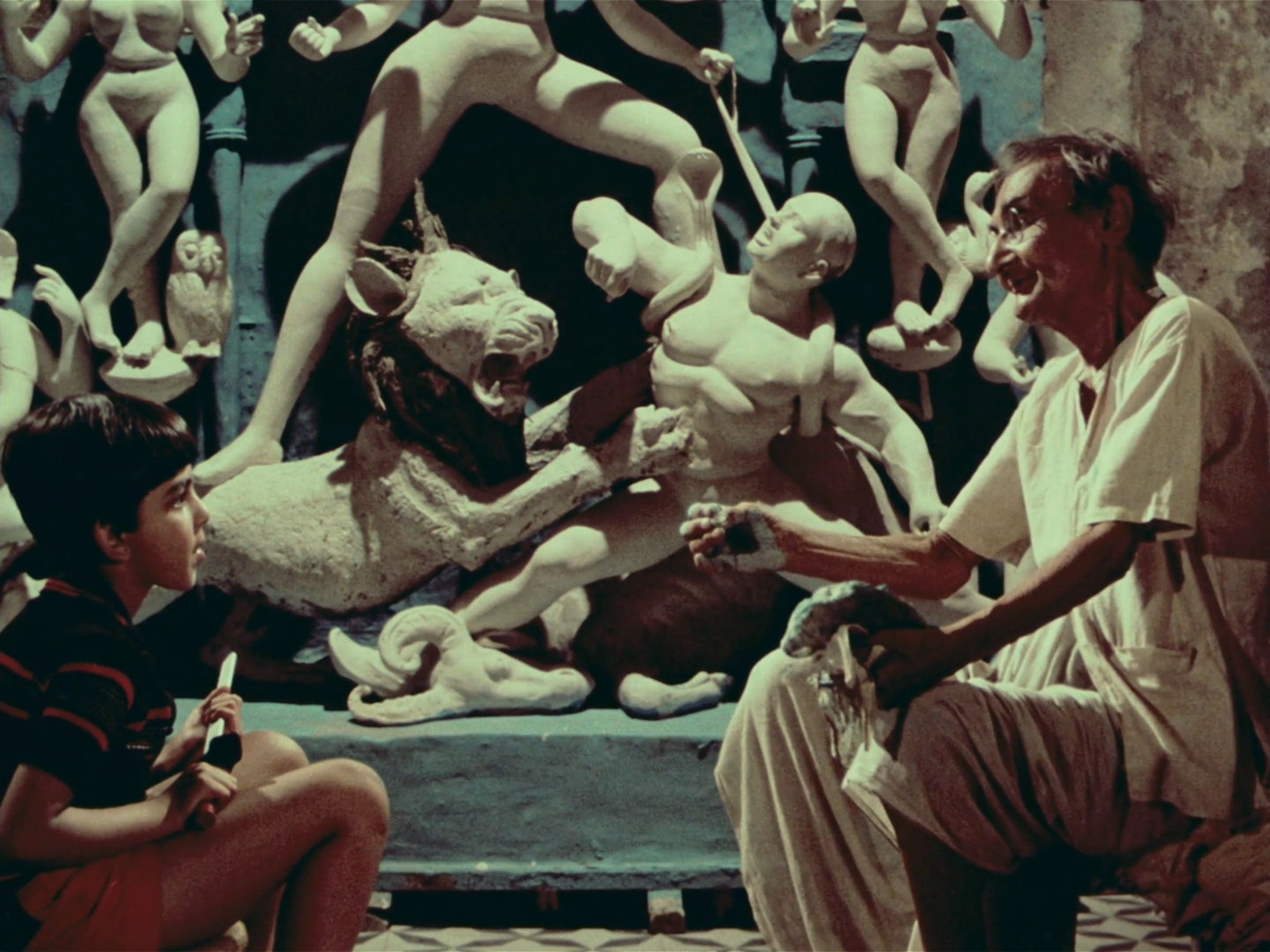
The Elephant God (1979)
If The Elephant God lacks the taut precision of Satyajit Ray’s finest works, it compensates with its noir-inflected intrigue, drawing a hardboiled detective into the puzzling case of a stolen idol, a holy fraud, and a trail of shadowy motives.
-
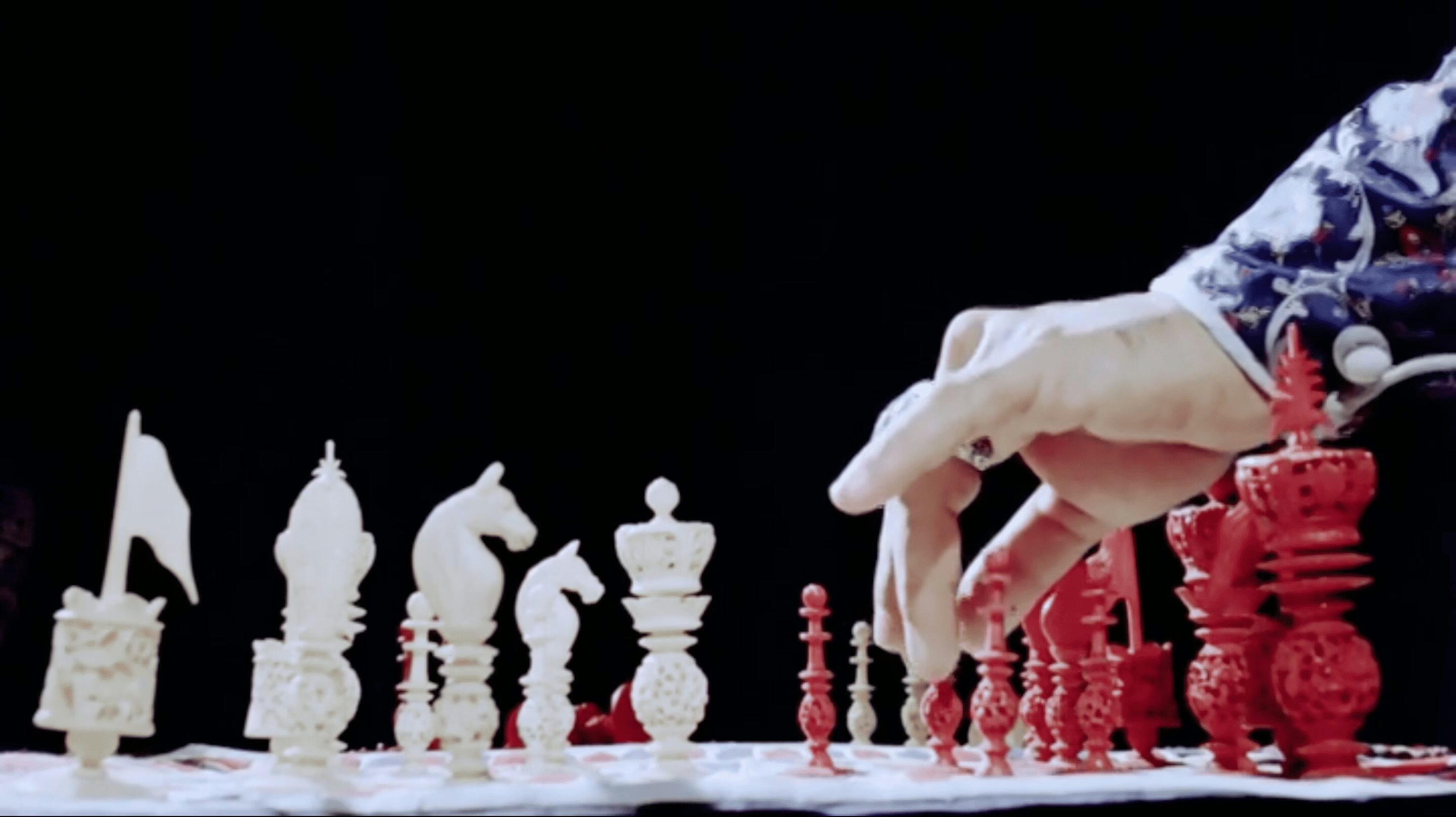
The Chess Players (1977)
Although Satyajit Ray treats the history of the British Raj with humane detachment in The Chess Players, it is not without a wry, bitter irony, symbolically framing the colonial conquest of Awadh as a lopsided game between calculating bureaucrats and self-absorbed nobles.
-
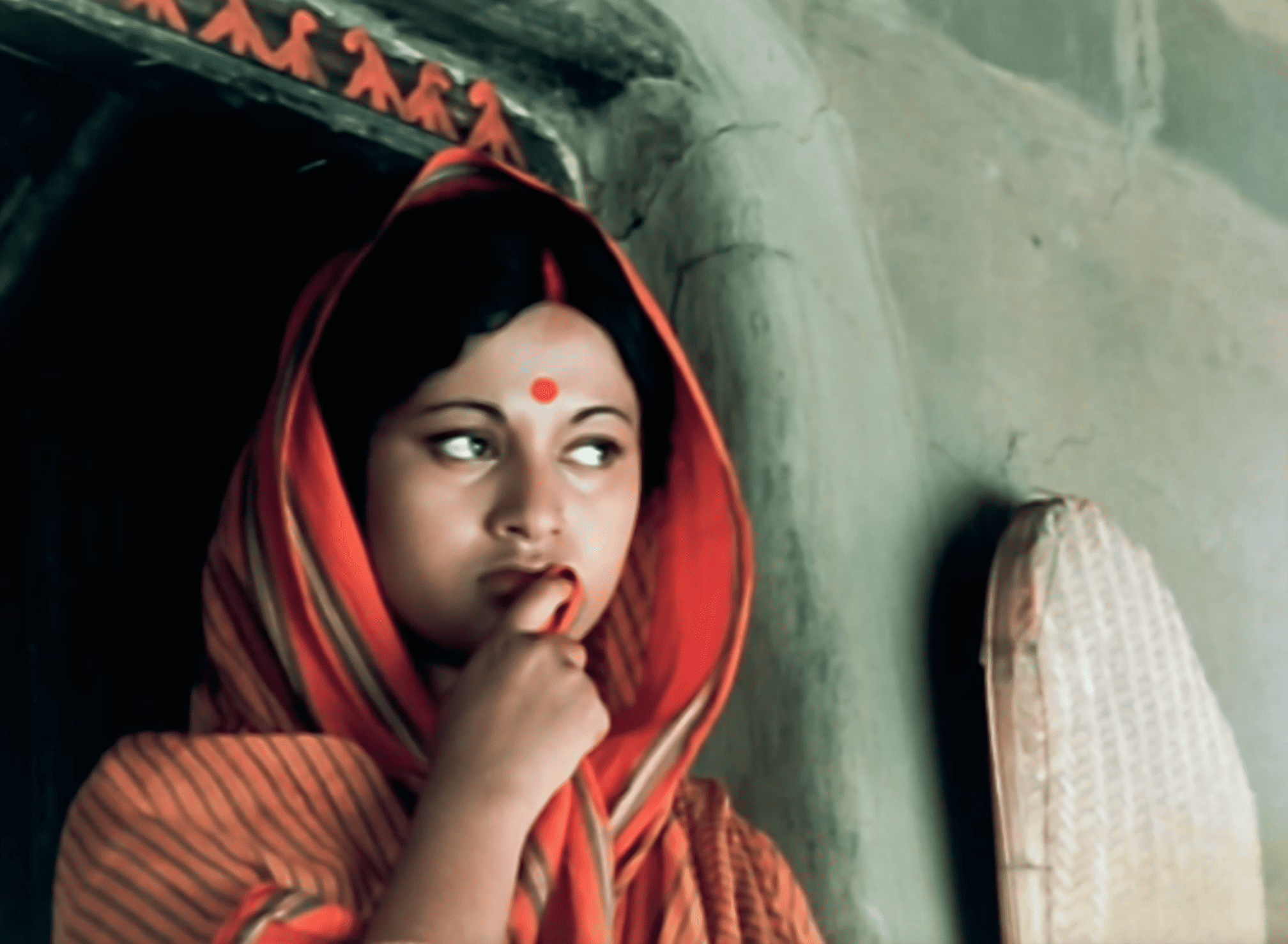
Distant Thunder (1973)
Satyajit Ray’s return to the pastoral settings of his early career in Distant Thunder does not usher in spiritual peace, but rather the indignity of desperate survival, uniting the individual tragedies and horrifying scale of the Bengal Famine of 1943 in a stark portrait of social collapse.
-
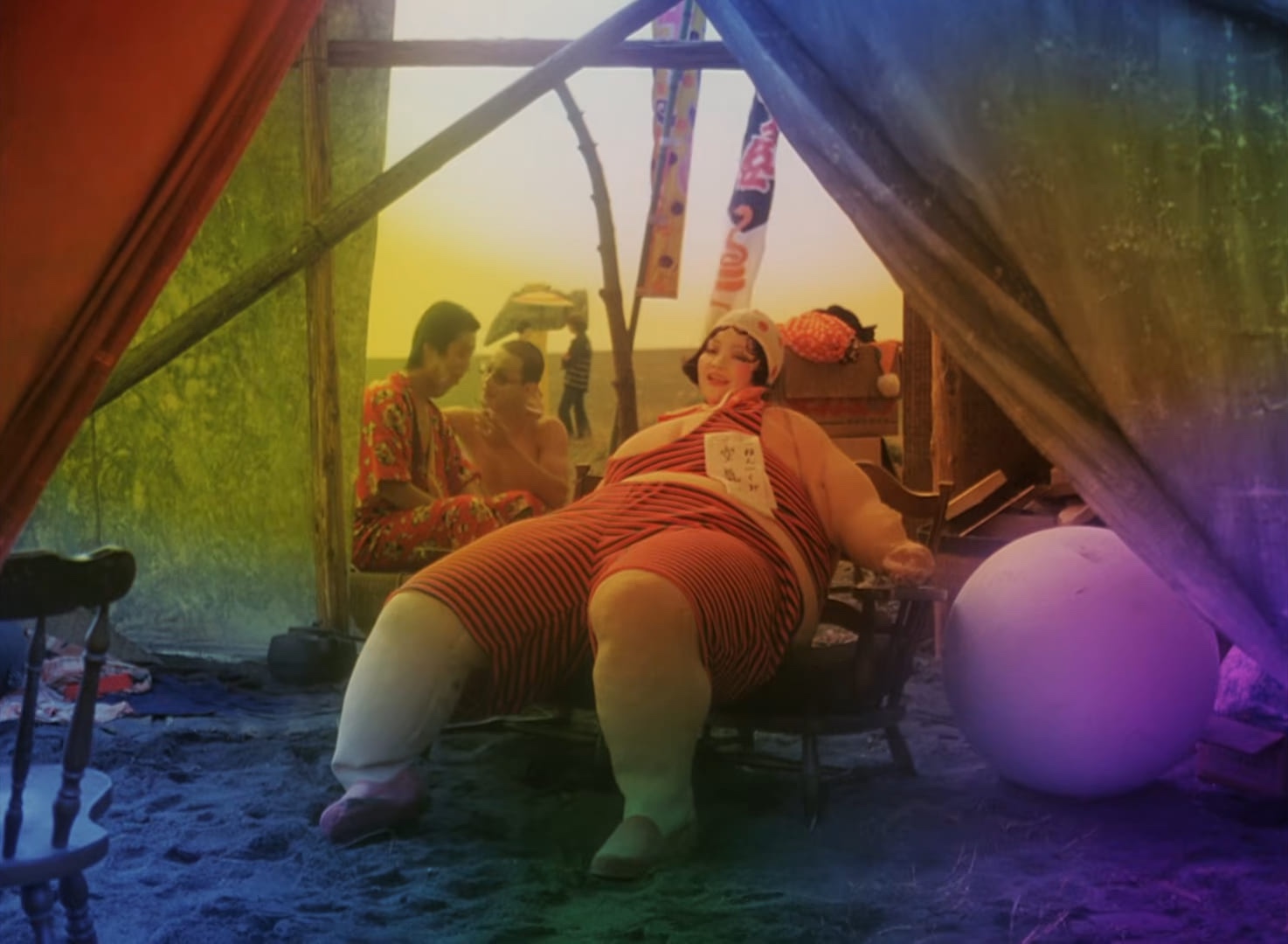
Pastoral: To Die in the Country (1974)
Shūji Terayama may cast his rural childhood in an array of surreal, kaleidoscopic motifs, yet this memory piece does not yield easily to nostalgia or repression, as Pastoral: To Die in the Country contemplates the unstable, self-reflexive act of reminiscence and its sublimation into art.
-

A Touch of Zen (1971)
As King Hu edges towards a spiritual transcendence in A Touch of Zen, wuxia spectacle dissolves into a meditative, cosmic stillness, revealing its worldly struggles between imperial authorities and persecuted fugitives as fleeting dramas within a transient world.
-

The Travelling Players (1975)
Against the political turmoil of mid-century Greece in The Travelling Players, Theo Angelopoulos’ theatrical microcosm captures a fragmented nation caught between competing powers, dissolving time through long takes that conjure a swirling, ceaseless nightmare.