

-

The Best Films of the 1970s
The greatest films of the 1970s, from the American New Wave to Europe’s existential surrealism.
-

Salò, or the 120 Days of Sodom (1975)
Through Pier Paolo Pasolini’s formal severity and exacting aesthetic, Salò, or the 120 Days of Sodom stares unflinchingly into the repellent darkness of humanity’s soul, tracing the systematic torture of young captives subjected to the relentlessly sadistic games orchestrated by four fascist overlords.
-

Jeanne Dielman, 23 quai du Commerce, 1080 Bruxelles (1975)
Perhaps the only thing longer than the title Jeanne Dielman, 23 quai du Commerce, 1080 Bruxelles is the film itself, as Chantal Akerman forces us to feel every passing minute of one homemaker’s fastidious routine, along with its gradual, psychological decay into exasperating chaos.
-

Carrie (1976)
Coming of age is quite literally a horror show in Carrie, and one that Brian de Palma conducts with spectacular tension, brewing a lethal combination of hormones, trauma, and telekinetic powers within a lonely, abused teenager.
-

Last Tango in Paris (1972)
The anonymous affair which widower Paul and young actress Jeanne conduct makes for a warped power dynamic in Last Tango in Paris, and Bernardo Bertolucci is unafraid to plunge the crude depths of their precarious arrangement, prodding at raw, psychological wounds that explode with love, grief, and violent anger.
-
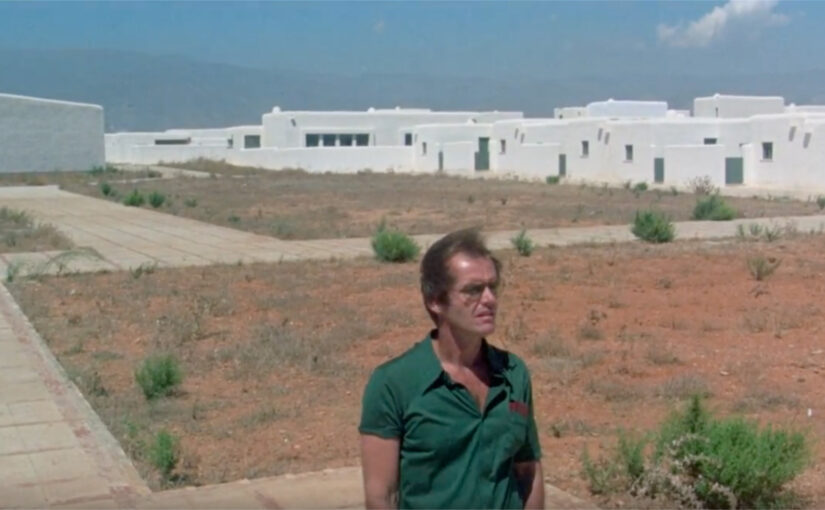
The Passenger (1975)
Stealing a dead man’s identity seems like the perfect opportunity for television journalist David Locke to escape his unfulfilling life in The Passenger, though as Michelangelo Antonioni drifts him through a perplexing labyrinth of his own making, we are implicated in his confrontation with life’s empty, senseless banality.
-
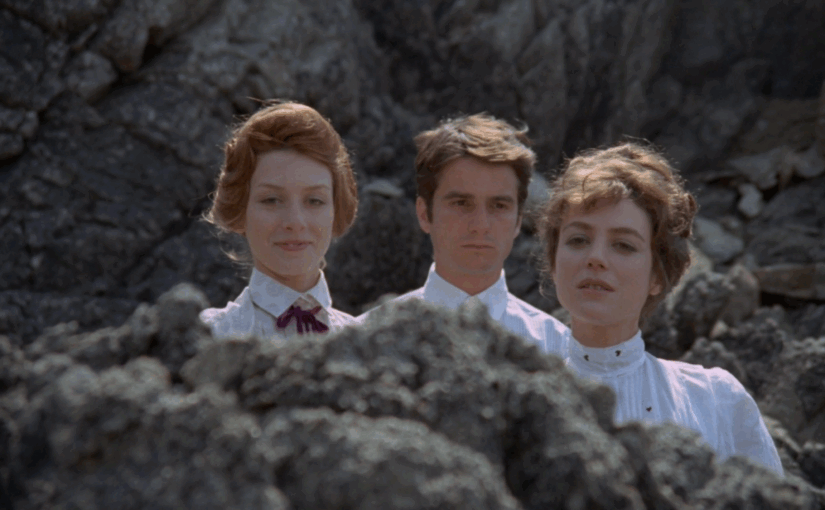
Two English Girls (1971)
By casting himself as the omniscient narrator of Two English Girls, François Truffaut imbues the love triangle between one aspiring Parisian writer and the two sisters he deeply loves with a tender, literary quality, playfully savouring every romantic and sexual encounter over nine years of their young lives.