Zhang Yimou | 2hr 12min

Zhang Yimou’s early triumphs drew both widespread acclaim from audiences and increasing scrutiny from Chinese authorities, though it wasn’t until To Live that his political sensibilities found their sharpest expression. No longer does he hide his disdain for ideological excess behind allegory – this decades-spanning chronicle of a single family moves from one historical disruption to the next without relief, and despite winning several awards at Cannes Film Festival, was banned back home in China. Xu Fugui’s hardships are inseparable from the social currents of the era after all, sweeping him through the Chinese Civil War, the Great Leap Forward, and the Cultural Revolution, and dictating the course of history and day-to-day life as intertwined threads.
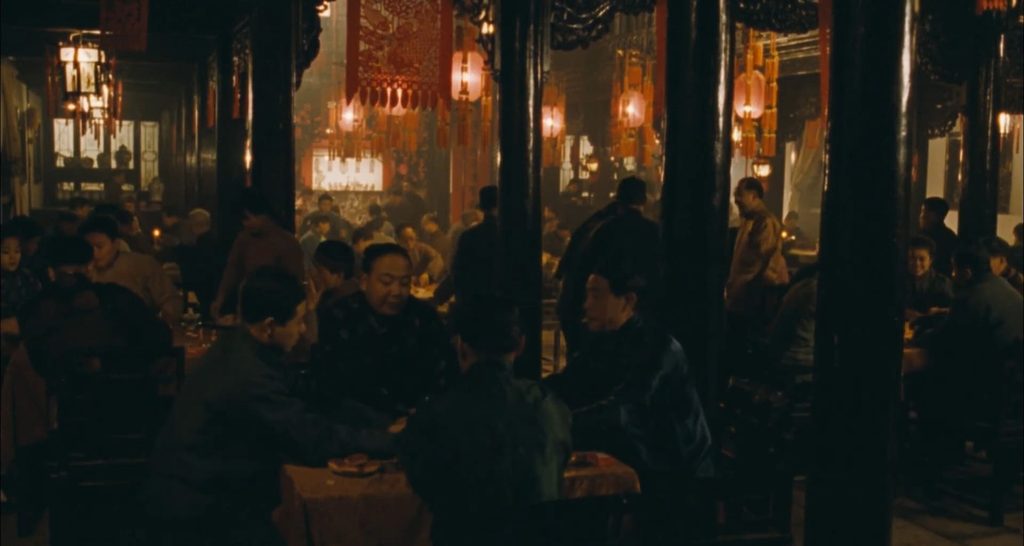
How ironic then that the greatest fortune which befalls Fugui emerges early on from his greatest failure. Young, reckless, and wealthy, he believes himself invincible to the perils of gambling dens in 1940s China, and remains oblivious to his rival Long’er’s plot to win his ancestral home. Only when Fugui loses everything and is condemned to destitution does he wake to reality, only narrowly saving his marriage from ruin and discovering a newfound humility.
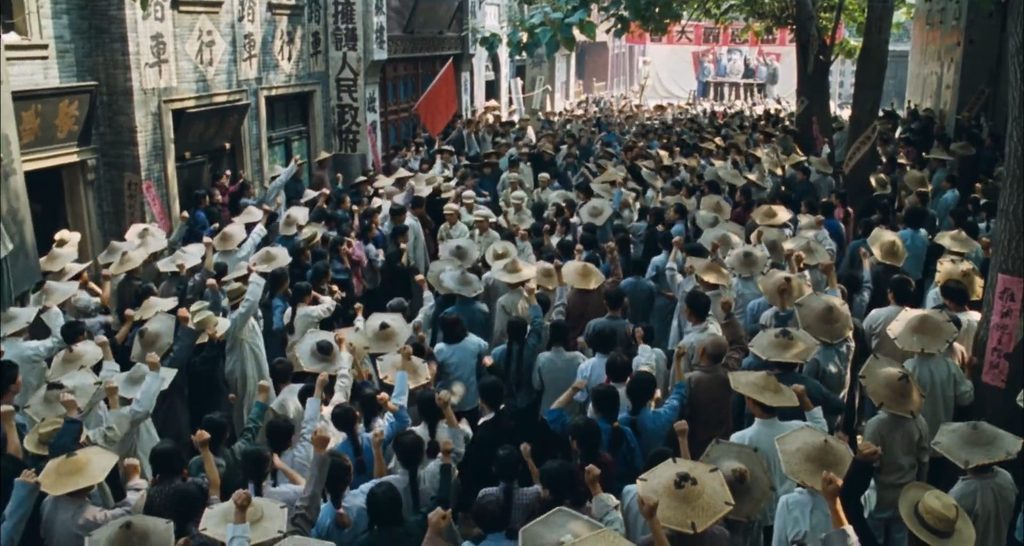
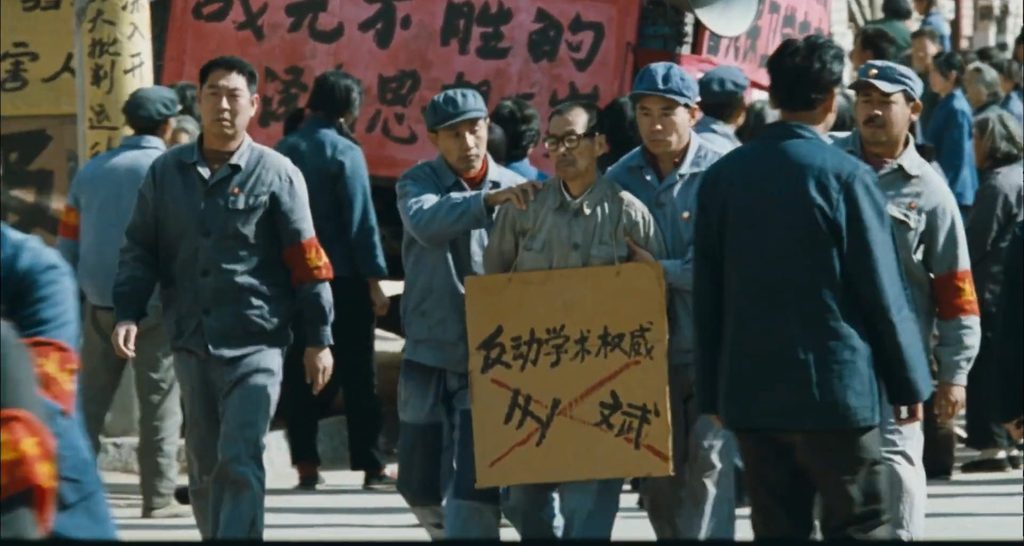
As fate would also have it, Long’er’s fleeting prosperity is soon undone by the Communist victory in the Chinese Civil War. With this new government demanding he turn over the house, he spitefully burns it down instead, and is paraded through the streets toward his public execution. Had Fugui never lost everything to his own foolishness, that could have been him, the former heir anxiously realises. Survival evidently owes less to prudence than to the whims of fortune, as well as the dictates of a government bent on reshaping society.
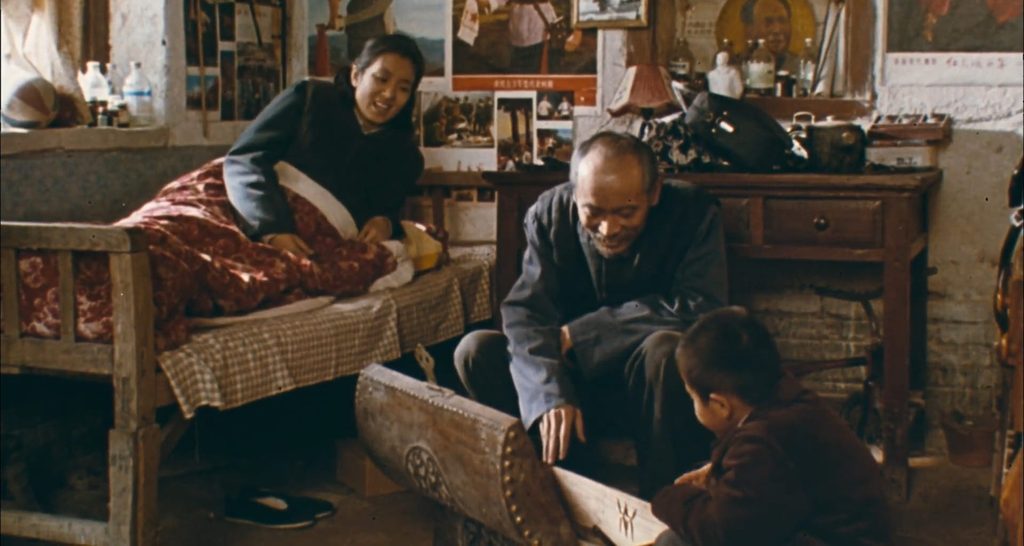
On a more symbolic level however, To Live closely links Fugui’s actions and the larger currents of history – in bringing centuries of family tradition crashing to the ground, he ushers in the dissolution of inherited privilege, and the onset of a turbulent era. Though he takes up the traditional art of shadow puppetry to make a living, he is inevitably conscripted into the Republic of China armed forces alongside fellow puppeteer Chunsheng, and Zhang expands this personal drama across sweeping landscapes and meticulously staged military units. Snow falls upon muddy trenches, slaughtered soldiers litter battlefields, and when Fugui and Chunsheng cautiously peer over a wall of sandbags, the camera rises with them to reveal a silently advancing army of Communist revolutionaries. Through a single, fluid reframe, the scale suddenly explodes, and the two men fall helplessly into the hands of the People’s Liberation Army.
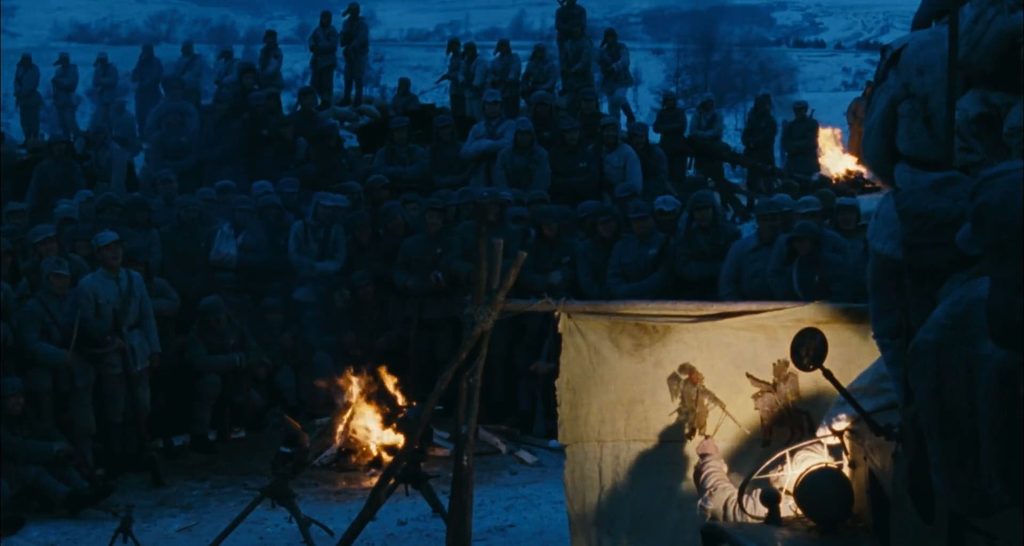
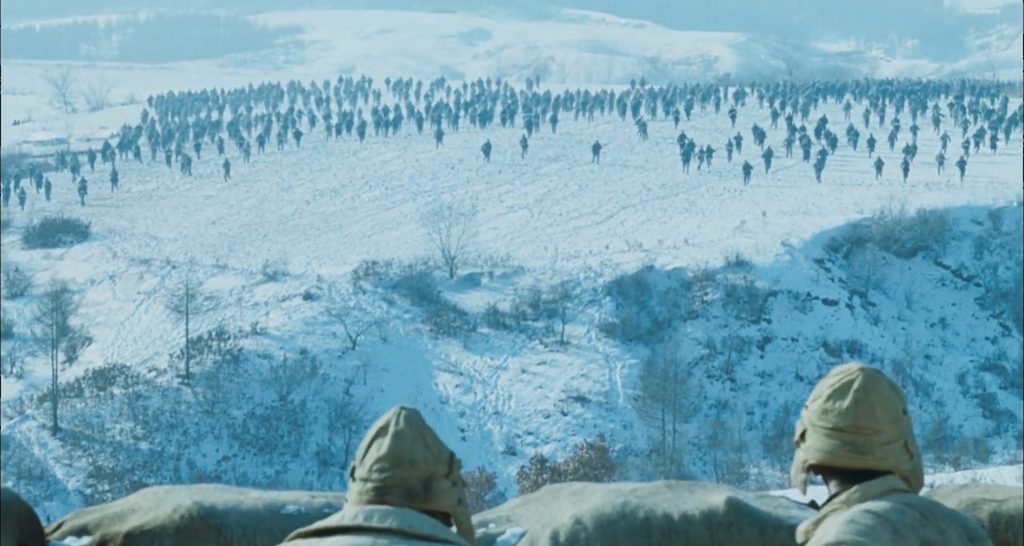
Although he is written with relatively little agency, Fugui demonstrates incredible resourcefulness and adaptability, relying on his shadow puppetry when the revolutionaries demand entertainment. How ironic too that, despite possessing no real allegiance, he should consequently be rewarded for his service. History pays no mind to matters of ideology after all, dealing out mercy and misfortune in equal measure. Just as Fugui returns home relatively unscathed, his daughter Fengxia was struck by illness during his absence, and has since been rendered permanently mute and partially deaf.
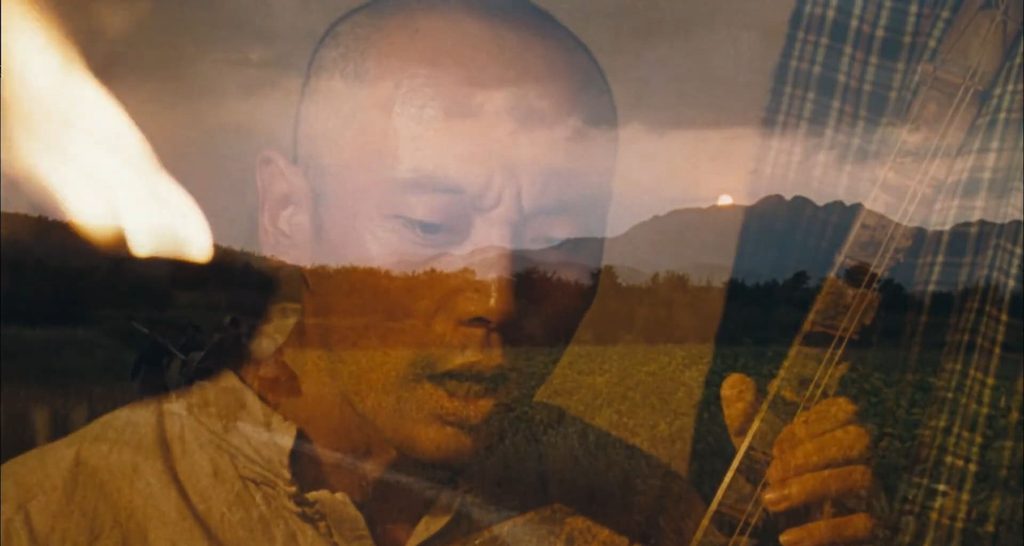
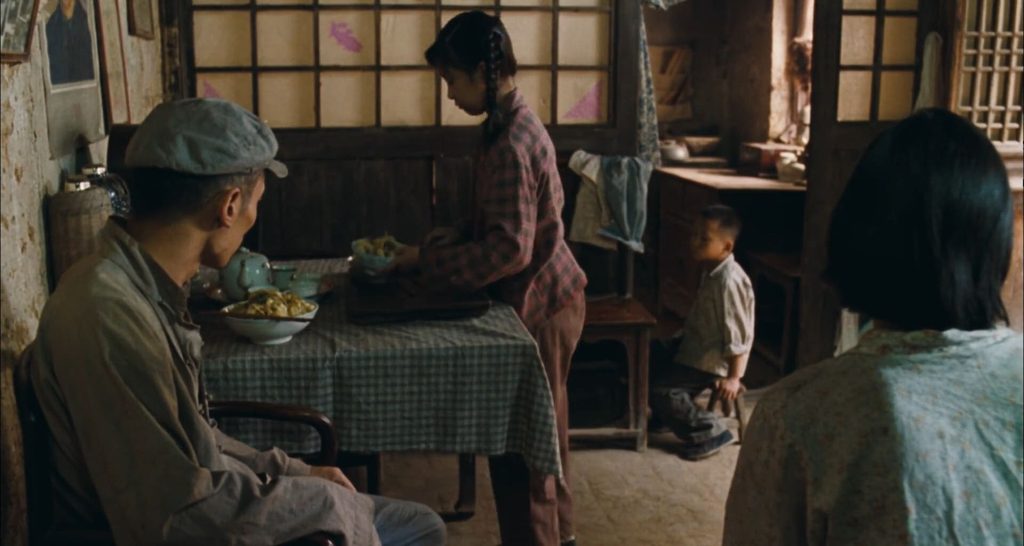
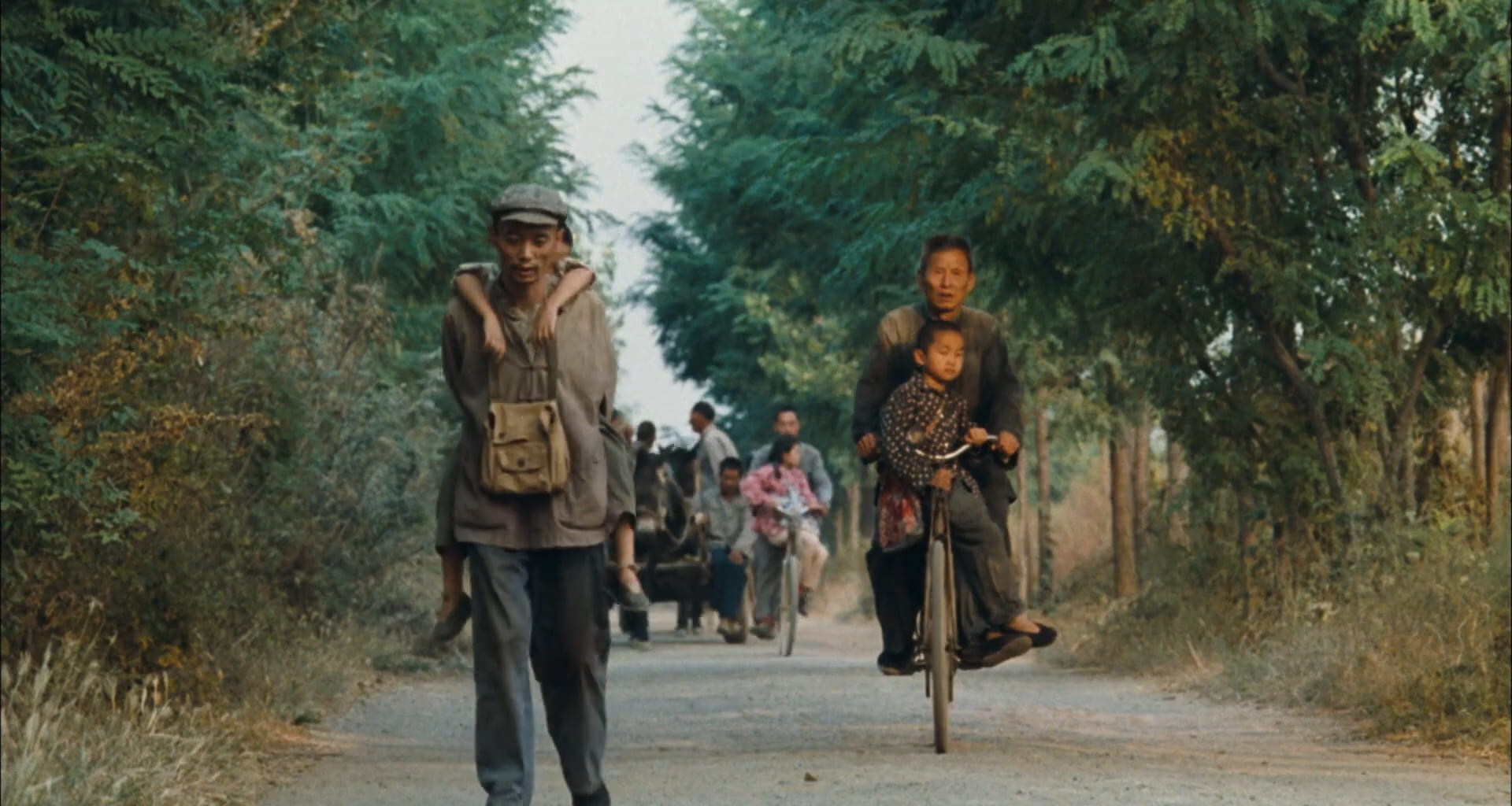
Quite appropriately, To Live moves a decade ahead to China’s Great Leap Forward, during which the newly instated Chairman Mao mobilised the population toward ambitious industrial and agricultural targets. The passage of time reveals itself in Zhang’s location shooting, emphasising the state’s intrusion into domestic life as colours grow austere, and households are compelled to donate iron utensils for weapons manufacturing. Much like their school peers, Fengxia and her brother Youqing are overtired from working manual labour jobs to support the family, and are often found catching sleep where they can in odd locations.
Here, Zhang also begins to introduce the motif of food as a corrupted necessity. Just as homewares are repurposed for China’s planned invasion of Taiwan, this simple, life-sustaining substance is distorted, wasted, and thoroughly separated from its intended purpose, most notably misdirected when Youqing pours his noodles over one of Fengxia’s bullies. It is effectively a weapon of righteous justice here, necessarily wielded by the vulnerable against petty cruelty, though soon enough it also takes on a far more solemn function. The arrival of the District Chief brings disaster when his car carelessly knocks over a wall at the school, devastatingly crushing a sleeping Youqing, and reducing this family to another profound tragedy. The dumplings that his mother Jiazhen packed in his lunchbox remain uneaten, and so making a ritual out of grief, she continues to cook and leave them at his grave in remembrance of the meal he never had.
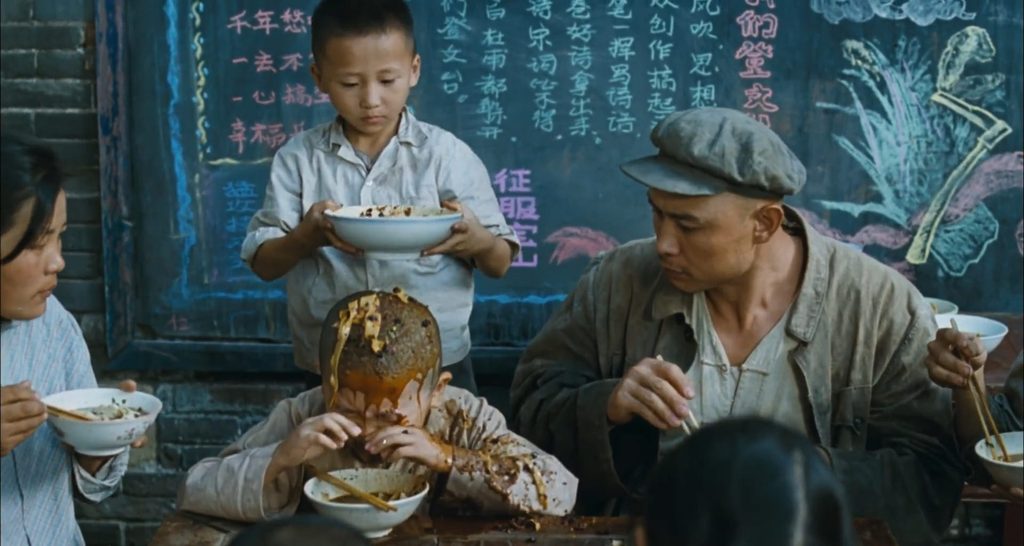
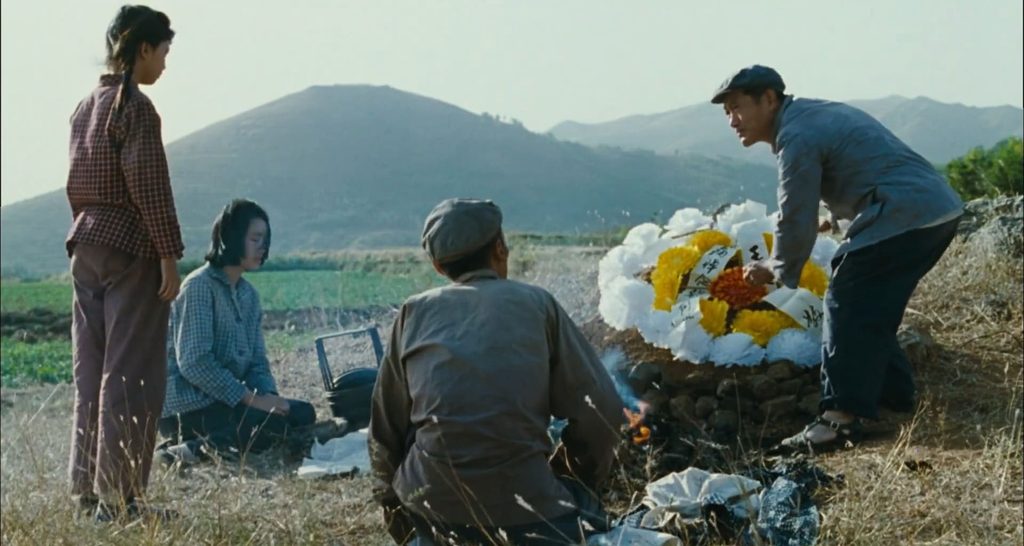
Once again, fate reasserts itself in To Live – the District Chief responsible for Youqing’s premature passing is none other than Fugui’s old friend, Chunsheng, who never quite sheds the guilt that has enveloped him. Although redemption is not readily available, he is not villainised in Zhang’s humanist framing. This random accident carries the imprint of a system that overworks children, performs productivity, and prioritises inspection over basic safety. As such, when Chunsheng is branded an enemy of the state in years to come and contemplates suicide, Fugui rejects any notion of atonement through self-destruction. Chunsheng still owes him a life to make up for Youqing’s, Fugui declares, and that life shall be the one his old friend keeps on living. Indeed, there’s no doubt where our protagonist’s principles rest – Fugui’s moral code stands in sharp contrast to the dogmatic ideology of a state that governs lives with indifference.
When the Cultural Revolution arrives in the 1960s, traditions deemed outdated are purged in favour of rigid conformity, and Fugui’s shadow puppets are among the casualties as relics of the old order. While love flourishes between a now-grown Fengxia and her disabled husband Erxi, China turns on its “reactionary” intellectuals, sentencing them to manual labour while untrained, party-loyal students assume their roles. Unfortunately for Fengxia, this leaves her without proper healthcare when she eventually gives birth, and begins to haemorrhage in the aftermath. Fugui’s attempt to smuggle in and feed a starved doctor to help the situation goes awry when a batch of steamed buns expands in his stomach, thereby killing him and, in turn, Fengxia as well. Once again, food fails its most basic function, undermining its capacity to nourish.
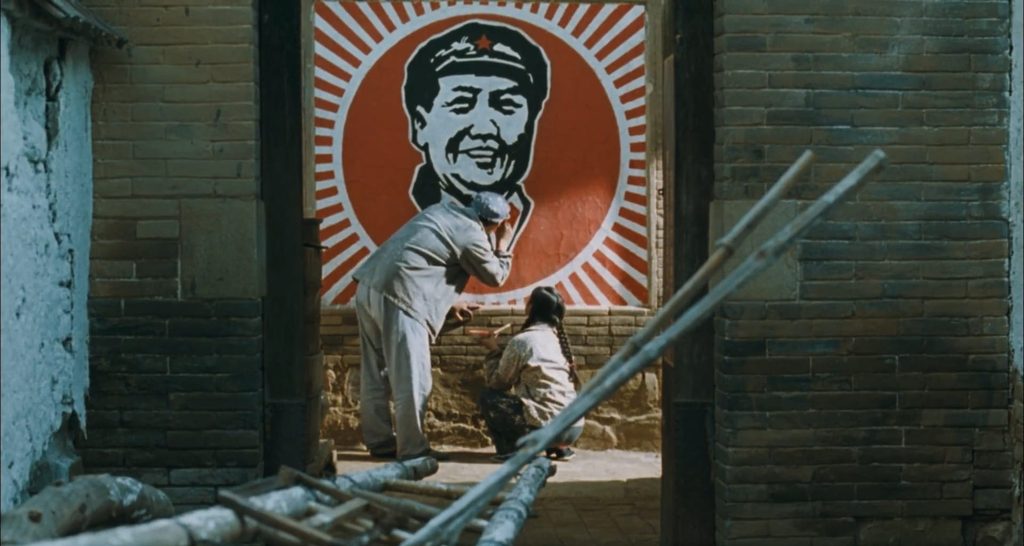
Ge You certainly impresses in his representation of a man worn down by time and sorrow, though Gong Li is not to be easily dismissed as his wife, equally weathered by tragedy and eventually breaking down in tears when she loses her last child. Still, life presses on, and both Fugui and Jiazhen hold dearly to their small, humble family. Accompanied by Erxi and their grandson Little Bun some years later, they walk up the hill where their children’s graves are marked by dumplings and framed photos, and together honour their memory by sharing bittersweet recollections.
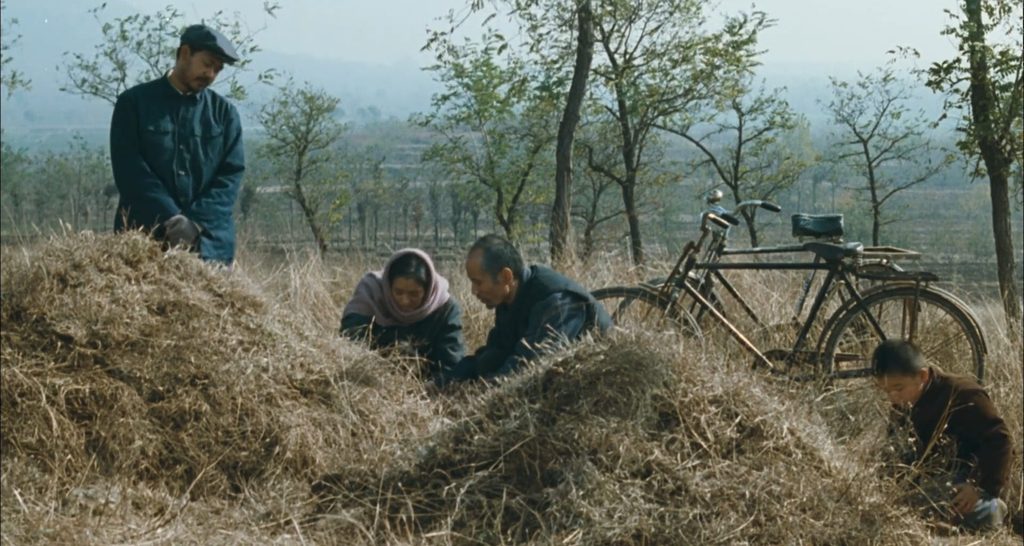
Perhaps this remembrance of the past is all there is left when so much has been lost, yet even as the political forces responsible for their suffering remain unchanged, Zhang is bold enough to envision a hopeful future. Gifting Little Bun a clutch of baby chicks, Fugui recalls an earlier promise of growth, proclaiming that “The chickens will turn into geese, the geese will turn into sheep, and the sheep will turn into oxen” – though the earlier addendum that “tomorrow will be bright because of Communism” is notably missing. Instead, Fuigui simply reassures that “life will get better and better” for Little Bun, placing his faith in the resilience of China’s people over the doctrines of its government. It is not political ideology which builds legacy in To Live, but the endurance of those who bear its weight, using each loss as a foundation for younger generations to reshape into something new, enduring, and capable of carrying life forward.
To Live is not currently streaming in Australia.