

Satyajit Ray | 1hr 57min

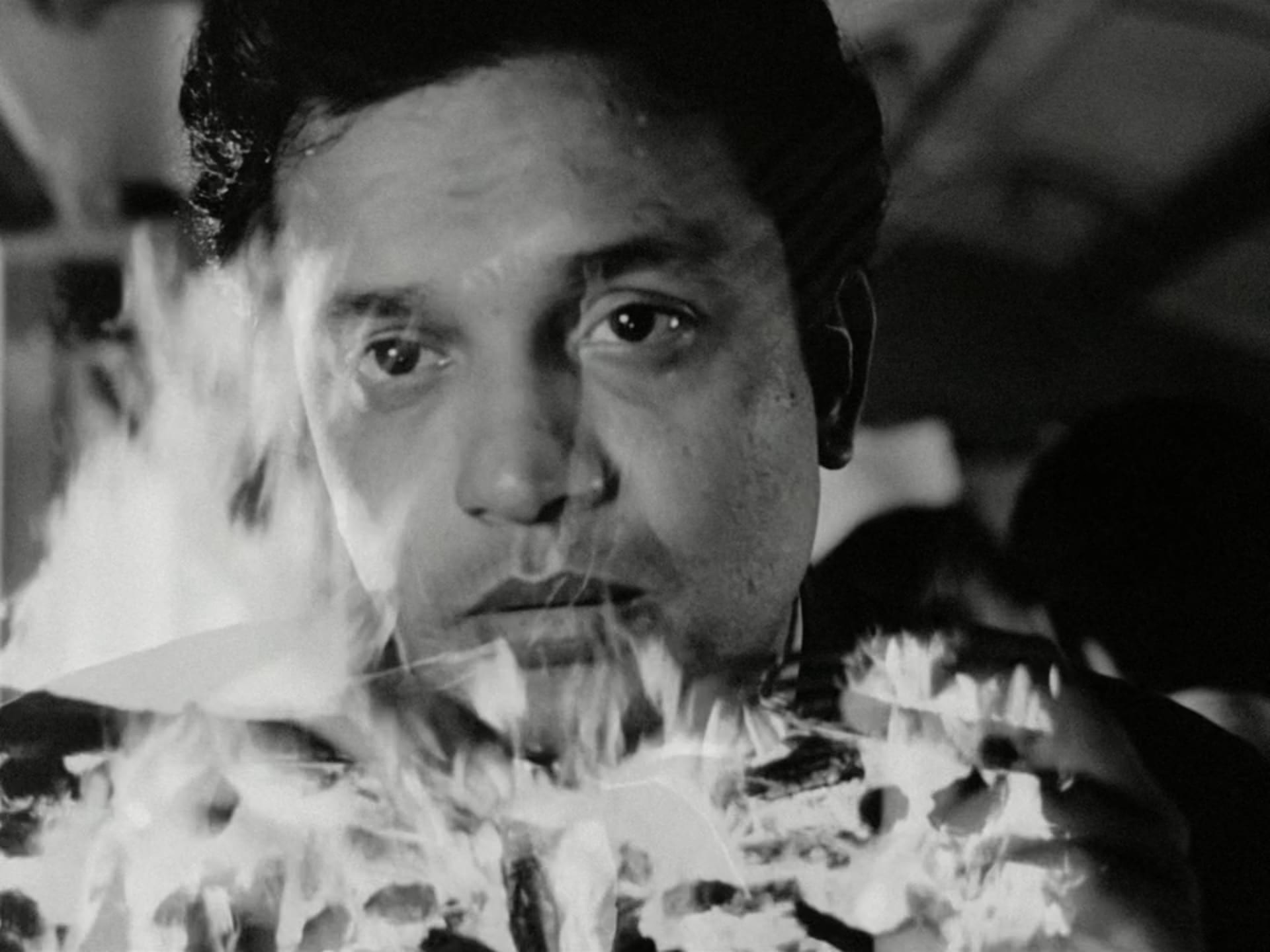
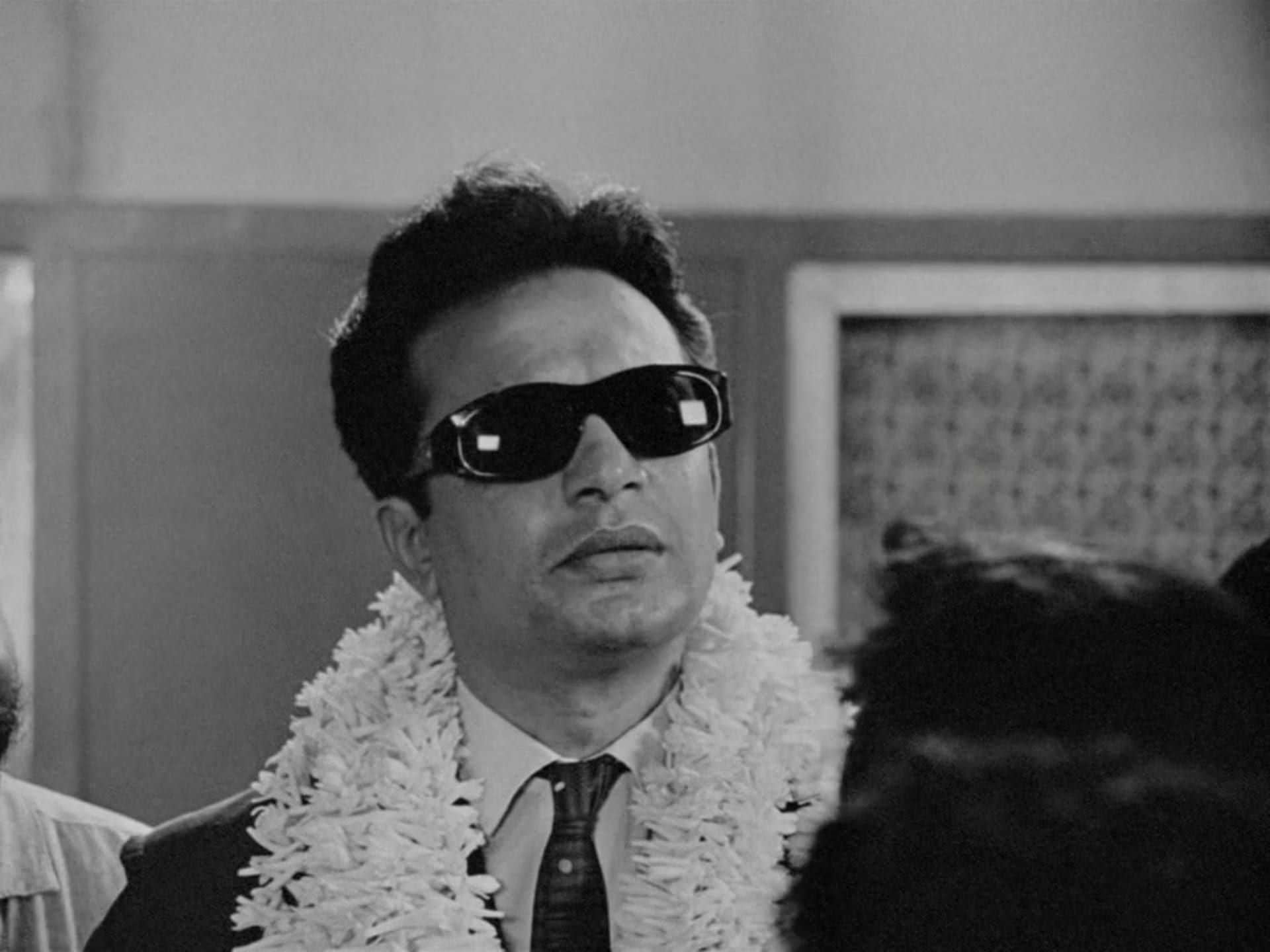
Bengali film actor Arindam Mukherjee wears his sunglasses like a shield in The Hero, concealing glimmers of self-doubt while projecting an aura of cool control. This mask of unflappable glamour is his cultivated celebrity persona, hiding whatever emotion his eyes might betray. When he finds himself wandering through a dreamscape without his shades then, the veneer of stardom falls away, leaving him alone and disoriented on a strange movie set. “Action!” a voice calls from offscreen, prompting him to saunter through a dark, tropical jungle lit by harsh studio lights scattered throughout. A parallel tracking shot traces his movement past silhouetted foliage and trunks, while a billboard promoting his most recent film looms in the background, exhibiting a close embrace with his co-star Pramila. Emerging like a phantom between the trees, her laughter beckons him deeper into the darkness, and toward a solitary door in a clearing.
Here, the surrealism of Satyajit Ray’s dream sequences reaches an uncanny apex. On the other side of this door, the jungle becomes a club lounge, its bar, couches, and tables dispersed among the trees – and quite unnervingly, populated by silent patrons whose sunglasses mirror Arindam’s hollow image. For once, he is the only vulnerable person in an otherwise stoic crowd, trembling as he continues calling out for Pramila. “Are you looking for my wife?” one man sneers, before Arindam lunges forward with his fist, shattering the stillness and ending the dream.
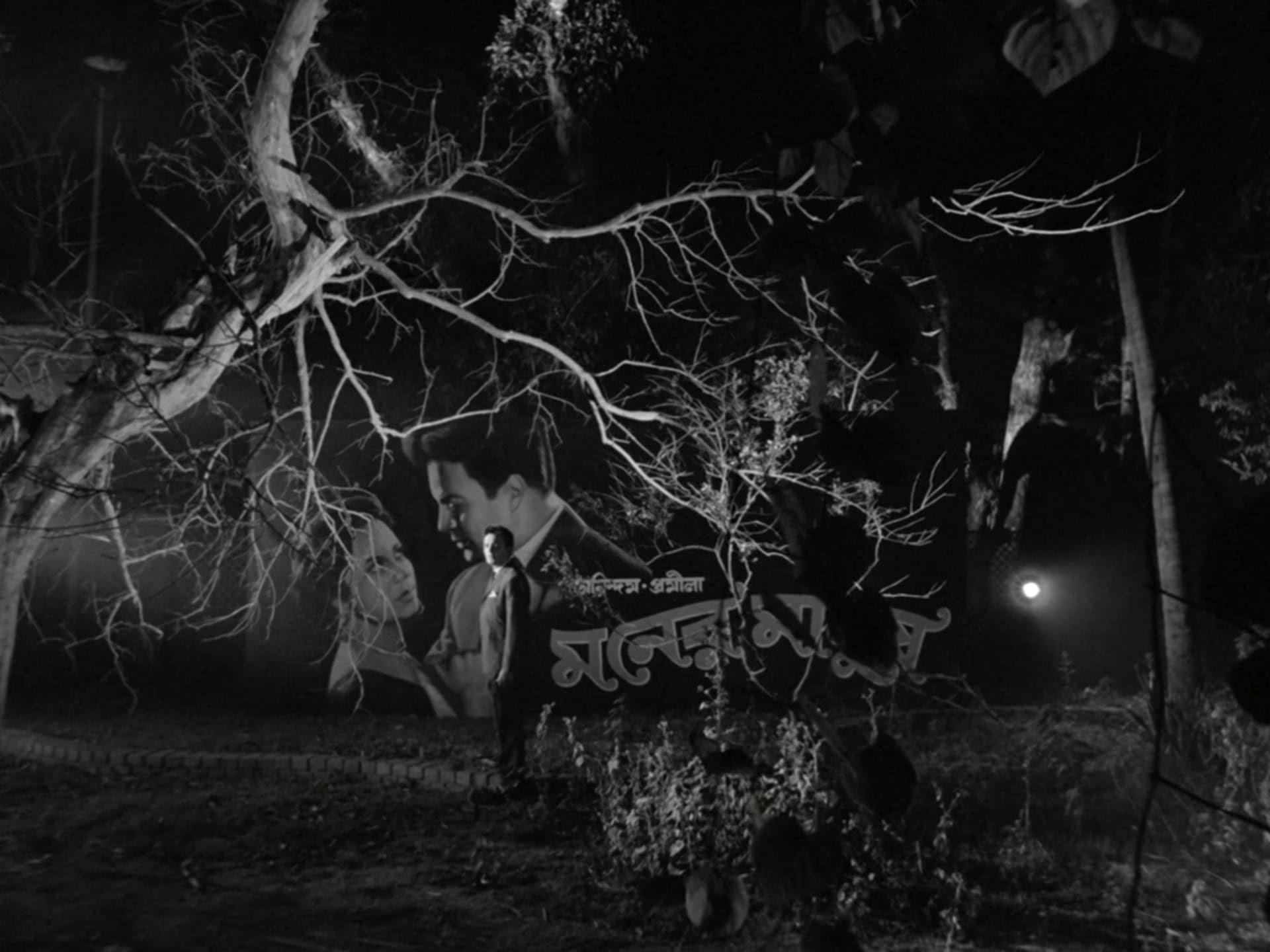
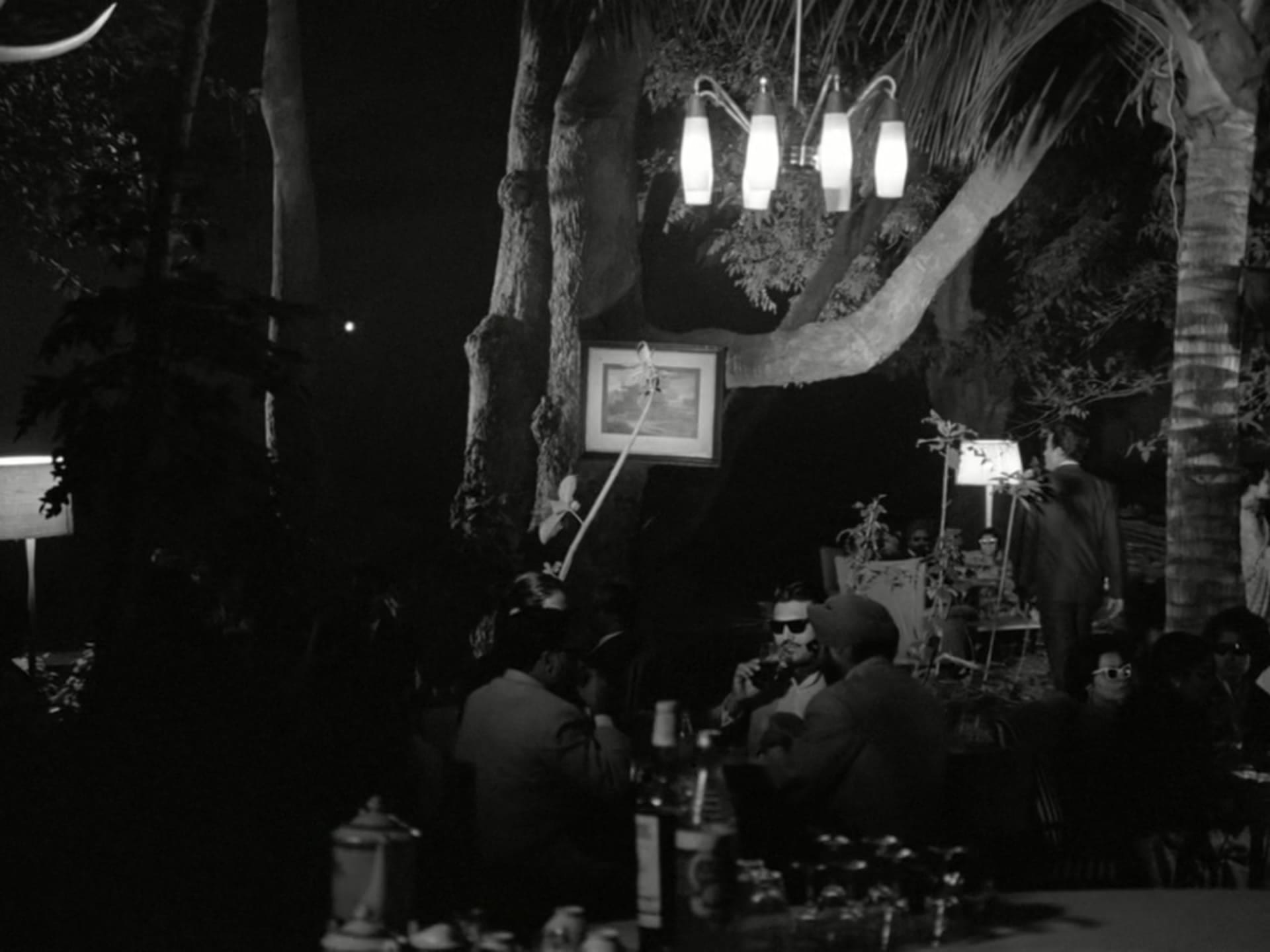
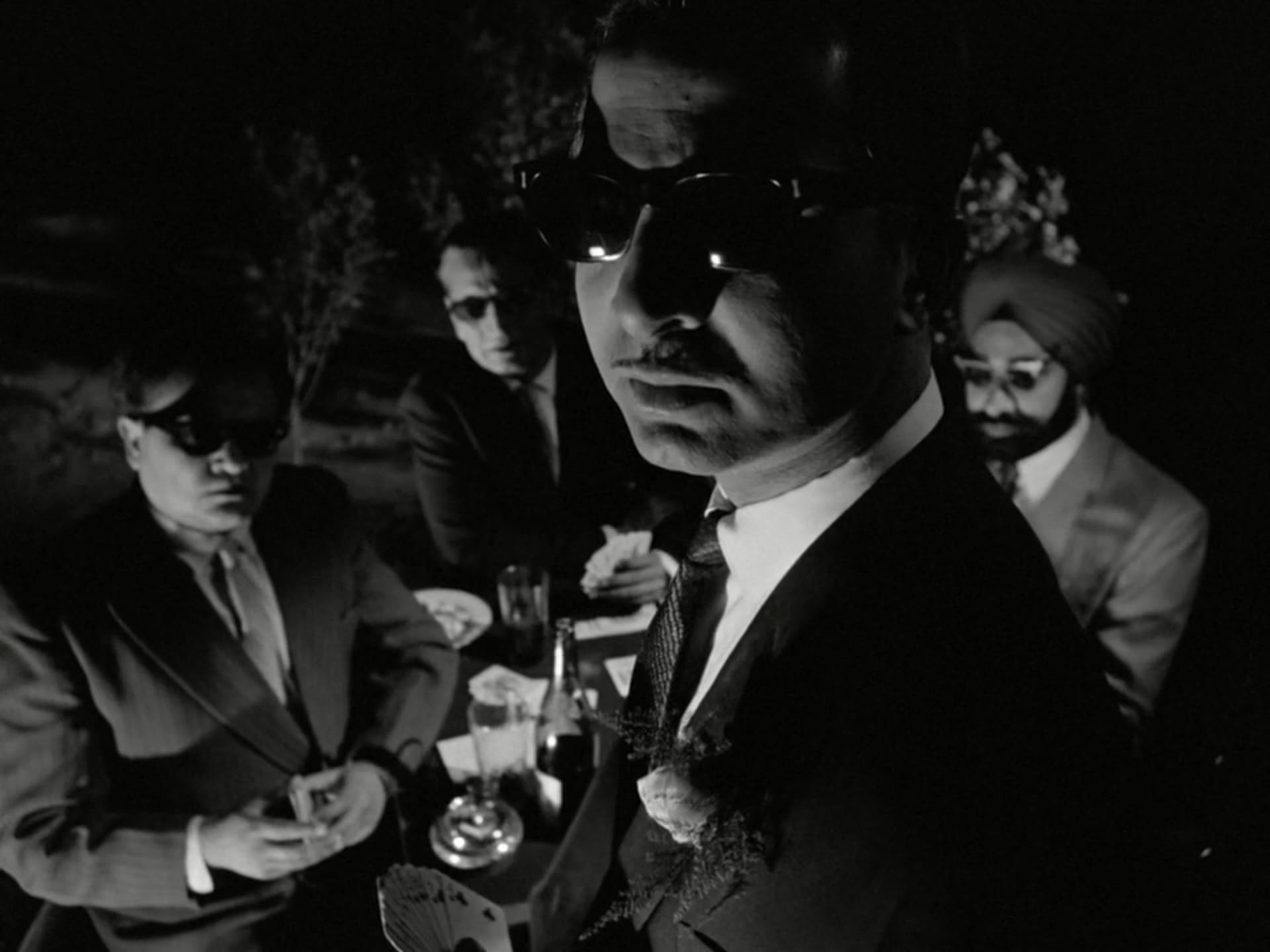
Although Ray closely guards the meaning of such nightmares in The Hero, there is much to be inferred from their shifting, otherworldly logic, unmasking the insecurities of a man who has built his life on illusions. He is on a cross-country train journey from Kolkata to accept a prestigious award, but as we learn early on, it was only the previous night that he was involved in a drunken brawl. The scandal has already begun to surface in news headlines, and through this feverishly haunting dream, we see hints of the illicit affair which triggered such an aggressive outburst. Fame has fed his ego for many years, yet now as he mixes with ordinary strangers through cramped train corridors, he too begins to recognise the emptiness that public adoration has failed to fill.
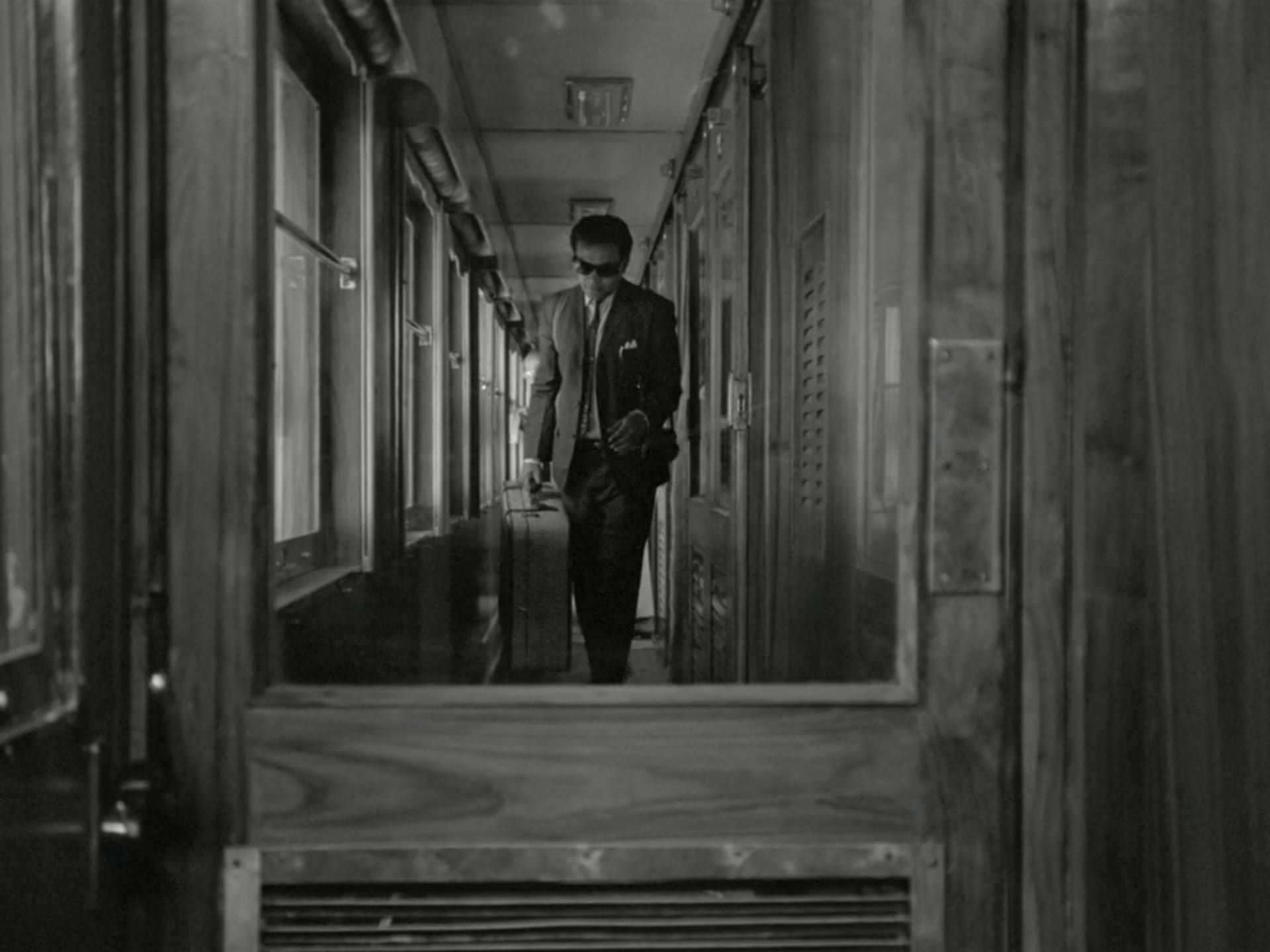
Ray had lightly experimented with psychological drama many times before, yet The Hero breaks new ground for the Bengali director, carrying a certain level of self-awareness in its examination of an exceedingly superficial entertainment industry. He is clearly indebted to Federico Fellini’s 8 ½ here, bleeding dreams and flashbacks into an artist’s waking life, though perhaps even more resonant is the introspective, existential journey of Wild Strawberries. Where Ingmar Bergman once threaded surreal manifestations of an ageing professor’s regrets through a wintry road trip, here Ray mirrors that structure in Arindam’s passage across India and into his subconscious, collapsing the boundaries between memory and guilty fantasy.
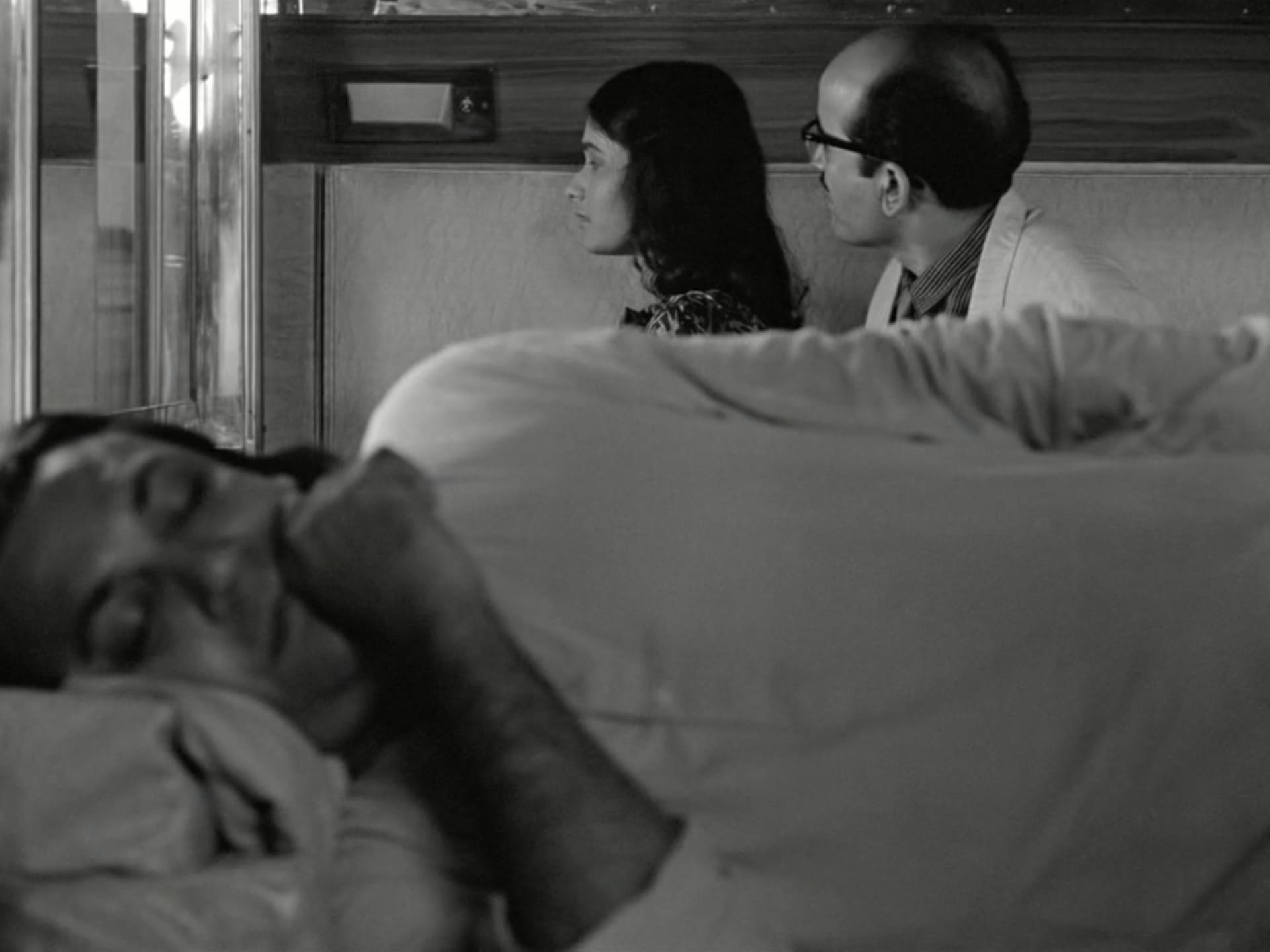
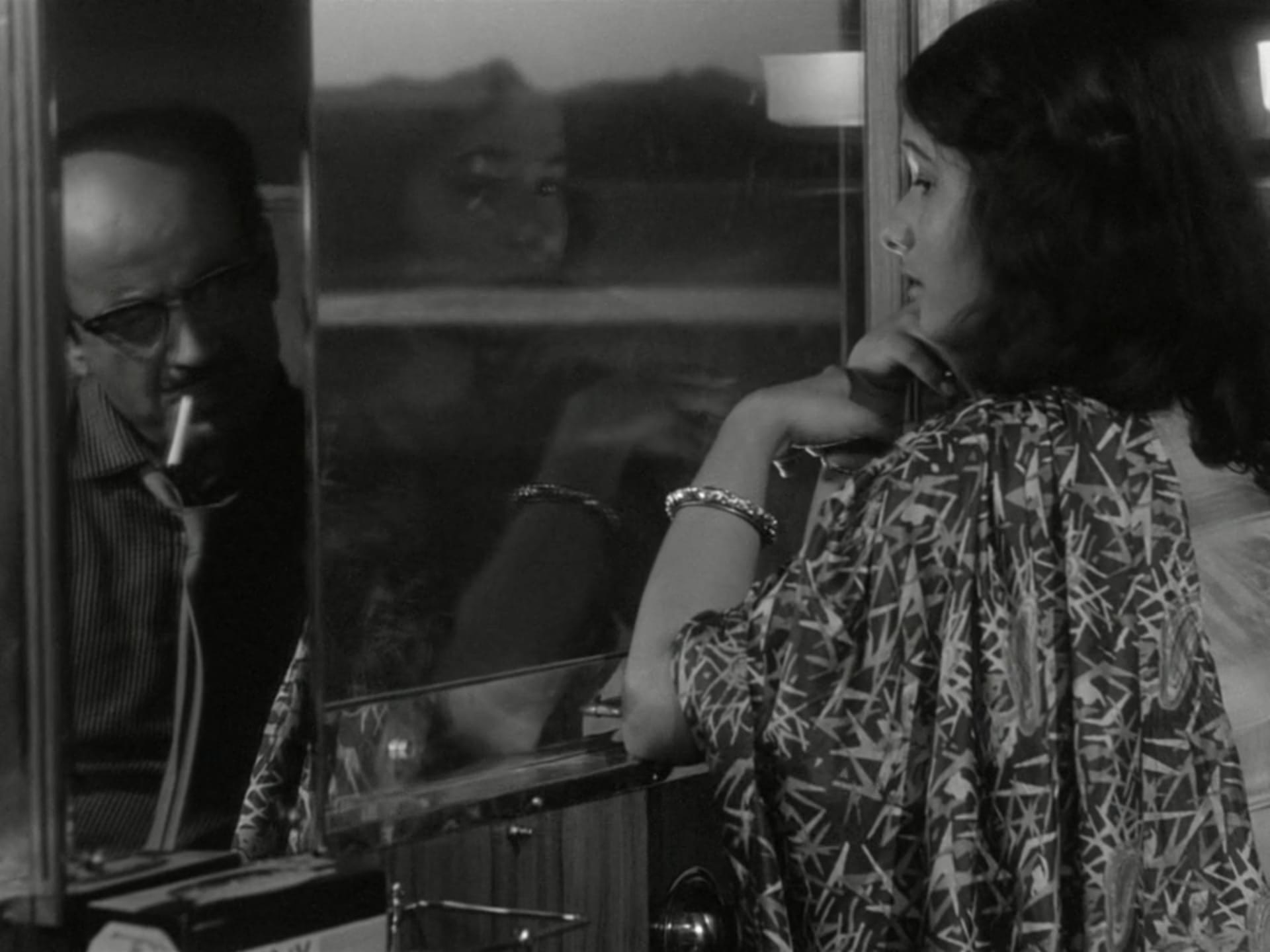
Ray’s sharpened focus on his blocking draws those cinematic parallels closer as well, serving his visual compositions especially well in the train’s confined quarters. Mirrors and low angles creatively circumvent the spatial restrictions here, allowing room for his deep focus cinematography to flourish, and particularly building out the complex relationships between Arindam’s fellow passengers. The family he is sharing a compartment with consists of a star-struck daughter, an amiable mother, and an unimpressed father, whose flirtation with – and exploitation by – other travellers reveals the shared hypocrisies of ordinary men and celebrities alike. After all, Arindam’s story is not the only one to occupy this space. Many of Ray’s characters are products of ambition and moral concession, and women’s magazine editor Aditi is no exception.
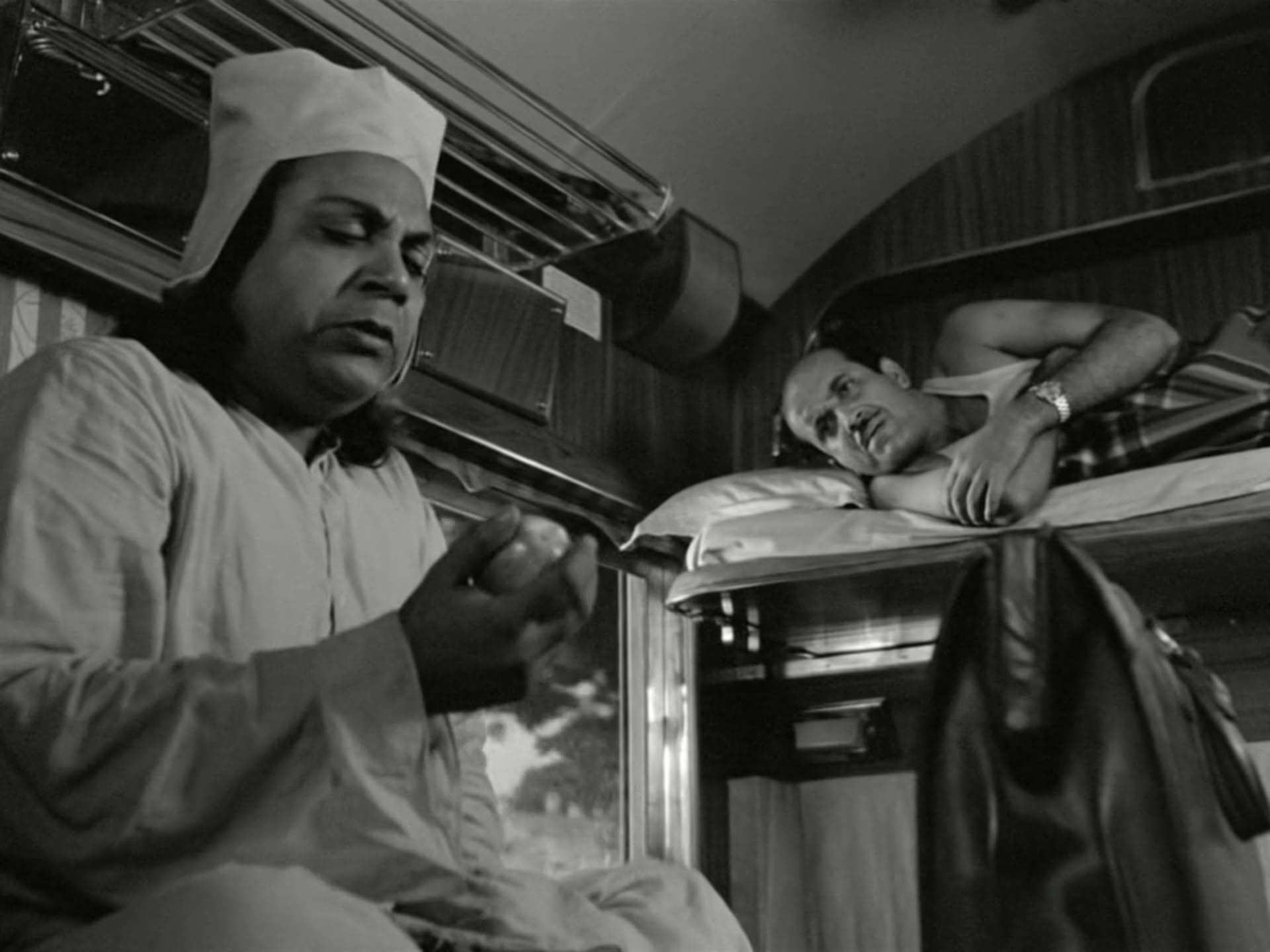
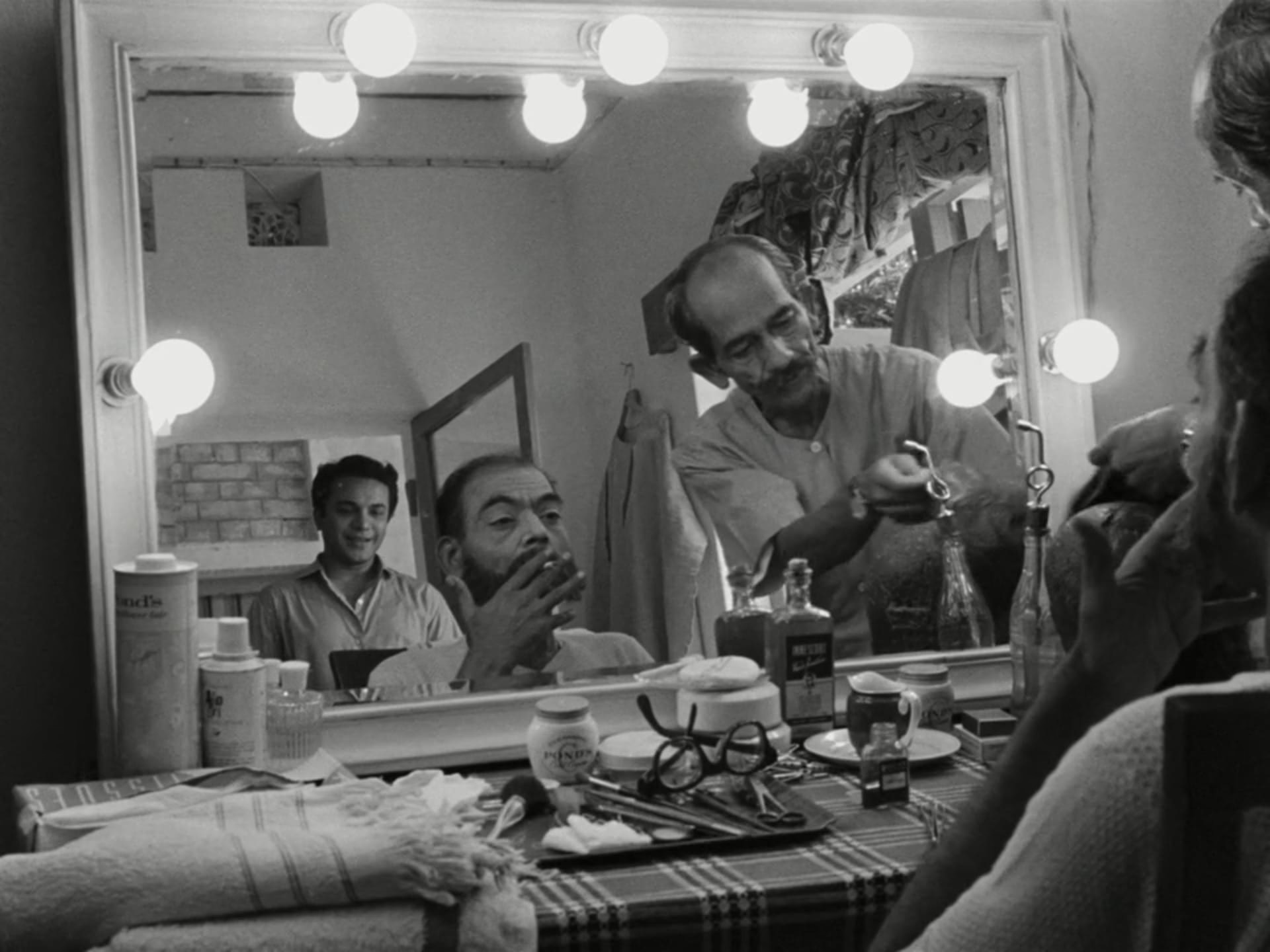
Her publication does not usually cover movies, but when Aditi encounters Kolkata’s biggest matinee idol on the train, she leaps at the opportunity for an interview. Seated across a table in the dining carriage, she probes into the story of his rise to fame, while Ray speeds landscapes past the window behind them. Arindam’s disquieting nightmare of calling out for his old friend Shankarda as he drowns in a boundless sea of money dredges up long-buried memories, poignantly recalling the mentor that first nurtured his love for the theatre. Cinema simply does not compare to the intimacy and inspiration of the stage, Shankarda preaches, as it instead belongs to a cutthroat industry that ruthlessly discards actors after too many failures. Arindam made his original mistake almost immediately after Shankarda’s death, the actor reflects, accepting his first film role and thus heading down a path of artistic vanity.
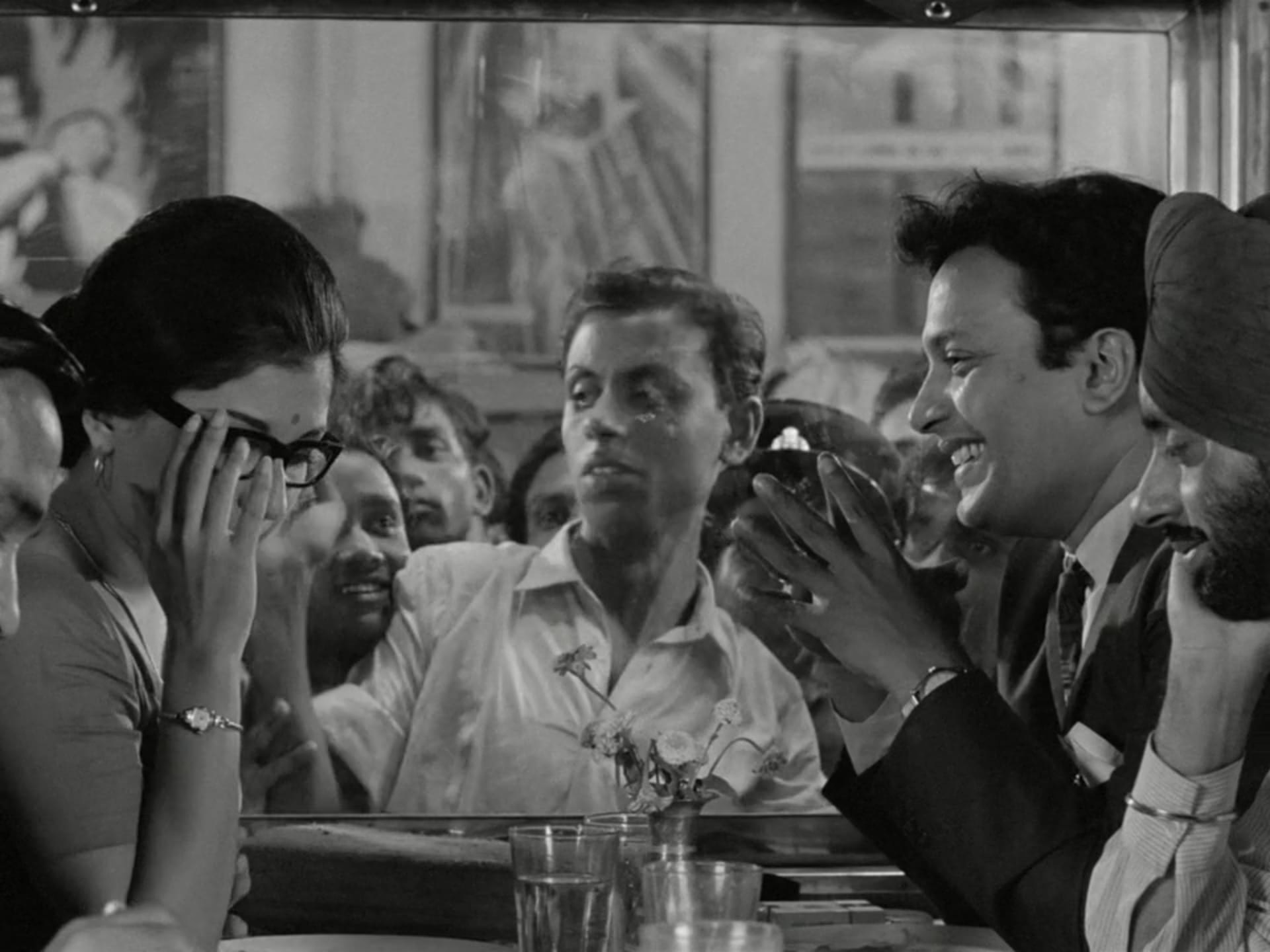
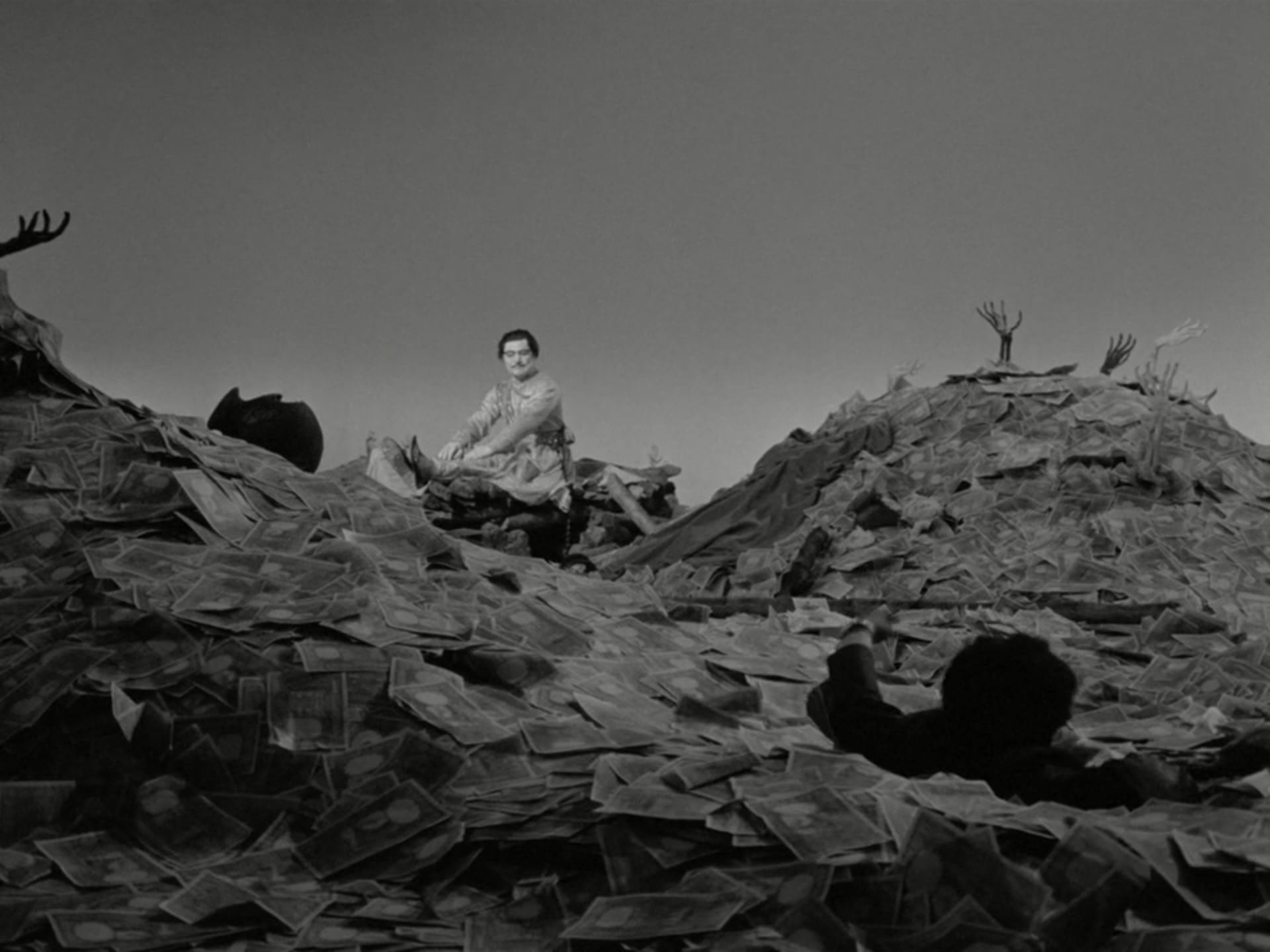
From there, Ray’s flashbacks continue charting Arindam’s rising fame with austere precision, often placing enormous psychological weight on his conflicted expressions through stark close-ups. Aditi listens keenly as he recounts his experience with Mukunda Lahiri, a cantankerous veteran actor who would interrupt shoots to criticise Arindam’s performance, yet whose cruel words only spurred him on to greater heights. Later when his career began to eclipse Lahiri’s, Arindam regrets that he did not treat his old costar with mercy, and instead refused to help him find work.
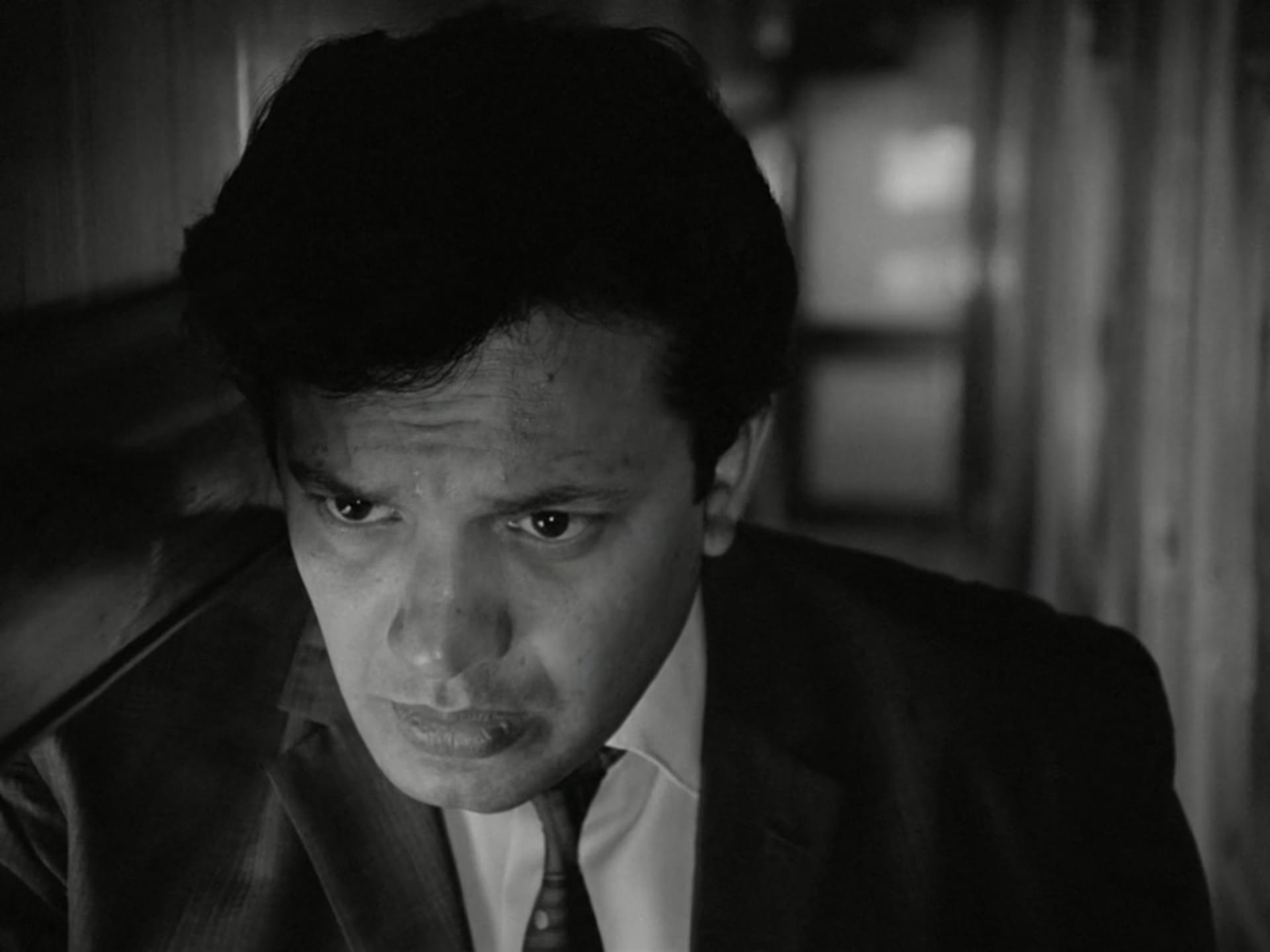
Perhaps even more disgracefully, this celebrity would not use his platform for social good either, even when his childhood friend Biresh called on him to speak out for the labour movement. “I mustn’t get involved in this kind of thing,” he quietly mutters in an uncomfortably intrusive close-up, hiding behind his sunglasses while beads of sweat gather on his forehead. Openly aligning himself with political ideals could potentially ruin his career, so choosing self-preservation over principle, he shrinks away from moral responsibility.
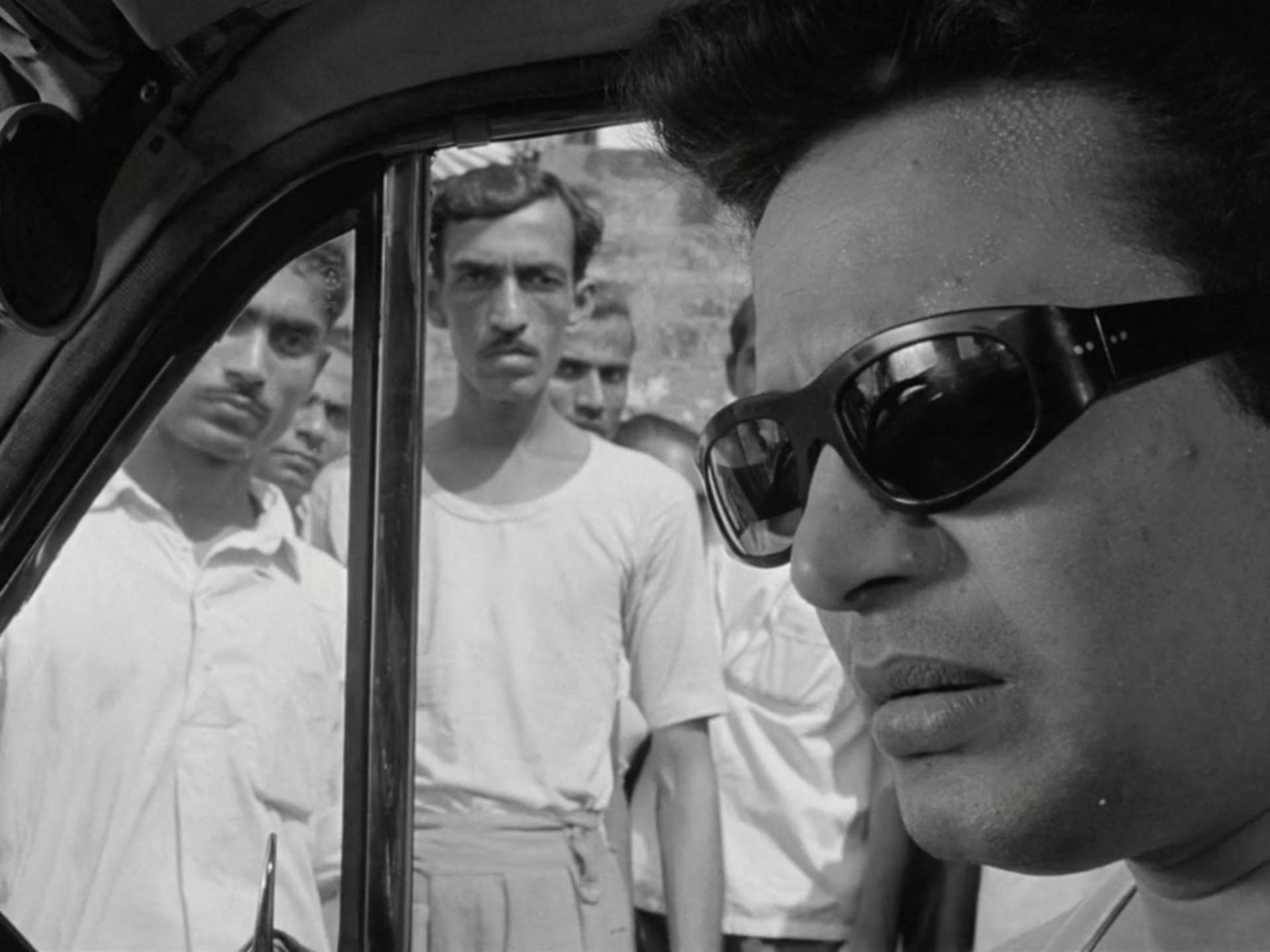
As we discover in his final flashback though, perhaps Arindam’s greatest weakness lies in the wily charms of beautiful women. When Pramila came to him years ago hoping to leverage his influence and break into the industry, it took little convincing for him to bend to temptation, thus setting in motion the events which led to their scandalous affair.
As Aditi gains Arindam’s trust, Ray tenderly develops an unlikely emotional intimacy between celebrity and journalist, deepened through the latter’s refreshing, self-assured honesty. Abashedly offering to give her the whole scoop on the scandal, Arindam appears vulnerable and shrunken in the frame, his protective sunglasses notably absent – yet she nevertheless knocks him back. Regardless of the temptation, there is simply no honour in exposing such all-consuming shame.
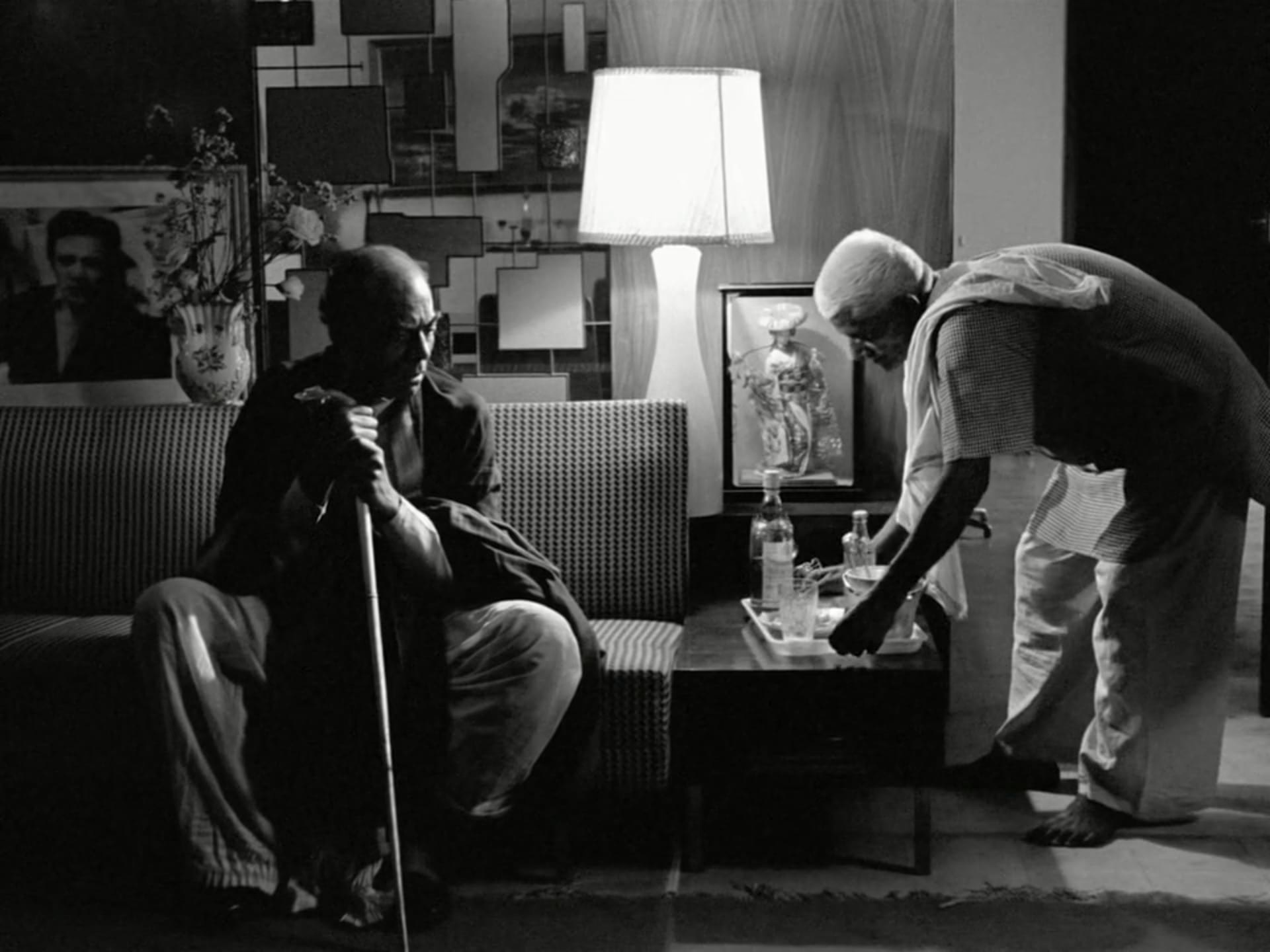
“I don’t suppose we’ll meet again. And you’re not likely to get into films,” Arindam concedes with a tinge of regret as the train arrives at its destination. They belong to different worlds, though as he wryly acknowledge, perhaps he will join hers one day if he releases enough consecutive flops. This brief yet tender companionship is not for the public eye, they agree, but rather to be preserved in memory. By effectively rescuing this private communion from the sensationalism of show business, it returns to him what fame had eroded – a sense of human dignity beyond the artificial trappings of stardom. Though he dons his shades one more time as the crowd swarms him outside, his lingering gaze betrays the melancholy expression that lurks beneath, silently following Aditi’s retreat. A hero he may be to the masses, yet Ray’s parallel odysseys across distance and memory reveal a humanity that the spotlight overlooks, and which may only survive through sincere, affirming connection.
The Hero is currently streaming on The Criterion Channel.