
Top 10 of the Year
| 1. The Lord of the Rings: The Return of the King | Peter Jackson |
| 2. Lost in Translation | Sofia Coppola |
| 3. Kill Bill: Vol. 1 | Quentin Tarantino |
| 4. Oldboy | Park Chan-wook |
| 5. Memories of Murder | Bong Joon-ho |
| 6. Mystic River | Clint Eastwood |
| 7. Elephant | Gus van Sant |
| 8. 21 Grams | Alejandro Iñárritu |
| 9. Master and Commander: Far Side of the World | Peter Weir |
| 10. Dogville | Lars von Trier |
Best Film – The Lord of the Rings: The Return of the King
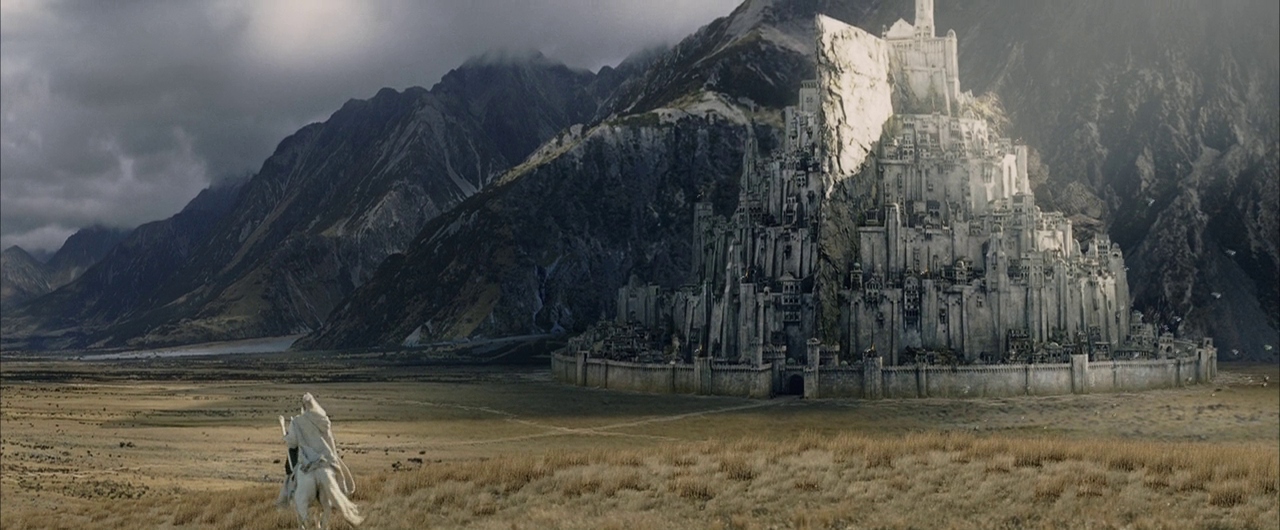
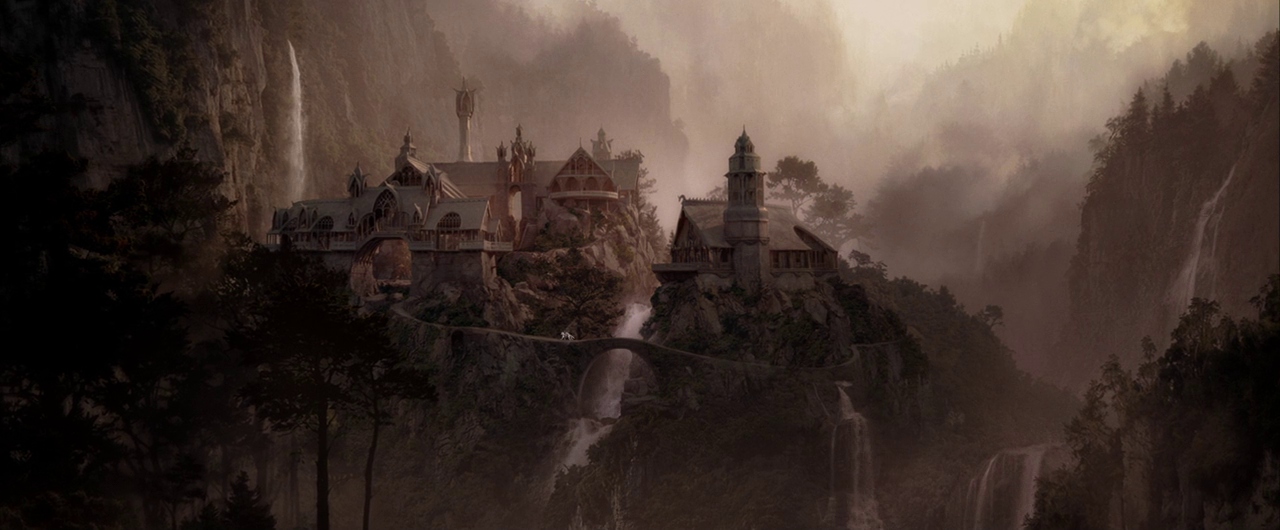
Peter Jackson closes out his epic fantasy saga in 2003 with The Return of the King, masterfully tying up a sprawling narrative that spans multiple races, kingdoms, and generations of history. Where we began by looking at Middle Earth’s wonders through Frodo’s naïve eyes, by this point the story has splintered into multiple character perspectives, intercut across the Siege of Minas Tirith, the Battle of the Morannon, and the final climb toward Mount Doom. With enormous respect to J.R.R. Tolkien’s writing, Jackson faithfully translates the written descriptions of great civilisations, creatures, and weapons to a visual medium, imbuing the design of each with an extraordinary level of cultural and historical detail.
A huge portion of this fantastical visual style of course comes down to his fine synthesis of digital and practical effects, leaning more often into the latter through matte paintings and miniature city models built into the side of imposing mountain ranges – nowhere more breathtaking than in the views of Minas Tirith’s tiered white stone rising against the shadow of Mordor. In contrast, the Battle of the Pelennor Fields relies on sheer digital scale, rendering the Rohirrim’s charge as a seamless blend of live riders and digitally multiplied armies. As evidenced a decade later with The Hobbit trilogy, technological innovation does not equal art, but here Jackson uses it as a deliberate tool for grand storytelling and world-building.
Most Underrated – Kill Bill: Vol. 1
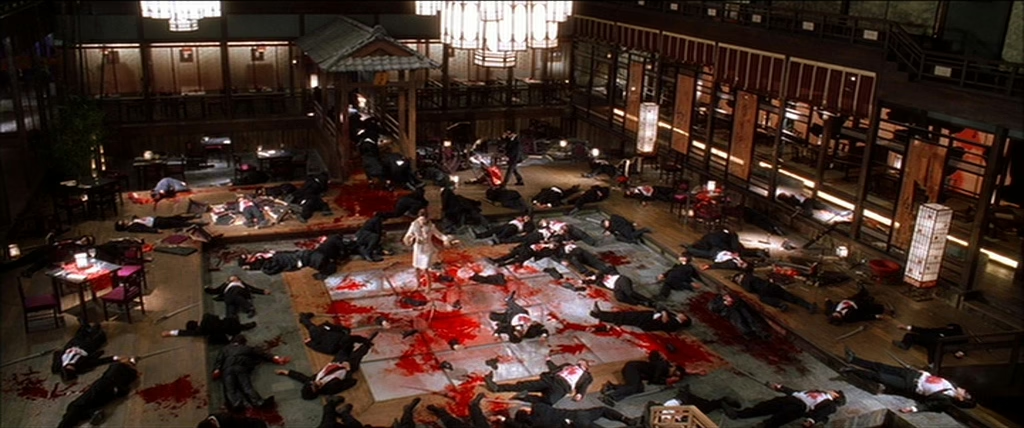
Kill Bill Vol. 1 is one of Quentin Tarantino’s purest experiments in genre filmmaking, sending Uma Thurman’s ruthless assassin on a globe-spanning revenge quest, yet it is nowhere to be found in the TSPDT top 1000. It is a visual assault of kinetic camerawork, aggressive editing, and choreographed violence, drawing from an array of his biggest pop-cultural influences – samurai and kung fu films, spaghetti westerns, and grindhouse exploitation to name a few. The Bride is a near-mythical figure here too, elevated to cinematic legend by the stylised iconography of her yellow jumpsuit and Hattori Hanzo sword.
Most Overrated – Dogville
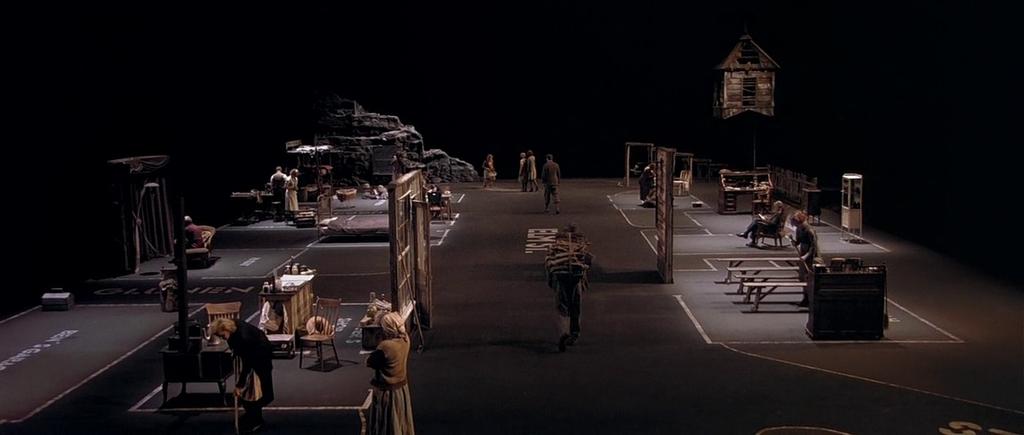
Lars von Trier abandons the realism of Dogme 95 and embraces Brechtian, theatrical abstraction in Dogville, forcing an emotional distance from its tale of communal hypocrisy and exploitation. The TSPDT consensus has it as the 391st best film of all time, and the 2nd best of 2003 – and although I would be willing to revisit that assessment, it’s hard to see it surpassing The Lord of the Rings or Kill Bill. As a radically minimalist formal experiment, it shifts emphasis onto performance and narrative structure, though hopefully there is more to appreciate visually on a rewatch.
Best Directorial Debut – Monster
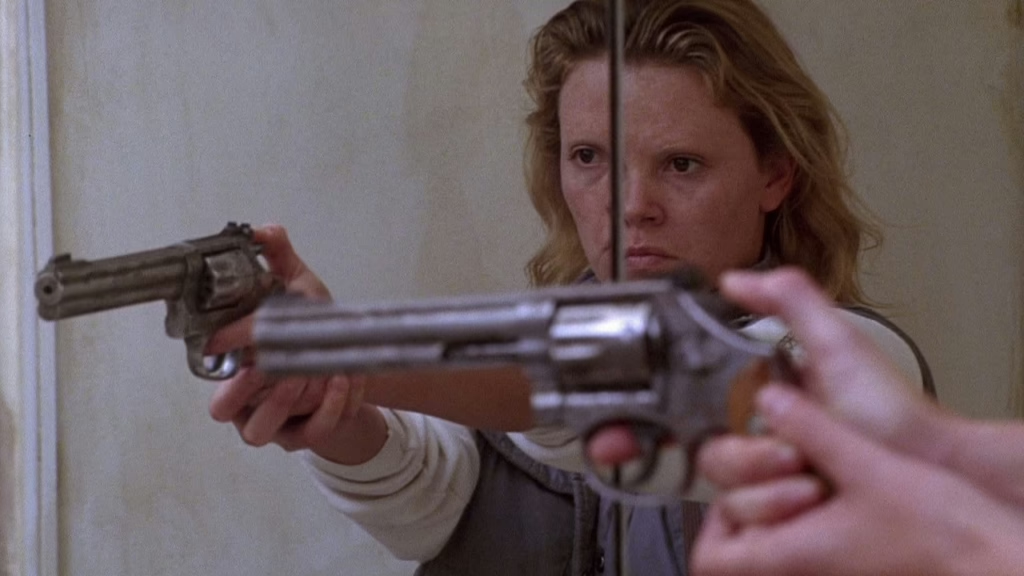
Patty Jenkins’ entry into filmmaking does not stand among the year’s best films, but still we must appreciate Monster‘s raw character study of retributive violence, exacted by one of America’s few female serial killers. Charlize Theron’s performance blows virtually every other element here out of the water, sticking in the mind far longer than the direction. There is a strange naivety to her depiction of Aileen Wuornos that seems almost at odds with her nature as murderer, yet it serves as a reminder of the trauma she emerged from, having suffered at the hands of abusive men since she was 8 years old. Whether she could ever find redemption under different circumstances is up for debate – but there is certainly no salvation for her in this America.
Gem to Spotlight – 21 Grams
Following on from his debut Amores Perros, Alejandro Iñárritu pursues another fragmented narrative shattered by a deadly car accident, binding three strangers together through pure happenstance. The result is purposefully disorientating, throwing us not only between three colliding stories, but also across their respective timelines as they respectively wrestle with guilt, grief, and a pressing sense of their own mortality. Whether one finds joy or tragedy in this complex web of probabilities is purely a matter of subjective experience, yet from the macro perspective Iñárritu grants us in 21 Grams, we also find an unlikely spiritual communion of souls.

Best Male Performance – Bill Murray in Lost in Translation
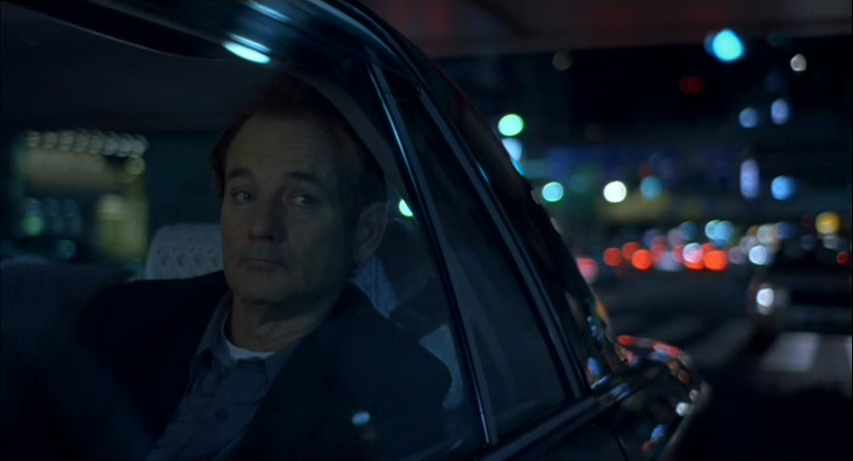
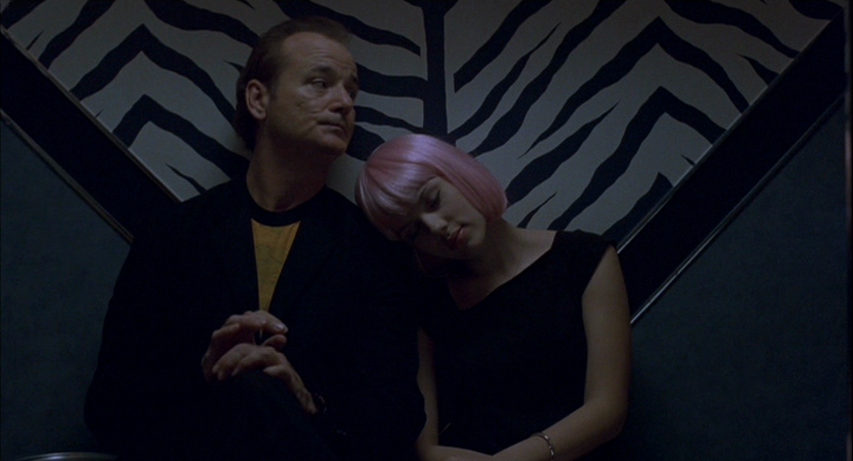
Bill Murray’s deadpan is a natural fit for Sofia Coppola’s melancholy disaffection in Lost in Translation, carrying an existential fatigue in his comic timing and slouched posture. His silence speaks to a man emotionally stranded, unable to articulate his despair, yet makes his understated connection with Scarlett Johansson all the more valuable.
Meanwhile in Mystic River and 21 Grams, Sean Penn gives the second and third best male performances of the year, playing two men haunted by loss. In the former, he is driven by grief and moral absolutism, carrying a tension in his shoulders and unleashing heartache in its rawest form as he screams at the sky. In 21 Grams however, he is facing his own mortality, revealing a physically depleted and spiritually restless survivor of a fatal heart condition.
| Actor | Film |
| 1. Bill Murray | Lost in Translation |
| 2. Sean Penn | Mystic River |
| 3. Sean Penn | 21 Grams |
| 4. Min-sik Choi | Oldboy |
| 5. Tim Robbins | Mystic River |
| 6. Benicio del Toro | 21 Grams |
| 7. Viggo Mortensen | The Lord of the Rings: The Return of the King |
| 8. Song Kang-ho | Memories of Murder |
| 9. Kim Sang-kyung | Memories of Murder |
| 10. Russell Crowe | Master and Commander: Far Side of the World |


Best Female Performance – Scarlett Johansson in Lost in Translation
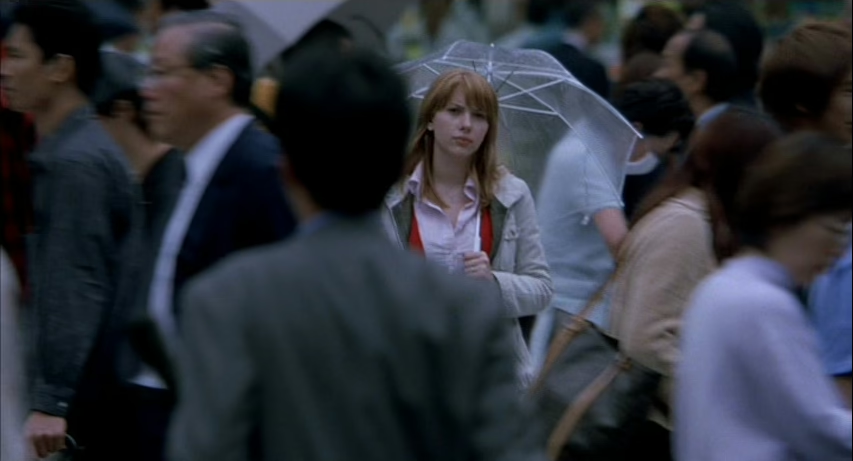
Scarlett Johansson delivers a remarkably mature performance at 17-years-old in Lost in Translation, playing opposite Bill Murray with equal restraint but a far more youthful uncertainty. She listens and watches as the world moves around her, recognising that her life is not yet fully formed, and wondering if it ever will be.
In Kill Bill Vol. 1, Uma Thurman strikes a mythic figure as the Bride, embodying the stoicism of revenge cinema as she physically commits to Tarantino’s balletic action. Even in the midst of the spectacle though, still her vulnerability allows for a compelling character study of grief and undying determination.
| Actress | Film |
| 1. Scarlett Johansson | Lost in Translation |
| 2. Uma Thurman | Kill Bill Vol. 1 |
| 3. Naomi Watts | 21 Grams |
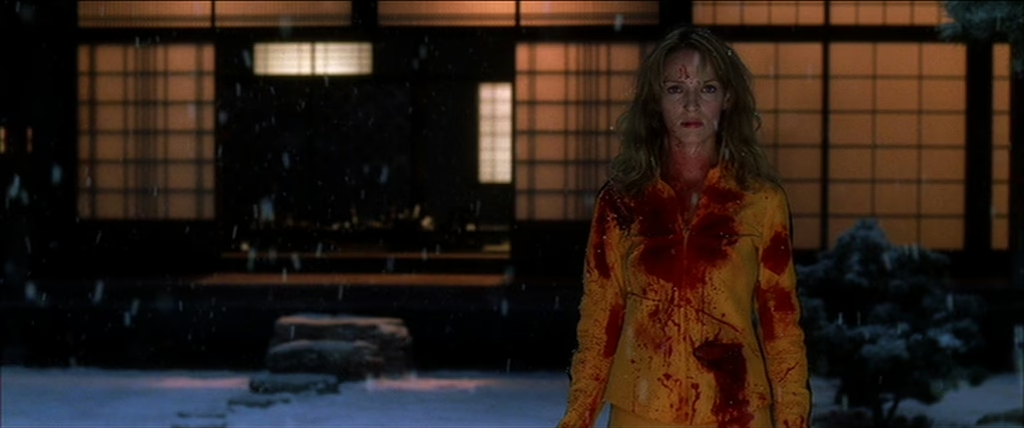
Best Cinematography – Kill Bill: Vol. 1
Robert Richardson teams up for the first time with Quentin Tarantino to shoot Kill Bill, using exaggerated colours contrast and dynamic movement to pay vibrant homage to samurai, grindhouse, and exploitation films. Violence is elevated to superhuman mythology through hyper-stylised action set pieces, while bodies and blades are viscerally choreographed with the camera’s movement.
| Film | Cinematographer |
| 1. Kill Bill Vol. 1 | Robert Richardson |
| 2. Lost in Translation | Lance Acord |
| 3. The Lord of the Rings: The Return of the King | Andrew Lesnie |
| 4. Oldboy | Chung Chung-hoon |
| 5. Memories of Murder | Kim Hyung-koo |
| 6. Mystic River | Tom Stern |
| 7. Master and Commander: Far Side of the World | Russell Boyd |
| 8. The Matrix Reloaded | Bill Pope |
| 9. Elephant | Harris Savides |
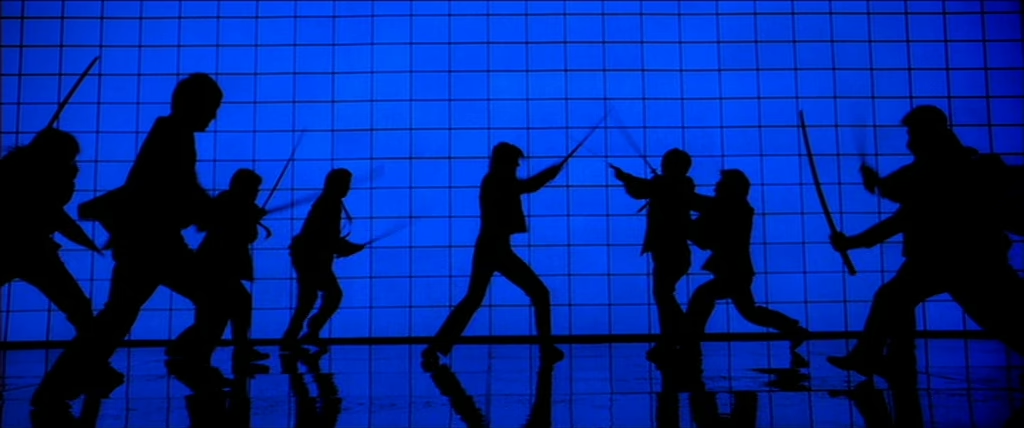
Best Editing – Kill Bill Vol. 1
Quentin Tarantino is notorious for his kinetic, bloody action, but his editing has never served it more effectively than in Kill Bill Vol. 1, where he oscillates between extended combat scenes, freeze-frames, and bursts of slow-motion. Cuts rhythmically align with punches and slashes, while chapter divisions impose an episodic order, breaking the story into bursts of stylised carnage.
| Film | Editor |
| 1. The Lord of the Rings: The Return of the King | Jamie Selkirk |
| 2. Kill Bill Vol. 1 | Sally Menke |
| 3. 21 Grams | Stephen Mirrione |
| 4. The Matrix Reloaded | Zach Staenberg |
| 5. Oldboy | Kim Sang-bum |
| 6. Lost in Translation | Sarah Flack |
| 7. Master and Commander: Far Side of the World | Lee Smith |
| 8. Mystic River | Joel Cox |
| 9. Memories of Murder | Kim Sun-min |
| 10. Elephant | Gus van Sant |
Best Screenplay – Mystic River
With so many moving parts entangled in Mystic River‘s dark mysteries, writer Brian Helgeland sets the stage carefully, tracing the paths that draw grown-up childhood friends into conflict. The string of coincidences linking them makes their fraught, melancholy reunion feel preordained, though even beyond that, there is an ominous sense of destiny guiding each thread in this screenplay. Tension arises from the layers of guilt, innocence, and trauma binding them together, as well as from the notion that a slightly different path taken decades ago might have placed them in each other’s shoes today.
| Film | Screenwriter |
| 1. Mystic River | Brian Helgeland |
| 2. Oldboy | Hwang Jo-yun, Lim Jun-hyung, Park Chan-wook |
| 3. The Lord of the Rings: The Return of the King | Fran Walsh, Philippa Boyens, Peter Jackson, Stephen Sinclair |
| 4. Memories of Murder | Bong Joon-ho, Shim Sung-bo |
| 5. 21 Grams | Guillermo Arriaga |
| 6. Kill Bill Vol. 1 | Quentin Tarantino |
| 7. Saraband | Ingmar Bergman |
| 8. Dogville | Lars von Trier |
| 9. Master and Commander: Far Side of the World | Peter Weir, John Collee |

Best Original Music Score – The Lord of the Rings: The Return of the King
Howard Shore brings his vast musical tapestry to a stirring resolution in The Lord of the Rings: The Return of the King, building long-established themes to their fullest emotional and spiritual expression. The score embraces operatic scale, most evidently in the lighting of the beacons of Gondor where Shore builds a cascading musical ascent that binds Middle-earth together. His choral writing also reaches its pinnacle in the Battle of the Pelennor Fields, where voices mourn violent catastrophe, though Shore’s most profound work no doubt arrives in the melancholy discipline of the Grey Havens sequence. This series would not be the same without a sweeping, elegiac score so committed to understanding and elevating the mythology of Middle-earth.
| Film | Composer |
| 1. The Lord of the Rings: The Return of the King | Howard Shore |
| 2. Pirates of the Caribbean: The Curse of the Black Pearl | Klaus Badelt, Hans Zimmer |
| 3. Oldboy | Cho Young-wuk |
| 4. The Matrix Reloaded | Don Davis |
| 5. 21 Grams | Gustavo Santaolalla |
| 6. Memories of Murder | Taro Iwashiro |
Year Breakdown
It’s a down year for cinema in 2003, and perhaps the weakest of the decade, but that’s not to say there isn’t plenty to admire. Genre filmmaking surges, with action movies breaching science-fiction territory in the Wachowskis’ unfairly maligned sequel to The Matrix, Quentin Tarantino delving into martial arts pastiche with Kill Bill, and the final instalment of The Lord of the Rings marking the height of the 2000s fantasy boom. Through The Return of the King, Peter Jackson finally receives the Academy’s full embrace, sweeping a record-breaking 11 Oscars including Best Picture and dominating the global box office.
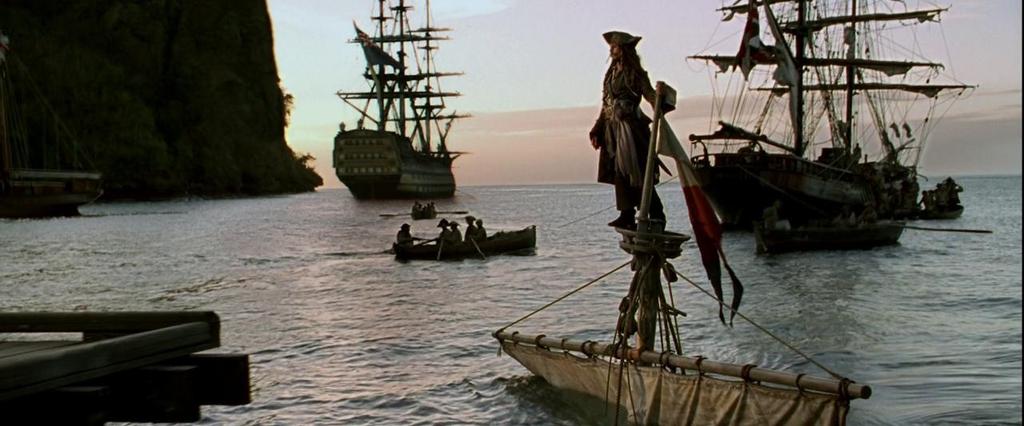
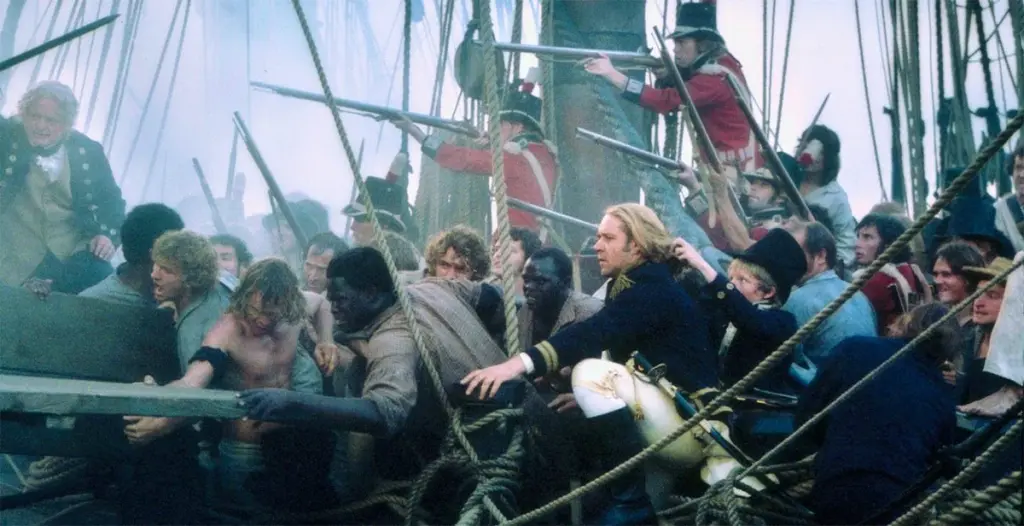
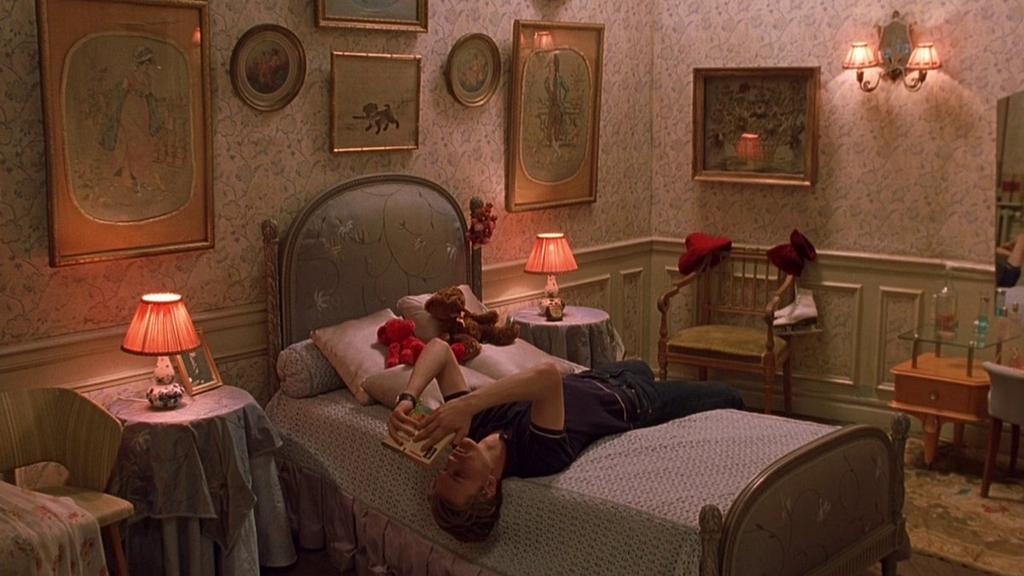
Maritime epics also experience an unexpected revival in 2003, launching the Pirates of the Caribbean franchise and offering a more sober, historically precise take on naval adventure in Master and Commander: The Far Side of the World. This is Peter Weir’s last archivable feature after decades as one of Australia’s greatest directors, placing him alongside Bernardo Bertolucci who offers his final major work in The Dreamers, and Ingmar Bergman who concludes his 60-year career with Saraband. Set several decades after Scenes from a Marriage, this sequel tenderly resolves Marianne and Johan’s long, thorny relationship and reunites Bergman with legendary Swedish actors Liv Ullmann and Erland Josephson, who deliver their last archivable performances.

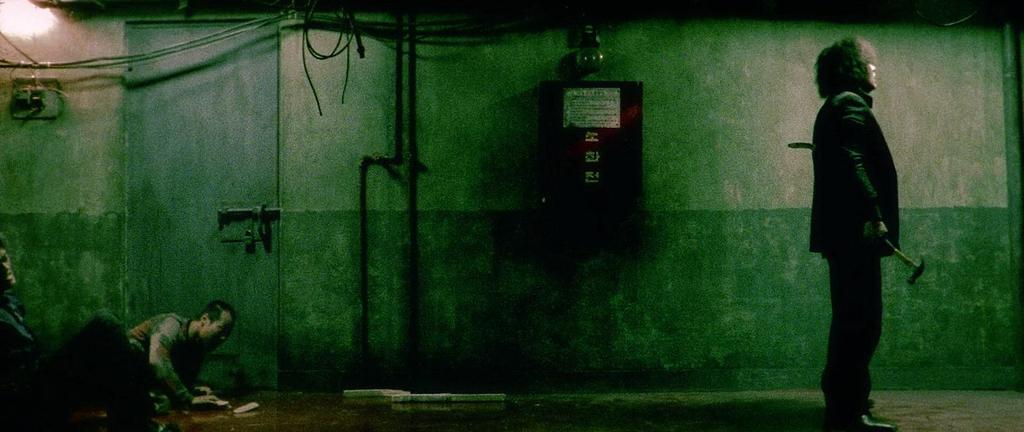
Make no mistake though – this is a year steeped in bleak, cynical visions, particularly revealing the depths of human depravity through the crime genre. Park Chan-wook continues his Vengeance trilogy with Oldboy, unveiling one of cinema’s most gut-wrenching twists, while Bong Joon-ho breaks through with the despairing police procedural Memories of Murder, together thrillingly propelling Korean cinema to new international heights.
Trauma and fatalism also underlie the brutal violence committed in Mystic River and 21 Grams, though where Clint Eastwood plays out as a sombre moral tragedy, Alejandro Iñárritu follows a more feverish, fractured structure, mirroring the minds of three strangers whose lives are changed by a car accident. This is an important step forward for the Mexican auteur after his debut Amores Perros, confirming the ambitious trajectory of his early career.

Gus van Sant likewise reaches new heights with Elephant, his most nihilistic film yet, deservedly winning the Palme d’Or for his stark, formally rigorous abstraction of a school shooting. At the very least, Sofia Coppola’s second film and first true masterpiece softens the despair of those films below it. Lost in Translation extends the Coppola family’s artistic legacy into the 21st century, meditating on the existential isolation of fame – evidently informed by her experience growing up in the shadow of a legendary father.

Film Archives
| Film | Director | Grade |
| 21 Grams | Alejandro Iñárritu | MS |
| Big Fish | Tim Burton | R |
| Dogville | Lars von Trier | HR |
| Elephant | Gus van Sant | MS |
| Finding Nemo | Andrew Stanton | R/HR |
| Goodbye, Dragon Inn | Tsai Ming-liang | HR |
| Kill Bill Vol. 1 | Quentin Tarantino | MP |
| Lost in Translation | Sofia Coppola | MP |
| Master and Commander: Far Side of the World | Peter Weir | HR/MS |
| Memories of Murder | Bong Joon-ho | MS |
| Monster | Patty Jenkins | R |
| Mystic River | Clint Eastwood | MS |
| Oldboy | Park Chan-wook | MS |
| Pirates of the Carribean: The Curse of the Black Pearl | Gore Verbinski | R |
| Saraband | Ingmar Bergman | HR |
| School of Rock | Richard Linklater | R |
| The Dreamers | Bernardo Bertolucci | R |
| The Lord of the Rings: The Return of the King | Peter Jackson | MP |
| The Matrix Reloaded | The Wachowskis | R/HR |
| Thirteen | Catherine Hardwicke | R |
| Tokyo Godfathers | Satoshi Kon | R |