
Nathan Fielder and Lance Oppenheim | 2hr 54min
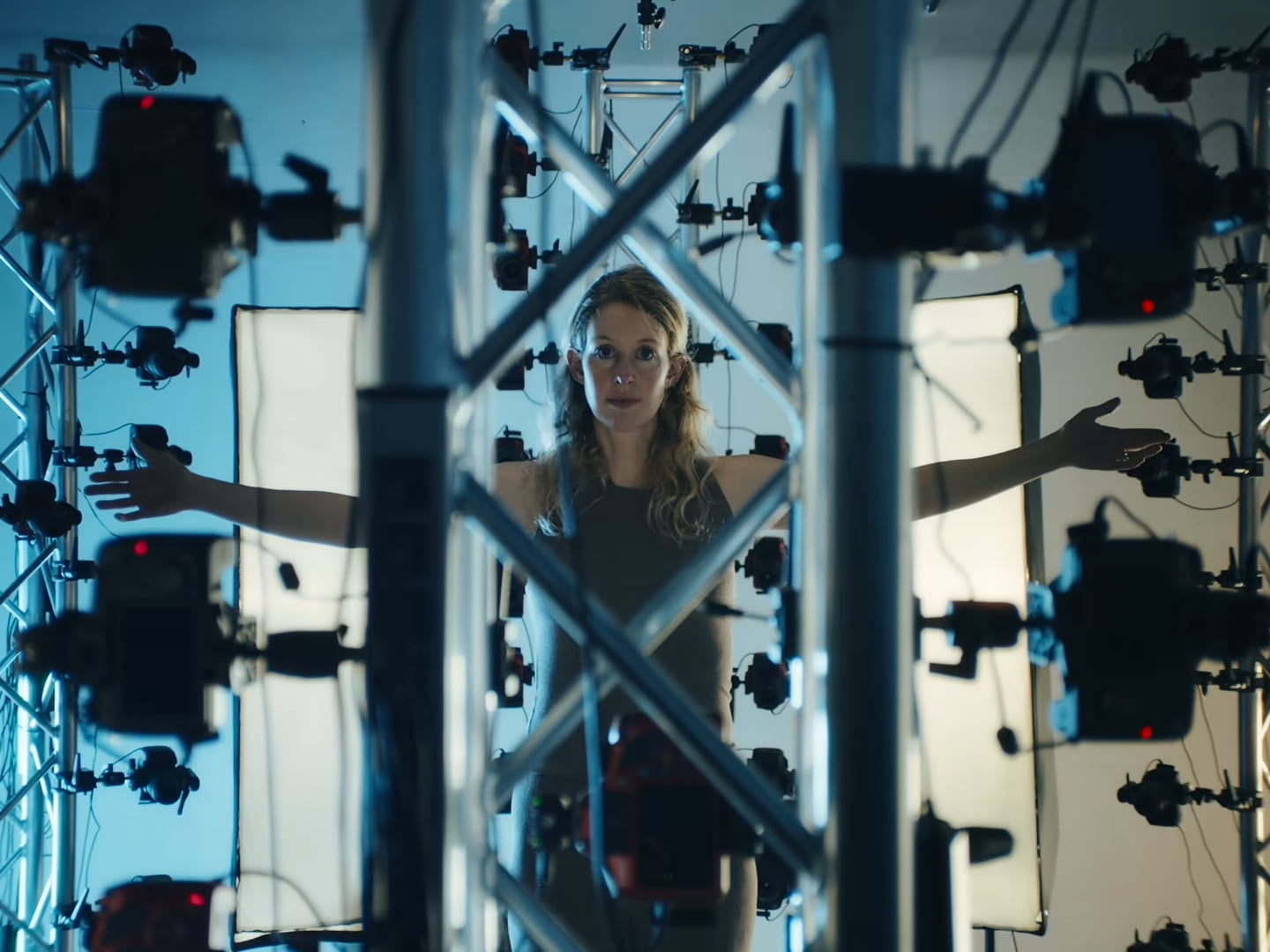
At a certain point during the 34-day window that Nathan Fielder is granted into Elizabeth Holmes’ home life, he realises that it is not enough to merely observe her from the outside. Only by living with her 24/7 can he truly see everything, and the disgraced Theranos founder is happy to oblige. After all, she has nothing to hide. She has never even told a lie before, she assures a bewildered Fielder, on the slippery caveat that a lie is “intentionally saying something you believe to be untrue.” As she ventures down to the beach to play with her partner Billy and her child, Fielder continues to watch from afar, only to receive a text. “FYI you can totally see everything,” it ambiguously reads. Is it an offer of transparency? A challenge to catch her out? Given the incredibly suspicious timing, how much is this picture of a happy family frolicking in the waves staged for the camera?
Then again, would it not take some extraordinary behind-the-scenes manoeuvring to achieve this appearance of absolute, unadulterated sincerity? The title You Can See Everything offers us the same flimsy promise that Holmes extends towards Fielder, yet it is hard to shake the nagging suspicion that no matter how deep we probe, there is plenty still hidden from view. Holmes’ claims that she invented a device that could run one thousand blood tests from a single drop were proven false after all, and in 2022, she was sentenced to prison for defrauding investors of millions of dollars. Perhaps in these final weeks before her incarceration, she might finally let down her guard to reveal something of her true self – though if she does, how can we be sure it is not some character she has created?
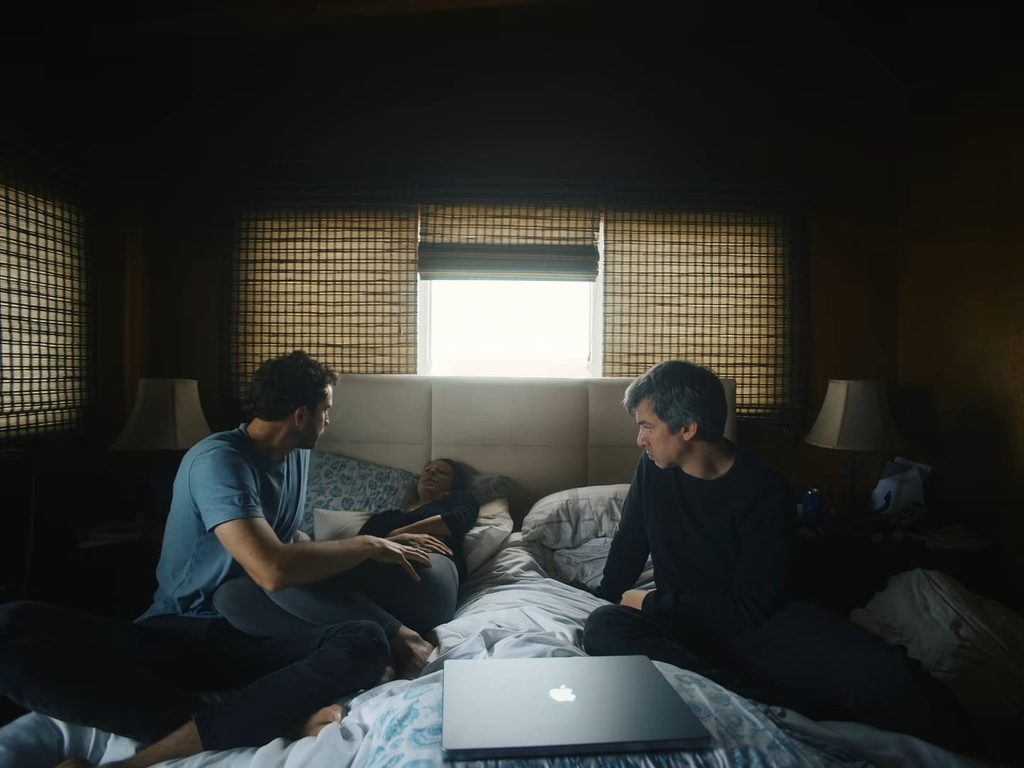
Equally curious is Holmes’ and Billy’s decision to select Fielder for this project, gambling on a self-effacing provocateur over a traditional documentarian. Known for his uneasy, deadpan comedy more than his investigative filmmaking, he proves a perfect foil for Holmes’ wide-eyed earnestness, engaging in tense battles of awkward silences and staring contests. Just as admirable as his willingness to wait out uncomfortable pauses too are his perfectly innocuous questions, casually disregarding social niceties to seize on the slightest break in composure. “Sorry, I got distracted,” Holmes explains after a brief hesitation during an exchange. “By what?” he responds.
“Just a thought.”
“What’s the thought?”
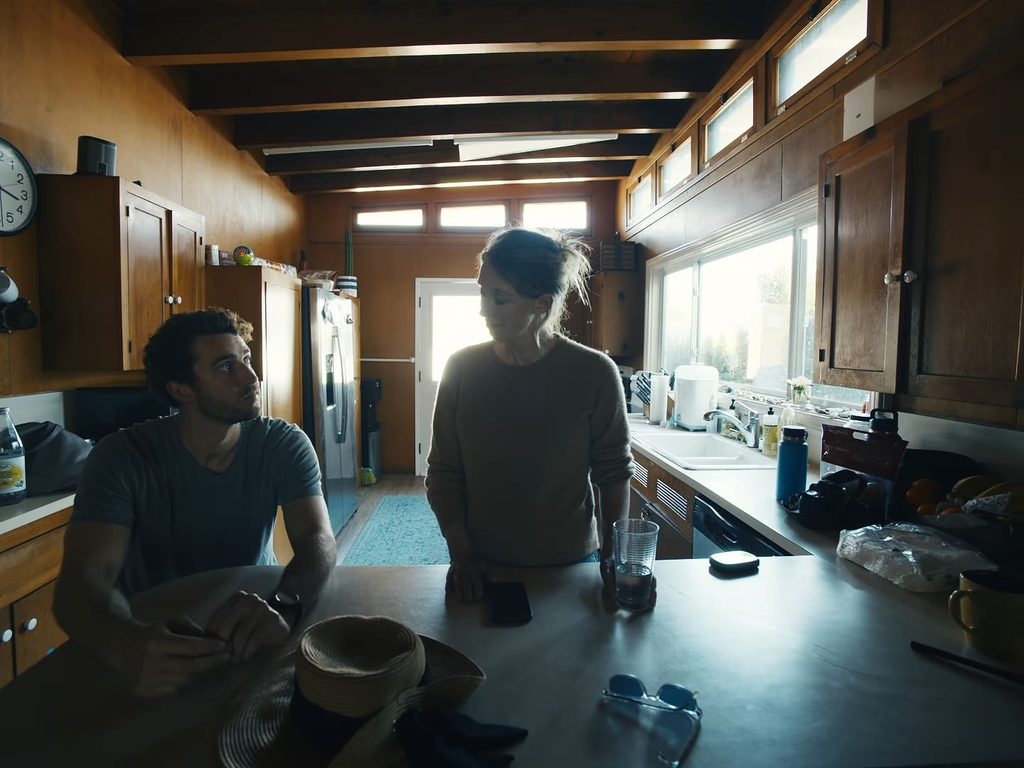
Pinning down such an elusive subject is no easy task, but Fielder is stubbornly patient, quietly lurking around corners and eavesdropping through headphones seemingly fixed to his head. At the same time, the benefit of the doubt he grants to Holmes is generous, particularly when it comes to the veracity of her pivotal claim – not that her device “can” run any blood test, but that it is “capable” of such a feat. The difference is a trivial matter of semantics, yet the confusing phrasing ultimately led to her conviction, and now drives Fielder to wonder whether this breakdown in communication speaks more deeply to her unusual perception of the world. Abbott and Costello’s ‘Who’s on First?’ routine may be the key to understanding this, he decides, and after watching it, she indeed struggles to identify the precise wordplay which underpins its comedy. For Fielder, this suggests a painfully literal manner of processing language. To Billy, it is simply evidence of her “beautiful and unique” mind, yet we nevertheless question whether this supposed naivety serves a deeper, more manipulative purpose.
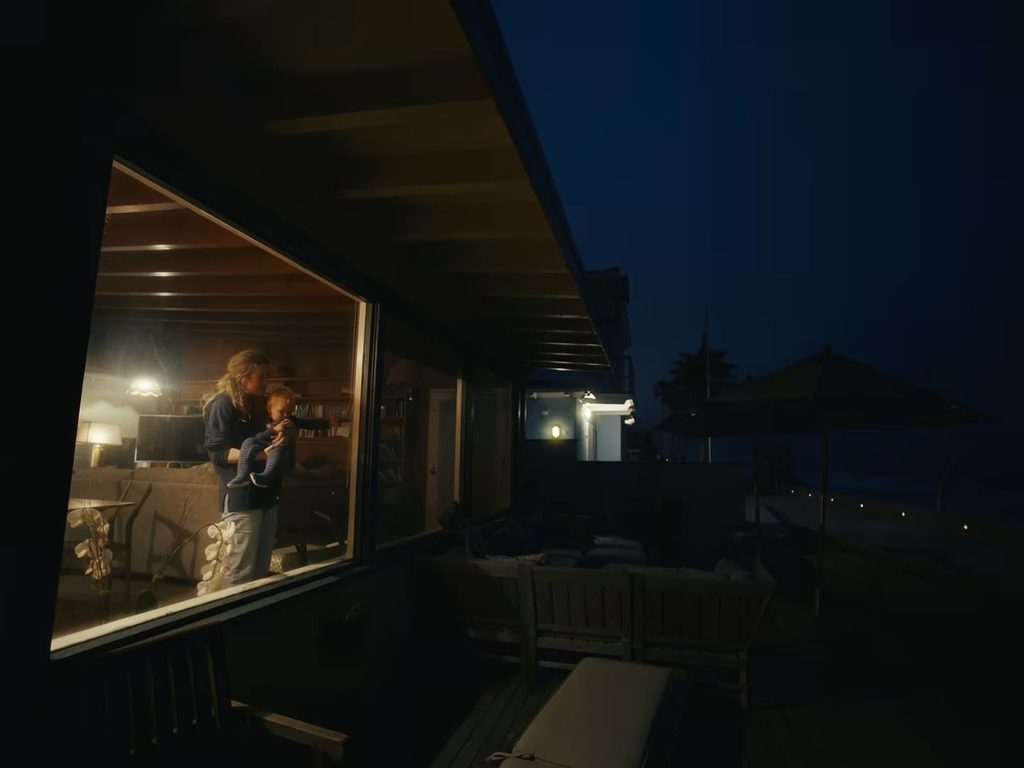
Of course, Fielder’s co-director Lance Oppenheim deserves considerable credit for this penetrating approach, shaping the entire aesthetic of You Can See Everything around a constant, voyeuristic surveillance. It is rare to find a documentary so richly stylised beyond fly-on-the-wall naturalism, yet the jarring visual whiplash between wide-angle lenses that capture entire rooms and intrusive close-ups leaves nowhere for Holmes to hide. Through such tight framing, her frozen smile, incessant nodding, and conspicuous, glassy stare are subjected to our forensic scrutiny, each painting a contrived portrait of childish innocence. By keeping the camera locked off in static shots too, Oppenheim lends ordinary domestic interactions the impression of deliberate staging, while conversations spontaneously veer out of control.
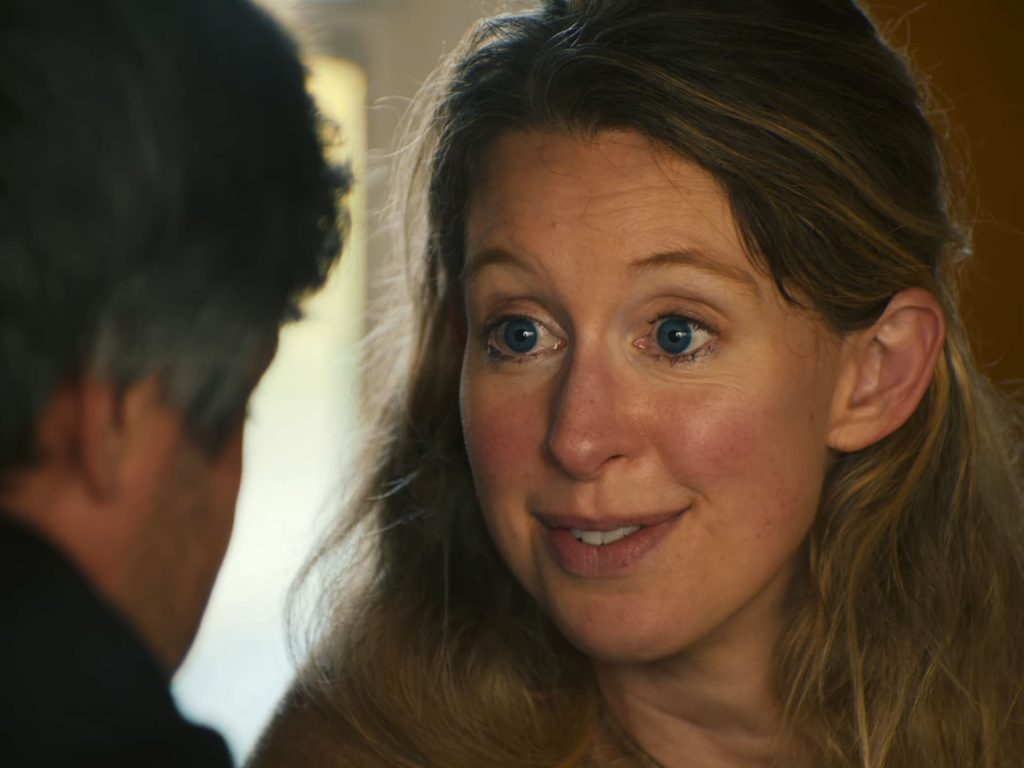
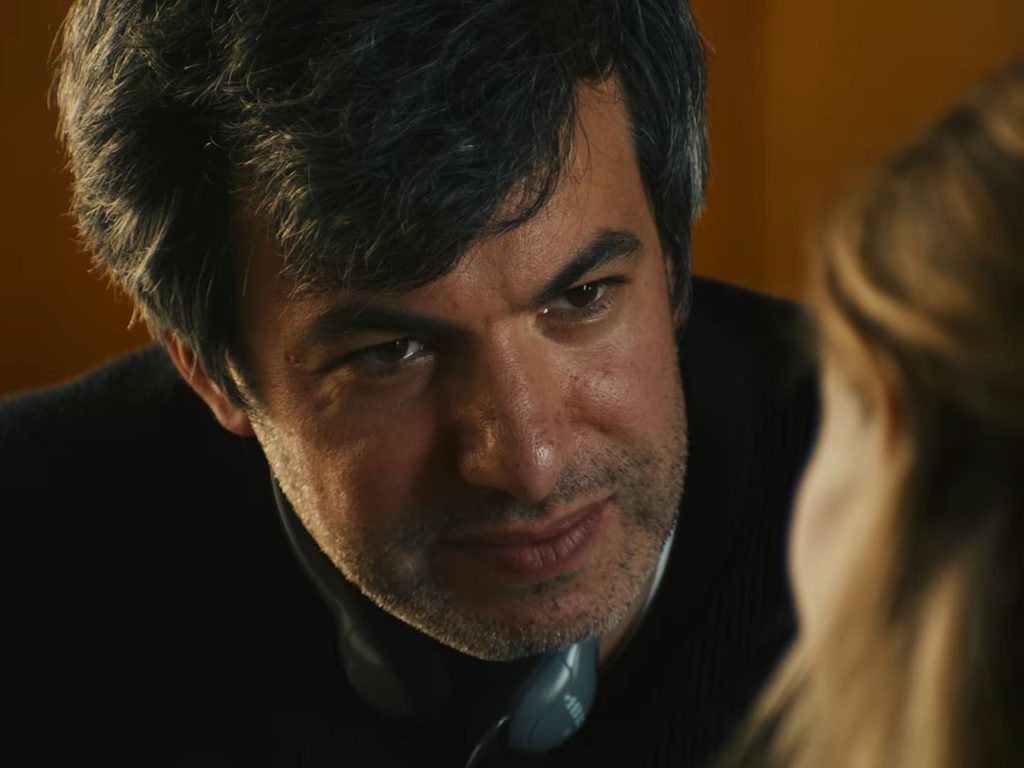
After all, contrary to the genre’s pretensions, even the most observational documentary cannot offer a fully objective, unfiltered account of reality. If Holmes and Billy believed they would be hiring Fielder to present a neutral window into their lives, they were seriously mistaken. As his series The Rehearsal clearly demonstrates, this is a man who revels in the absurdity of mundane social interactions, making sense of their complexities through staged, experimental reconstructions.
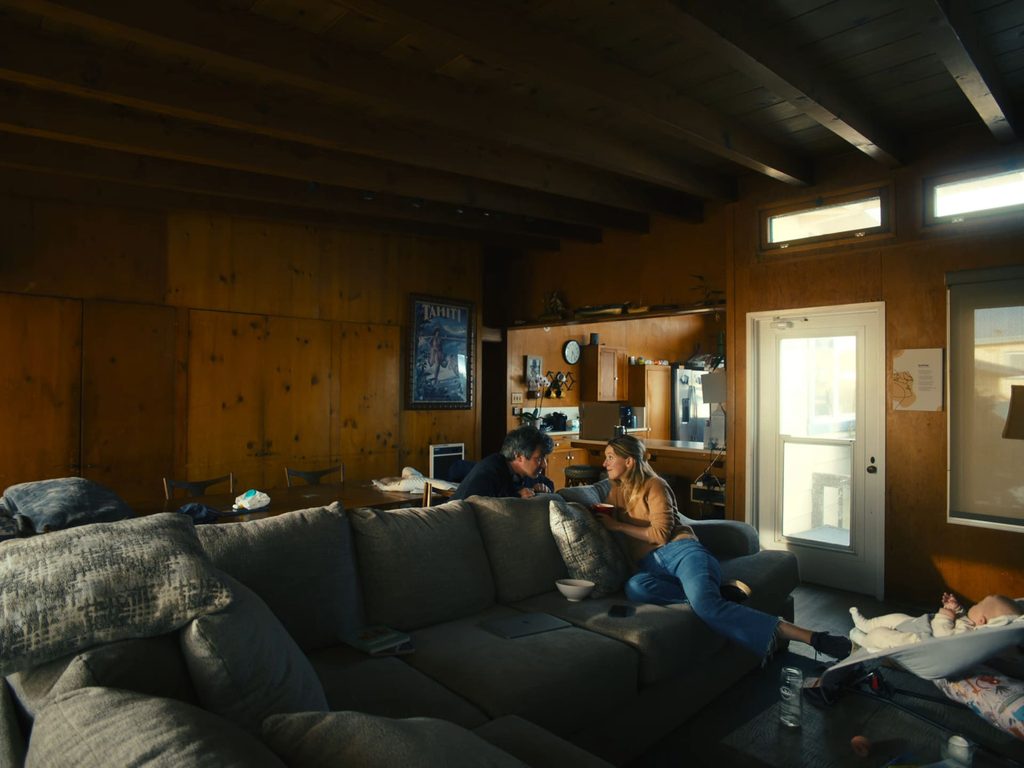
Roughly halfway through You Can See Everything, Holmes is at last escorted to prison, consequently ending Fielder’s window of unrestricted access. Two years later however, Fielder’s obsession remains unsatisfied, leading him to recruit Amanda Seyfried in his mission to understand the fraudster’s mind. Though the actress has never personally met Holmes, the time she spent playing her on the television series The Dropout has perhaps granted her deeper insight into the entrepreneur’s inscrutable mind, and Fielder clearly values this perspective. He has obviously not yet finished filming the documentary we are watching, yet he nevertheless shows her the work in progress so far, thus commencing the delightfully meta second half of You Can See Everything.

It is a wonderfully uncanny experience watching Seyfried react to Holmes’ reaction to her portrayal, essentially folding one performance into another. Even more surreal is the decision to recreate encounters between Fielder and Holmes that the cameras could not logistically capture, including her disparaging remarks about The Dropout and Seyfried herself. From early production meetings to prison visits, Fielder scripts these exchanges as faithfully as his recollection allows, before acting them out with Seyfried eerily reproducing Holmes’ distinctive mannerisms. Through Oppenheim’s disconcerting parallel editing, these reenactments are further layered over retrospective discussions of the events as well, attempting to untangle the vague contradictions in Holmes’ reasoning – and in this strange, noirish game of doubled identities, Fielder effectively places himself at the centre of a Vertigo-esque spiral into obsession.
Most enlightening of all however is the apparent shift in Billy’s conduct, now that he is left alone to manage Holmes’ affairs. He has been hovering in the background from the start, leaping to her defence and occasionally interrupting to halt filming during sensitive discussions. In her absence however, he seems increasingly willing to take liberties with her public image, supporting billboards that feature photos she dislikes, developing an AI simulation of her likeness, and aggressively posting on her Twitter account. “Billy has his own way of doing things,” Holmes passively replies when Fielder raises his concerns, though these are not even the most troubling revelations.
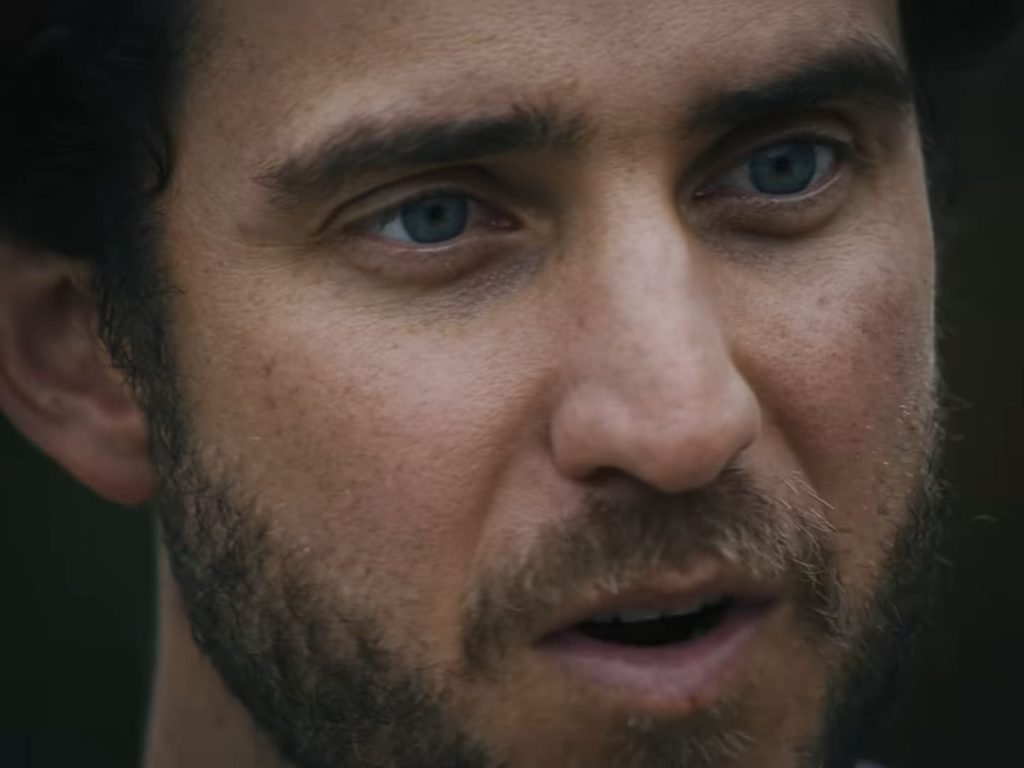
Through one of his reenactments with Seyfried, he reveals a point of contradiction in Billy and Holmes’ respective accounts. Where Billy negotiated payment for his involvement in the documentary, Holmes is ostensibly unaware of such an arrangement, standing to earn nothing. Could she truly be this uninformed, Fielder suspects, or is she keeping her hands clean of their questionable schemes? “I knew he was talking to you about it,” she tells Fielder in this reconstructed scene – or did she say “about something”, he wonders, editing that pivotal word into his supposedly verbatim script. It would appear that Holmes and Billy are not the only ones playing with semantics. As Fielder fixates on seeming inconsequential distinctions that might absolve Holmes, we can’t help but question along with Seyfried whether his own sympathies have made him an unreliable narrator.
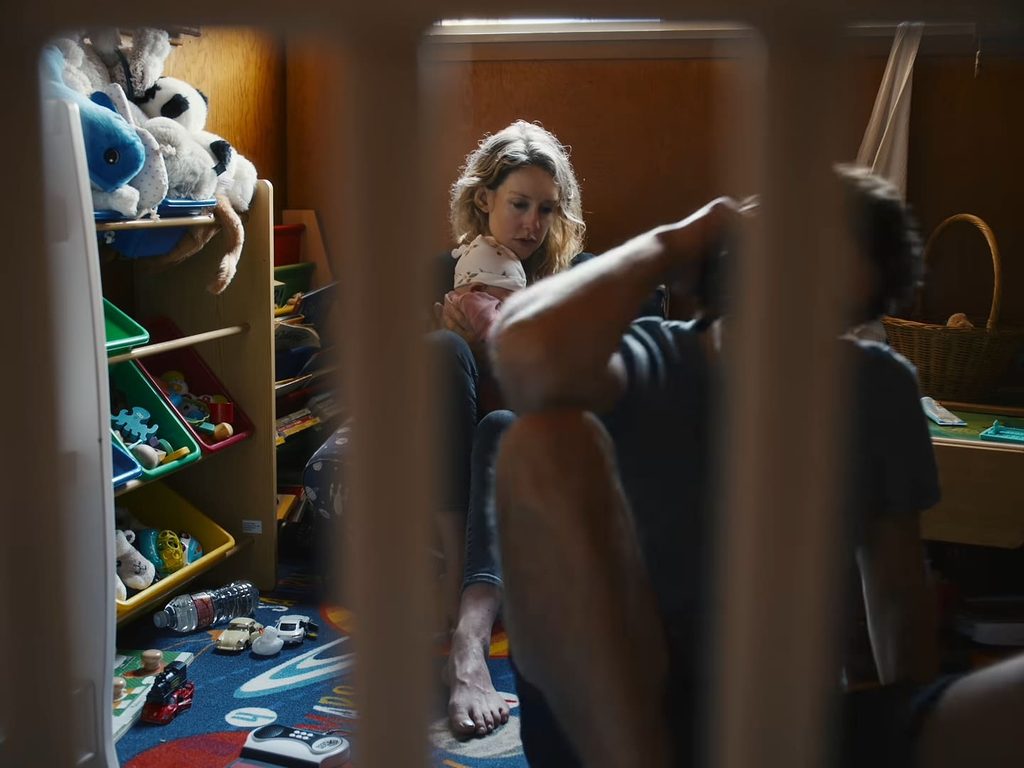
Just as the opening scene of the documentary shoots Holmes through her baby’s crib, the final shot once again finds her behind bars of different kind, as she wanders the prison grounds with her children. In these bookends, her identity as a devoted mother is emphasised – though is this creative framing not itself another subtle manipulation, with Fielder deciding precisely how we are invited to see her? Through all these layers of subjectivity, there is no way you can see everything of Holmes’ real character – but even if you could, the truth would still depend on who is behind the camera.
You Can See Everything is currently playing in cinemas.