1970s

Duelle (1976)

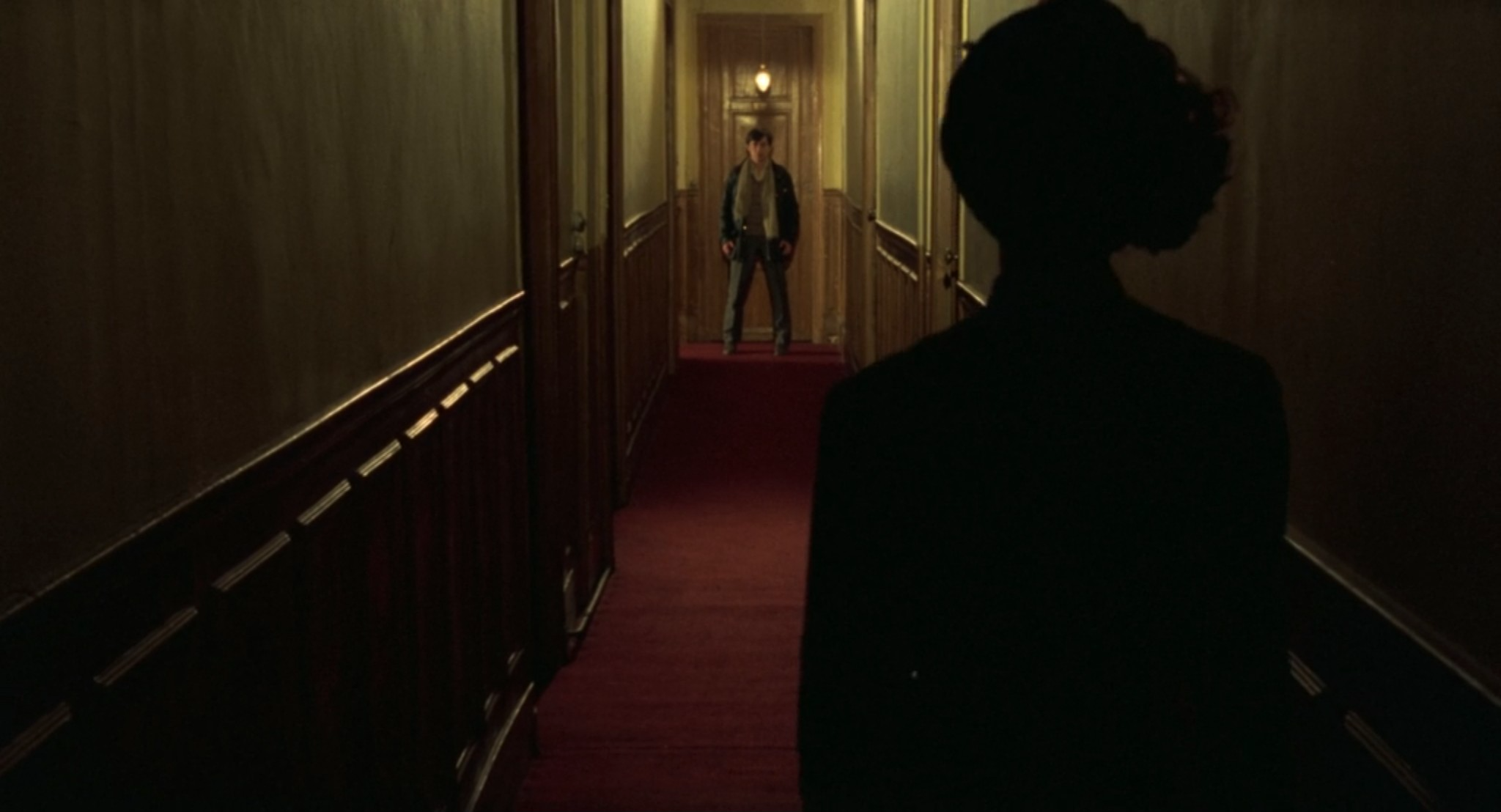
It wouldn’t be hard to believe that each location in Duelle is interconnected within some giant, labyrinthine complex, entangling its mortal characters in a phantasmagorical web of manipulation set up by two warring goddesses, while Jacques Rivette’s obscure narrative uncovers the intransient magic simmering beneath the most ordinary corners of modern society.
Autumn Sonata (1978)

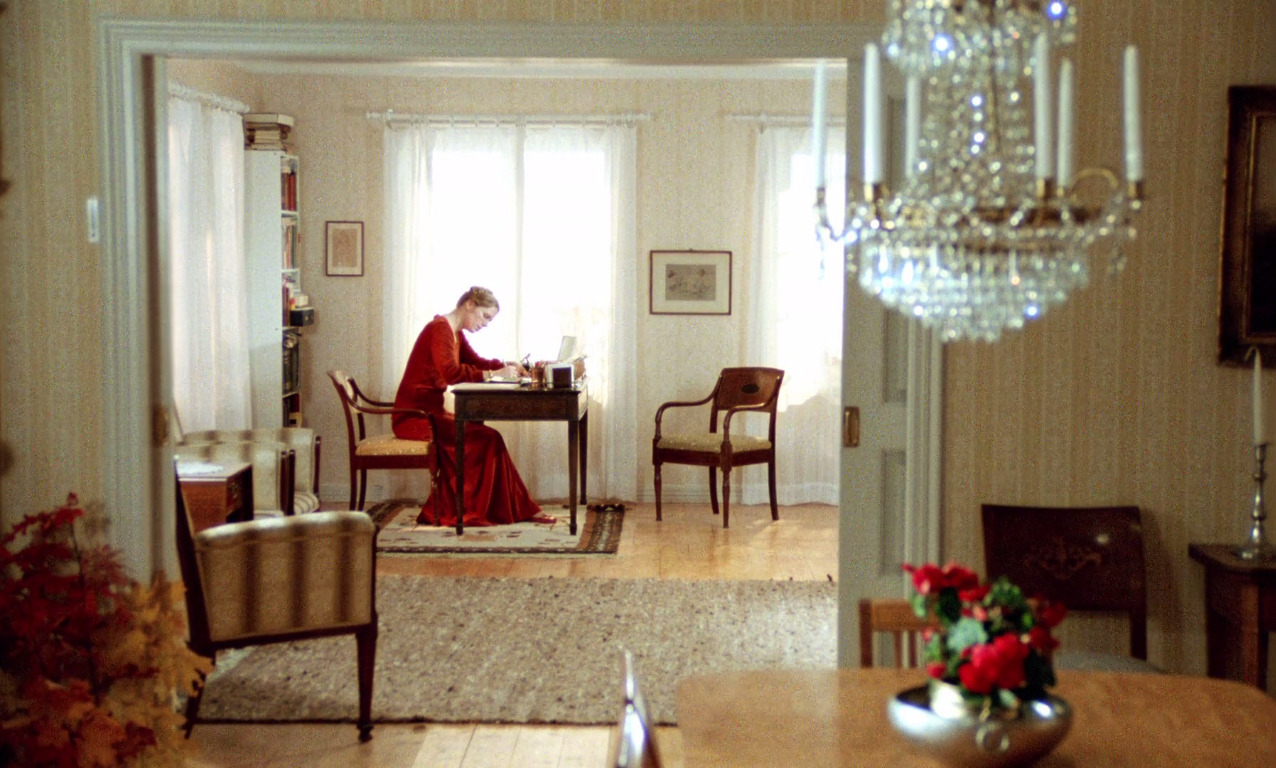
Like the persistent rotation between immaculately framed wide shots and close-ups, and the seasonal changes implied within the title Autumn Sonata, both mother and daughter are trapped within cycles of repression in Ingmar Bergman’s psychological family drama, poignantly recognising them as similarly flawed copies of each other.

The Serpent’s Egg (1977)

Even as The Serpent’s Egg marks a strange departure from Ingmar Bergman’s usual screenwriting strengths, the bleak tension he builds in his 1920s Berlin setting can’t be denied, witnessing the birth of fascism amid dystopian landscapes of fear, starvation, and corruption.

Face to Face (1976)

Even by Ingmar Bergman’s standards, Dr Jenny Isaksson’s characterisation is layered with immense psychological depth in Face to Face, treading a fine line between realism and surrealism as her childhood traumas, insecurities, and mortal fear of death chaotically rise to the surface after years of emotional repression.

Ali: Fear Eats the Soul (1974)

Within the tight doorframes and behind the railings that Rainer Werner Fassbinder hems his characters into, the interracial romance of Ali: Fear Eats the Soul is confined to a liminal space between domestic and public life that refuses to separate one from the other, merging melodrama and realism to craft an ineffable moral fable of love’s greatest weakness.

Scenes From a Marriage (1973)

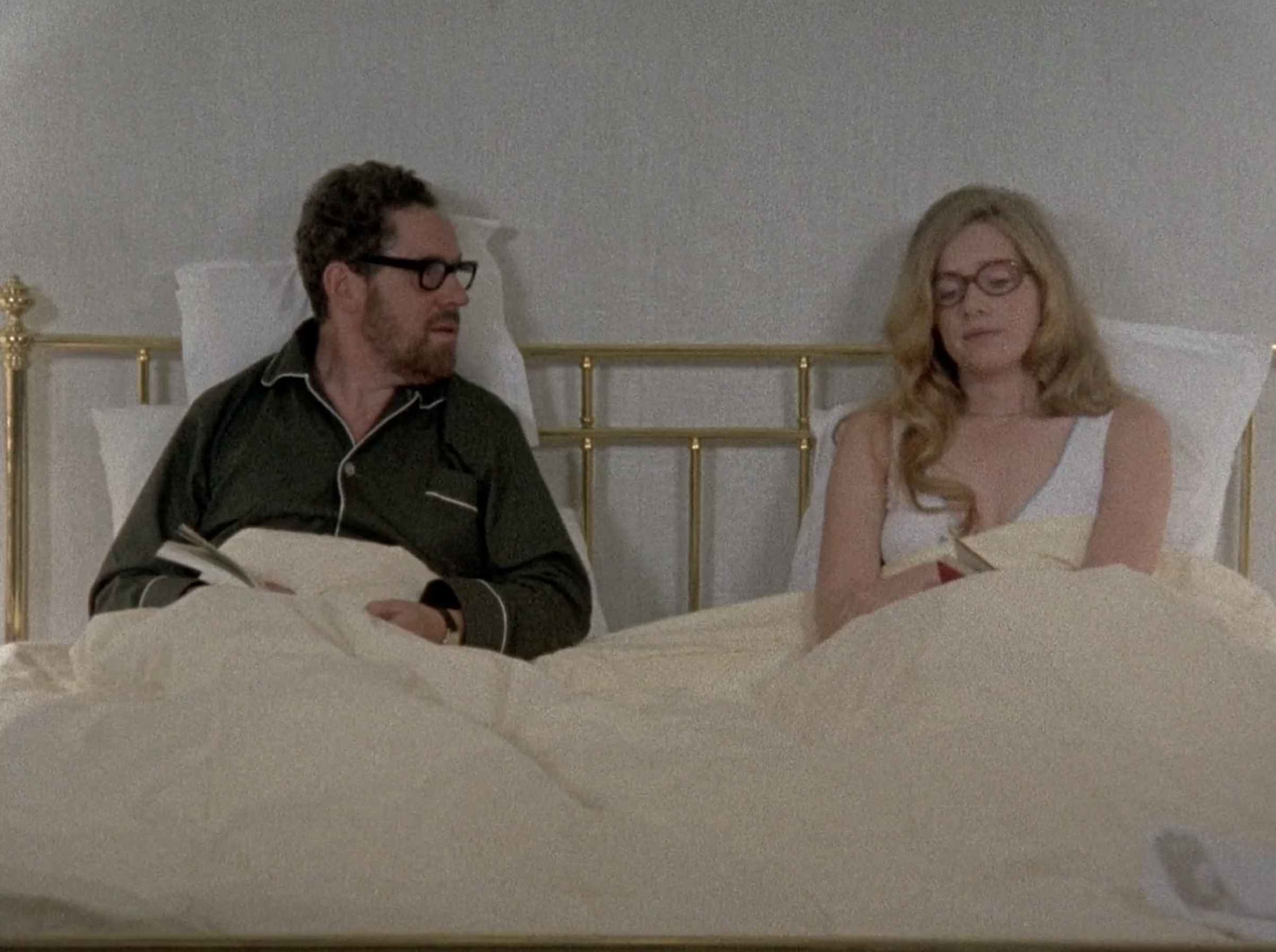
Ingmar Bergman uses six isolated episodes of Johan and Marianne’s married life to piece together a collage of a fragmenting relationship in Scenes From a Marriage, turning their divorce not into a battle of husband versus wife, but rather lovers versus the space between them.

Cries and Whispers (1972)

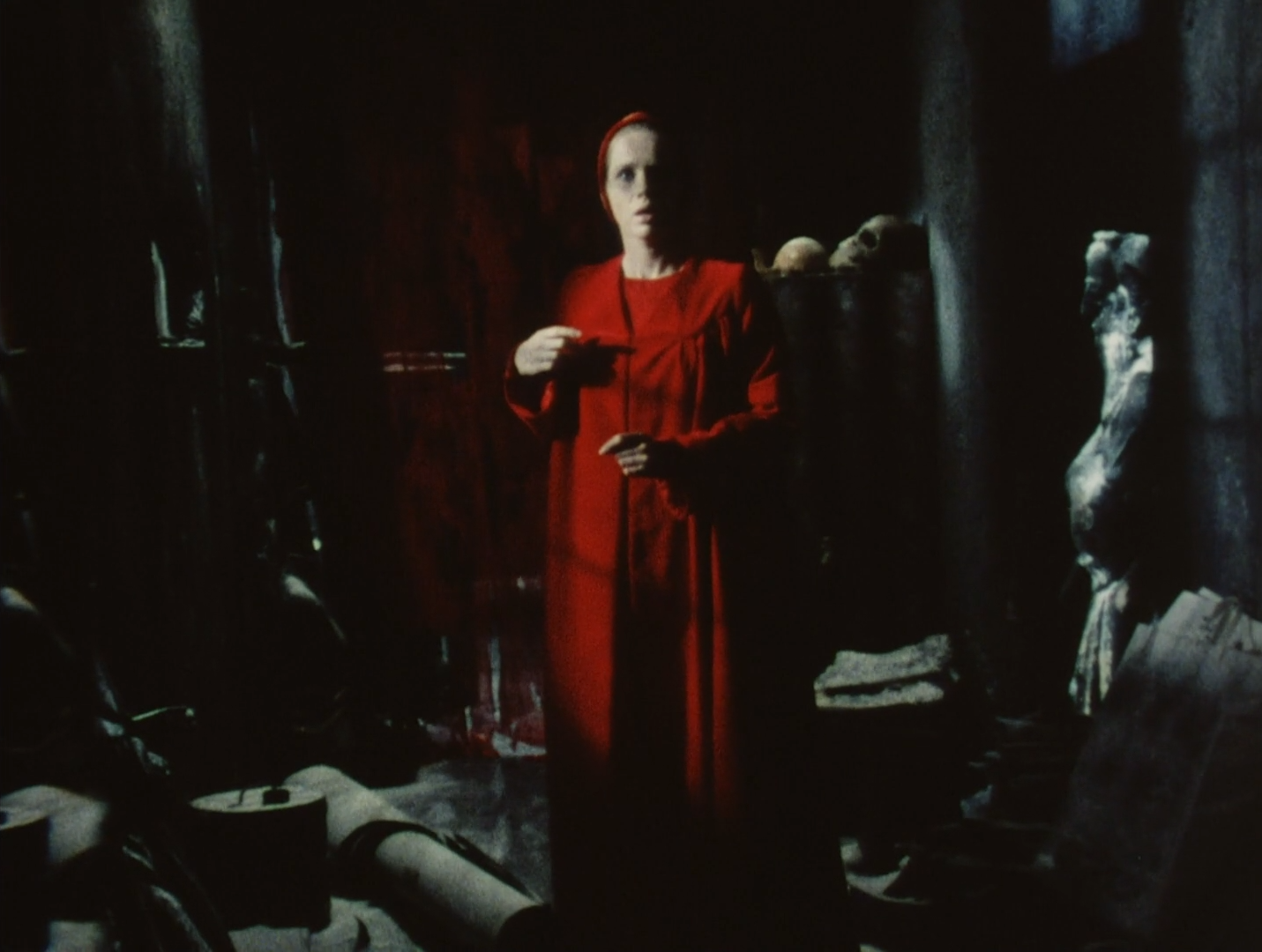
Ingmar Bergman’s wrestling with matters of faith and tortured female relationships has never been so vividly illustrated as it is in Cries and Whispers, confining its three sisters and their maid to the crimson-saturated dreams of their family home, and surreally interrogating the fractures which only deepen with their parallel suffering.

The Touch (1971)

The Touch may be one of Ingmar Bergman’s plainer stylistic efforts, but his wielding of theological symbolism to interrogate a broken love triangle is deft, bitterly driving the Madonna’s degraded image and a tainted Garden of Eden between his doomed lovers.

Eraserhead (1977)

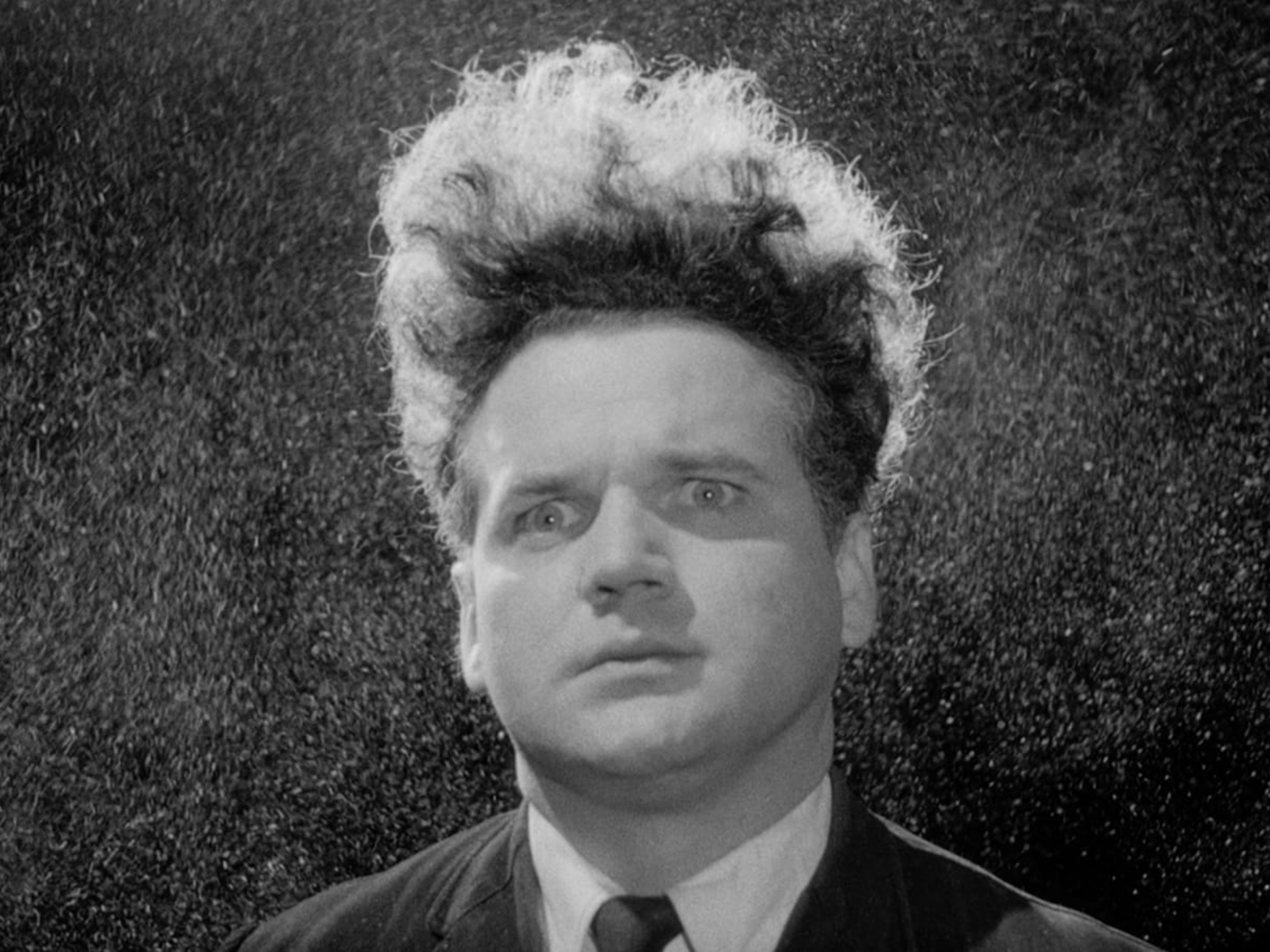
Within Eraserhead’s nightmares of mutant babies and urban isolation, it is the psychological impression of its surreal imagery which carries far more impact than any attempts to derive its literal meaning, as David Lynch mystifyingly manifests the dark subconscious of one young father existentially terrified of parenthood.

3 Women (1977)

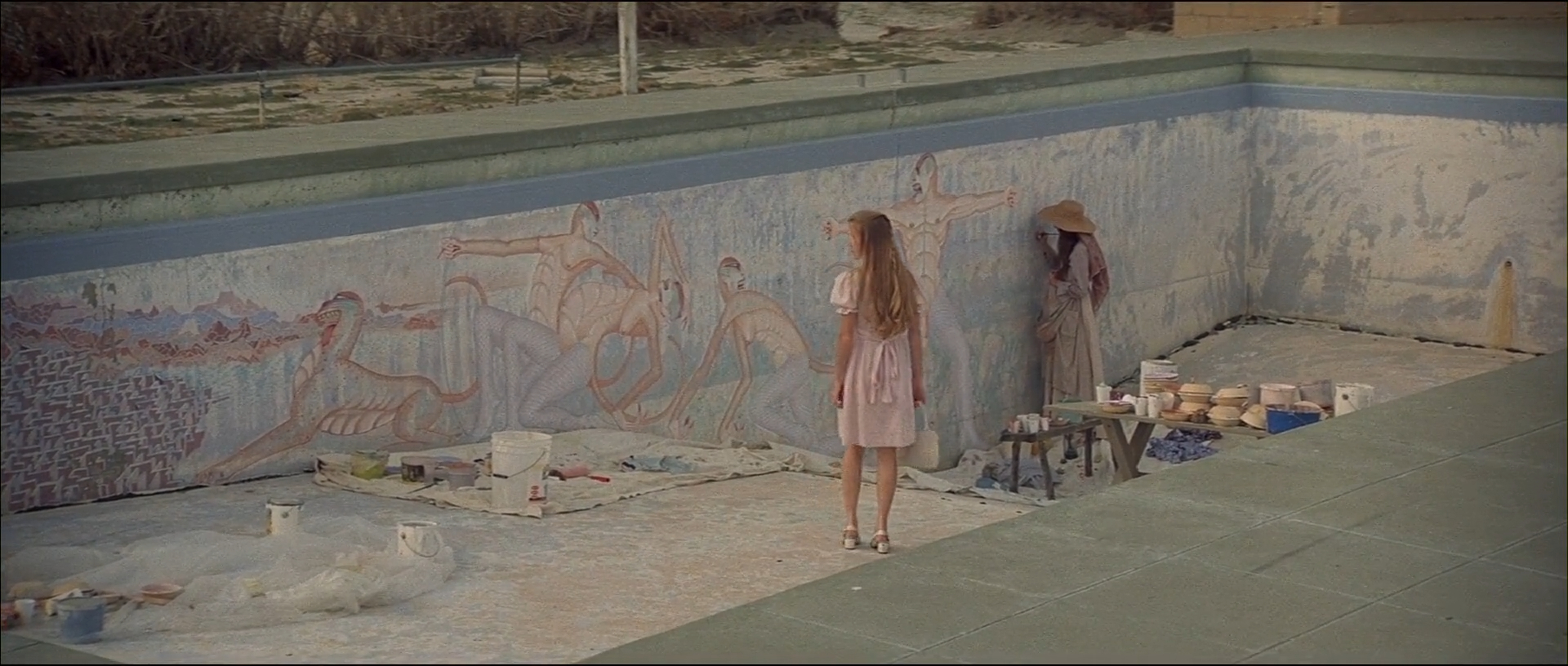
The motifs of monsters and mirrors drawn through Pinky’s obsession with local popular girl Millie make for some powerfully abstract imagery in 3 Women, finding remarkable psychological tension in Robert Altman’s enigmatic blending of female identities, as well as in its setting of a modern culture where individuality is everything.

Scroll to Top