
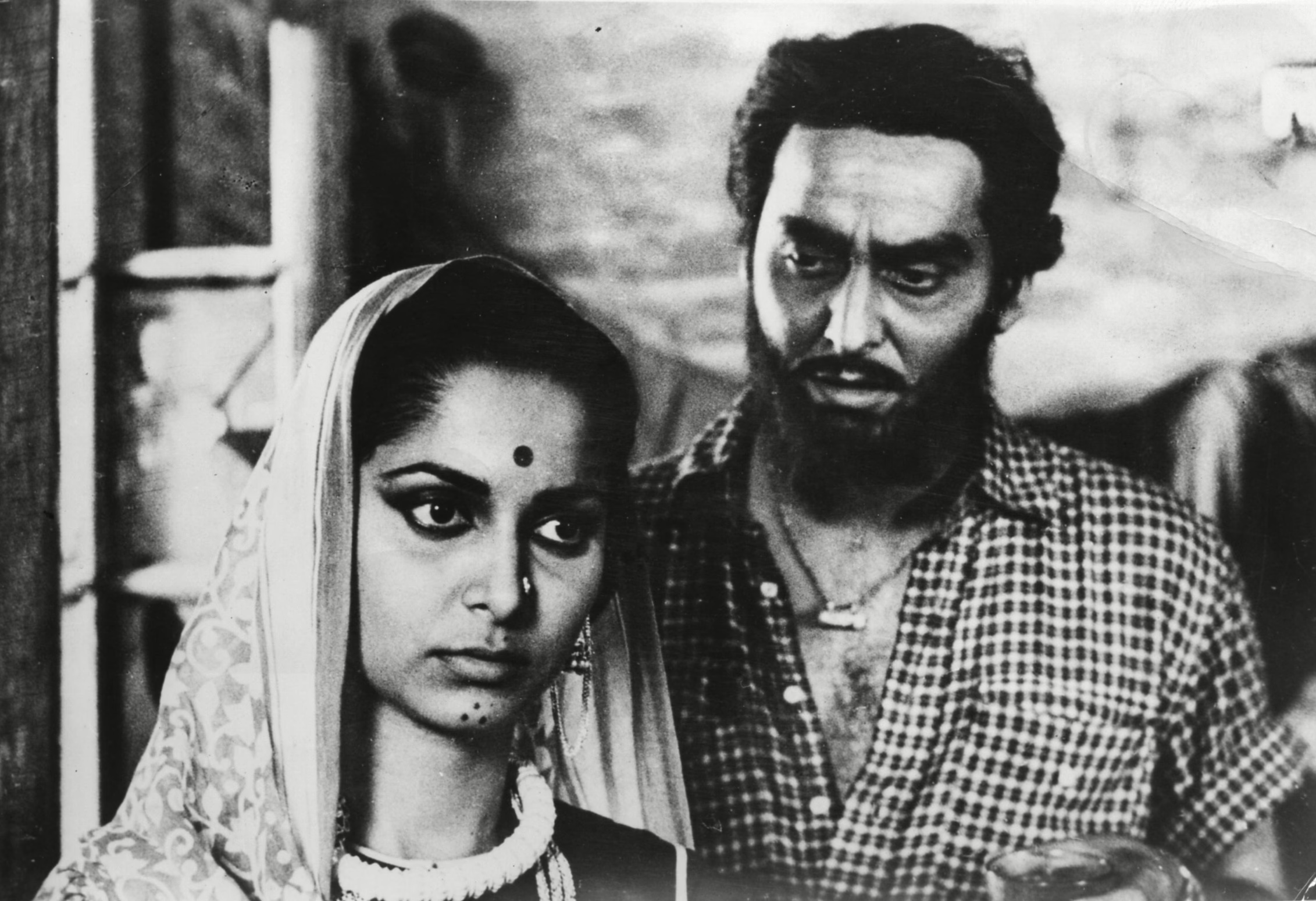
Satyajit Ray | 2hr 16min

If it isn’t clear from his lion tattoo or the ancient warriors adorning his dashboard, taxi driver Narsingh broadcasts his Rajput heritage with tremendous self-regard. As members of the Hindu warrior caste Kshatriyas, these storied clans preserved a legacy of courage, loyalty, and martial discipline across generations, and now survive through Narsingh’s swaggering bravado. He drives not to convey passengers, but to wage private war, furiously racing alongside steam trains and cutting off strangers on the road. Unfortunately for him, one of those strangers happens to be the district inspector, who doesn’t hesitate to immediately suspend his licence.
Journeying back to the land of Rajput, destiny seems to intervene in the form of Sukharam, a shrewd businessman who seems fond of his efficient driving. A simple job transporting mysterious, unspecified goods will earn him a handsome payout – and carrying the reckless pride of a warrior, he is quick to accept. As he gradually becomes entangled in Sukharam’s smuggling and human trafficking operation, Satyajit Ray thus veers The Expedition into crime thriller territory, trading out his usual psychological depth for narrative momentum and a spiralling sense of fatalism.
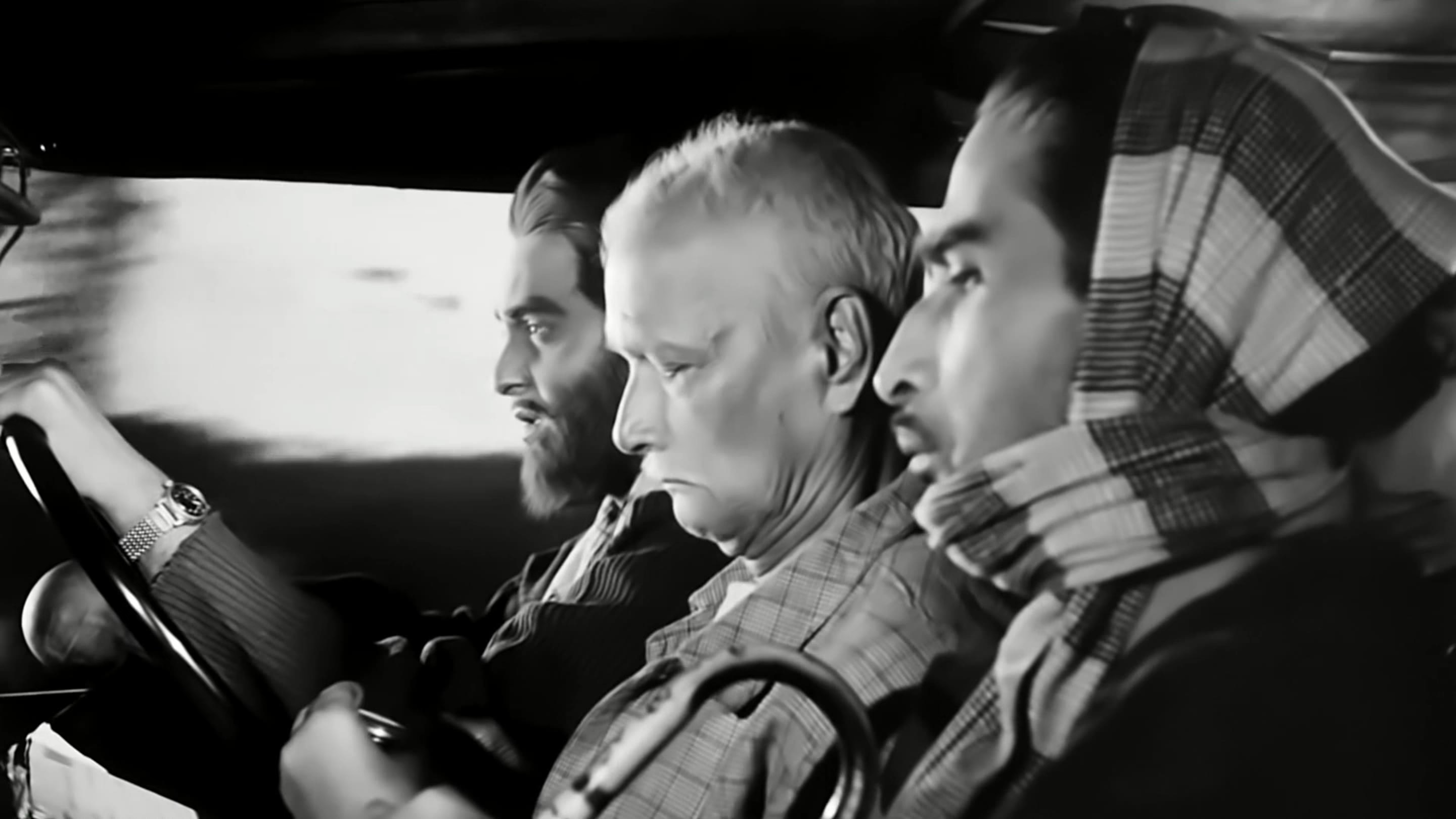
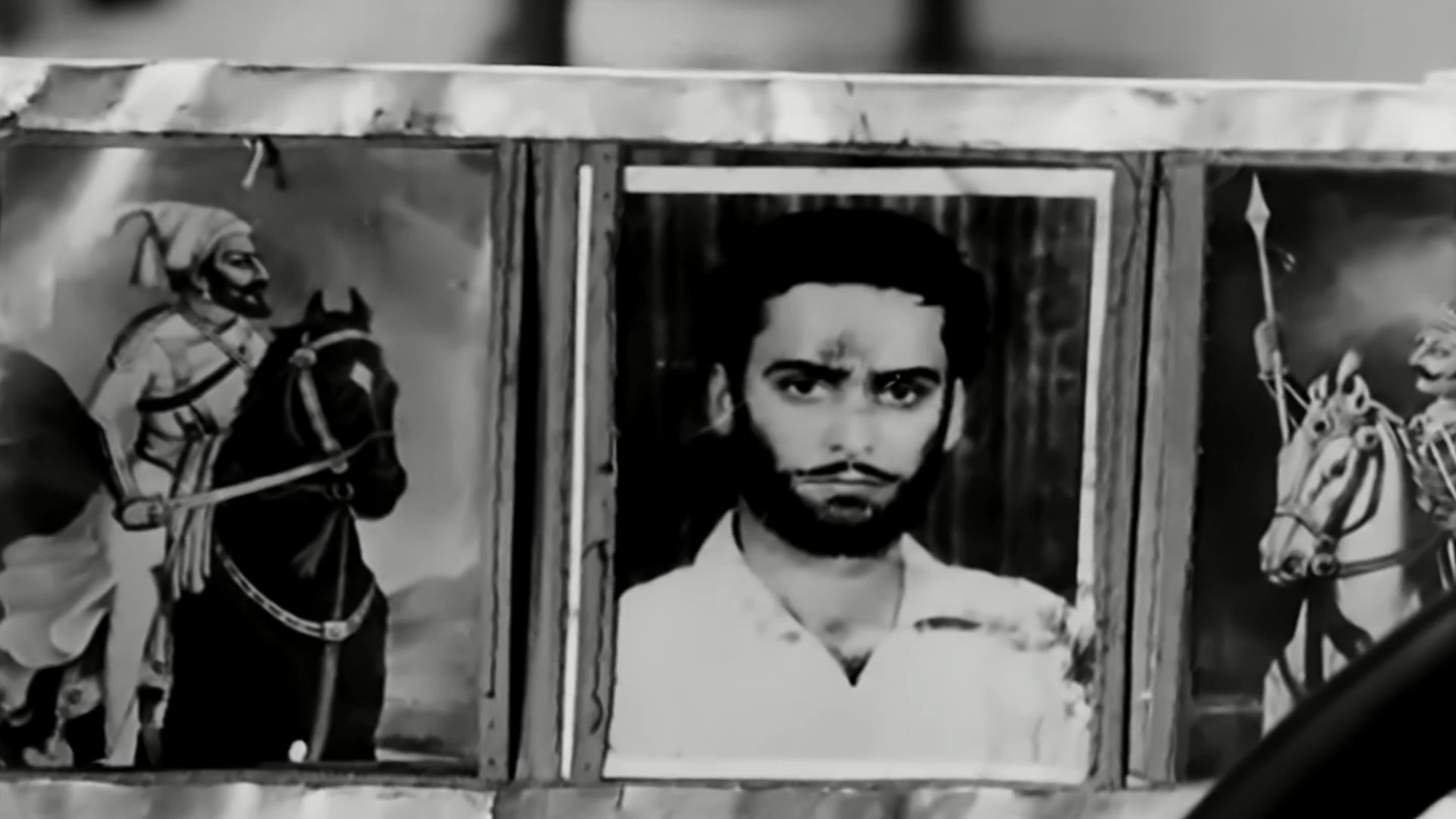
This is no doubt part of why the film is among the weakest of the Bengali director’s early career, struggling to capture the intimate lyricism of the Apu trilogy or The Music Room, yet still distinguished by a tactile realism. The shattered mirror in the opening shot immediately exposes his broken dignity as he reflects on his wife’s heartbreaking departure, while scenes inside Narsingh’s speeding cab are imbued with a far more kinetic energy, bouncing passengers up and down. The Expedition may strain towards noir-inflected conventions, yet Ray insists on reflecting the grime and discomfort of this driver’s precarious, marginal reality.

It isn’t hard to see then why Martin Scorsese found a template in this spiralling protagonist for his own iconic antihero, darkening Narsingh’s hubris into Travis Bickle’s paranoia. Taxi Driver is clearly the superior work, yet Narsingh’s moral compromise and wounded masculinity nevertheless resonate against the harsh textures of rural Bengal, drawing him into a criminal enterprise that he believes will finally earn him both capital and respect. “Kshatriyas are brave, right? They live adventures. They take risks too sometimes,” Sukharam prods with a sly grin, appealing to Narsingh’s caste-bound sense of valour – and as expected, this proud Rajput is all too eager to prove his mettle.
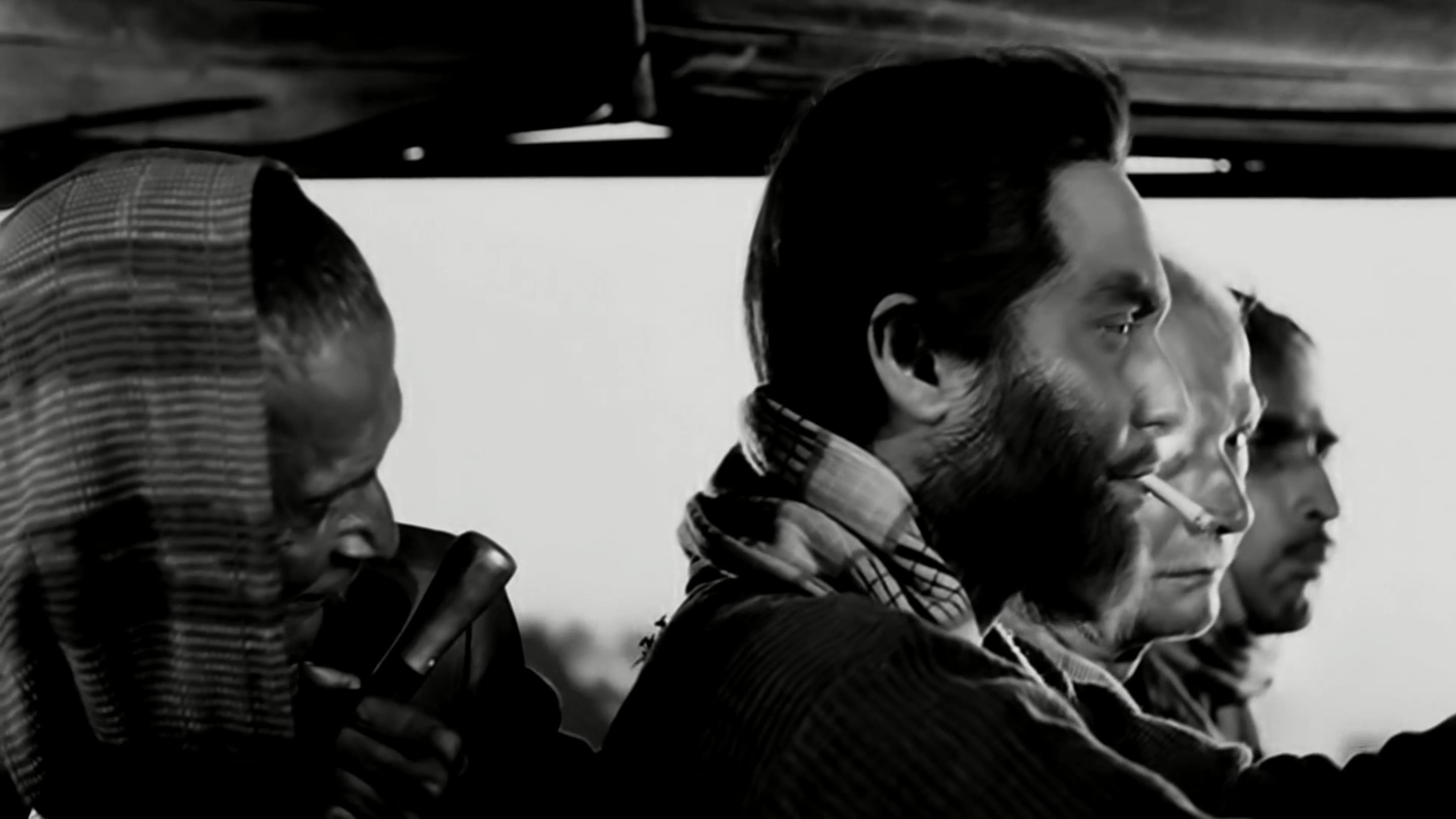

If there is anything in this desolate landscape which may lead Narsingh towards redemption, then perhaps it is the virtuous, Christian influence of his old acquaintance Joseph and his sister Neeli. Having converted from a low Hindu caste, both represent a spiritual integrity that rubs against Narsingh’s deepening corruption, and in Neeli’s case, even draws his unrequited romantic interest. However, when she comes to him in the dead of night asking for his help to elope with her disabled, low caste lover, his compliance only comes with seething resentment.
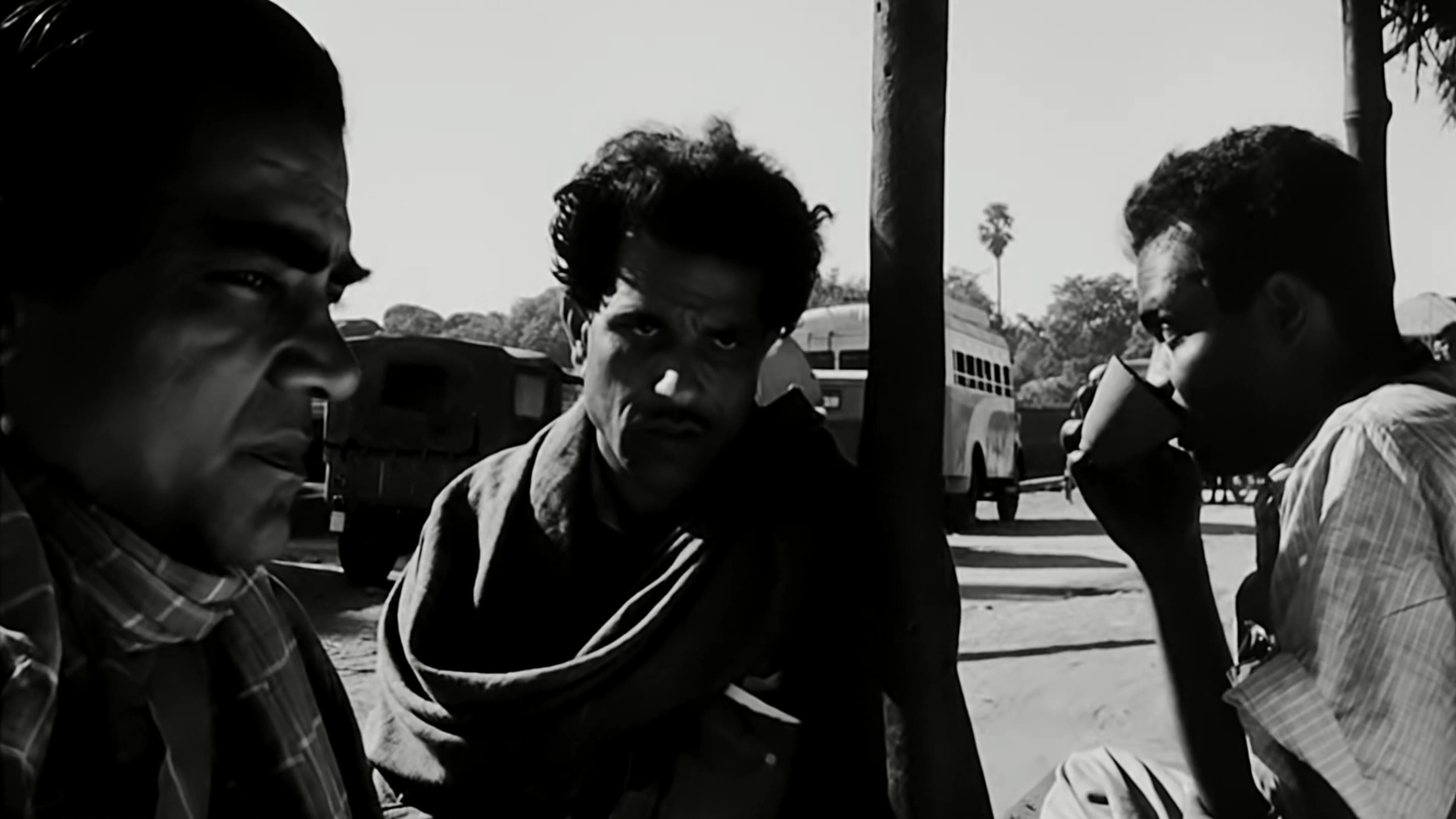
Perhaps if he were to reciprocate the affection of Gulabi, one of Sukharam’s trafficked prostitutes who instantly warms to him, then he might find the courage to steer his life away from self-debasement. As it is, he is cynically resigned to the failings of a cruel world, taking her companionship for granted and bitterly rationalising his own transgressions when she calls them out.
“My wife ran away. Isn’t that a sin? You come to my room at night. Isn’t that a sin?”
Finally brought down to his level of self-loathing, her response strikes with crushing despair.
“It is a sin. A girl like me loving someone is a sin.”
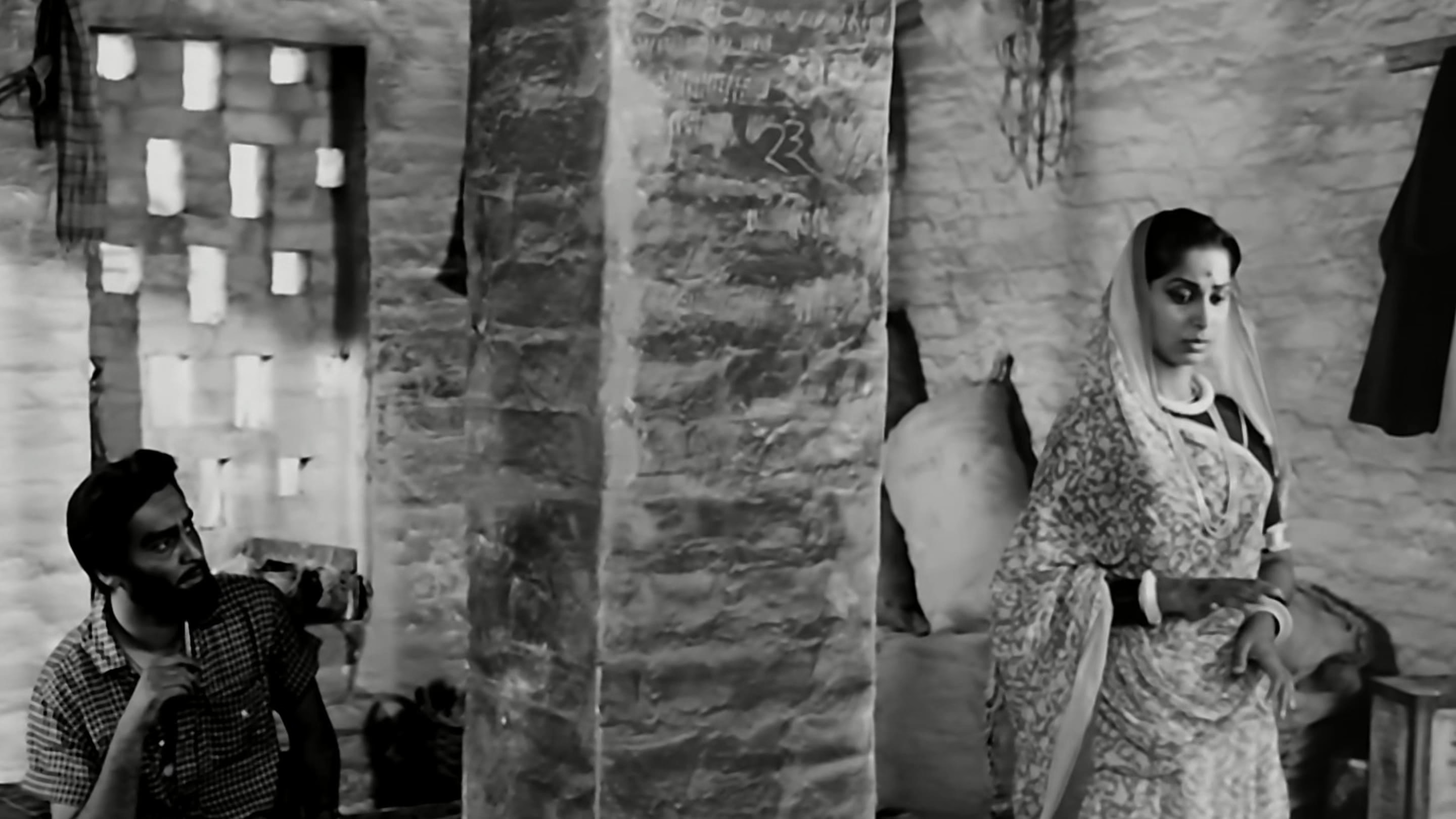
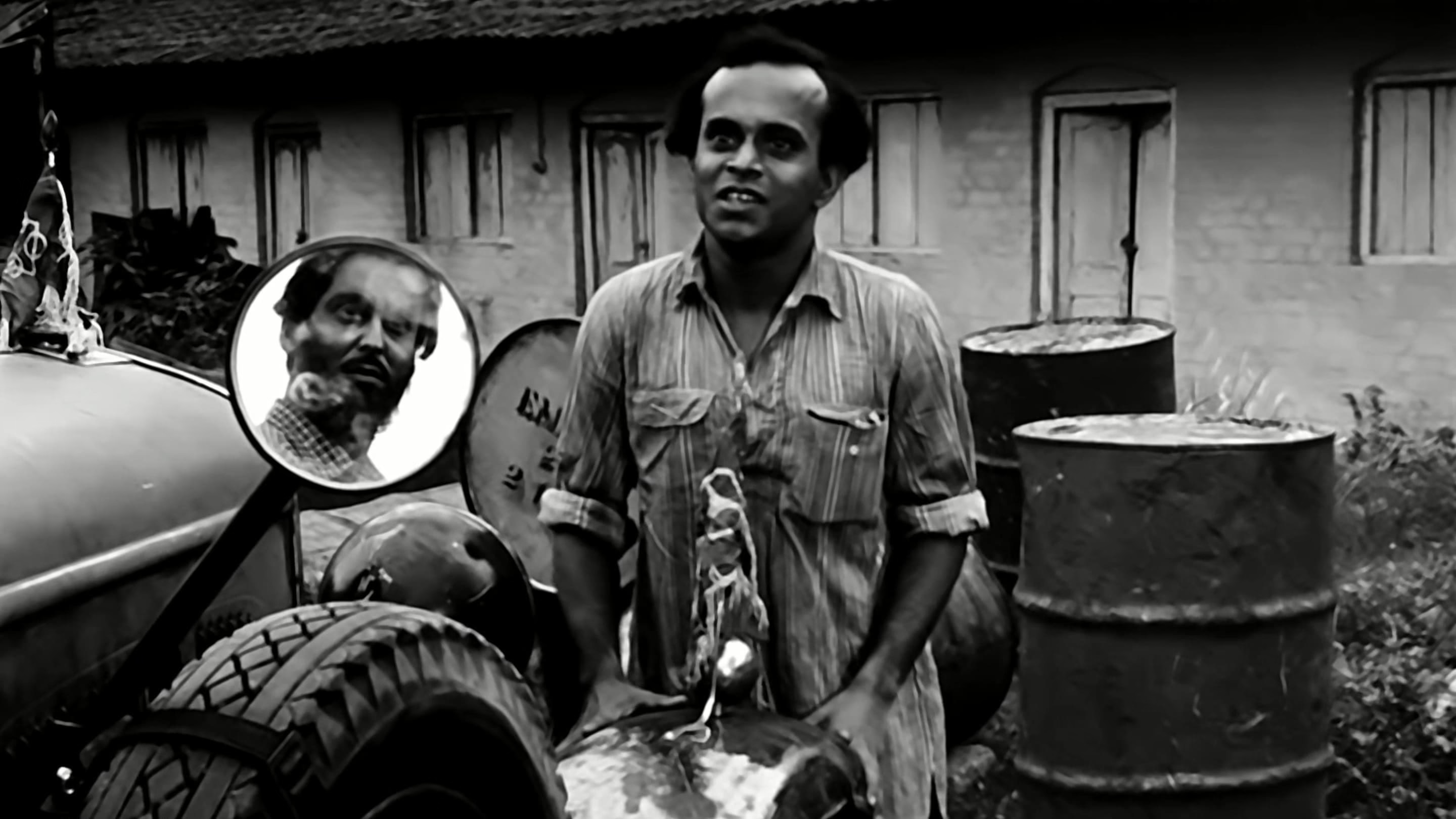
The man who owns her is not his friend, she reminds Narsingh before departing. Sukharam owns him too – and indeed, he even proves willing to part with his beloved 1930 Chrysler for 1000 rupees, effectively selling off a piece of his own soul. When his endlessly loyal sidekick Rama asks to purchase it himself and pay him back over time, Narsingh callously ends their friendship on the spot, his incensed expression framed in the side mirror of that very car he once cherished. Ray’s visual metaphors are strong here, though it is when he eventually confronts Joseph one last time by the geological wonder of Mama Bhagne that Narsingh’s spiritual collapse ripples out on a vast, symbolic scale.
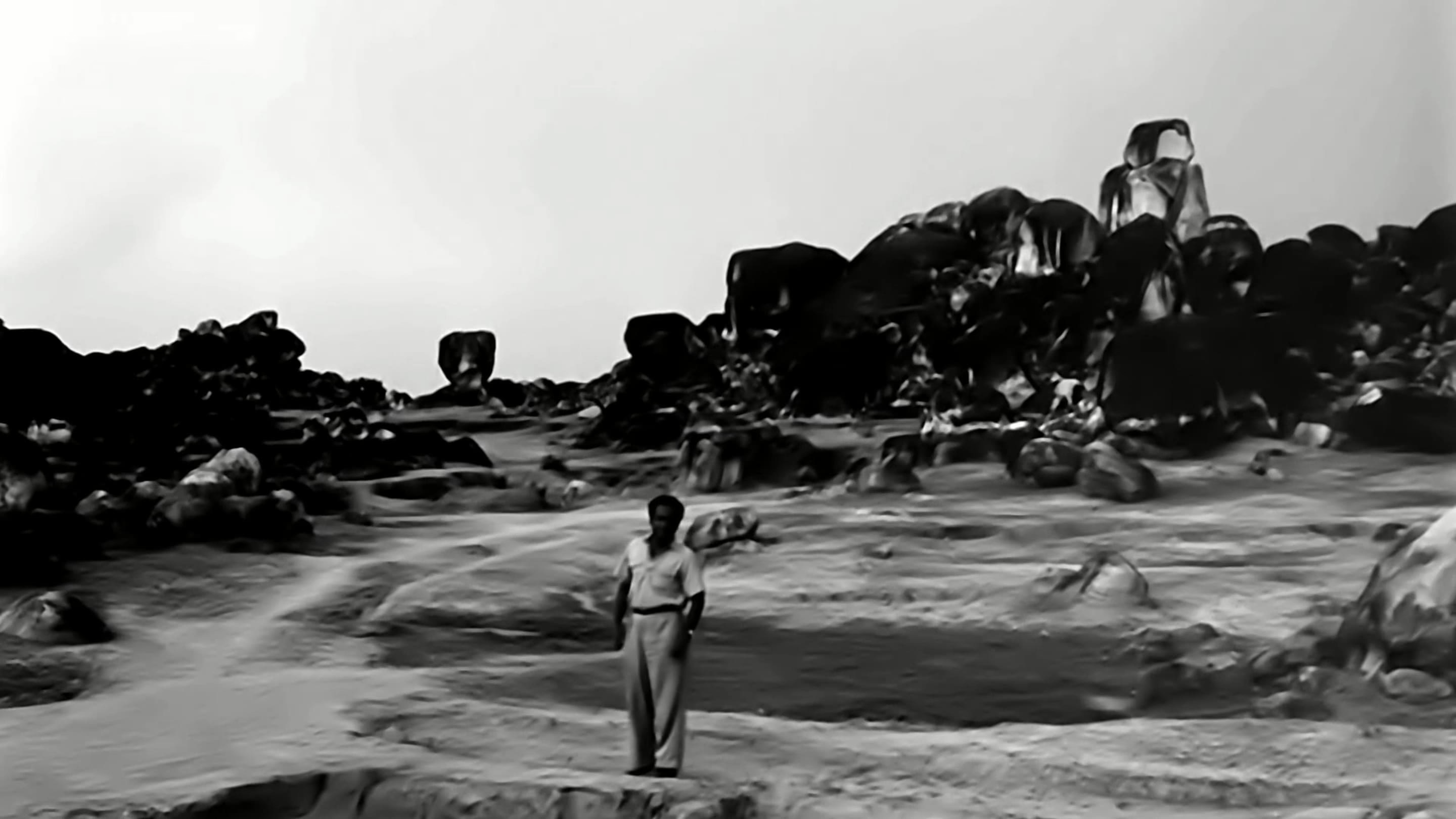

Among this chaotic scattering of boulders, Joseph flees in shame and anger at his friend’s criminal dealings. Narsingh gives chase, yet there is no moral victory as he hurls Joseph against a rock – only the mutual recognition of how far he has fallen. “Well done, Rajput,” Joseph sarcastically remarks, before leaving Narsingh to wallow in his shame. Madness grips his mind as Mama Bhagne’s surreal, precariously balanced rocks draw his wide-eyed gaze, and Ray’s camera becomes fully handheld as it takes his fevered perspective, framing the monoliths in harsh, jagged silhouettes against the sky.
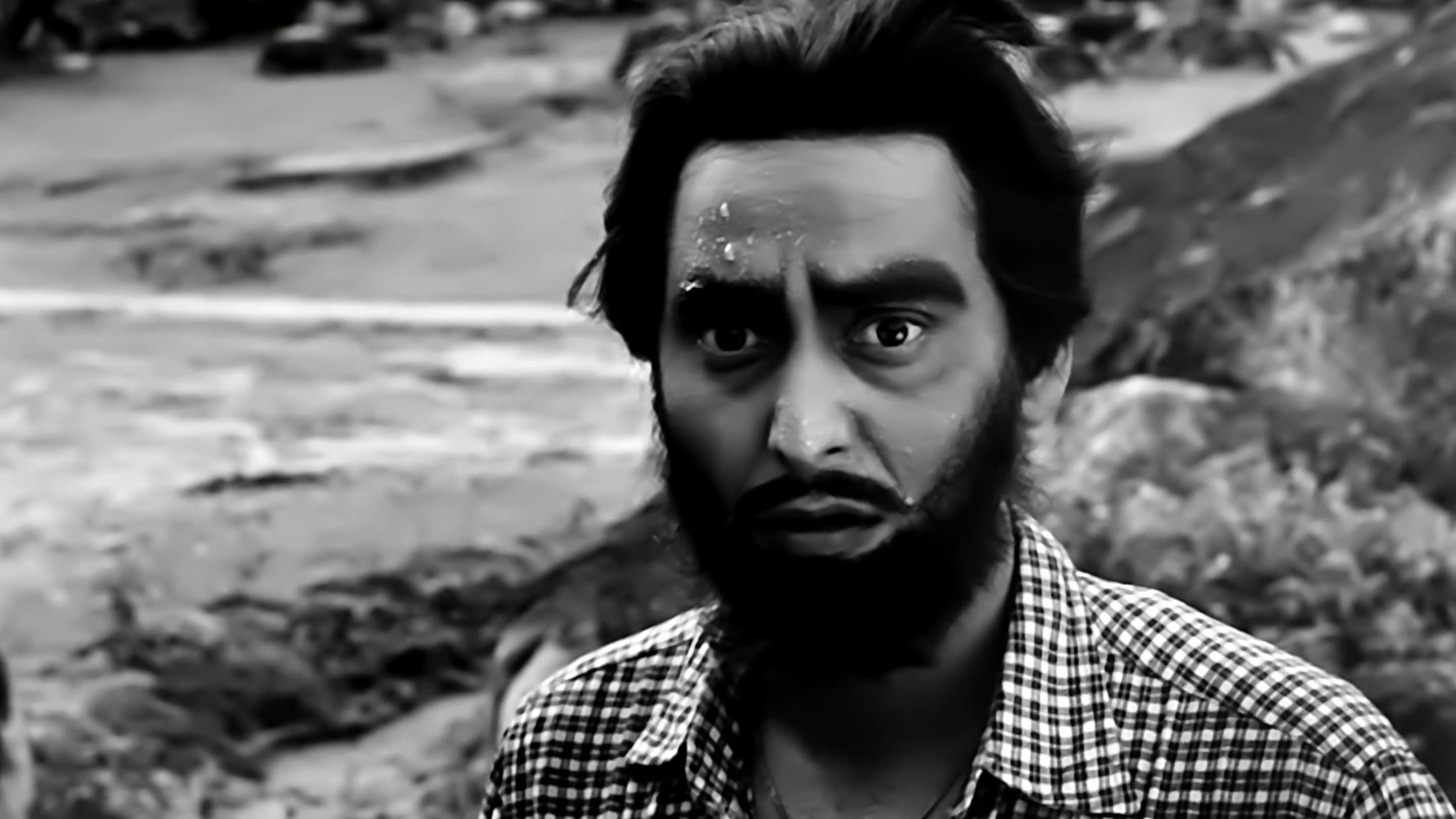

Seeing what he has become, and hearing of Gulabi’s impending sale to another member of the smuggling racket, Narsingh lunges at this fragile chance for atonement. Ray’s editing is choppy at the worst of times in The Expedition, and here the rushed pacing falters as well, though Narsingh’s superimposed vision of himself as a mythic warrior elevates his rescue into the realm of legend. As one version of himself drives with calm resolution and the other courageously rides into battle, he finally becomes the Rajput hero he has long idolised, stealing Gulabi from her carriage and whisking her away. Even at the edge of moral ruin, Ray graciously grants his wayward protagonist the hard-won restoration of honour in The Expedition, fiercely affirming those stubborn ancestral ideals that shine bright amid the encroaching decay of modern society.

The Expedition is currently streaming on Amazon Prime Video.