
Satyajit Ray | 1hr 57min

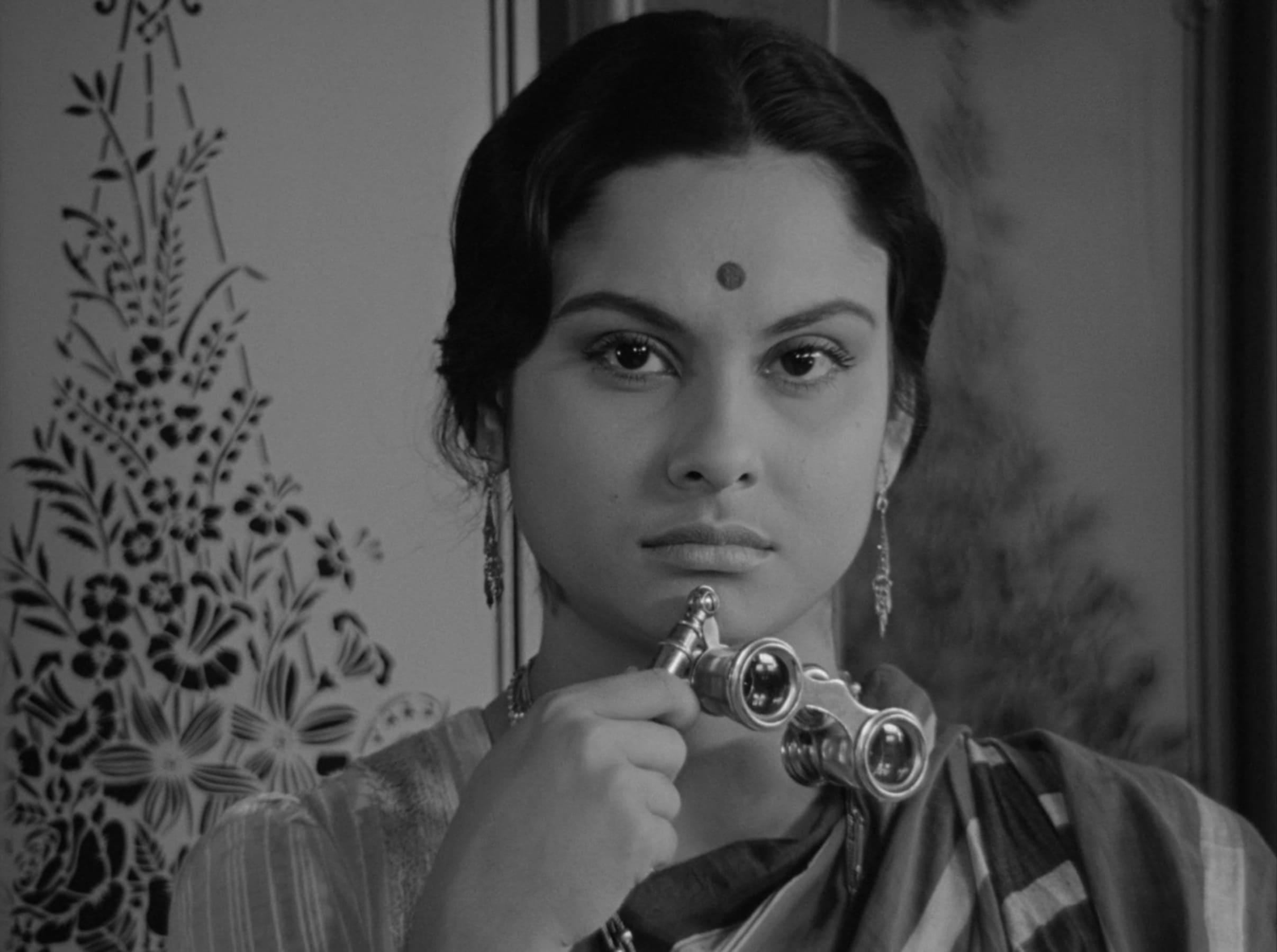
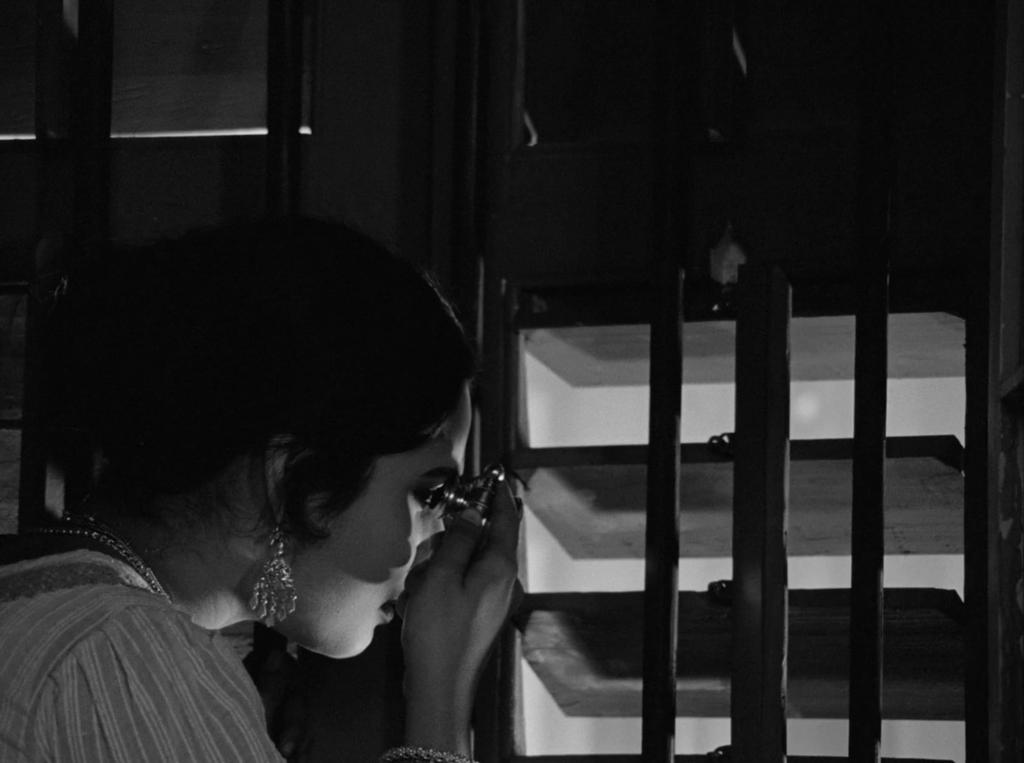
Within the opulent Kolkatan home where the upper-class housewife Charulata resides, little offers her genuine intellectual stimulation. This is hardly a reflection on her husband Bhupati’s own cerebral pursuits, though his devotion to political journalism and reformist ideals under the British rule of Bengal leaves little room for domestic companionship. Instead, her lonely days are spent embroidering, reading, and, with a pair of theatre binoculars in hand, spying on those whose ordinary lives pass by her window. Peering through those two circular peepholes, we view a man walking a pair of monkeys, workers moving a large cabinet, and a plump gentleman disappearing from the frame. Silently rushing to adjacent windows, she continues to follow his path, before eventually sitting down to tinkle keys on the piano.
Hers is not an exciting existence by any measure, but Satyajit Ray’s subtle choreography of camera and blocking in Charulata elevates this mundanity into hypnotic fascination. Framed behind wooden bedposts and against elaborately patterned wallpaper, she often appears a prisoner within her own home, hemmed in by the ornate décor which lavishly adorns her otherwise privileged life. Through the power of pure visual storytelling, we thus begin to understand the desires and frustrations that shape Charulata’s gilded isolation – yet when Bhupati’s cousin Amal comes to stay, we soon find this stillness disrupted by a rush of repressed, forbidden emotion.
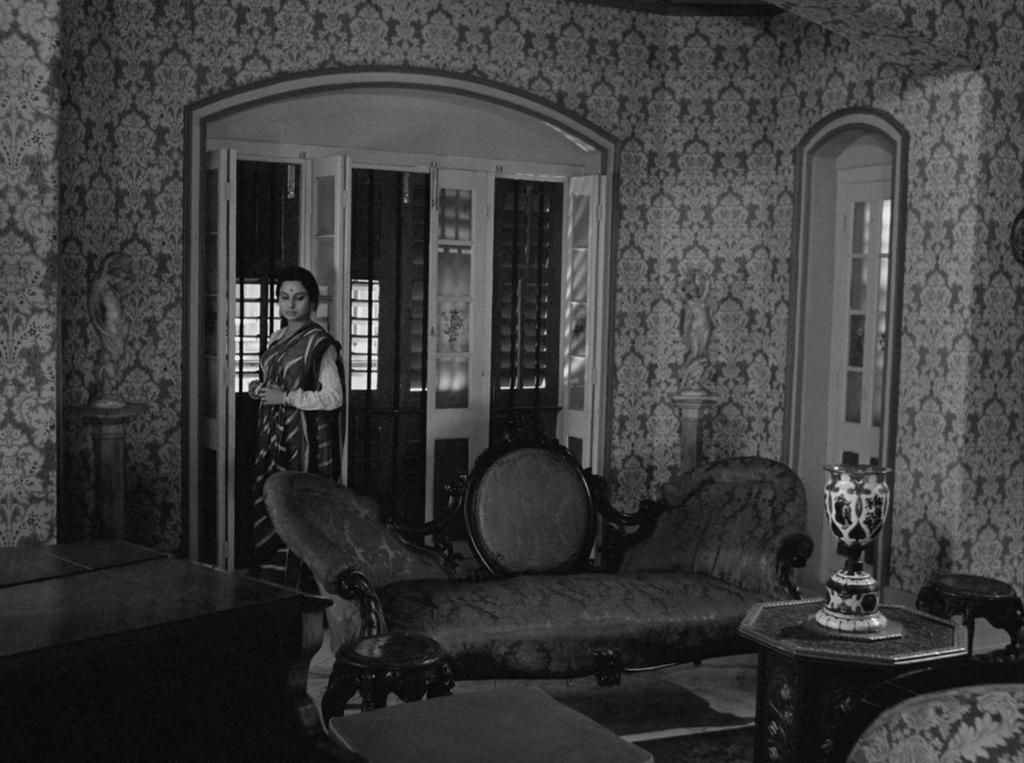
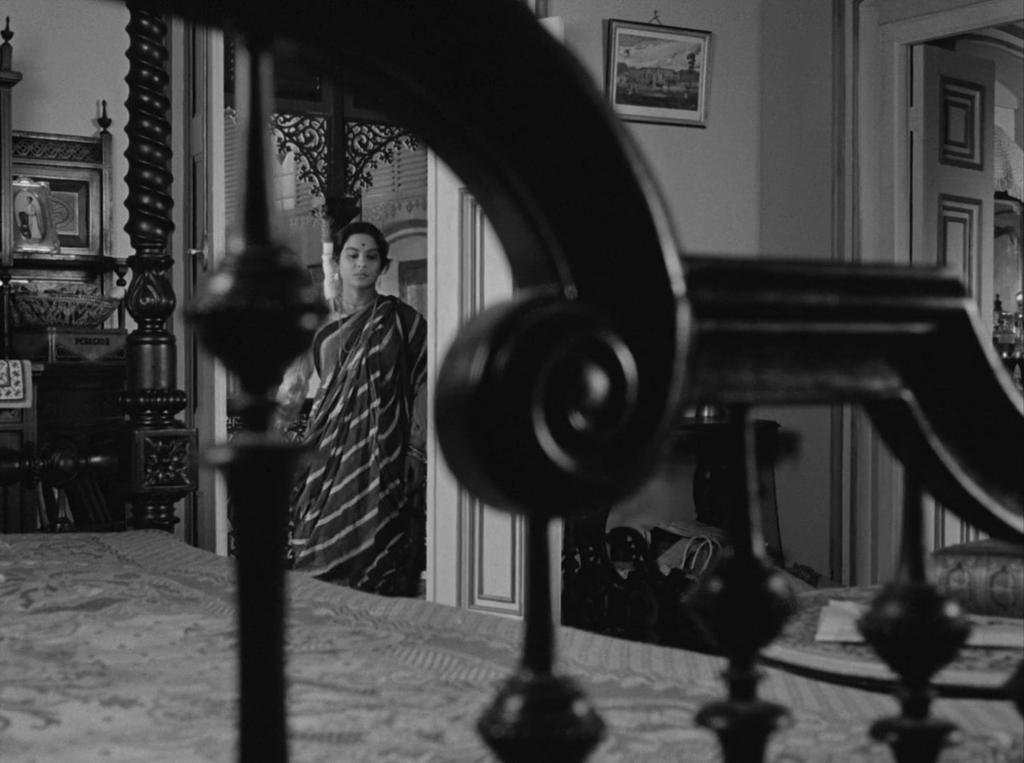
It is fitting that his arrival coincides with a violent shift in the weather too, whipping up vicious winds and throwing her stable life into turmoil. After all, in Ray’s rich visual tapestry, there is a delicate, impressionistic interplay between these characters’ emotions, environments, and destinies – though this is no surprise given his ardent admiration of Jean Renoir’s poetic realism. His camera is as liberated as ever, deftly shifting from one layered composition to the next, and using its full depth of field to explore the complicated romantic entanglements between Charulata, Bhupati, and Amal. Especially when Charulata and Amal stroll through the garden, Ray directly invokes the romantic fluidity of Renoir’s featurette A Day in the Country, fixing his camera to a swing so that the entire world seems to whirl around her as she sways and sings.
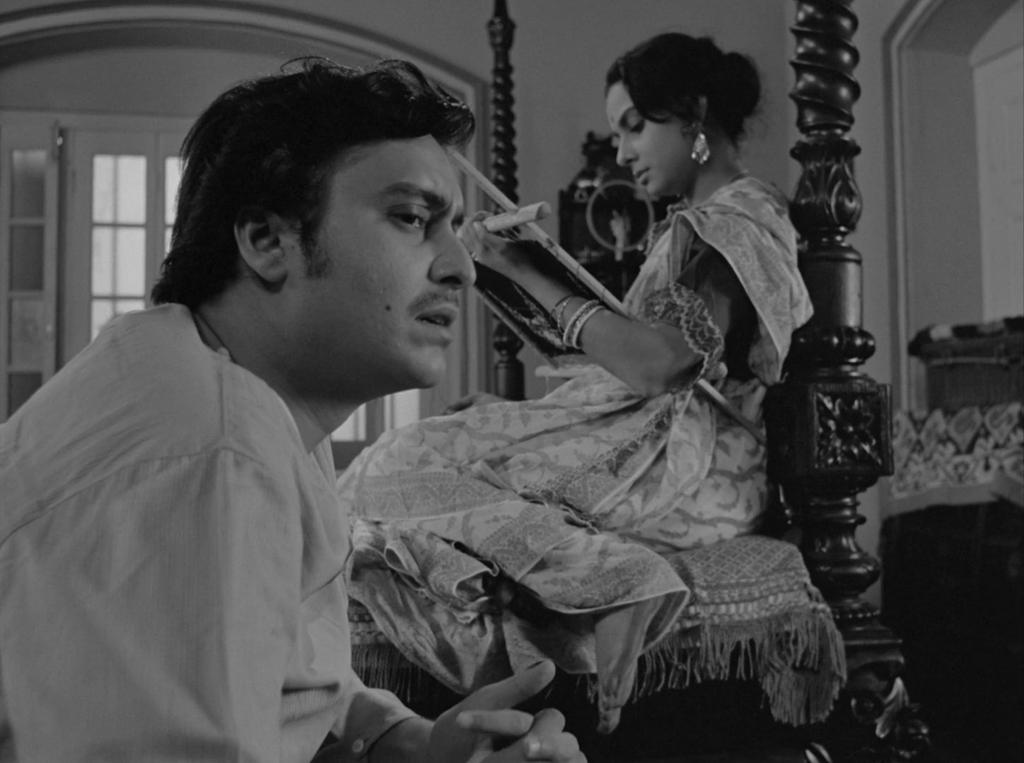
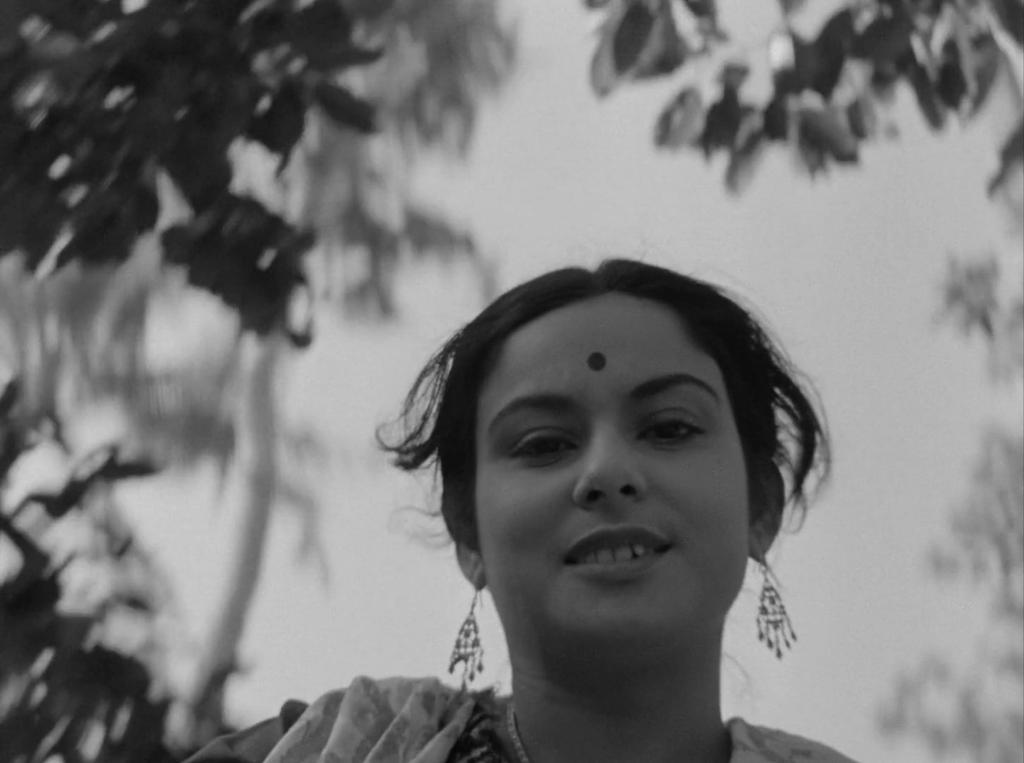
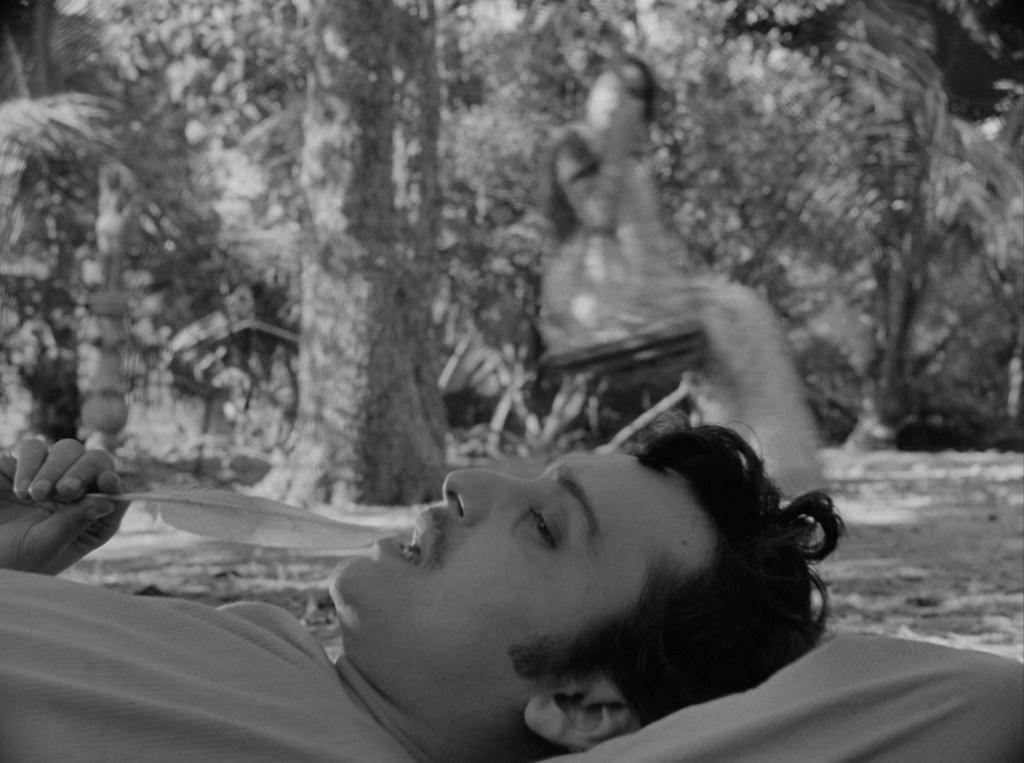
Charulata may be prone to fanciful notions of romance, yet she is no flighty dreamer. Her connection with Amal is based on a mutual appreciation for words and ideas, with just enough tension between their opinions to spark spirited debate and the subtle thrill of intimacy. Given Bhupati’s preoccupation by his newspaper, Charulata is effectively isolated in her marriage, allowing small displays of affection to acquire a tantalising significance. Especially when she crafts a personalised notebook for Amal and requests that its contents are limited to their eyes only, an unspoken warmth hovers between, spurring the aspiring writer into a creative reverie that gleams with inspiration through Ray’s elegant montage of dissolves.
Following Madhabi Mukherjee’s sensitive performance in The Big City, Ray’s casting of the Bengali actress in Charulata offers her an even greater canvas to explore the inner life of another housewife confined by social expectations. Even when the narrative edges towards melodrama, she is never one to overplay emotions, instead mesmerising Ray’s camera as it settles into tight, vulnerable close-ups on her subtly expressive face. When an offer of marriage arrives for Amal, the lighting too dims with her sinking mood, casting shadows across Mukherjee’s softly luminous features as she absently fidgets with her embroidery needle and thread.
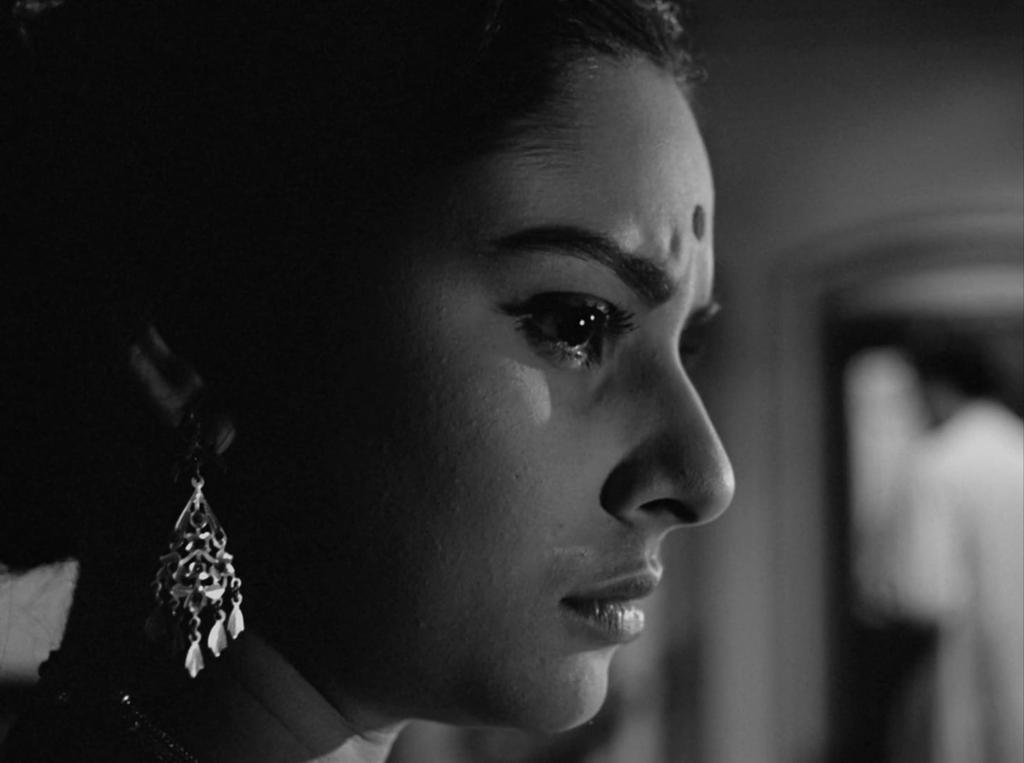
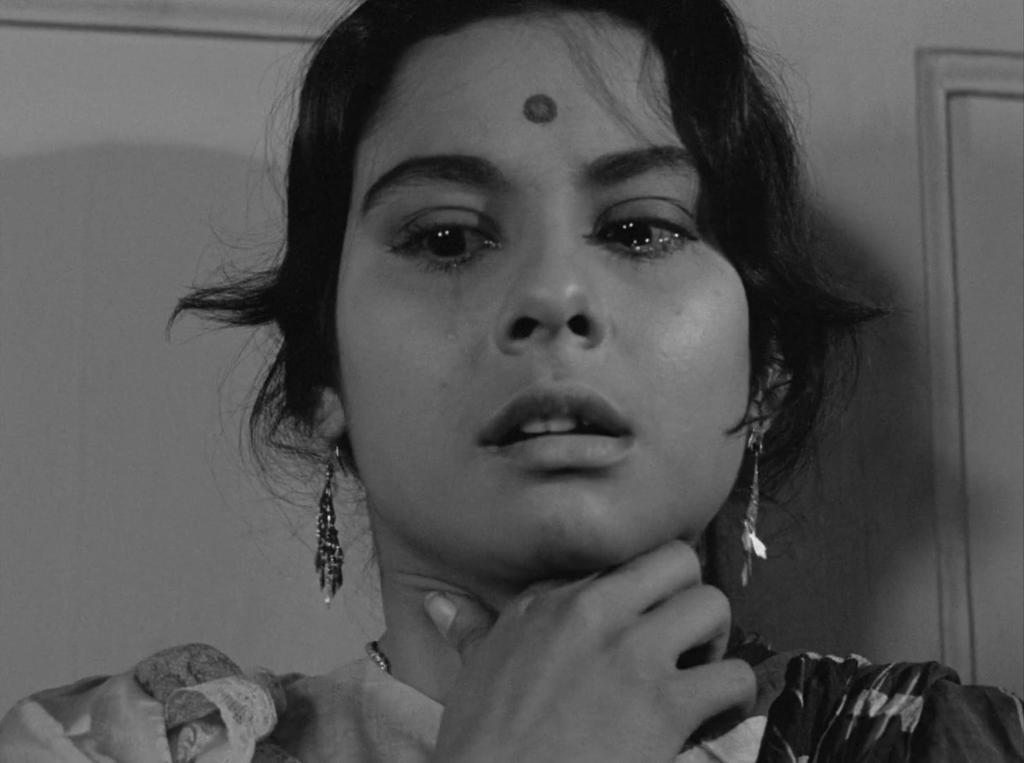
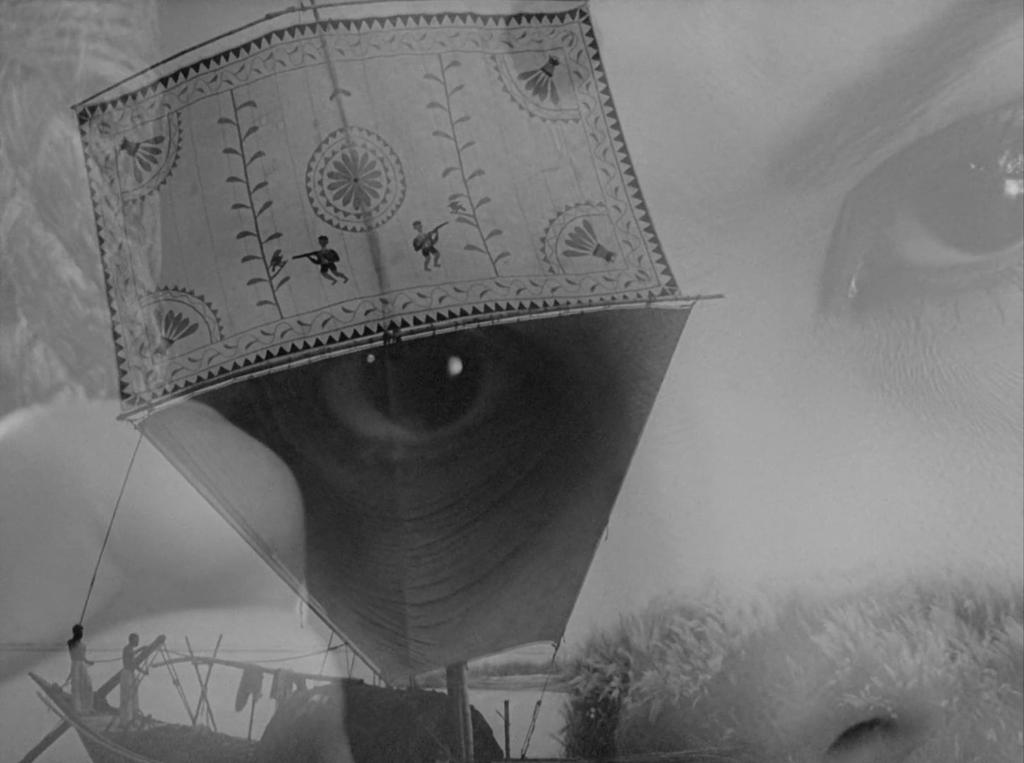
Guilt eats deeper into Charulata’s mind from here, but so too does her creativity flourish alongside it, as Ray reaches further into her subconscious than ever through a dreamy montage of traditional festivities, boats, and dancers. Gently swaying on her swing, Mukherjee’s yearning eyes gaze off into the distance, forming the radiant centrepiece of Ray’s extreme close-up while double exposure effects drift these visions in and out of focus. Finally emboldened to put pen to paper, Charulata thus has her first essay published in the prestigious journal The Philanthrope – yet despite Amal’s awed praise of her writing, she is overcome with tears.
“I’ll never write anything again,” she cries, holding her cousin-in-law close. Her talent is undeniable, surpassing even the men around her, but still she clings to a guilt entwined with her conflicted, romantic feelings. In this Renaissance society of progressive yet patriarchal intellectuals, creativity and desire are twinned forces, and Charulata ruefully recognises the tragic impossibility of reconciling either within the rigid confines of her marriage.
That Bhupati remains so principled, virtuous, and naïve through this emotional affair only compounds Charulata’s guilt. Even when he learns of her published article through his friends, he is only slightly humiliated that she never told him first, before ultimately embracing the news with pride. It takes the betrayal of Charulata’s brother Umapada to shake his belief in goodness, even shutting down the newspaper upon finding that this man he entrusted with its finances has run off with a sizeable sum. “If this is how one man treats another, if a man I put such trust in shows not the slightest respect, then what have we got?” he ponders aloud to Amal.
“How do we go on living? Trust, faith – are these just empty words? Is there no honesty? Is it all just sham and lies? Can you not even trust a man who’s so close to you? How can people live and work together?”
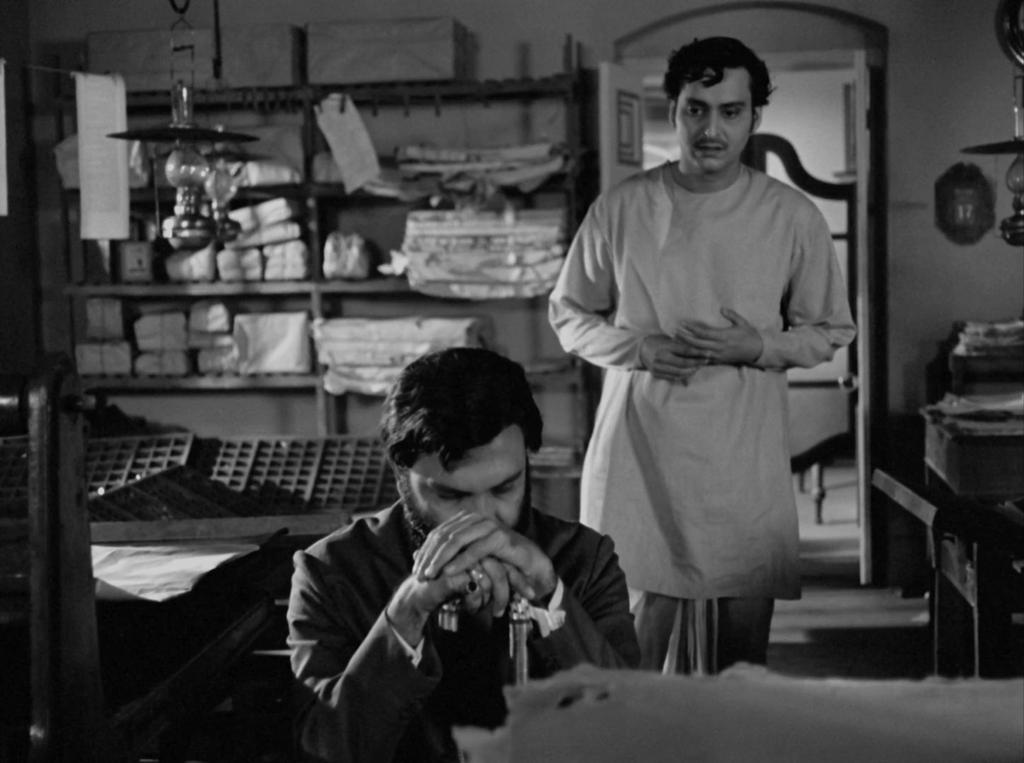
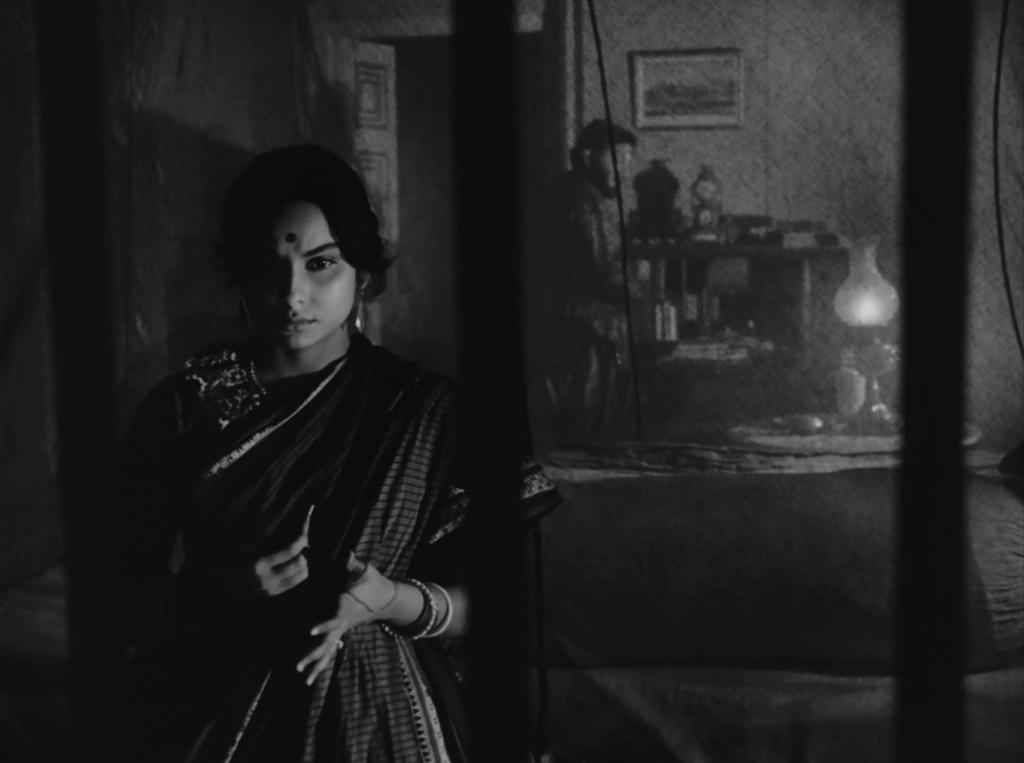
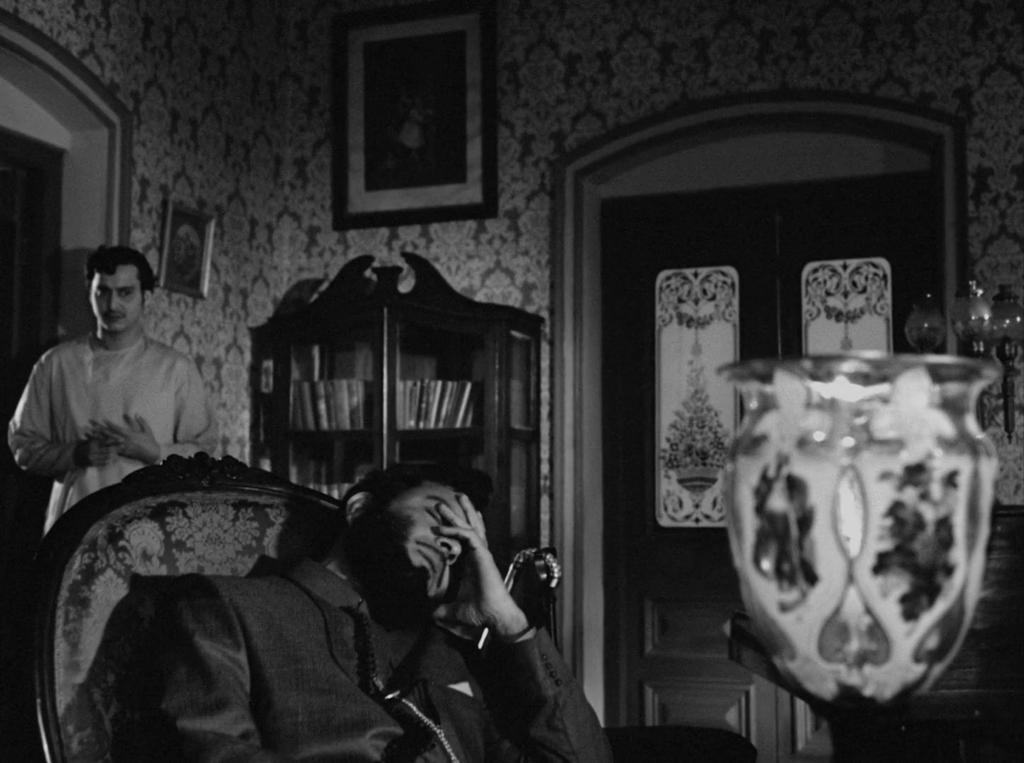
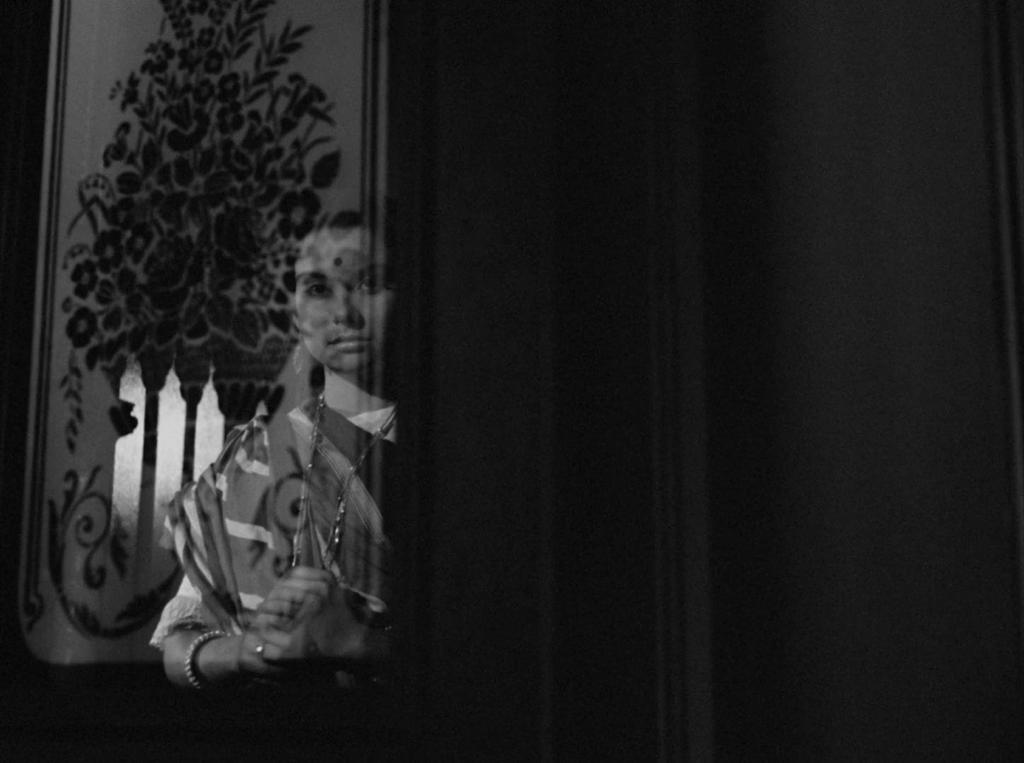
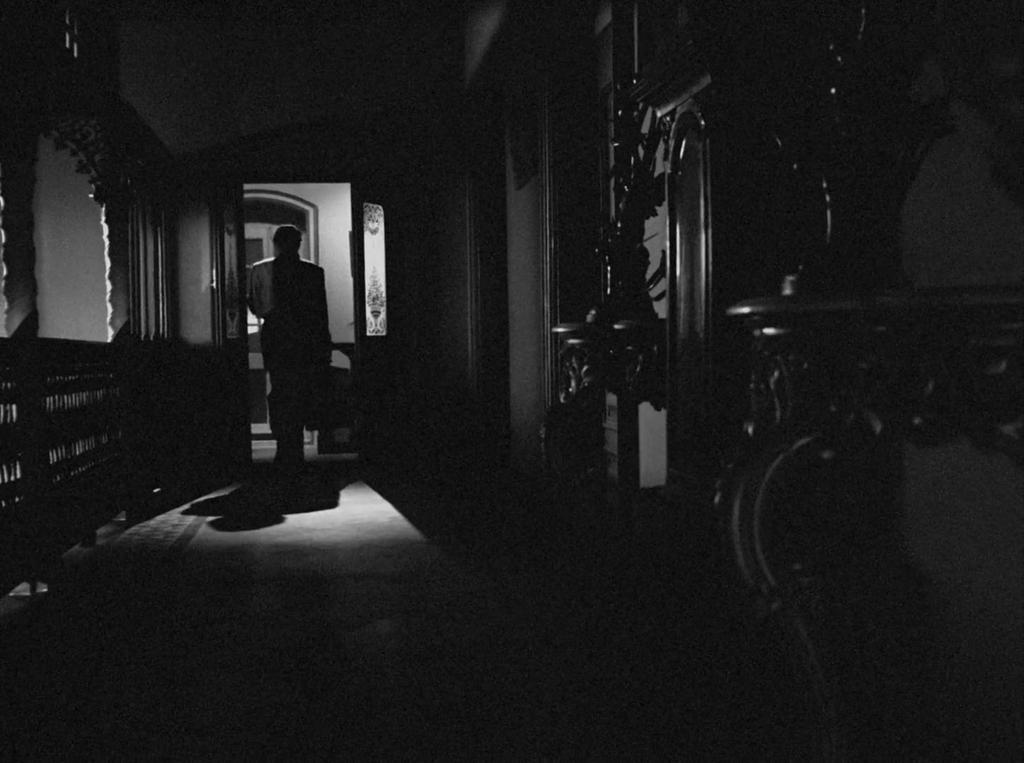
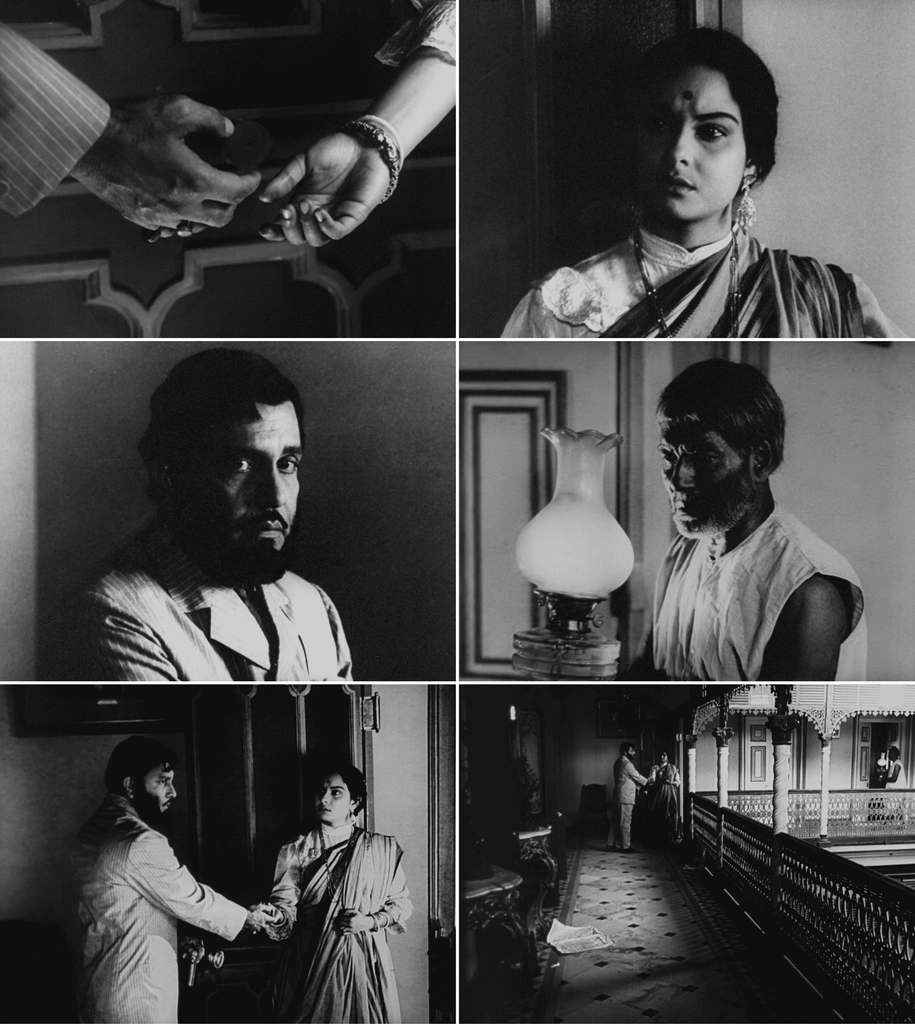
Wandering from the cluttered pressroom to his office, the once-passionate editor slumps in his chair, trapped in a richly layered shot between an oil lamp and Amal’s guilty, lurking presence behind him. Meanwhile, Charulata eavesdrops from a distance, her figure partially obscured behind the intricate patterns of an etched glass window. Both fully recognise the burden that these solemn words bear on their betrayal of his trust, and Ray frames the sequence with poetic, devastating grace. Finally, tension resolves into action as Amal slips away, his silhouette silently disappearing through a doorway.
Charulata’s grief may be insurmountable, yet there is no room to openly express it without compromising her closely guarded secret. At the very least, he has left with her with a fresh, renewed confidence, inspiring her to suggest a daring new idea – reviving Bhupati’s newspaper, and expanding its focus to cultural discourse under her editorial direction. If it weren’t for Amal’s subsequent letter, perhaps her life might have taken a brighter turn thereafter, yet that fragile hope shatters when Bhupati finds his wife crying over his cousin’s message.
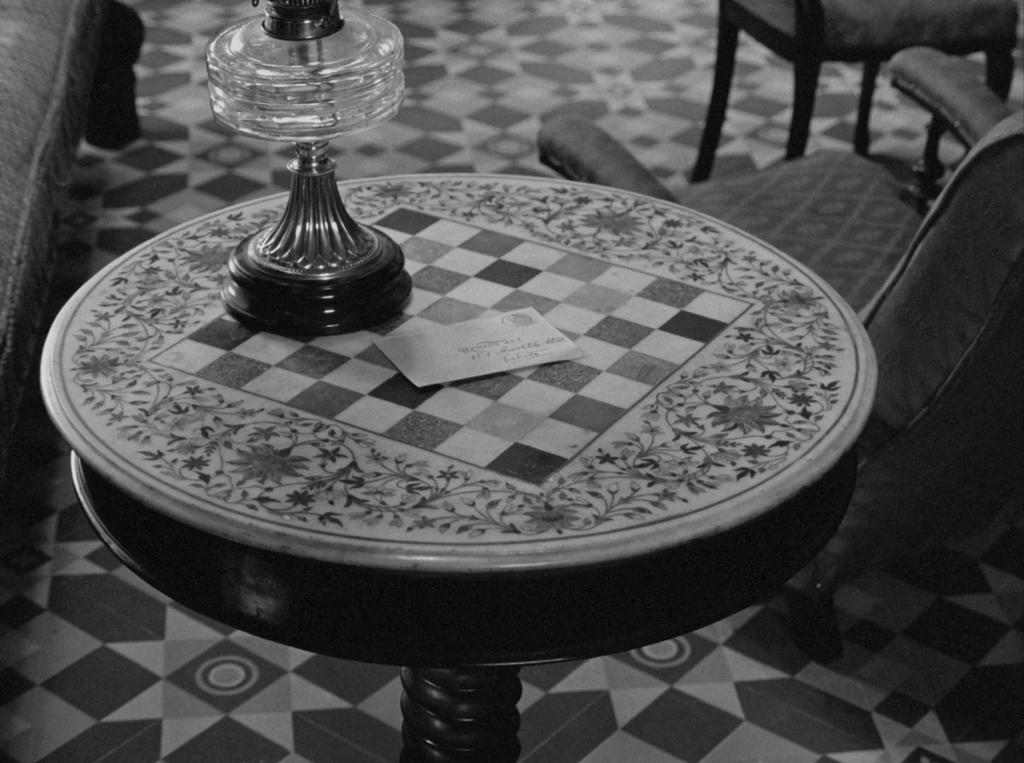
Just as a tempestuous storm accompanied Amal’s arrival, so too do these raging winds return in fury at his symbolic departure, howling through corridors and flinging open doors. Seeking privacy to mull over what he has witnessed, Bhupati leaves in his carriage as well. As Ray intercuts their solo ruminations, the silence is only filled by Amal’s voiceover revealing his decision to accept an arranged marriage proposal from another woman, sustaining the tension until the couple’s tentative reunion back home.
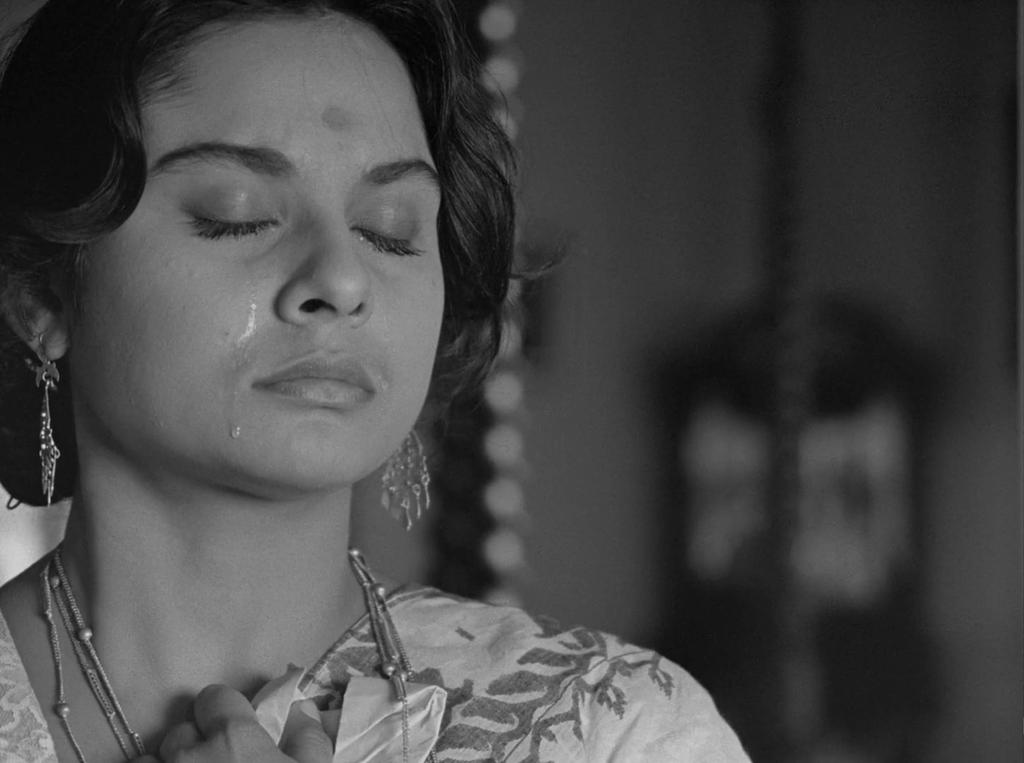
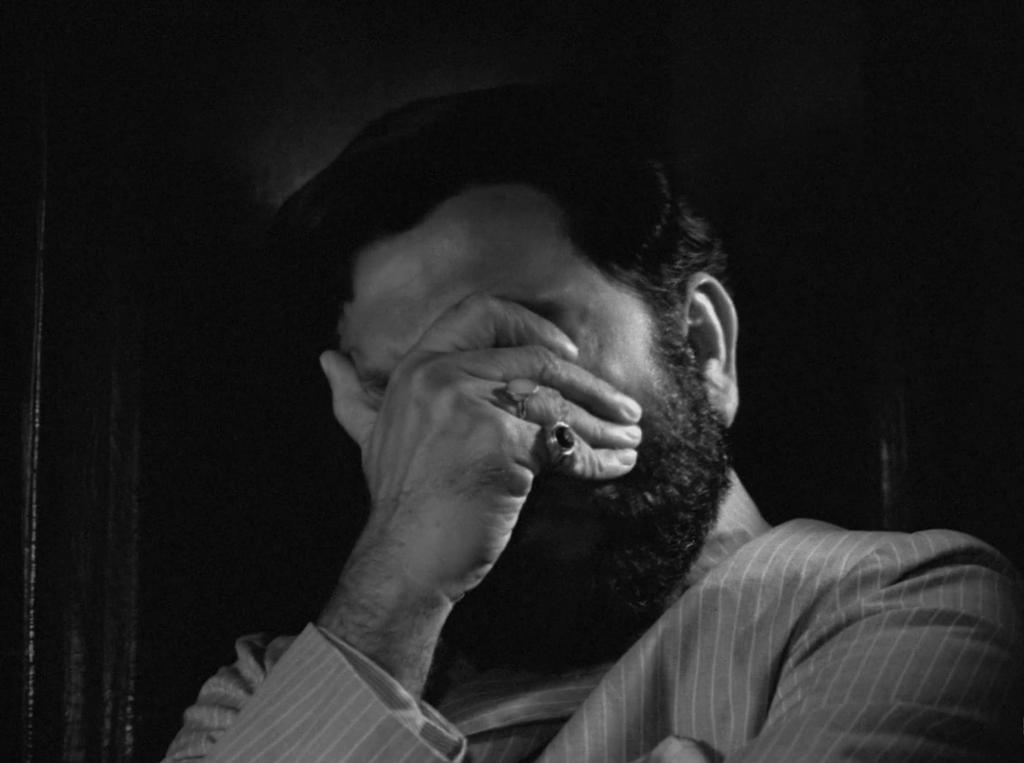
“Come in,” Charulata whispers, and averting her gaze, Bhupati reaches out to clasp her hand – only for Ray to freeze on a close-up of their open palms, hovering between touch and retreat. With the soft, trembling music abruptly ending at this moment too, and Ray flitting through a montage of still frames around the scene, we are effectively suspended in a state of unresolved intimacy. There is a mutual effort to re-establish trust here, yet the catharsis we seek through reconciliation is withheld in Charulata’s closing seconds. On a final note of haunting ambiguity, Ray purposefully maroons us in silence, arresting this secluded housewife, her marriage, and her desperation in a timeless, immobilised instant.
Charulata is currently streaming on The Criterion Channel.