Lee Cronin | 2hr 14min
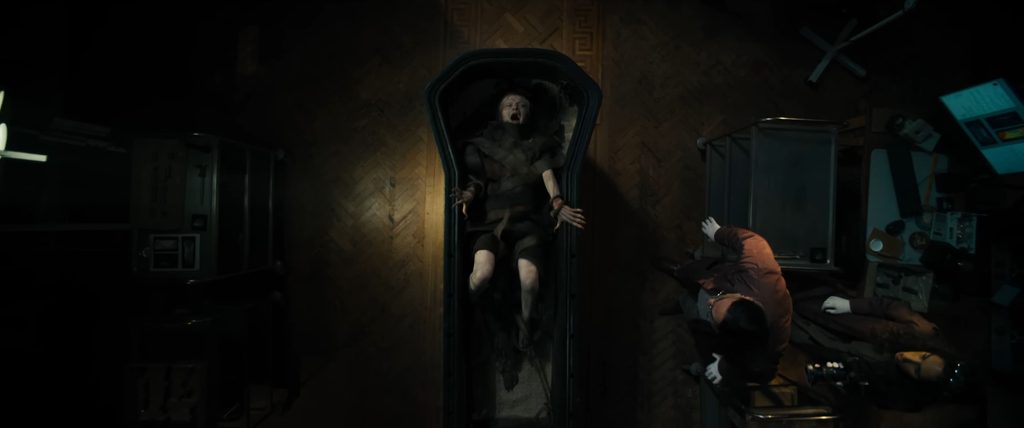
As far as any human is concerned, occultist or innocent, there is no destroying the demon that possesses Katie Cannon. Thousands of years ago in Ancient Egypt, the Nasmaranian was described as a sickness of the soul, travelling between victims and destroying entire families. Now, it can only be contained – first bound into a body, then sealing that body inside a specially prepared sarcophagus. Children are the preferred hosts, as their bodies last the longest, though this unusually cruel method of suppression is no permanent solution. Should the host die or be freed of their confines, the demon is set free – and of course, Katie’s unsuspecting parents do not know any better when their missing daughter returns home eight years after her abduction.
That Lee Cronin’s The Mummy should include its creator’s namesake is an audacious move for a director who has only made two other features, and only fully come into his own in the second. Cronin does not yet have the cultural cachet of John Carpenter or Wes Craven, and the middling reception of this latest work is unlikely to fast-track the comparison, though it undoubtedly stands as evidence of an auteur taking shape. Having previously revived Sam Raimi’s Evil Dead series with one of its strongest instalments, mutilating the relationship between a single mother and her children, he now stages a similarly perverse horror through Katie’s monstrous transformation. Switching perspectives from traumatised children to terrified parents, Cronin once again warps intimate family bonds, and violates the sanctity of an unconditional love.
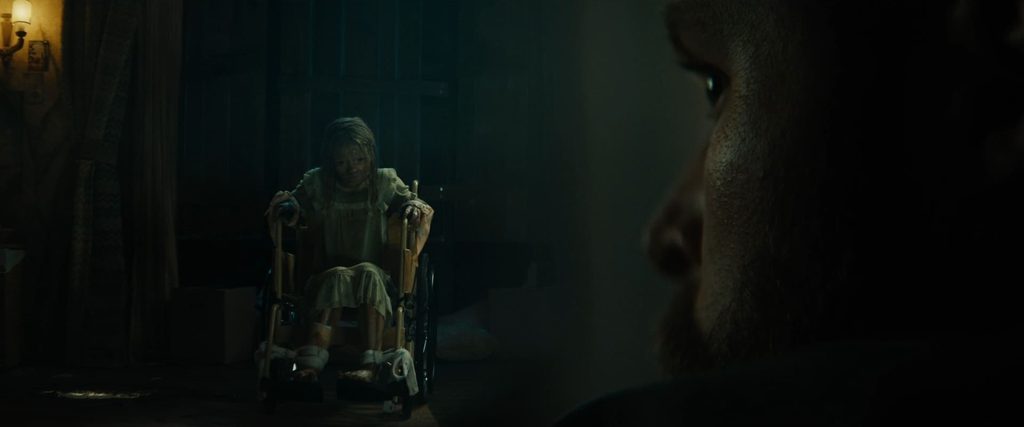
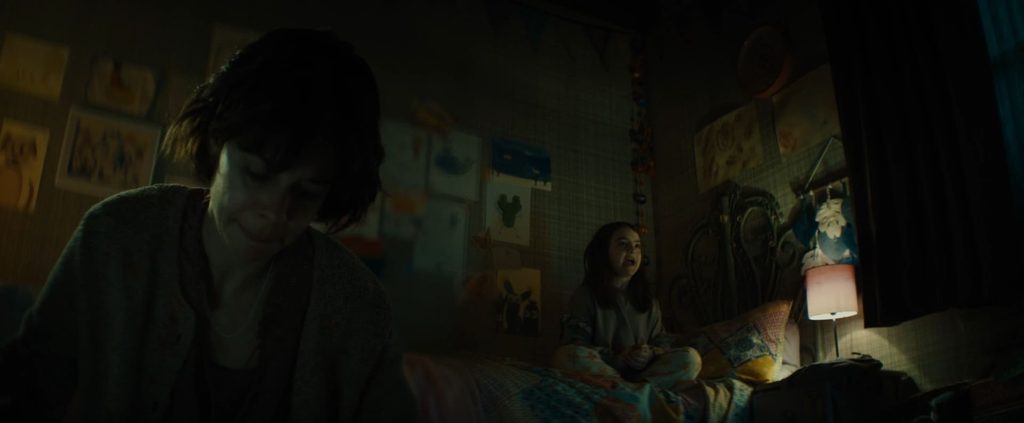
Even more than Raimi’s pulpy influence, The Exorcist serves as the clearest template for The Mummy’s possession story, particularly in Cronin’s manipulation of grotesque practical effects to desecrate childhood innocence. Katie’s decaying flesh, matted hair, and untrimmed nails are repellent enough, though his split diopter lenses push the effect even further, composing shots that isolate fetid body parts in close-ups while disturbed reactions in the background reflect our revulsion back at us. When combined with his canted angles and murky green lighting, the image itself distorts with the Nasmaranian’s sepulchral power, mounting a suspense that inches us closer to ancient, apocalyptic ruin.
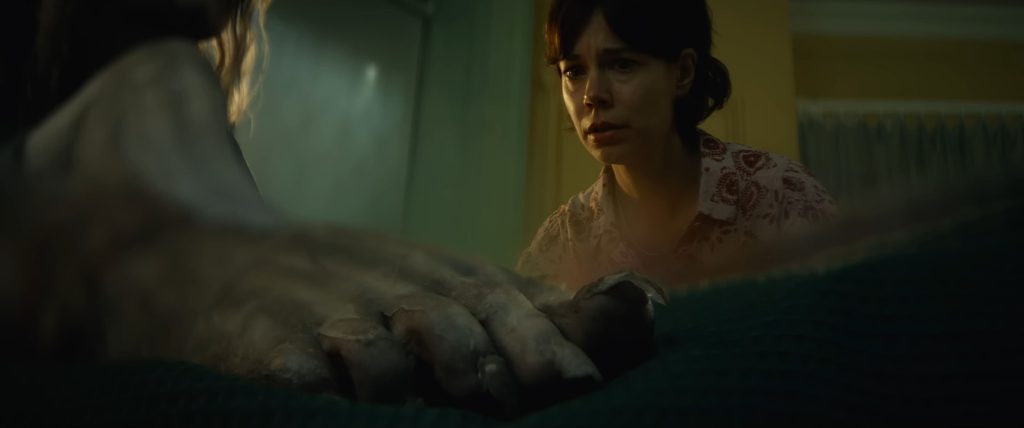
This is not a particularly original story after all, especially given its clunky one-liners and familiar plotting, yet Cronin’s absolute dedication to craft over dialogue handily elevates The Mummy beyond its clichés. Its atmosphere is thick with necrotic gloom and finely attuned to Katie’s descent, stripping off layers of skin like bandages while her behaviour grows more erratic. Rather than trapping us within these domestic confines however, Cronin also balances her family’s nightmare against the efforts of Egyptian detective Dalia to track down Katie’s original abductor. Parallel editing deftly binds these individual narrative threads together, encasing necessary exposition within nauseating bursts of violence, and plunging us deeper into a conspiracy which seems to implicate a girl called Layla and a mysterious, elusive ‘Magician’.
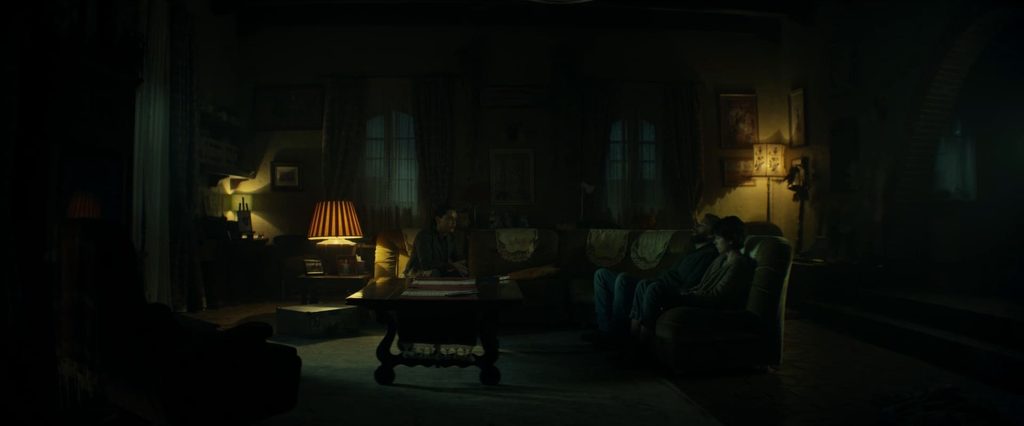
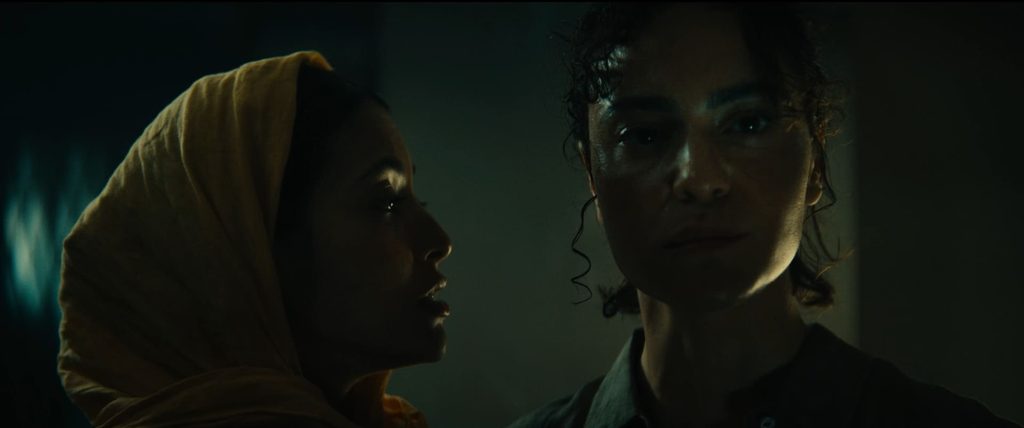
Perhaps with a few minor tweaks, The Mummy could have simply been another Evil Dead entry, though Cronin’s effort to branch out from established IP is at the very least admirable. Such assured confidence is rare among emerging directors, earning the title’s brazen claim that this film is a product of his own singular vision, and capturing both visceral body horror and psychological anguish within meticulous, off-kilter compositions. Through this formal precision, the physical deterioration of a daughter effectively becomes her family’s unresolved grief made flesh, and Cronin finds a selfless, redemptive love in their struggle to restore what homecoming alone cannot.
Lee Cronin’s The Mummy is currently streaming on HBO Max.