
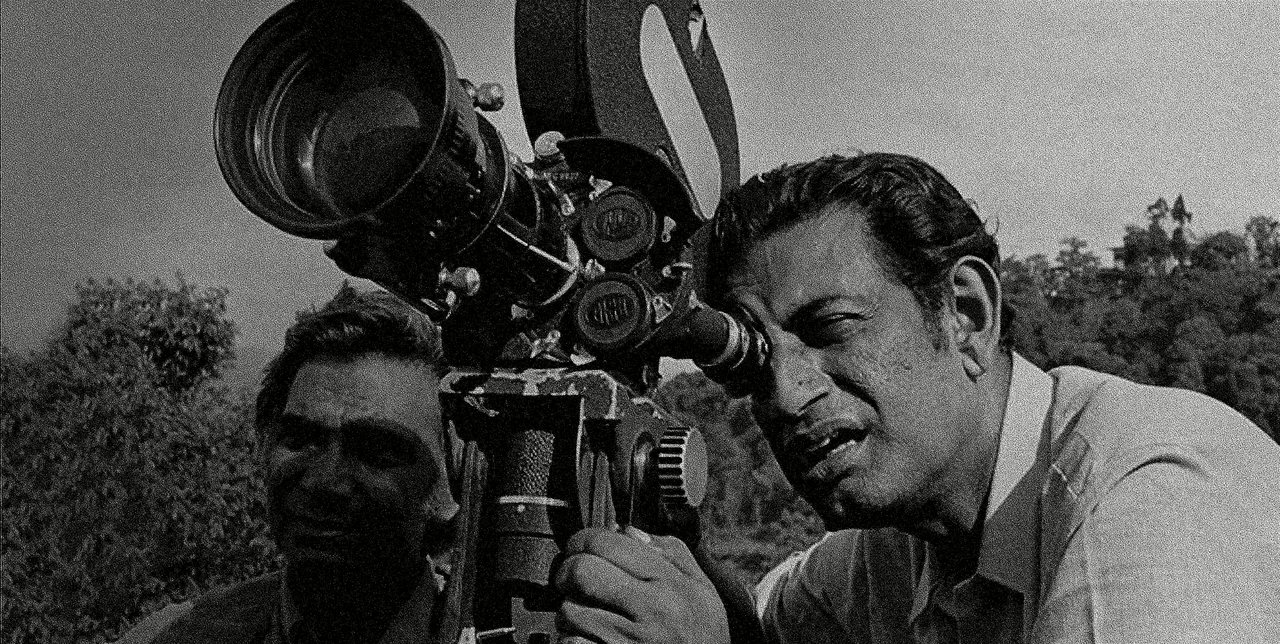
“Somehow I feel that an ordinary person – the man in the street if you like – is a more challenging subject for exploration than people in the heroic mold. It is the half shades, the hardly audible notes that I want to capture and explore.”
Satyajit Ray
Top 10 Ranking
| Film | Year |
| 1. The Music Room | 1958 |
| 2. Pather Panchali | 1955 |
| 3. Charulata | 1964 |
| 4. Devi | 1960 |
| 5. Aparajito | 1956 |
| 6. Apur Sansar | 1959 |
| 7. The Big City | 1963 |
| 8. The Hero | 1966 |
| 9. The Coward | 1965 |
| 10. The Home and the World | 1984 |
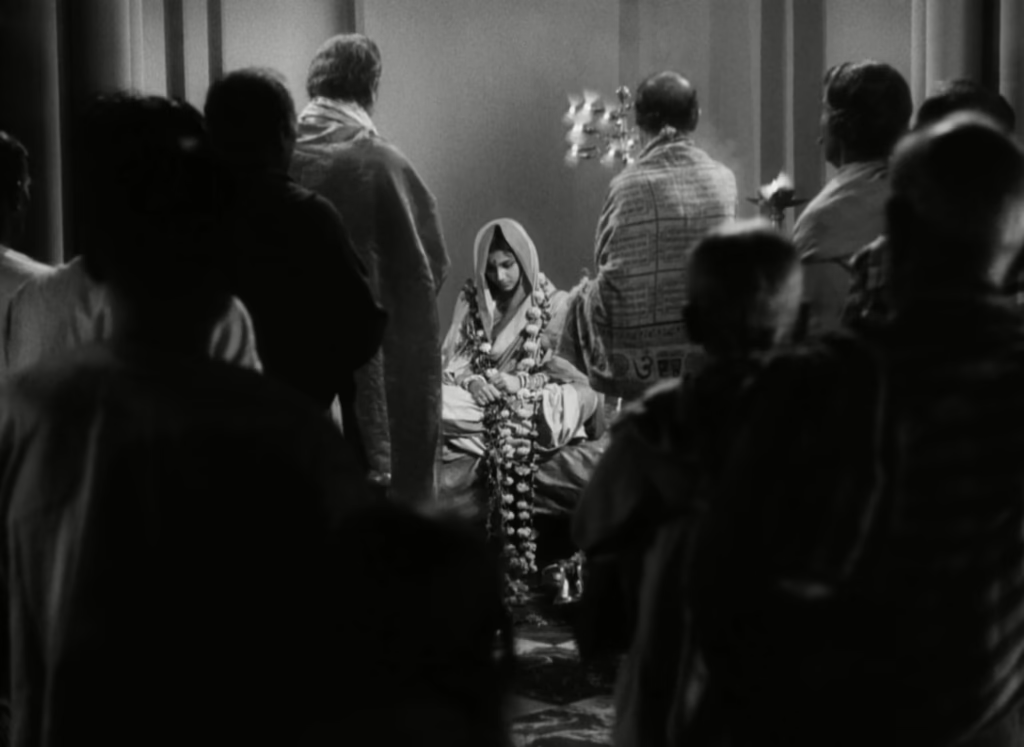
Best Film – The Music Room
Satyajit Ray is perhaps most famous for his Apu trilogy, through right in the middle of making these coming-of-age films, he directed The Music Room – a sombre, psychological fable of aristocratic decay, examining a nobleman’s ruin through two mirrored tragedies. The critical acclaim of Pather Panchali effectively granted him the resources to capture elegant tracking shots and processional camera movements within the landlord Biswambhar’s palace, conjuring an illusion of divine order that underpins his arrogant belief in class and destiny. This mysticism also inspires transcendent passion during the live performances that grace his resplendent music room, and here Ray uses classical Indian genres as formal markers of key character beats.
Biswambhar sees it as his duty to protect tradition from the mobile middle class after all, and although Ray agrees that artistic heritage deserves reverence in a rapidly changing world, he also recognises how this aristocrat’s hypocritical self-indulgence corrupts preservation into a vanity project. Through his pretensions and despair, Ray condenses the declining aristocracy of twentieth-century India into a single, tragic figure, and reveals the emptiness of a lineage propped up by nothing more than pride.
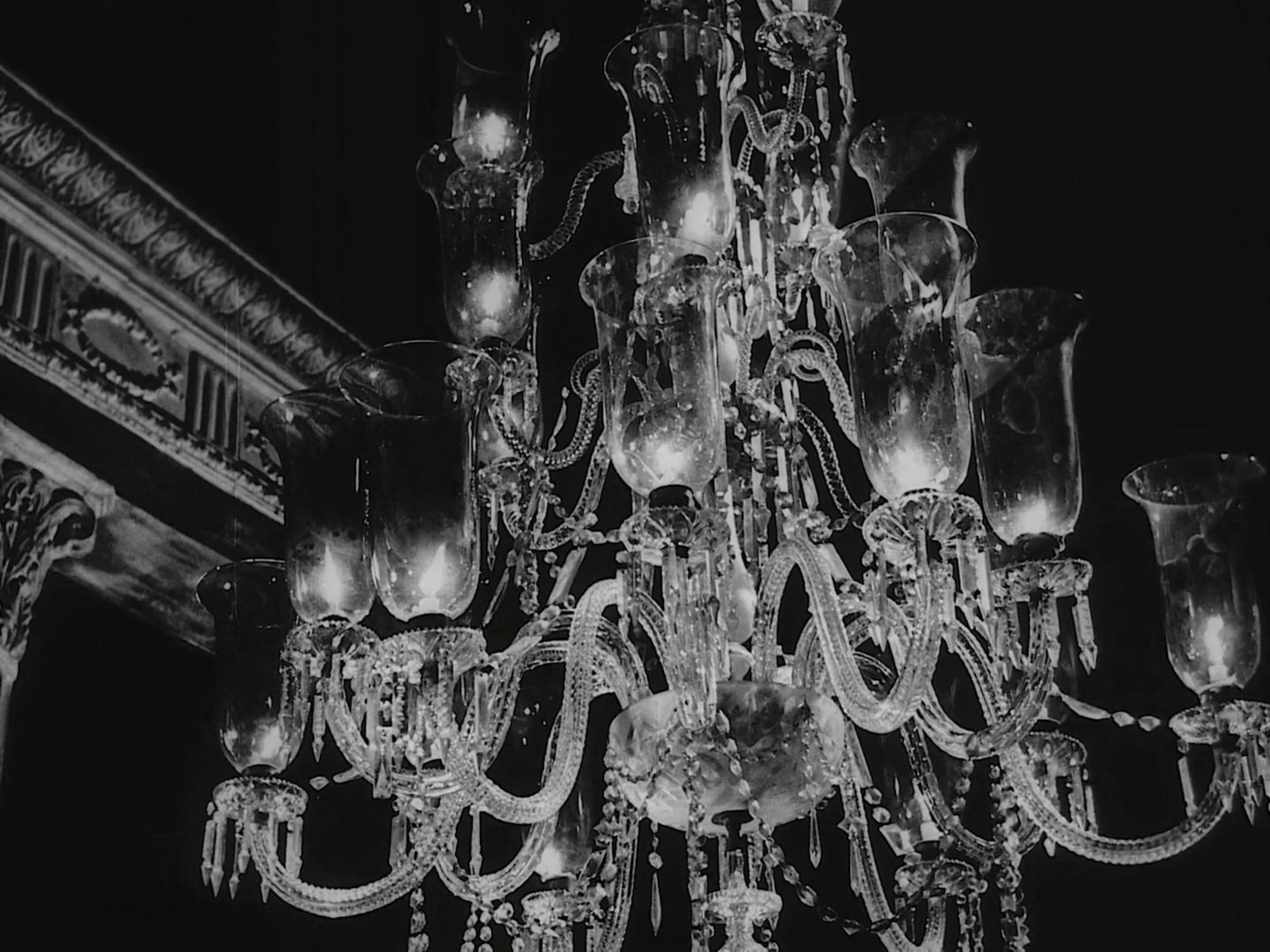
Most Overrated – Pather Panchali
Satyajit Ray’s debut firmly sits among his greatest films, but the TSPDT consensus still overrates it as the 44th best film of all time. This would place it on level with superior technical achievements such as Touch of Evil and Children of Men, though it could easily drop a couple of hundred spots. Nevertheless, Ray shows immense talent in the first part of his Apu trilogy, following his young protagonist’s initiation into the sorrows and wonders of life in a poor Bengali village, where childhood innocence unfolds against the harsh realities faced by his family.
Ray beautifully grounds this coming-of-age story in neorealist detail, contrasting the optimism of Apu’s father with the anxieties of his mother, and capturing the village’s earthy textures through unadorned location shooting. Ravi Shankar’s sitar-heavy score also becomes an emotional undercurrent for Apu’s wordless discoveries, intertwining with the natural world as monsoon storms rise and fall in tandem with the family’s fortunes.
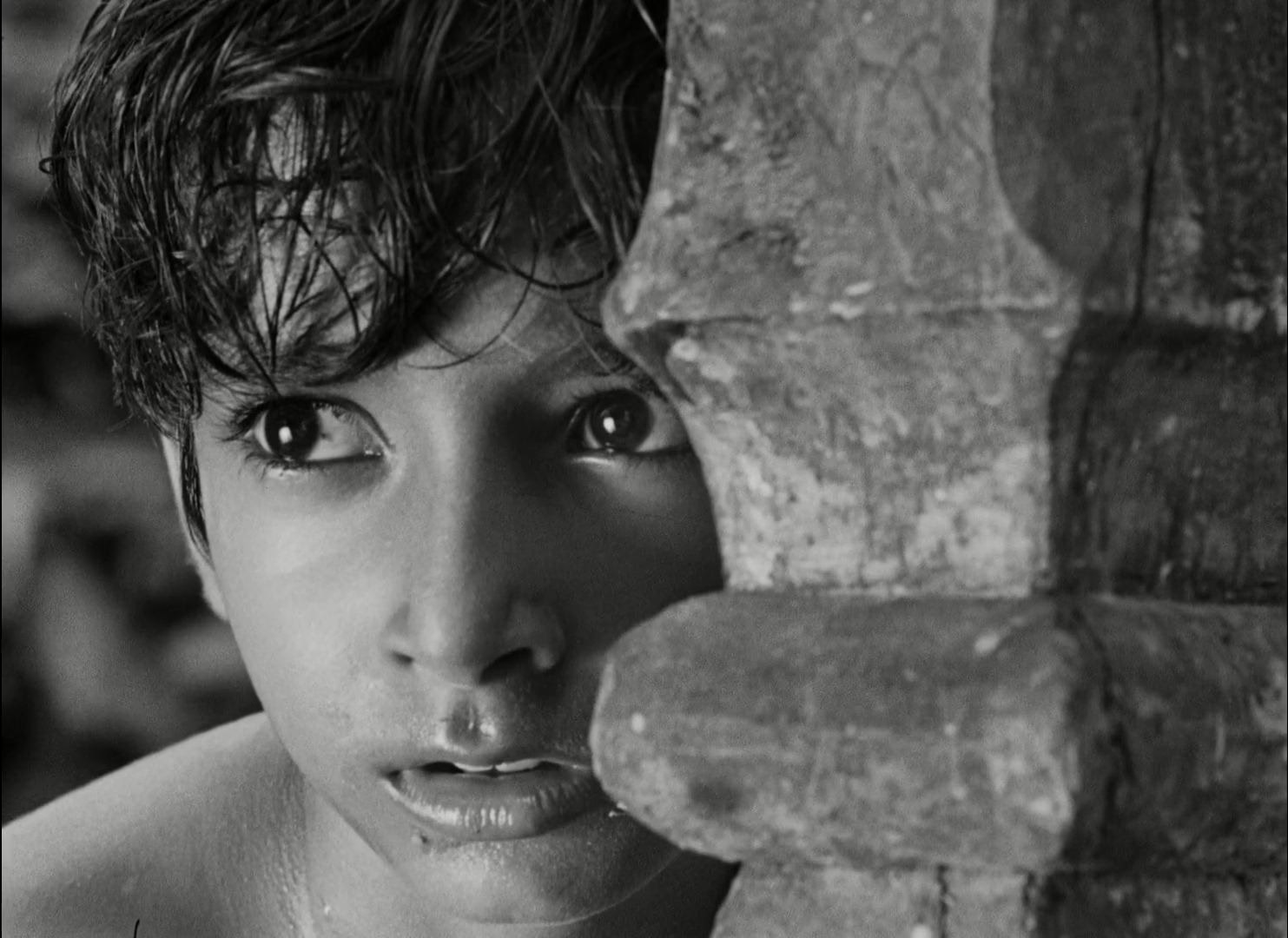
Most Underrated – Devi
It’s a crime that Devi nowhere to be seen in the TSPDT top 1000 films. This devastating psychological tragedy stands among Satyajit Ray’s best, centring a woman sacrificed to the patriarchal delusions of her father-in-law who convinces himself of her divinity. While villages flock to worship Doya, she becomes trapped within his manor, her supposed godhood leaving her powerless against such elaborate superstition and collective hysteria. Through its hypnotic movements and mesmerising framing, Ray’s floating camera is drawn into her orbit too, examining a humanity undermined by fanatical devotion.
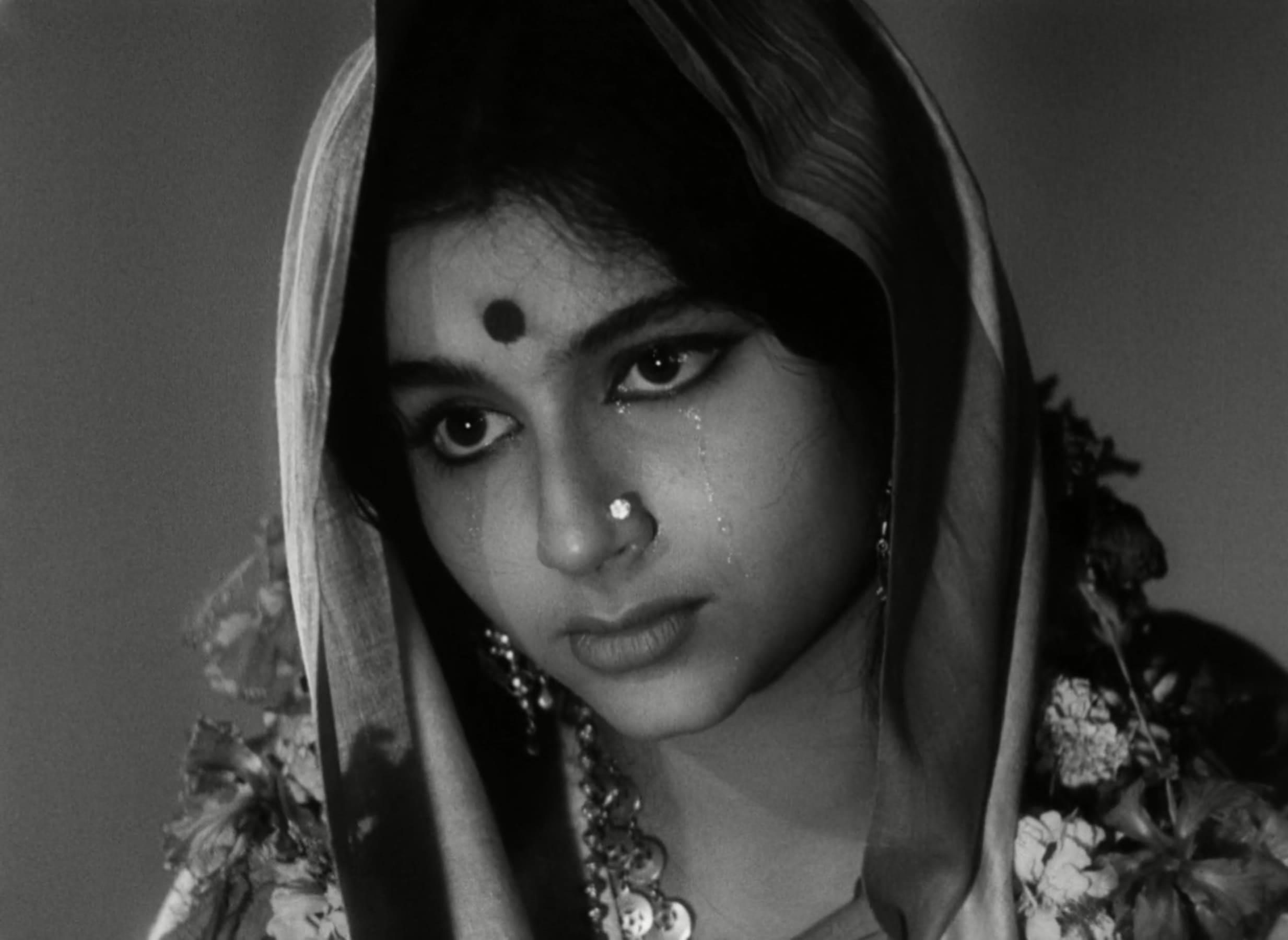
Gem to Spotlight – The Big City
Satyajit Ray’s films are often keenly attuned to the social and economic transformations of mid-century India, and The Big City particularly demonstrates magnificent formal grace as he investigates the gendered tensions produced by women’s integration into the urban workforce. This is also his first film with Bengali actress Madhabi Mukherjee, one of India’s greatest onscreen talents. Throughout The Big City, we see her leverage, embrace, and sensitively wrestle with her femininity as a working woman, succeeding as a saleswoman while rubbing up against patriarchal prejudices back home. In these shared domestic spaces, Ray’s over-crowded compositions underscore the claustrophobia that comes with generational obligation, entangling the lives of multiple family members in tense proximity.

Key Collaborator – Subrata Mitra
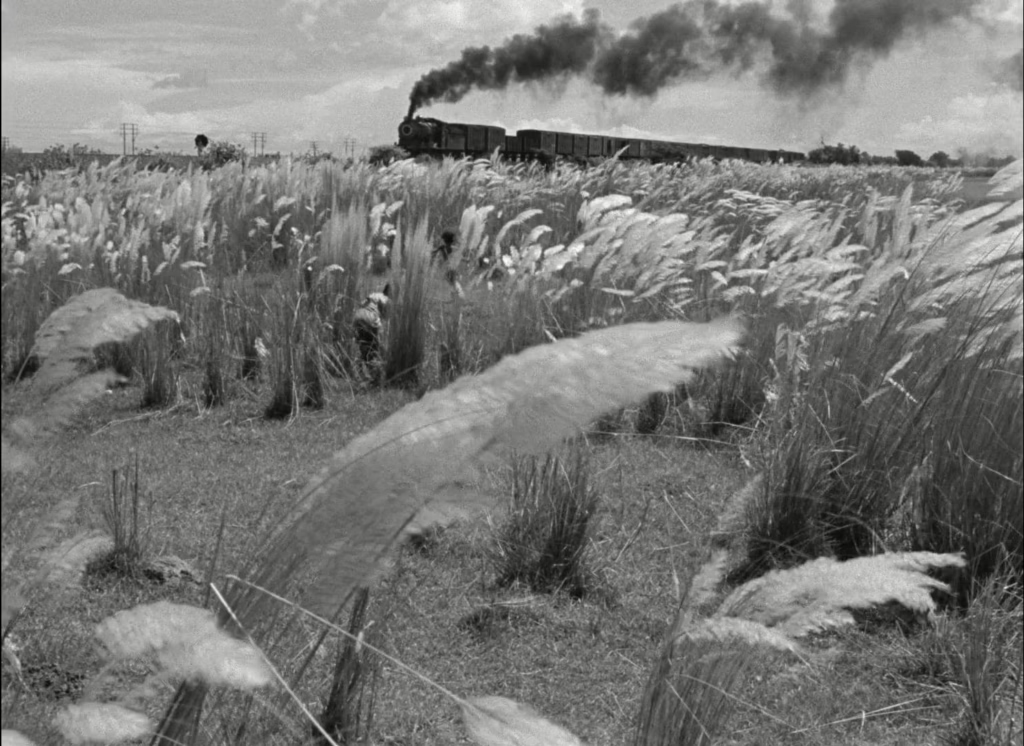
For the first ten years of Satyajit Ray’s career, he was virtually inseparable from his cinematographer, who had never used a motion picture camera before embarking on Pather Panchali. Subrata Mitra’s instinctual grasp for light and shadow is made all the more impressive by his innovation of bounce lighting, going beyond simply using walls and ceilings as reflectors, and rather matching studio lighting with location shooting through large scale diffusers. The result is extraordinarily naturalistic, attuning to the breezy forests, rural villages, and reflective rivers of the Apu trilogy, while later he pushed his elegant camera movements and ornate mise-en-scène into intricate, psychological ornamentation in The Music Room and Charulata.
Key Influence – Jean Renoir
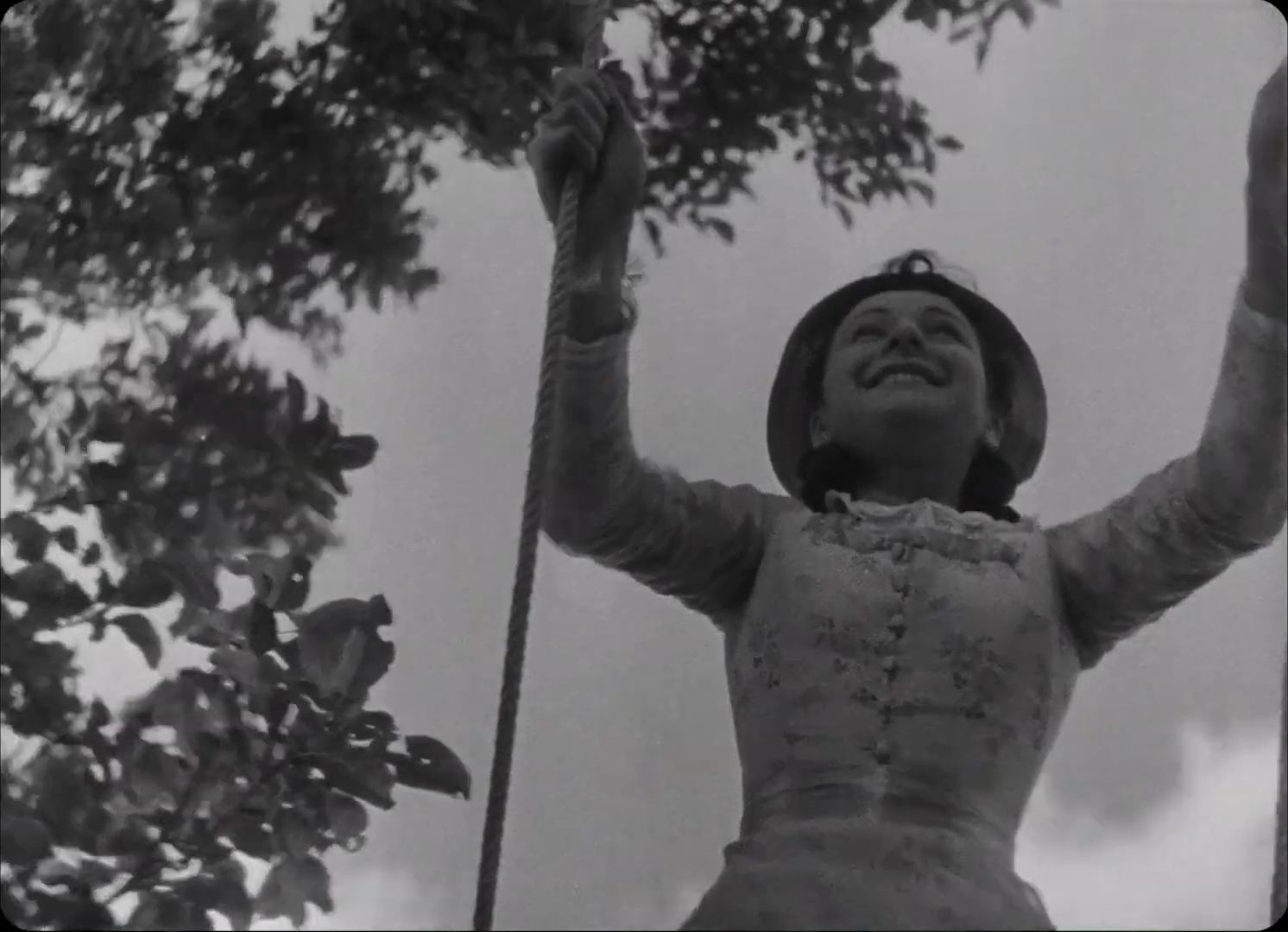
Satyajit Ray first met Jean Renoir in 1949, assisting as a location scout for his film The River while it was shooting in Kolkata. Renoir encouraged him to follow through on his plans to adapt the novel Pather Panchali, which he did six years later in 1955, though the French director’s influence on Ray’s artistic sensibility influence goes beyond that single encounter.
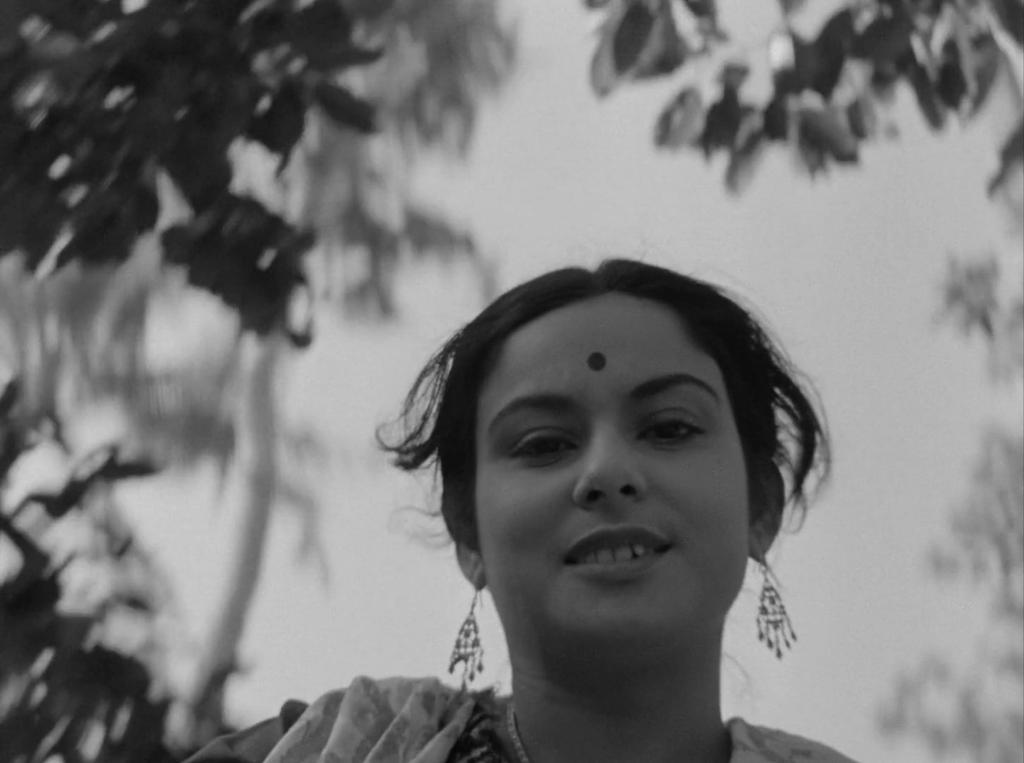
At its most explicit, we see Ray emulate the swing shot from A Day in the Country, whirling the world around his protagonist as she sways and sings in Charulata. More subtly, it is embedded in his fluid camerawork and deep focus compositions, gliding between layered compositions to trace the complex, shifting relationships between his characters. Even on a symbolic level, Renoir’s poetic realism takes on distinctly spiritual dimensions in Ray’s cinema, studying the impressionistic interplay between emotions, environments, and destinies. Ray may have credited other directors such as Vittorio de Sica for his neorealist ethos, yet Renoir remained the foundational influence on his humanistic worldview and lyrical aesthetic.
Cultural Context and Artistic Innovations
Humanist Foundations (1955-59)
Satyajit Ray had never picked up a movie camera when he embarked on his debut feature, Pather Panchali, and his crew were scarcely more experienced. His closest brush with filmmaking came in 1949, when he assisted Jean Renoir in scouting locations for The River during the French director’s visit to India – a fateful encounter that ignited Ray’s early creative ambitions. Similarly drawing inspiration from Vittorio de Sica’s neorealist depictions of post-war poverty, he thus set out to replace studio artifice with location shooting, non-professional performers, and a patient attentiveness to the rhythms of everyday life.
This was a key tenet of Parallel Cinema in the late 1950s, which explicitly rejects the song-and-dance spectacle of Bollywood, and instead explores more socially engaged themes through a realist lens. Ray especially typifies its humanist tendencies in the Apu trilogy, constructing one of cinema’s earliest and most expansive coming-of-age narratives as he traces one boy’s development from childhood into adulthood. Life is a gradual accumulation of loss for Apu, with each death preparing him for the responsibilities and realities that follow. Ray anticipates later auteurs such as François Truffaut and Richard Linklater in his empathetic observation, and much like Yasujirō Ozu, mourns the erosion of tradition while recognising the necessity of generational change.
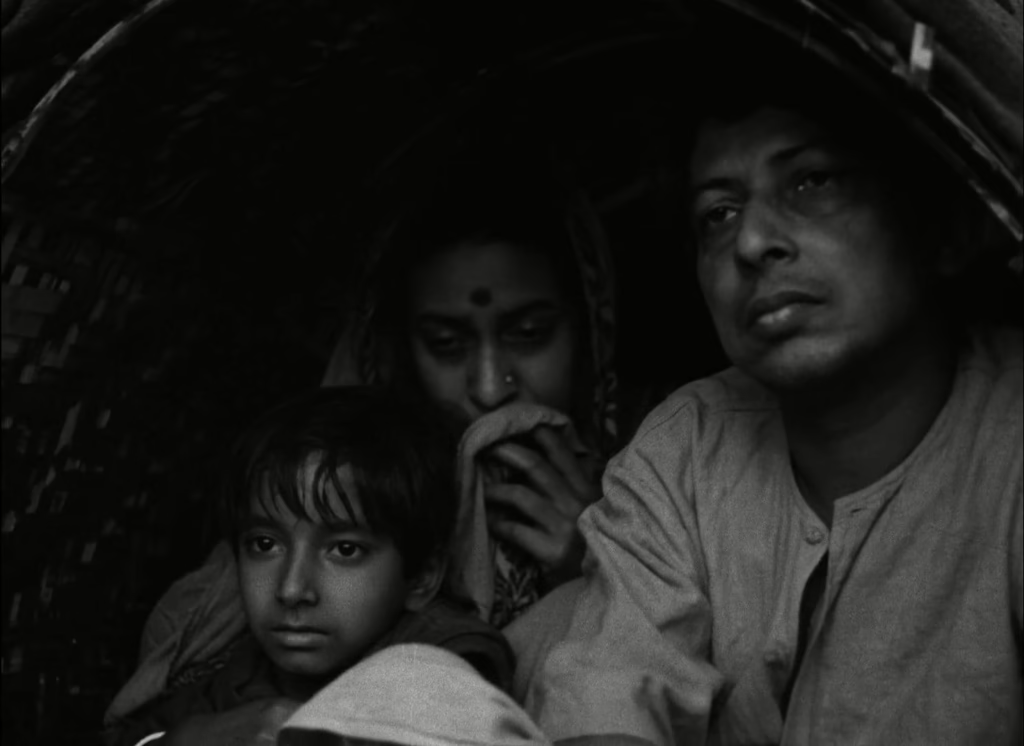
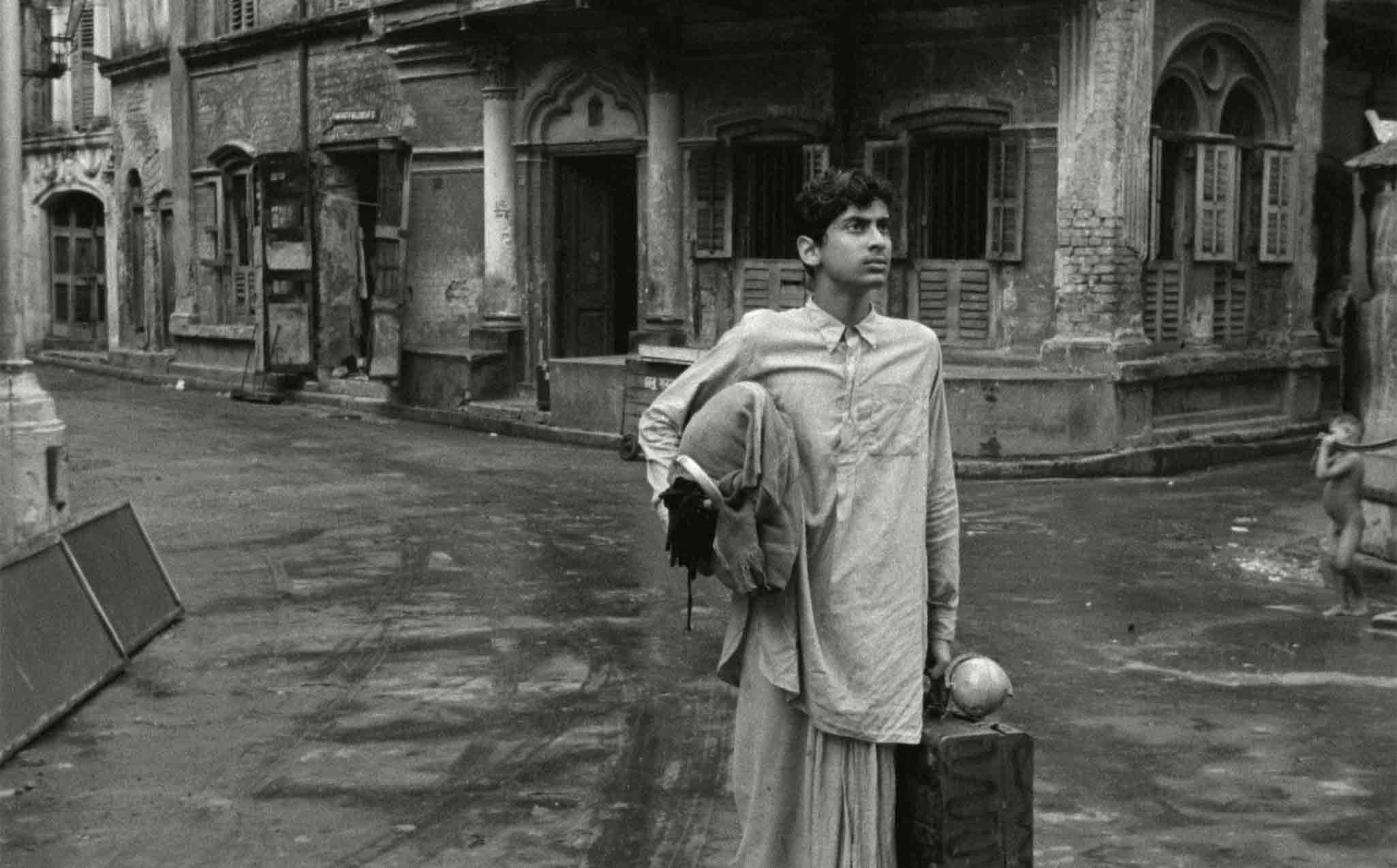
Formally, Ray’s evolving command of cinematic language mirrors this thematic maturation. The pastoral openness of Pather Panchali gives way to the visual constriction of Aparajito and Apur Sansar, seeing urban modernity break apart families and isolate individuals within crowds, stairwells, and cramped rooms. Along with his cinematographer Subrata Mitra, Ray pioneers the use of bounce lighting in this period, while also using long takes to ground these worlds in a tactile realism.

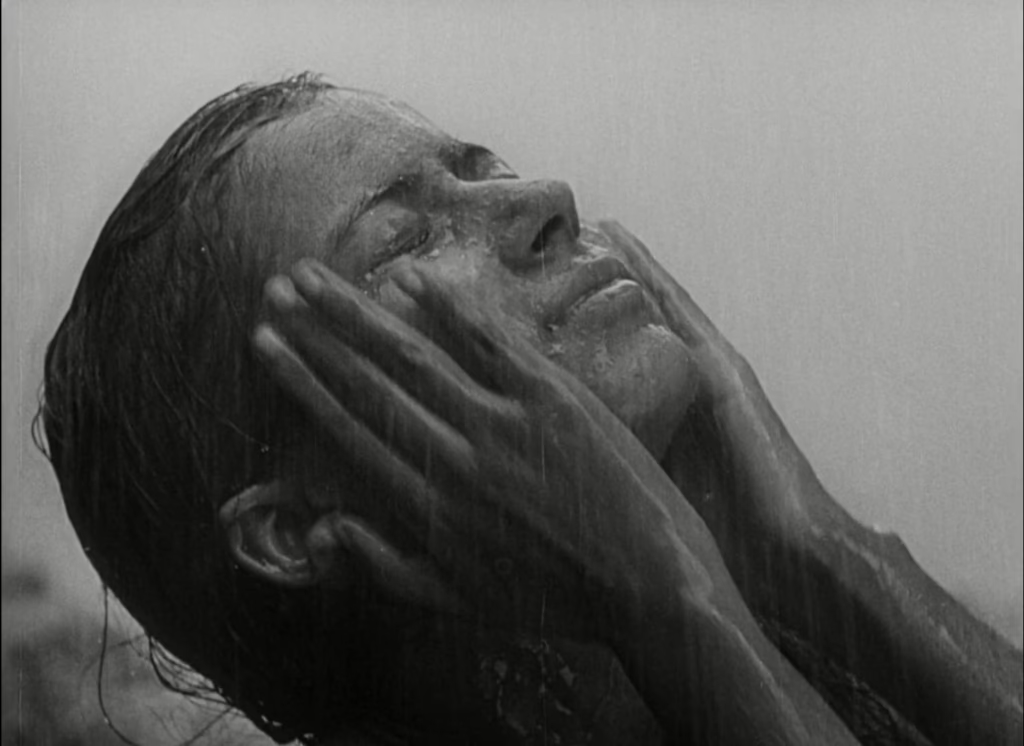
This is further reflected in his use of weather to bask in the sunny days of youth, soak in gentle rains, or usher in despair with storms – the latter of which would later emphasise emotional turbulence in Charulata. Even as his budget expanded with The Music Room, allowing for elaborate camera tracking and fluid crane shots, Ray retained a disciplined restraint that resisted spectacle for its own sake.

Music functions as a voice of traditional expression across this period of Ray’s career as well. Ravi Shankar’s sitar scores in the Apu trilogy articulate emotions that language cannot, binding individual sorrow to broader cultural and elemental forces. In The Music Room, music moves from subtext to text, representing class, tradition, and ego as forces in tension. The three live performances – thumri, khyal, and kathak – simultaneously celebrate Indian musical heritage and, within narrative context, dramatise the difference between reverent preservation and vain possession.
Although The Music Room sits distinctly apart from the Apu trilogy, foreshadowing Ray’s shift towards psychological drama, still it bears a shared sensitivity to time’s unrelenting passage. Whether following a boy stepping into adulthood or an aristocrat ruined by his own illusions, Ray consistently returns to the same fundamental question – how does one live with dignity in a world of inevitable loss and unforgiving progress? His answer avoids both nostalgia and cynicism, and rather settles with compassion, carrying through to the next stage in his career.

A Metaphysical Turn (1960-66)
Leaving the Apu trilogy behind, Satyajit Ray’s films continue further down the path of The Music Room, interrogating belief systems that hinge on religious, social, and moral convictions. While he maintains a sense of realism in The Big City and Charulata, he also frequently evokes a fable-like mysticism, particular in the dark fatalism of Devi. Just as he once depicted a proud landlord undone by his own hubris, here Ray orchestrates the collapse of another great Indian household, though this time at the hands of misguided religious fanaticism.
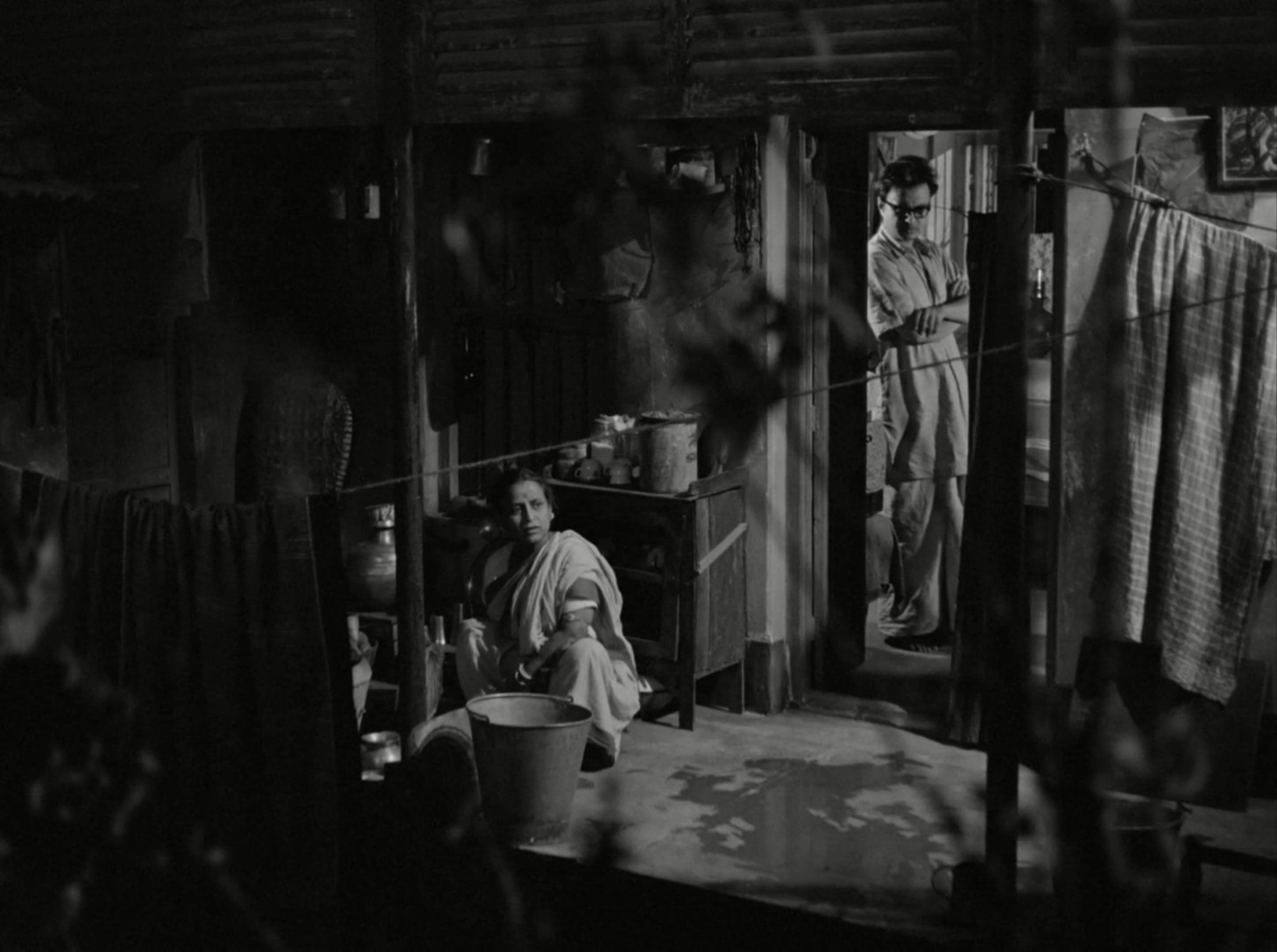
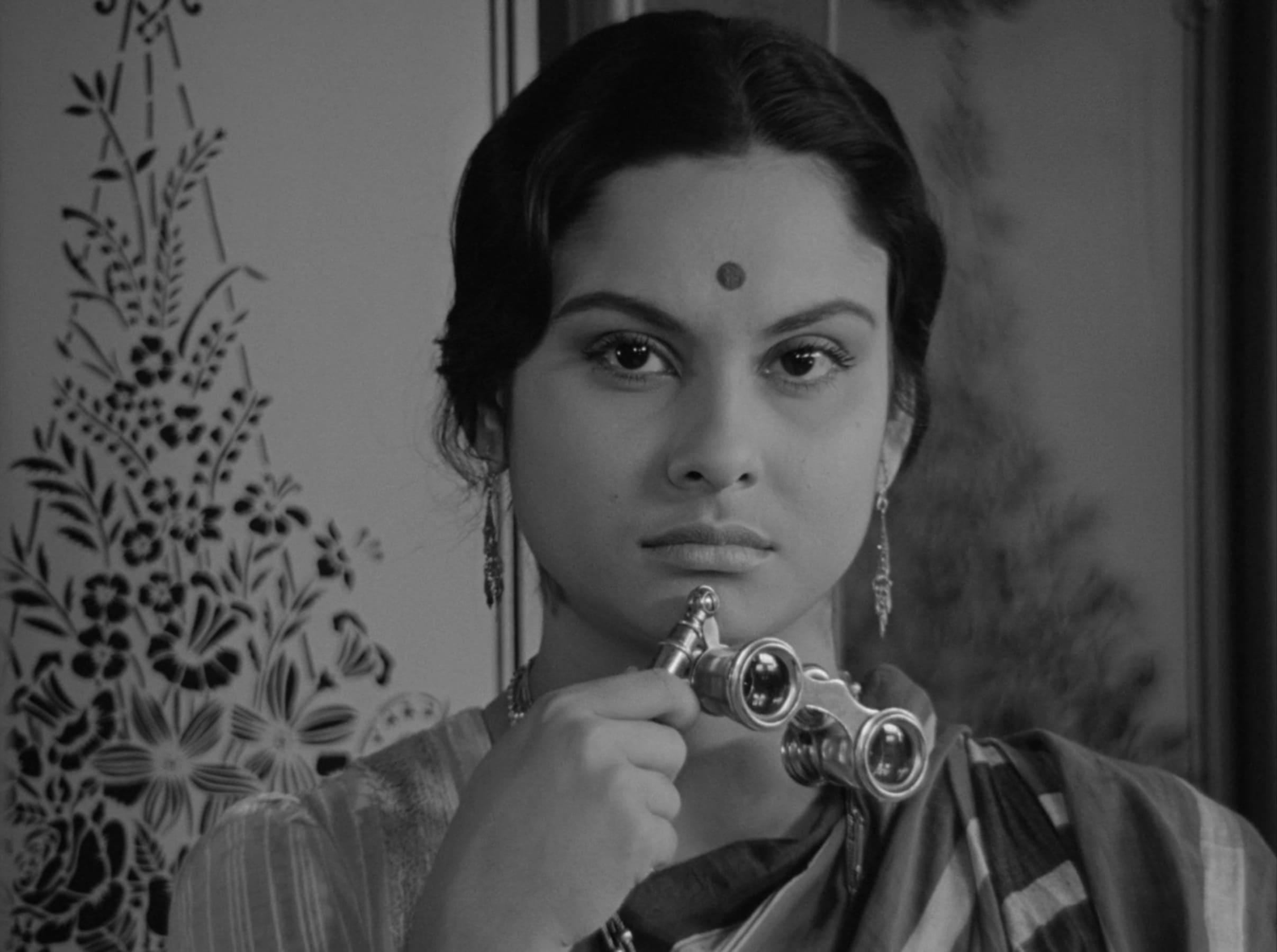
During this period, Ray enters an abstract, psychological terrain, particularly exploring the minds of women trapped by social pressures. Where femininity is naïvely placed on a divine pedestal in Devi, Charulata sees a bored housewife fall into an emotional affair, and The Big City considers the rising role of women in the workplace. In the latter, he continues to examine India’s deeply entrenched prejudices through the lens of race and culture, considering the protagonist’s privilege over her English co-worker as well as her father-in-law’s class resentment.
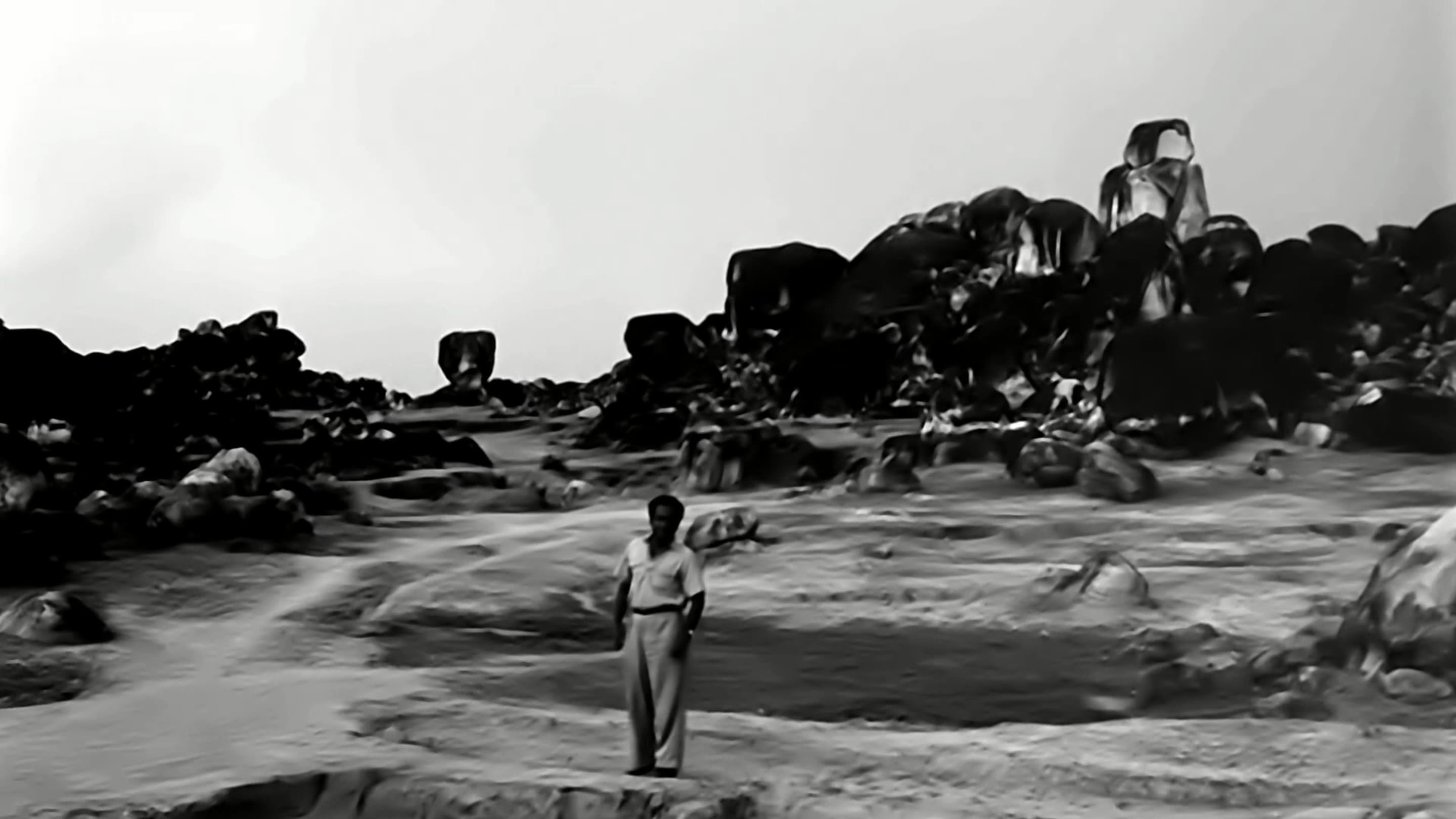
In several instances, the caste system also becomes another complex social field to navigate, especially becoming the foundation of male pride in The Expedition. With that said, caste recedes further into invisibility the more urban his settings become, replaced by concerns of class, gender, and colonial modernity.
Ray’s screenplays are almost always based on novels, and we particularly see his admiration of Bengali writer Rabindranath Tagore emerge in the 1960s, revealing an artistic connection between both. Not only were they revered polymaths of their times, contributing their varied talents to Indian arts, philosophy, and culture, but Ray himself credits his time at the university that Tagore founded for feeding his own creative passion. After all, besides filmmaking, Ray was also a revered writer, composer, lyricist, illustrator, and calligrapher, demonstrating an artistic range that extends beyond cinema.
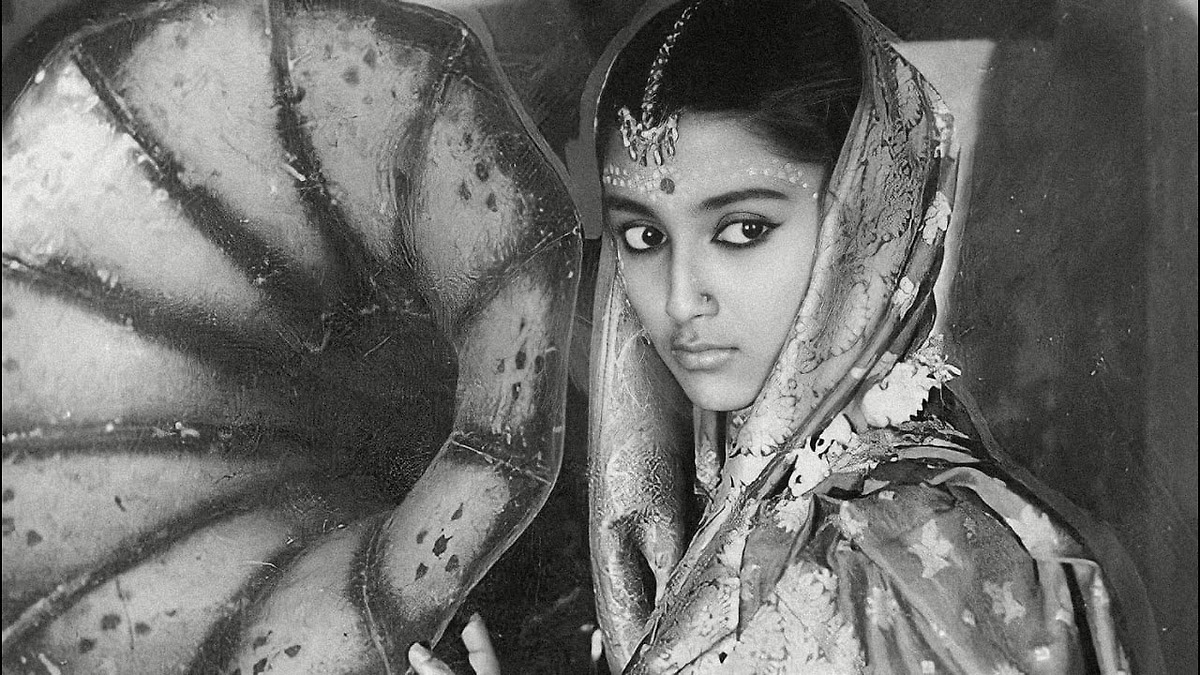
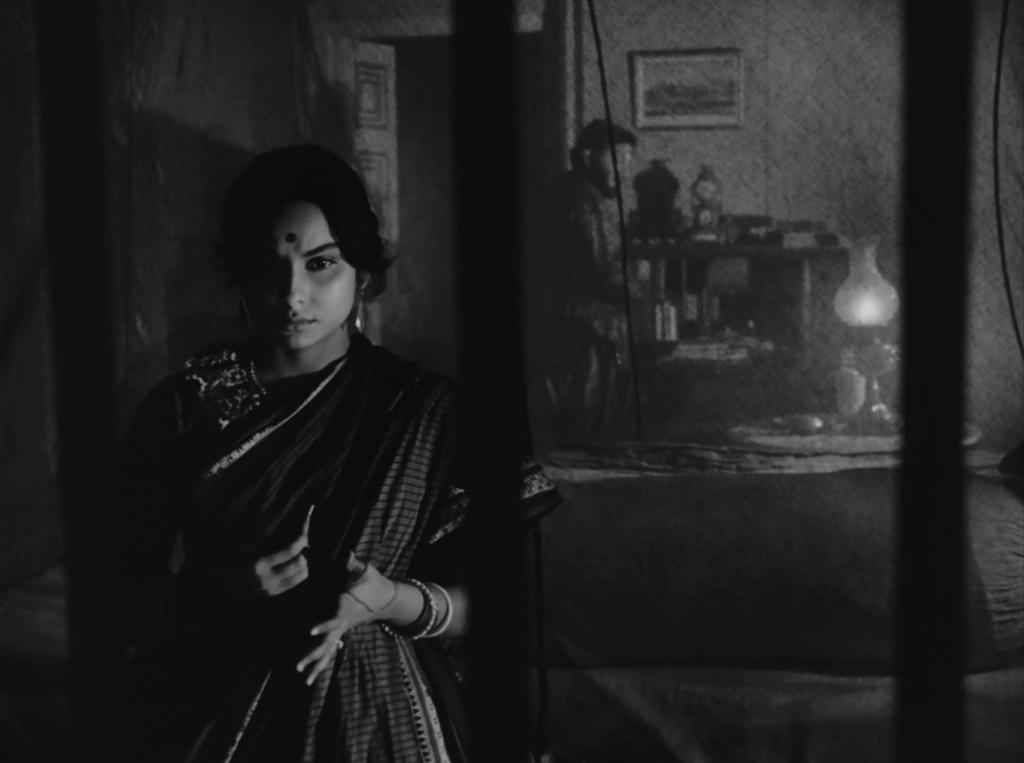
On the centenary of Tagore’s birth, Ray pays tribute to his idol through the anthology Three Daughters, meditating on the love, loss, and social constraints placed on women in three of his short stories. Later, he also adapted one of his novellas in Charulata, exploring the loneliness, intellectual repression, and confines placed on a woman within a bourgeois marriage.

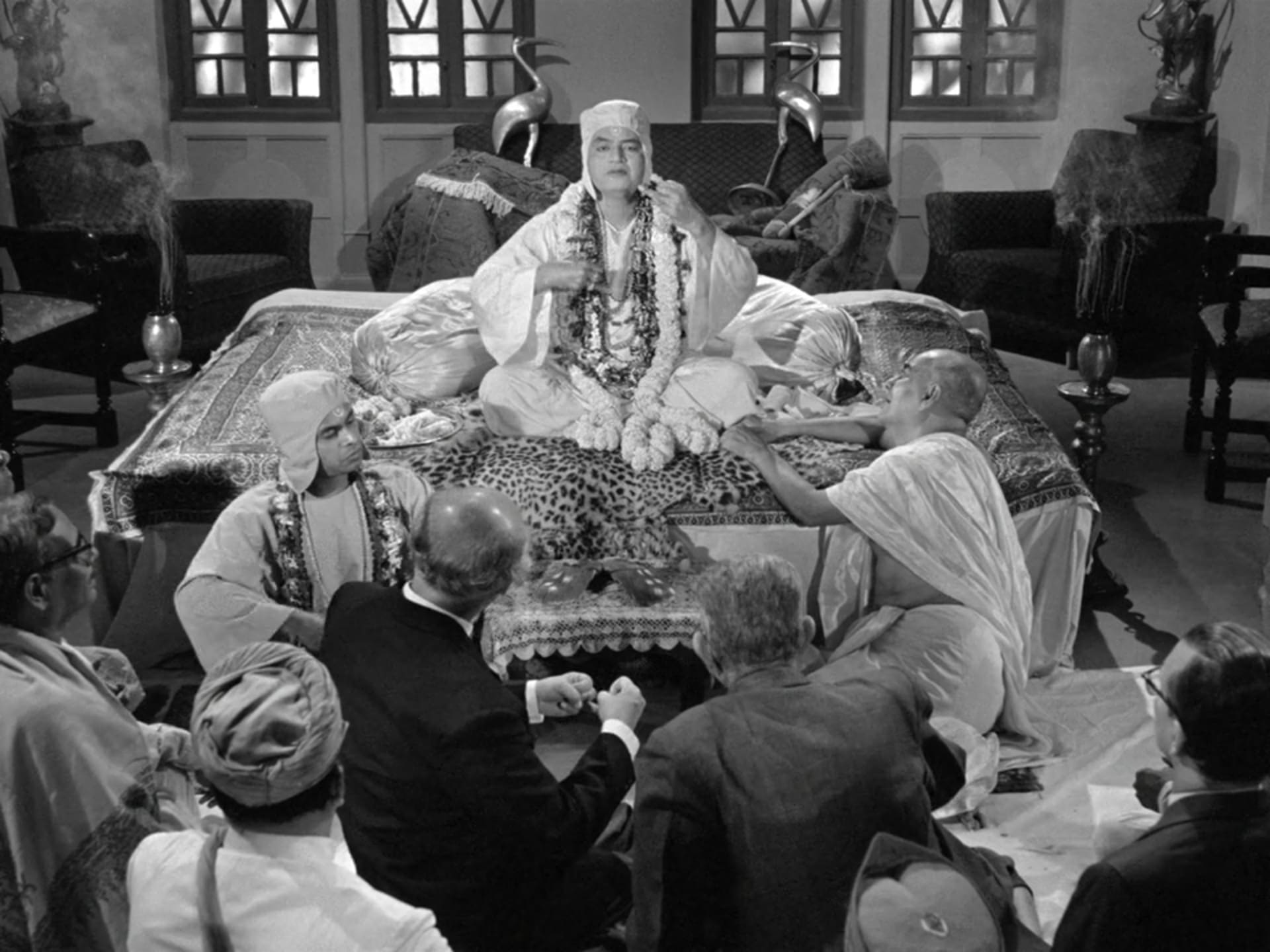
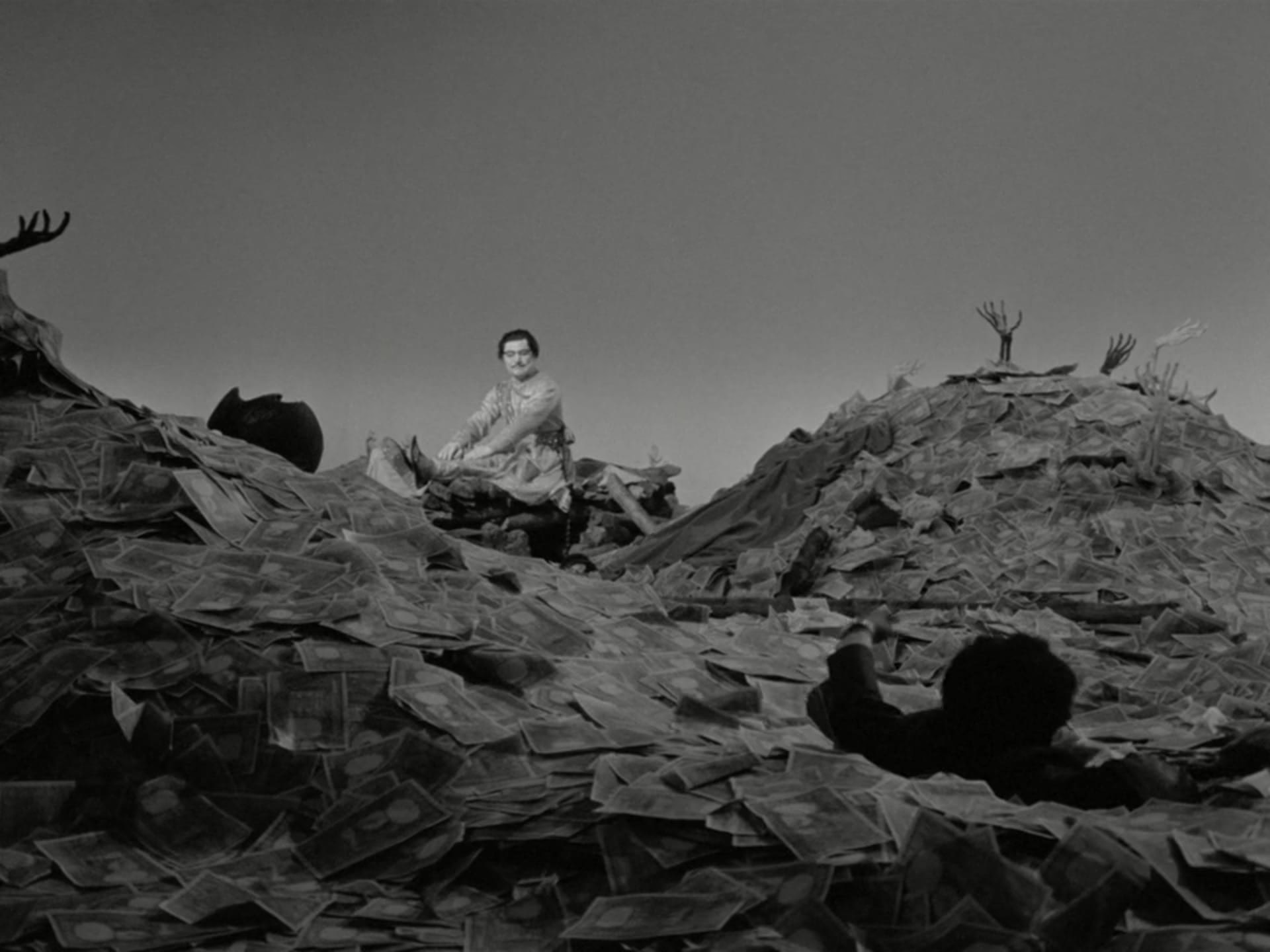
Although he turns to other source material in The Coward and The Holy Man, both are based on short stories, and together form a double feature. Young love lies at their respective hearts, sending a man in pursuit of women from his past whose affections remain ambiguous, and whose choices are tethered to patriarchal expectation. Dream sequences and flashbacks already litter his films up to this point, yet The Hero delves further into surrealism than ever, borrowing from Ingmar Bergman and Federico Fellini to examine the regrets of a disillusioned movie star.
Dialectics in Genre (1966-91)
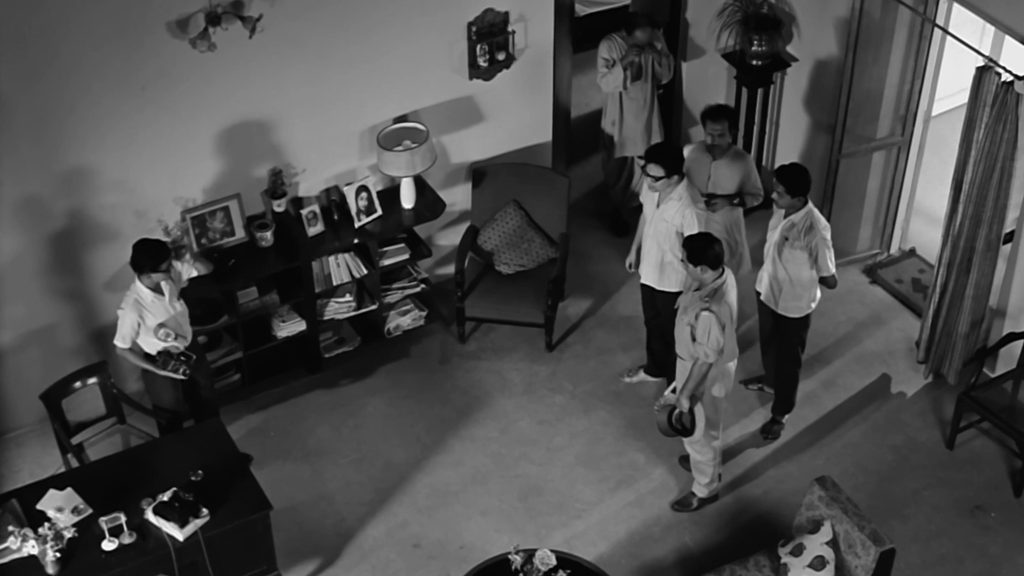
From The Zoo onwards, Satyajit Ray never quite captures the formal brilliance of his more visually expressive work. His typically cinematic lyricism takes a backseat to discursive studies of nationalism, rationalism, and social decay, often using genre conventions as a scaffolding for his intellectual theses. Characters actively debate their perspectives, especially in the crime mysteries The Zoo and The Elephant God, where private detectives analytically piece together social and moral contradictions through dialogue-driven inquiry.
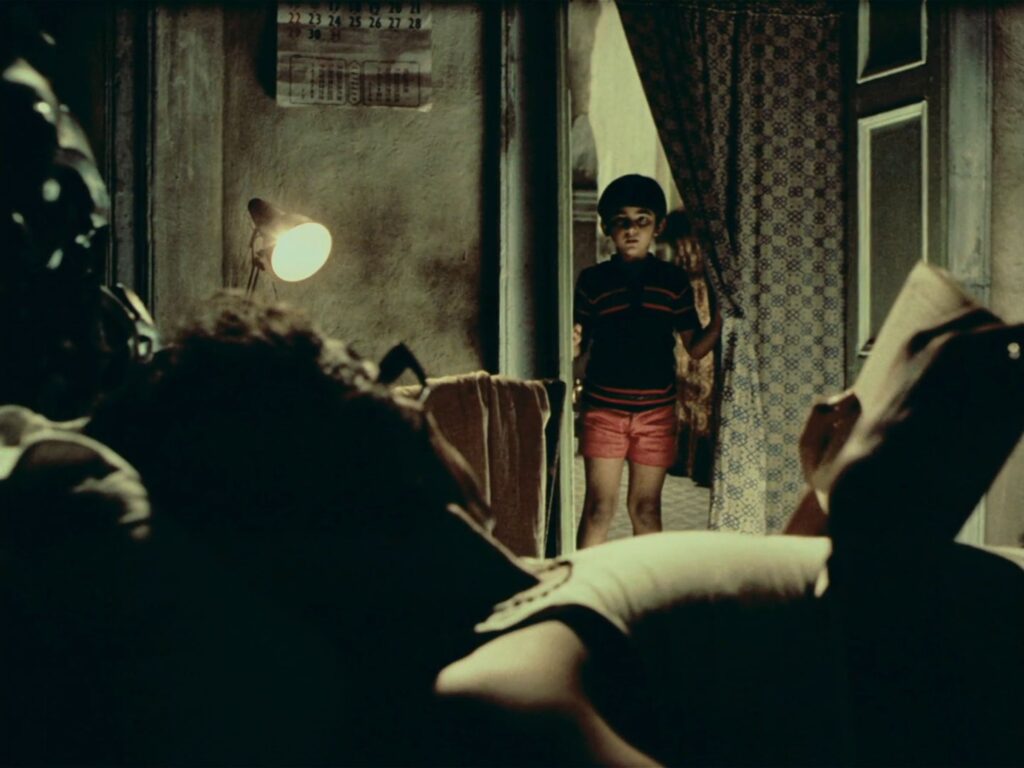
Indian history moves to the forefront during this period as well, confronting the Bengal Famine of 1943 in Distant Thunder, the British annexation of Awadh in The Chess Players, and the aftermath of Bengal’s partition into Hindu and Muslim states in The Home and the World. Colonialism plays a role to varying degrees in each, whether through explicit occupation or as a catalyst for economic disruption, and Ray maintains a consistently critical lens. Although Distant Thunder is his first film shot in colour, it calls back to the social realism of his earlier work, while The Chess Players opts for a distinctly allegorical denunciation of the aristocratic complacency that enabled imperial domination in the mid-19th century.
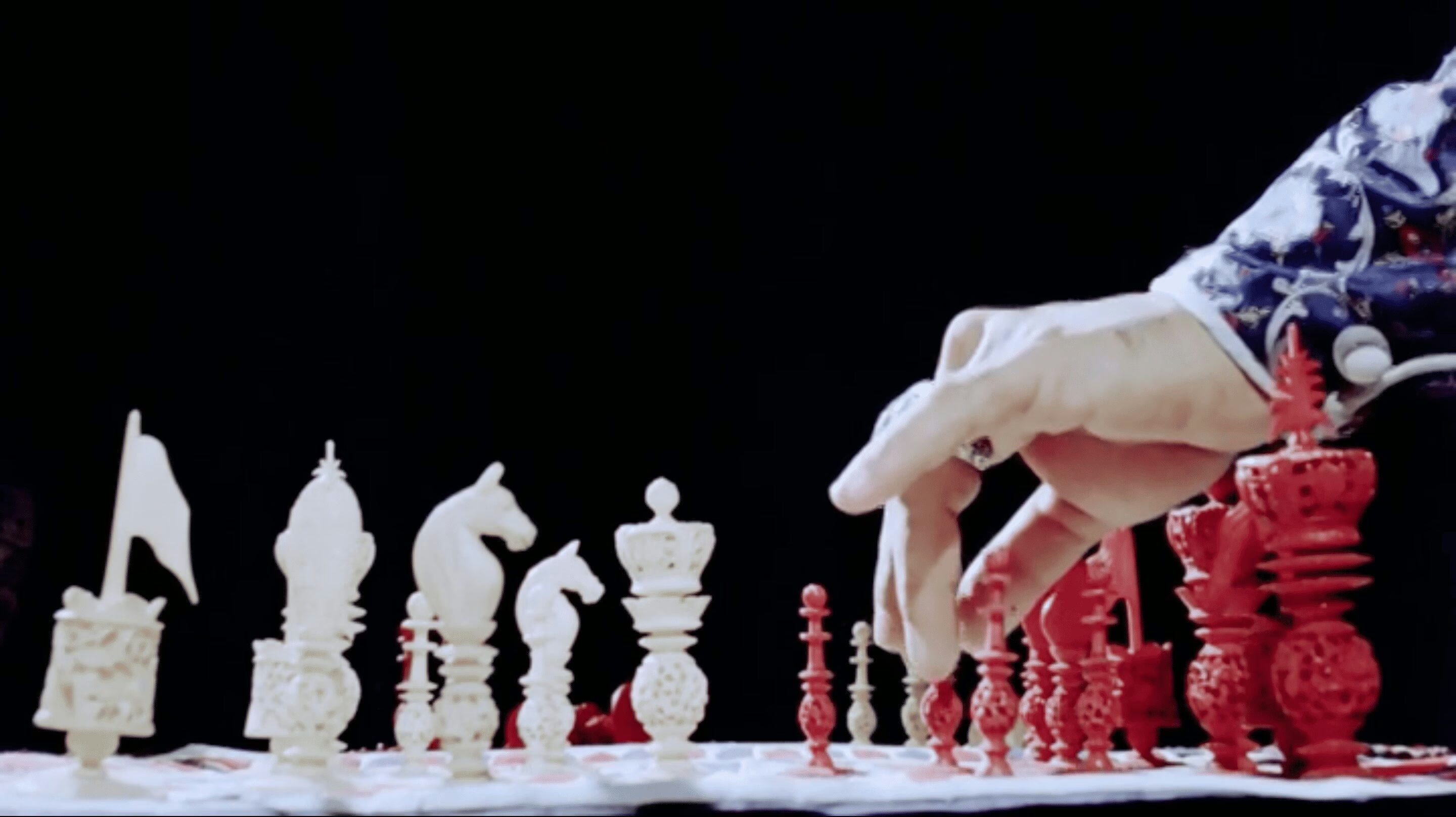

The Home and the World is by far Ray’s strongest film in this period, once again inspired by the work of Rabindranath Tagore, and recalling the intoxicating pull of forbidden desire from Charulata. Perhaps most surprising of all is his shift towards opulent melodrama, shedding the realism of his early films for saturated colours and ornate compositions reminiscent of Douglas Sirk. Here, the protectionist Swadeshi movement of early 20th century India instigates a personal crisis for a housewife attracted to its radical leader, and Ray stages the battle for Bengal’s soul within the confines of domestic intimacy.
After suffering two heart attacks during the production of The Home and the World, Ray was drastically set back, and his filmmaking never quite recovered. Working under major physical limitations and unable shoot on location, he was reduced to films like An Enemy of the People and The Stranger which feature flat lighting, dialogue-heavy scenes, and little visual dynamism. In 1992, at age 70, he passed away from heart complications – but not before accepting an Honorary Academy Award from Audrey Hepburn, which he described as the greatest achievement of his moviemaking career.

Director Archives
| Year | Film | Grade |
| 1955 | Pather Panchali | MP |
| 1956 | Aparajto | MS |
| 1958 | The Music Room | MP |
| 1959 | Apur Sansar | MS |
| 1960 | Devi | MS |
| 1961 | Three Daughters | R/HR |
| 1962 | The Expedition | R |
| 1963 | The Big City | HR |
| 1964 | Charulata | MP |
| 1965 | The Coward | HR |
| 1965 | The Holy Man | R |
| 1966 | The Hero | HR |
| 1967 | The Zoo | R |
| 1973 | Distant Thunder | R |
| 1977 | The Chess Players | R |
| 1979 | The Elephant God | R |
| 1984 | The Home and the World | R/HR |

I’ve read through this whole post along with the other reviews from Ray and now I’m more intrigued with his filmography and want to watch them. I wonder who’s next for these director breakdown
Thanks for the read Dom, Zhang Yimou is up next. I was going to do Agnes Varda after him, but the Criterion Channel just added a few Shohei Imamura films so I will likely move through his filmography before they disappear.