
Satyajit Ray | 1hr 33min

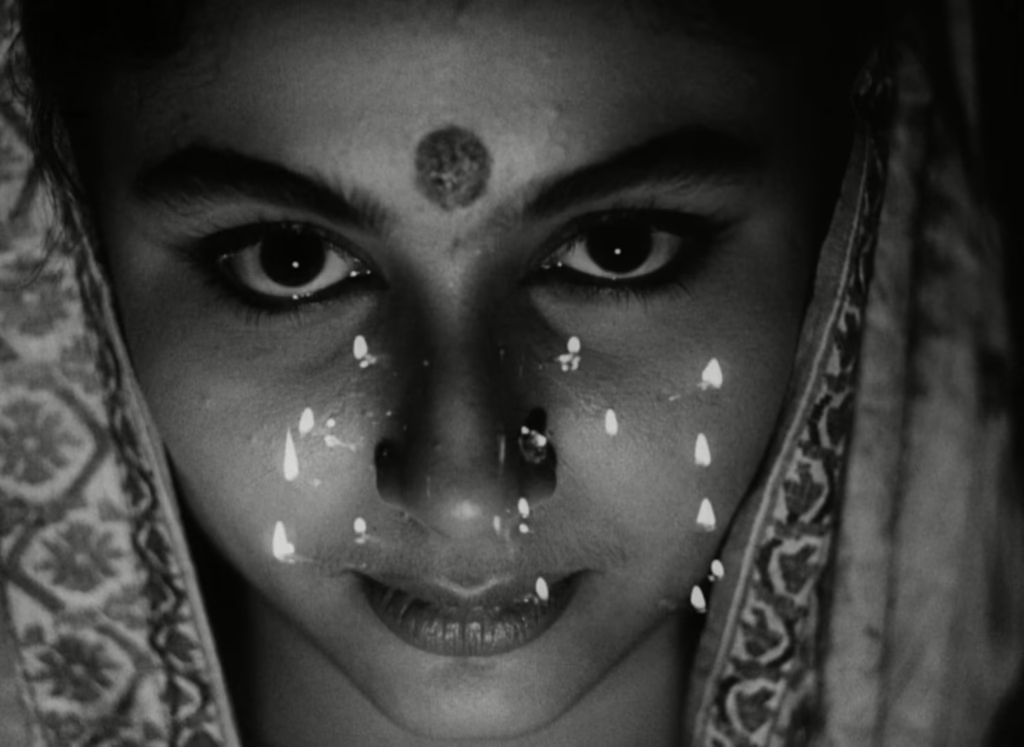
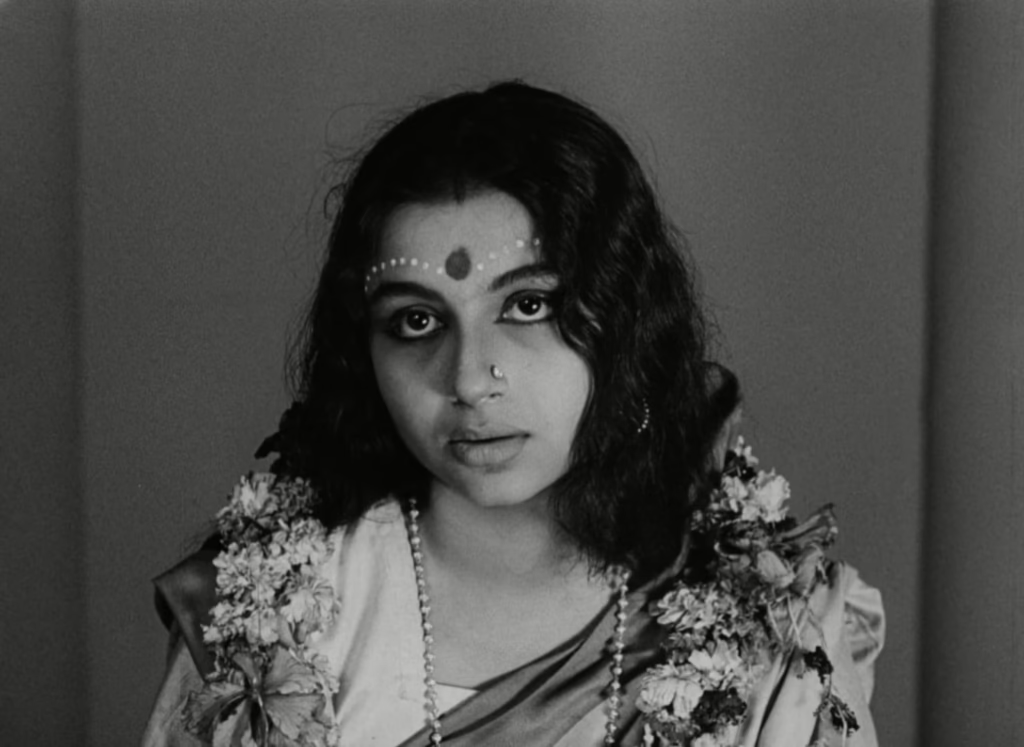
As wealthy landlord Kalikinkar lies in bed one night, a surreal, hypnotic dream unfurls within his subconscious. With his sleeping face fading into darkness, the three eyes of Hindu goddess Kali manifest before us, swelling to the eerie drone of Ali Akbar Khan’s haunting soundscape. Though related to the sitar in its shimmering tonal quality, his sarod offers a deeper, more resonant sound, building to a devotional climax as two of Kali’s eyes are replaced by those of Doyamoyee, Kalikinkar’s daughter-in-law. With her head tilted slightly down and her gaze transfixed on the camera, she offers a sly smile, consecrated by the image of a chandelier passing over her face in an ethereal double exposure effect.
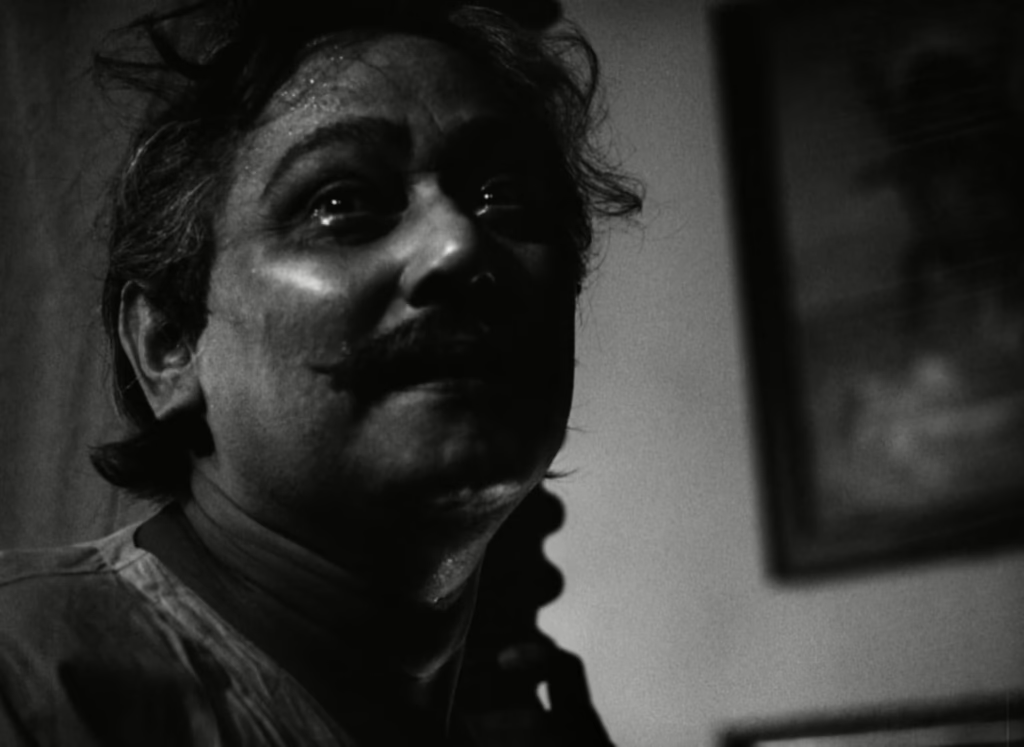
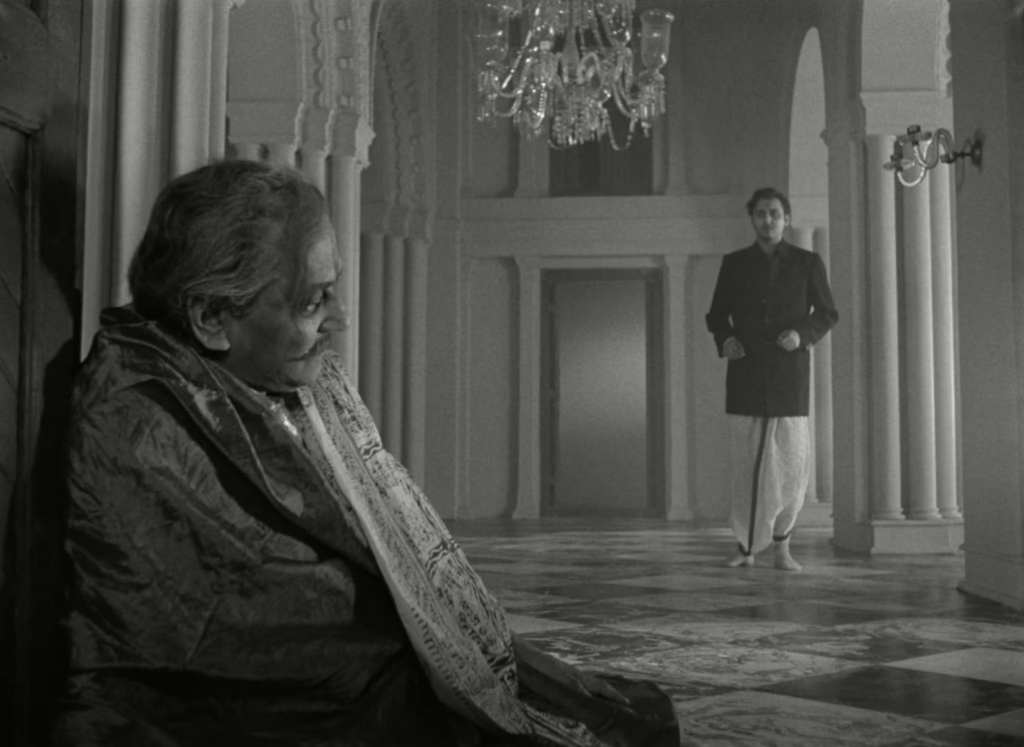
To Kalikinkar, this mystical vision may as well be a revelation whispered by the mother goddess herself. “Prostrate before her!” he commands his eldest son Taraprasad, submitting to the belief that Doya is the living incarnation of Kali. With her husband Umaprasad absent and the scepticism of Taraprasad’s wife Harasundari dismissed, there are few people left to bring the delusional patriarch to his senses. As such, it barely takes long at all for him to turn this lavish manor into a sanctified prison, placing this quiet, helpless girl on a pedestal of divine expectation that she never asked for.

Although Satyajit Ray had established himself as a master of cinematic realism with the Apu trilogy, a return to the dark, mystical fatalism of The Music Room was inevitable. Just as he previously illustrated one proud landlord succumb to his own hubris, so too does he orchestrate the downfall of another great Indian household in Devi, though this time to misguided, religious fanaticism. His moral fable is powerfully concise and profoundly tragic, deifying a young woman who cannot bear the weight of patriarchal projection, and condemning her devotees to the ruinous consequences of blind, reckless faith.
Even before Kalikinkar is swept away by religious fervour though, his idolisation of Doya is plain to see, treading a Freudian line between sexual attraction and maternal fixation. With his wife mournfully deceased, and his other daughter-in-law Harasundari preoccupied by motherly duties, Doya is the only remaining woman in his life onto whom he can transfer his need for feminine care and intimacy. He may not readily admit any longing towards his son’s wife, but he is certainly eager to sublimate those desires by calling her “Mother,” and later proclaiming her a goddess. In this way, attraction is perversely disguised as pious devotion, allowing it to pass unchallenged within the bounds of cultural tradition.
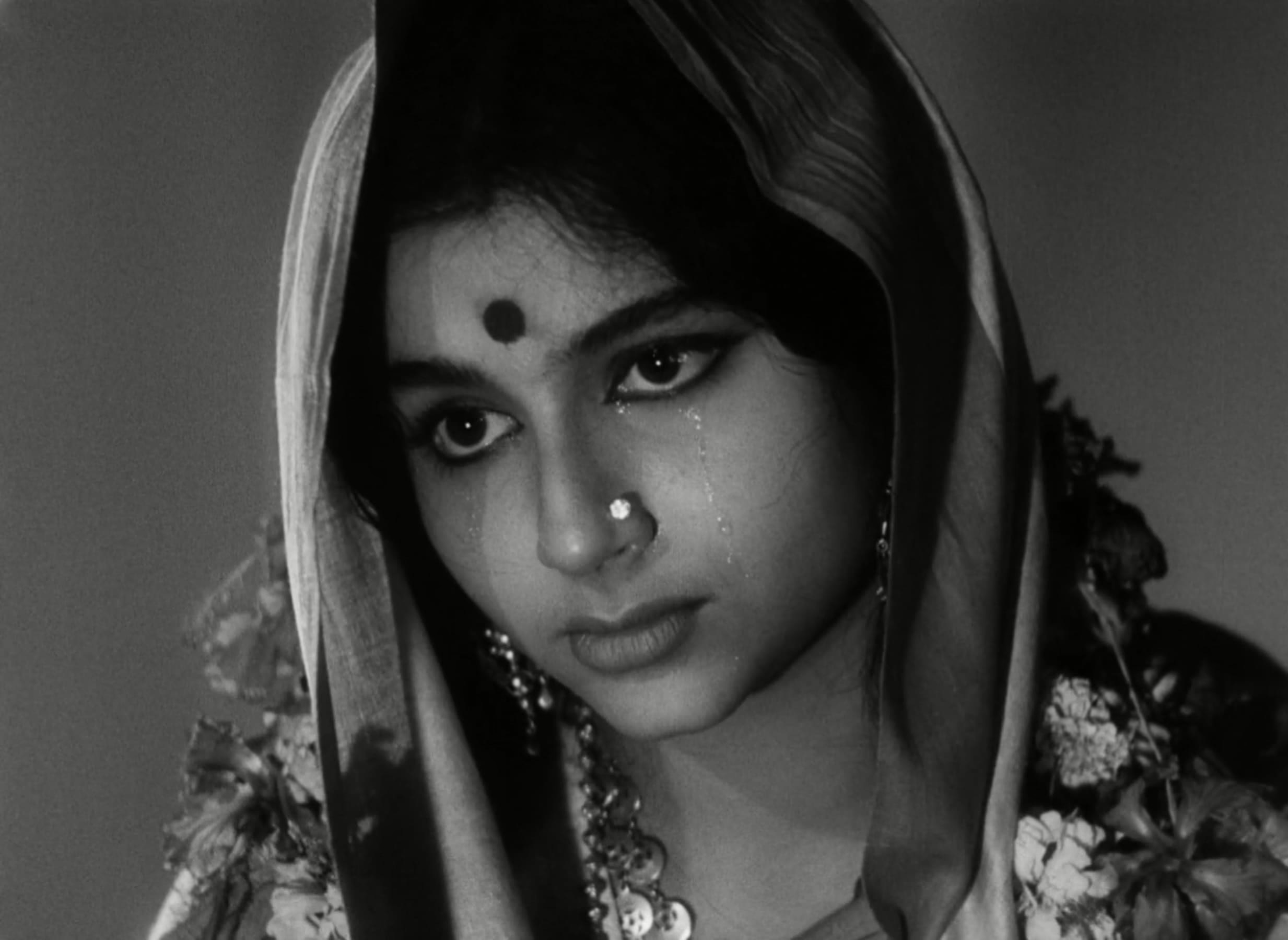
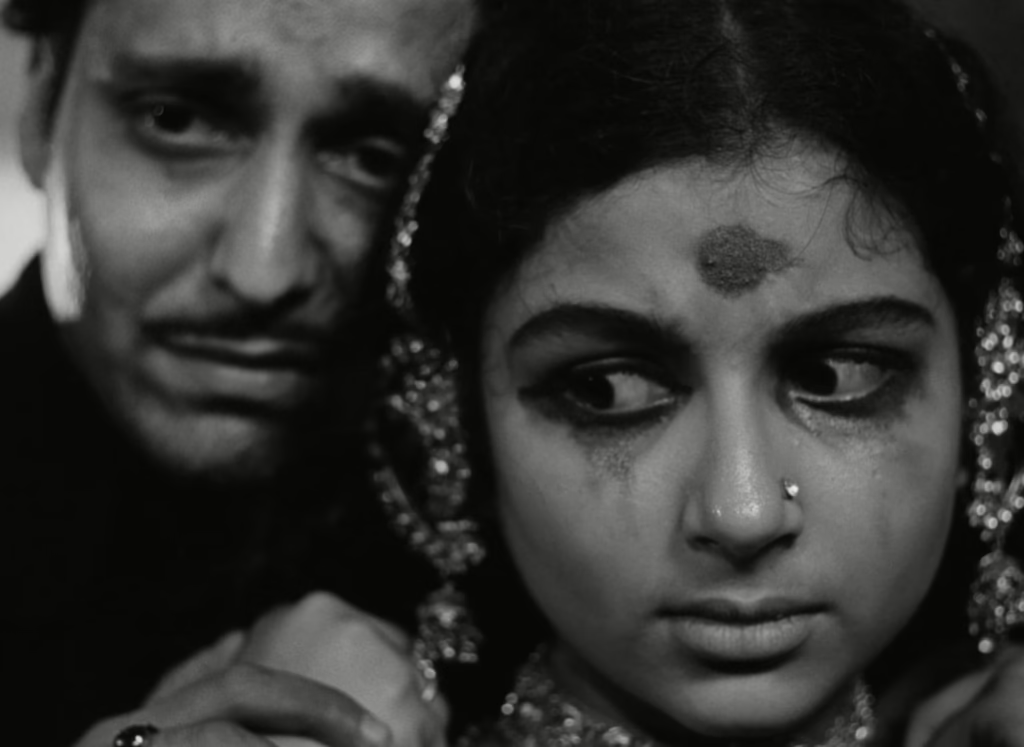
Far from divine, Doya is rendered voiceless and powerless by the burden of sanctity, frequently trapped within Ray’s tight, smothering framing of adoring crowds. In tender close-ups of Doya’s despondent face too, 15-year-old actress Sharmila Tagore delivers a performance of remarkable restraint, subtly registering her internal struggle until she is overwhelmed by these suffocating rituals. Her sudden collapse is nothing more than a trance state, Kalikinkar insists, and it isn’t long until locals bring their sick for Kali’s spiritual healing.
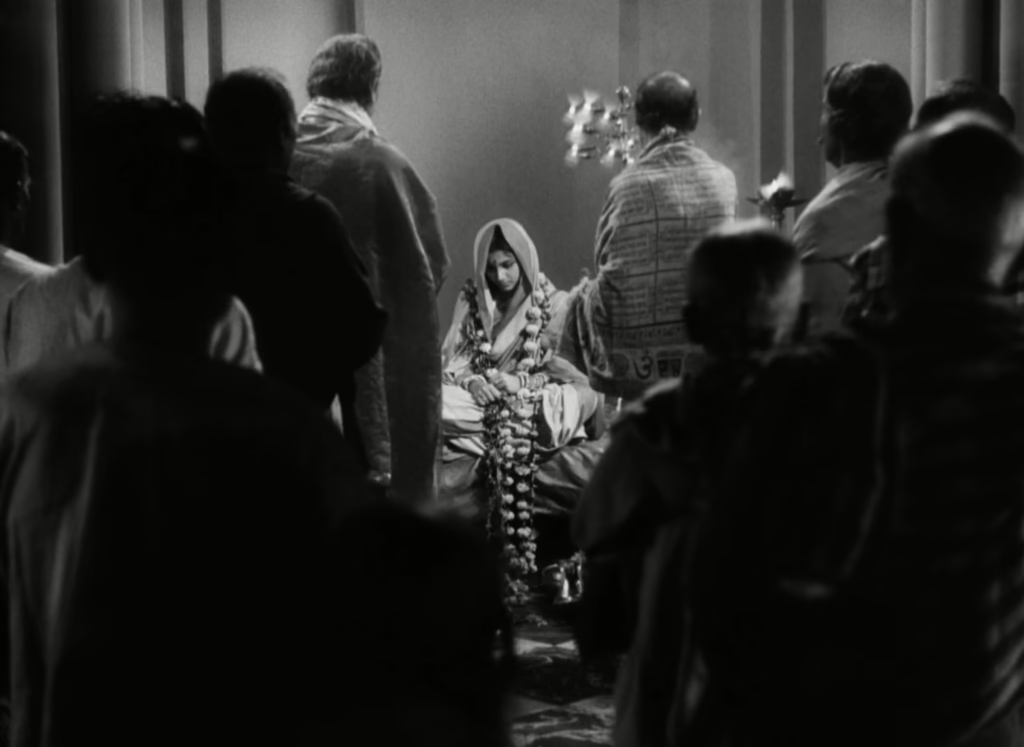
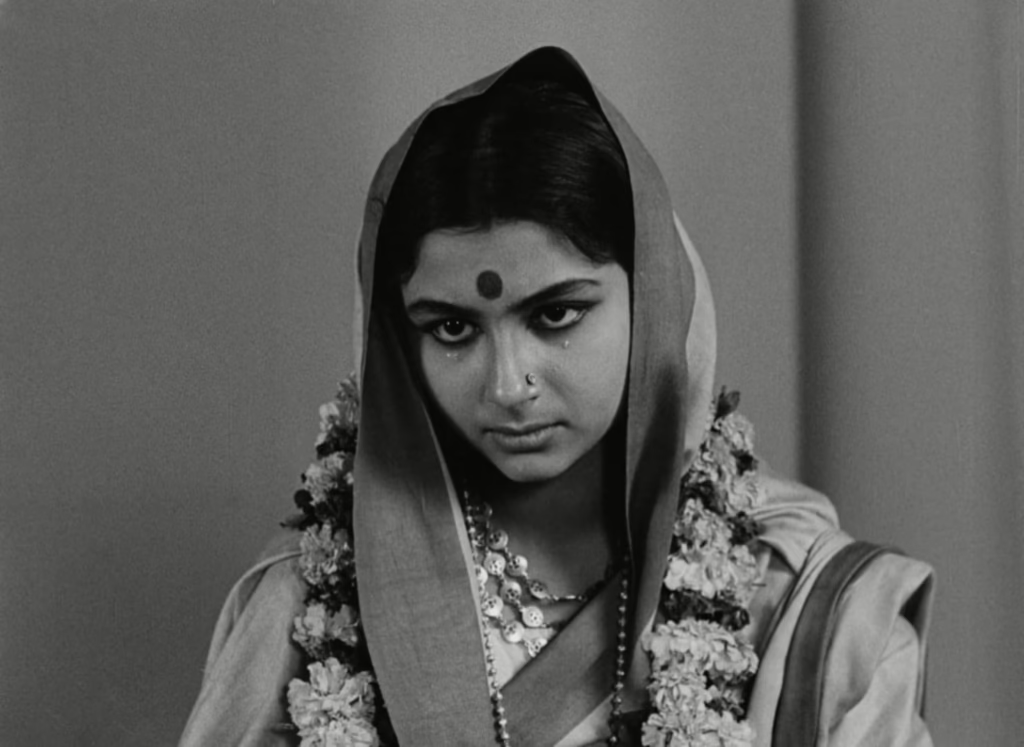
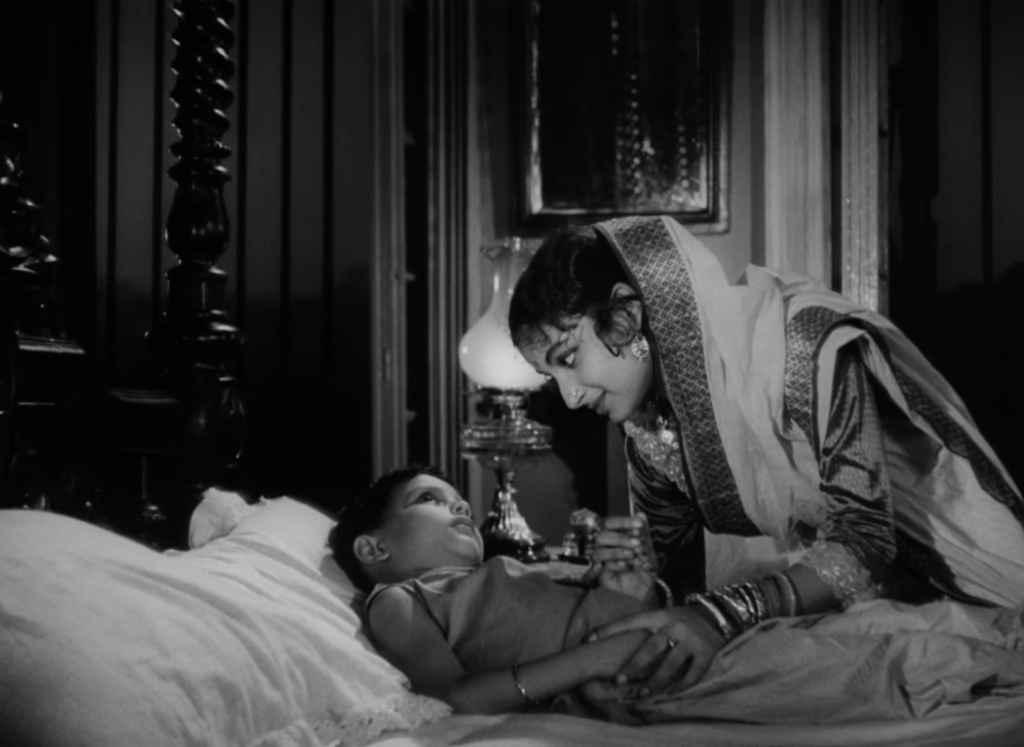
Still, there flows an undercurrent of spiritual ambiguity beneath Devi’s humanism, sustaining a subdued, slow-burning tension. Ray’s floating camera mirrors the dark, foreboding grace of Khan’s sarod score, often gliding through crowds of worshippers and rising above them in elegant crane shots. Polished wooden furniture lends a stately opulence to Ray’s compositions too, though it is those sheer gauze drapes hanging around canopy beds which truly astound, casting their occupants in soft, spectral silhouettes. Especially as the camera circles these translucent shrouds in Doya’s chamber, Ray’s mesmerising choreography consecrates the beautiful, dreamlike sanctum which suspends her in fragile isolation, delicately separating her from the world beyond.
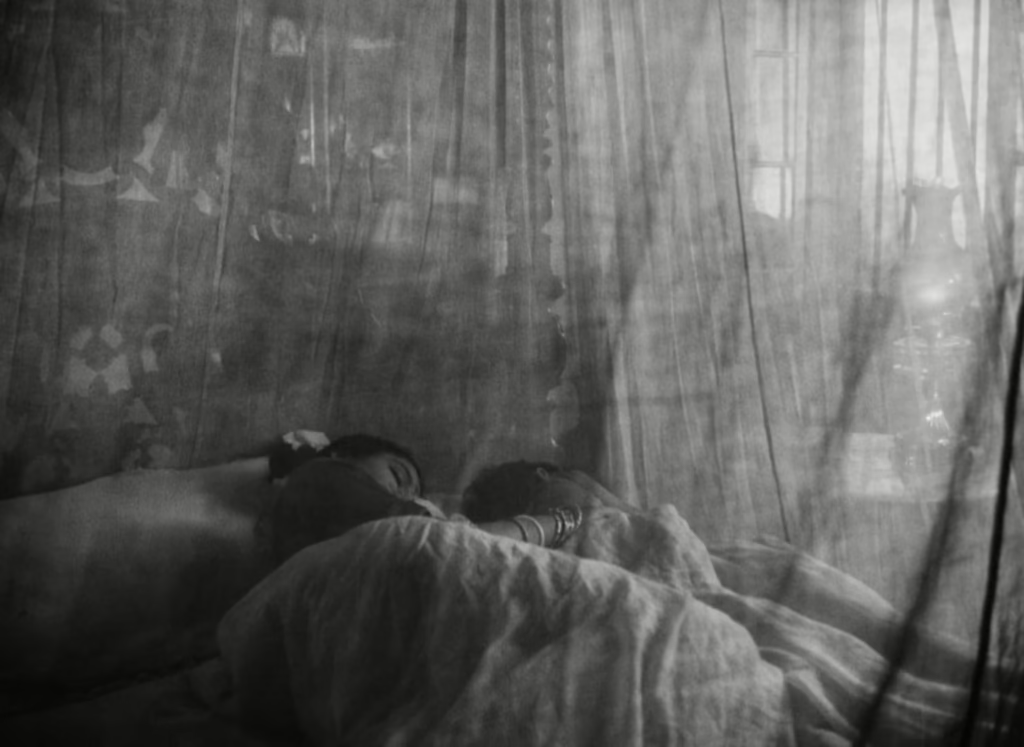
This sense of anxious wonder does not end with Ray’s evocative cinematic style either, but is also gradually revealed within his narrative. When Umaprasad finally returns home to find his wife enshrined at the heart of a religious ceremony, their eyes meet across the room – hers expressing a relief tempered by melancholic sorrow, while his contain shock, guilt, and fury. Before her, an elderly beggar lays his ailing, unconscious grandson at her feet, while in the next room over Umaprasad confronts his zealous father. “I know she’s a human being. I won’t let this adulation continue,” the young man resolves – though before he has a chance to act, a heavenly miracle intervenes, awakening the sick child. “Would you like more proof?” Kalikinkar exclaims.
“A dead child lives again!”
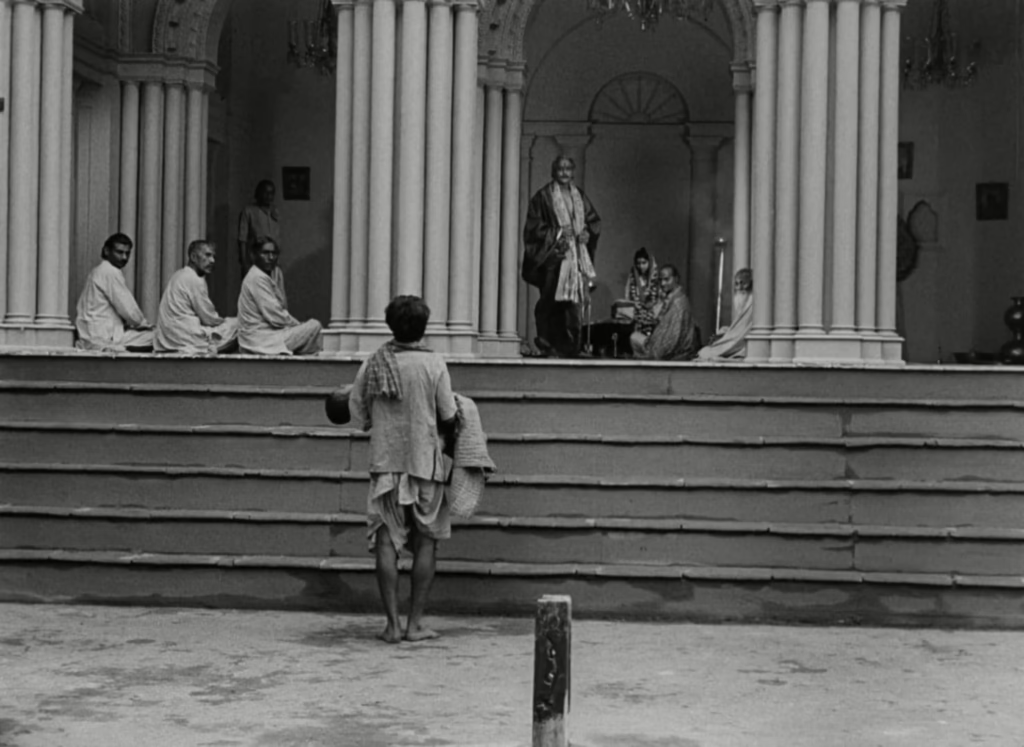
Maybe it is genuine conversion which eventually seduces Doya into the same religious fervour, compelling her to resist Umaprasad’s escape attempt and wonder “What if I am the Goddess?”. Perhaps more realistically, she recognises her reliance on the security and comfort of this gilded cage, and fears the instability that freedom may bring. Either way, Umaprasad understands that this illusion has grown far too powerful. It would take a shattering crisis of faith to turn back the hundreds of supplicants who have come to worship Kali’s living avatar, winding in endless lines across Bengal’s dusty plains and revealing the sheer scope of Kalikinkar’s infectious mania.
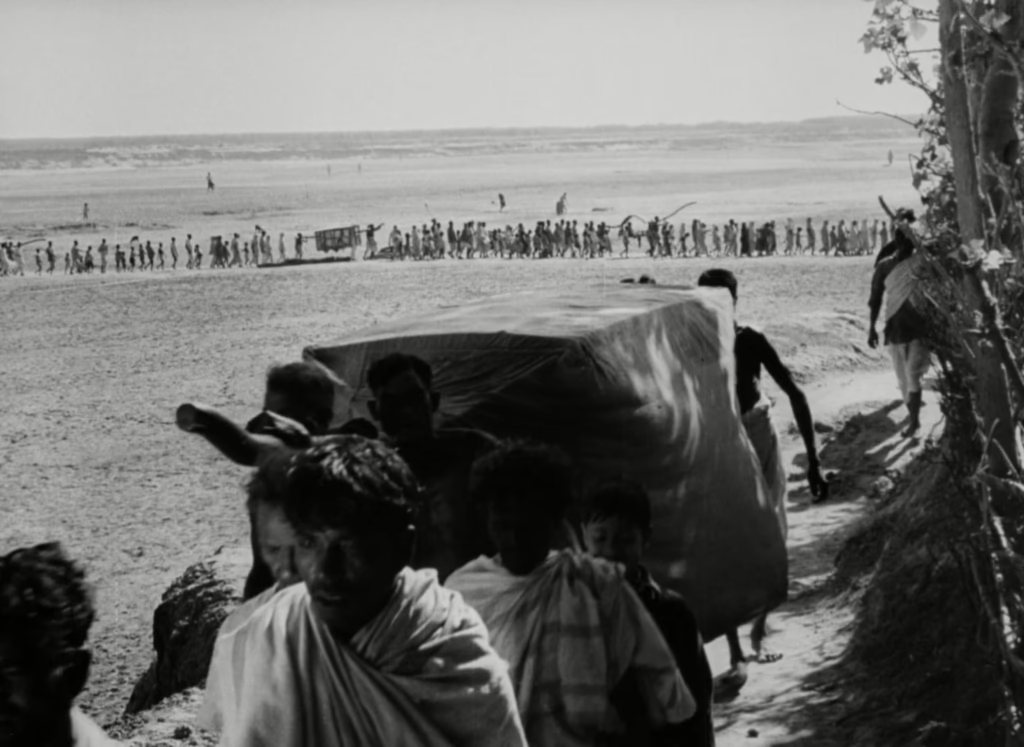
It is only inevitable that Ray, the poet of elegiac grief, delivers exactly that. “Mother, what sin did I commit?” Kalikinkar weeps to the statue of Kali in his home, mourning both the death of his grandson Khoka and Doya’s failure to cure his deadly illness. Although Harasundari never bought into the lie of Doya’s divinity, she launches the most vicious attack of all, claiming this “witch” took her son away. How quickly fanaticism turns on its object of worship when miracles fail, though as one of the few clear-thinking voices in Devi, Umaprasad turns his ire towards his father instead. It was his blind faith which killed Khoka after all, denying the boy medicine and foolishly trusting in Kali’s holy water instead.
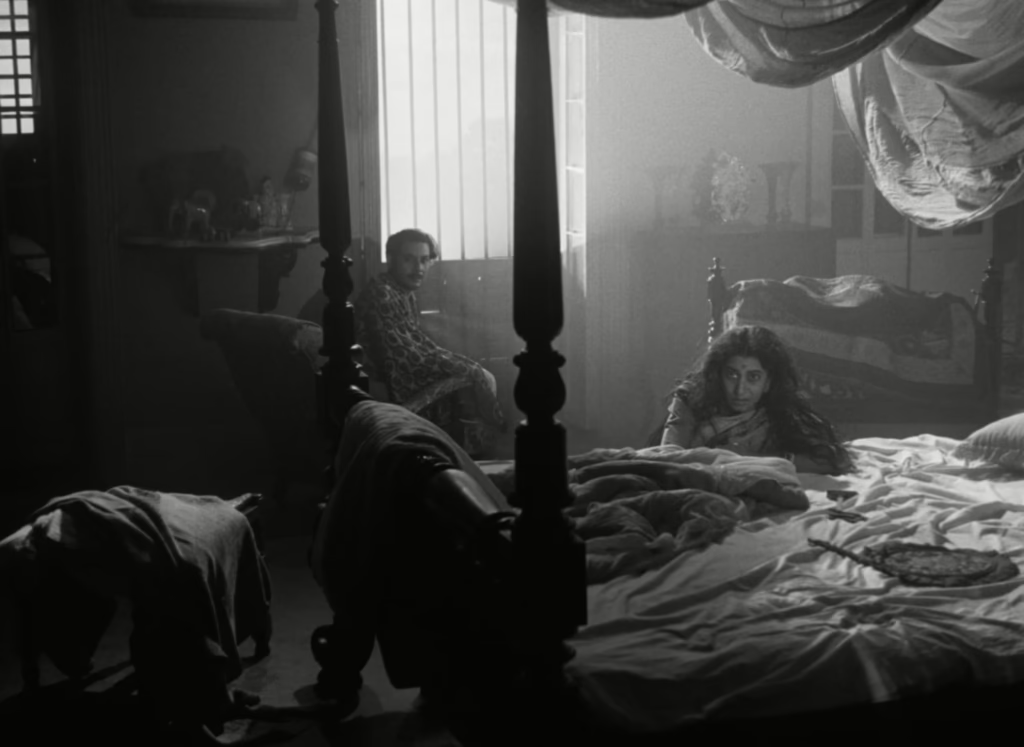
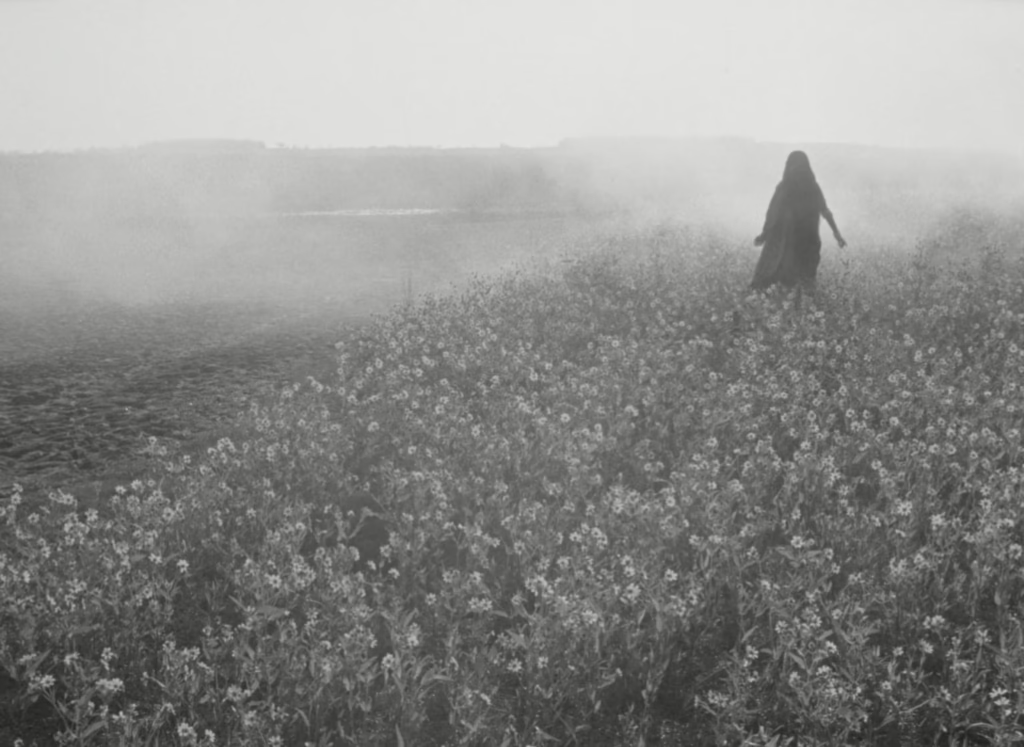
Still, the fever of religious delusion does not break so easily. In her room, Umaprasad finds a dazed, dissociated Doya, frantically preparing for her what she believes is her wedding day. Her wide, nervous eyes dart around the room, clouded by guilt and heartbreak, while her makeup streaks down her face like a mask worn too long. “We must run away, otherwise… they’ll kill me,” she whispers in panicked delirium, before making a hasty escape. The misty field of flowers that she glides across is almost heavenly in its serene beauty, as if beckoning her back into the fantasy that crowned her a goddess and now consumes her entirely, though Devi does not provide the comfort of resolution to her story. Humanity is thoroughly subsumed by myth in Ray’s psychological fable, and through his stirring lyricism, fatally sacrificed at the altar of blind, patriarchal devotion.
Devi is currently streaming on The Criterion Channel.