Cristian Mungiu | 2hr 26min

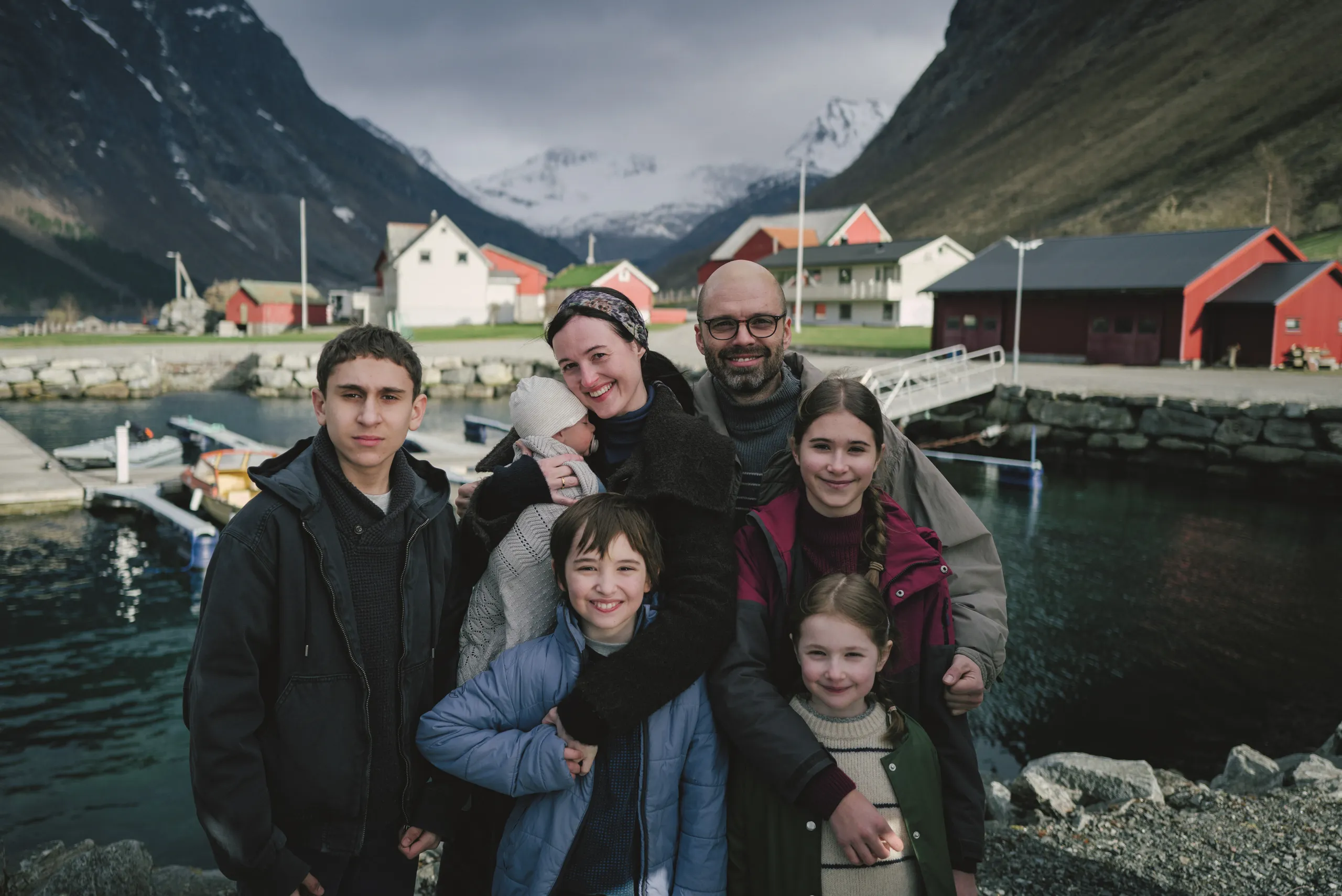
The townsfolk of Fjord are remarkably unperturbed by the avalanches that intermittently cascade down the mountains overlooking their village. Even when they rumble to the edge of town, still they treat the natural phenomena with routine nonchalance, calmly ushering schoolchildren indoors while clouds of snow envelop the landscape. To outsiders, it may seem an unstable place upon which to build a home, though Cristian Mungiu remains fully aware of the irony in his visual motif. Having moved from Romania to Norway, the Gheorghiu family hope to put down roots closer to Lisbet’s mother, only to find a culture which bears no tolerance for the hardline traditions of migrant conservatism. Raising an upstanding family within such a morally permissive society seems a challenge, yet from the outside looking in, neither can their liberal neighbours comprehend how a household governed by strict discipline could plausibly produce healthy, well-adjusted children.
All it takes is a slight disturbance to set an avalanche in motion, and likewise, a bruise on the back of eldest daughter Elia to trigger a chain of escalating interventions. Taking her and her brother Emmanuel aside at school, teachers question whether there may be signs of potential abuse, and soon enough child protection services arrive at Mihai and Lisbet’s home to inform them that an investigation has begun. The two in high school have already been taken into custody, while the parents are left with limited time to prepare their three younger children, including a baby whom Lisbet is currently breastfeeding. Cristian Mungiu has built his career exploring the murky boundary between ethical judgement and authority, and Fjord fits seamlessly within that trajectory, interrogating the banalities of institutional scrutiny through a restrained, discomforting lens.
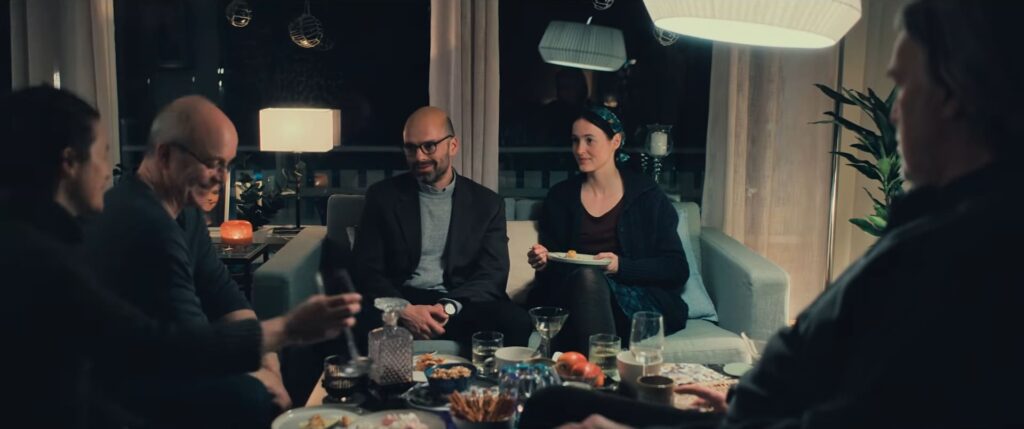
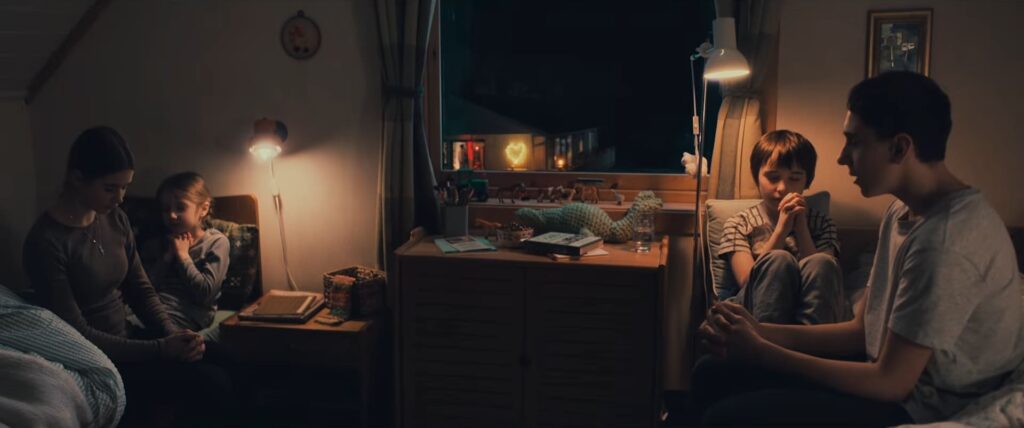
The vistas of rural Norway prove to be an exquisitely chilly location for this moral conflict too, with their jagged outcrops and glassy inlets settling a cool, watchful silence over the community. Mungiu finds a delicate peace in the rhythms of this environment, such as Lisbet’s walks with her elderly, wheelchair-bound neighbour Åke to the end of a nearby pier, or the seasonal changes which freeze and thaw the town in perennial cycles. When he absorbs us into the immediate lives of its residents however, his social realism emerges through long, uneasy takes and meticulously blocked tableaux, letting moments of friction simmer in awkward silences. These characters may be stiff in their formalities, yet Mungiu’s handheld camerawork suffuses this emotional reserve with an understated vulnerability, allowing subtle shifts in expression to carry disproportionate weight.
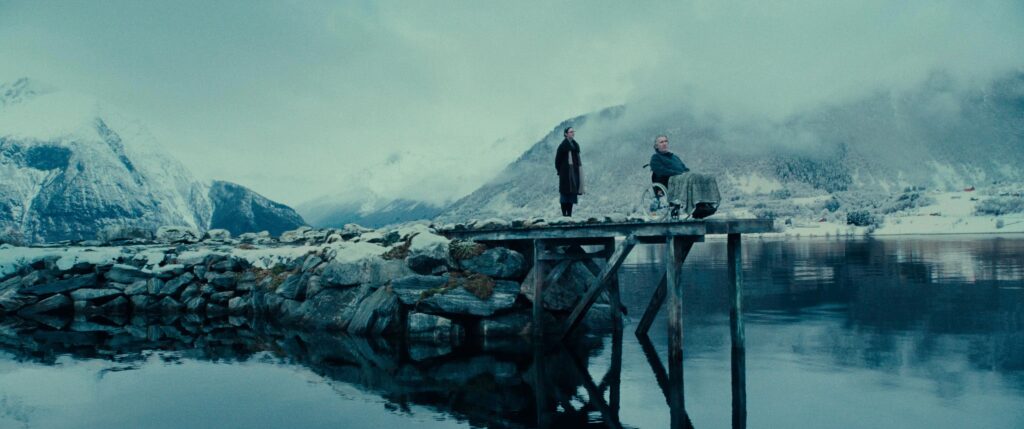
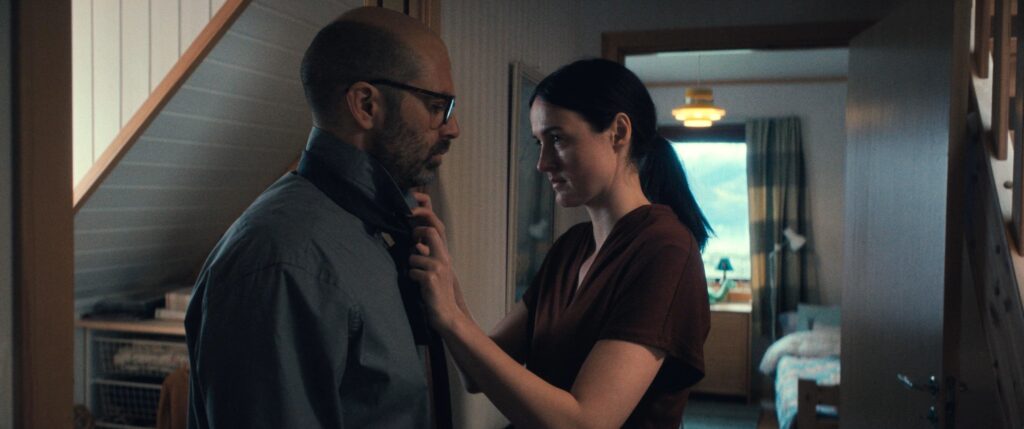
Where Renate Reinsve has cultivated a restless, romantic image in Norwegian cinema and Sebastian Stan has frequently demonstrated his considerable range, here they both deliver their most subdued performances to date, matching Mungiu’s minimalism with repressive restraint. Renate in particular treads carefully between timid hesitation and protective maternalism, often caught in wordless, solitary reflection as we linger on her pumping breast milk for her absent baby, while Stan intermittently allows a righteous anger to surface to beneath his calm stoicism. When the new foster mother arrives to collect the youngest, we remain upstairs with him to as he watches from the window, and we only need to see his body’s quiet, sobbing convulsions from behind to grasp the depth of an anguish he would never expose in public.
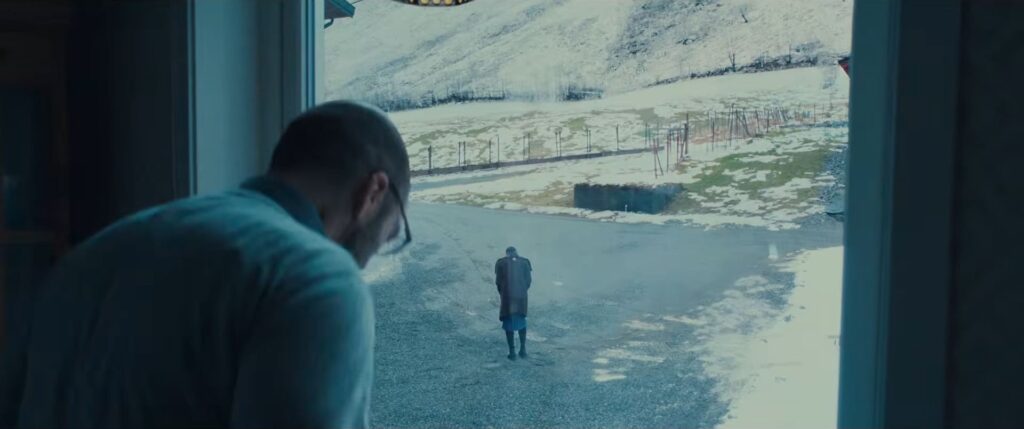
The brief outburst which immediately follows this breakdown is hardly surprising, yet Mungiu is too nuanced to flatten him into the abusive father the system assumes him to be. Right next door, Åke’s family clash over their views of the Gheorghius, with school principal Mats particularly expressing a distaste for their evangelisation while simultaneously blaming the children for their negative influence on his daughter Noora. The irony is bitter, particularly given the teenage girl’s penchant for loitering outside their bedroom window at night, inviting them on secret boat rides, and even threatening self-harm when they resist – self-harm which she horrifically follows through on.
Noora may invite trouble, though not even she is framed as an unsympathetic character. She acts as a misguided counterpoint to Elia and Emmanuel, lacking clear boundaries, yet nevertheless proving her affection to be well-meaning and sincere. These are children, and although they are indeed vulnerable, they are often just as complex as the adults they seek guidance from. Still, the desire to imprint one’s own values on the future generation is universal, and Mungiu resists drawing easy moral lines that condemn one form of parenting and vindicate another.
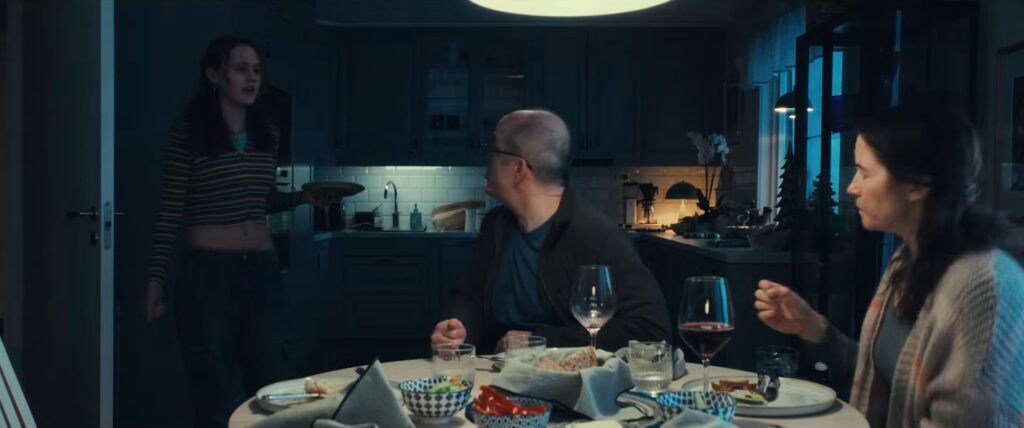
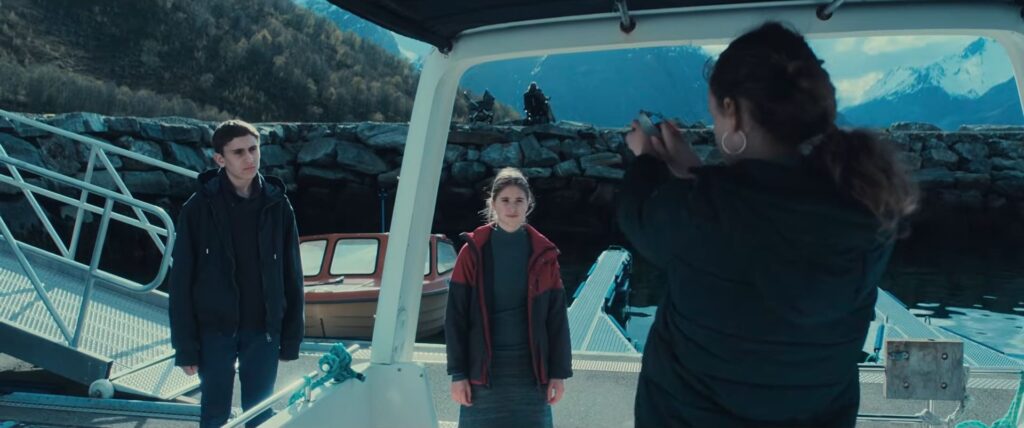
Music especially becomes a point of contention here, as the foster mother explicitly disapproves of the Gheorghius’ ban on modern songs, while Amazing Grace becomes a recurring motif which comes to reflect the family’s deeply held faith. The time they spend gathered around pianos singing hymns may appear strange, though it is certainly not harmful, despite the community’s judgement. Even so, these social differences lay the groundwork for greater suspicion when the question of child abuse is raised, grounding the town’s scrutiny in a pervasive cultural prejudice.
Fjord recognises corporal punishment as a delicate spectrum after all, often subjectively interpreted according to one’s own thresholds of severity, and even reduced at times to a matter of semantics. How much force becomes acceptable when pushing a child away from danger? How do we meaningfully distinguish between a “slap” and a “hit”? How can a child be expected to articulate such distinctions under questioning? Recognising that he is inherently disadvantaged in this legal system, Mihai thus takes his case to the incendiary arena of the internet, and it is only a matter of time before it becomes a global cultural flashpoint for conservative Christians at large.
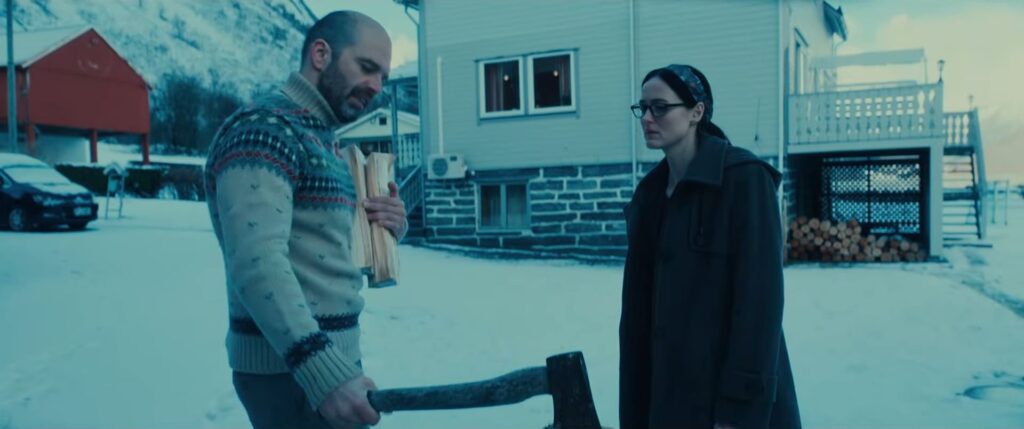
As both the defence and prosecution assemble their evidence, Mungiu’s narrative economy proves particularly deft, resurfacing seemingly incidental details as crucial pieces of testimony. That Noora’s mother Mia should act as Lisbet and Mihai’s attorney only further bolsters Fjord’s tightly woven structure, effectively delineating the wide range of views within her own family toward the Gheorghius, from Åke’s emotional dependence to Mats’ apprehension. Regardless of their neighbours’ perceptions however, it is an uphill battle for these parents to win back custody of their children, particularly within a system that rarely allows straightforward resolutions. Moral certainty is a comforting privilege in Fjord, yet Mungiu’s thorny drama unsettles is most basic assumptions, sustaining a slow-burning tension that never quite allows for the catharsis of shared, compassionate understanding.
Fjord will be coming to Australian cinemas later in 2026.