

Satyajit Ray | 2hr 16min

Finances are tight in the cramped living quarters of Subrata’s Kolkatan apartment. Besides the pressure to provide for his retired parents, his teenage sister Bani also relies on him to pay for her education, and his meagre bank job is barely enough to cover the family’s expenses. The question of his wife sharing the burden by entering the workforce is unthinkable – “A housewife should stay in her house and not wander about,” he declares – yet for Arati, this is not simply about household economics. Such rigid conservatism is an affront to her dignity and competence, and so defying generations of gendered tradition, she sets out to carve her own path as a working woman.
Arati is quick to adapt to her new role as well, knocking on doors and marketing a novel knitting device to wealthy women. As Mr. Mukherjee’s favourite employee, her transformation from timid housewife to confident professional is swift, and significantly guided by her stylish, Anglo-Indian colleague Edith. Nevertheless, this major shift in gender roles does not go without resistance back home. Where old values clash with contemporary aspirations in The Big City, Satyajit Ray exposes a deep, ideological fault line, driving a fissure through the heart of the family unit in mid-century India.
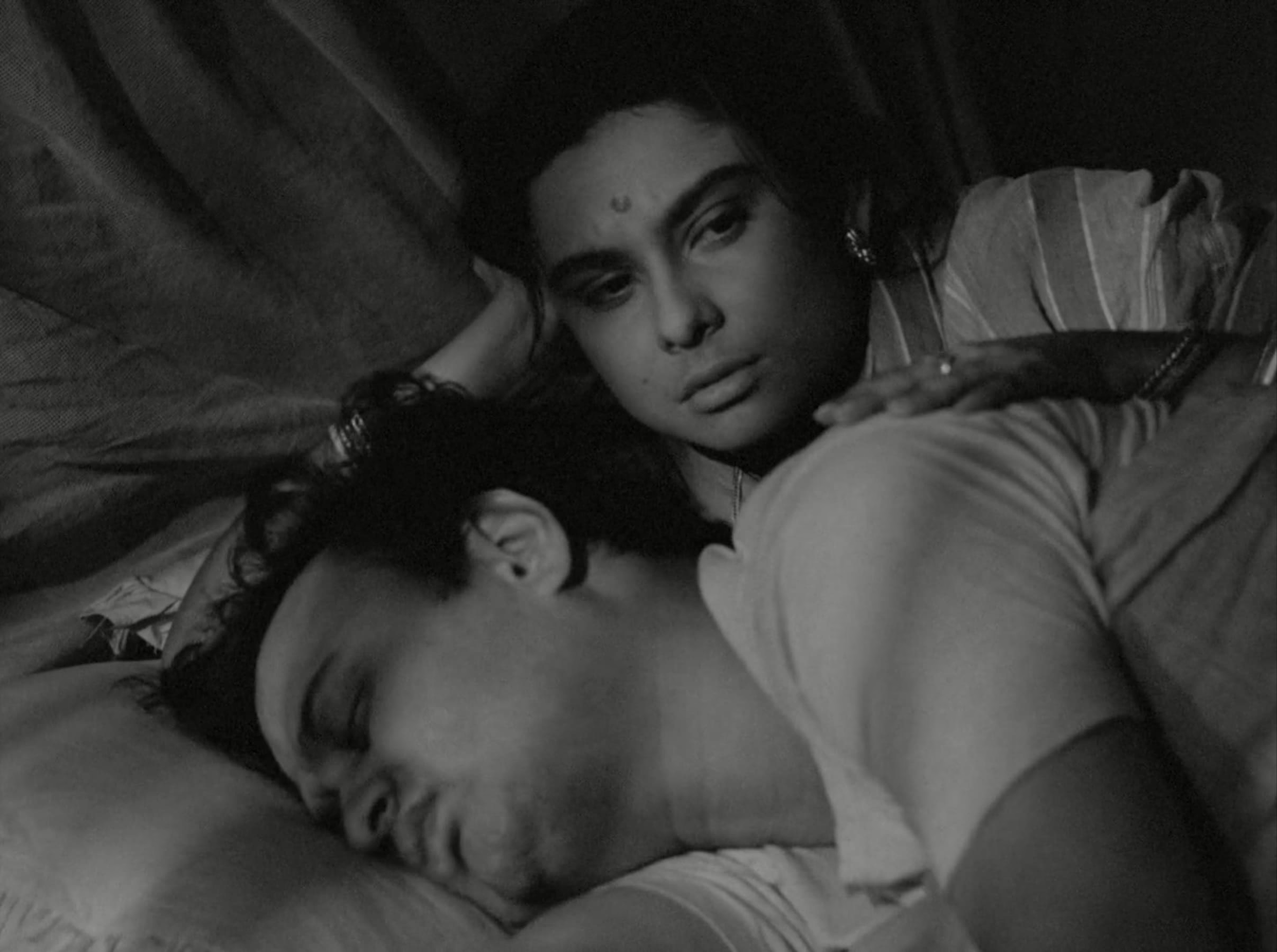
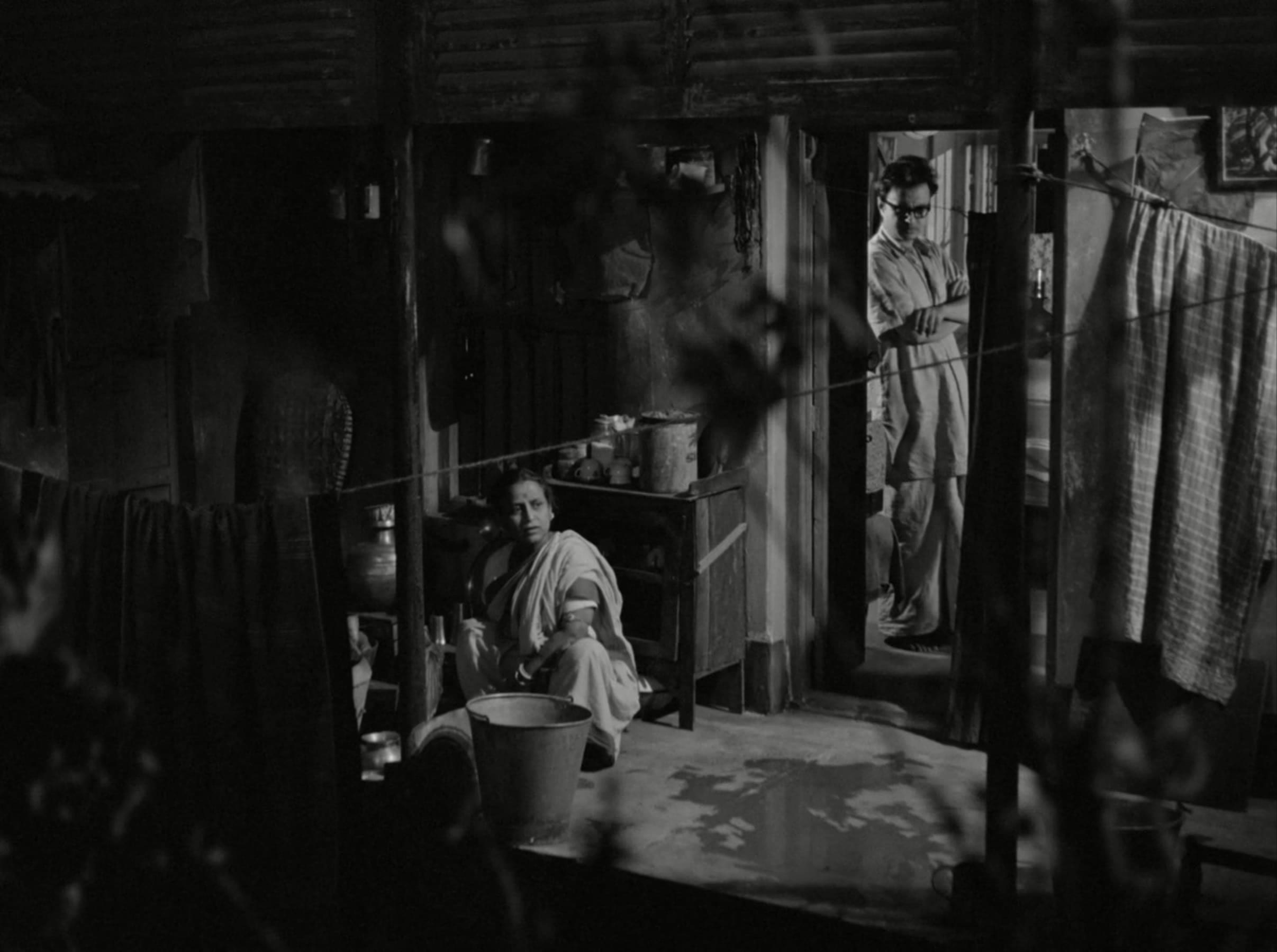
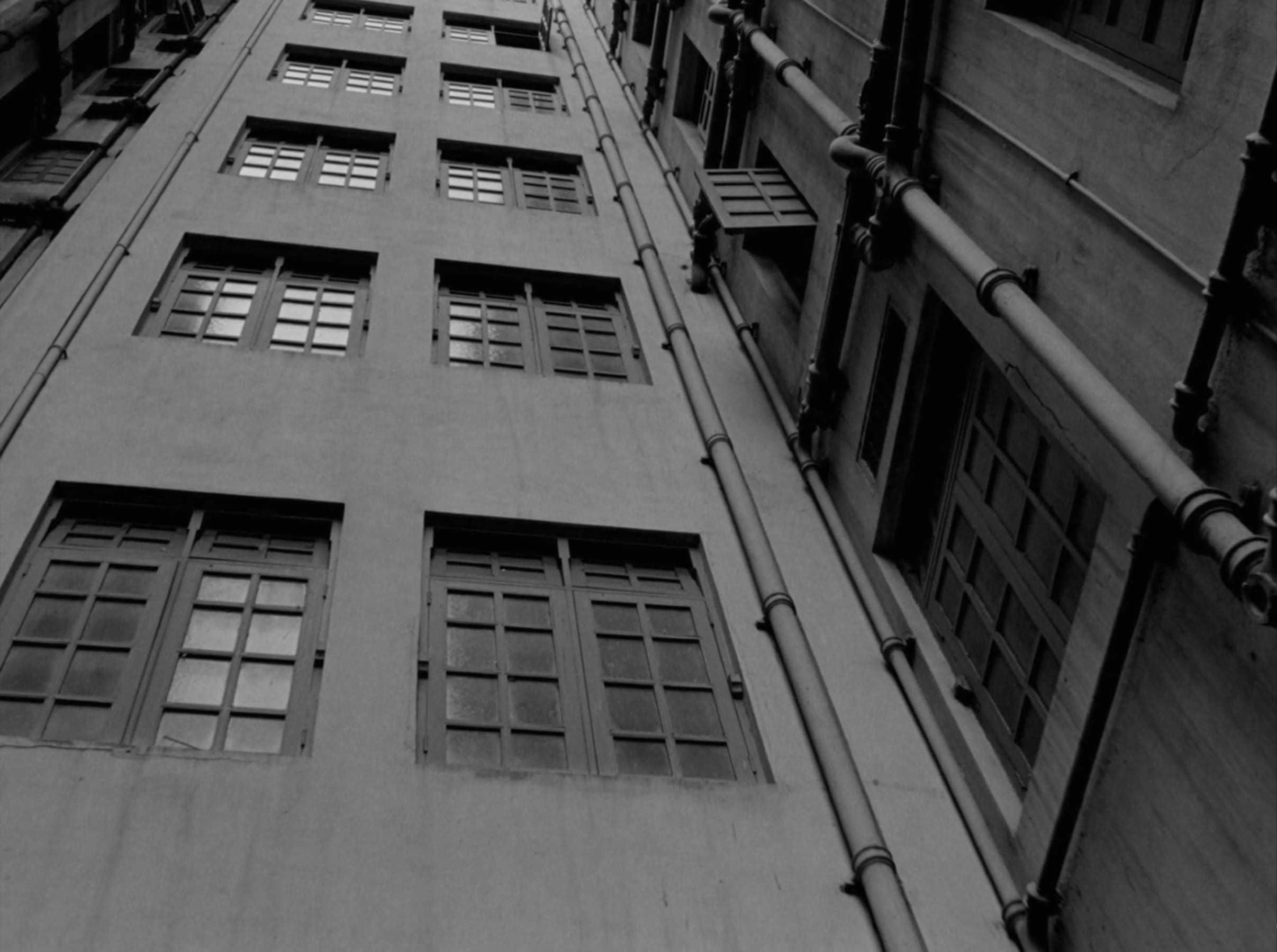
Given how emotionally enmeshed these lives are too, even minor shifts unsettle the fragile equilibrium, and Ray’s over-crowded compositions of these domestic spaces underscore the claustrophobia that comes with generational obligation. Metal window grilles become prison bars in his oppressive framing, while stacks of books and oil lamps obstruct interiors, though his strongest shots use the camera’s full depth of field to stagger his blocking through the family’s narrow apartment. There is no privacy between its rooms, separated only by thin sheets hanging from doorways. Like so many middle-class households of the era, their entanglement is all-encompassing, making autonomy a source of tension rather than relief.

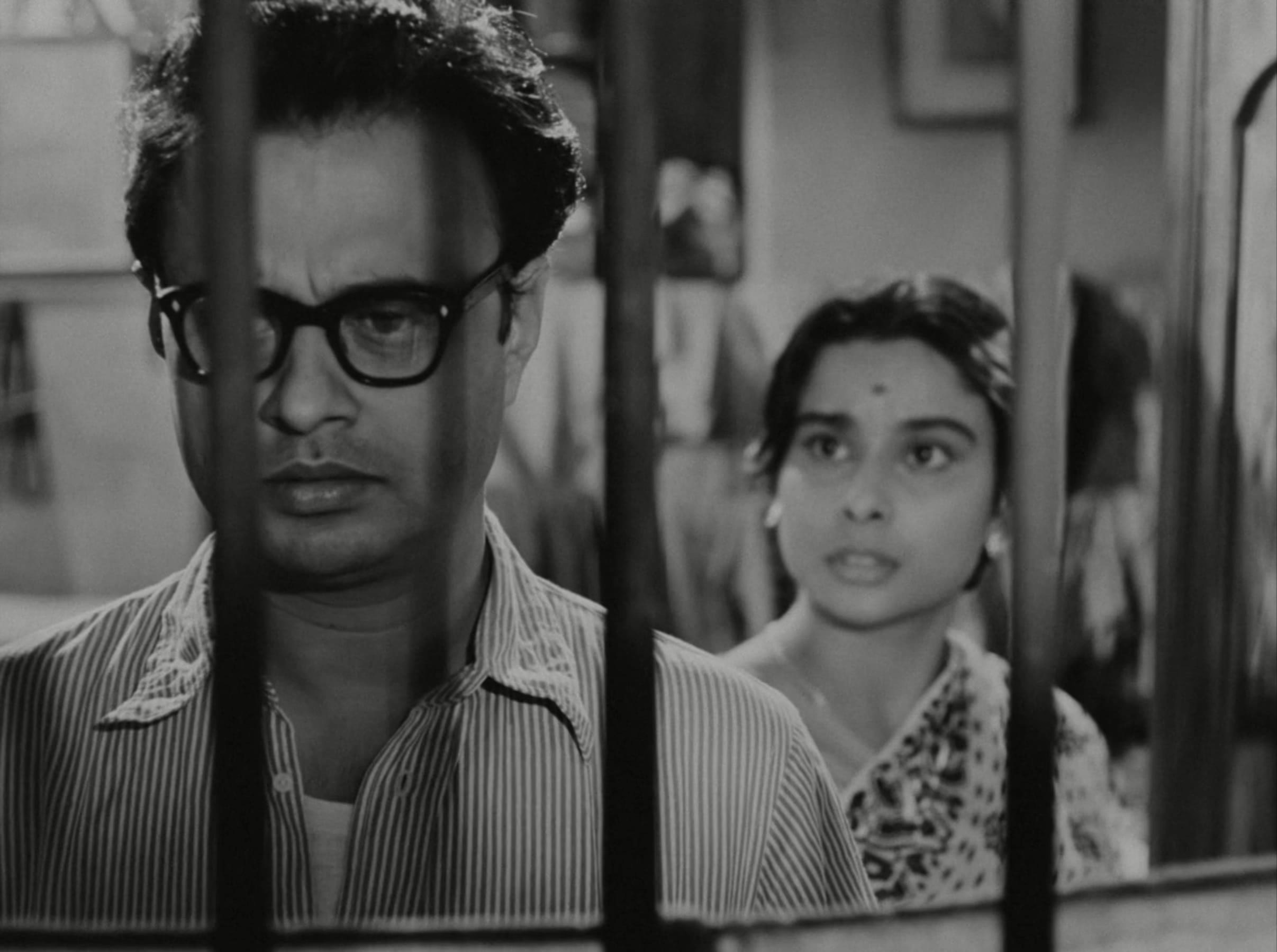
As such, Ray’s meticulous close-ups often emphasise this isolated individuality, dollying in on tormented expressions and revealing fractured relationships through Bergmanesque arrangements of faces. Arati’s internal struggle benefits the most from this framing, though this is in large part to Madhabi Mukherjee’s delicately nuanced performance, melding perfectly with Ray’s intimate camerawork. The flickering, conflicted emotions that pass across her face hold our gaze as she admires her newly confident reflection in the mirror, especially after adopting Edith’s influence to wear lipstick on the job. Throughout The Big City, we watch as Mukherjee leverages, embraces, and sensitively wrestles with this cosmetic symbol of Westernised femininity, choosing carefully when to adopt it – and perhaps most tellingly, when to withhold.

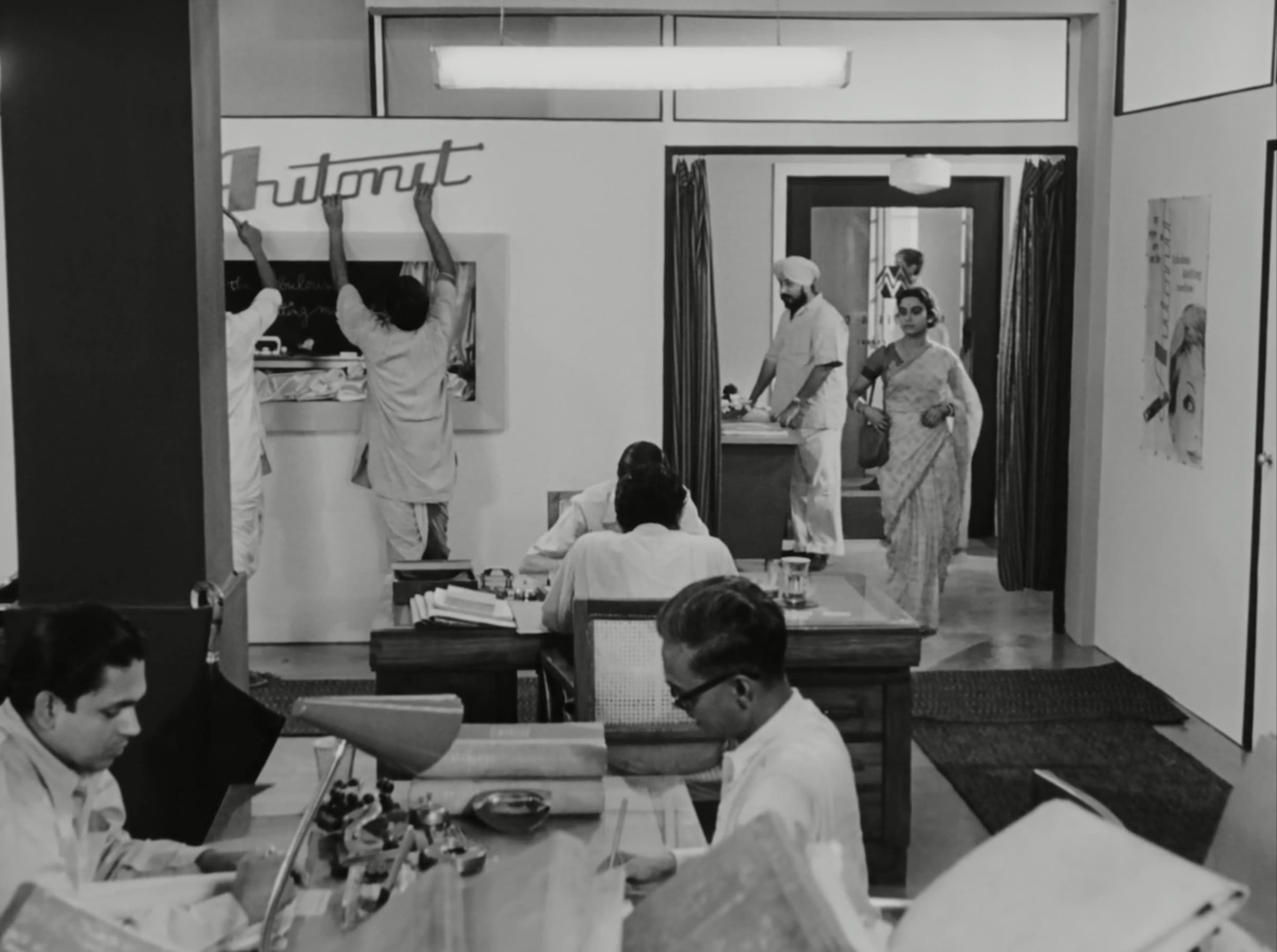
Still, the freedom and independence that Arati and her coworkers find in the workforce is far from absolute. As The Big City’s scope expands, Kolkata emerges as a political crucible of hardline traditionalists, progressives, and deeply entrenched prejudices, most starkly revealed in Mr. Mukherjee racial discrimination towards Edith. These women evidently aren’t immune to exploitation, taking it on themselves to fight for fair wages and at times being subjected to male harassment. At the very least though, they find solidarity in their network of female colleagues, collectively transgressing social norms by stepping beyond the confines of domesticity.
“You wouldn’t recognise me on the job,” Arati tells her husband, and indeed, her metamorphosis is unmistakable in The Big City. While Subrata struggles with the emasculation of unemployment, Arati is praised for her diligence and conscientiousness, yet at the same time feels compelled to save his dignity in the public eye. Through one extraordinary tracking shot, Ray’s camera captures her in a café as she fabricates a story about his success to a friend, before gliding towards a prismatic column of mirrors. In one reflection, we see his wounded expression eavesdropping on her conversation, while Arati’s oblivious conversation continues to unfold in the other. Without a single cut, Ray efficiently reframes his camera to cleave this couple into separate planes, and thus draws a visual and emotional chasm between them.

Back at home, competing notions of duty and dignity collide over the social cost of financial relief. Arati’s young son Pintu is quick to abandon his apprehension, deciding that happiness depends only on his toys, while Bani primarily worries that Arati’s income will not cover her education. The fiercest resistance to this housewife’s newfound independence rather comes from her retired father-in-law, Priyogopal, who would sooner beg his past students for money before accepting a birthday gift from her. Having lost his glasses on the train, he is in dire need of a replacement, yet even that is not enough to shake his staunch adherence to patriarchal ideals.
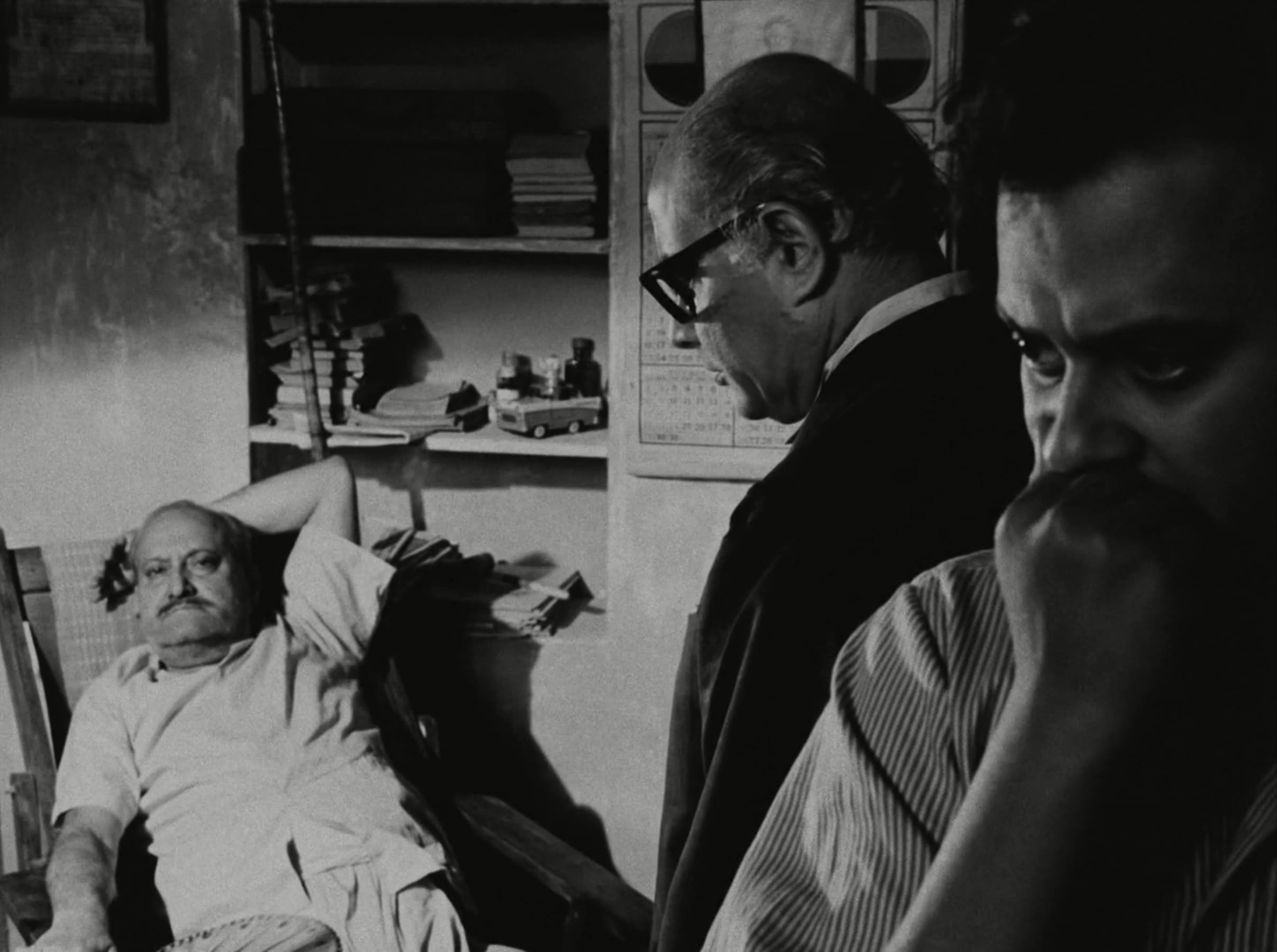
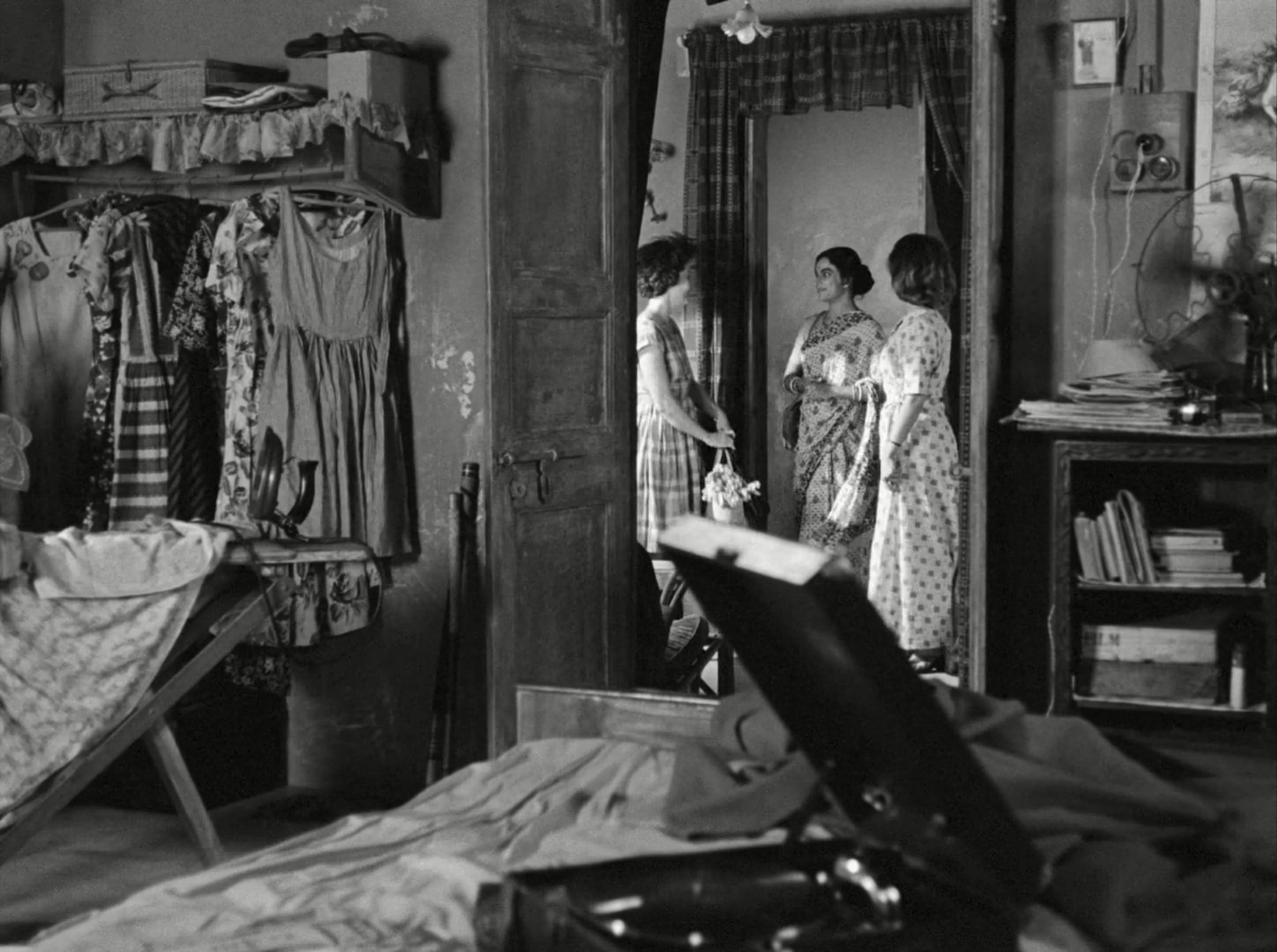
Priyogopal’s stubborn pride surfaces most acutely within the hierarchal subversions of Ray’s ensemble, finding himself on the subordinate end of relationships he once presided over as a father and teacher, and feeding his class resentment as he considers how those young men he once taught have now surpassed his success. On a broader level though, this personal dislocation mirrors the destabilisation of other power structures throughout the film – not only in Arita and Subrata’s marriage, but also in the cultural residue of British imperialism that underpins Mr. Mukherjee’s contempt towards Edith. When he unjustly fires Edith for taking sick leave, this entrenched bias consequently propels The Big City toward its climactic rupture of the social order, sending Arati to indignantly confront her boss’ authority.
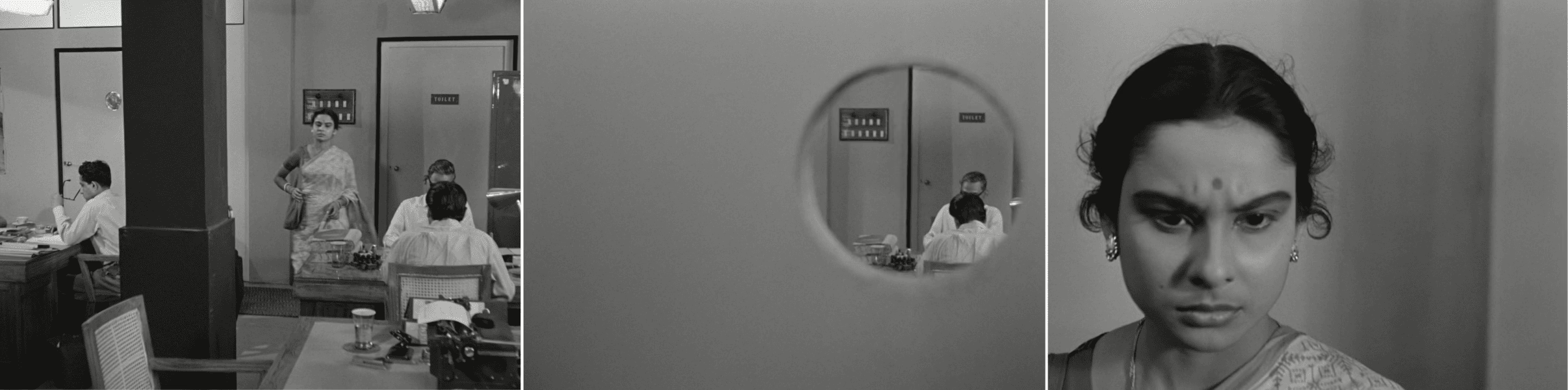
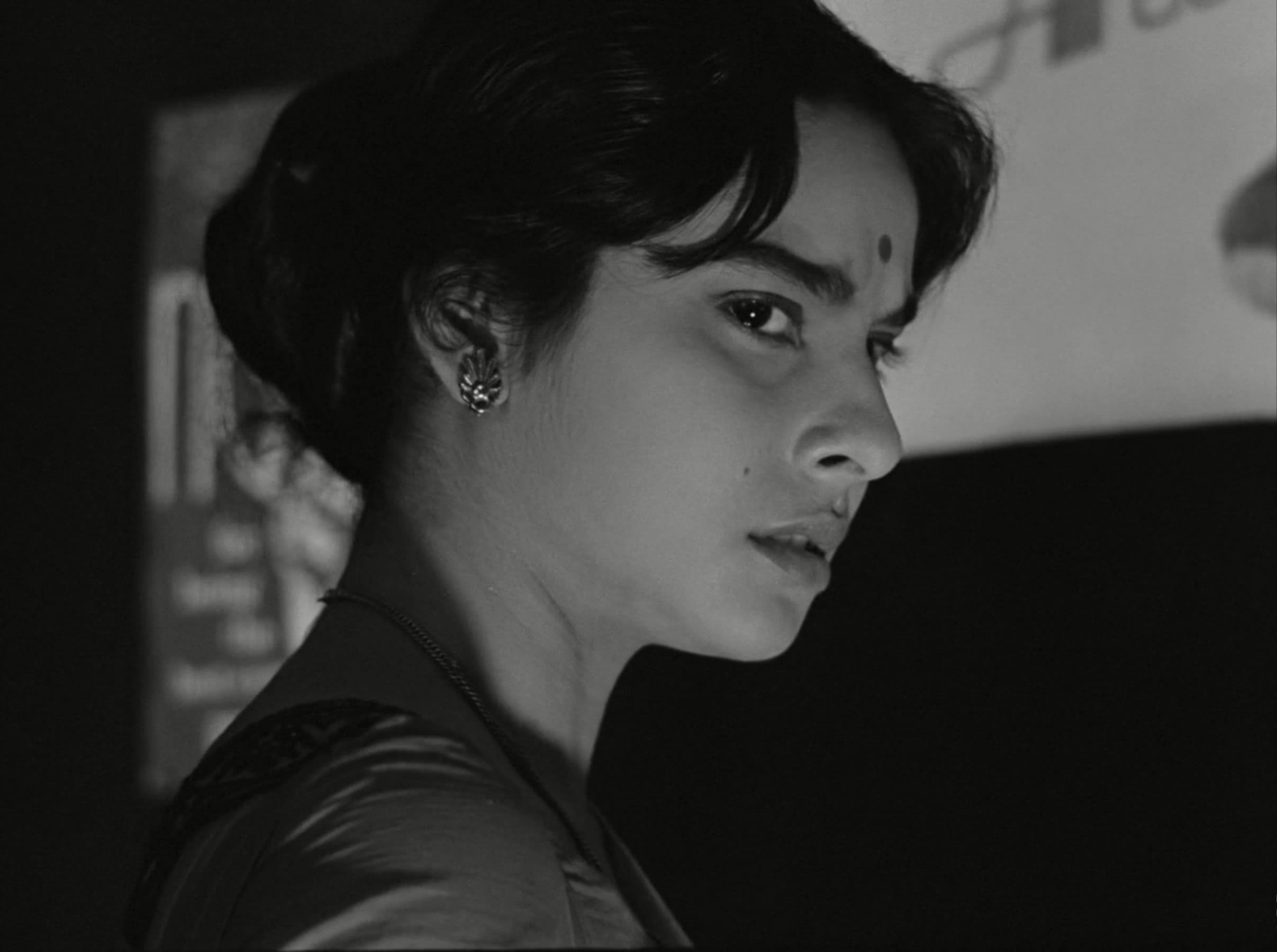
As Arati wrathfully strides toward Mr. Mukherjee’s private office, Ray begins with a wide shot of the bullpen, before pulling back to frame the view through the small, circular window in his office door. Again, without cutting or even travelling between rooms, the camera reframes into an intense close-up as she bursts through – and we have never quite seen her as enraged as she is in this moment. The firm through which she forged this hard-won confidence now ironically finds itself challenged by that very resolve, and though she knows it may jeopardise Mr. Mukherjee’s offer to secure Subrata a respectable job, she defiantly chooses principle over security. With Arati’s sharp profile and unyielding glare dominating Ray’s low angle, she hands in her official resignation, before furiously exiting the building alongside his handheld camera.
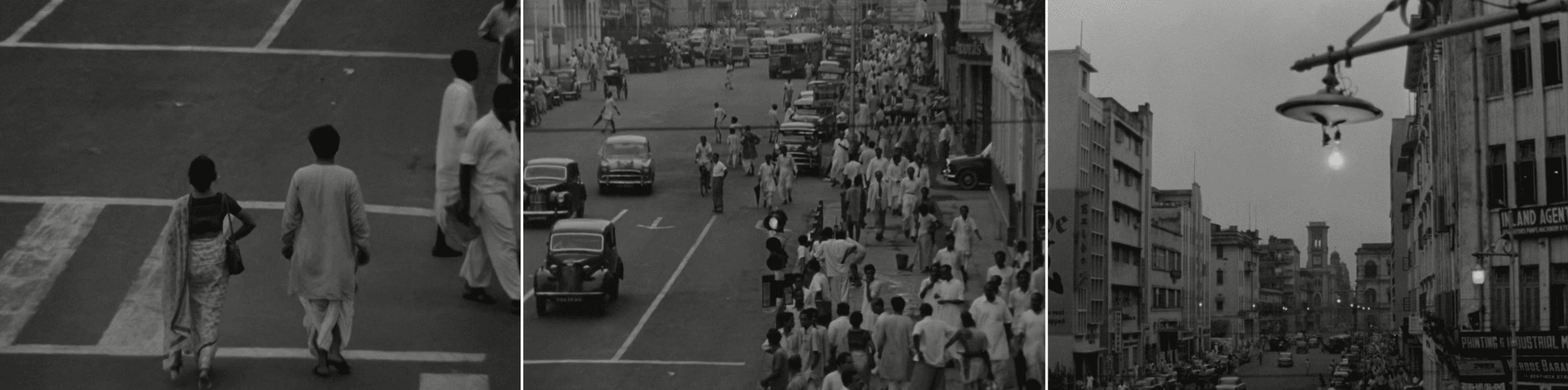
The Big City does not seek resolution in Arati and Subrata’s financial predicament, nor in the restoration of dated gender roles. Instead, their story ends with compassionate understanding of the choices they have made, and a shared commitment to own these together. “Such a big city. So many different jobs. Surely one of us can find a job,” Arati murmurs, gazing up Kolkata’s towering architecture – and as a crane shot gradually reveals the flow of pedestrians and vehicles, they too are absorbed into the restless crowd, liberated and united in tender, devoted resilience.
The Big City is currently streaming on The Criterion Channel.