1950s

Apur Sansar (1959)

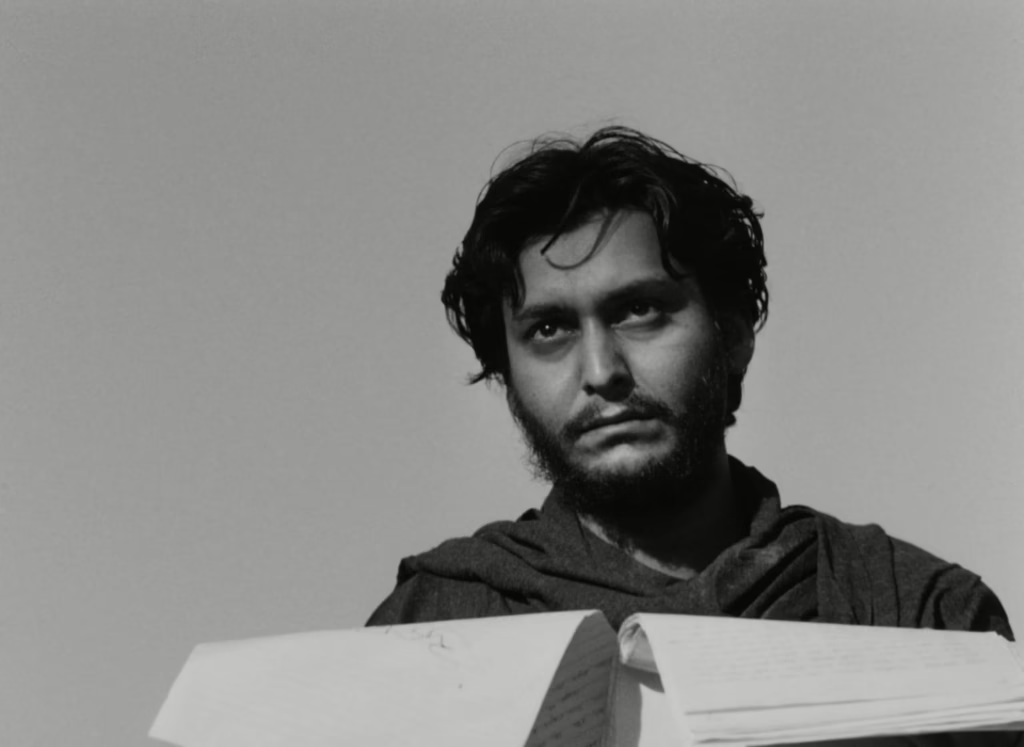
Satyajit Ray gracefully brings his epic coming-of-age trilogy full circle in Apur Sansar, guiding the now-grown Apu through shattering grief, and towards an enlightenment that can only be found in the timeless, seasonal cycles of nature.

The Music Room (1958)

Through the haunting elegance of The Music Room’s floating camerawork, Satyajit Ray settles an auspicious haze and stirring musical transcendence over the downfall of a proud noble, casting him within a mythic fable of envy, ego, and the Indian aristocracy’s self-inflicted ruin.

Aparajito (1956)

The middle part of Satyajit Ray’s coming-of-age trilogy lingers precariously between innocence and responsibility as Apu approaches adolescence, and through Aparajito’s passage between pastoral and city life, grapples with the irrevocable losses that make each small step towards maturity possible.

Pather Panchali (1955)

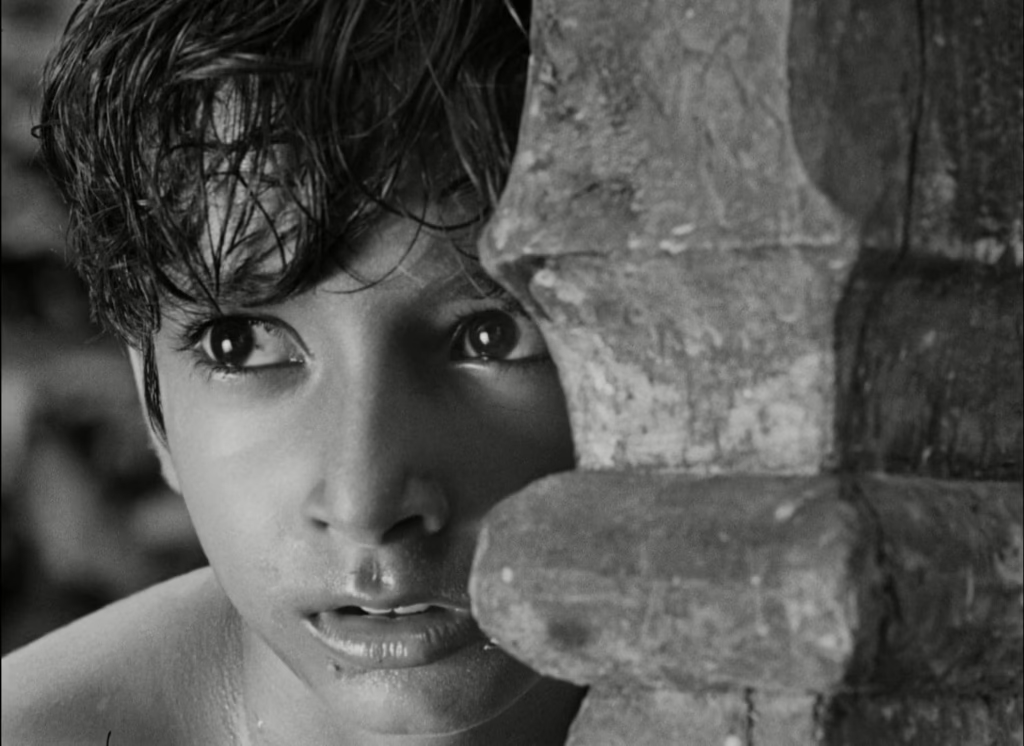
Six-year-old Apu may revel in the bright innocence of his rural childhood, yet the sacred cycles of Satyajit Ray’s natural world persist, holding memories of joy and sorrow within Pather Panchali’s timeless, primordial pulse.

Floating Weeds (1959)

It might seem redundant for such a formally consistent director to remake an early success, yet Floating Weeds stands as a powerful testament to Yasujirō Ozu’s artistic evolution over the decades, imbuing this fable of fading relevance and fractured families with an elegant, melancholy maturity.

Good Morning (1959)

Although the silent protest of two young boys in Good Morning is aimed at their parents’ refusal to buy a television set, their frustration also extends to the small talk exchanged between grownups, marking an unusual comic turn for Yasujirō Ozu in his satire of everyday, superficial communication.

Equinox Flower (1958)

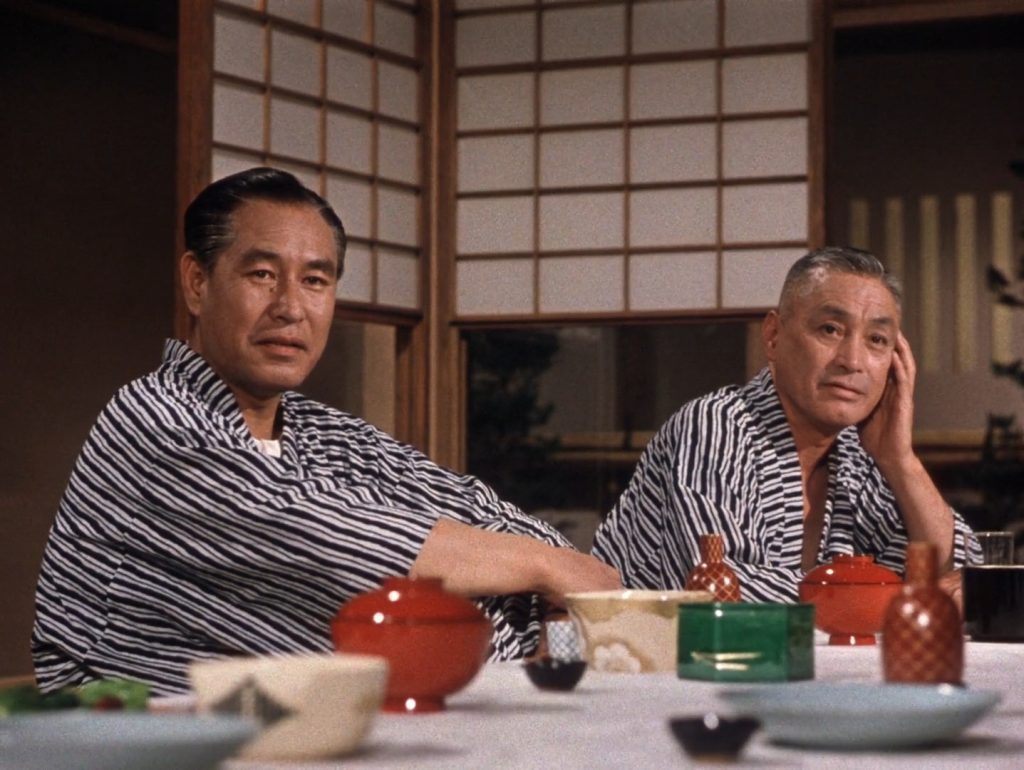
Yasujirō Ozu’s foray into colour cinematography aligns beautifully with the eloquent optimism of Equinox Flower, tracing one seemingly progressive businessman’s resistance to his daughter’s marriage, and confronting his hypocrisy with gentle humour.

Tokyo Twilight (1957)

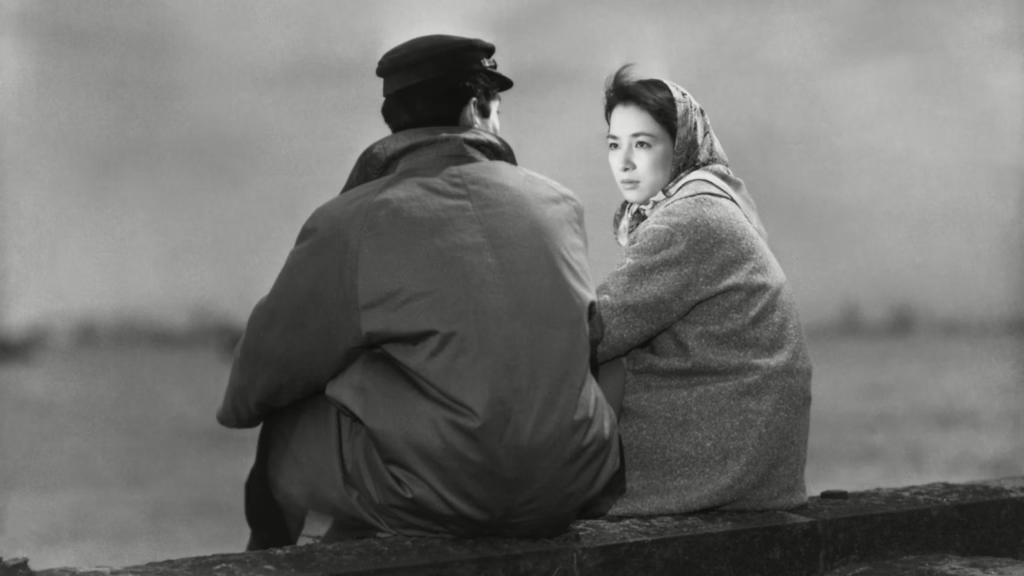
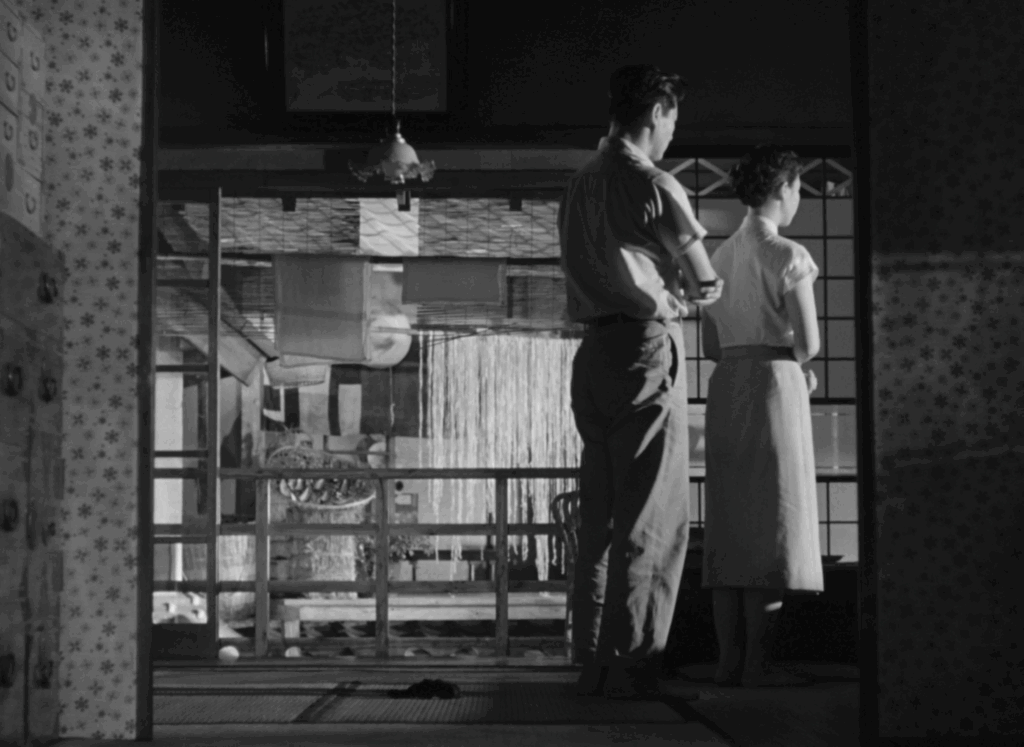
The domestic melodrama of Tokyo Twilight is so morose by Yasujirō Ozu’s standards, its darkness seeps into virtually every corner of his meticulous, homely interiors, unearthing guilty secrets within a family shattered by silence, grief, and regret.

Early Spring (1956)

Within Early Spring’s delicately composed reflection of 1950s Japan, one office worker’s affair becomes a shattering disruption to the status quo, as Yasujirō Ozu’s melancholy meditation navigates the consequences of intimate betrayal and marital breakdown.

Tokyo Story (1953)

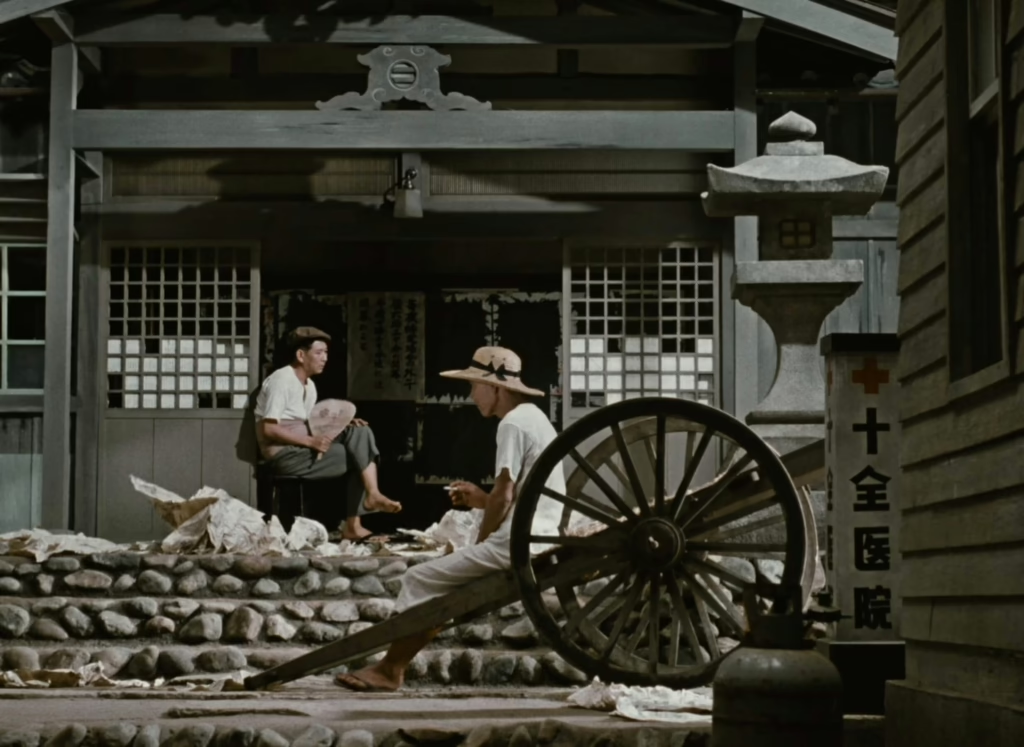
As we follow one elderly couple’s visit to their adult children in Tokyo Story, the meditative passage of time very gradually becomes visible, transforming the act of dutiful repetition into a contemplative poetry that delicately traces post-war Japan’s shift away from a past it would rather forget.

Scroll to Top