1950s

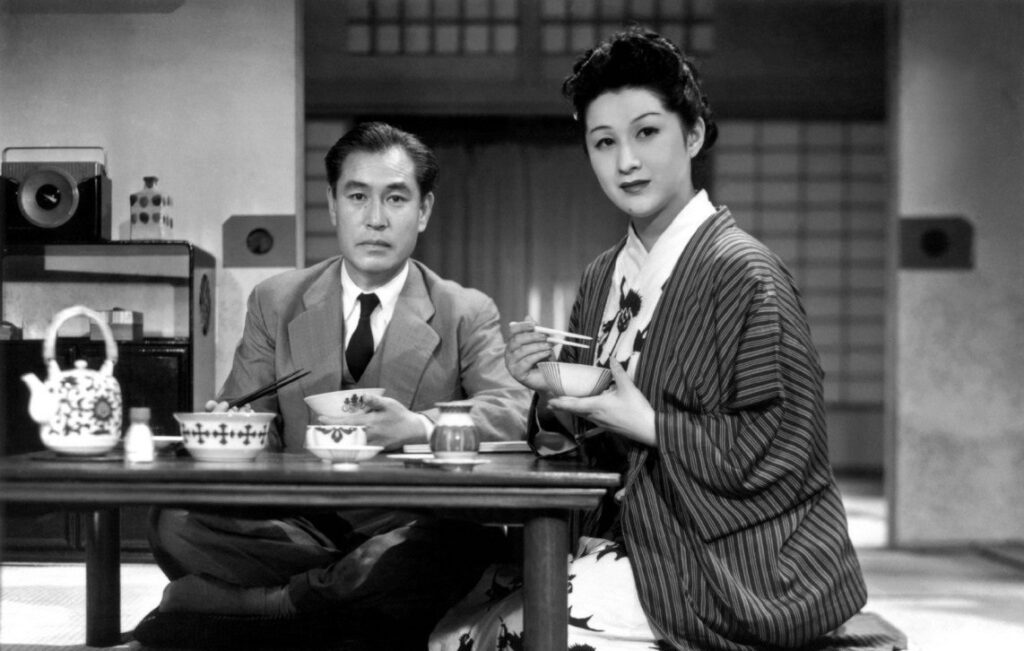
The Flavor of Green Tea Over Rice (1952)

Although Taeko and Mokichi’s marriage has been left to wither in The Flavor of Green Tea Over Rice, Yasujirō Ozu never stops yearning for the love that lingers beneath their contempt and sorrow, seeking a return to steady companionship through routine, redemption, and grace.
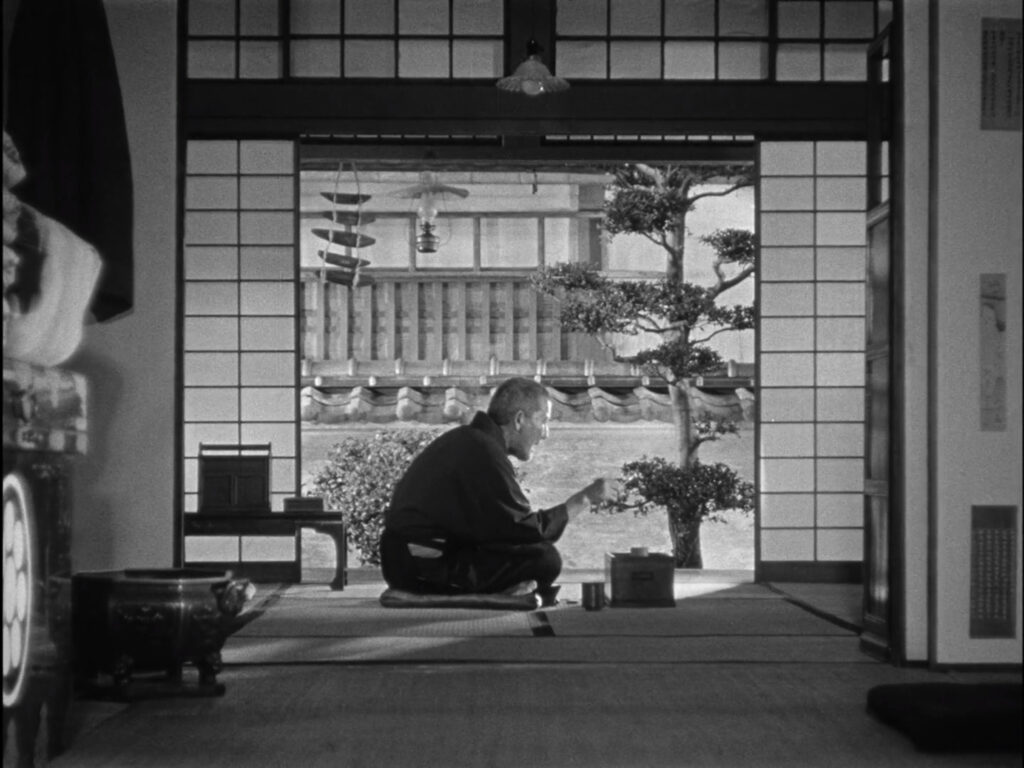
Early Summer (1951)

Post-war Japan’s shifting cultural attitudes tangibly manifest within the cluttered, multi-generational household of Early Summer, its domestic interiors of birdcages and shoji doors infused with Yasujirō Ozu’s introspective meditations, and simmering tension around its eldest daughter’s longing for independence.

Journey to Italy (1954)

Roberto Rossellini’s casting of one trouble marriage against the crumbling, historical ruins of Naples reveals rocky foundations in Journey to Italy, deeply pondering how we let our mortality define our relationships, and the existential loneliness which organically emerges from them.

The Cranes Are Flying (1957)

Mikhail Kalatozov’s dynamic camerawork does not spare us from the anguish of a nation subjected to unfathomable trauma in The Cranes Are Flying, distilled within one young woman who achingly perseveres through the grief, guilt, and loneliness of seeing loved ones fall to the carnage of war.

The Quiet Man (1952)

The craggy mountains, verdant pastures, and mossy stone walls of rural Ireland burst with vibrant effervescence in The Quiet Man, where John Ford sets breathtaking backdrops for the return of one American immigrant to his old family farm, as well as the ensuing drama which results from his courtship of the local bully’s sister.

Elevator to the Gallows (1958)

The assassination that will finally allow secret lovers Julien and Florence to elope couldn’t be more carefully planned, and yet the fatalistic pull of destiny has other mischievous intentions in Elevator to the Gallows, as Louis Malle intertwines two Parisian tales of love and crime with dark, seductive malice.

Senso (1954)

Contessa Livia Serpieri’s distaste for melodrama clearly does not extend to her own operatic romance in Senso, as Luchino Visconti stages her reckless affair against the tumultuous backdrop of 19th century Italy with historic grandeur, apprehensively waiting for these delusions of exotic love to unravel and expose the insecurities they conceal.

The Earrings of Madame de… (1953)

With Max Ophüls’ dextrous camera manoeuvring the ups and downs of Louise’s affair in The Earrings of Madame de…, it isn’t hard to fall prey to her idealistic belief in romantic destiny, imbuing her precious jewels that miraculously keep finding their way home with a mystical, auspicious significance.

Nights of Cabiria (1957)

With an intelligent employment of religious and demonic imagery at hand, Federico Fellini and Giulietta Masina craft one of the most indelible cinematic characters of the 1950s, allowing us an empathetic vessel through which we contemplate the religious hypocrisies and class struggles of post-war Italy.

Il Bidone (1955)

Rocky is the path to redemption in Il Bidone’s modern parable of morality and corruption, but so too is it spiritually purifying, as Federico Fellini strips back the lies of a professional swindler to uncover the grace that lies dormant in even the most dishonest man.

Scroll to Top