
1960s

Point Blank (1967)

In straddling a line between pulpy violence and sophisticated visual artistry, Point Blank astonishingly transcends all genre trappings, as John Boorman’s confounding, non-linear narrative extracts a dizzying fever dream from the vengeful quest of a wronged man across formidable urban landscapes.
Lola (1961)

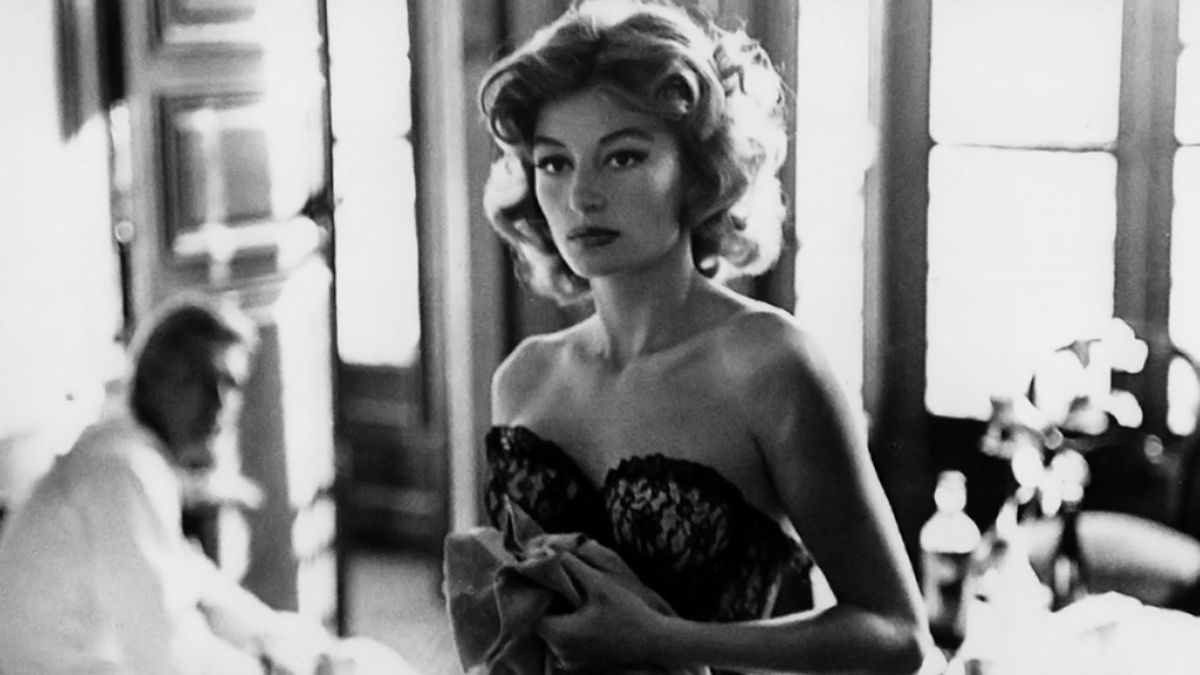
The relative lack of songs in Lola should not be taken to mean that the film unfolds with any less panache, vigour, or sensitivity than a traditional movie-musical, as Jacques Demy’s brisk tracking shots and delicate editing brings a rhythmic sensibility to his musings over long-lost lovers.

Shadows of Forgotten Ancestors (1965)

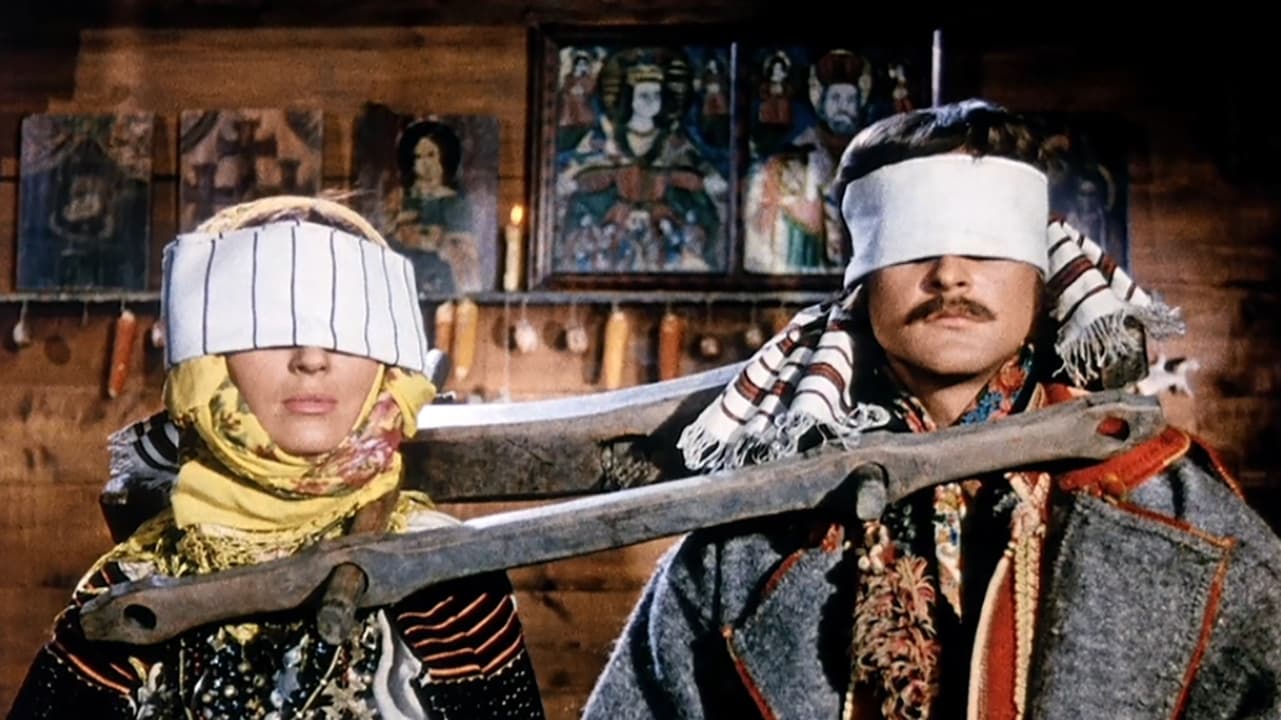
In setting up a formal clash between his brazen stylistic experiments and the stagnant setting of a traditional Ukrainian village, Sergei Parajanov pushes the focus of Shadows of Forgotten Ancestors past this narrow-minded society and towards the haunting mysticism which lies both beyond its boundaries and within its own characters.

The Producers (1967)

Mel Brooks’ irreverent satire of the entertainment industry’s grotesque exploitations wastes no time in zooming from one plot point to the next like a Marx Brothers routine, using the great comedic talents of Gene Wilder and Zero Mostel to not just match his brisk pace, but to push it even further.

L’Avventura (1960)

For the Italian bourgeoisie who sit untouched above the rest of society in Michelangelo Antonioni’s L’Avventura, there is such a thin line between existence and non-existence that the disappearance of a friend barely registers. The only tangible truths out there are those huge, material constructions which tower over the city, like odes to the superfluity of human progress. 

Scroll to Top