Recommend / Highly Recommend

And the Ship Sails On (1983)

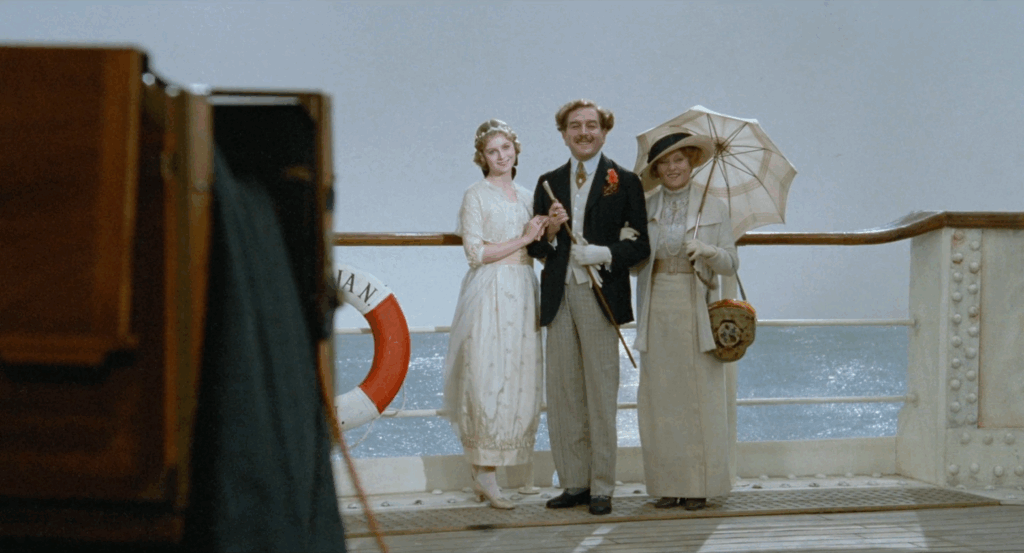
The passengers that gather aboard the cruise liner of And the Ship Sails On are an eclectic mix of European aristocrats, each individually targeted by Federico Fellini’s irreverently absurd sense of humour, and together making up a nautical class satire that revels in their splendid merriment and misfortune.


City of Women (1980)

The outlandish matriarchal society that middle-aged philanderer Snàporaz traverses in City of Women is not quite a grand feminist statement, but rather a self-deprecating cinematic tool for Federico Fellini to pick at his own masculine insecurities, sprouting deliberations on gender and sexuality through a string of surreal, chaotic vignettes.

Love Lies Bleeding (2024)

As a string of bodies stacks up in the sordid rustic town of Love Lies Bleeding, Rose Glass sinks us into a twisted rural noir of drug abuse, bodybuilding, and gun smuggling, following the uncontrollable careening of queer lovers Lou and Jackie into a seedy underworld of treachery and murder.

Perfect Days (2023)

Wim Wenders’s smooth weaving of one toilet cleaner’s daily routine into the narrative structure of Perfect Days is not only a testament to his own formal attentiveness, but also warmly invites audiences into a collective meditation, finding contentment within the unassuming patterns and details of a modest, dutiful life.

Teenage Mutant Ninja Turtles: Mutant Mayhem (2023)

It is in the anarchic rejuvenation of animation itself that Teenage Mutant Ninja Turtles: Mutant Mayhem fully embraces the rebellious spirit of its outcast heroes, emulating the sort of colourful scrawls and grungy imperfections that might be found in a teenager’s sketchbook, and vividly manifesting the coming-of-age tale which underlies its kinetic superhero action.

Maestro (2023)

To work as both a conductor and composer is to live two separate lives, Leonard Bernstein ruminates in Maestro, and it is this duality which Bradley Cooper reverberates all through his biopic of the great musician, revealing with sweeping passion and subdued restraint the contradictions that lie at the heart of genius.

The Magician (1958)

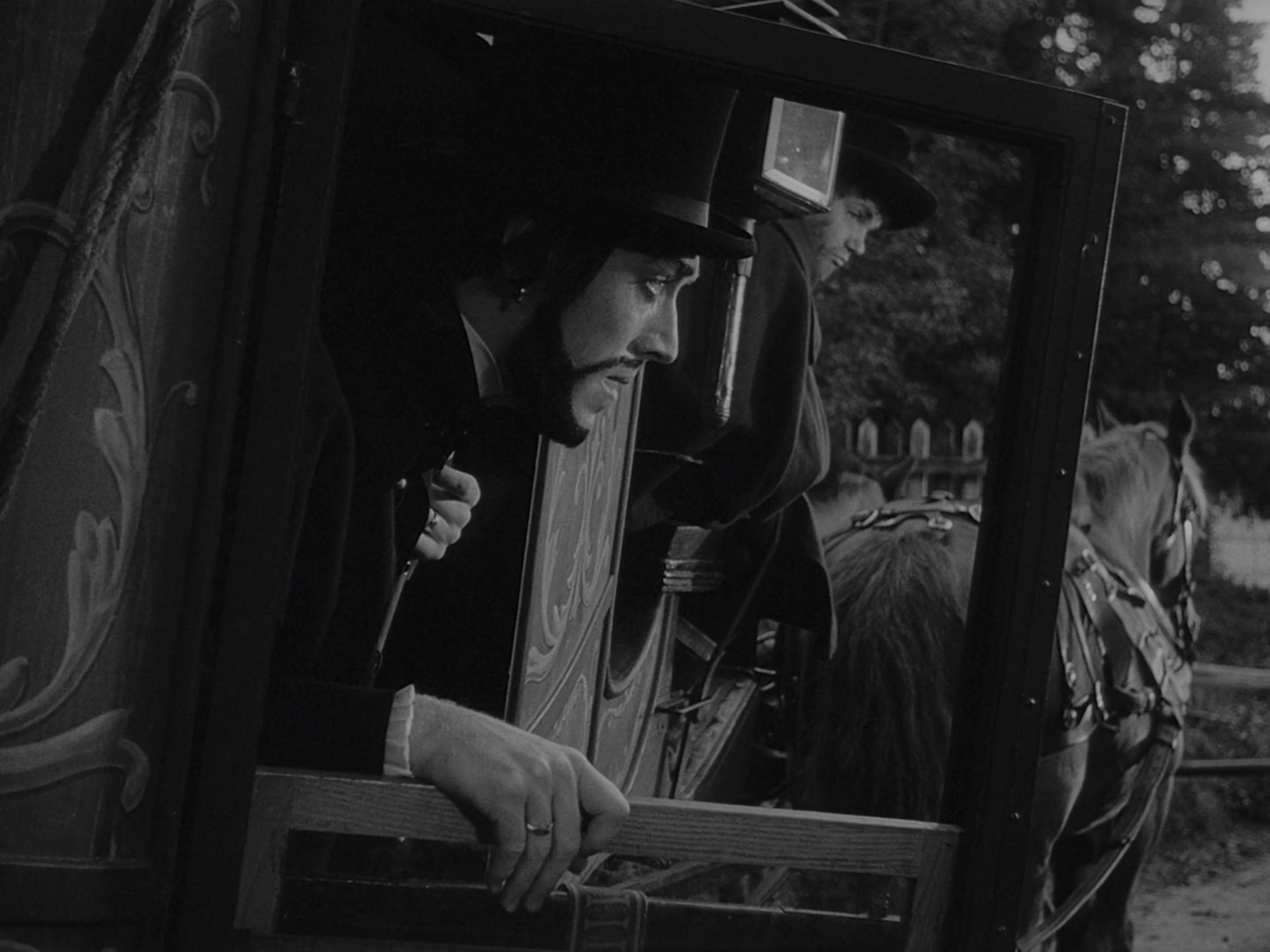
Ingmar Bergman captures an offbeat blend of his severe dramas and graceful comedies in The Magician, turning a critical eye towards his own craft of underhanded artistic manipulations by centring a travelling troupe of con artists, and lightly exposing the fraud that unites them with their harshest critics.

Summer Interlude (1951)

Marie and Henrik aren’t the first lovers in an Ingmar Bergman film to be brutally torn apart, but they are first to be developed with such visual splendour and warmth, as Summer Interlude dreamily calls back to those nostalgic, youthful vacations that seemed to go on forever, flourishing in the tiny tensions and pleasures of one’s first romance and heartbreak.

Almost Famous (2000)

Almost Famous rolls along with all the thrust and exhilaration of a rock concert, as steeped in 70s pop culture as Cameron Crowe himself, and showing off a skilful tonal balance that ties each comedic and tragic set piece together into a nostalgic reflection on a musical era as joyfully uninhibited as it was potentially soul-destroying.

Scroll to Top