

-

The Best Films of the 1980s
The greatest films of the 1980s, from the end of New Hollywood to the rise of the modern blockbuster.
-

Rumble Fish (1983)
Whatever optical restrictions are imposed by the legendary Motorcycle Boy’s colour blindness In Rumble Fish are drastically offset by the dreamy expressionism elongating every angle of Francis Ford Coppola’s visuals, offering a refreshingly eccentric perspective of 1960s gang warfare, urban Oklahoma, and its restless adolescents seeking to break free of their social confines.
-
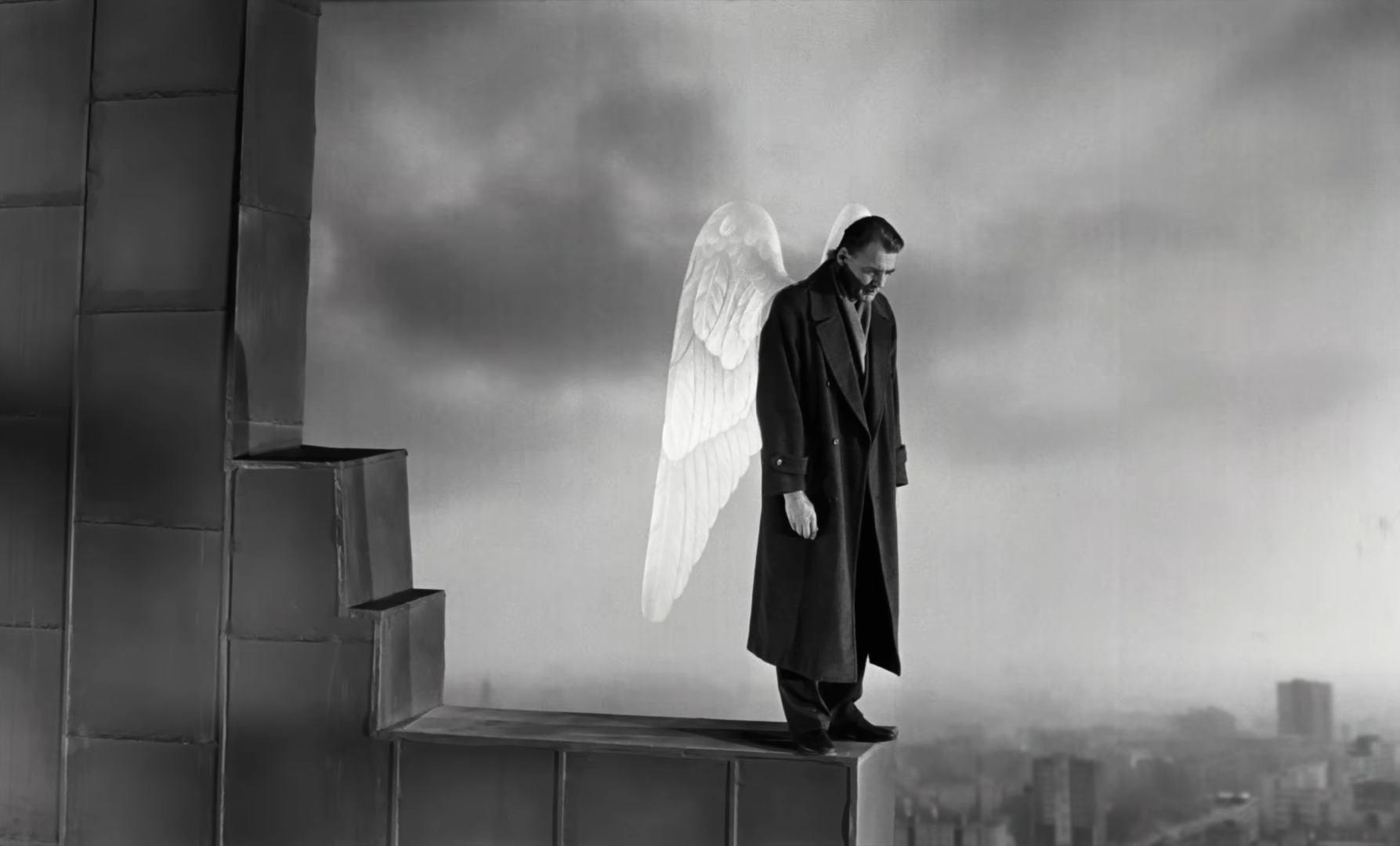
Wings of Desire (1987)
The god’s-eye view of humanity that Wim Wenders grants us in Wings of Desire flies high above 1980s West Berlin with watchful angels, and swoops down low to tune into the intimate thoughts of its citizens, crafting a dreamy city symphony that finds childlike wonder in its everyday pleasures and private sufferings.
-

The Sacrifice (1986)
As if filtered through the prism of one man’s existential trepidation, Andrei Tarkovsky casts a delicate ethereality across the elemental textures and theological iconography of The Sacrifice, lulling us into the soothing despair of a looming nuclear holocaust that may or may not be averted through enormous spiritual offering.
-

Mishima: A Life in Four Chapters (1985)
The perfect synthesis of art and action in Mishima: A Life in Four Chapters is just as essential to Paul Schrader’s formal representation of Yukio Mishima as it is to the nationalistic writer himself, seeing the latter’s life and novels coalesce into a vibrant portrait of a traditionalist born out of time, as he rigorously pursues the reconciliation of aesthetic and spiritual beauty.
-

After the Rehearsal (1984)
The stage is a place of deep meditation for theatre director Henrik in After the Rehearsal, letting memories of past and future relationships manifest with a subtle, time-shifting surrealism, and seeing Ingmar Bergman’s nostalgic humility take eloquent form as he looks back on his career.
-

Fanny and Alexander (1982)
The vivid imagination of Ingmar Bergman’s young protagonist in Fanny and Alexander is as enchanting as it is frighteningly dangerous, expressing itself through vibrantly festive mise-en-scène and impressionistic supernatural visions, and forming the basis of a deeply sentimental rumination on childhood wonder, trauma, and grief.