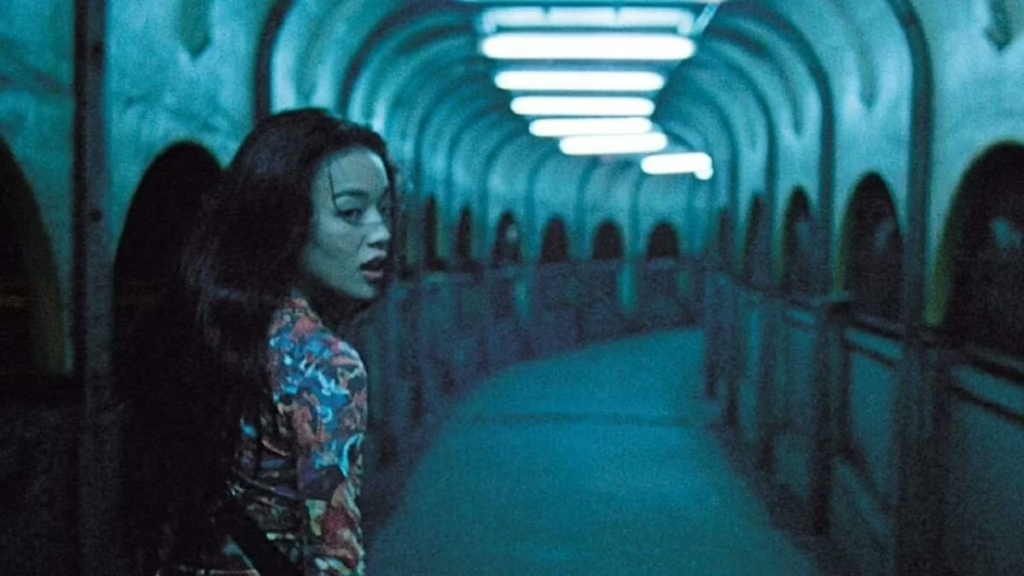
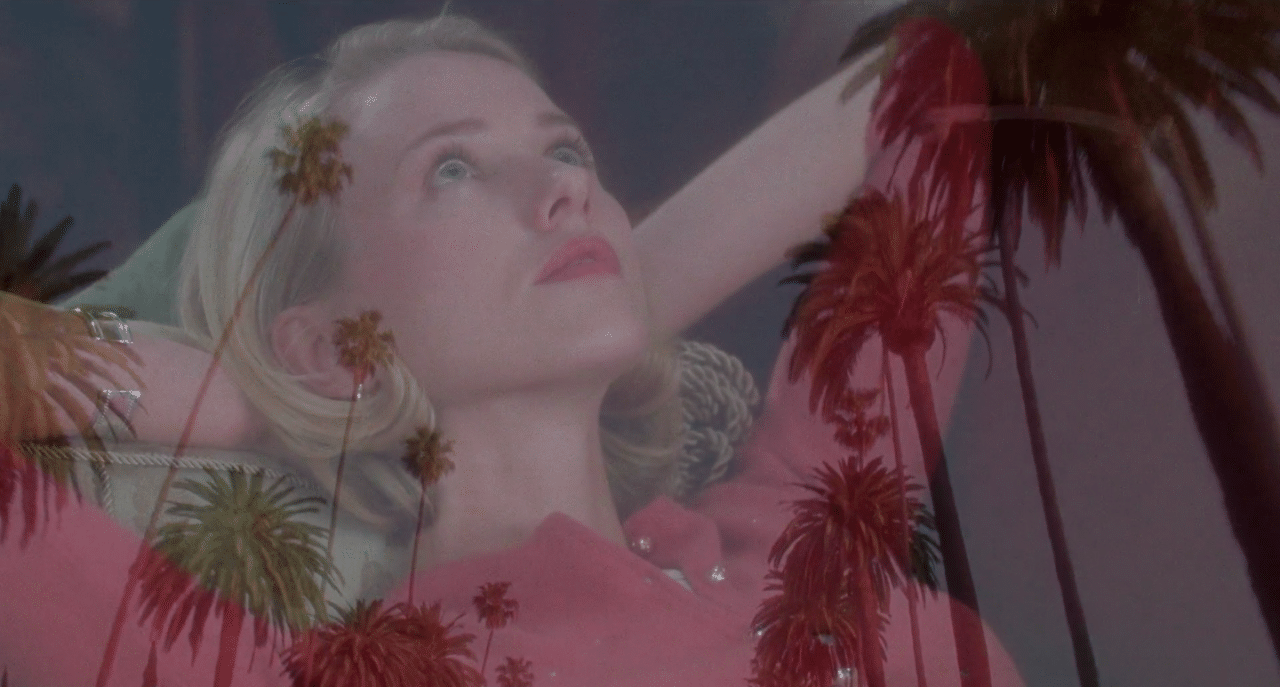
Top 10 of the Year
| 1. Mulholland Drive | David Lynch |
| 2. The Royal Tenenbaums | Roy Andersson |
| 3. The Lord of the Rings: The Fellowship of the Ring | Peter Jackson |
| 4. Y Tu Mamá También | Alfonso Cuarón |
| 5. Moulin Rouge! | Baz Luhrmann |
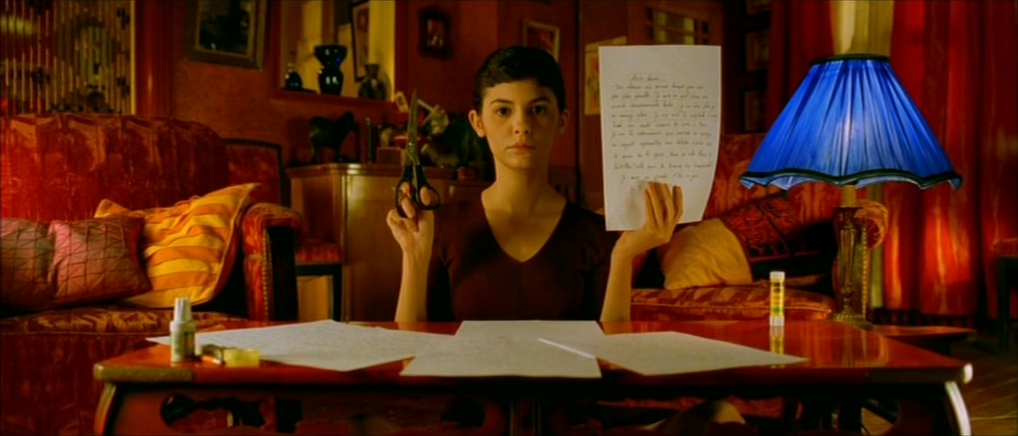
| 6. Amélie | Jean-Pierre Jeunet |
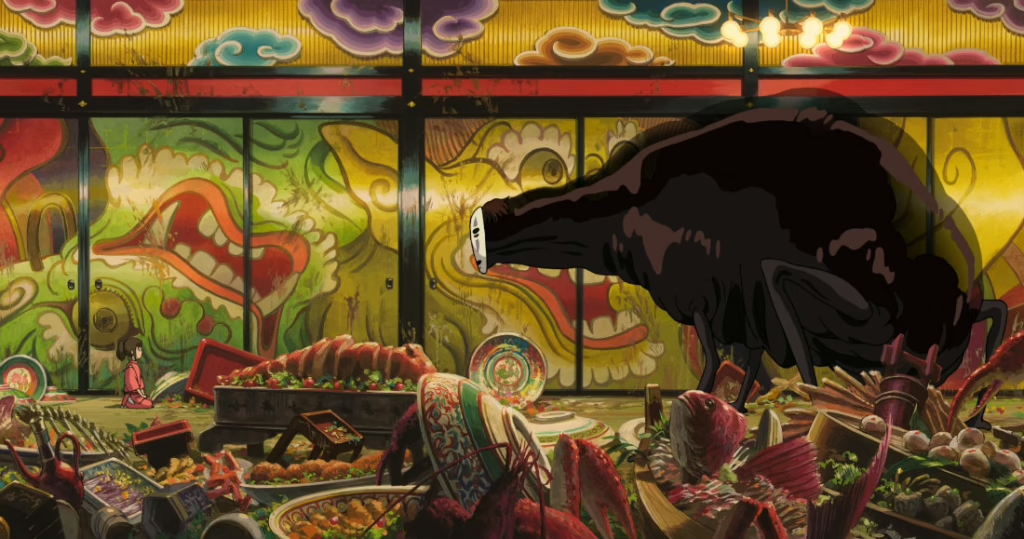
| 7. Spirited Away | Hayao Miyazaki |
| 8. The Piano Teacher | Michael Haneke |
| 9. A.I. Artificial Intelligence | Steven Spielberg |
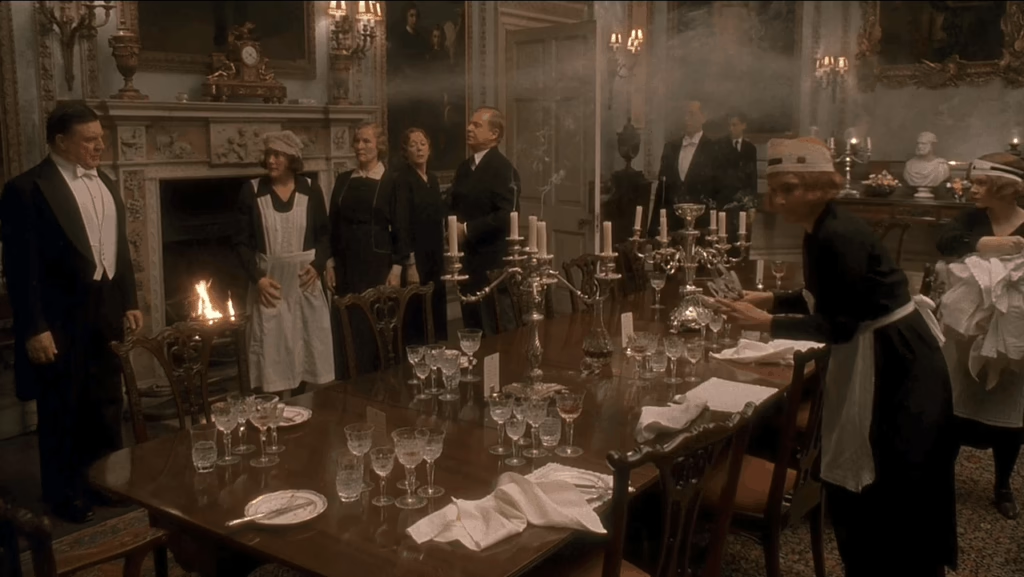
| 10. Gosford Park | Robert Altman |

Best Film – Mulholland Drive
David Lynch delivers a landmark of cinematic surrealism in Mulholland Drive, constructing a labyrinthine exploration of desire, shame, and the Hollywood dream machine. Illusions are layered upon illusions, removing us from reality by several degrees until all that remains is a psychological projection of guilt and wish fulfilment. This is the true power of cinema, Lynch suggests, immersing us in the confounding nightmares of once-hopeful actress Diane, whose unfulfilled ambitions, jealousy, guilt have festered intro putrid resentment.
The Club Silencio sequence is especially hypnotic, suffused with a deep, ineffable melancholy grounded in Diane’s shifting perceptions. Such an intricate web of parallels across dreamscapes makes for a wonderful piece of abstract formalism, lulling us deeper into its soporific grip through hazy, wistful editing and ethereal imagery. Mulholland Drive can be explained quite simply as the dark, whimsical dream conjured up in one’s final moments, but to seek hard logic in Lynch’s plotting is to defeat its purpose. It instead unfolds as a surreal collage of impressionistic images, asserting that figurative representations of reality hold an equally valid truth in their own right.

Most Underrated – Y Tu Mamá También
Y Tu Mamá También is higher on the TSPDT top 1000 list than it has been in previous years, but it could do with another few hundred places above its current position at #656. This film reveals Alfonso Cuarón fully coming into his own, telling the story of Mexico’s political turbulence at the end of the twentieth century through the friendship of two teenage boys. His usual palette of murky greens is still occasionally present in his lighting and production design, but the films otherwise aims for naturalism, its handheld camerawork freely navigating scenes in long takes. Complementing this roving observation, the omniscient narration essentially positions us as readers of a novel, continually expanding landscapes of poverty, celebration, and profound torment.

Most Overrated – La Ciénaga
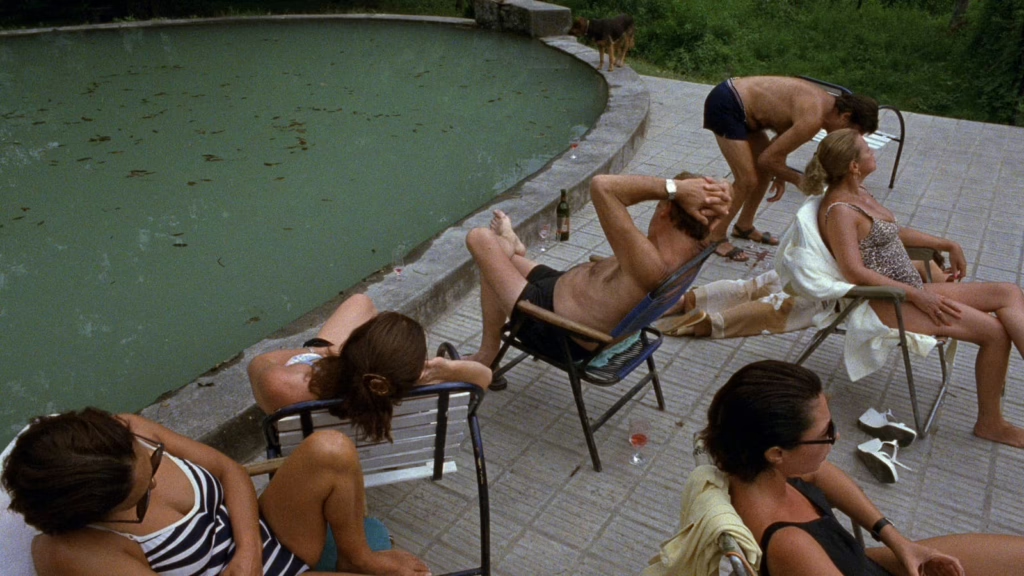
La Ciénaga’s position at #274 on the TSPDT top 1000 places it in masterpiece territory, though Lucrecia Martel’s critique of class and religion in Argentina is lucky to make the list at all. The plotlessness is evidently part of the point, though this also compromises its overall form, painting a messy portrait of bourgeois stagnation as tensions simmer beneath their privileged surface. Still, Martel’s precision in blocking and framing is striking, often isolating body parts and reducing them to superficial, carnal components of a whole. Moral and spiritual decay saturate this world, represented in the matriarch’s drunken, bedridden recovery, her hypocritical gossip, and the family’s filthy swimming pool – taken together, composing an image of a class in slow decline.
Best Directorial Debut – Donnie Darko
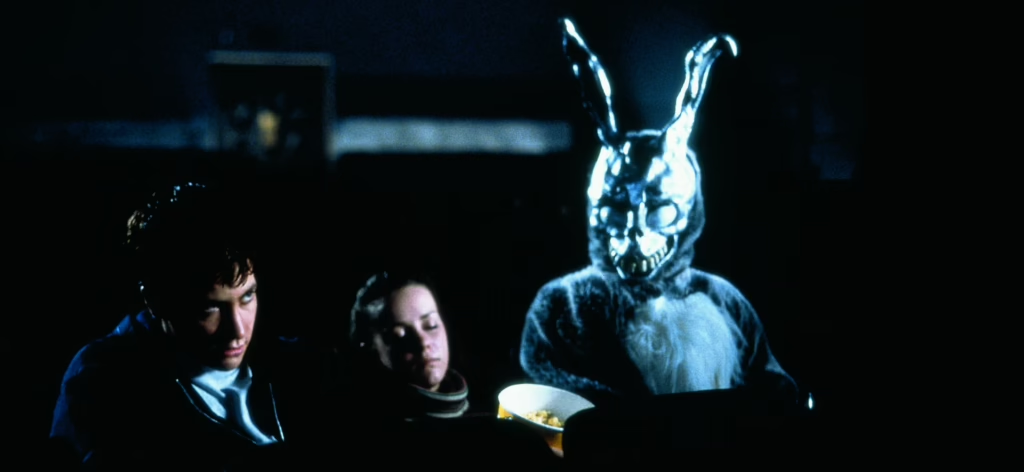
The promise that Richard Kelly showed in Donnie Darko as a formally daring filmmaker was unfortunately never fully realised, but that hardly diminishes the force of this extraordinary debut. Its opacity lulls us into an eerie, meditative state, drawing us along a dark chain of mystical occurrences and coincidences that gradually cohere into an unnerving vision of determinist philosophy in small-town America. Donnie’s obsession with the complexity of the universe is mirrored by the film’s own narrative design, as he rails against those who attempt to simplify morality into good and evil. The film resolutely rejects such simplifications – the sequence of events that carries Donnie through the final month before the anticipated end of the world is anything but transparent, yet there is an intuitive logic to the way they unfold, fundamentally at odds with conventional causality.
Gem to Spotlight – The Others
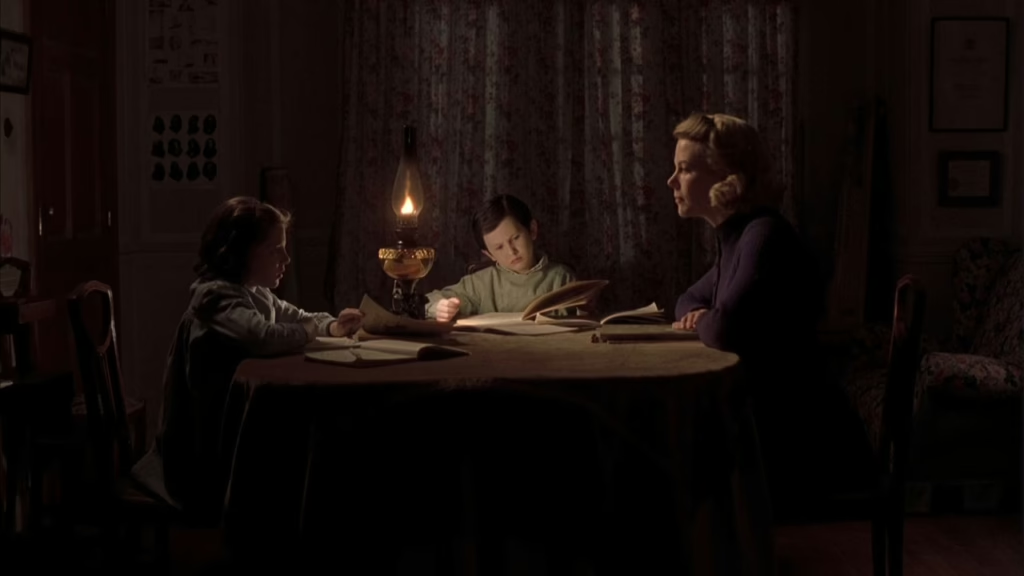
Alejandro Amenábar offers a subtle but devastating twist on the classic haunted house film in The Others, deploying superb foreshadowing as Nicole Kidman’s imperious matriarch finds her rural family manor quietly unsettled by the arrival of new staff. The lighting is beautifully ambient, while the script recalls The Innocents in its treatment of religious fundamentalism and the supernatural as parallel forces, each capable of inflicting deep psychological harm on children. With the aftermath of World War II looming in the background, The Others also emerges as a poignant meditation on trauma, and the ways it drives us to withdraw from the world. The film’s closed curtains and locked doors operate as potent visual metaphors for this retreat, yet it is Kidman who delivers the most searing expression of grief, exposing a sorrow that draws out extreme toxicity.
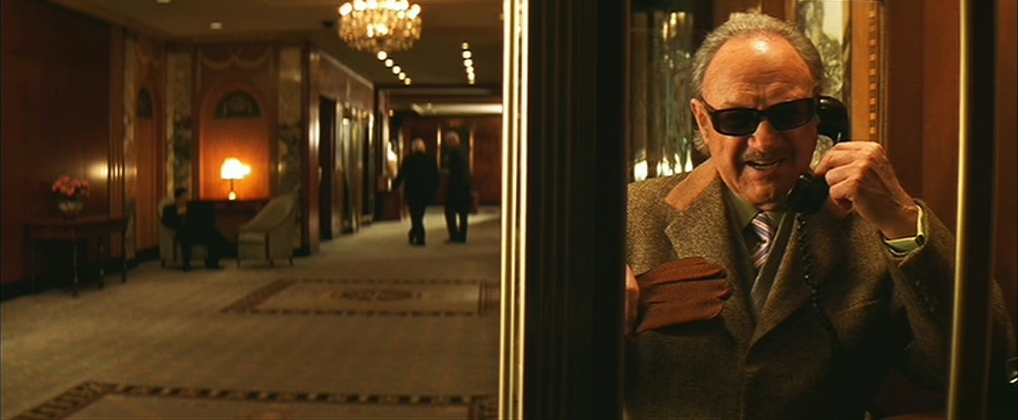
Best Male Performance – Gene Hackman in The Royal Tenenbaums
Gene Hackman gives one of his loosest and most irreverent performances as Royal Tenenbaum, channelling his natural authority into an abrasive, childish, and perversely charming scoundrel. His playful cruelty is one with his comic timing, delivering emotional neglect and offhanded insults with the same casual deadpan, and only gradually allowing glimpses of vulnerability to peek through.
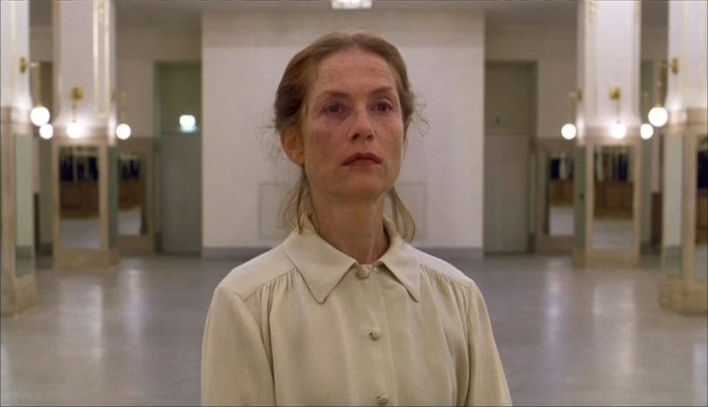
Best Female Performance – Isabelle Huppert in The Piano Teacher
Isabelle Huppert is at her most curt and condescending in The Piano Teacher, delivering a tour-de-force performance with near-inhuman restraint. Michael Haneke’s long takes are put to excellent use here, observing the inner life of a deeply damaged musician unfold through subtle shifts of expression – an eye twitch, or a curled lip for instance. Emotional repression and erotic compulsion silently battle it out here, ultimately driving her to self-annihilation by way of crippling desire and shame.
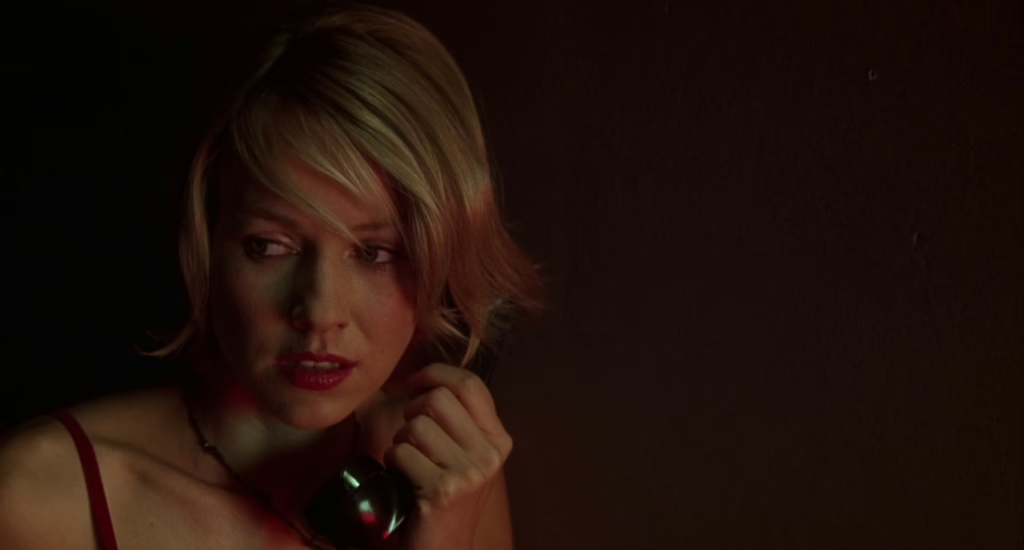
Naomi Watts is extremely close behind in Mulholland Drive, instinctively navigating Lynch’s shifting realities without even the comfort of a stable identity to fall back on. he shifts from guileless ingénue to shattered husk as an aspiring Hollywood star, breaking down under the cruel promise of a hopeless dream, while her audition scene reveals an actress in full command of her craft and manipulation.
Meanwhile, Audrey Tautou anchors Jean-Pierre Jeunet’s quirky vision with a performance of delicate, gentle charm in Amélie, understanding her whimsy as a means of appreciating the world rather than distancing herself from it. Her wide-eyed reserve conceals an emotional timidity here, while her expressive physical comedy tenderly softens her loneliness.
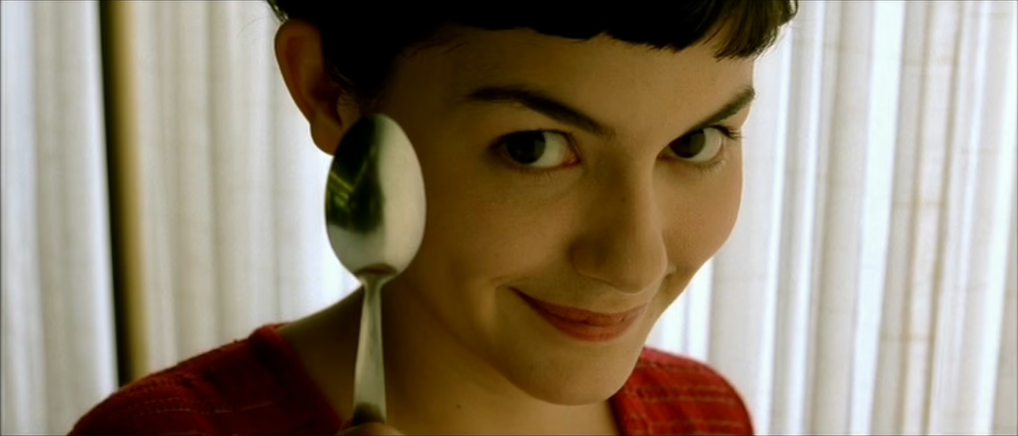
Best Cinematography – The Royal Tenenbaums
Robert Yeoman’s cinematography imbues The Royal Tenenbaums with a storybook rigidity, defined by locked-off frames, flattened perspectives, and symmetrical compositions that reflect the characters’ emotional stasis. His bold colours and theatrical interiors construct a carefully curated world, yet also land moments of poignant vulnerability when the camera is taken off its tripod, loosening the perfectionistic framing.
| Film | Cinematographer |
| 1. The Royal Tenenbaums | Robert Yeoman |
| 2. The Lord of the Rings: The Fellowship of the Ring | Andrew Lesnie |
| 3. Amelie | Bruno Delbonnel |
| 4. Spirited Away | Atsushi Okui |
| 5. Moulin Rouge | Donald M. McAlpine |
| 6. Mulholland Drive | Peter Deming |
| 7. A.I. Artificial Intelligence | Janusz Kamiński |
| 8. Y Tu Mamá También | Emmanuel Lubezki |
| 9. The Man Who Wasn’t There | Roger Deakins |
| 10. Gosford Park | Andrew Dunn |
| 11. Millennium Mambo | Mark Lee Ping-Bing |
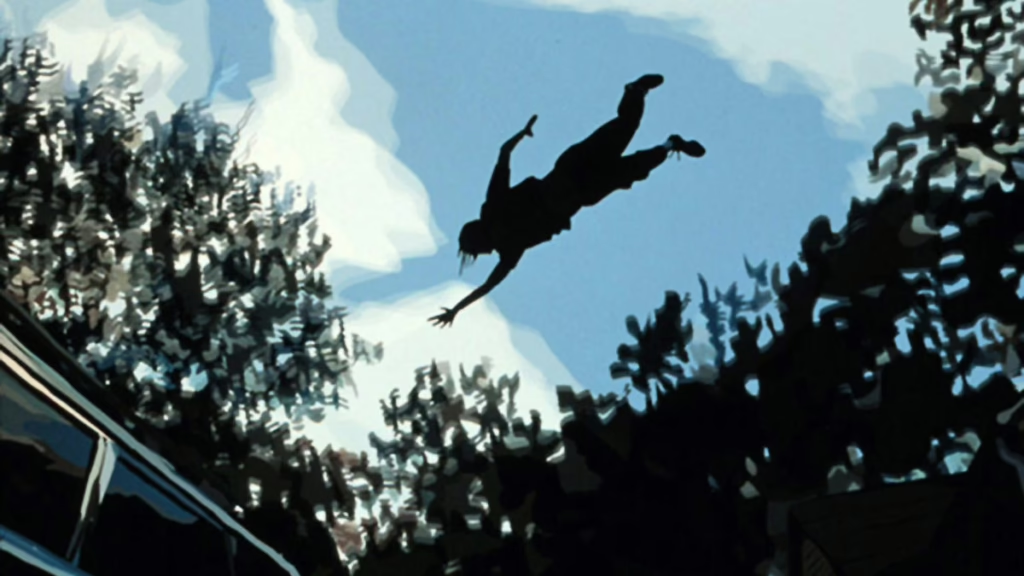
| 12. Waking Life | Richard Linklater, Tommy Pallotta |
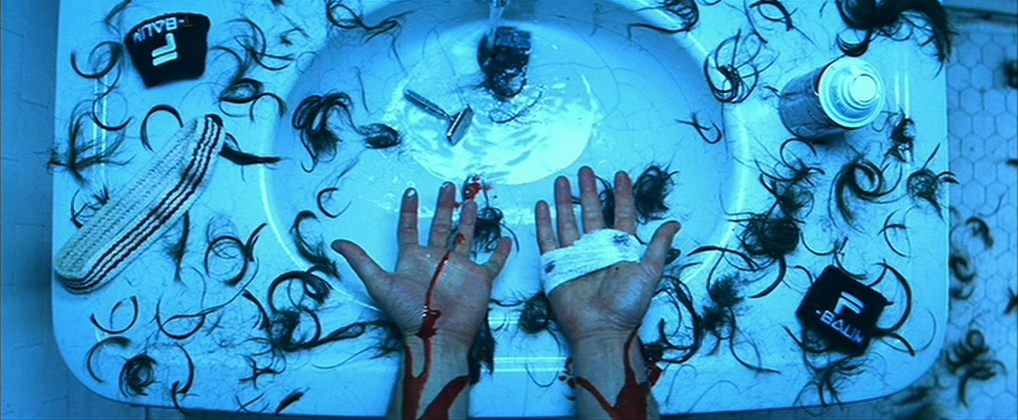
Best Editing – Moulin Rouge!
Baz Luhrmann’s sensory overload in Moulin Rouge! throws out countless extravagant images within a few seconds, allowing us to absorb nothing but their immediate, theatrical impact. The rapid cutting and occasional sped-up motion mirrors the intoxication of the nightclub, while sudden decelerations and altered frame rates interrupt that energy to signal impending threats or heartbreak. The pinnacle of Luhrmann’s outrageously complex editing though is the ‘Roxanne’ musical number, during which his parallel cutting shifts between the tango rehearsal, Christian’s walk home, and the Duke’s assault of Satine – each plot thread building in rhythmic unison towards a climactic outburst of emotional anguish.
| Film | Editor |
| 1. Moulin Rouge | Jill Bilcock |
| 2. Millennium Actress | Satoshi Terauchi |
| 3. Mulholland Drive | Mary Sweeney |
| 4. The Lord of the Rings: The Fellowship of the Ring | John Gilbert |
| 5. Amelie | Hervé Schneid |
| 6. Waking Life | Sandra Adair |
| 7. The Man Who Wasn’t There | The Coen Brothers |
| 8. The Royal Tenenbaums | Dylan Tichenor |
| 9. Millennium Mambo | Liao Ching-sung |
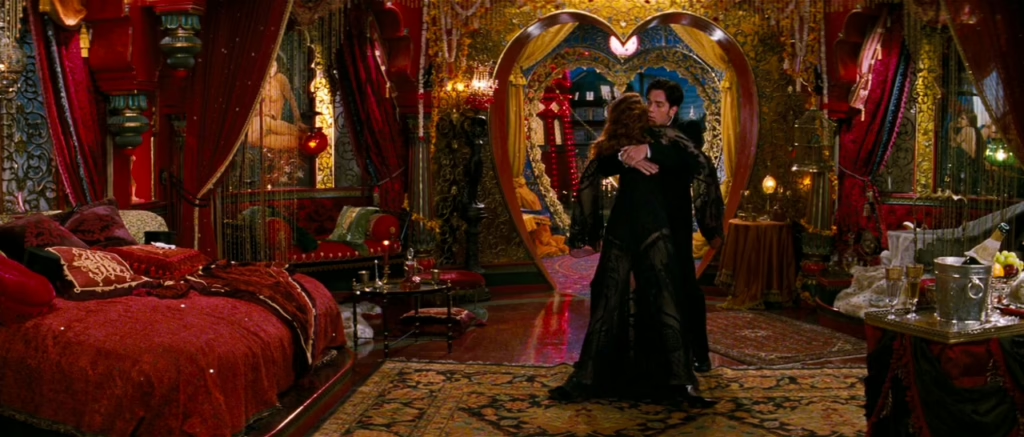
Best Screenplay – Mulholland Drive
David Lynch’s screenplay for Mulholland Drive is layered with illusions, warning us of its artifice while seducing us into it. Desire, identity, and fantasy fold into one another, weaving a dream logic that stirs emotions before we fully understand their source. Through this eerie subjectivity, the resentment and guilt of one aspiring actress constructs new realities based in symbolic doubling, identity substitution, and recursive motifs. Rather than offering resolution, the writing keeps us disorientated, wandering the psychological labyrinth of a disintegrating consciousness.
| Film | Screenwriter |
| 1. Mulholland Drive | David Lynch |
| 2. The Royal Tenenbaums | Wes Anderson |
| 3. Gosford Park | Julian Fellowes |
| 4. The Man Who Wasn’t There | The Coen Brothers |
| 5. Y Tu Mamá También | Alfonso Cuarón, Carlos Cuarón |
| 6. Amelie | Guillaume Laurant |
| 7. Donnie Darko | Richard Kelly |
| 8. The Lord of the Rings: The Fellowship of the Ring | Fran Walsh, Philippa Boyens, Peter Jackson, Stephen Sinclair |
| 9. Waking Life | Richard Linklater |
| 10. The Piano Teacher | Michael Haneke |
| 11. Spirited Away | Hayao Miyazaki |
| 12. Millennium Actress | Sadayuki Murai, Satoshi Kon |
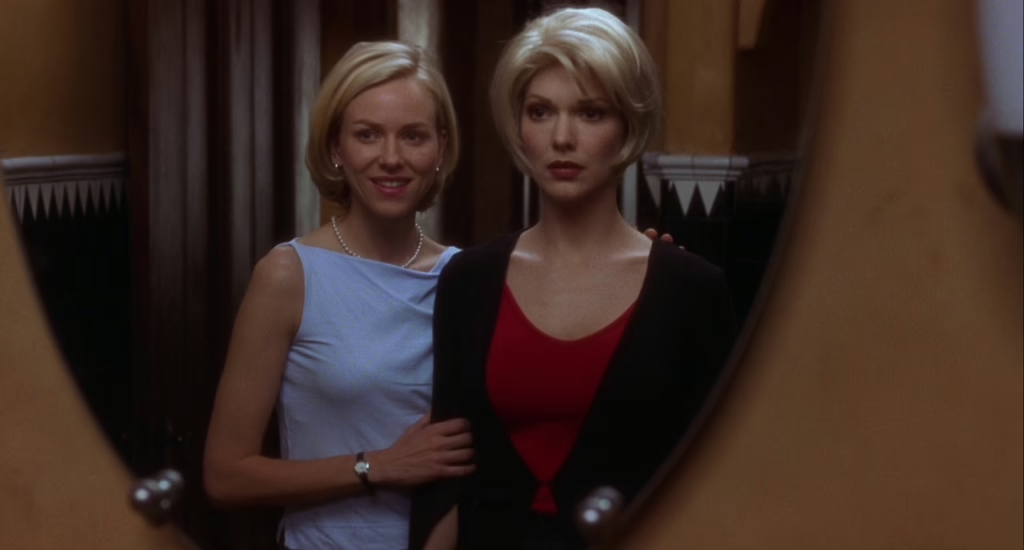
Best Original Music Score – The Lord of the Rings: The Fellowship of the Ring
Howard Shore’s score for The Lord of the Rings: The Fellowship of the Ring enriches Peter Jackson’s storytelling, and resonates Tolkien’s biblical and epic archetypes where writing and visuals alone won’t suffice. Just as the novelist drew significant inspiration from the 19th century cycle of epic music dramas Der Ring des Nibelungen, so too does Shore borrow many of Richard Wagner’s classical instrumentations and techniques, developing a magnificent assortment of leitmotifs that evolve with the narrative. His music reaches especially deep into Middle Earth’s mythology, particularly when the Fellowship enters the dwarven Mines of Moria and the elven woodlands of Lothlórien, where constructed languages lend choral arrangements an otherworldly beauty.
| Film | Composer |
| 1. The Lord of the Rings: The Fellowship of the Ring | Howard Shore |
| 2. Spirited Away | Joe Hisaishi |
| 3. Mulholland Drive | Angelo Badalamenti |
| 4. Harry Potter and the Philosopher’s Stone | John Williams |
| 5. Amelie | Yann Tiersen |
| 6. Moulin Rouge! | Craig Armstrong |
| 7. A.I. Artificial Intelligence | John Williams |
| 8. Millennium Actress | Susumu Hirasawa |
| 9. Waking Life | Glover Gill |
| 10. The Royal Tenenbaums | Mark Mothersbaugh |
| 11. The Man Who Wasn’t There | Carter Burwell |
Year Breakdown
Following on from two exceptional years of cinema, 2001 keeps the ball rolling, seeing many rising and established directors make their best films to date. In Austria, Michael Haneke’s magnificent 2000s run gains traction with his austere study of sexuality and repression in The Piano Teacher, and Australian director Baz Luhrmann finds his own success in the opposite direction through the sensational musical extravaganza that is Moulin Rouge!. For Robert Altman, Gosford Park also marks another late career comeback, conducting a sly, star-studded autopsy of the British class system through the murder mystery genre.
Nuevo Cine Mexicano also soars with Alfonso Cuarón’s naturalistic road trip through Mexico’s changing landscapes in Y Tu Mamá También, and Jean-Pierre Jeunet’s smash hit Amélie enchants English-speaking audiences, drawing on the stylish experimentalism of the French New Wave. As such, it is somewhat poetic that an icon of this historic movement should also make his last archivable film this year, as Jacques Rivette’s decades-long career winds to an end with Va Savoir, while French film composer Alexandre Desplat makes his archivable debut with Read My Lips.
Similarly in the realm of world cinema, Japanese anime booms, led by two of its greatest directors – Hayao Miyazaki and Satoshi Kon. Spirited Away belongs among the highest tier of the artform, suffusing one child’s self-discovery with immense imagination, while Millennium Actress blurs boundaries between fiction and reality in its genre-bending examination of celebrity. With Richard Linklater exploring the potential of rotoscoping in his surreal fever dream Waking Life as well, 2001 officially marks one of the best years of animation in history, making the introduction the Best Animated Feature award at the Oscars incredibly timely. Any of these would have made for a fine winner, but unfortunately none could stand against the dominant cultural force that was Shrek. This wasn’t the only awards season miss either, as Best Picture ultimately went to A Beautiful Mind and the Palme d’Or was awarded to the underwhelming Italian drama The Son’s Room.

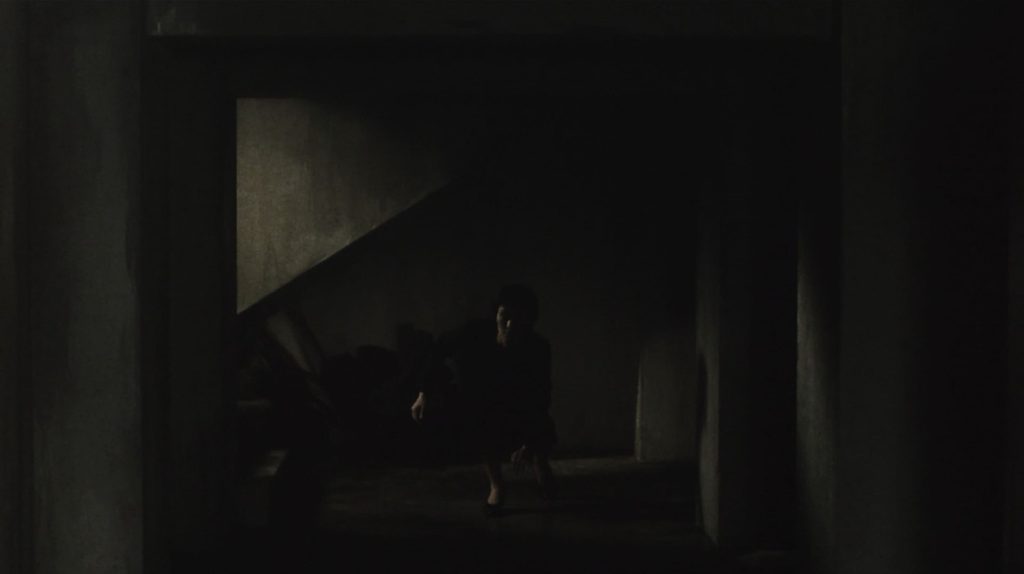
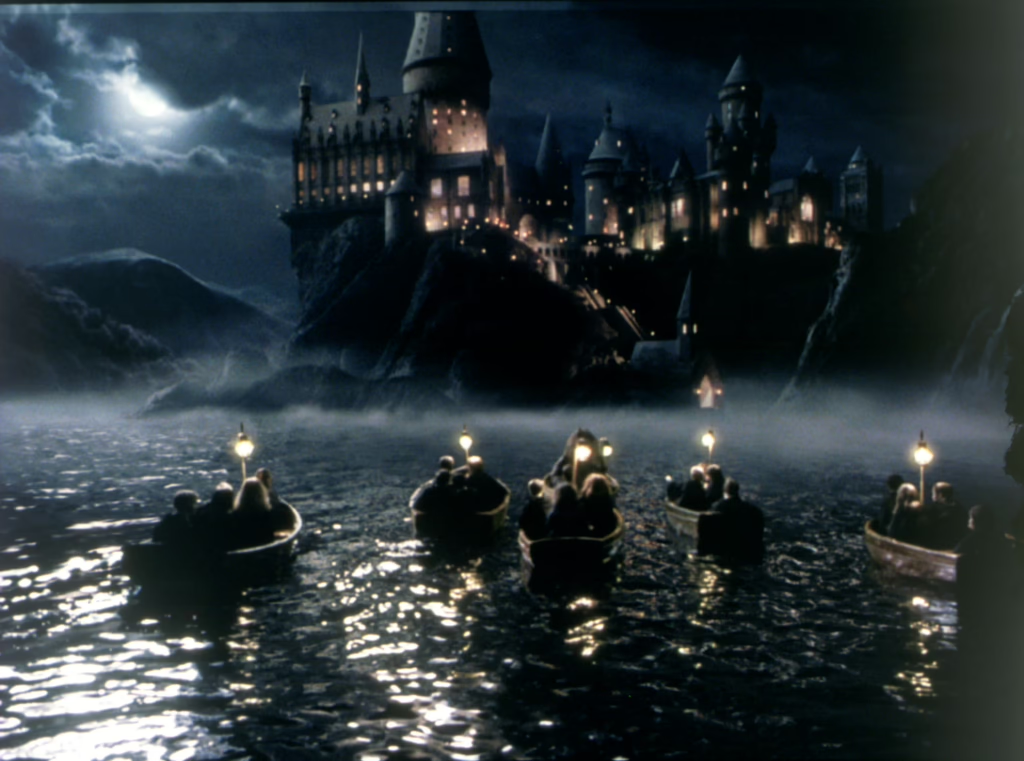
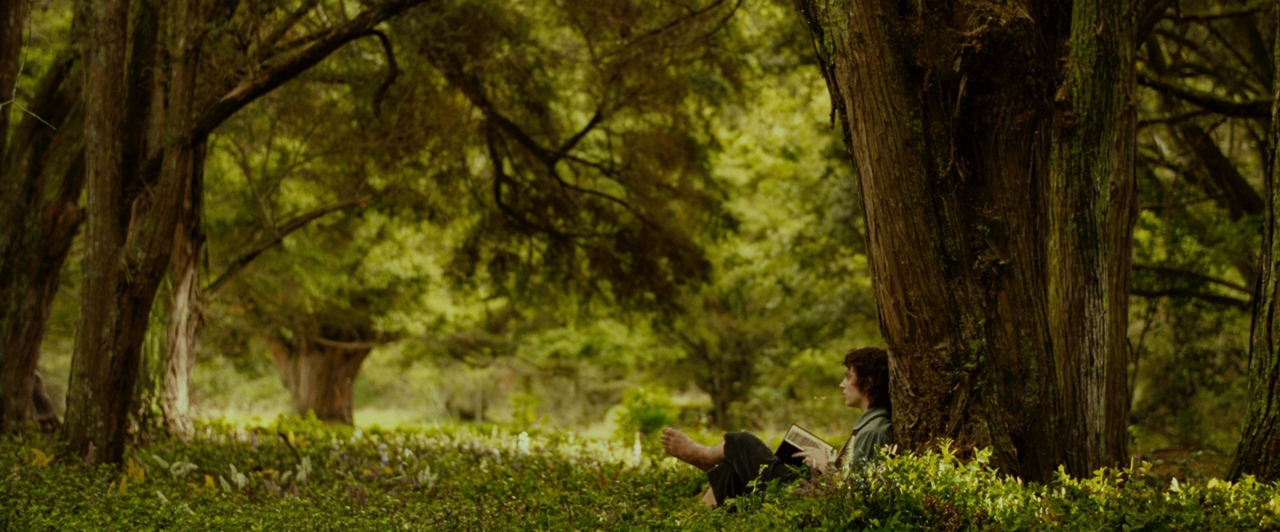
In 2001, we observe the resurgence of the fantasy genre in Hollywood, marked by the launch of two massive franchises – Harry Potter and The Lord of the Rings. Although Harry Potter and the Philosopher’s Stone is the biggest box office hit of the year, the first instalment in Peter Jackson’s monumental trilogy isn’t far behind, and stands as the far greater cinematic accomplishment. This is epic filmmaking in the vein of 1950s Hollywood, but with far more advanced technology and even greater stamina, the likes of which may never be seen again.
Indie cinema is also alive and well in 2001. Wes Anderson is still an emerging voice in the industry, turning out another masterpiece with The Royal Tenenbaums, and sadly signalling Gene Hackman’s last archivable film. Even more noteworthy though is David Lynch’s nightmarish immersion into Hollywood’s surreal, vicious underbelly – his finest achievement in an already illustrious career. He may have been established for several decades at this point, but Mulholland Drive gives Naomi Watts her archivable debut, instantly transforming her into a star and drawing the attention of every producer in Hollywood.
Other big names entering the archives for the first time include Heath Ledger with Monster’s Ball and Jeffrey Wright with Ali, though we also get a decent crop of child and teen stars. At age 19, Jake Gyllenhaal leads Donnie Darko, and at age 17 we see Scarlett Johansson steal scenes in The Man Who Wasn’t There. Youngest of all, sisters Dakota and Elle Fanning appear in I Am Sam respectively at 6 and 2-years-old – astoundingly early for children whose parents never worked in the industry.

Film Archives
| Film | Director | Grade |
| A Beautiful Mind | Ron Howard | R |
| A.I. Artificial Intelligence | Steven Spielberg | MS |
| Ali | Michael Mann | R |
| Amelie | Jean-Pierre Jeunet | MS |
| Donnie Darko | Richard Kelly | HR/MS |
| Ghost World | Terry Zwigoff | R |
| Gosford Park | Robert Altman | MS |
| Harry Potter and the Philosopher’s Stone | Chris Columbus | R |
| I Am Sam | Jessie Nelson | R |
| La Ciénaga | Lucrecia Martel | R |
| Millennium Actress | Satoshi Kon | HR/MS |
| Millennium Mambo | Hou Hsiao-hsien | HR |
| Monster’s Ball | Marc Forster | R |
| Monsters, Inc. | Pete Docter | R |
| Moulin Rouge | Baz Luhrmann | MP |
| Mulholland Drive | David Lynch | MP |
| Ocean’s Eleven | Steven Soderbergh | R |
| Pulse | Kiyoshi Kurosawa | HR |
| Read My Lips | Jacques Audiard | R |
| Shrek | Andrew Adamson, Vicky Jenson | R |
| Spirited Away | Hayao Miyazaki | MS |
| The Lord of the Rings: The Fellowship of the Ring | Peter Jackson | MP |
| The Man Who Wasn’t There | The Coen Brothers | HR |
| The Others | Alejandro Amenábar | R |
| The Piano Teacher | Michael Haneke | MS |
| The Royal Tenenbaums | Wes Anderson | MP |
| Training Day | Antoine Fuqua | R |
| Vanilla Sky | Cameron Crowe | R/HR |
| Va Savoir | Jacques Rivette | R |
| Waking Life | Richard Linklater | HR |
| Y Tu Mamá También | Alfonso Cuarón | MP |