Satyajit Ray | 2hr 51min

The artistic connection shared between director Satyajit Ray and Bengali writer Rabindranath Tagore is well documented by those familiar with their works. Not only were both revered polymaths of their time, contributing their varied talents to Indian arts, philosophy, and culture, but Ray himself credits his time spent at the university that Tagore founded, Shantiniketan, for feeding his own creative passion. On the centenary of Tagore’s birth, Ray thus pays tribute to his idol through Three Daughters, meditating on the love, loss, and social constraints placed on women in three of his short stories.
By adapting these fables into a cinematic triptych, Ray effectively bridges the gap between literature and film, all while maintaining that psychological intimacy which honours the depth of Tagore’s prose. Dynamic camerawork and frame obstructions draw a visual tension through each, mirroring the emotional isolation of their female characters, and individually calling back to previous films in his oeuvre.
Where ‘The Postmaster’ recalls Pather Panchali’s pastoral innocence and ‘The Conclusion’ considers similar marital complications to Apur Sansar, ‘The Lost Jewels’ eerily evokes the decaying grandeur of The Music Room, disrupting the realism of its companion pieces with a ghost story that splits the anthology down the middle. The result is a thoughtful if slightly uneven tribute, not quite reaching the heights of Ray’s masterworks, yet still extending Tagore’s legacy into the cinematic realm with a sensitive understanding of his humanist sensibility.
In the tale of a postmaster, his young housekeeper, and the unlikely friendship which forms between both, Ray places nature at the forefront. Like the protagonists of each story in Three Daughters, Nandalal has recently left Calcutta to begin a new chapter, and here takes over the post office of a small village. Although Ray’s oppressive framing within the postmaster’s home visually reflects the postmaster’s discomfort, the sweet, paternal relationship he develops with Ratan is blessed by the rustic beauty of reflective ponds and intrusive tree branches, and she too takes an affectionate liking to him. While Ratan helps Nandalal acclimate to rural life, dealing with the madman who loiters outside his home, he in turn teaches her how to read and write, and Ray’s montage editing breezes through their growing bond.
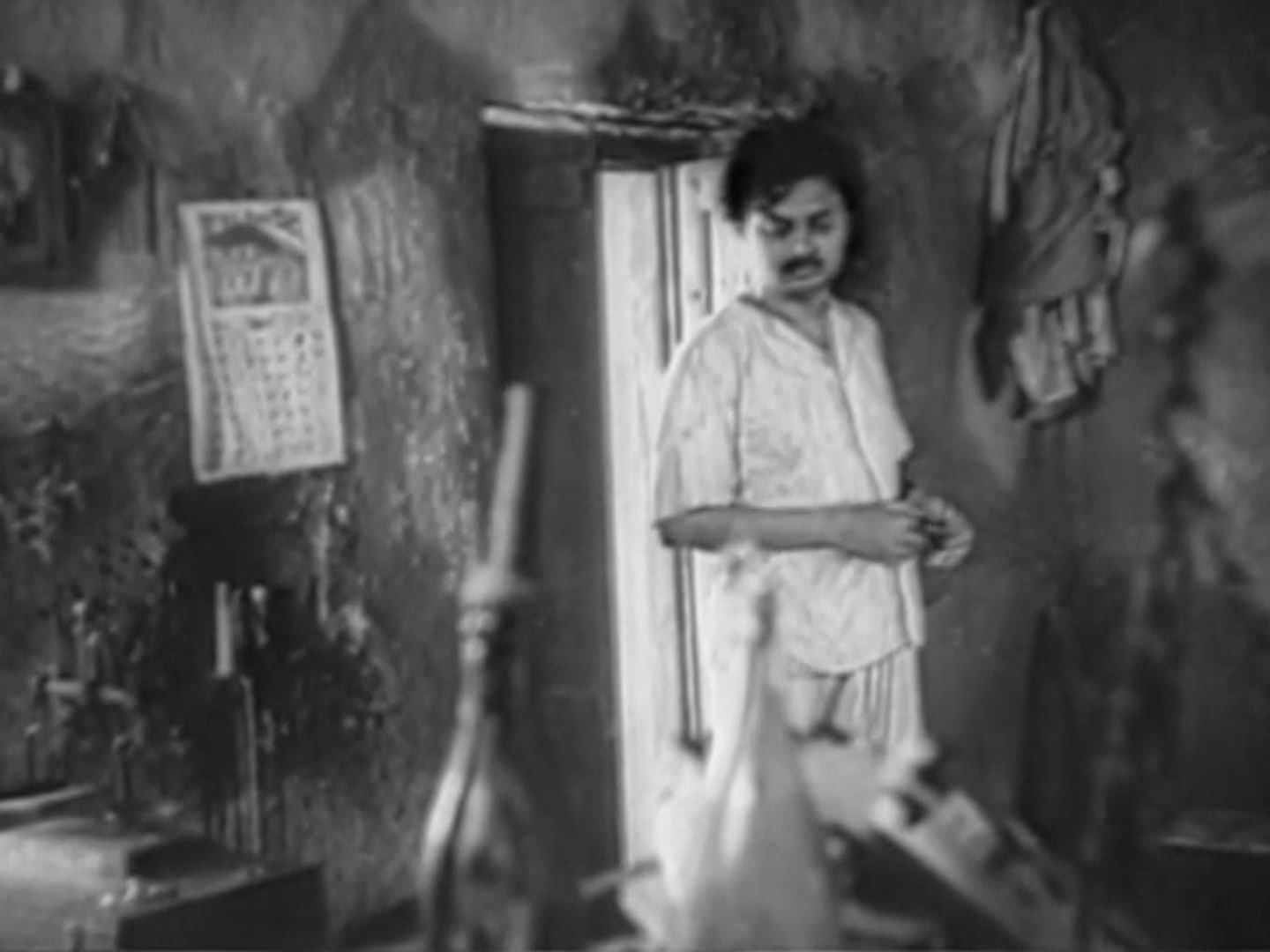
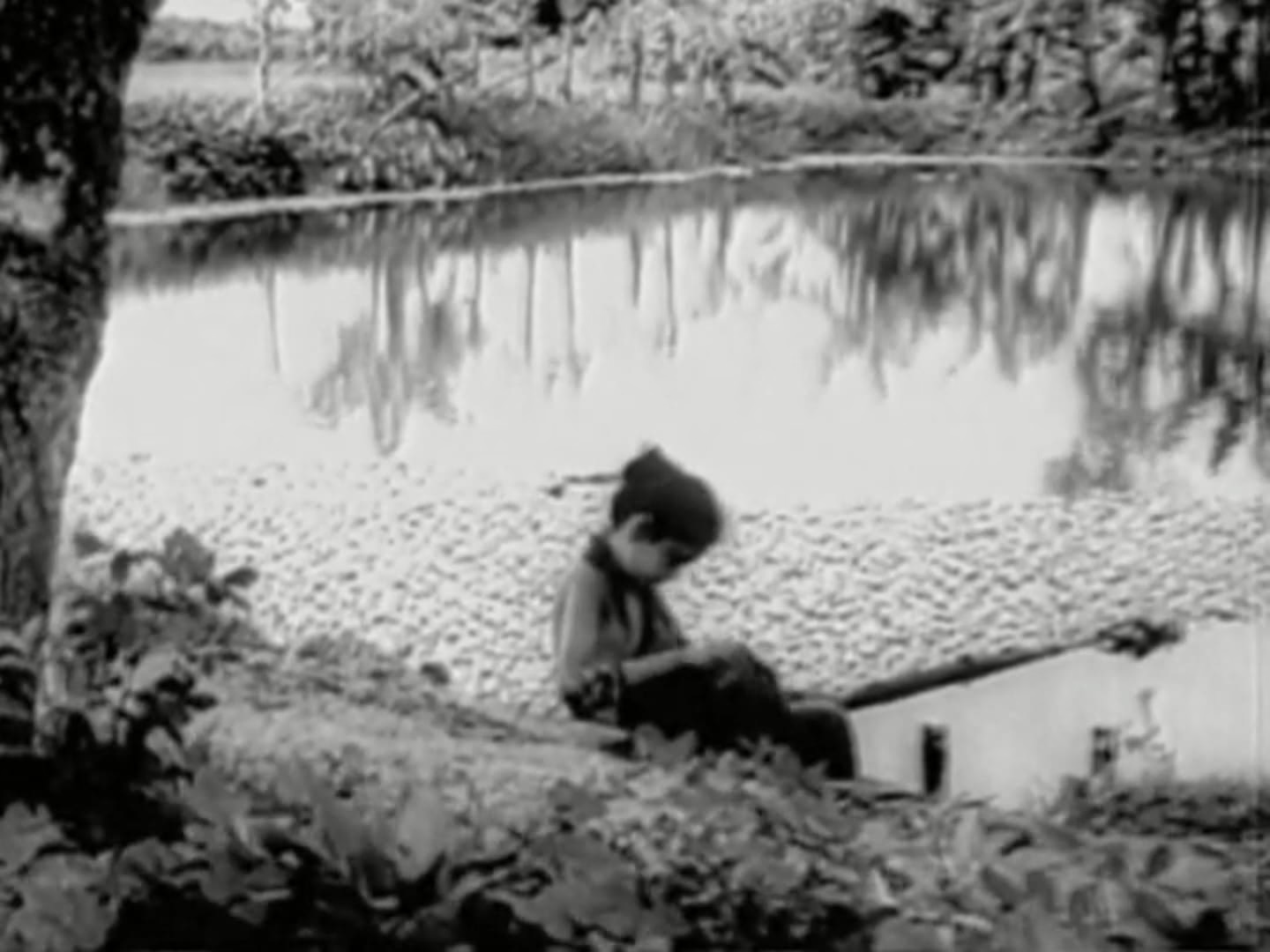
Just as a violent storm once brought grief in Pather Panchali though, so too does it herald misfortune in these humble lives. The madman cackles as thunder cracks and rain lashes Nandalal’s home, while inside, Ratan nurses him through his bout of malaria. In his fevered disorientation, he fails to recognise his friend, and not even a return to good health seems to shake his resolution to move back to the city. More than upset, this orphan girl is deeply offended that the closest thing to a father she ever had should discard their relationship so easily, and even more so that he offers a tip for her services. Ray directly calls on the glacial final shot of The Third Man as Ratan coolly walks past Nandalal without so much as a glance, bringing water to her new postmaster, and sealing their emotional rupture with silent contempt.
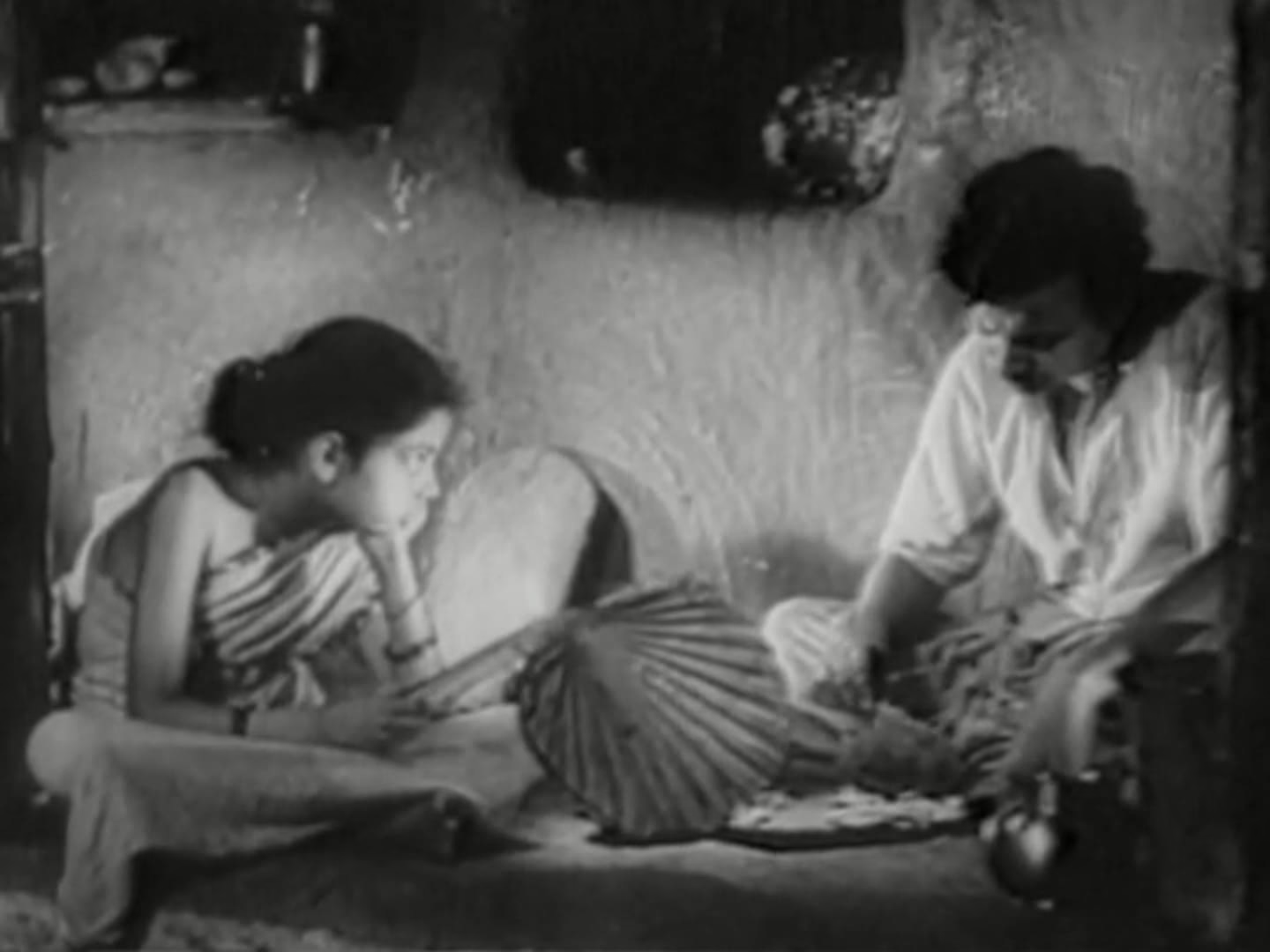
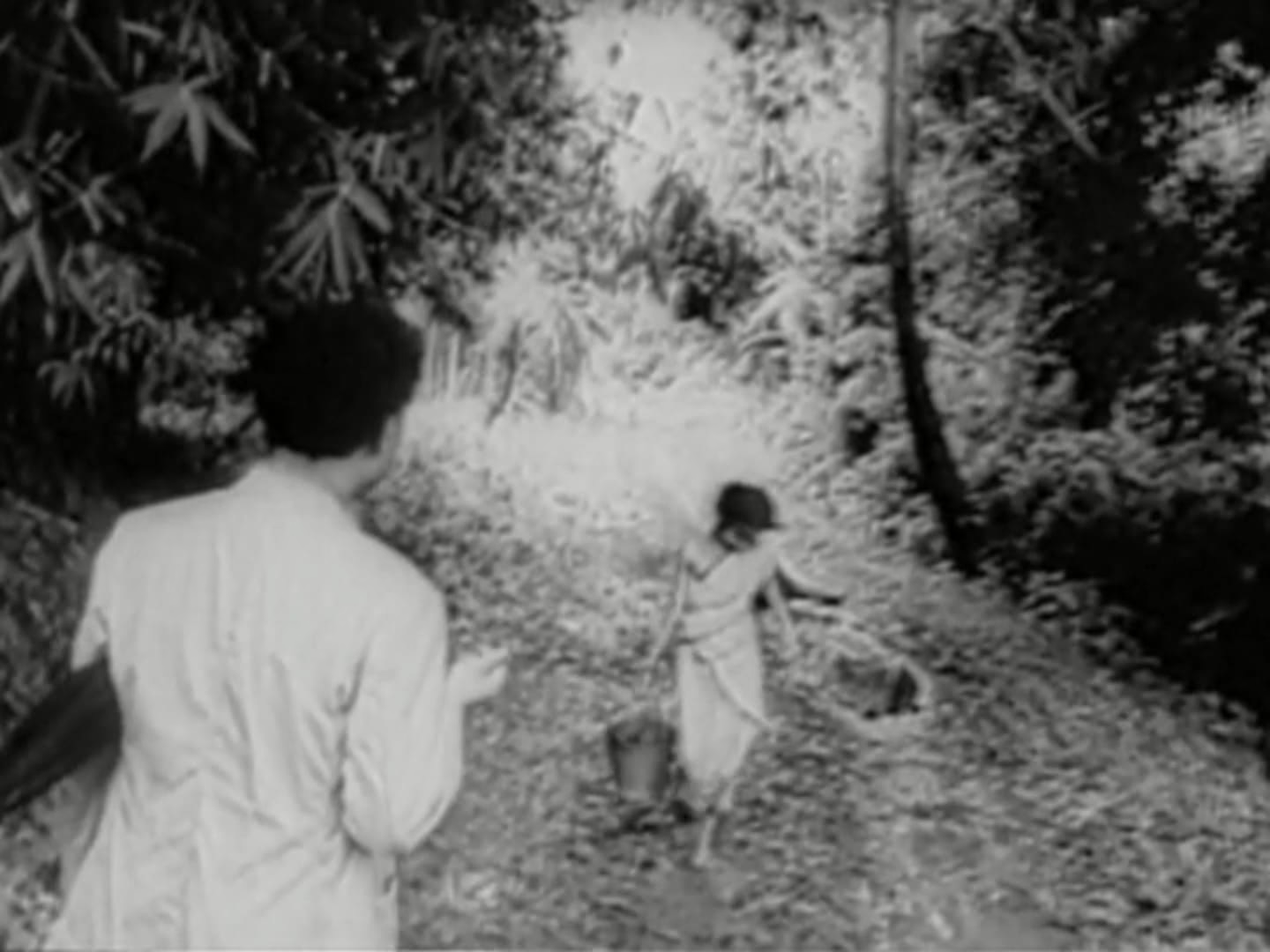
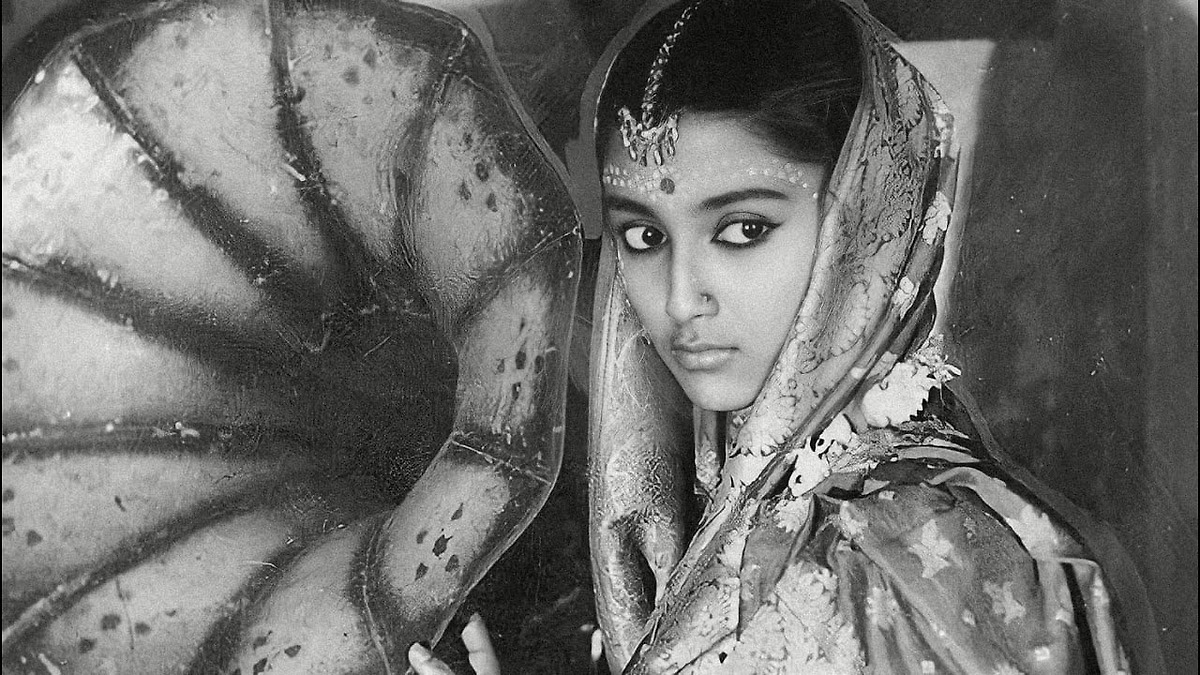
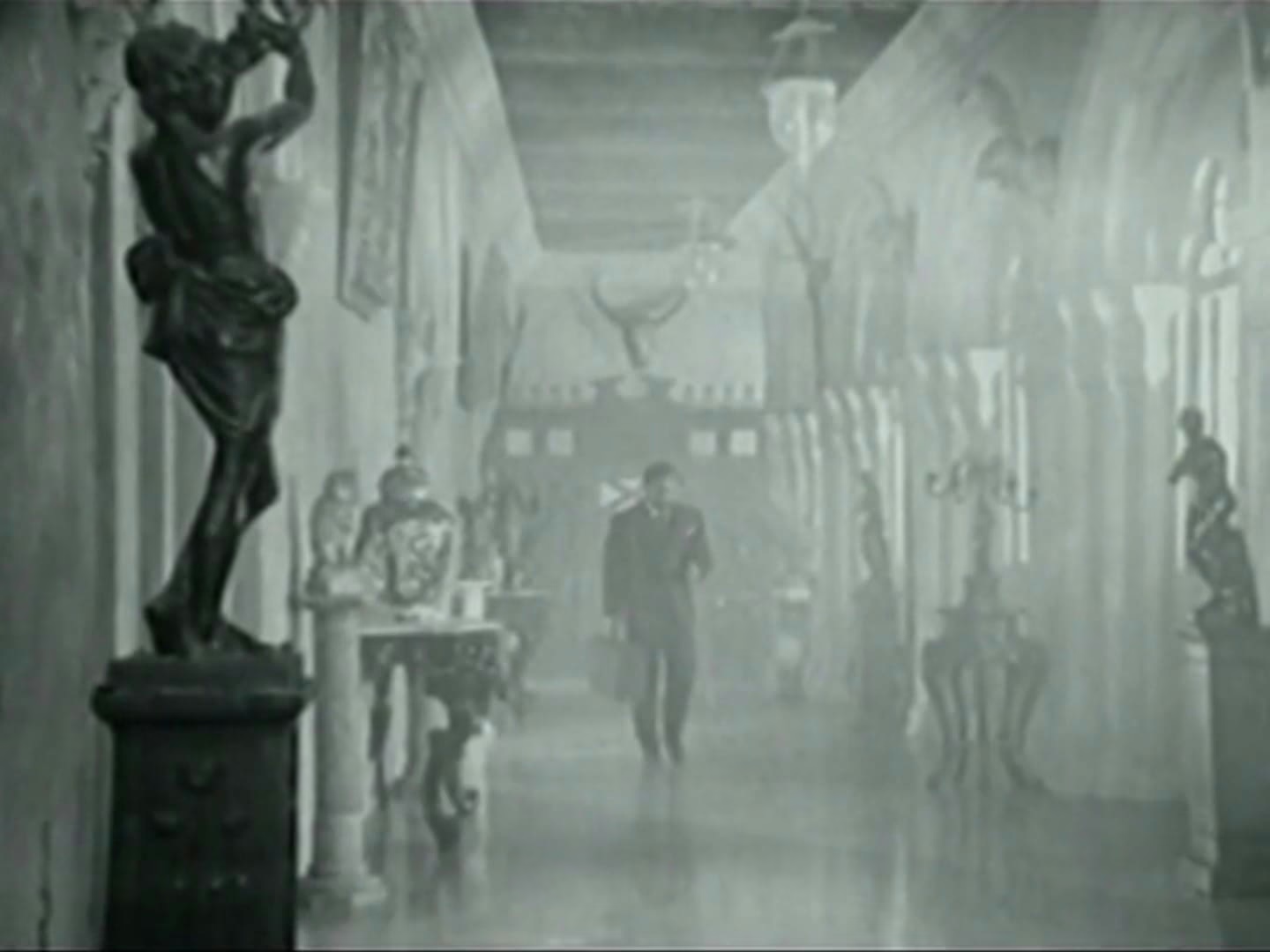
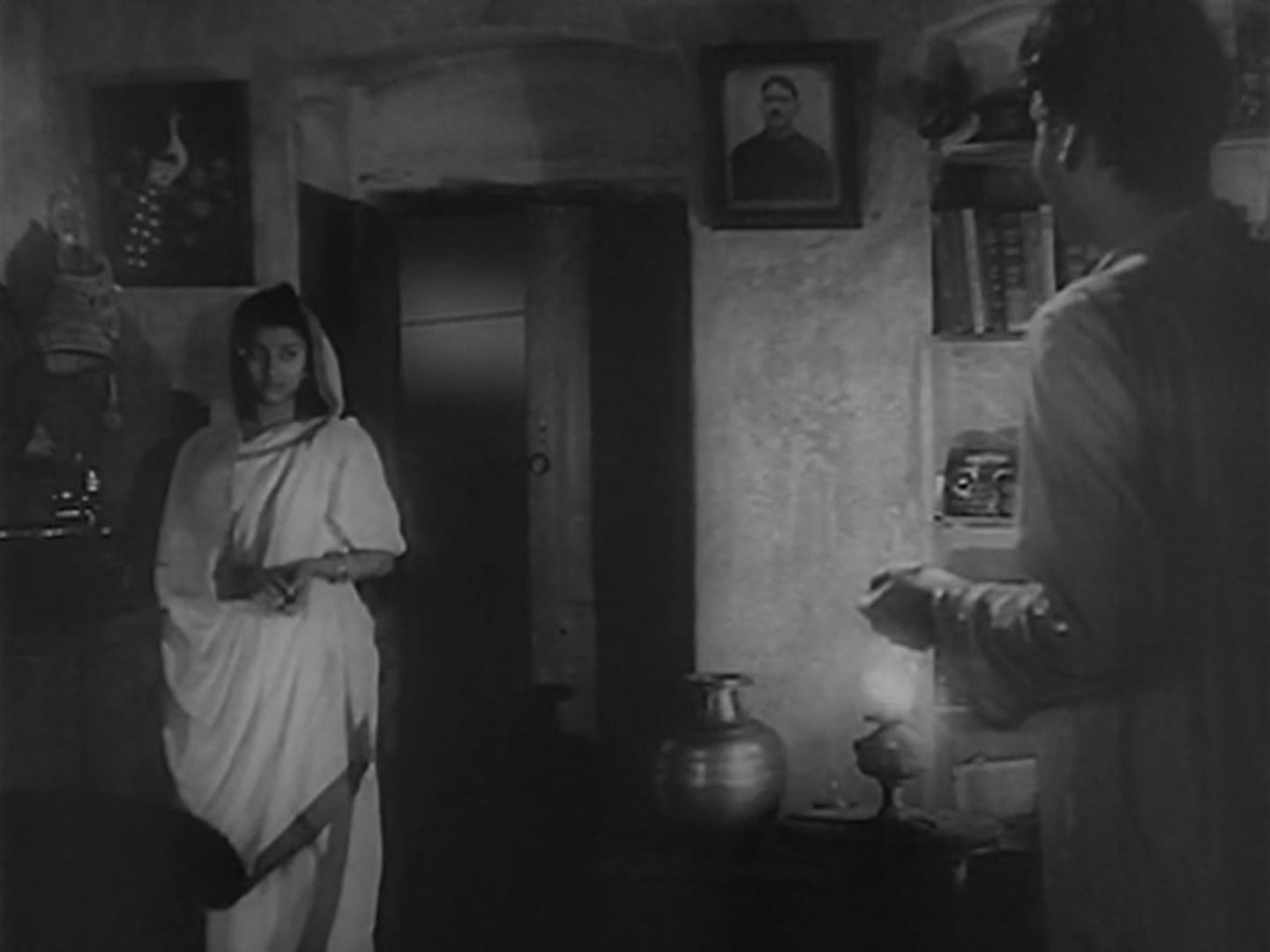
Ray’s pivot towards opulence and obsession in ‘The Lost Jewels’ takes on much darker dimensions than ‘The Postmaster’, framing this short story within a tale recounted by a village schoolteacher to a mysterious, hooded man by a lake. It is also the most ravishingly ornate of the Three Daughters anthology, its baroque manor crowded with urns, oil lamps, and taxidermised birds that conjure a grim aura of death around the wealthy couple that resides there. While the wife’s fixation on acquiring jewellery is incorrigible, her husband Phanibhushan simply feeds her desire, and the combination of Ray’s mirrors and drifting camerawork underscores the disconnection which emerges from material excess.
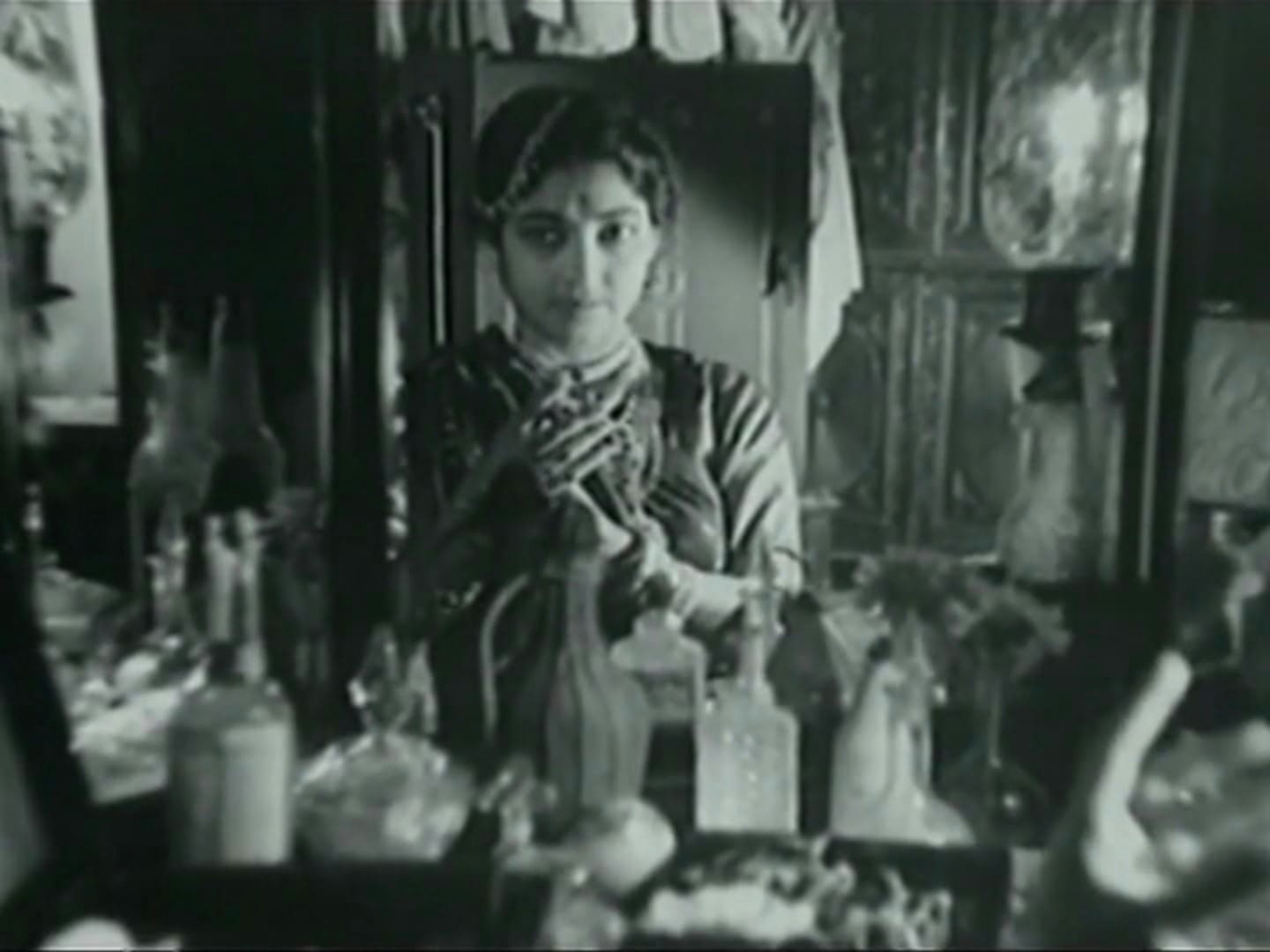
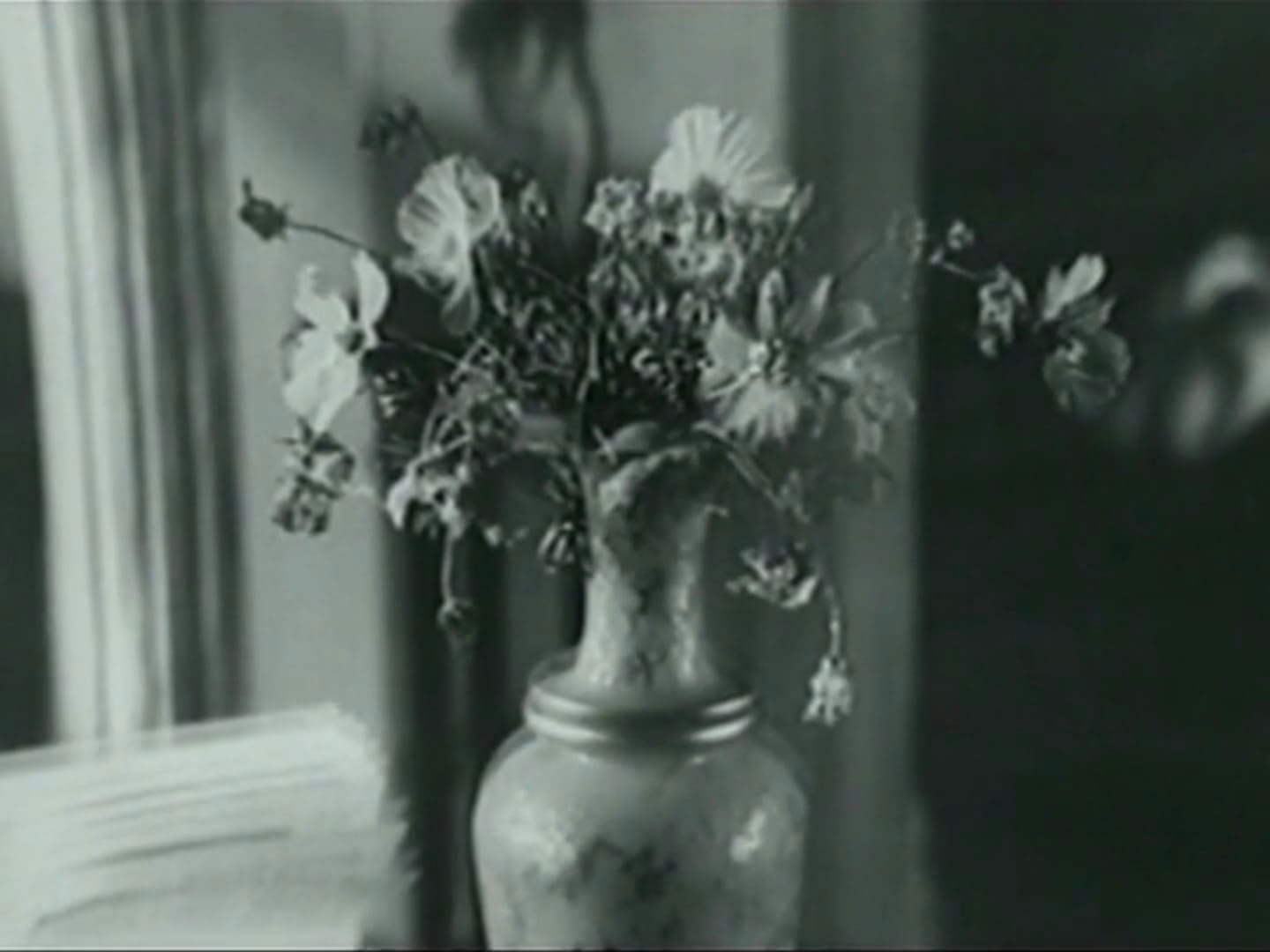
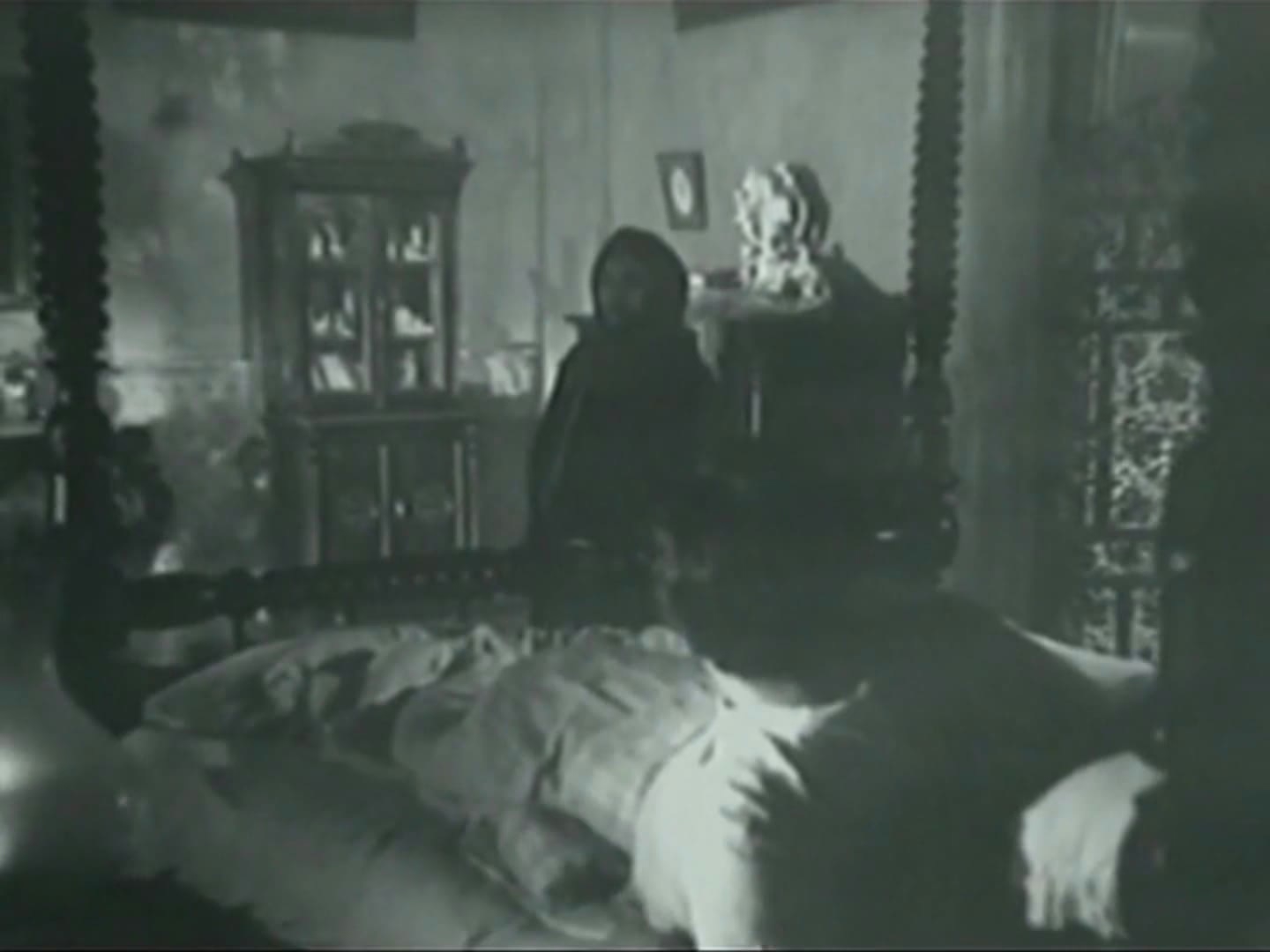
When a fire destroys the husband’s business and the question of selling her valuables is raised though, trouble arises. “I dare anyone to take it off me while I’m alive,” she proclaims, calling on her treacherous cousin to help her escape so she will not have to part with her material possessions – and when her husband returns to find the now-empty manor haunted by her ghostly laugh, we have good reason to believe the cousin has delivered her to a horrifying end. Time passes as Ray dissolves from blooming flowers to their wilted remains, while wind whistles through the vacant halls, and the garden withers from neglect. Only when a spectral figure enters the husband’s room one night does his greatest fear finally materialise, cackling as it reaches for a jewellery case, and revealing a bangled, skeletal hand. “It’s a wonderful story, but much of it is false,” the hooded man remarks in the present as the tale draws to a close. After all, he was that husband, he claims, before ambiguously vanishing into thin air.
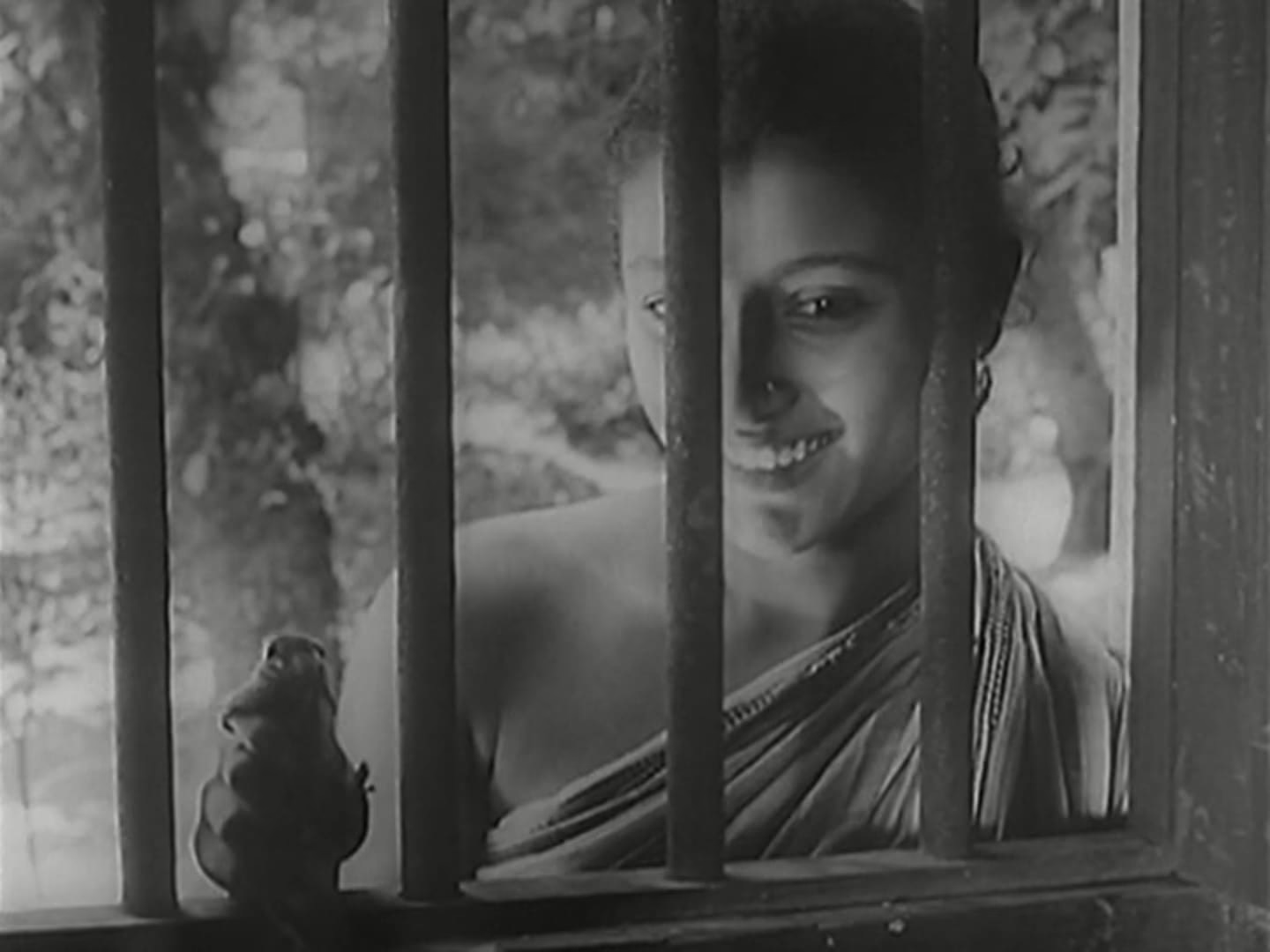
The final chapter of Three Daughters is not as visually rich as its predecessors, yet ‘The Conclusion’ delves the deepest into its characters, tracing the complicated relationship between Amulya and his free-spirited bride, Mrinmoyee. This is essentially Tagore’s variation on The Taming of the Shrew, though approaching Mrinmoyee’s transformation with far greater empathy, probing the tension between imposed social expectations and the nuances of personal growth. She simply does not fit the ideal image of the feminine, submissive wife by traditional Bengali standards, earning the nickname Paglee, meaning “crazy girl,” for her love of pranks, climbing trees, and her pet squirrel.
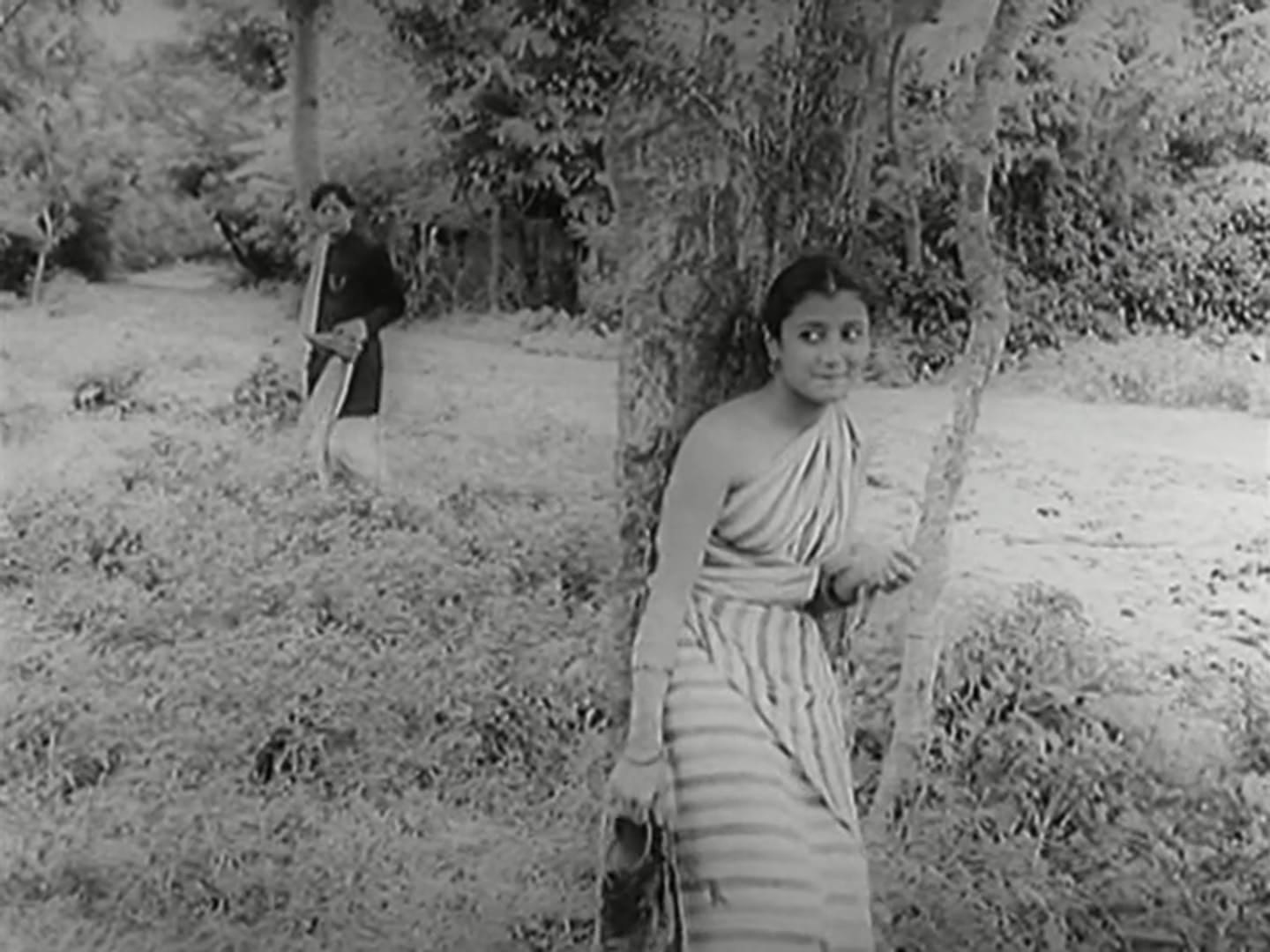
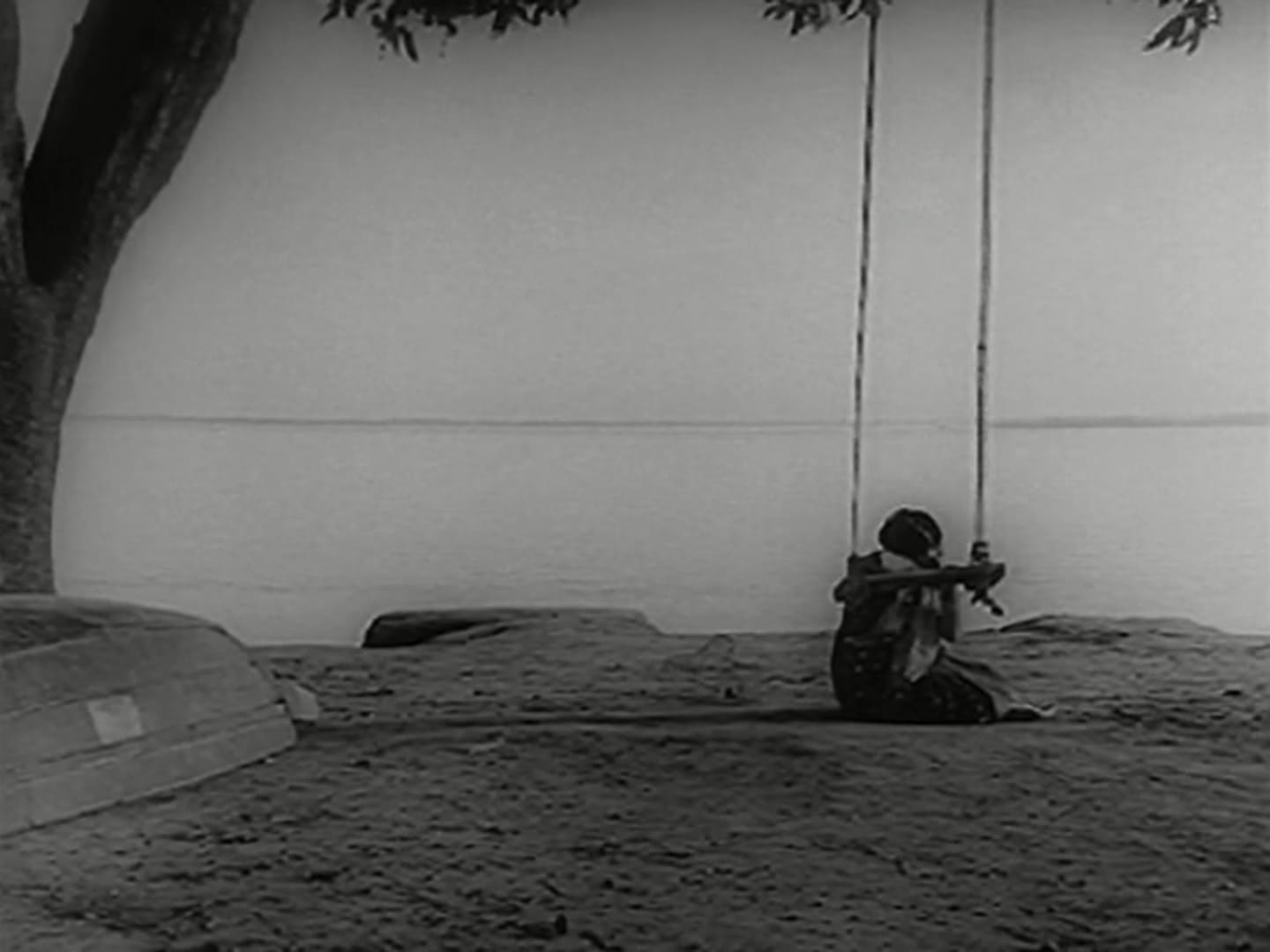
However, Amulya’s defence of Mrinmoyee’s antics can only go so far. It was her mischievous charm which he fell in love with, but after she runs away on their wedding night, plays on her swing by the river, and throws a violent tantrum when chastised, even he admits that she has some growing up to do. He must not be soft in his reprimand, his mother encourages, yet this is regardless taken out of his hands when he eventually leaves for further studies in Kolkata.
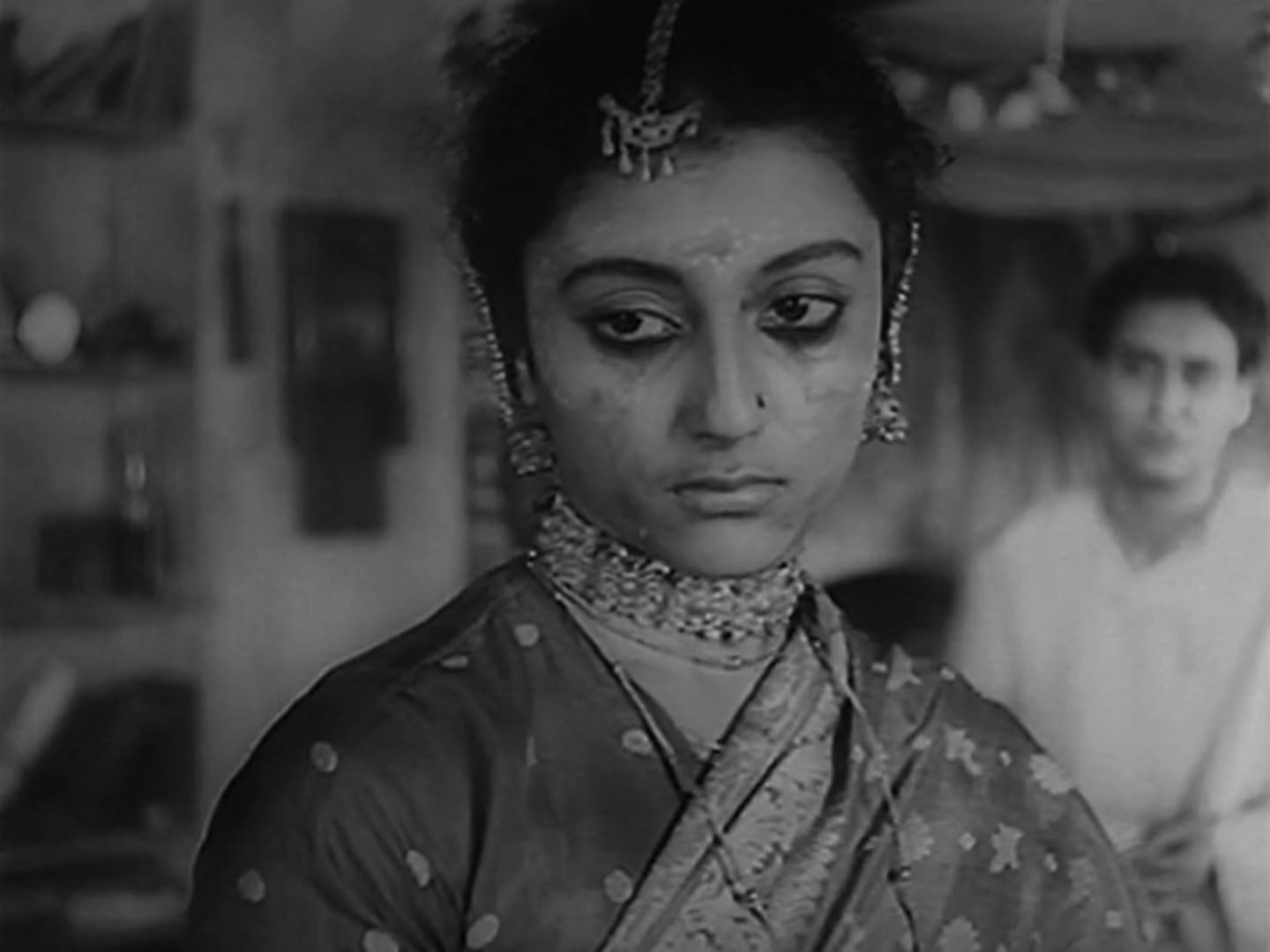
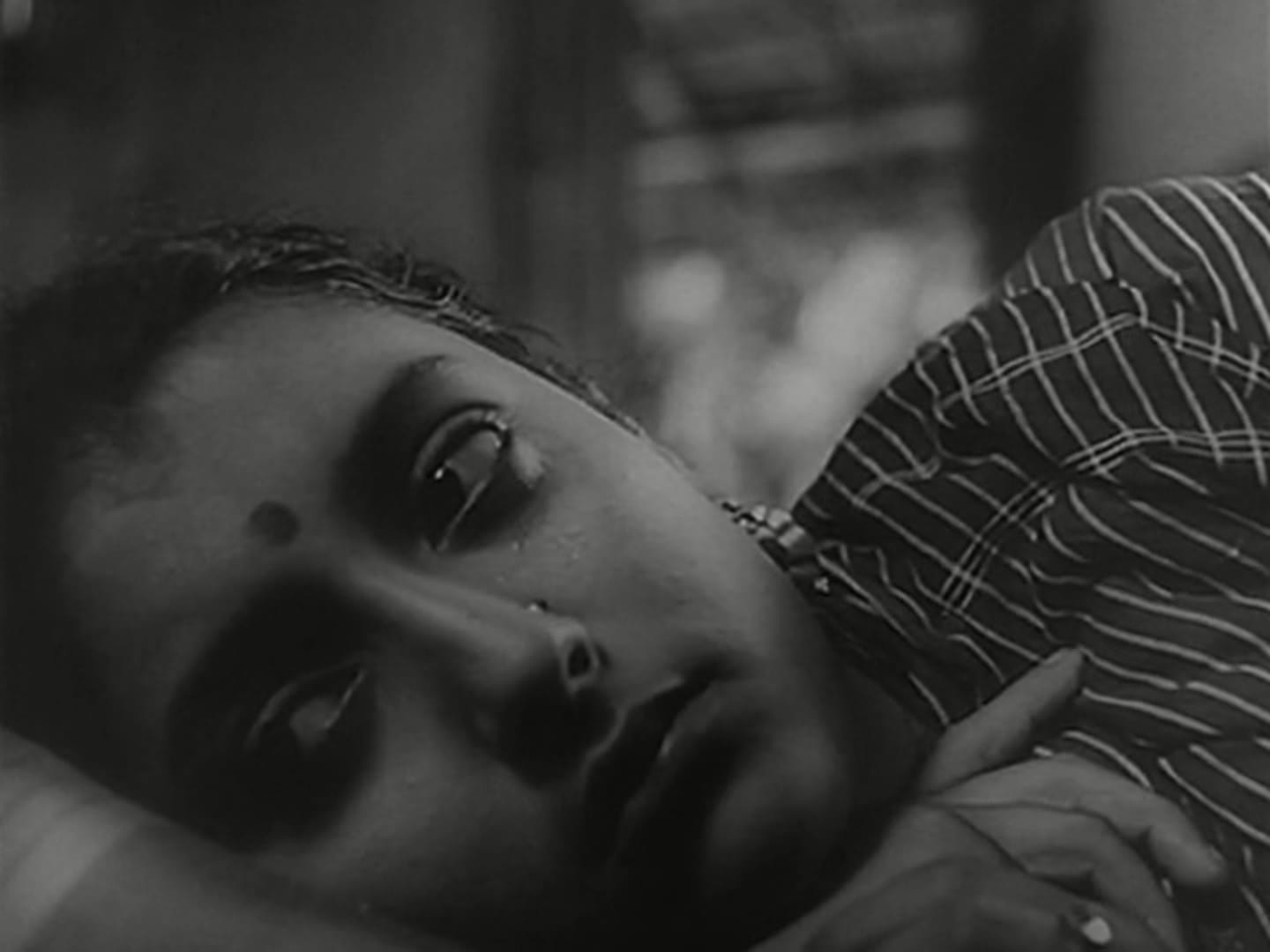
Ray’s close-up lingers on Mrinmoyee’s face as she lies in bed, studying her emotional journey through despondency, tears, and eventually calm resignation while long dissolves reveal the languid passage of time. She has suffered in isolation, and Amulya’s return to the village doesn’t quite heal the distance that has grown between them. Instead of greeting him, she runs and hides in the rain – until the sound of his voice calling her name through the downpour draws her back. Though Mrinmoyee scales the tree to meet her husband back in their room, she offers a heartfelt promise – “I won’t climb it again.” Her childishness has been shed, but as Amulya embraces her as Paglee, it’s clear that their newfound intimacy shall not come at the cost of her spirited individuality.
That Three Daughters is a modest step back from Ray’s ambitious, cohesive storytelling does not make it a failure of literary adaptation. Through ardent devotion, spiritual decay, and emotional transformation, the women of Tagore’s fables emerge as complex figures, each navigating painful negotiations between selfhood and societal pressures. By imbuing their tales with such cinematic grace as well, Ray avows his idol’s compassionate humanism, and consequently underscores their kinship through his own intimate portraits of Indian domestic life. In this meeting of artistic minds, Three Daughters thus becomes a convergence of art forms, reverently honouring Bengal’s cultural heritage while reaffirming its enduring, timeless legacy.
Three Daughters is currently streaming on The Criterion Channel.