David Lean | 1hr 58min

Cinema has a long history of straying from its literary source material, vexing many great authors such as Stephen King and Truman Capote, so it is fortunate indeed that Charles Dickens was not alive to witness David Lean’s adaptation of Great Expectations. Where Pip was once the vessel for a scathing critique of rigid class structures, uneasily drifting between his provincial background and newfound gentility, Lean gravitates far more toward the novel’s haunting romanticism. His is a world of distant dreams that cling to delusional hope, yet which have only decayed with time, as the social order of 19th century England gives way to modernity. The pursuit of money and status may remain the root of misery for these characters, yet Dickens’ grievances with class oppression are deliberately tempered here, visualised through Gothic stylisation rather than satirical realism.
Lean was no doubt bound by 1940s studio censorship too, yet if any filmmaker could successfully reimagine Great Expectations within a world of alternate, dreamlike melancholy, then it is certainly the one who directed Brief Encounter’s timeless romance just a year earlier. At the centre of this adaptation, Pip’s love of Estella originates from childhood visits to her reclusive mother Miss Havisham, and perseveres through the girl’s bullying as both mature into adults. After spending years working as a blacksmith, a mysterious benefactor unexpectedly provides him with the funds to move to London and become an educated nobleman – and to a young, naïve Pip, there could not be a clearer sign that Miss Havisham is secretly preparing him to marry Estella.
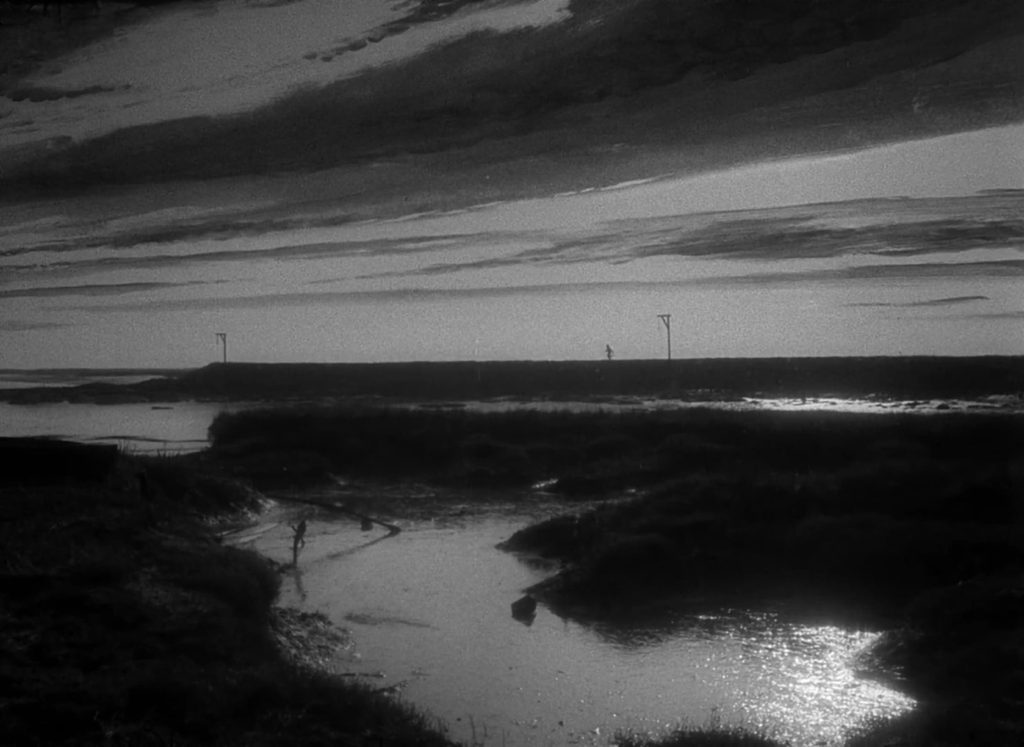
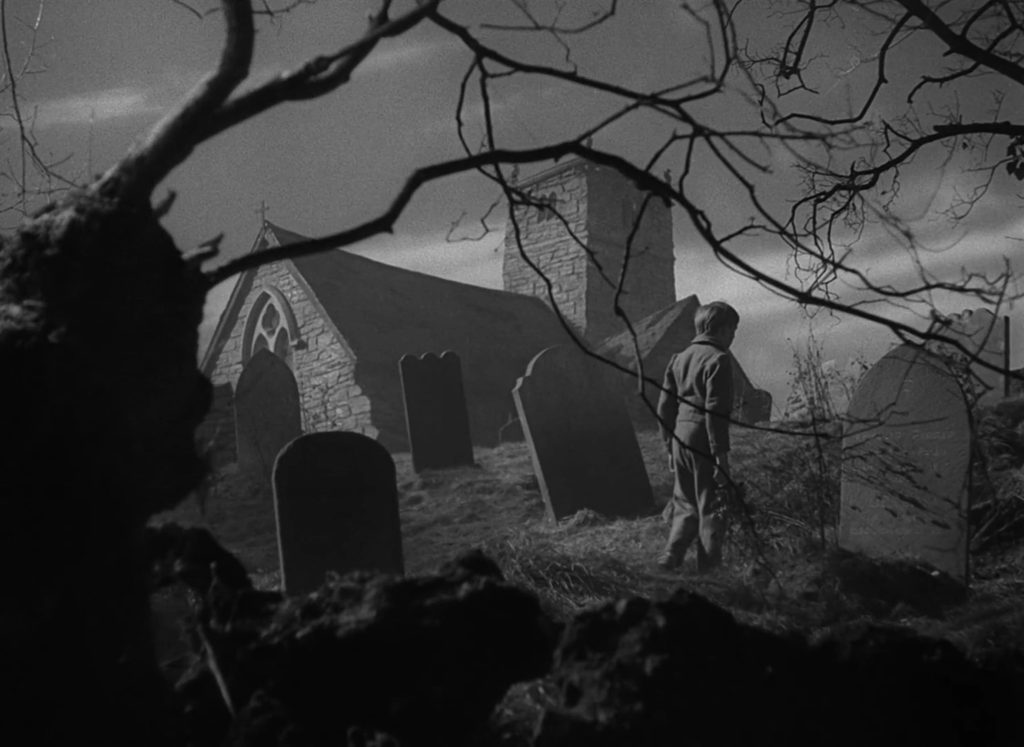
It’s no wonder why the orphan boy so longs to ascend the ranks of high society and escape his working-class existence. Lean presents his home in the dreary marshes of Kent as a barren, muddy wasteland, silhouetting Pip against grey skies and flat expanses, while withered trees hang over the graveyard where he visits his parents. The church miniature that peeks over the hill in the background may have only been three metres tall, yet through a clever use of forced perspective, Lean transforms it into a grand, imposing fixture within the landscape. It is here that Pip first encounters the escaped convict Magwitch, whose initially feral demeanour softens to unexpected warmth when the boy brings him food, while his influence will continue to bind Pip to the lowly origins he so desperately yearns to abandon.
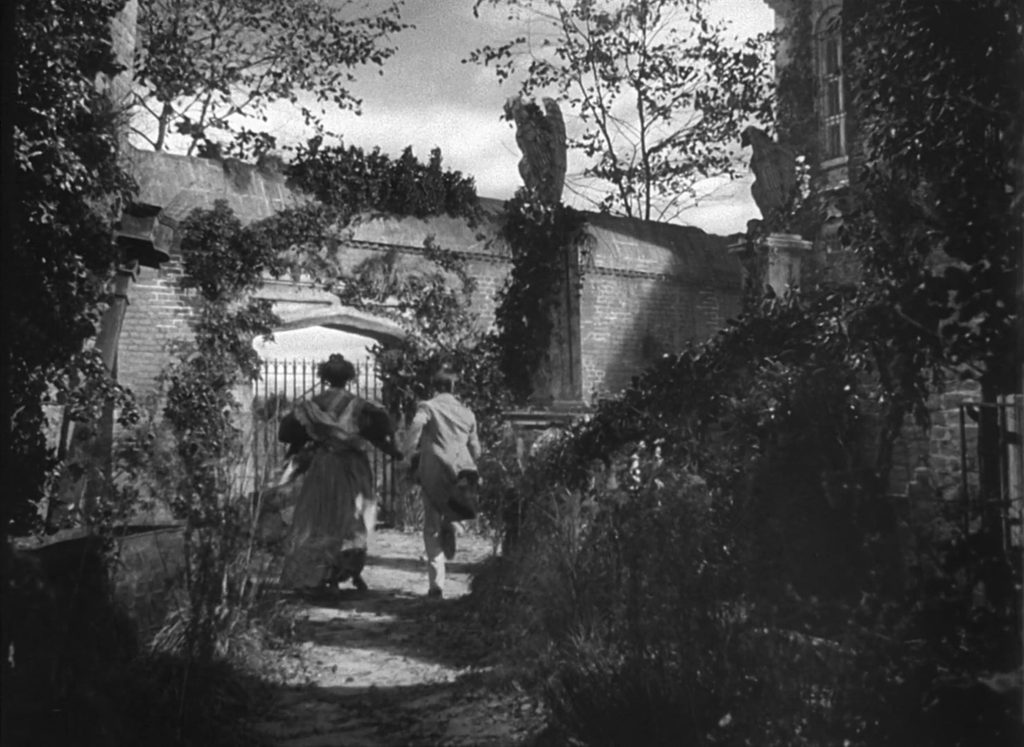
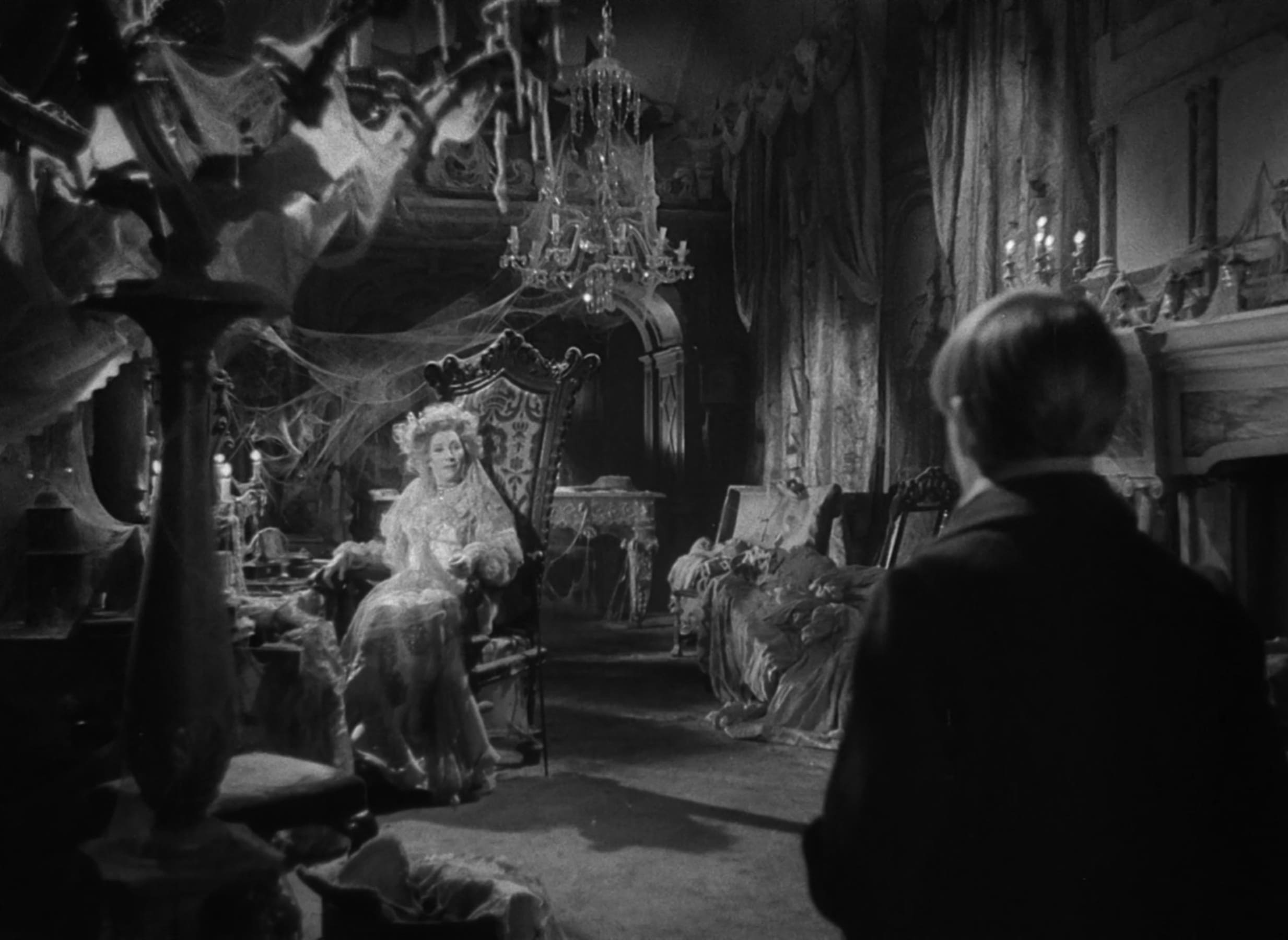
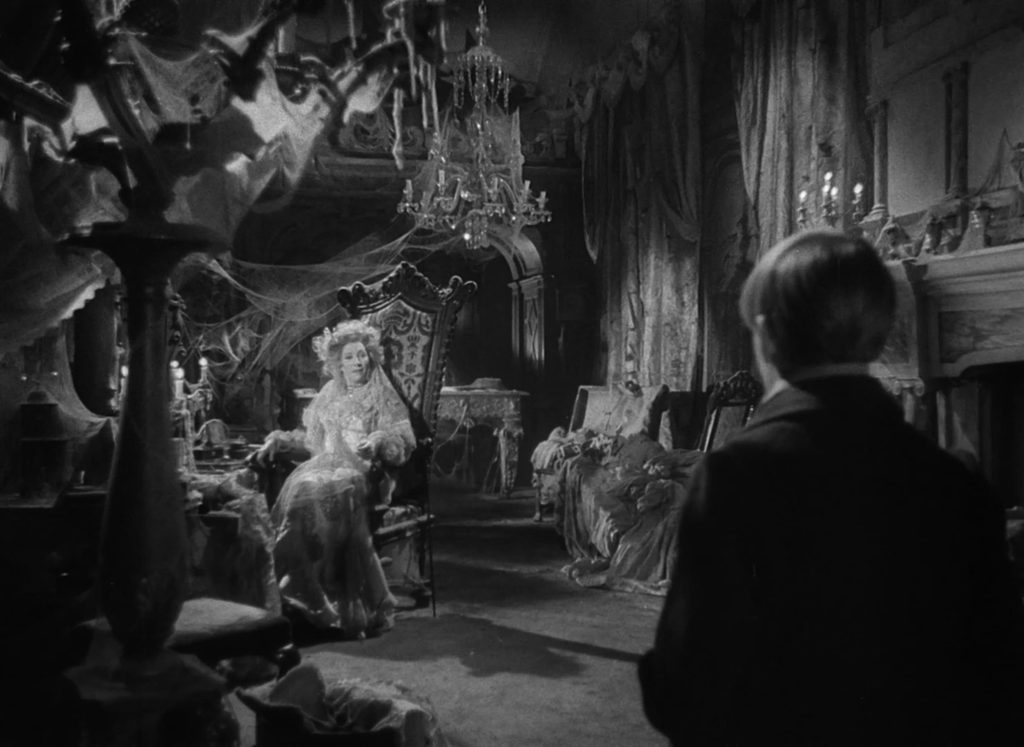
More visually impressive still is Miss Havisham’s manor, where Pip essentially enters a faded, fairytale realm that belongs to a different age. Behind its iron gates, overgrown weeds welcome him into a lavish mausoleum illuminated only by candles and fireplaces. No sunlight pierces its drawn curtains, leaving this clutter of ornate furniture to gather dust and cobwebs in darkness, while the giant cake which sits atop the dining table to grow mould. Framed perfectly within this baroque density reminiscent of Josef von Sternberg, Miss Havisham is introduced upon a chair that dwarfs her fragile frame, wearing a crusty wedding dress that reeks of decayed romantic fantasy. She may be wealthy, yet having never married, her life has atrophied into perpetual mourning for what could have been.
Adopting Estella may have been the only way Miss Havisham could ever touch the vestiges of this alternate life, yet in orchestrating her turbulent relationship with Pip from a young age, she also uses her as a tool of bitter revenge against the very idea of marriage. She does not dispel Pip’s suspicion that she is responsible for his sudden wealth either – a reasonable assumption, given that her lawyer Mr. Jaggers is the agent of its delivery. As it is, he is happy to capitalise on such providence, embracing the opportunity to become a “young gentleman of great expectations” within the smoky sprawl of Victorian London.
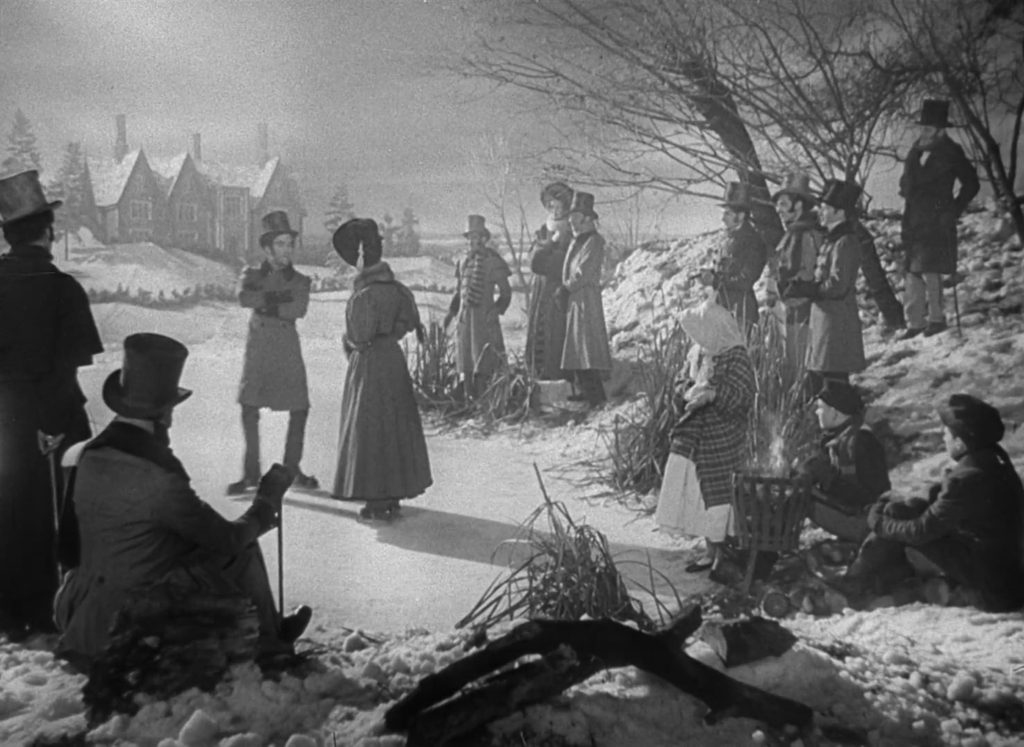
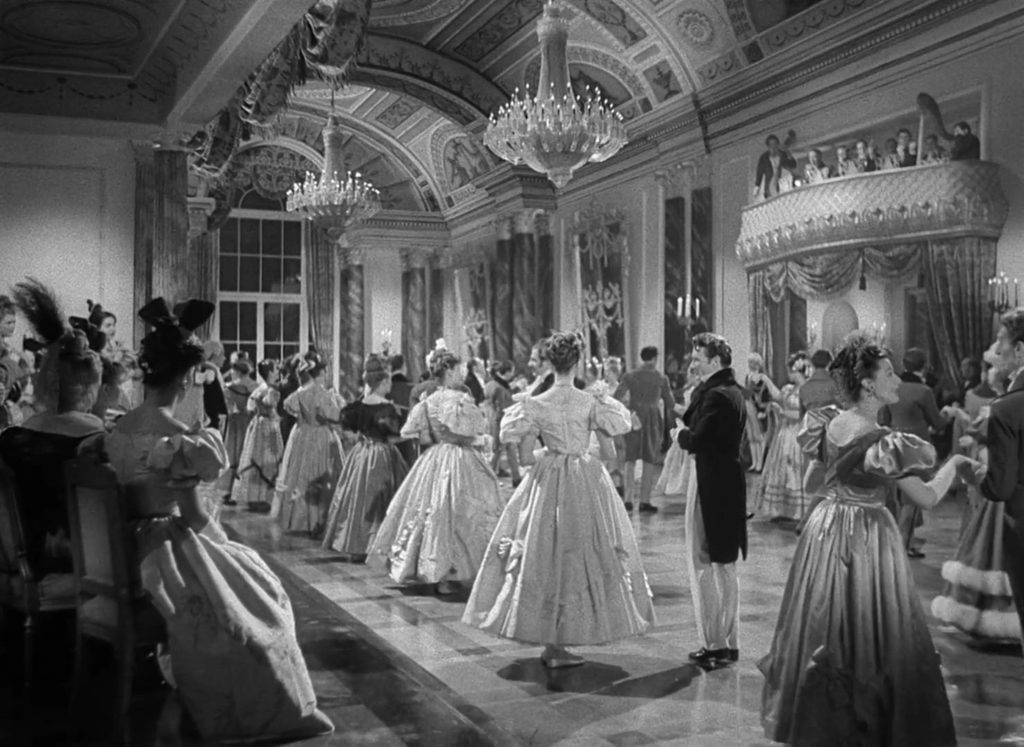
There, Lean continues to demonstrate the breadth of his practical effects repertoire, building out the industrial cityscape of town squares and dense tenements through glass matte paintings. By placing these translucent overlays in front of the camera, he seamlessly blends his actors into layered, architectural composites, and further uses foregrounded miniatures in a ballroom scene to create the illusion of chandeliers hanging from vaulted ceilings. The meticulous detail in these shots is exquisite, drawing Pip deeper into a world he has longed to inhabit, yet which simultaneously pulls him further from home. His brother-in-law Joe is evidently out of place when he comes to visit, recognising the widen social gulf between them, and during Pip’s brief return to Kent, even he feels compelled to stay at the local inn rather than with loved ones.
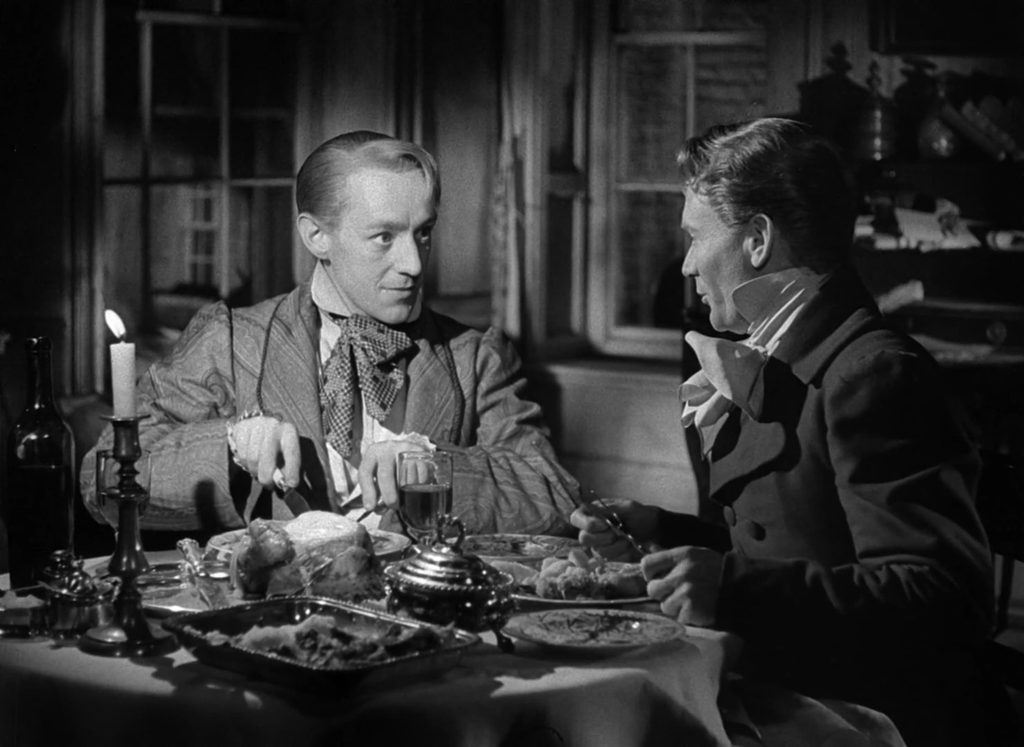
This is not a matter of black-and-white morality however, as in Alec Guinness’ buoyant performance as Herbert Pocket, Pip finds an upwardly mobile friend who seeks fulfilment rather than prestige. Just as Martita Hunt portrayed Miss Havisham in a 1939 stage version of Great Expectations, Guinness similarly played Herbert in the same production, inspiring Lean to bring both actors into his own adaptation – and it is easy to see why. His good-hearted buoyancy lights up the film as he teaches Pip gentlemanly conduct, and even assists in an illegal yet morally justified scheme to save an innocent.
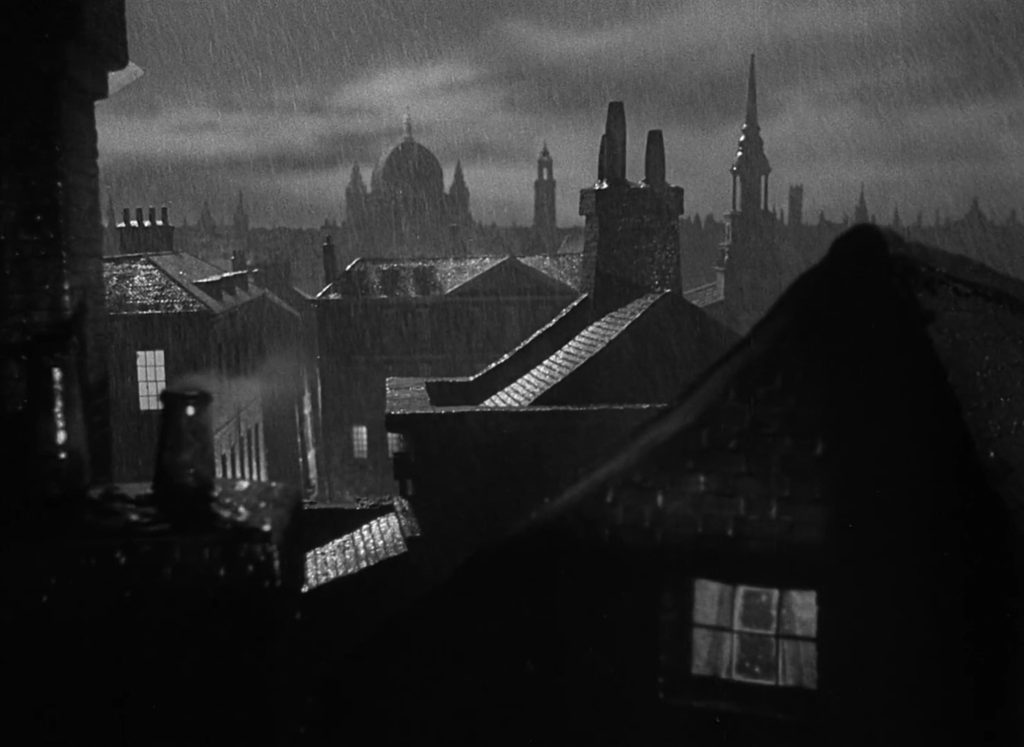
After all, there are greater callings in life than social advancement, and the unexpected return of Magwitch into Pip’s comfortable existence violently disrupts that comforting illusion. Lean’s camera drifts through the dark, foggy skyline of London that fateful night while Big Ben echoes through the rain, as though anticipating the former convict’s arrival and Pip’s dismayed discovery that he has been his benefactor all along. This was not a romantic destiny fashioned by Miss Havisham, it would seem, but rather an inheritance from the very lower-class origins he had learned to regard with shame.
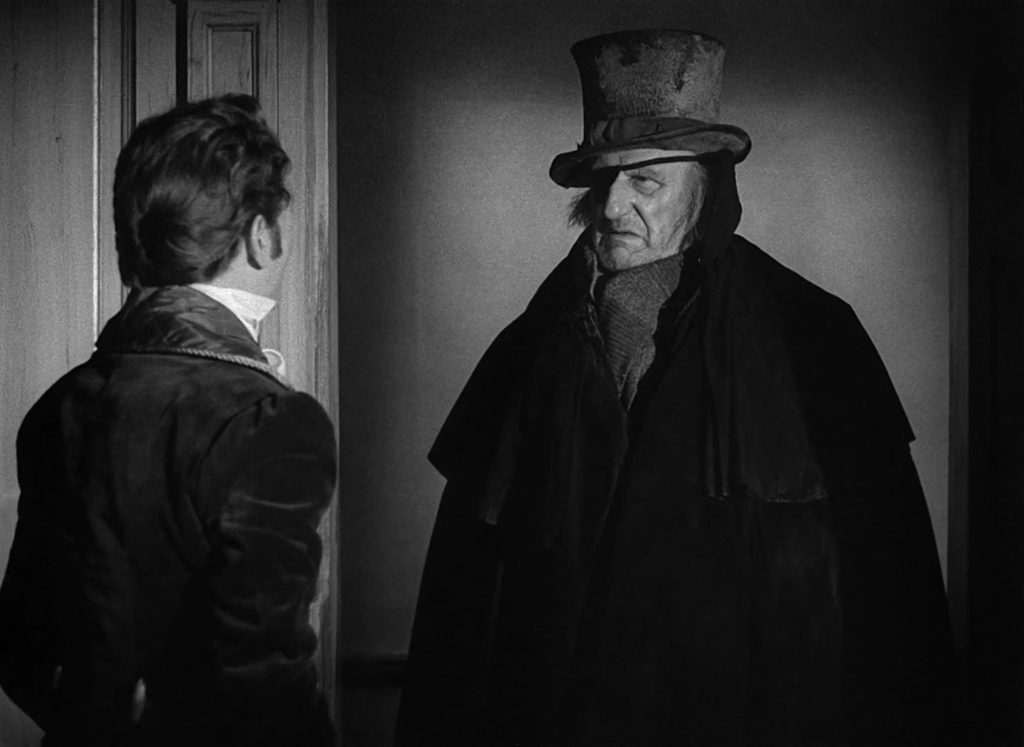
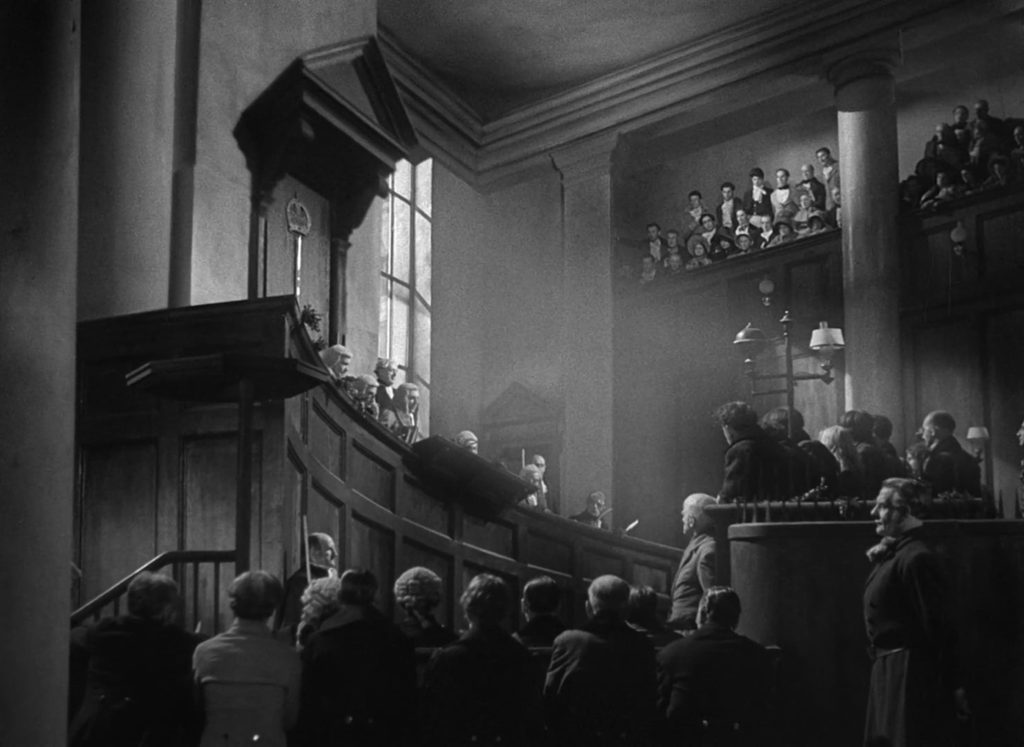
As such, Estella’s engagement to the wealthy, disreputable Bentley Drummle is no longer a mere hiccup in a grand plan – this revelation is a total derailment of the life he had imagined was laid out for him. How ironic too that the rough, hardened criminal who once begged for food upon the marshes should prove more altruistic than the respectable civilians of high society, among whom Pip has comfortably assimilated. Though their contact has been limited, Magwitch considers himself a father figure to the boy who one showed him kindness, confessing that he reminds him of the daughter he once had. When Magwitch is inevitably captured and sentenced to death, he merely laments that Pip will not inherit his fortune, since only a biological child may be recognised as his heir – and therein lies the final twist in this gentleman’s pursuit of the beautiful Estella.
The woman who Pip has adored since childhood is not a prize to be won at the top of the social ladder, but was in fact born of a criminal underclass, even lower than his own humble beginnings. Perhaps if she had been raised by the noble-hearted Magwitch, she would have been spared the emotional deformation of Miss Havisham’s influence, and avoided an unhappy relationship with Drummle – though as it is, both she and Pip have suffered greatly beneath the burden of class ambition.
Here, Lean makes perhaps his most decisive divergence from the original novel, steering Great Expectations towards a romantic resolution entirely absent from Dickens’ unresolved ending. Where an older Pip and divorced Estella previously reflected on past regrets, unable to reclaim what was lost between them, here they meet one last time before the possibility of reconciliation slips away.
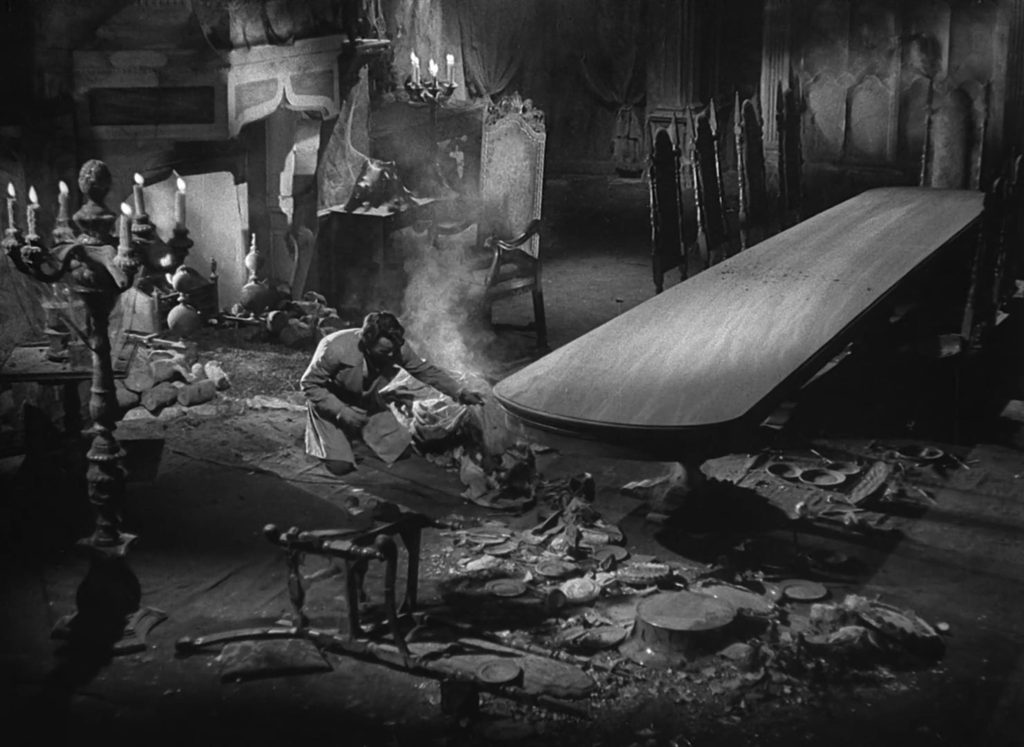
Having broken off her engagement with Drummle, Estella retreats to the musty, stifling home of her childhood, which has only sunk deeper into ruin since Miss Havisham’s untimely death. Meanwhile, overcome by profound disillusionment and physical illness, Pip meanders through city crowds in a disoriented haze of double exposure effects and spinning lights, before Joe eventually takes him home to recover in Kent. As Pip approaches that forsaken home and traverses its decrepit hallways, disembodied echoes of the past reverberate in his ears, before manifesting in the withdrawn, melancholy figure of Estella – seated, quite fittingly, in the exact same chair that Miss Havisham so frequently occupied. There is nothing left for her beyond these walls, she insists, expressing her intention to remain in this “dead house” which has effectively become part of her being. Pip’s words are ineffectual against her melancholy resolve too, and so determined to expose the manor’s true nature, he rips down its heavy, insulating curtains.
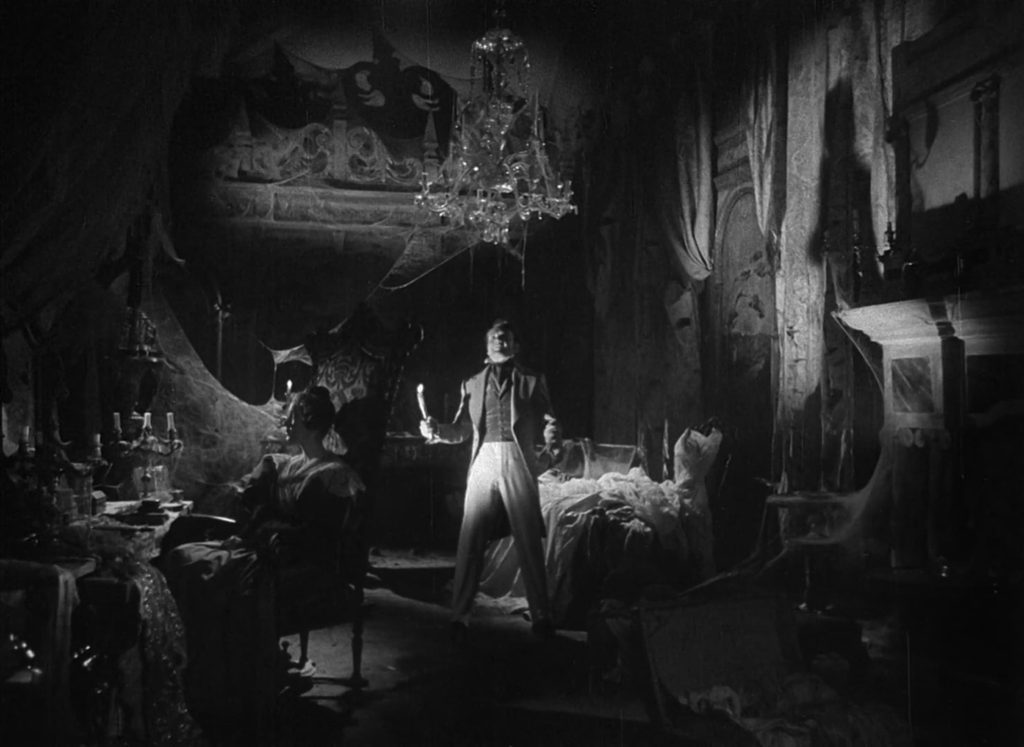
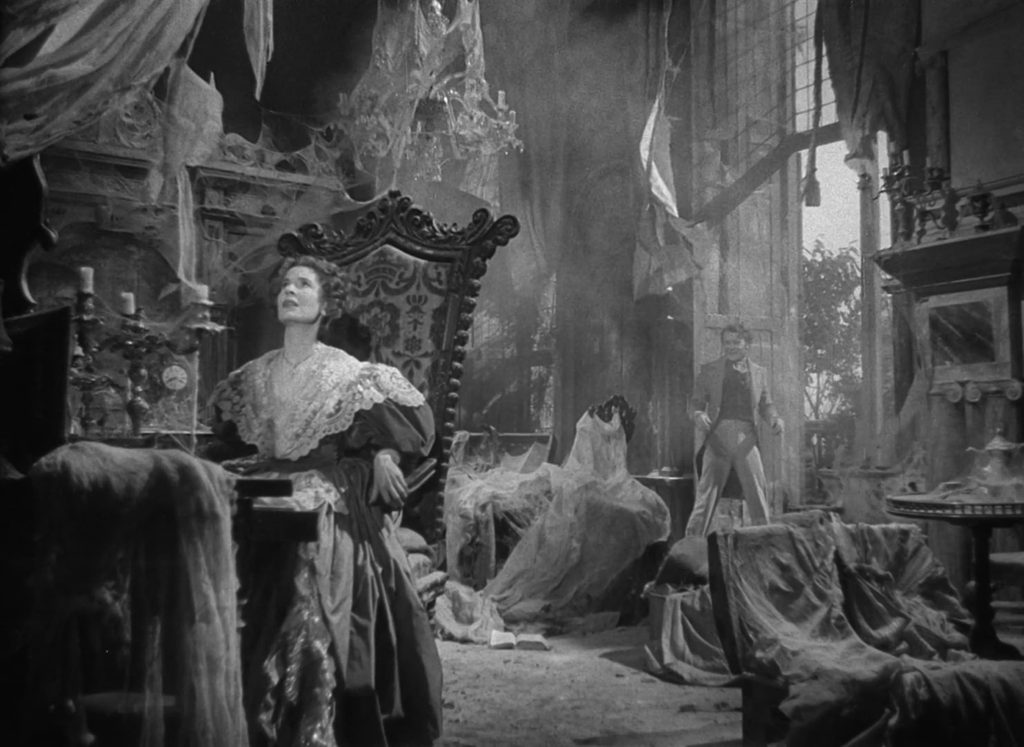
Touched by sunlight for the first time in decades, this gothic chamber no longer sustains its illusion. Finally, Estella sees its antiquated architecture for what it is – a sealed world of stagnant grief, preserving “dust and decay” as an act of hopeless nostalgia. Life cannot flourish under inherited expectations that wither into dead dreams, Lean’s finale declares, but must be seized before the chance to escape them is lost. It is far more optimistic than Dickens’ morally ambivalent conclusion, yet through this romanticised treatment of Great Expectations, closure is graciously offered to those who successfully cast off society’s false, archaic promises.
Great Expectations is currently streaming on The Criterion Channel.