Rating

Ju Dou (1990)

Cycles of trauma are never fully broken in Ju Dou’s family dynamics of abusive marriages, affairs, and resentful children, each generation echoing the violence of the last, while Zhang Yimou’s visual poetry heightens such tragic, historic resonance.


Obsession (2025)

Love stripped of consent warps into a demonic force in Obsession, and through one man’s reckless wish for absolute devotion, Curry Barker exposes the insidious, consuming violence of its coercive fulfilment.

Red Sorghum (1988)

Red Sorghum’s step back into modern Chinese history deserves the poetic treatment of a folk epic for Yimou Zhang, as this ancestral fable intimately bridges the distance between generations, and paints rural vitality and resistance in lush, expressive brushstrokes.

The Man From London (2007)

Sensationalist thrills are entirely drained from The Man from London’s crime plot of drowned bodies and stolen cash, as Béla Tarr instead establishes an aesthetic distance from its bleak chain of events, and turns his probing, glacial camera towards the moral vacancy of its lifeless seaport.

Natural Born Killers (1994)

Perhaps the mass media didn’t directly create mass murderers Mickey and Mallory in Natural Born Killers, but Oliver Stone certainly exposes its complicity in their myth-making, screaming a brazen, self-flagellating indictment of pop-cultural cannibalism in neon, blood, and hyper-kinetic chaos.

Lee Cronin’s The Mummy (2026)

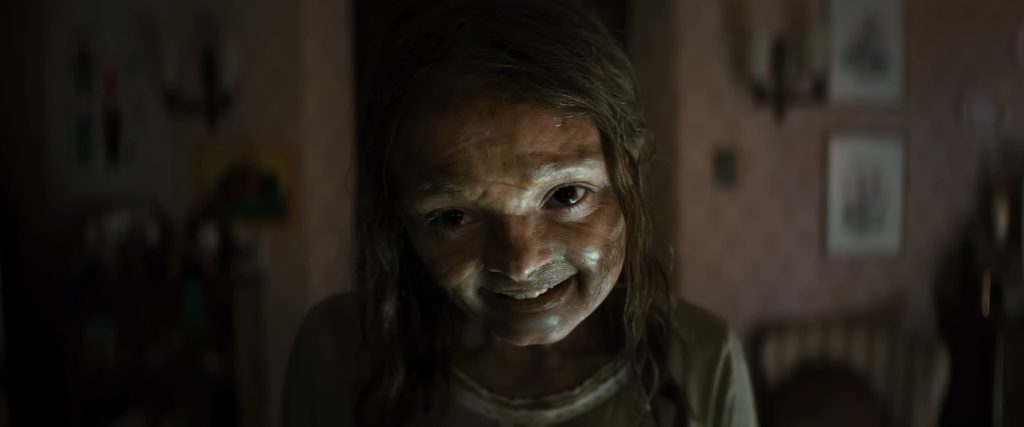
That Lee Cronin’s The Mummy should include its creator’s name is an audacious move for an emerging director, yet in staging a young girl’s demonic possession against her parents’ anguish, Cronin’s deterioration of the family unit begins to justify the claim of auteurship.

War and Peace (1965-67)

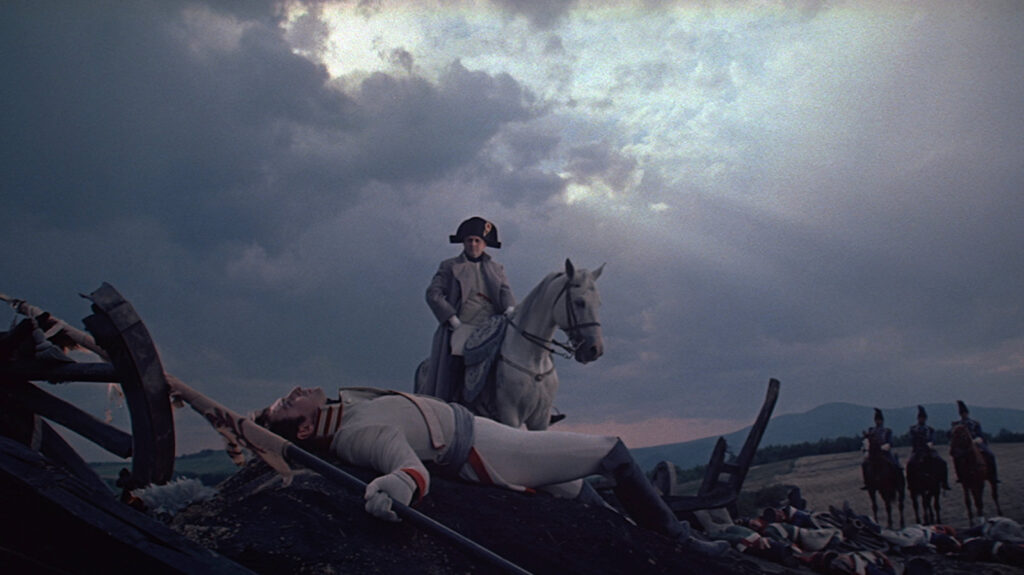
Committing a nation’s full resources, unprecedented technical ambition, and avant-garde flair to Russia’s greatest literary treasure, Sergei Bondarchuk crafts an astonishing cinematic translation of War and Peace, making the vast sweep of history answer to Leo Tolstoy’s humanist philosophy.

The Home and the World (1984)

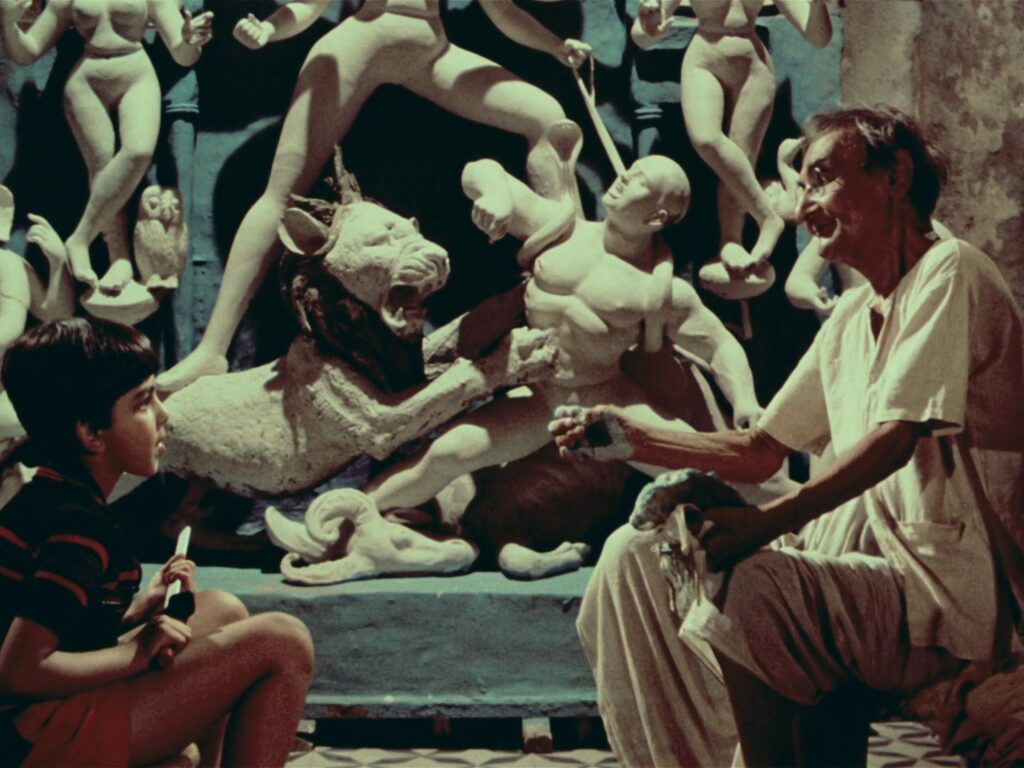
It is easy to be swept away by the vibrant, opulent melodrama of The Home and the World, as Satyajit Ray renders the clash of ideologies as both a national and profoundly private battle, entangling one impressionable housewife in a politically-charged affair.

The Elephant God (1979)

If The Elephant God lacks the taut precision of Satyajit Ray’s finest works, it compensates with its noir-inflected intrigue, drawing a hardboiled detective into the puzzling case of a stolen idol, a holy fraud, and a trail of shadowy motives.

The Chess Players (1977)

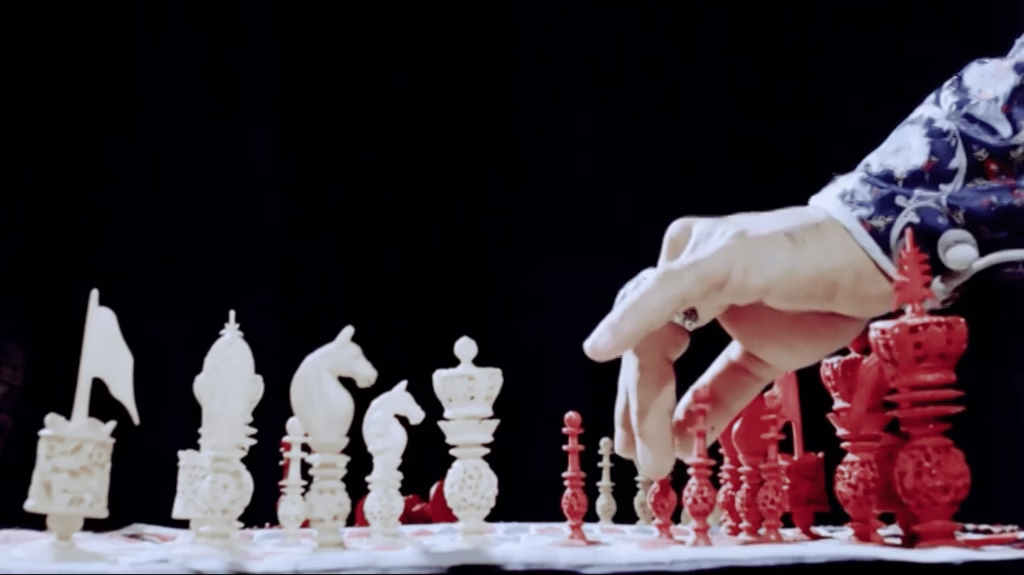
Although Satyajit Ray treats the history of the British Raj with humane detachment in The Chess Players, it is not without a wry, bitter irony, symbolically framing the colonial conquest of Awadh as a lopsided game between calculating bureaucrats and self-absorbed nobles.

Scroll to Top