
Rating

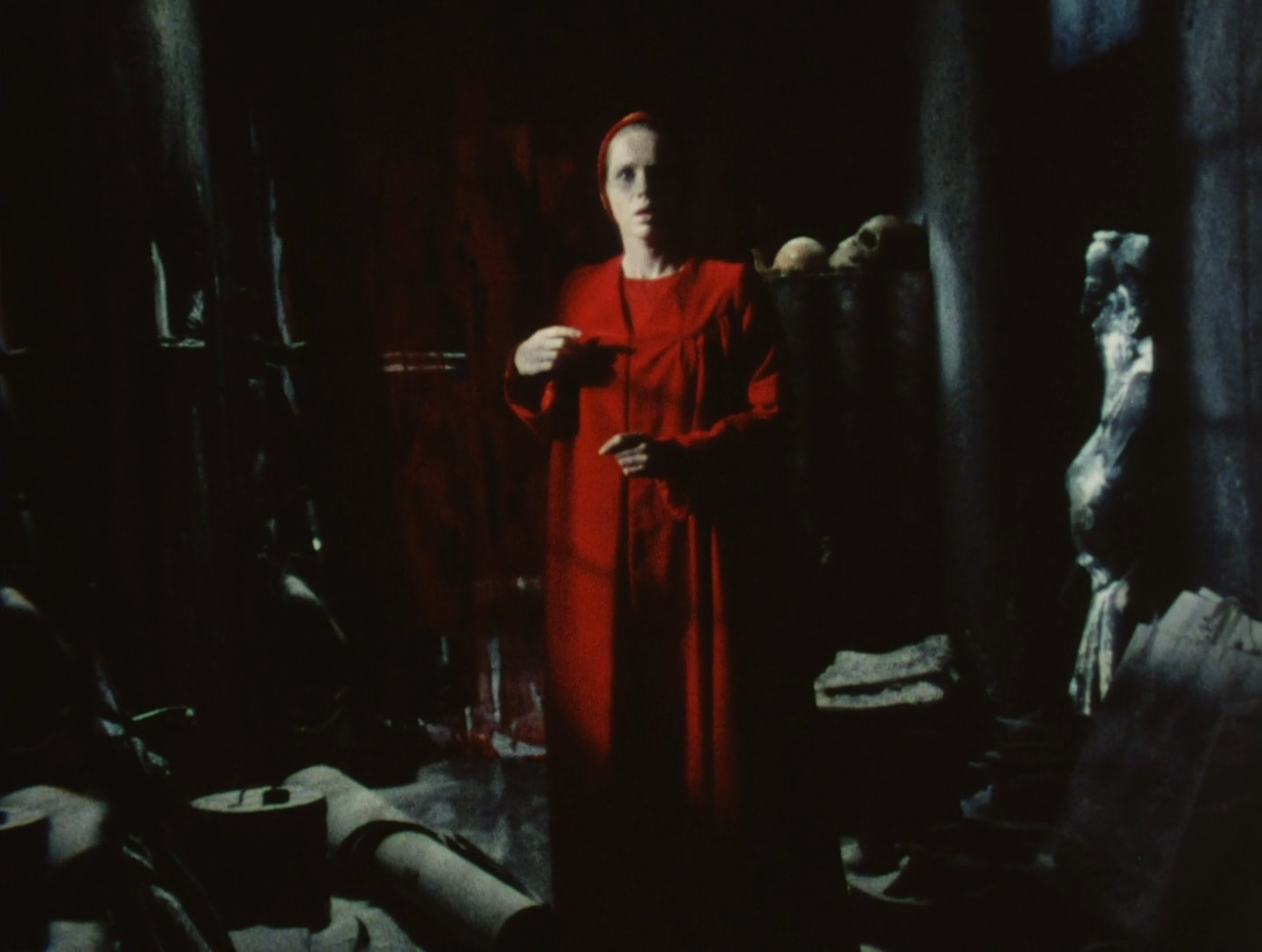
Face to Face (1976)

Even by Ingmar Bergman’s standards, Dr Jenny Isaksson’s characterisation is layered with immense psychological depth in Face to Face, treading a fine line between realism and surrealism as her childhood traumas, insecurities, and mortal fear of death chaotically rise to the surface after years of emotional repression.

Oppenheimer (2023)

Just as the tiniest of quantum processes may produce explosive reactions, so too does the father of the atomic bomb set off seismic ripples across human history in Oppenheimer, and from beneath his shadow Christopher Nolan whisks us forward through a relentlessly non-linear narrative to witness the tortured Destroyer of Worlds emerge out the other end.

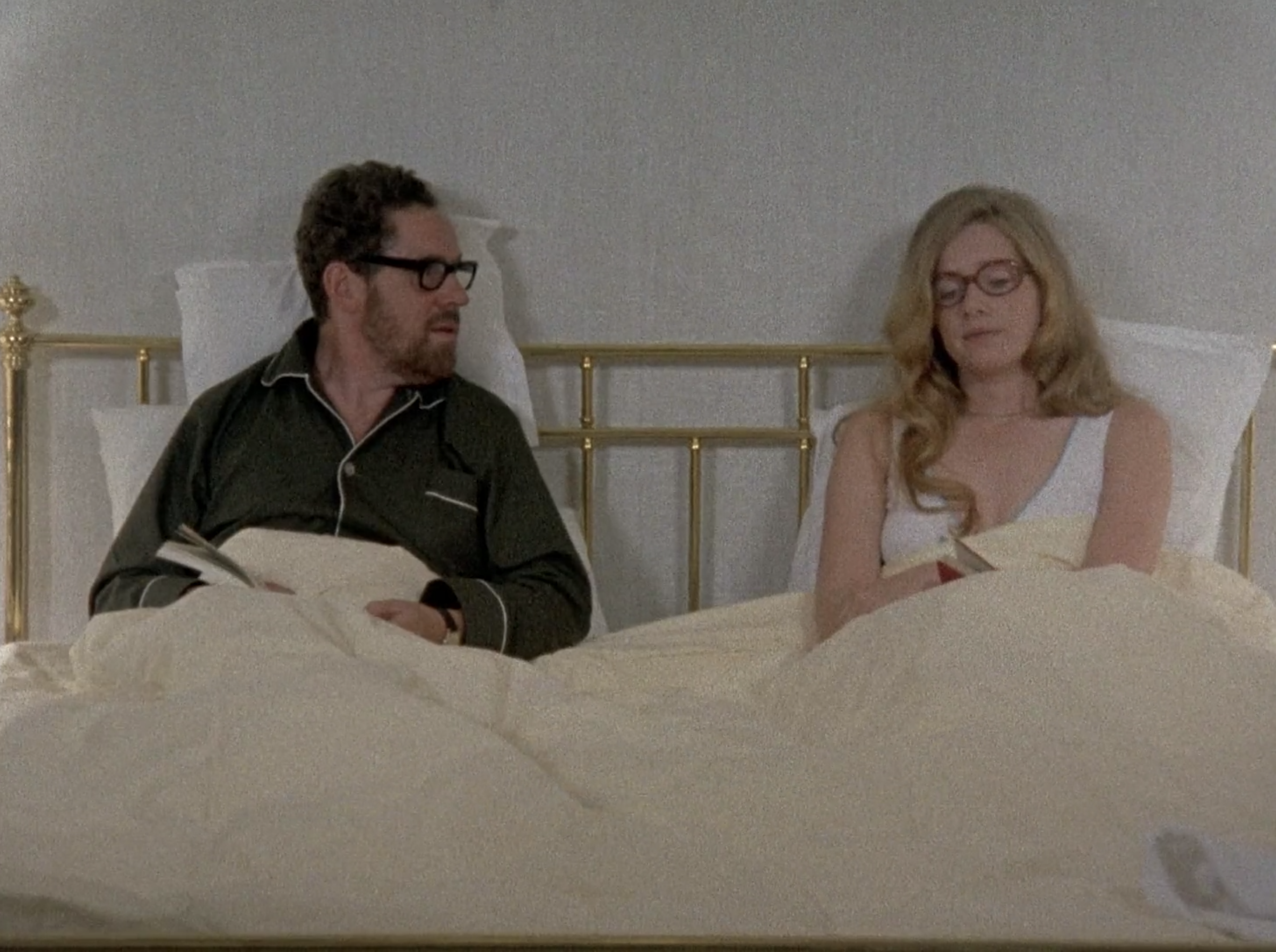
Scenes From a Marriage (1973)

Ingmar Bergman uses six isolated episodes of Johan and Marianne’s married life to piece together a collage of a fragmenting relationship in Scenes From a Marriage, turning their divorce not into a battle of husband versus wife, but rather lovers versus the space between them.

Cries and Whispers (1972)

Ingmar Bergman’s wrestling with matters of faith and tortured female relationships has never been so vividly illustrated as it is in Cries and Whispers, confining its three sisters and their maid to the crimson-saturated dreams of their family home, and surreally interrogating the fractures which only deepen with their parallel suffering.

The Touch (1971)

The Touch may be one of Ingmar Bergman’s plainer stylistic efforts, but his wielding of theological symbolism to interrogate a broken love triangle is deft, bitterly driving the Madonna’s degraded image and a tainted Garden of Eden between his doomed lovers.

The Passion of Anna (1969)

Ingmar Bergman’s personal turmoil during production of The Passion of Anna infuses this chamber drama with a shaggy, improvisational quality, deconstructing its titular widow’s grief with the same imperfect honesty which he himself is guilty of, and bringing a raw vulnerability to complex characters straining against each other’s cruelty.

Naked (1993)

Like a man ready to tear the world down with him on his way to hell, there is no real direction to Johnny’s intellectual bullying through London’s nocturnal streets in Naked, yet around him Mike Leigh constructs a character study of such immense nihilism that even he can’t escape the miserable darkness he emits.

Shame (1968)

From the moment the first bombs start falling, Ingmar Bergman descends Shame into an irreversible degradation of innocence, love, and compassion, tragically twisting the souls of wartime survivors into distorted shadows of their former selves and taking this study of human violence to its logical, haunting end.

Spider-Man: Across the Spider-Verse (2023)

Even as Spider-Man: Across the Spider-Verse hurtles through universes of conflicting pop art aesthetics, the archetypal hero conventions it deconstructs binds them together within a set ‘canon’, all the while pushing against such restrictive notions of fate with a meta-modernist humour and hyper-kinetic animation.

Hour of the Wolf (1968)

As we trace back the steps of one mentally tortured painter through the days before his disappearance in Hour of the Wolf, it becomes clear that no other Ingmar Bergman film has come this close to outright psychological horror, surreally warping our most intimate relationships into vulnerable weaknesses where demons come to play.

Scroll to Top