Rating

Persona (1966)

The incredible formal synthesis forged between Ingmar Bergman’s intimate visual style and psychological deliberations in Persona may be the finest of his career, blending the identities of two women through an avant-garde surrealism, and studying the perplexing duality which splits the human mind into outward expressions and internal truths.
All These Women (1964)

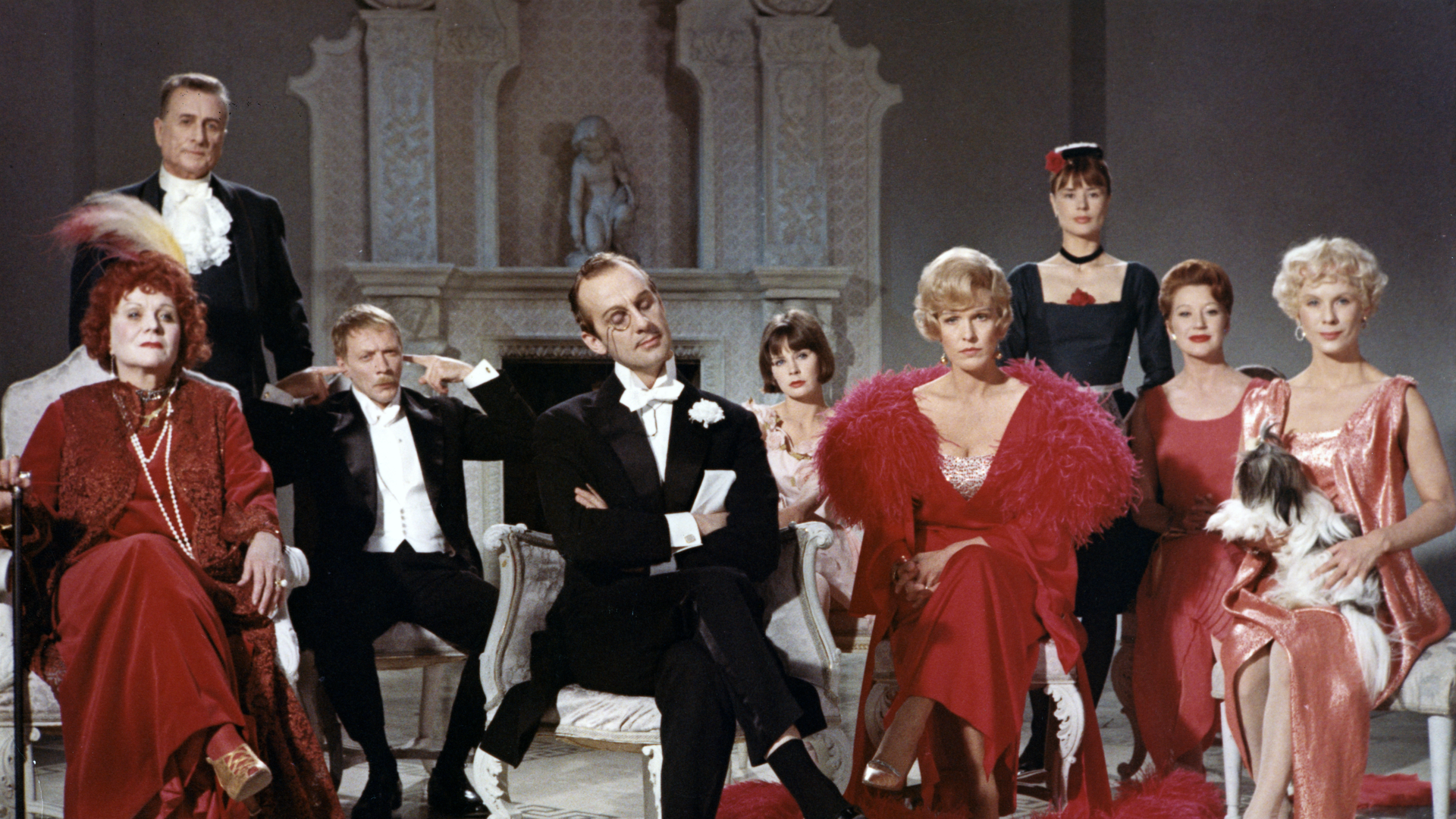
Men are but faceless idols cycling in and out of fashion in All These Women, hiding with infatuated fanatics behind facades of highbrow culture, and pulling at least one absolute truth from Ingmar Bergman’s sumptuously irreverent satire – art has no real relevance to the narcissistic pretensions of artists.

The Silence (1963)

In place of open dialogue between characters in The Silence, Ingmar Bergman leaves an apathetic void of love and communication, formally manifesting his long-running existential fears of an unresponsive, godless universe within a stifled relationship between estranged sisters.

Winter Light (1963)

A pair of lonely masses bookends Winter Light’s spiritual crisis with a robust endurance of faith, focusing Ingmar Bergman’s intensive screenplay and severe direction upon a doubting priest bearing numerous similarities to a forsaken Christ, and uncovering a humanistic resilience which transcends religious boundaries.

John Wick: Chapter 4 (2023)

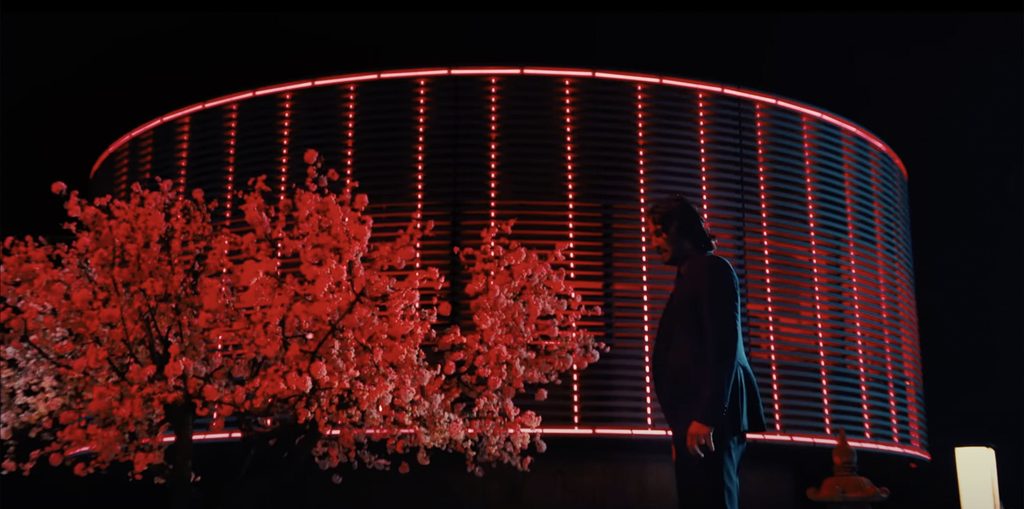
With its staggering set pieces and consequential narrative stakes, John Wick: Chapter 4 ends this series on a majestic cinematic high, not just confirming Chad Stahelski’s well-earned position among our great modern action directors, but also his talents as a storyteller communicating through striking theological symbolism.

Through a Glass Darkly (1961)

Beneath Ingmar Bergman’s eloquently cutting dialogue in Through a Glass Darkly is a family struggling in the absence of spiritual guidance, magnified to an even greater extent by the isolation of the island where they are vacationing, and yet finding the chance for redemptive grace in the smallest demonstrations of love.

The Virgin Spring (1960)

Christian and pagan symbolism may be nothing new for Ingmar Bergman, but their manifestation in The Virgin Spring through such visceral violence is punishing even by his standards, thoughtfully considering in this parable of murder and revenge how virtue might survive our most guilty, godless instincts.

The Magician (1958)

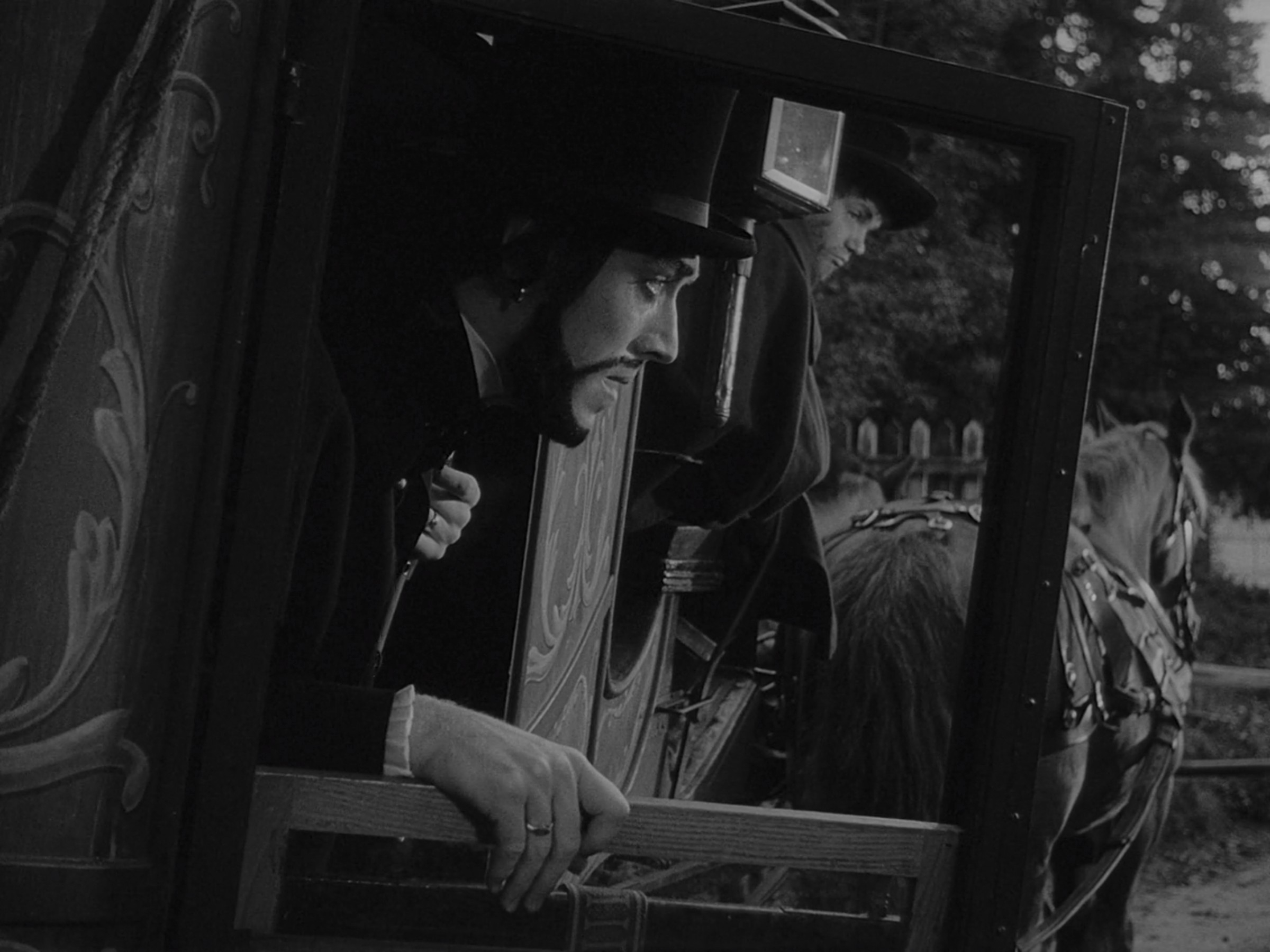
Ingmar Bergman captures an offbeat blend of his severe dramas and graceful comedies in The Magician, turning a critical eye towards his own craft of underhanded artistic manipulations by centring a travelling troupe of con artists, and lightly exposing the fraud that unites them with their harshest critics.

Wild Strawberries (1957)

Dreams, memories, and symbols drift by on the powerful current of Ingmar Bergman’s poetic screenplay in Wild Strawberries, turning one elderly professor’s road trip into a spiritual vessel of self-reckoning that confronts the many estranged relationships he has accumulated, and penetrating the surreal depths of his guilty mind through beautifully existential imagery.

The Seventh Seal (1957)

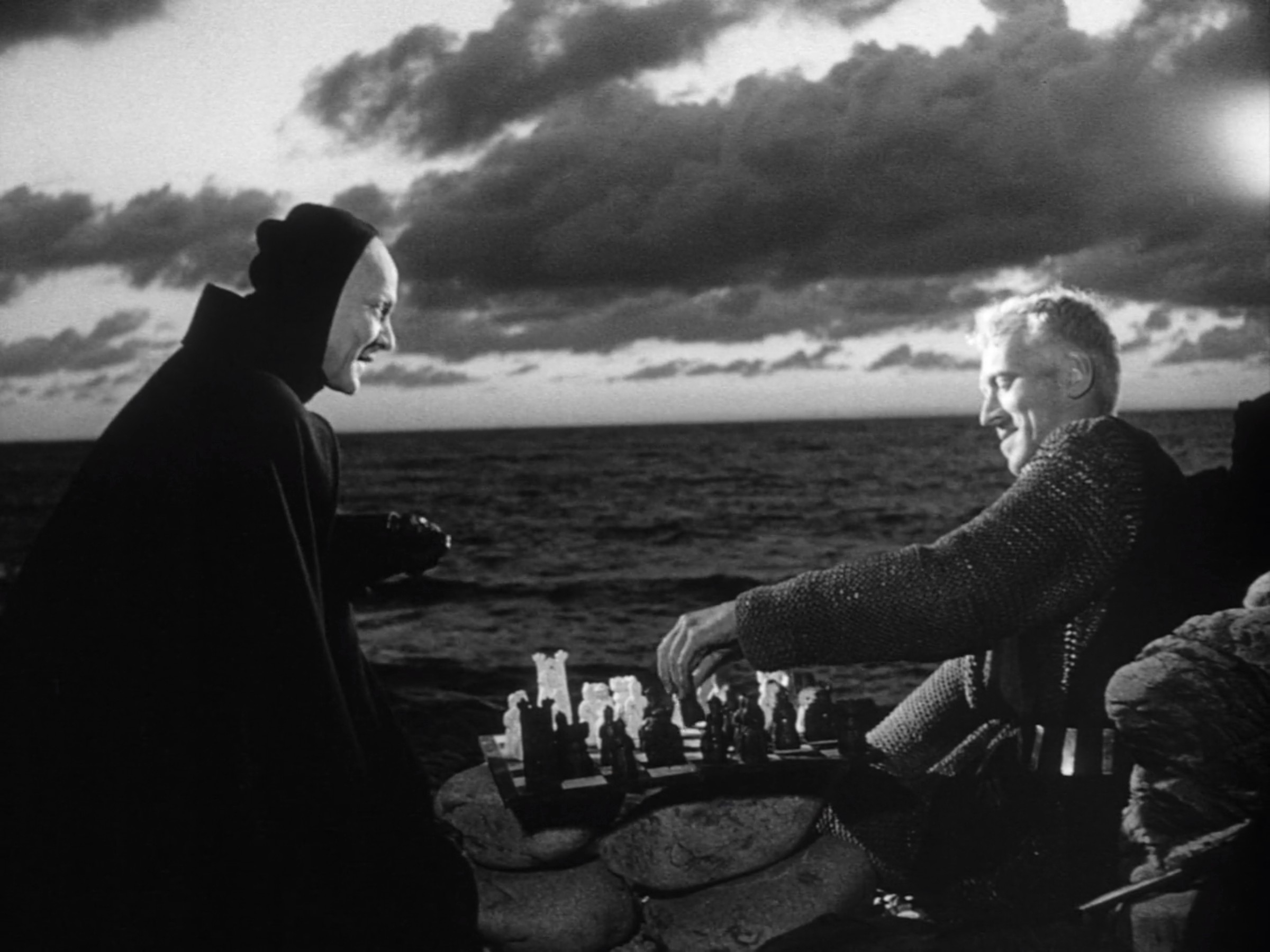
Ingmar Bergman’s pensive journey of faith and doubt leads us through barren, plague-ridden landscapes in The Seventh Seal, imposing a stark beauty on his theological iconography and poetic contemplations which confirm this existential medieval fable as a historical feat of philosophical screenwriting.

Scroll to Top