
chinesecinema

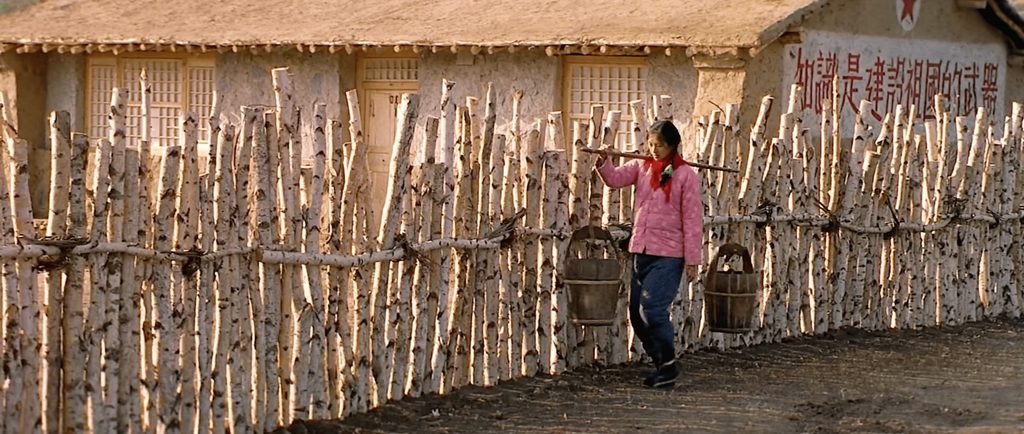
The Road Home (1999)

The Road Home may be one man’s second-hand account of his parents’ love story, yet in reconstructing memories from older generations who laid the foundations of family, Zhang Yimou elevates its historic, private romance into communal legend.
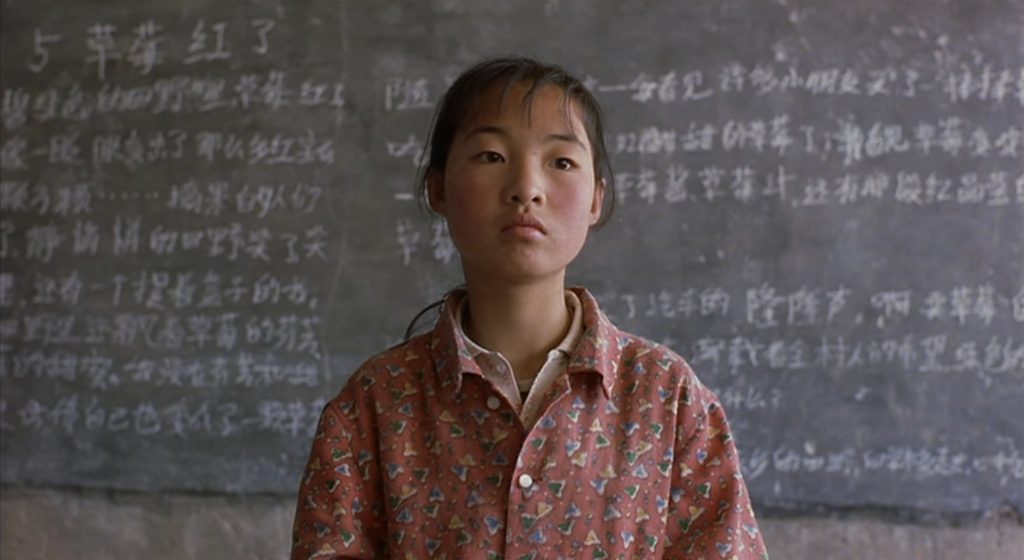
Not One Less (1999)

As Zhang Yimou tells the tale of a young, rural teacher searching for a runaway student in the city, he retains a disarming sincerity, dedicating Not One Less to the everyday labour of education and its responsibility to safeguard children’s futures.

To Live (1994)

It is not ideology which builds legacy in To Live, but the endurance of those who bear its weight, as Zhang Yimou tracks decades of one man’s life through the tumultuous political upheavals of mid-century China.

A Touch of Zen (1971)

As King Hu edges towards a spiritual transcendence in A Touch of Zen, wuxia spectacle dissolves into a meditative, cosmic stillness, revealing its worldly struggles between imperial authorities and persecuted fugitives as fleeting dramas within a transient world.

Ne Zha 2 (2025)

More than simply rendering Chinese folklore as large-scale spectacle, Ne Zha 2 fully internalises the philosophical traditions underpinning that ancient, metaphysical mythology, observing transcendence emerge through self-realisation rather than moral division.

Resurrection (2025)

Bi Gan’s metamodern autopsy of cinema may be elusive in its dreamlike passage through time, yet in becoming one of the medium’s most transcendent accomplishments in recent years, Resurrection enacts the intersection of art and reality as a transient, bittersweet exchange.

Scroll to Top