cinephile

The Flavor of Green Tea Over Rice (1952)

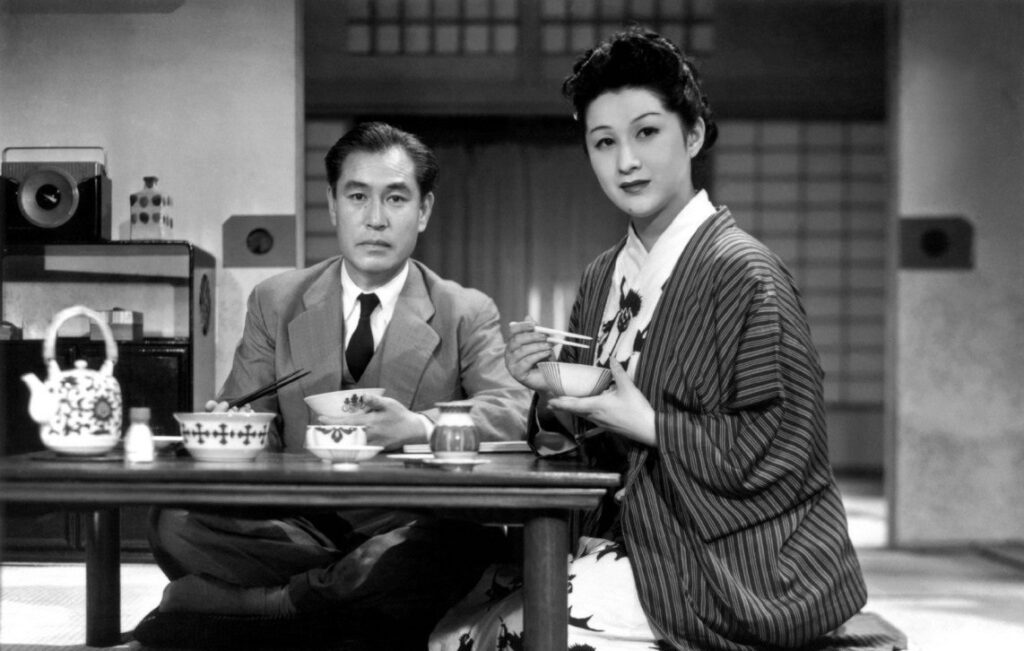
Although Taeko and Mokichi’s marriage has been left to wither in The Flavor of Green Tea Over Rice, Yasujirō Ozu never stops yearning for the love that lingers beneath their contempt and sorrow, seeking a return to steady companionship through routine, redemption, and grace.
Early Summer (1951)

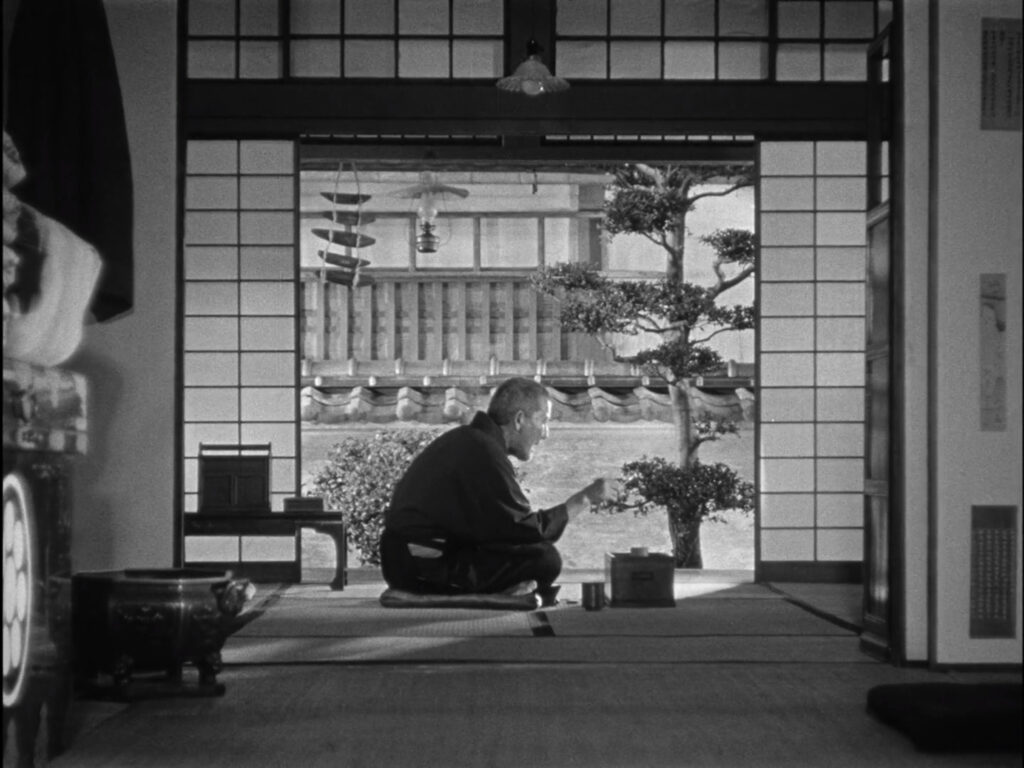
Post-war Japan’s shifting cultural attitudes tangibly manifest within the cluttered, multi-generational household of Early Summer, its domestic interiors of birdcages and shoji doors infused with Yasujirō Ozu’s introspective meditations, and simmering tension around its eldest daughter’s longing for independence.

A Hen in the Wind (1948)

Yasujirō Ozu offers nothing but sympathy for one helpless mother’s agonising moral compromise in A Hen in the Wind, imposing the harsh, destitute architecture of postwar Japan upon her shame, as well as her desperate attempt to seek marital reconciliation.

Record of a Tenement Gentleman (1947)

While Japan emerges from the darkness of war in Record of a Tenement Gentleman, so too does one middle-aged widow discover an unexpected compassion in her hardened heart, as Yasujirō Ozu sets in motion a spiritual transformation with the arrival of a lost child on her doorstep.

Brothers and Sisters of the Toda Family (1941)

When the patriarch of one affluent family is lost in Brothers and Sisters of the Toda Family, there is little left to hold its fragmented remains together, and Yasujirō Ozu exacts a cutting critique of those intimate bonds weakened by class privilege.

Woman of Tokyo (1933)

Woman of Tokyo does not deliver the formal impact of Yasujirō Ozu’s later masterpieces, yet there is a melodramatic tension in its exposure of one young woman’s scandalous double life, glimpsing the quiet devastation that lies beneath domestic stability.

Zero for Conduct (1933)

The rule of law is little more than an arbitrary imposition of authority in Zero for Conduct, and it is up to the roguish schoolboys of one French boarding school to restore the natural order, as Jean Vigo playfully mounts a rising disenchantment towards anarchic revolution.

Destiny (1921)

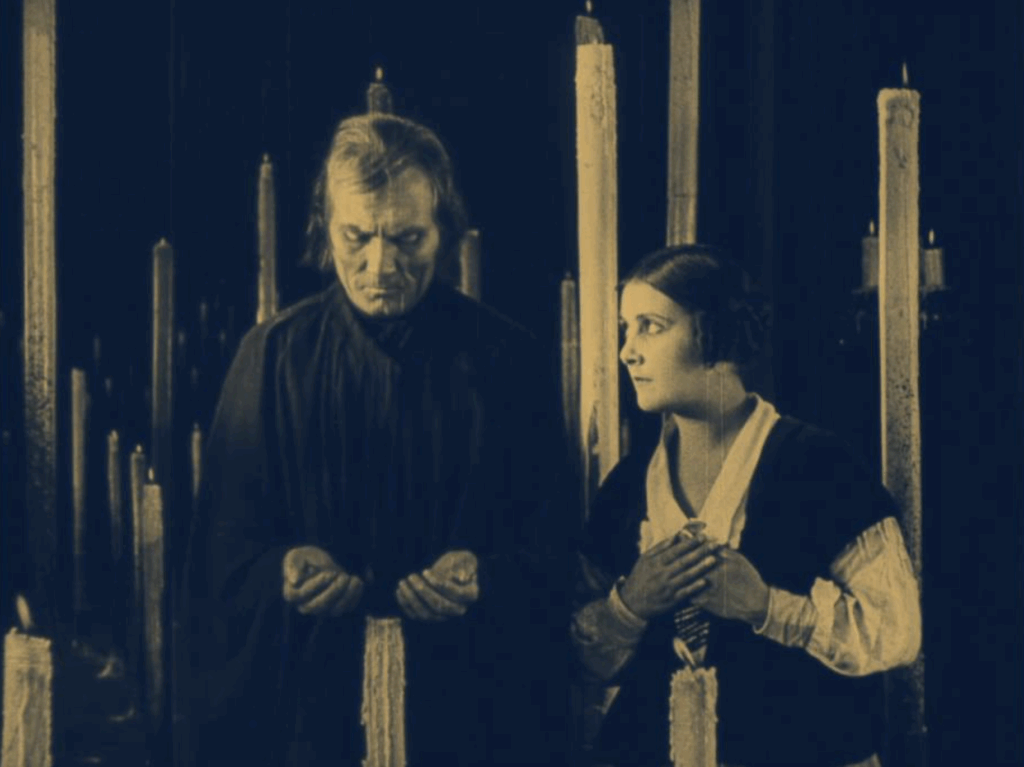
In Destiny’s eternal struggle between love and death, a young woman bargains to win her fiancé back from the afterlife itself, navigating a series of tragically romantic tales through Fritz Lang’s extraordinary Gothic anthology.

Day of Wrath (1943)

Even as Carl Theodor Dreyer holds the witch trials of one small Danish village in great contempt, Day of Wrath never truly rules out the question of whether some transcendent power is at play, sending the damned to early graves while the living stoke destructive flames of rumour and suspicion.

A Serious Man (2009)

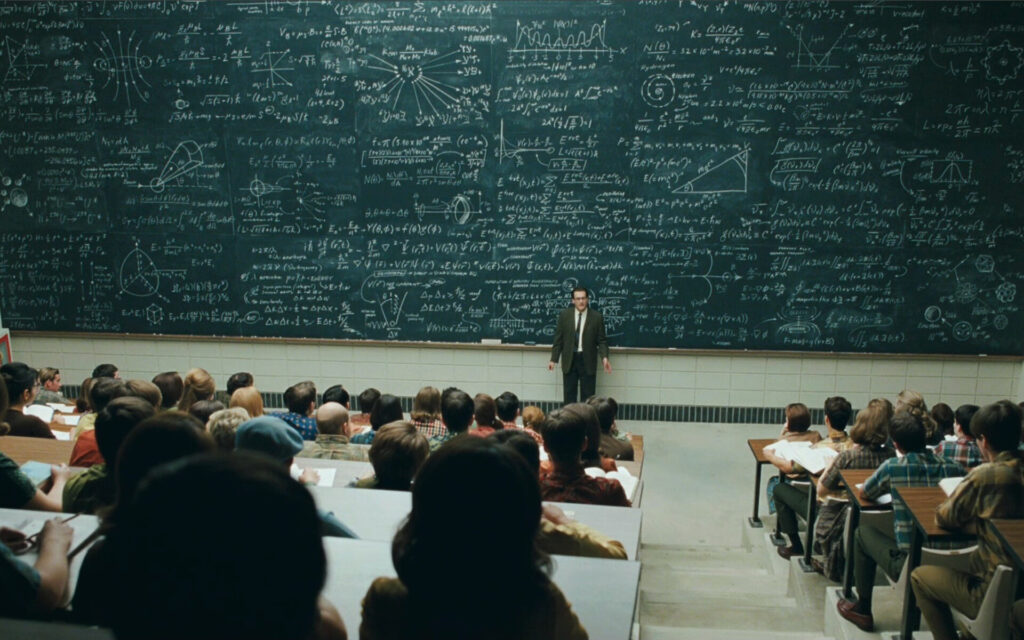
The perpetual misfortunes that plague one Jewish professor in A Serious Man often seem like the setup for a joke with no punchline, damning him to an ungratifying search for life’s answers through both science and faith, and thereby delivering one of the Coen Brothers’ most enigmatic, ironic works.

Scroll to Top