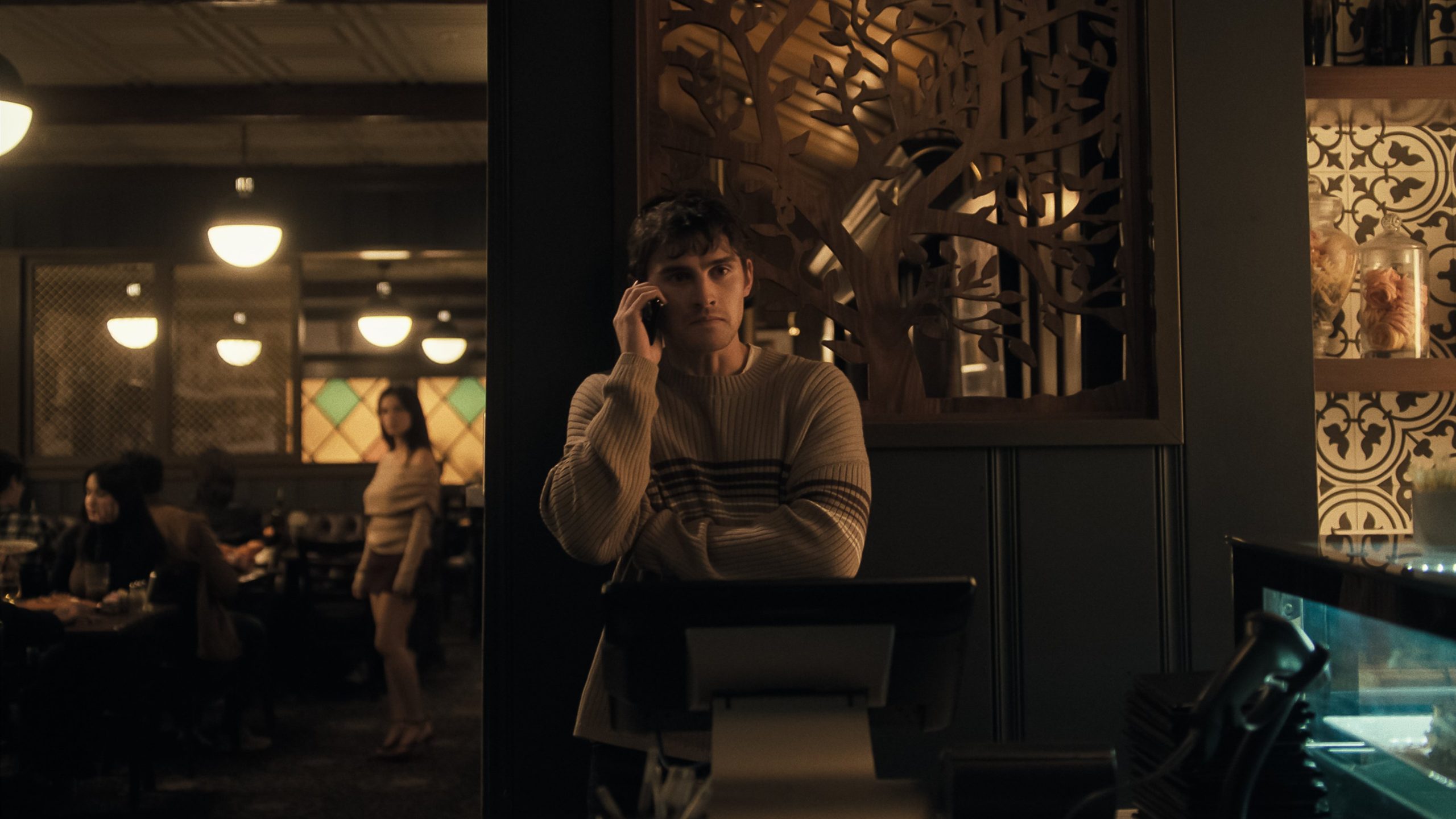
Curry Barker | 1hr 49min

Moral fables that warn against reckless desire stretch back millennia, from the Greek myth of King Midas’ golden touch to W. W. Jacob’s short Gothic horror story, ‘The Monkey’s Paw’. Ironically, it was The Simpsons’ parody of Jacob’s cautionary tale which ultimately inspired Curry Barker, thus leading to his reimagining of the age-old idiom – ‘be careful what you wish for.’ The time has come for the YouTube generation of young filmmakers to inherit the mantle of cinematic storytelling, and despite their more contemporary influences, still they find fresh meaning in ancient archetypes.
For Barker, the vulnerability and anxiety of modern dating offer fertile ground for supernatural horror, as young adults awkwardly seek shortcuts around life’s uncertainties. After all, is it not easier to simply wish that your crush was deeply in love with you, rather than confess your feelings and face the possibility of rejection? For Bear at least, that is the preferable route when he gets his hand on a One Wish Willow – a cheap stick bought from a local metaphysical shop, claiming to grant any wish when snapped. Nevertheless, it doesn’t take long for Obsession to spiral from innocent daydream into violent, possessive nightmare, as a seemingly besotted Nikki morphs into a grotesque distortion of the woman that Bear wished for.
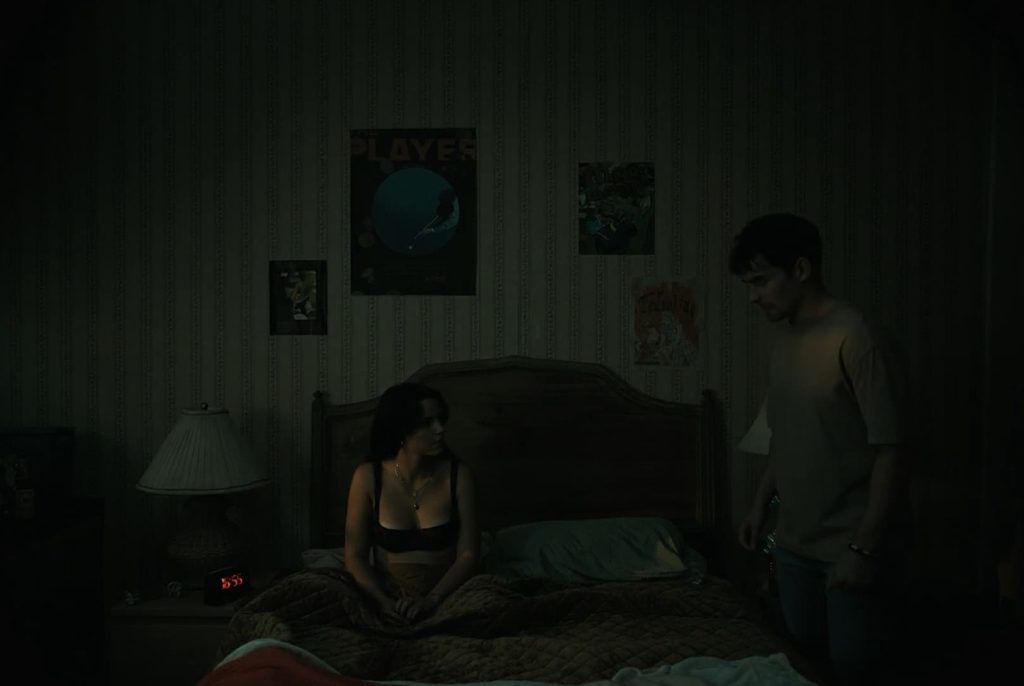
From the outside, it is no wonder that Bear’s friends grow concerned about his welfare, given that he can barely leave the house without Nikki’s approval. The playful, independent woman who aspired to a career in writing appears to relinquish all autonomy the moment she starts dating Bear, breaking into humiliating public outbursts, and posing a serious danger to those who incur her jealous wrath. Of course, Barker is entirely clear-eyed as to who remains truly at fault here, despite Bear’s inability to admit it. Even after he realises that Nikki’s sudden feelings are merely a result of his wish, still he continues to indulge the romantic fantasy. In this light, Obsession effectively inverts the dynamics of coercive relationships – where dependency, volatility, and fear might usually signal an abuser’s control, here they become symptoms of Bear’s supernatural manipulation.

It is a simple premise, yet Barker has evidently tapped a cultural nerve here, particularly considering the film’s record-breaking success at the box office and rapid ascension to meme status online. Inde Navarette’s twisted performance is no doubt responsible for a large share of this too, revealing tiny ruptures in frozen smiles that erupt into emotional breakdowns, while her facial expressions strain just a little too hard to express her unnatural love for Bear. Even more remarkable however are those glimpses of Nikki’s true self breaking through the curse, initially manifesting as mere confusion, though eventually escalating into panic attacks and pleas for death. Navarette displays a finely tuned ability to pivot scenes in an instant, and in this jarring whiplash of uncanny affection and genuine terror, Obsession ultimately indicts Bear’s fatal desire for control.


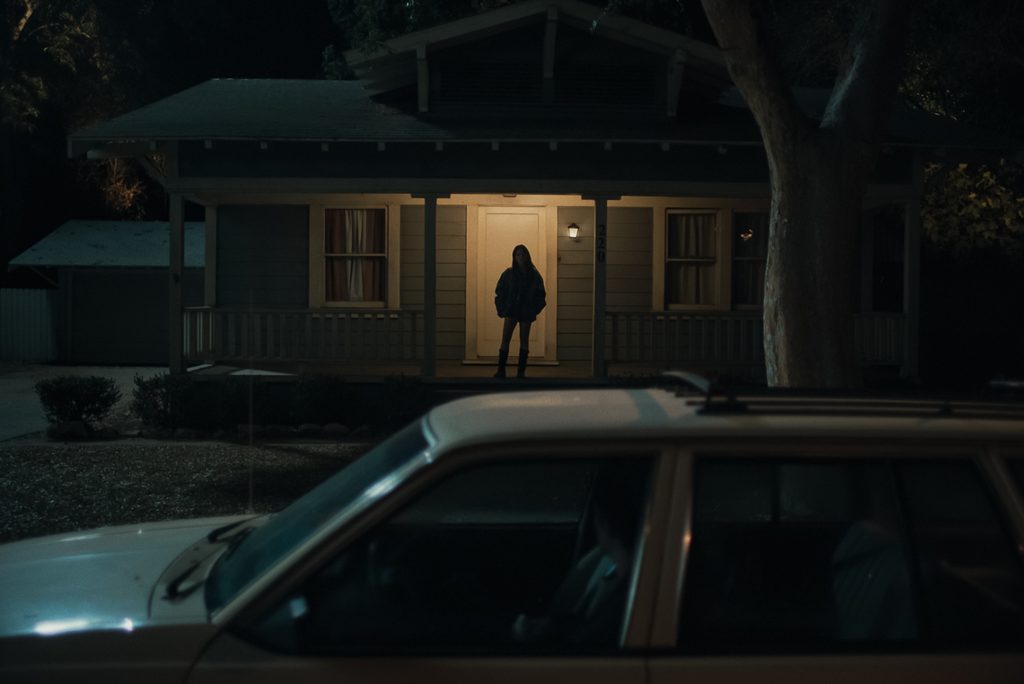
Still, Navarette’s performance is only half the equation. Barker’s low-key, chiaroscuro lighting is brilliantly deployed around Nikki’s presence, shrouding her in just enough darkness that we find ourselves squinting, trying to make out her face’s abnormal contortions. There is a dim, warm glow through houses, restaurants, and cars alike, sculpting shadows into menacing voids, while his compositions are unnervingly neat in their centre-weighted symmetry, slow zooms, and oppressive framing. The Ari Aster influence is clearly strong here, especially when Barker eventually eerily flips his camera upside down at a crucial juncture, mirroring the journey to the commune in Midsommar. He may still be early in his development as a director, yet his years spent crafting short comedy and horror sketches on YouTube have clearly not been wasted, setting him on a promising path towards a fully realised artistic voice.
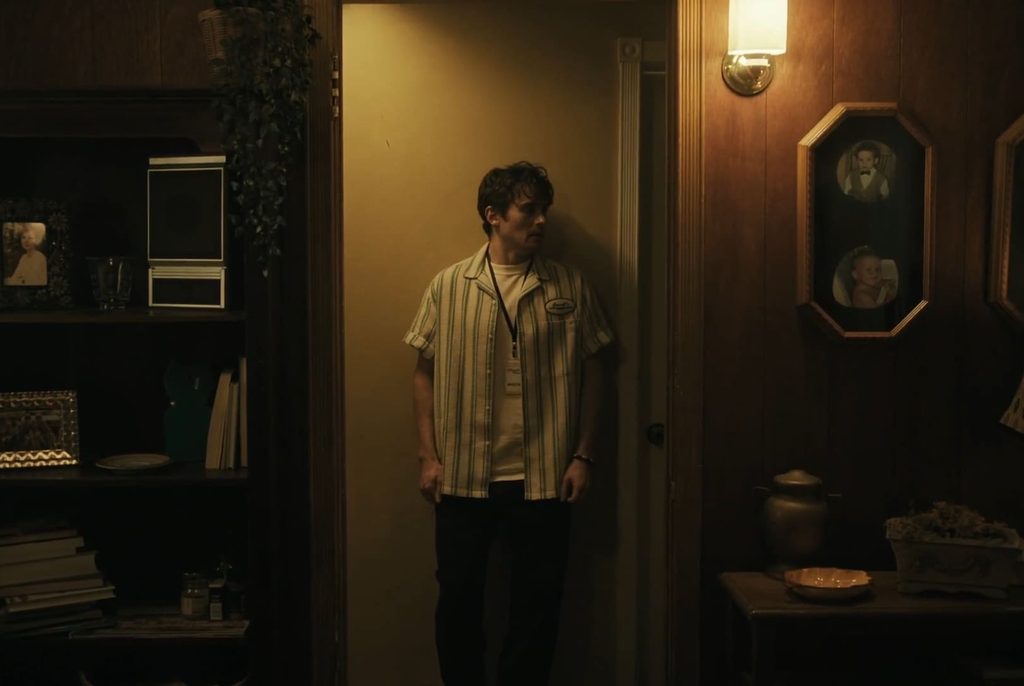
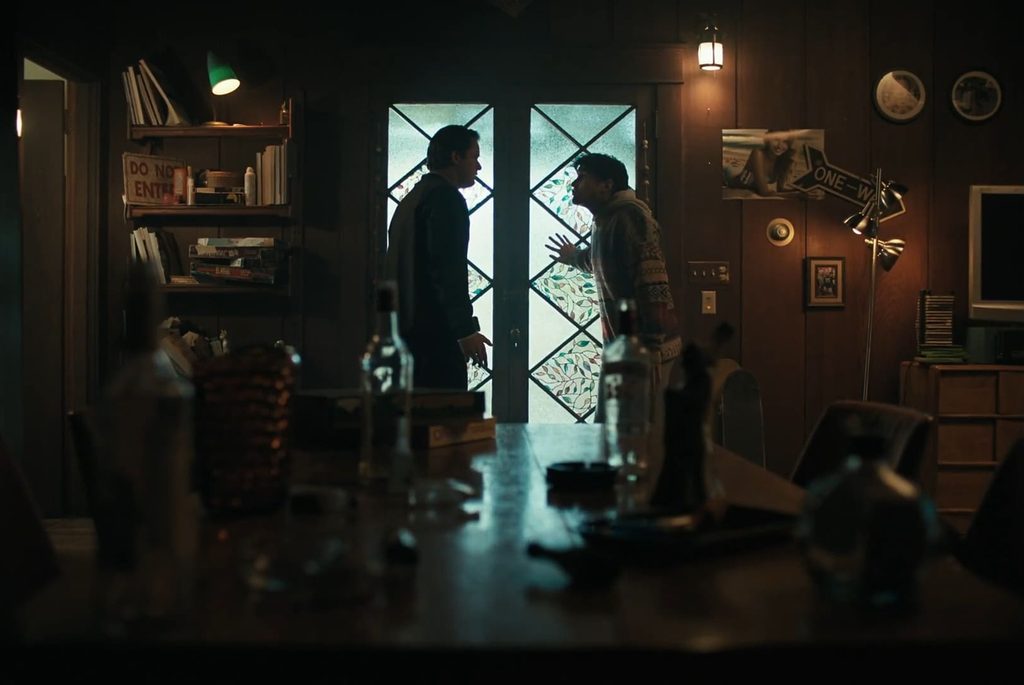
Barker’s character work is similarly admirable here, warping Nikki’s writing ambitions into disturbing, poetic monologues, while the broader friend circle widens the web of resentments and buried secrets. Beyond its horror, Obsession reveals a painful tragedy, mourning the damage which Bear has inflicted upon multiple people. Perhaps if he had paid Sarah a little more attention earlier on, he might have recognised their organic connection and found a more meaningful relationship. Maybe if he had treated Ian’s poor advice with a little more scepticism, he might have seen his friend’s true motives for what they were. The grief he feels for Nikki’s lost agency arrives far too late, and even then his continued cowardice merely tightens the trap, ironically delivering the total consummation of their compulsive codependency. Love stripped of consent is a destructive, demonic force in Obsession, and through this fable of corrupted desire, Barker exposes the inherent violence in its coercive fulfilment.
Obsession is currently available to rent or buy on the Apple TV Store and Amazon Video.