Rating

Brief Encounter (1945)

Time is a precious resource at the train station where the secret lovers of Brief Encounter fall into a reverie, though David Lean exerts a fine control over its gentle flow in Laura’s nostalgic recollections, intertwining love and guilt within a complex affair that forces this heartbroken housewife into an even greater repression.

The Lord of the Rings (2001-03)

Through Peter Jackson’s extraordinary adaptation of J.R.R. Tolkien’s grand fantasy epic, we appreciate Middle Earth as one of the richest fictional worlds of literary history, imbuing The Lord of the Rings with a breathtaking cinematic awe that centres the smallest, unconventional heroes in a battle against forces of great spiritual corruption.

Bottoms (2023)

There is little in Bottoms that breaks the formula of the classic high school teen comedy, though it is in this familiar realm that Emma Seligman is most comfortable sending up its Gen Z archetypes with their trademark self-deprecating irony and dark humour, taking us inside an extracurricular all-girls fight club started by two lesbians simply hoping to get laid.

Mirror (1975)

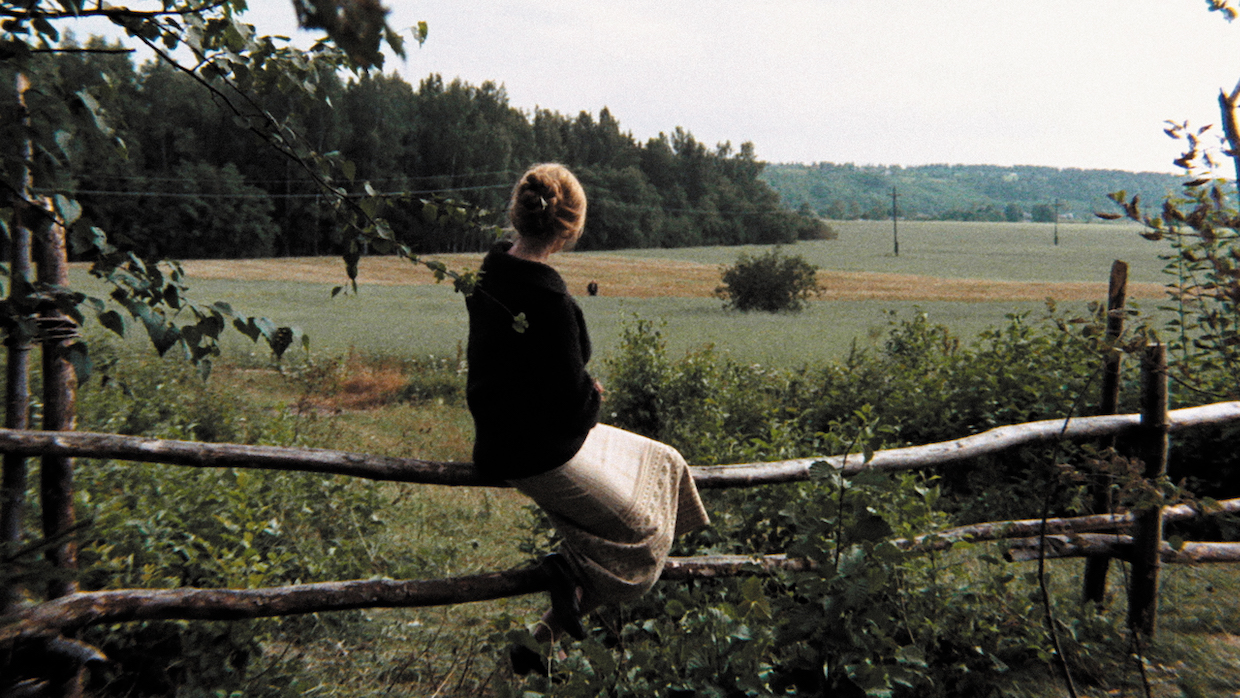
Even as the mysteries of the human mind elude us throughout Mirror, Andrei Tarkovsky’s precise control over the raw elements of time and life itself poetically sink us into its surreal depths, opening a portal into nostalgic childhood memories distorted by the dreams, doubts, and desires that have emerged in the decades since.

Napoleon (2023)

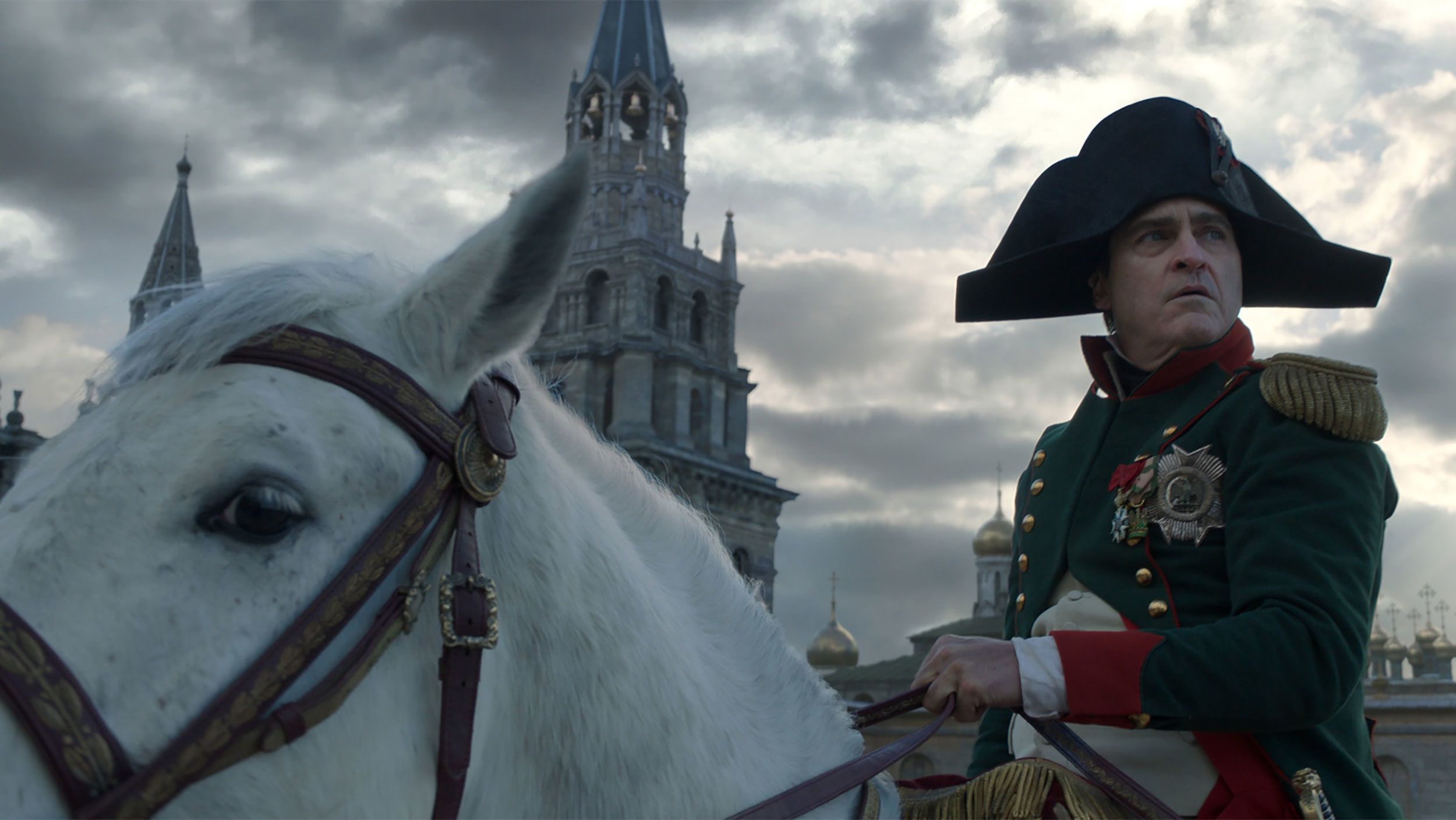
Beyond Napoleon’s uneven, unfocused narrative, Ridley Scott commands brilliant spectacle and irreverent humour in his portrait of the infamous French emperor, cynically revealing the childish fool in the intelligent tactician whose enormous ambitions cannot sustain his own ego.

Saltburn (2023)

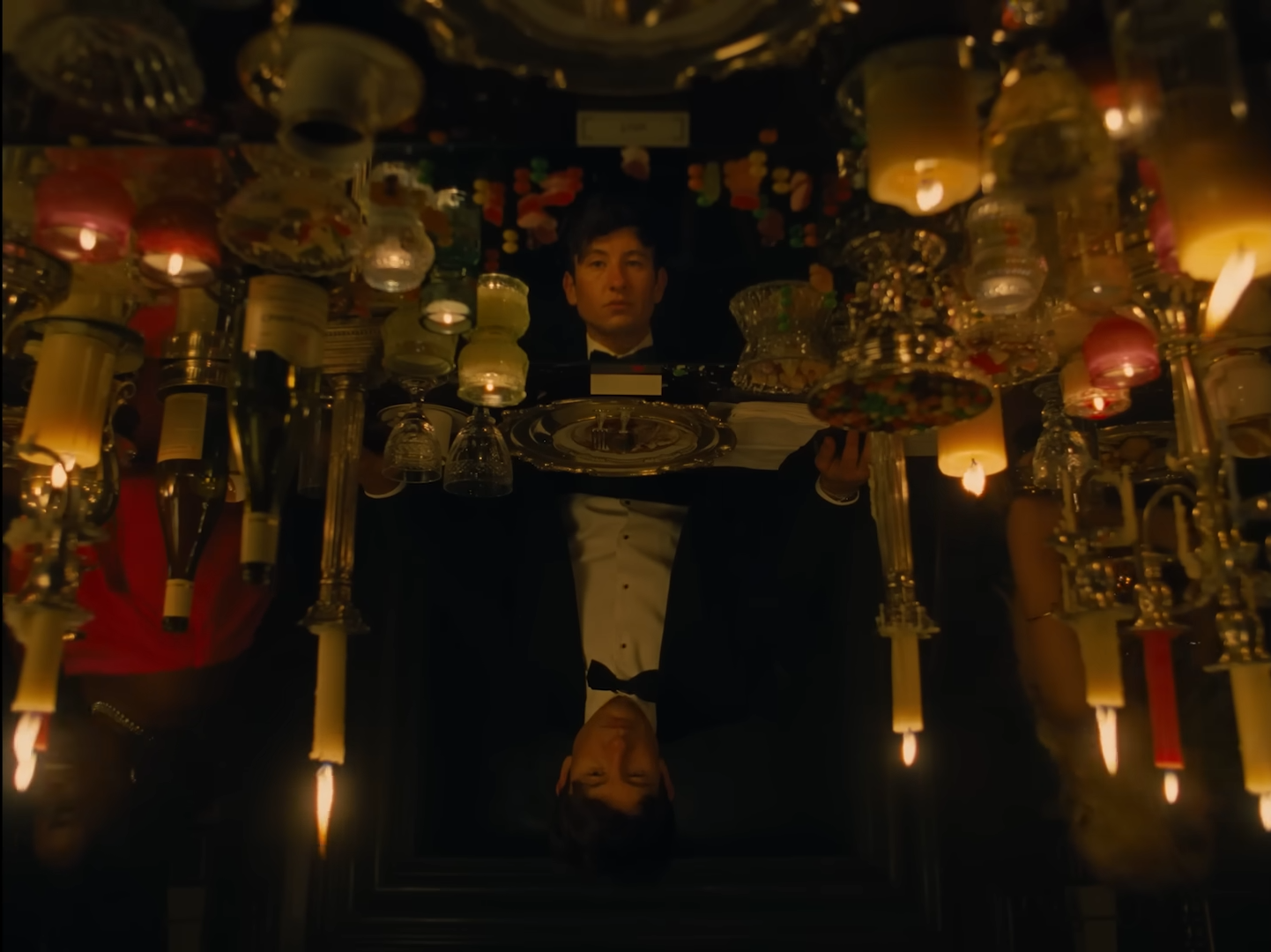
With an obscure set of animalistic metaphors and perverse power plays, Emerald Fennell weaves a monstrously sinister fable around lower-class outsider Oliver Quick and his wealthy hosts in Saltburn, painting a darkly satirical portrait of class tension, obsession, and exploitation at their majestic country estate.

The Sacrifice (1986)

As if filtered through the prism of one man’s existential trepidation, Andrei Tarkovsky casts a delicate ethereality across the elemental textures and theological iconography of The Sacrifice, lulling us into the soothing despair of a looming nuclear holocaust that may or may not be averted through enormous spiritual offering.

Boston Strangler (2023)

Even when we aren’t witnessing the Boston Strangler’s brutal murders in Matt Ruskin’s true crime procedural, we feel a palpable paranoia spreading across 1960s Massachusetts, posing a cutting criticism of those misogynistic institutions seeking to protect one half of society while the other lives in perpetual fear.

The Killer (2023)

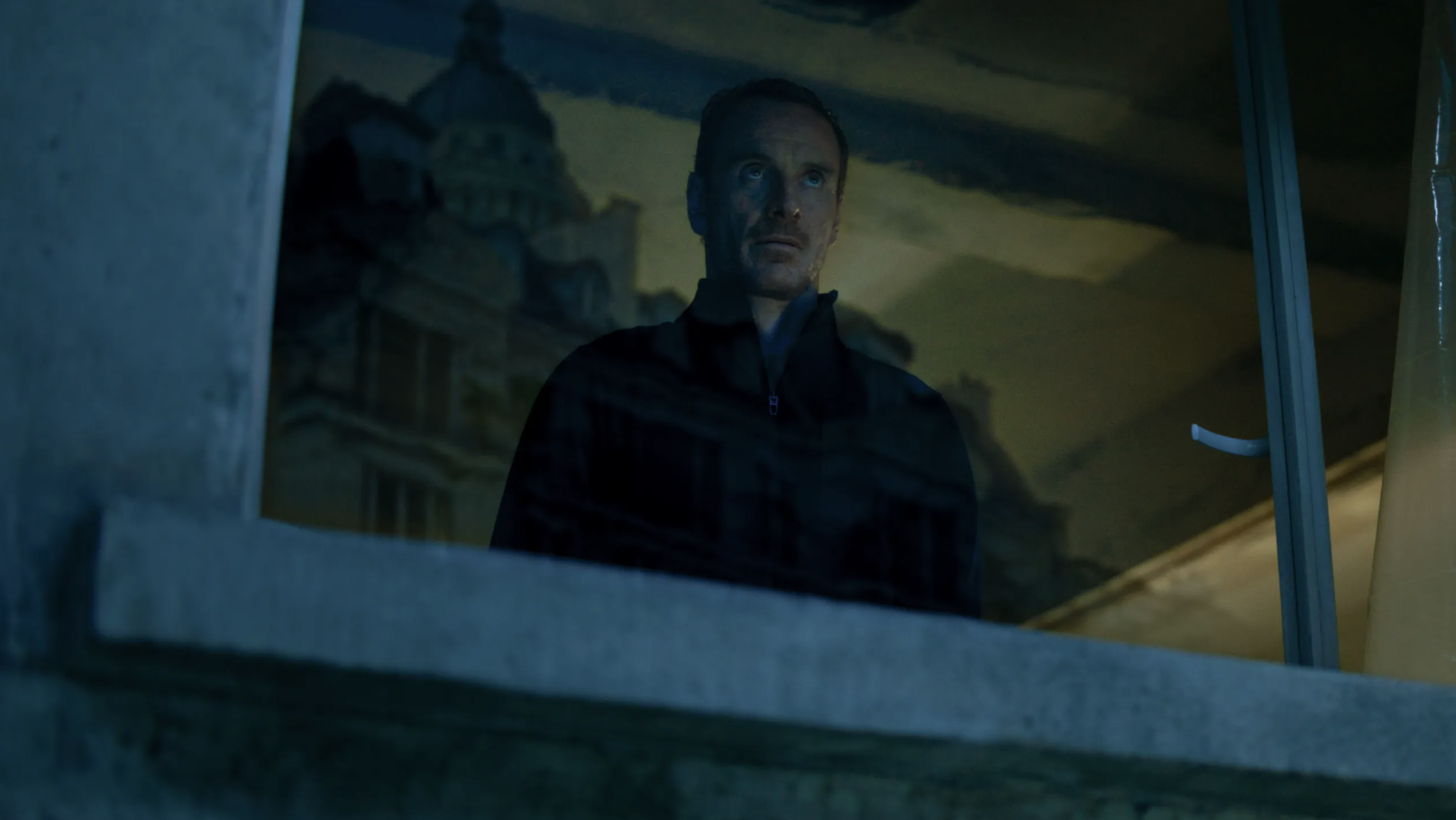
With such an emotionally distant sociopath at the centre of The Killer, it is no wonder why David Fincher was so drawn to its methodical screenplay and intensive study of perfectionism, meticulously following the procedures of a vengeful hitman through a treacherous, gloomy underworld that very gradually unravels his icy composure.

Killers of the Flower Moon (2023)

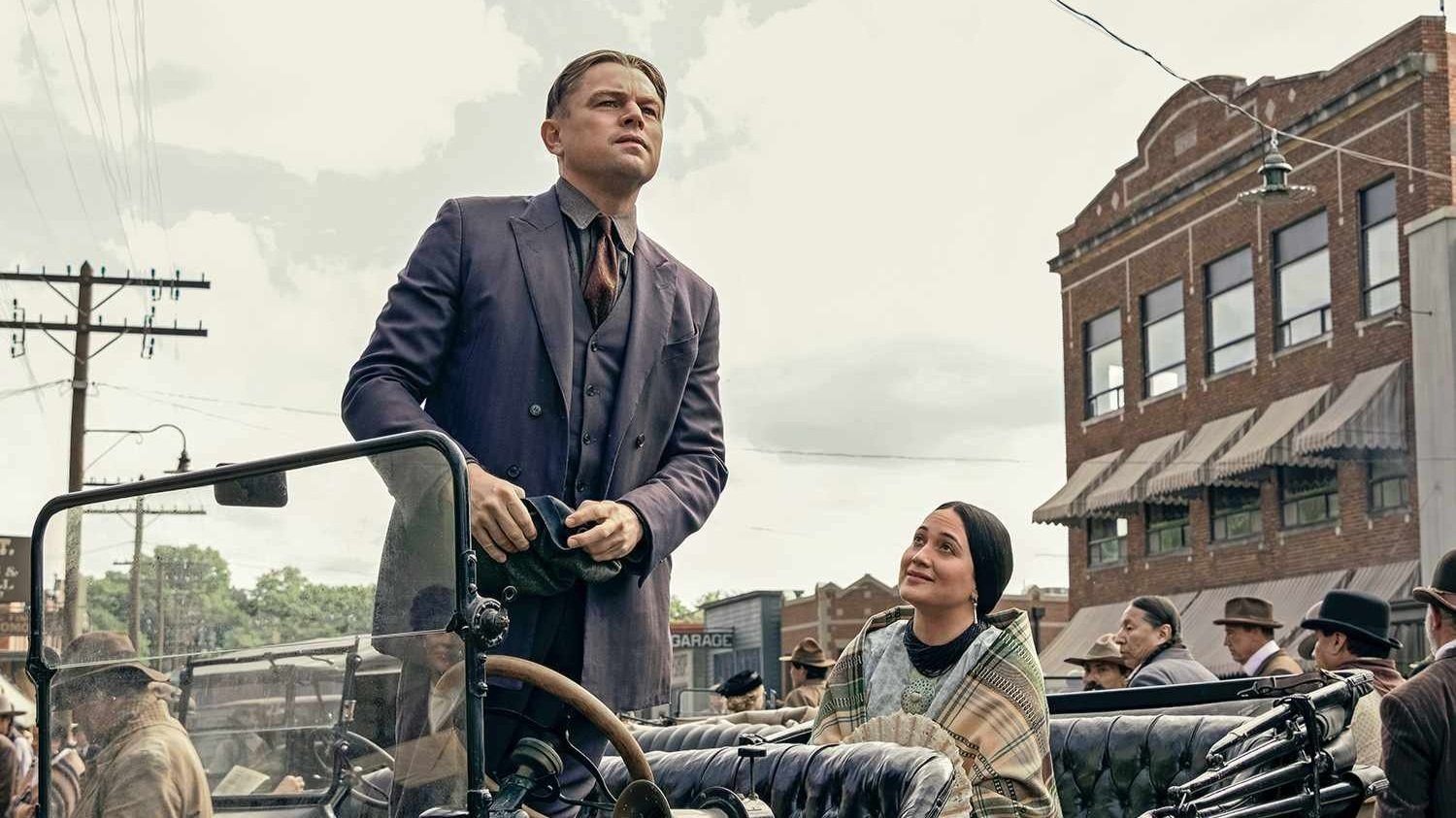
Just as Martin Scorsese seems to have had his final say on the crime genre, a spate of violent assassinations targeting the Osage people for their newfound wealth emerges in Killers of the Flower Moon, sprawling this colonial exploitation and genocide out across an epic narrative that elegiacally mourns one of America’s great historical injustices.

Scroll to Top