indiancinema

The Big City (1963)

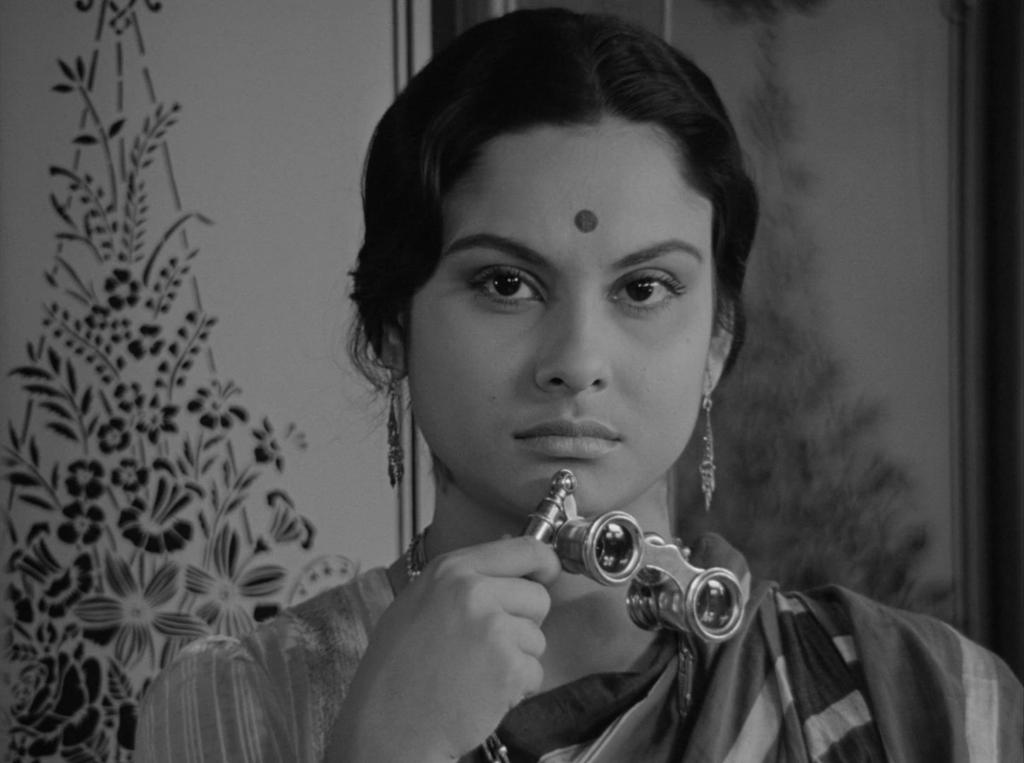
Competing notions of duty and dignity collide over one housewife’s transgressive decision to enter the workforce in The Big City, and Satyajit Ray renders this upheaval with tender, incisive clarity, astutely dissecting the shifting social hierarchies of mid-century India.

The Expedition (1962)

As one taxi driver becomes entangled in a smuggling operation, Satyajit Ray veers The Expedition into crime thriller territory, trading out his usual psychological depth for a spiralling fatalism that pits ancestral codes of honour against deep moral corruption.

Three Daughters (1961)

By adapting the writing of polymath Rabindranath Tagore with cinematic grace in the anthology of Three Daughters, Satyajit Ray underscores their shared humanism and lyrical artistry, meditating on the devotion, decay, and emotional transformation of women shaped by the pressures of social expectations.

Devi (1960)

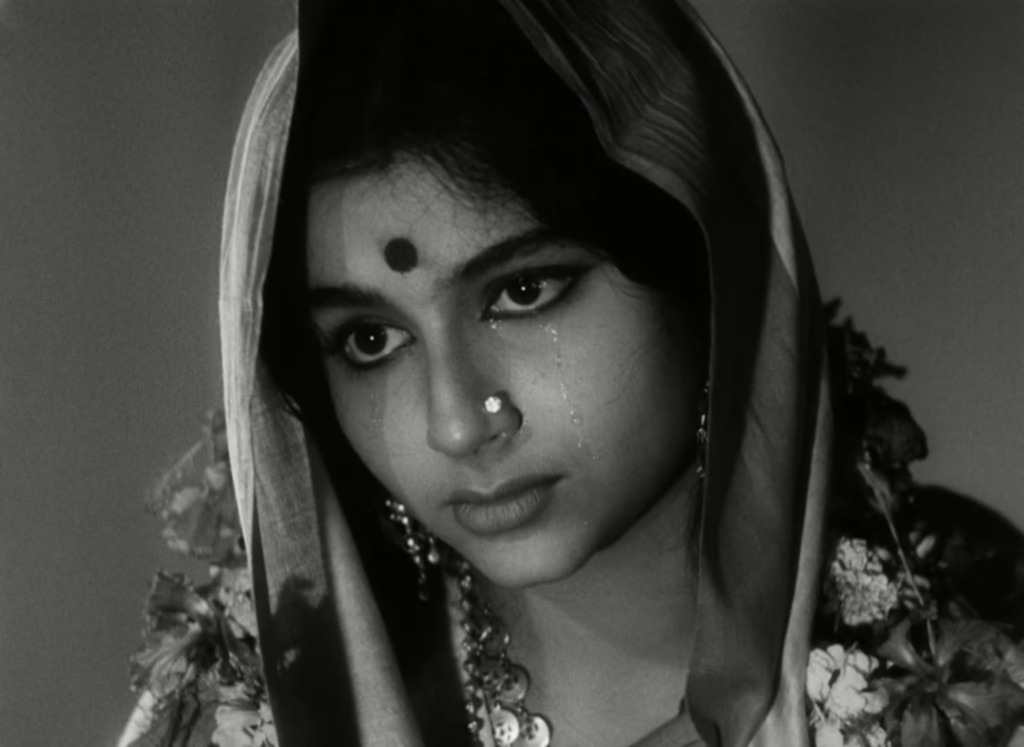
Through the delusional deification of one wealthy patriarch’s daughter-in-law, Satyajit Ray composes a haunting psychological fable in Devi, condemning those who worship her divinity to the ruinous consequences of blind, religious fanaticism.

Apur Sansar (1959)

Satyajit Ray gracefully brings his epic coming-of-age trilogy full circle in Apur Sansar, guiding the now-grown Apu through shattering grief, and towards an enlightenment that can only be found in the timeless, seasonal cycles of nature.

The Music Room (1958)

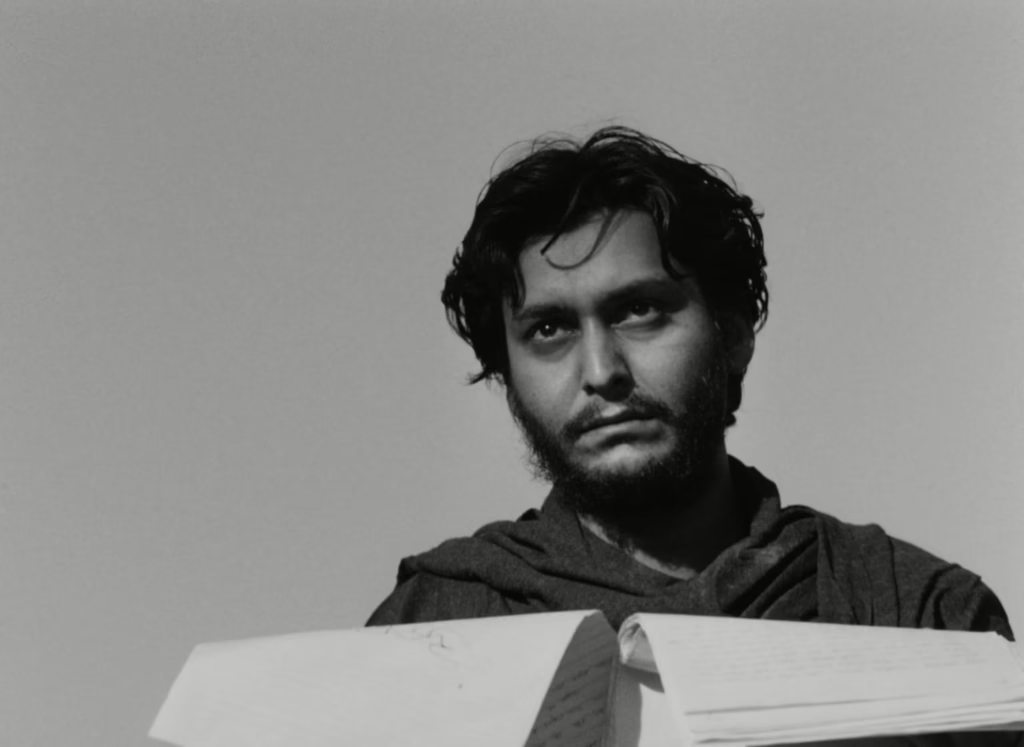
Through the haunting elegance of The Music Room’s floating camerawork, Satyajit Ray settles an auspicious haze and stirring musical transcendence over the downfall of a proud noble, casting him within a mythic fable of envy, ego, and the Indian aristocracy’s self-inflicted ruin.

Aparajito (1956)

The middle part of Satyajit Ray’s coming-of-age trilogy lingers precariously between innocence and responsibility as Apu approaches adolescence, and through Aparajito’s passage between pastoral and city life, grapples with the irrevocable losses that make each small step towards maturity possible.

Pather Panchali (1955)

Six-year-old Apu may revel in the bright innocence of his rural childhood, yet the sacred cycles of Satyajit Ray’s natural world persist, holding memories of joy and sorrow within Pather Panchali’s timeless, primordial pulse.

Scroll to Top