Satyajit Ray | 2hr 9min

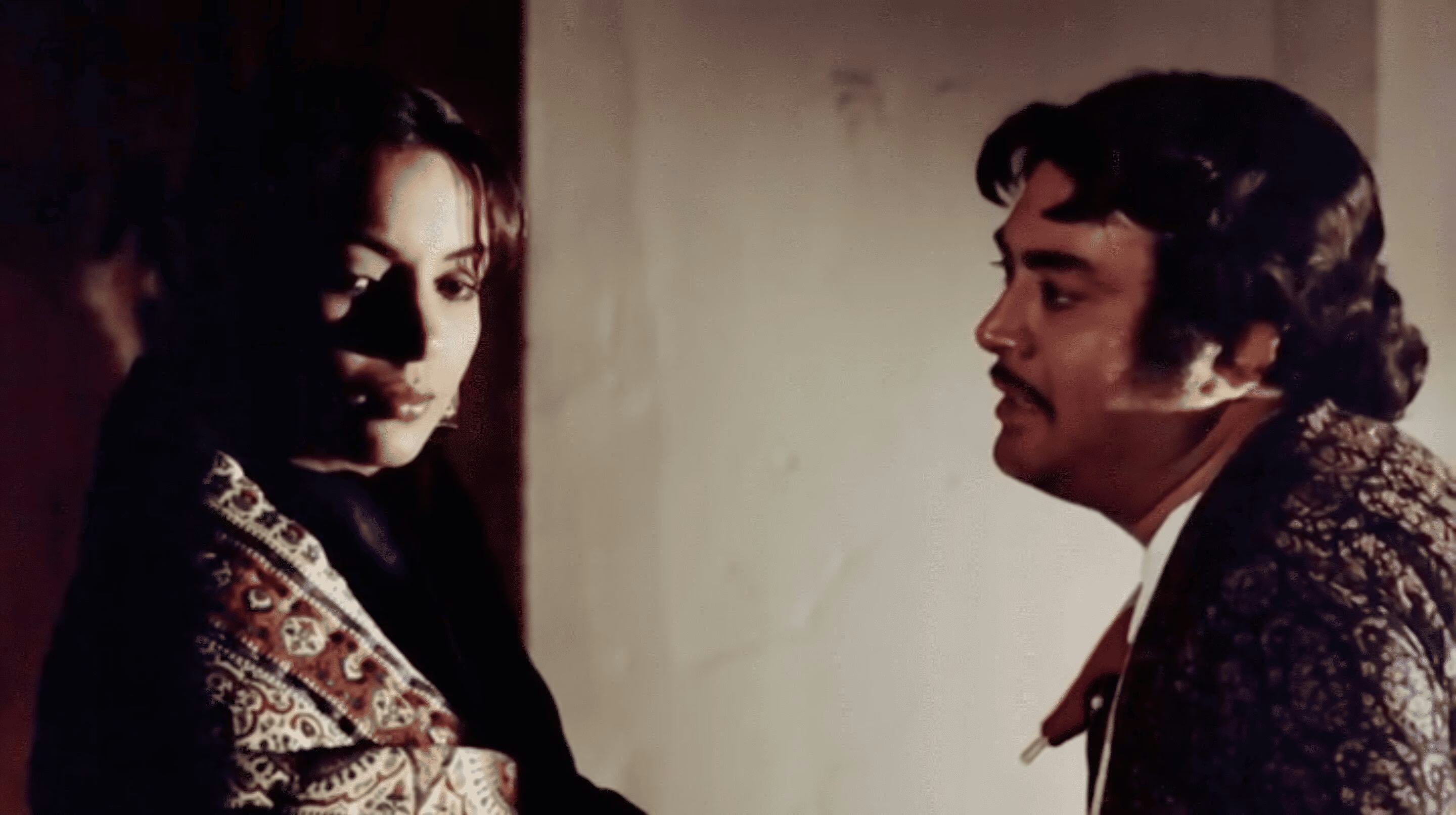
It matters little to noblemen Mirza and Mir that the British East India Company is preparing to seize the princely state of Awadh from its ruling Nawab, Wajid Ali Shah, nor that the treaty safeguarding its sovereignty is to be torn apart. As long as they remain occupied by “the game of kings, and the king of games”, they are willing to turn a blind eye to the political upheaval of their homeland, and even the unhappiness within their own marriages. While Mirza’s wife confesses that she goes mad praying for his chess matches to end, Mir’s has been carrying on an affair behind his back – yet these men nevertheless remain fixated on the board. Indeed, indifference is more than just escapist distraction in The Chess Players. Much like the frivolous, pleasure-seeking Nawab of Awadh himself, passive withdrawal means total surrender, allowing colonial powers to advance their pawns while India forfeits the game.
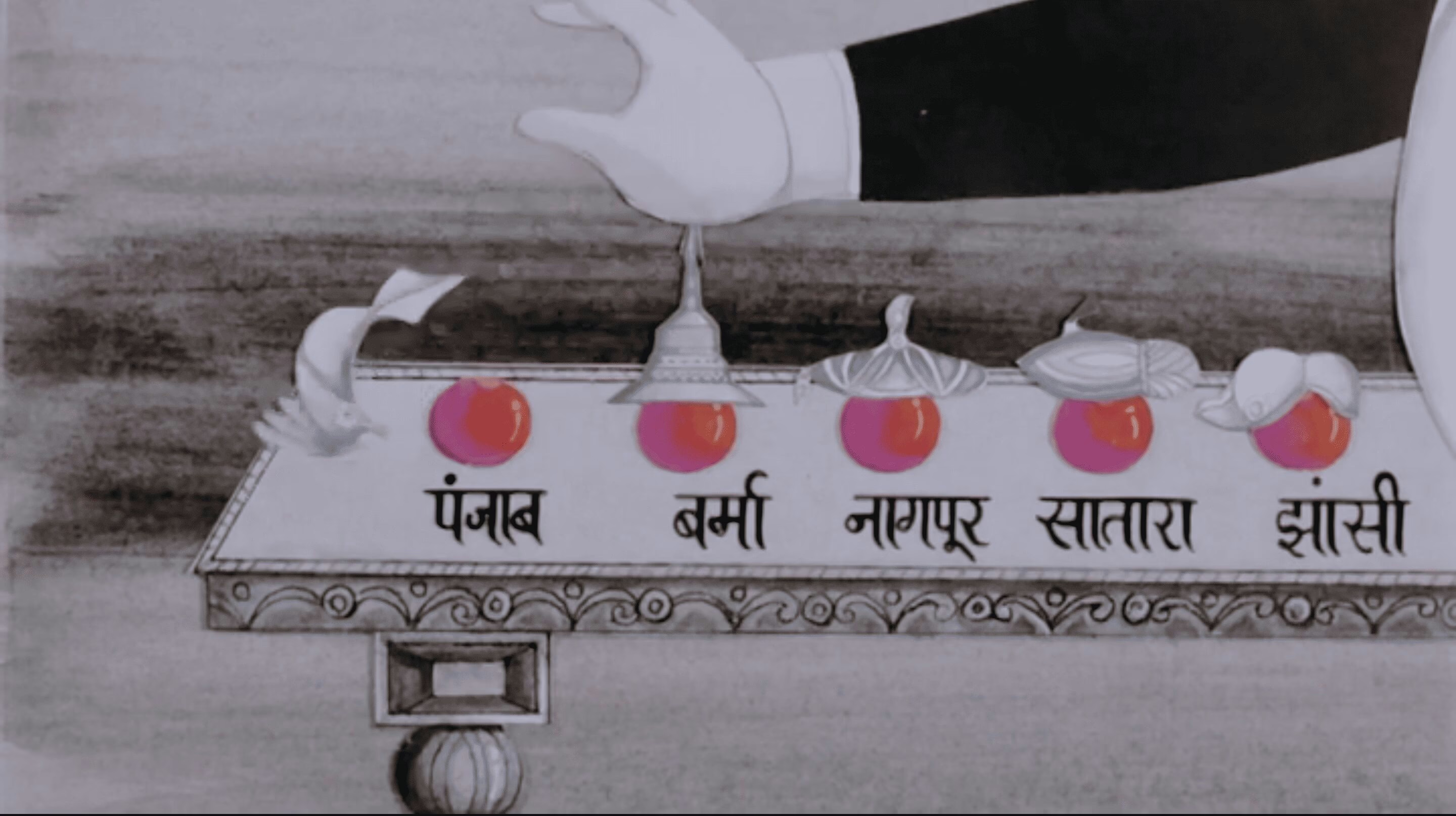
Although Satyajit Ray treats this history with humane detachment, it is not without a wry, bitter irony. A documentary-style montage of paintings and letters accompany a voiceover as it offers an abridged history lesson on Lord Dalhousie, the Governor-General of India, who “swallowed up” various territories – and who now eyes off Awadh as the final cherry on the table. There is a Nouvelle Vague playfulness in Ray’s animated visualisation of this metaphor too, reducing imperial expansion to a whimsical cartoon, and effectively establishing the satirical irony which belies The Chess Players’ account of political collapse. By intertwining General James Outram’s diplomatic manoeuvres, the Nawab’s feudal resistance, and the noblemen’s private diversions, Ray composes a darkly comic critique of entitlement and inaction, setting an epic, historical inevitability against petty constructs of war.
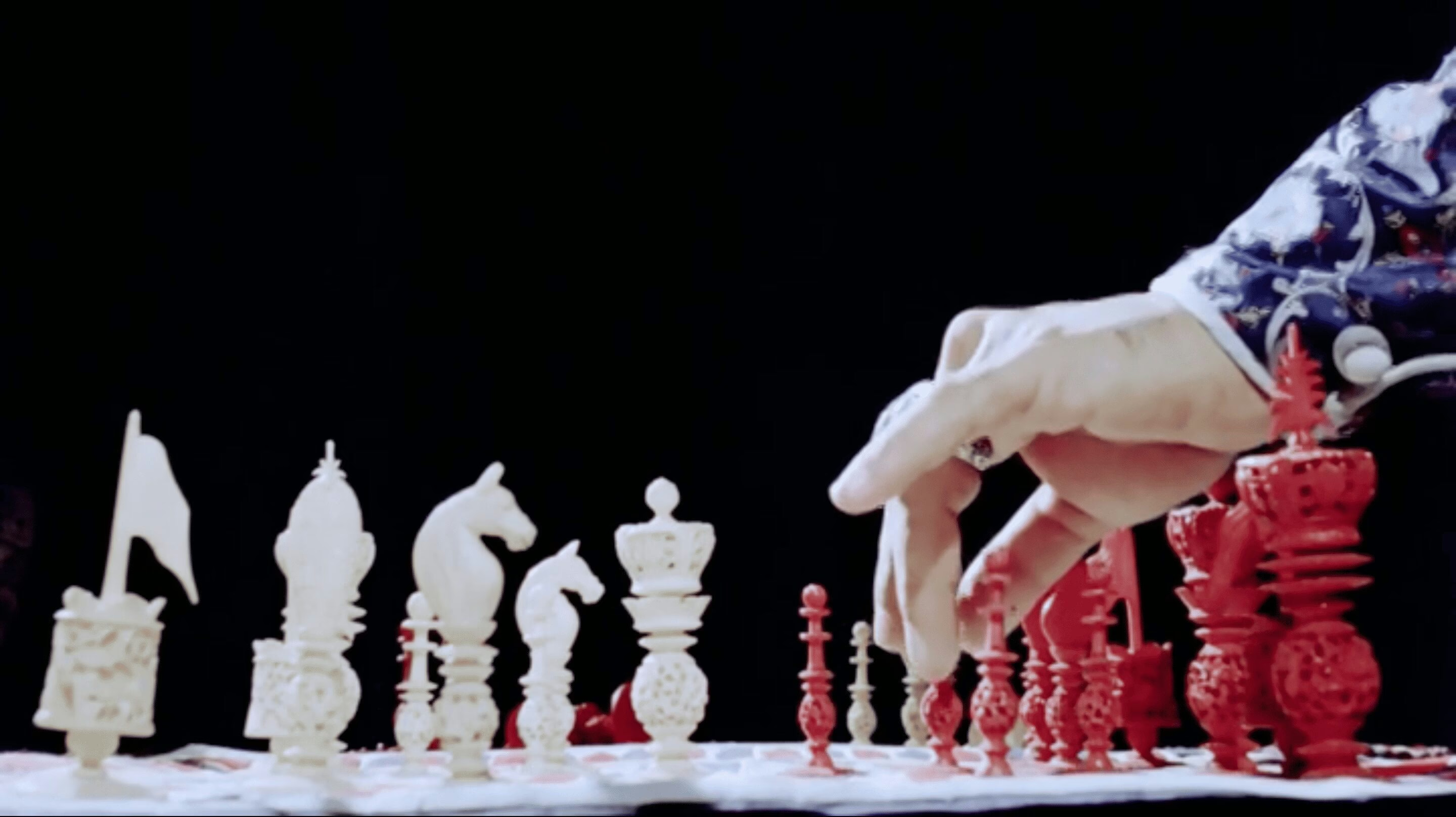
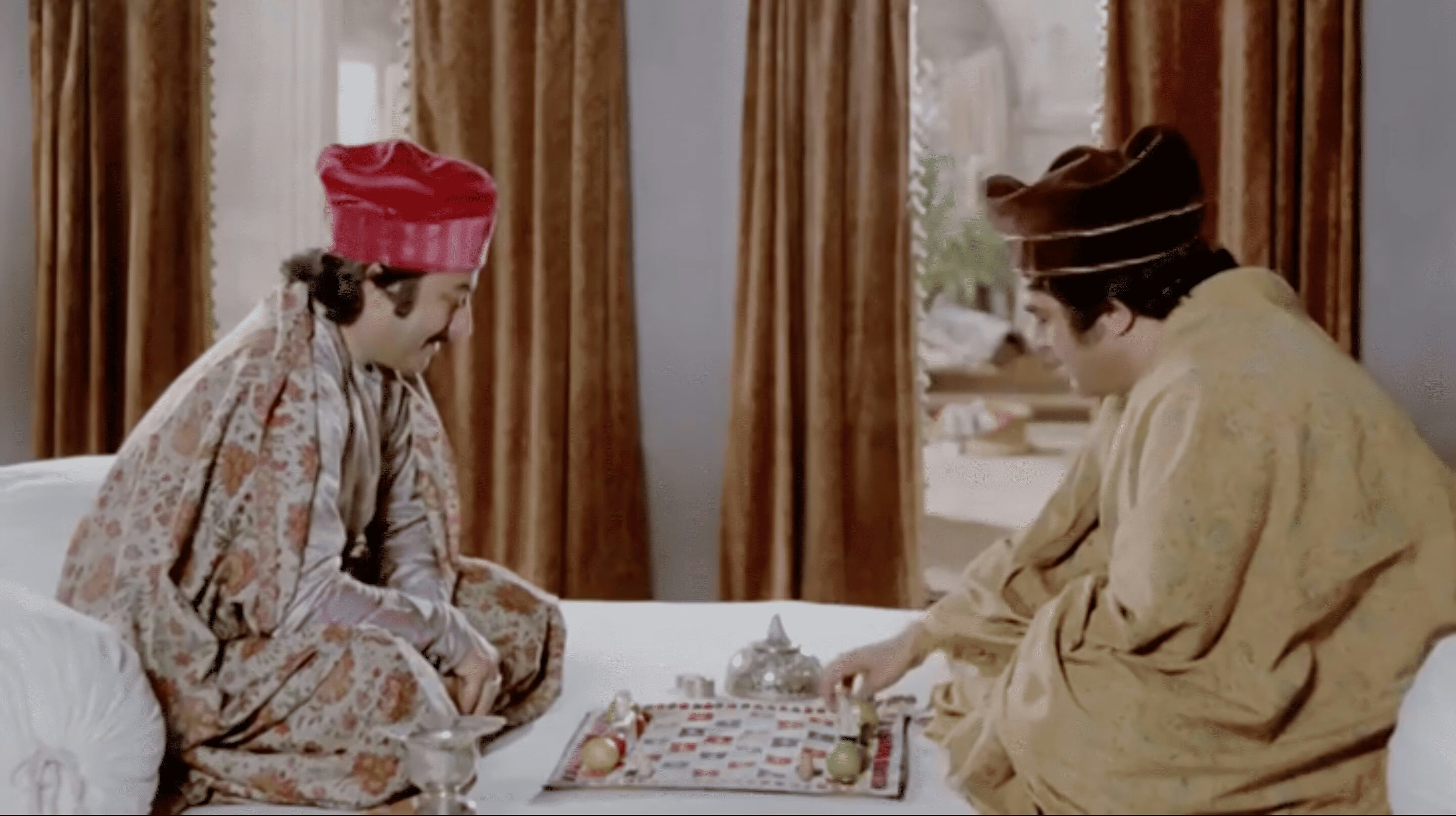
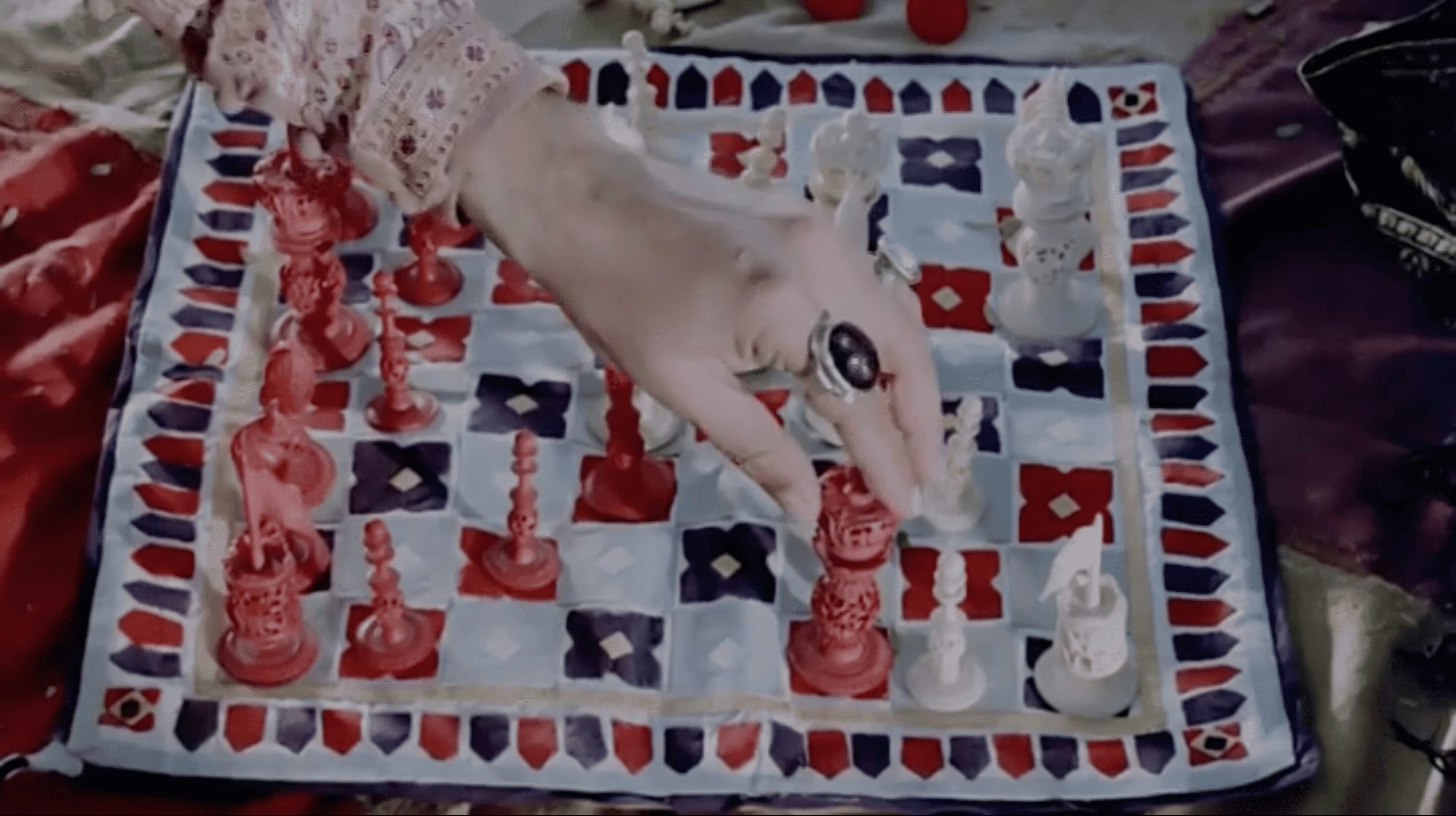
Even in the details of the chess game itself, a brief consideration of Hindustani versus English rules serves to illustrate the powers at play. “The pawn’s first move can be two squares” in the British version to ensure “the game gets over faster”, Mirza and Mir’s friend Munshi explains, pointing towards the greater efficiency of the colonial administration next to the idle decadence of Awadh’s nobility. This battle of dark and white pieces renders abstract political dynamics visible, suggesting that these players may indeed possess the strategic acumen to outwit their foe, yet refuse to apply it on any pragmatic level. Even when they lack a proper chessboard, their ingenuity is often impressive, turning salt shakers into pieces and tracing games on the dusty ground. Despite this, Mir’s habit of cheating only confirms the bad faith which governs their matches, just as self-interest and evasion govern their political inaction.
Of course, Ray’s parallel editing only underscores the sheer absurdity of this indulgence, setting it alongside the Nawab’s regal entitlement and against General Outram’s bureaucratic efficiency. Richard Attenborough carries a calm, procedural presence as Lord Dalhousie’s colonial emissary, weighing up his concerns around the Awadh people’s willingness to fight back, the earlier treaty which safeguards their freedom, and the Nawab’s political impotence. Where his subordinate Captain Weston shows genuine interest in Urdu poetry and Lucknow’s cultural life, Outram remains unimpressed, refusing to credit Awadh’s ruler for what he dismisses as frivolous accomplishments.
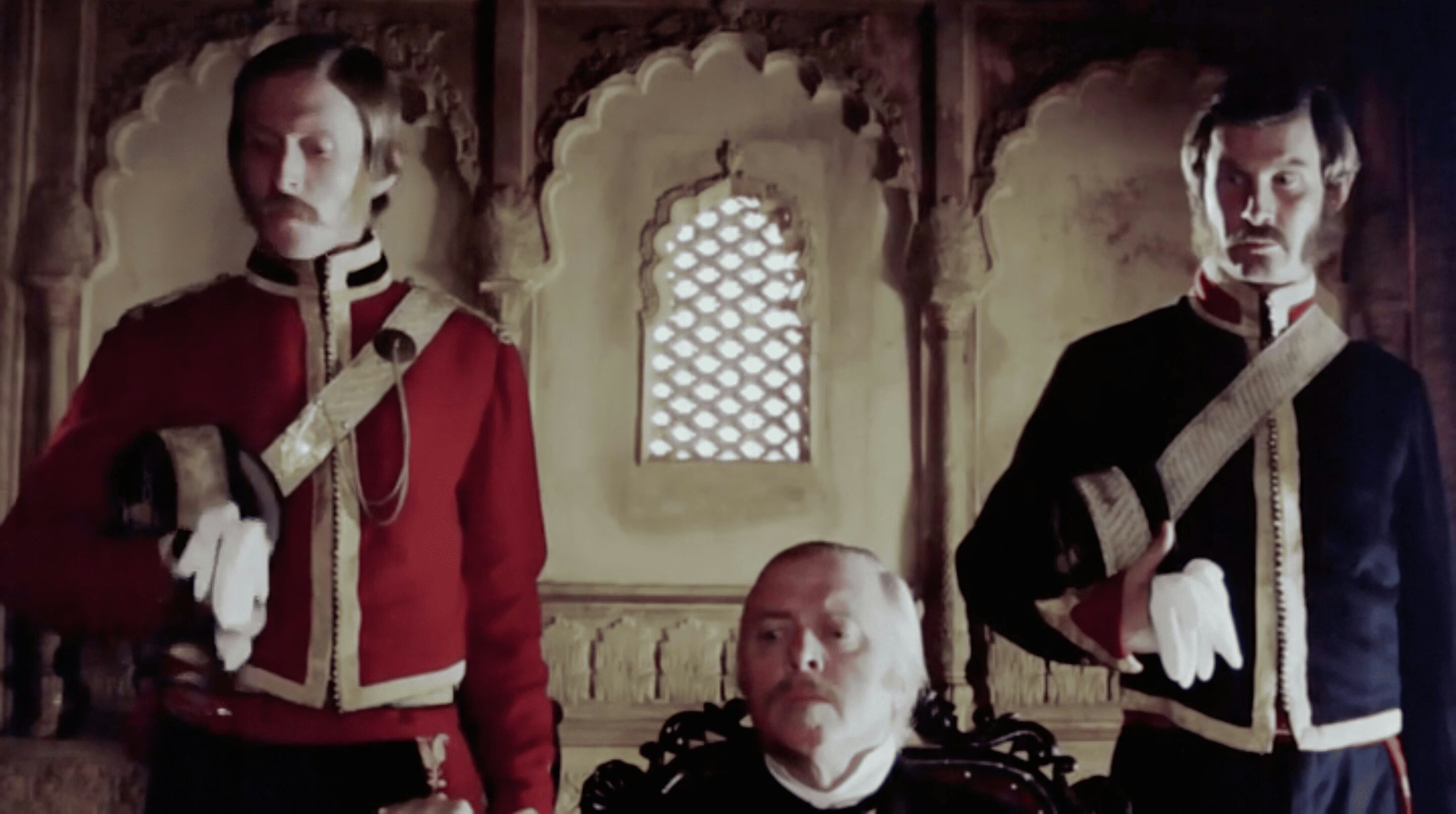
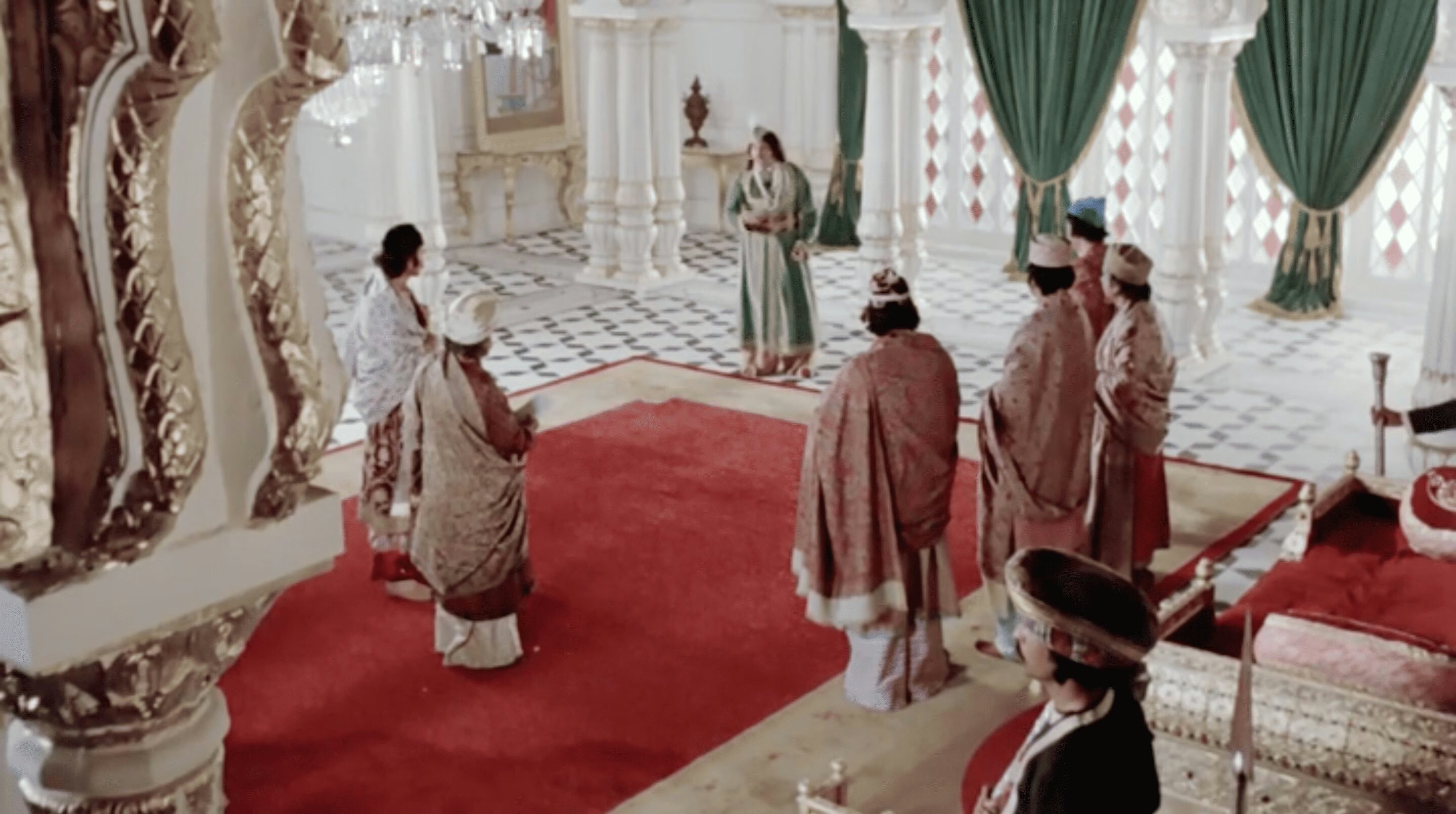
Quite fittingly, the red and white styling of the Nawab’s palace stands as the greatest visual set piece of The Chess Players, setting his majestic court apart from the encroaching British presence while mirroring the palette of Mirza and Mir’s game. Within these lavish chambers, the Nawab prohibits rumours of British takeover and lashes out at his own men, before eventually accepting the futility of his position. Surely the people of Awadh would have sought refuge in more colonised areas of India if they were unhappy, he reasons, and he certainly would have at least stepped down had they complained. His entitlement is astounding, but in this game of wills, denial and self-pity are losing moves.
“They cannot stop us from playing chess,” Mir asserts as the impending coup looms closer, echoing the Nawab’s stubborn delusion. When he and Mirza eventually flee to an isolated village to continue their game, he makes good on the claim too, finding a fleeting peace away from both the Awadh and English armies – though one which is soon broken by Mirza’s jab at the infidelity of Mir’s wife’s. Apparently it takes a jab at these men’s egos to arouse their argumentative fury, rapidly escalating when a gun is drawn and accidentally fired, narrowly grazing Mirza’s shoulder.
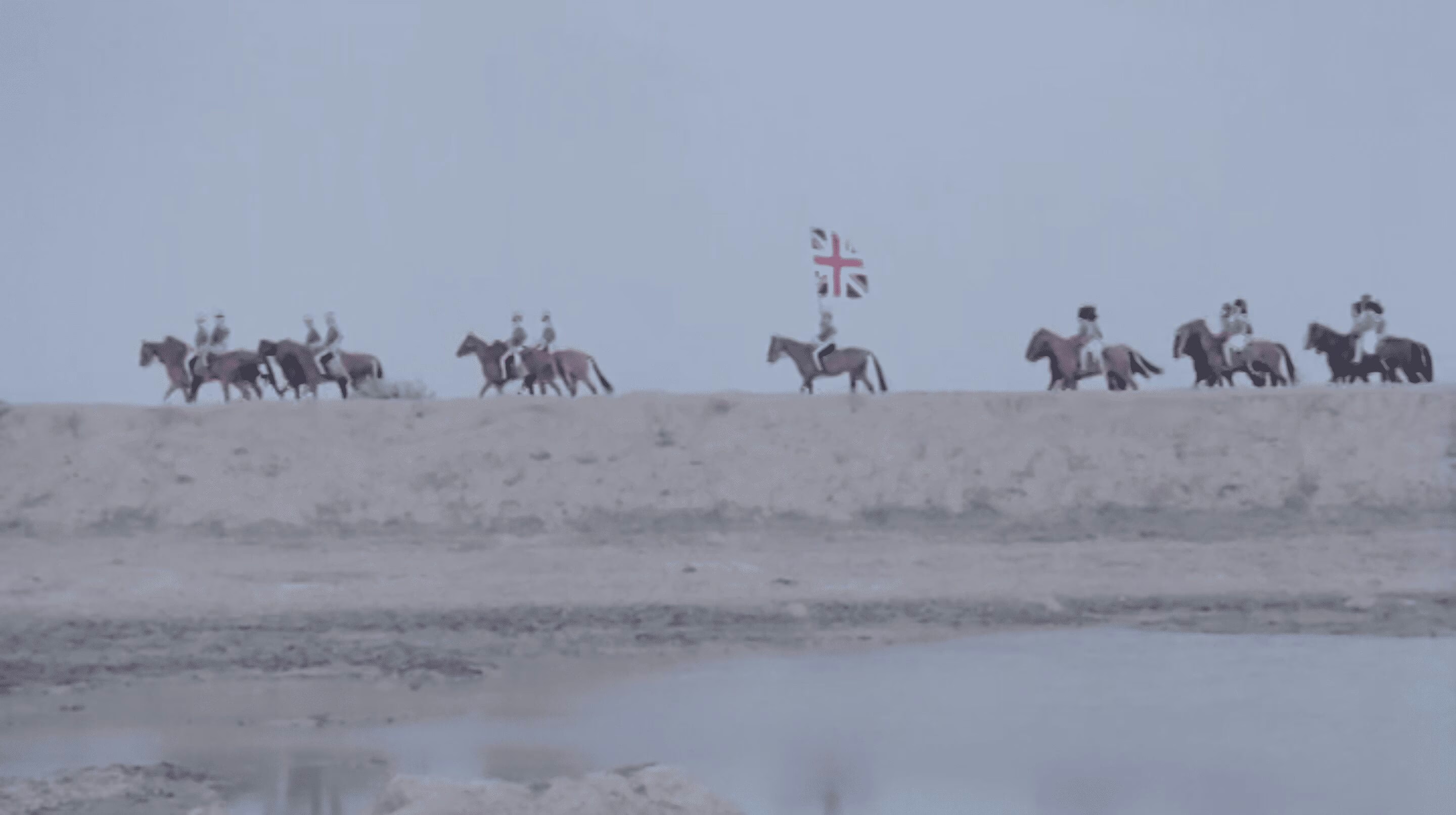
Perhaps it is fate which coincides this shot with the cry of the young peasant boy Kallu – “The English army, sir!” – signalling the end of their illusion. They stare in shock as a triumphant marching band accompanies the British army into the city, waving a Union Jack and unopposed by any meaningful resistance. “Those who could not control their wives… how could they face the English army?” Mir laments, recognising the passive surrender that effectively relinquished all independence. Still, what else is there to do but to keep this trivial match dragging on into the quiet, lonely night? Sovereignty may be lost in The Chess Players, yet still the game hopelessly endures, playing out miniature theatres of war on a chequered battlefield that this idle, self-absorbed culture could never translate to the global stage.
The Chess Players is not currently streaming in Australia.