Satyajit Ray | 1hr 52min

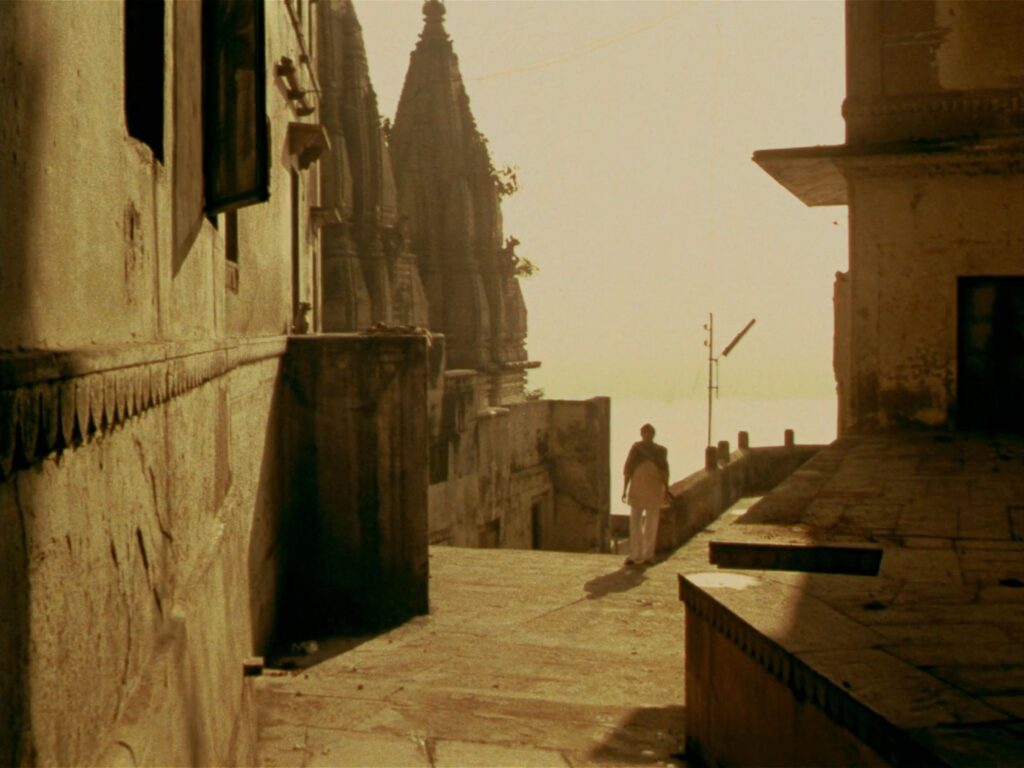
Private detective Feluda does not have long to relax on his Varanasi vacation before being pulled into a baffling case of gods and prophets. A golden statuette of Ganesh worth 100,000 rupees has been stolen from the safe of physician Umanath Ghosal, and from the very start, he has a strong inkling that scheming businessman Maganlal is behind the theft. It is no secret that the tycoon has coveted this treasure for some time, having previously offered to purchase it for his collection, yet nothing is quite as it seems in this labyrinthine city. Drawing from his own hardboiled detective fiction, Satyajit Ray relishes the Maltese Falcon-style mystery of The Elephant God, revealing Varanasi’s sacred ghats to be a dangerous cesspool of crime and deception.
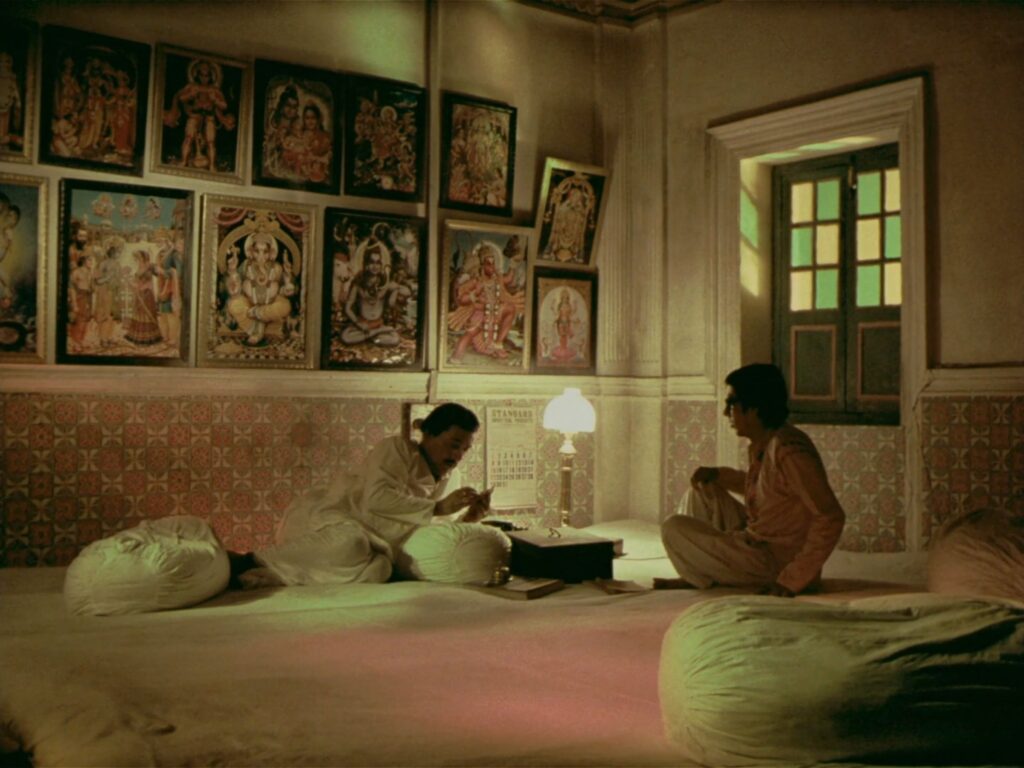
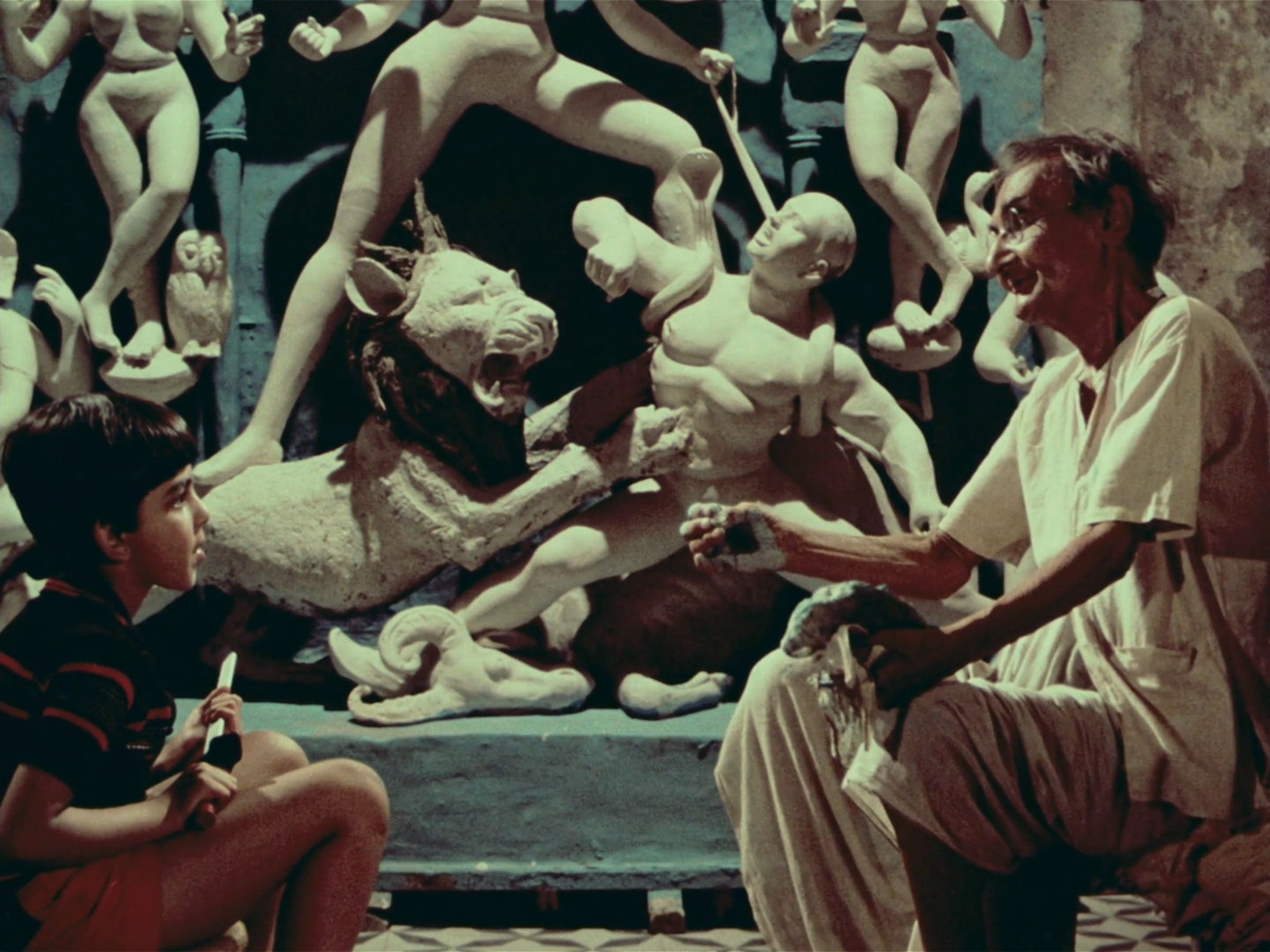
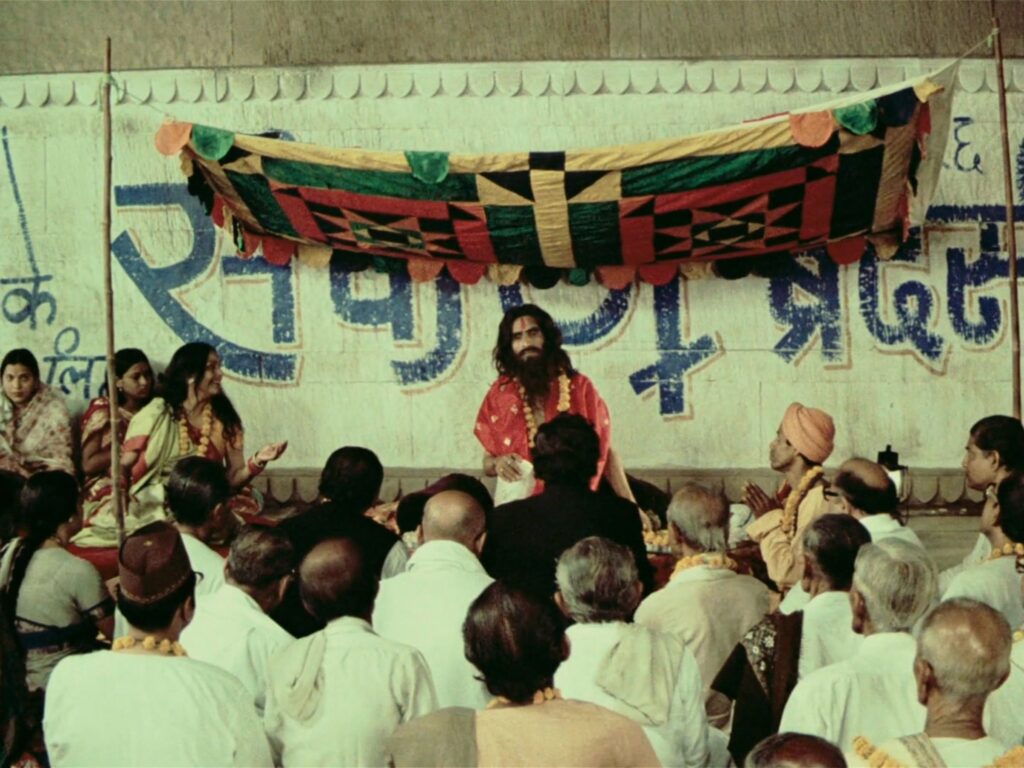
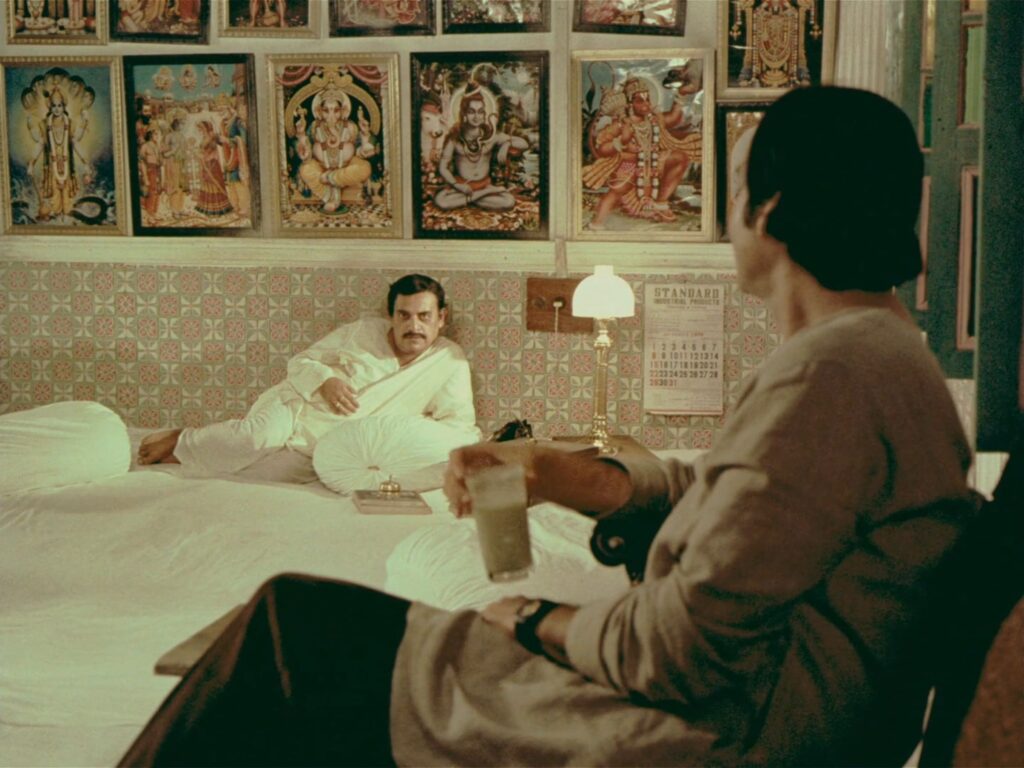
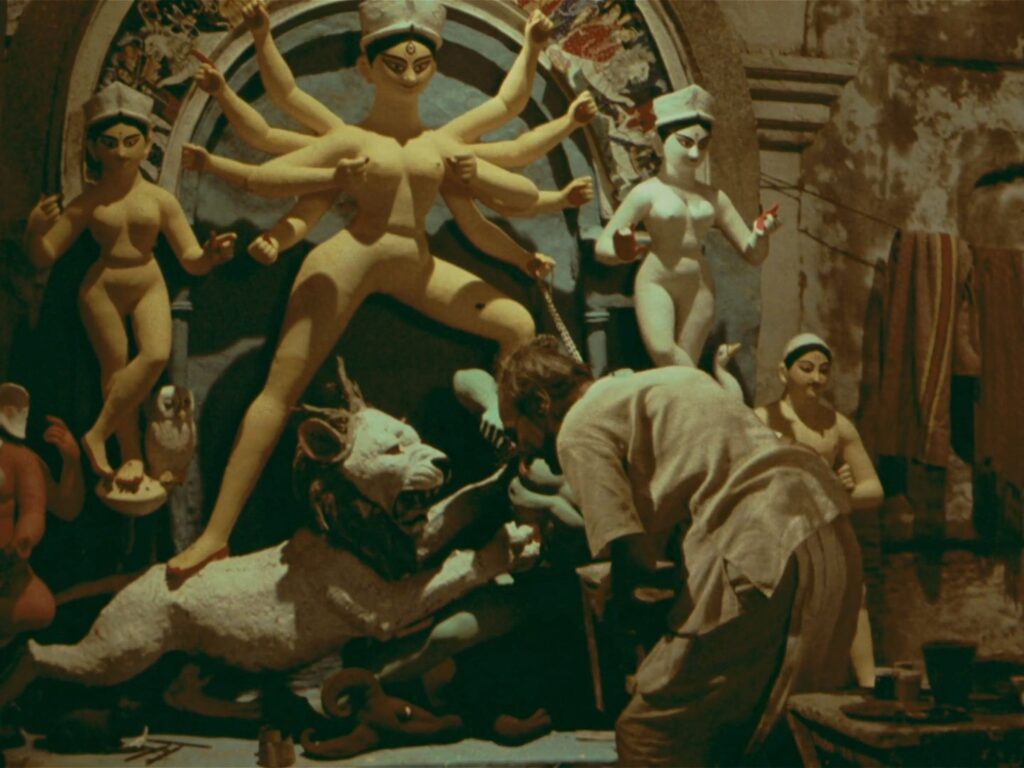
Right from the moment we witness a mysterious figure rummaging through Umanath’s bedchamber, Ray lays his noir-inflected intrigue on thick, testing Feluda’s wits with a puzzle that disperses elusive fragments of truth among a cast of suspects. Accompanied by his cousin Topshe and thriller writer Jatayu, the sleuth carefully examines the dynamics of the Ghosal household in the opening act, and Ray lays his intricate narrative groundwork. In the entrance hall, idol maker Shashibabu tirelessly paints a shrine of Hindu gods, while tensions brew between Umanath and his elderly father Ambika. Although Umanath’s own child Ruku spends his time reading comic books and climbing roofs, he is far more observant than he initially seems, innocently masking insights that the adults around him fail to notice. Something also seems off about the holy man Machli Baba who has recently arrived in Varanasi, inspired the reverence of many, and forged close ties with Maganlal, thus drawing Feluda’s scrutiny.
Perhaps most perplexing of all is the discontent Maganlal projects in his first meeting with our sharp-minded detective. He evidently does not possess the Ganesh, though this does not mean his motives should be treated with any less suspicion. Umanath initially stole the statuette from the safe to sell, Maganlal dubiously claims, but later changed his mind and staged the theft as a burglary. Ray effectively builds suspense during this exchange as his camera lingers on a hidden pistol, though his grasp of character logic proves somewhat weak when Feluda inexplicably continues to indulge Maganlal’s hostile hospitality after a blatant attempt on his life. Where Ray once rooted his craft in social realism, The Elephant God leans into the genre’s theatrical flourishes, heightening drama at the expense of plausibility.
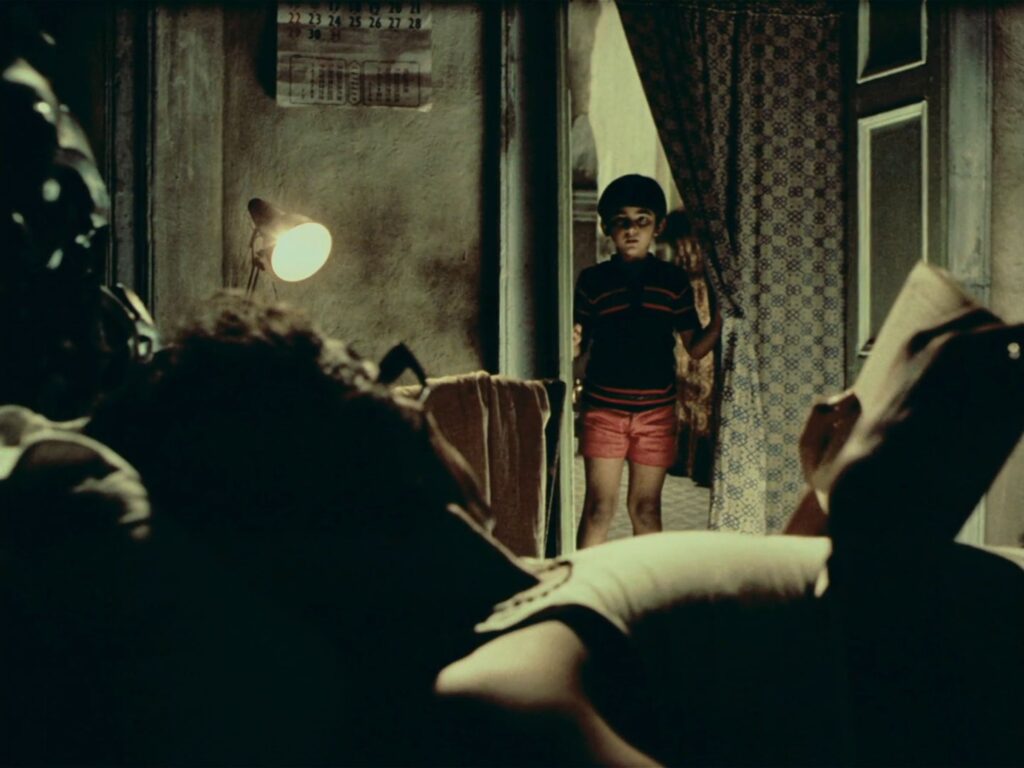
Especially when Shashibabu is brutally stabbed one evening in a dim alleyway, the stakes snap into sharp focus. After all, it is no coincidence that this should take place shortly after the idol maker found the Ganesh lying by his shrine, nor that it should almost immediately disappear a second time. Although the blame is effectively pinned on his son Madhab, Feluda refuses to divert his discerning gaze from the more compelling suspects at play. Instead, it remains fixed on the fraudulent Machli Baba, driving him to successfully expose the holy man as one of Maganlal’s criminal collaborators. After Ruku eventually confesses to hiding the Ganesh from Maganlal in the mouth of Shashibabu’s idol, Feluda’s suspicions shift to young lodger Bikash. He was the one aiding the greedy businessman from the inside, Bikash remorsefully confesses, delivering the statuette to Maganlal when Shashibabu discovered it on the floor – and inadvertently getting the idol maker killed for knowing too much.
Ray’s plotting is not terribly tight when it comes to character motives in The Elephant God, and as secrets emerge, we are left baffled as to why so many people on Feluda’s side have deliberately withheld key information. The fact that the stolen Ganesh statuette was only ever a replica is undoubtedly a nod to The Maltese Falcon, yet the reveal lacks symbolic weight, raising the question of why the Ghosals called for this investigation in the first place. Still, as Feluda closes in on the culprit through a cunning trick of his own, his triumph is only made possible by Ray’s flair for irony and wit. If The Elephant God lacks the taut precision of his finest works, it compensates with the rich cultural textures of modern India, upholding a firm sense of justice against those who exploit its heritage, artistry, and faith for profit.
The Elephant God is currently streaming on The Criterion Channel.