Film Review

The Big City (1963)

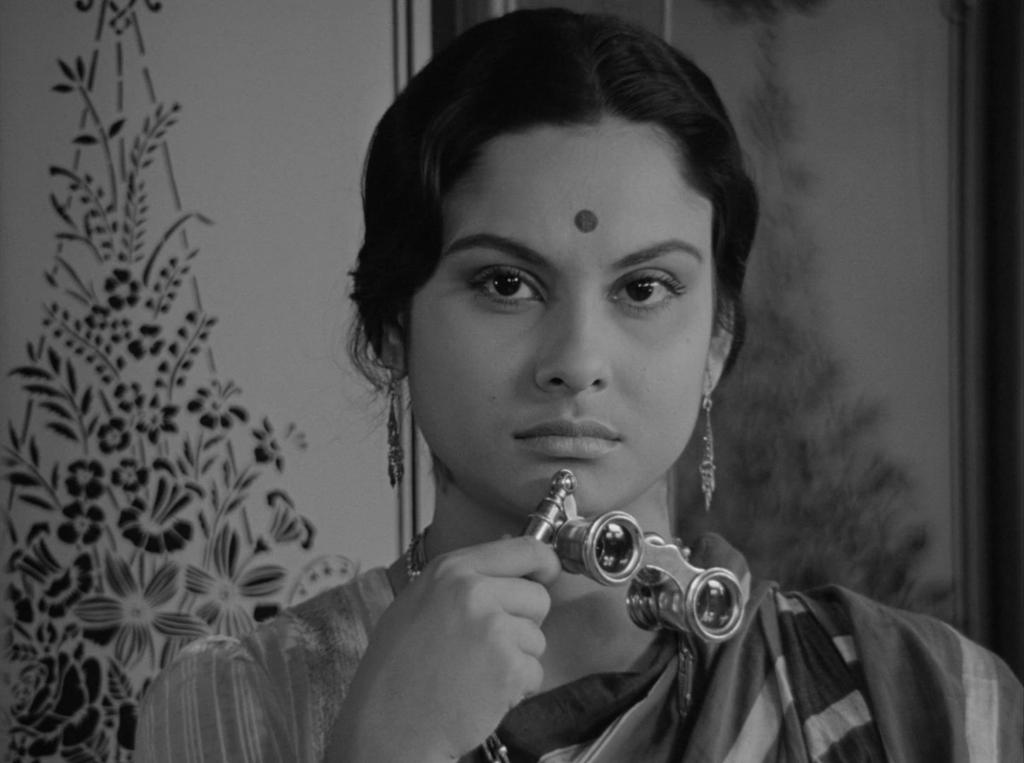
Competing notions of duty and dignity collide over one housewife’s transgressive decision to enter the workforce in The Big City, and Satyajit Ray renders this upheaval with tender, incisive clarity, astutely dissecting the shifting social hierarchies of mid-century India.

The Expedition (1962)

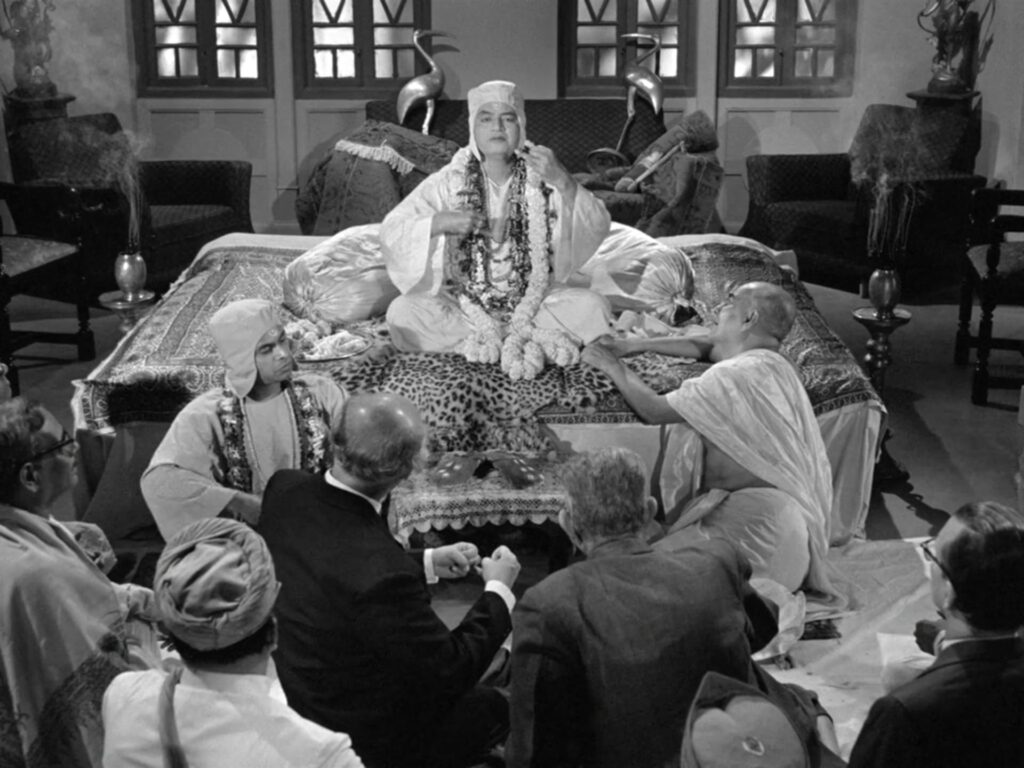
As one taxi driver becomes entangled in a smuggling operation, Satyajit Ray veers The Expedition into crime thriller territory, trading out his usual psychological depth for a spiralling fatalism that pits ancestral codes of honour against deep moral corruption.

Three Daughters (1961)

By adapting the writing of polymath Rabindranath Tagore with cinematic grace in the anthology of Three Daughters, Satyajit Ray underscores their shared humanism and lyrical artistry, meditating on the devotion, decay, and emotional transformation of women shaped by the pressures of social expectations.

Pastoral: To Die in the Country (1974)

Shūji Terayama may cast his rural childhood in an array of surreal, kaleidoscopic motifs, yet this memory piece does not yield easily to nostalgia or repression, as Pastoral: To Die in the Country contemplates the unstable, self-reflexive act of reminiscence and its sublimation into art.

Devi (1960)

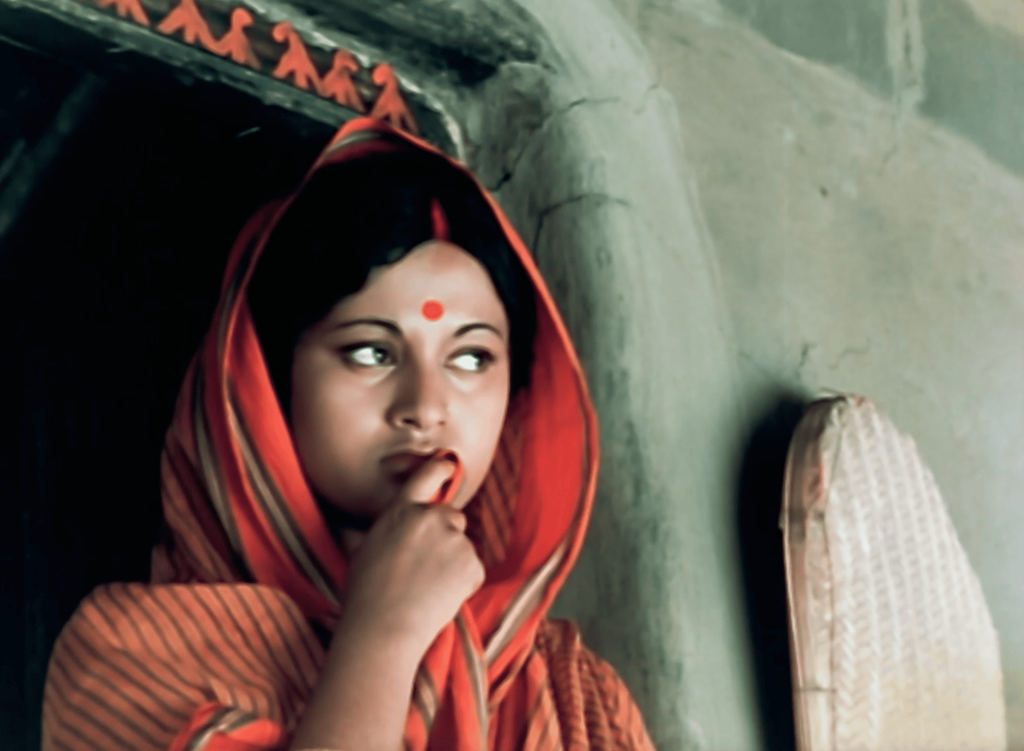
Through the delusional deification of one wealthy patriarch’s daughter-in-law, Satyajit Ray composes a haunting psychological fable in Devi, condemning those who worship her divinity to the ruinous consequences of blind, religious fanaticism.

Fjord (2026)

Moral certainty is a privilege for the Norwegian community of Fjord, yet the arrival of a conservative Romanian family unsettles its most basic assumptions, as Cristian Mungiu turns his discomforting, realist lens to the frictions between cultural difference and institutional scrutiny.

Fatherland (2026)

As writer Thomas Mann visits Germany to accept awards on both sides of the Iron Curtain in Fatherland, Paweł Pawlikowski traces his existential journey with a severe, monochrome ascetism, exposing the moral failure of cultural idealism when exposed to unresolved historical trauma.

Parallel Tales (2026)

When Parallel Tales sees one writer’s work fall into the hands of its unwitting, real-life inspirations, Asghar Farhadi begins to blur the lines between observer and participant, unravelling a web of misconstrued identities shaped by the very act of interpretation.

A Touch of Zen (1971)

As King Hu edges towards a spiritual transcendence in A Touch of Zen, wuxia spectacle dissolves into a meditative, cosmic stillness, revealing its worldly struggles between imperial authorities and persecuted fugitives as fleeting dramas within a transient world.

Apur Sansar (1959)

Satyajit Ray gracefully brings his epic coming-of-age trilogy full circle in Apur Sansar, guiding the now-grown Apu through shattering grief, and towards an enlightenment that can only be found in the timeless, seasonal cycles of nature.

Scroll to Top