Must-See

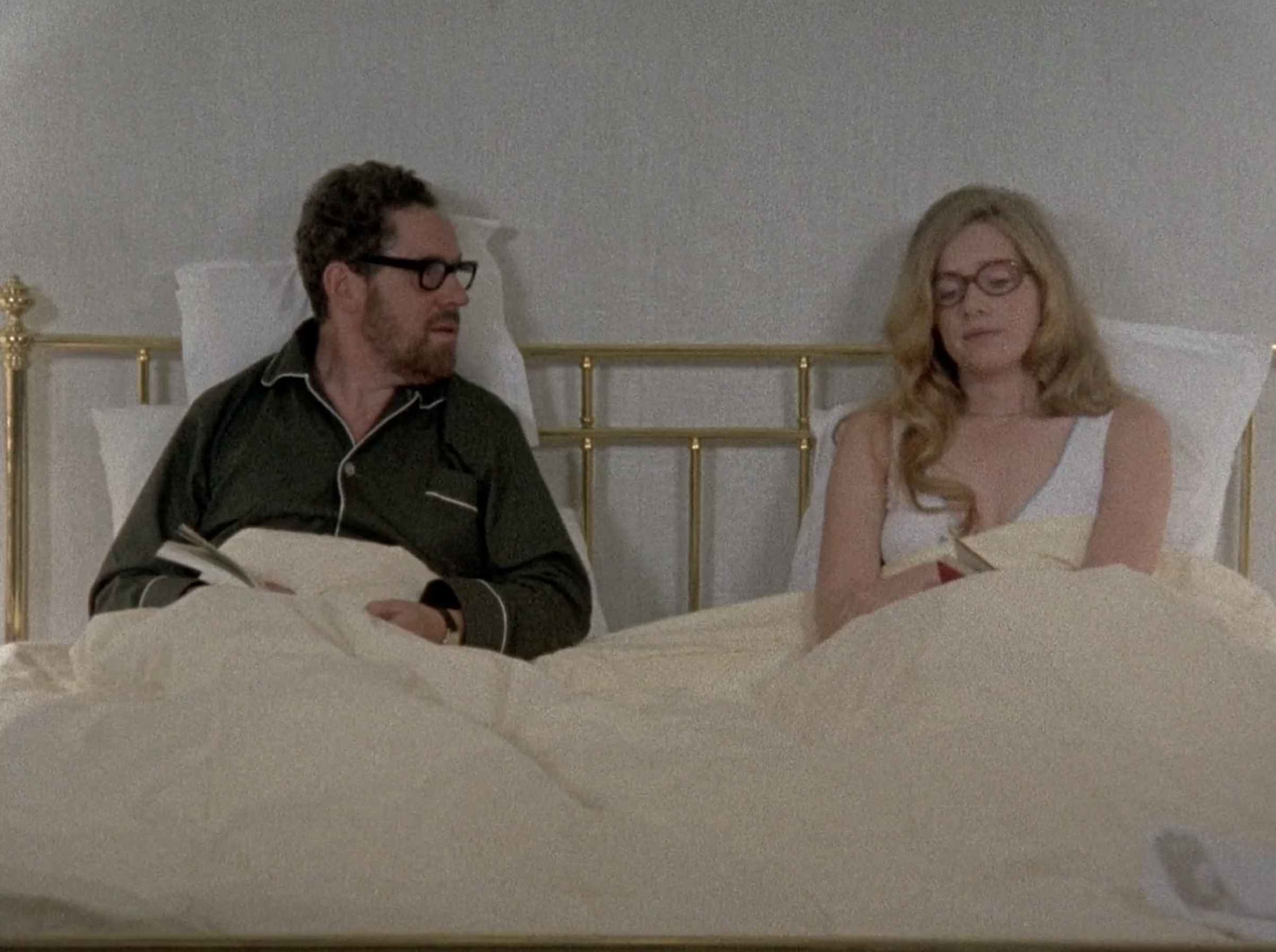
Scenes From a Marriage (1973)

Ingmar Bergman uses six isolated episodes of Johan and Marianne’s married life to piece together a collage of a fragmenting relationship in Scenes From a Marriage, turning their divorce not into a battle of husband versus wife, but rather lovers versus the space between them.

Shame (1968)

From the moment the first bombs start falling, Ingmar Bergman descends Shame into an irreversible degradation of innocence, love, and compassion, tragically twisting the souls of wartime survivors into distorted shadows of their former selves and taking this study of human violence to its logical, haunting end.

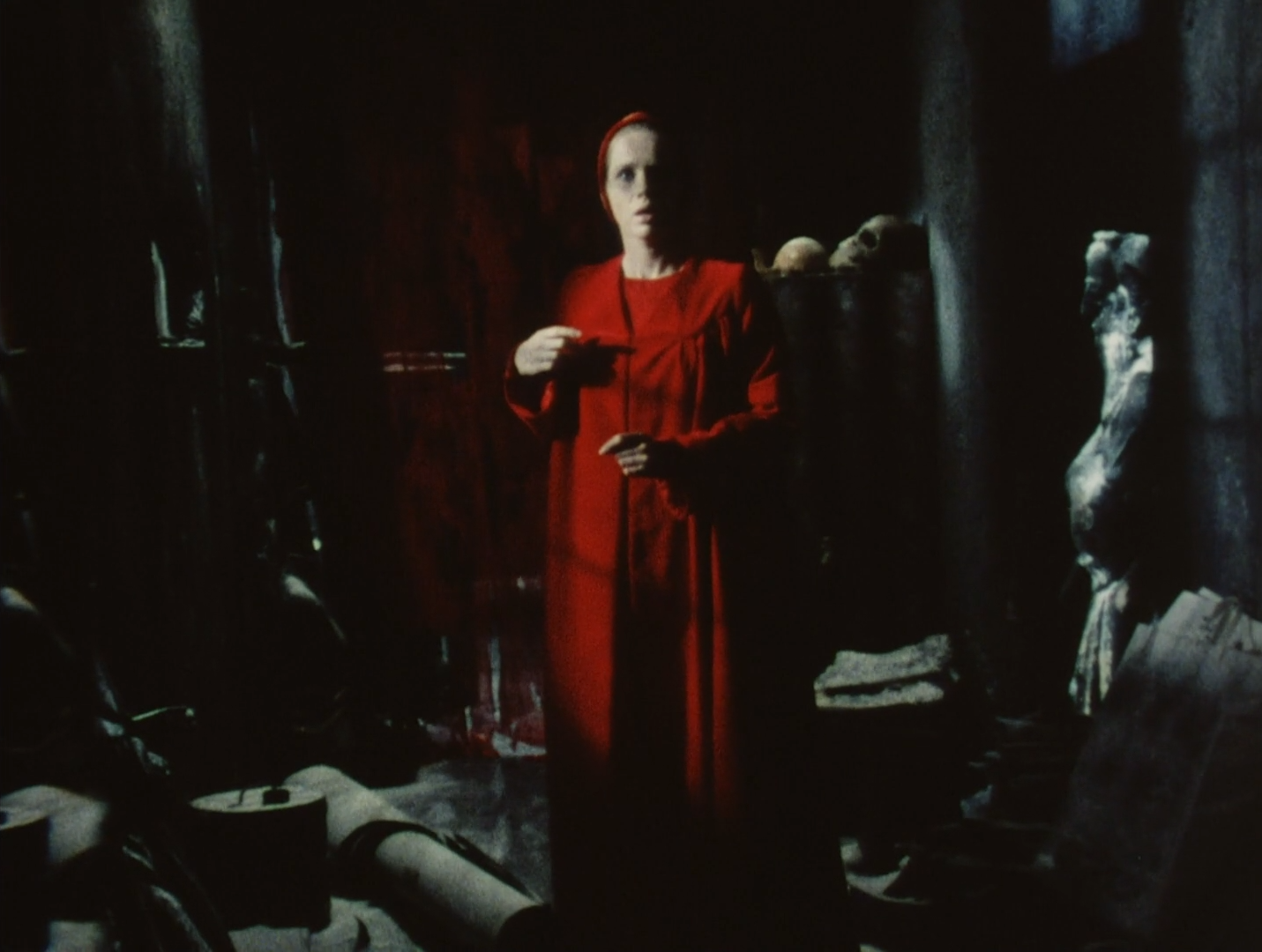
Hour of the Wolf (1968)

As we trace back the steps of one mentally tortured painter through the days before his disappearance in Hour of the Wolf, it becomes clear that no other Ingmar Bergman film has come this close to outright psychological horror, surreally warping our most intimate relationships into vulnerable weaknesses where demons come to play.

Babylon (2022)

Just as Babylon writhes with excitement at cinema’s potential during the early years of its formation, so too does Damien Chazelle eagerly tease apart the connection between artistic genius and debauchery in its first pioneers, swinging as hard with his decadent maximalism as the modern empire of insurmountable, ruinous ambition at the centre of it all.

Widows (2018)

Steve McQueen’s dip into the crime genre with Widows shrewdly carries on his style of uncompromising filmmaking, using dazzling camerawork and slick pacing to navigate a sprawling, rolling narrative which sees the consequences of one failed robbery ricochet through Chicago’s gangs, politics, and the grieving wives who soon decide to collaborate on their own grand heist.

The Band Wagon (1953)

In bringing narrative tension to a classic Broadway revue of disconnected musical numbers, The Band Wagon lands as a boisterous examination of failure and success in the entertainment industry, rolling along with zeal while Vincente Minnelli’s exhilarating camerawork brings propulsive dimensions to that which unfolds onstage.

A History of Violence (2005)

Within A History of Violence’s interrogations of humanity’s ravenous self-destruction, David Cronenberg skilfully crafts a biblical allegory from one humble diner owner’s confrontation with his shameful past, visiting the sins of fathers upon their children with chilling brutality.

Spencer (2021)

In the stretches of time spent watching Princess Diana quietly unravel in her search for an escape from the British royal family’s country vacation over the course of a few days in 1991, Pablo Larraín crafts a tragically surreal portrait in Spencer of a woman who has not yet died, but who has already departed those worlds she once inhabited.

Dune (2021)

Denis Villeneuve succeeds in giving Frank Herbert’s epic space opera Dune the cinematic treatment on a grand scale, digging into its Greek mythological archetypes as a compelling canvas upon which he intricately paints out awe-inspiring civilisations, landscapes, and worlds of historic and futuristic significance.

Pride and Prejudice (2005)

Joe Wright’s cinematic interpretation of Jane Austen’s novel brings a stylistic and formal flair to Elizabeth Bennet and Mr Darcy’s swooning romance that we haven’t seen before, efficiently constructing the world of 19th century England in long takes that soar through lavish ballrooms, hallways, and mansions.

Scroll to Top