Must-See

Widows (2018)

Steve McQueen’s dip into the crime genre with Widows shrewdly carries on his style of uncompromising filmmaking, using dazzling camerawork and slick pacing to navigate a sprawling, rolling narrative which sees the consequences of one failed robbery ricochet through Chicago’s gangs, politics, and the grieving wives who soon decide to collaborate on their own grand heist.

The Band Wagon (1953)

In bringing narrative tension to a classic Broadway revue of disconnected musical numbers, The Band Wagon lands as a boisterous examination of failure and success in the entertainment industry, rolling along with zeal while Vincente Minnelli’s exhilarating camerawork brings propulsive dimensions to that which unfolds onstage.

A History of Violence (2005)

Within A History of Violence’s interrogations of humanity’s ravenous self-destruction, David Cronenberg skilfully crafts a biblical allegory from one humble diner owner’s confrontation with his shameful past, visiting the sins of fathers upon their children with chilling brutality.

Spencer (2021)

In the stretches of time spent watching Princess Diana quietly unravel in her search for an escape from the British royal family’s country vacation over the course of a few days in 1991, Pablo Larraín crafts a tragically surreal portrait in Spencer of a woman who has not yet died, but who has already departed those worlds she once inhabited.

The Card Counter (2021)

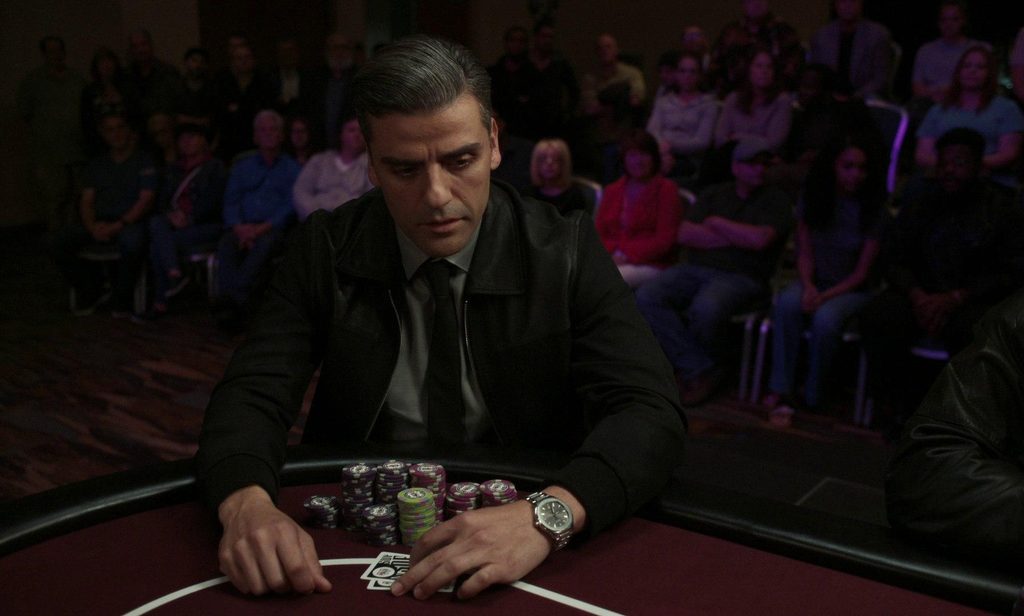
Though sin has implanted itself firmly in the soul of gambler William Tell, his attempts to soften its impact by putting up physical and emotional barriers between him and his environment points towards a deep complexity in his character, as Paul Schrader turns The Card Counter into a masterfully rigorous study of regret, self-discipline, and atonement.

Dune (2021)

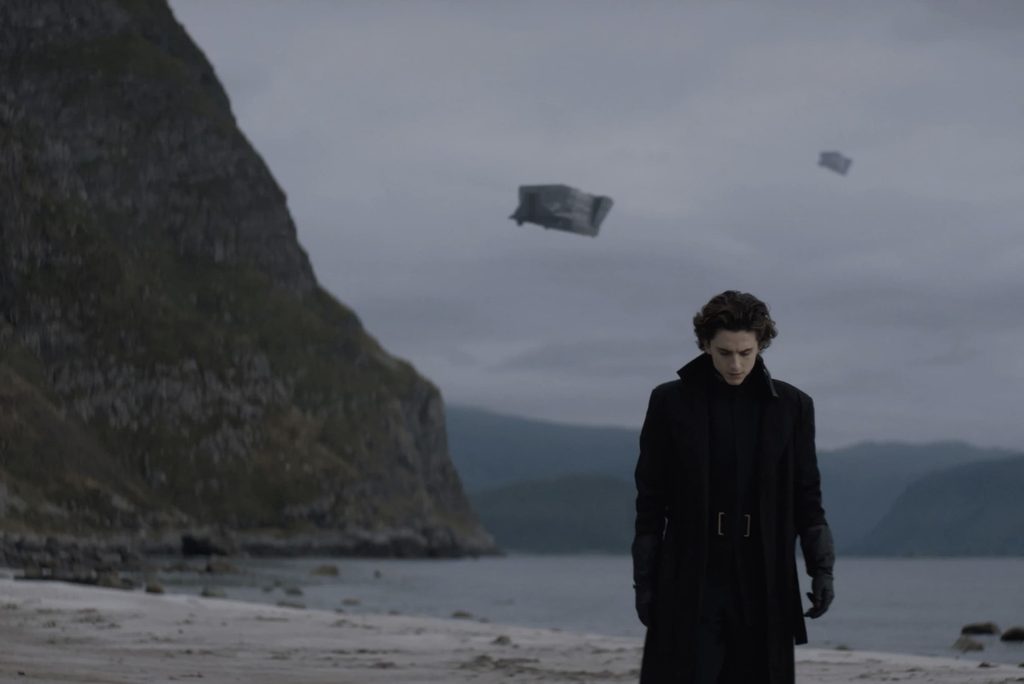
Denis Villeneuve succeeds in giving Frank Herbert’s epic space opera Dune the cinematic treatment on a grand scale, digging into its Greek mythological archetypes as a compelling canvas upon which he intricately paints out awe-inspiring civilisations, landscapes, and worlds of historic and futuristic significance.

The Green Knight (2021)

Medieval English folklore finds fresh life in The Green Knight as David Lowery relishes the poetic fantasy and dreamlike imagery of this enchanting setting, and very gradually surrenders Sir Gawain’s mystical quest for glory to the creeping power of time, nature, and mortality.

Pride and Prejudice (2005)

Joe Wright’s cinematic interpretation of Jane Austen’s novel brings a stylistic and formal flair to Elizabeth Bennet and Mr Darcy’s swooning romance that we haven’t seen before, efficiently constructing the world of 19th century England in long takes that soar through lavish ballrooms, hallways, and mansions.

The Underground Railroad (2021)

Barry Jenkins’ revision of the real “underground railroad” manifests as a retro-futuristic gift of modern-day resources to those who worked in secret to free slaves, dropping small, quiet doses of magical realism in among historical horrors.

Scroll to Top